What is detection and rope rescue equipment? Detection and rope rescue equipment includes life detection radars, thermal imaging cameras, gas detectors, rescue ropes, harness systems, carabiners, pulleys, and stretchers used by Urban Search and Rescue (USAR) teams, fire departments, military units, and industrial rope access teams to locate, reach, and extract people in emergency situations.
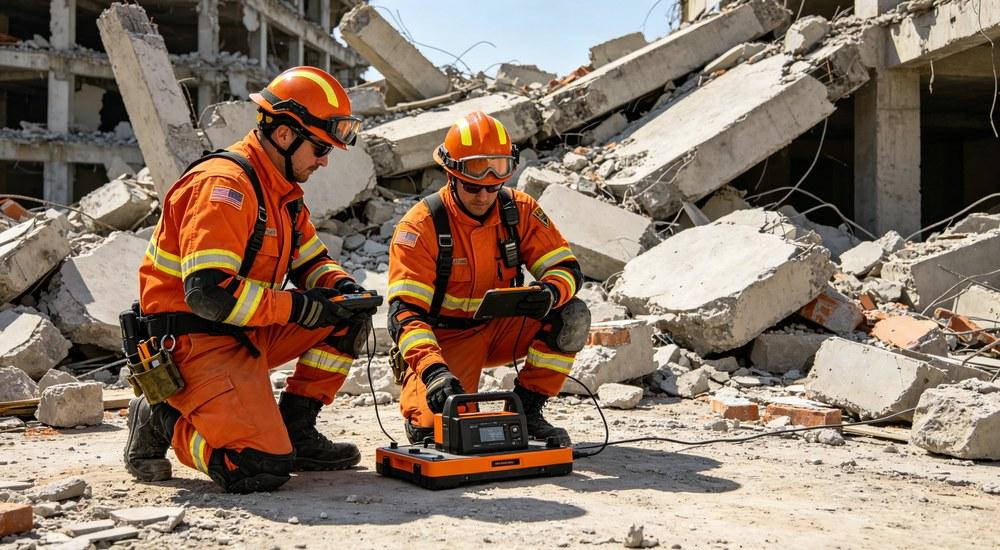
Complete range of life detection equipment, thermal imaging cameras, multi-gas detectors, rescue static ropes, ascent/descent harness systems, and rope-rescue stretchers for urban search and rescue (USAR), fire technical rescue, industrial rope access, mountain rescue, and military tactical operations. Each product category is available with real specifications, international certifications, and custom configuration options.
Tell us your team size, rescue type, equipment needs, and destination. We respond within 24 hours with specifications, configuration, and pricing.
Direct communication for product specifications, stock availability, configuration questions, and quotations.
YRF Textile — China supplier of emergency and technical rescue equipment. Electronic detection devices and rope rescue hardware are configured to project requirements. All specifications subject to final contract confirmation. Detection equipment locates survivors before entry; rope systems establish safe access, movement, and casualty extraction. Select the product category by rescue phase — detection first, then rope access and rescue. We can configure complete USAR team kits combining all categories.
Five Product Categories Parameter Comparison Quick Selection Guide Rescue Scenarios USAR Team Kit Ropes & Hardware Harness Systems Stretchers Certifications Custom Options Packing Quality Control Related Products FAQ
Table of Contents / Quick Navigation |
|
|
Five Categories of Detection & Rescue Equipment |
Rescue Stretcher & Rope-Rescue Systems Selection |
|
Parameter Comparison: Detection Radar, Rope & Harness |
Certifications & Standards for Rescue Equipment |
|
30-Second Quick Selection Guide for USAR Gear |
Custom Options: OEM, Private Label & Custom Packaging |
|
Six Rescue Scenario Guides for Technical Teams |
Packing & Shipping for Bulk Rescue Equipment |
|
Complete USAR Team Kit Configuration |
Quality Inspection Process for Rescue Equipment |
|
Rescue Ropes & Hardware: Static Rope, Carabiners & Pull |
Related USAR & Rope Access Equipment |
|
Harness System Selection Guide for Rescue & Safety |
FAQ: Detection Equipment, Rope Rescue & USAR Gear |
We organize our detection and rescue equipment into five core categories: life detection devices, thermal imaging systems, rescue ropes and hardware, harness systems, and rescue stretchers. Each category serves a specific function in the USAR workflow, from locating victims to extracting them safely.
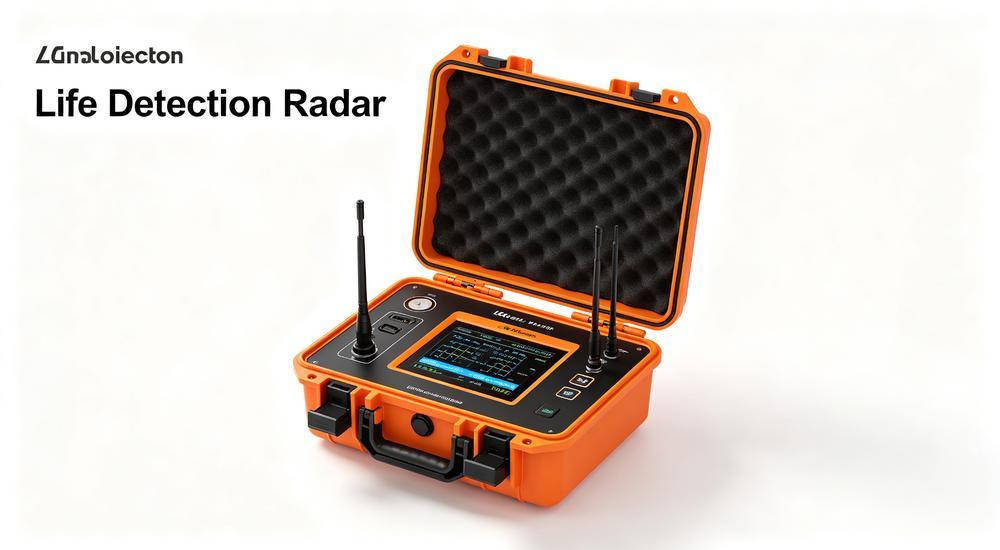
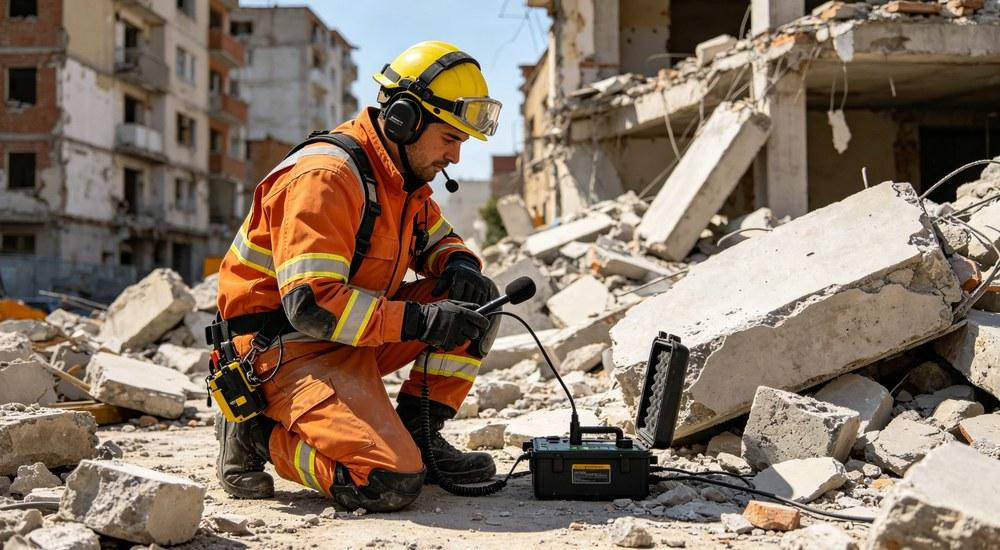
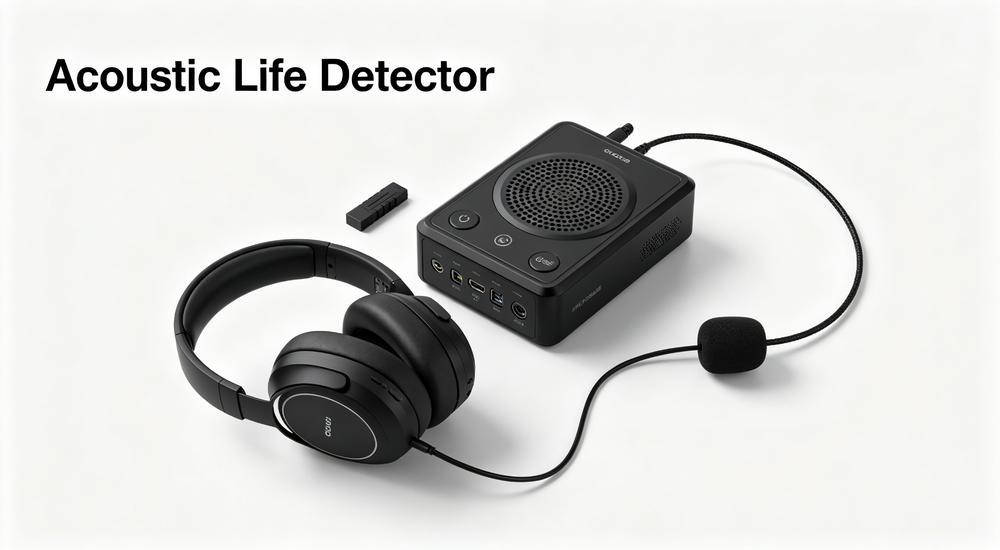
Electronic search devices for locating trapped survivors under rubble, in collapsed structures, or in confined spaces. Four detection technologies available: acoustic, radar, audio-video, and infrared thermal. Each technology suits different search environments — choose based on building type, debris composition, and search depth requirements.
|
Detection types |
Acoustic (microphone array), Radar (UWB), Audio-video (flexible probe), Infrared thermal |
|
Acoustic detection |
4-microphone array, 100Hz–10kHz, detection depth 5–10m, positioning accuracy ±1m |
|
Radar detection |
UWB ultra-wideband, detection depth 10–30m through concrete, positioning accuracy ±0.5m, detects breathing and heartbeat movement |
|
Audio-video probe |
25mm probe diameter, 20m/50m cable, 1080p camera, 10m infrared illumination, 360° rotation, 7-inch display |
|
Infrared thermal |
320×240 resolution, -20°C to +550°C, NETD <50mK, 25Hz frame rate, 45°×34° field of view |
|
Main unit size |
250×180×80mm (acoustic) / 280×200×90mm (radar), weight 2.5–3.5kg |
|
Battery life |
4–8 hours continuous operation, rechargeable lithium battery, hot-swappable option |
|
Operating temp |
-20°C to +60°C |
|
Protection rating |
IP65 (acoustic/radar), IP67 (audio-video probe) |
|
Data recording |
Internal storage 10,000+ records, USB/WiFi export, GPS tagging, timestampCertifications |
|
Certifications |
CE, FCC, optional ATEX/IECEx for explosive environments |
|
Packaging |
Hard carrying case with foam insert, charger, cables, user manual, calibration certificate |
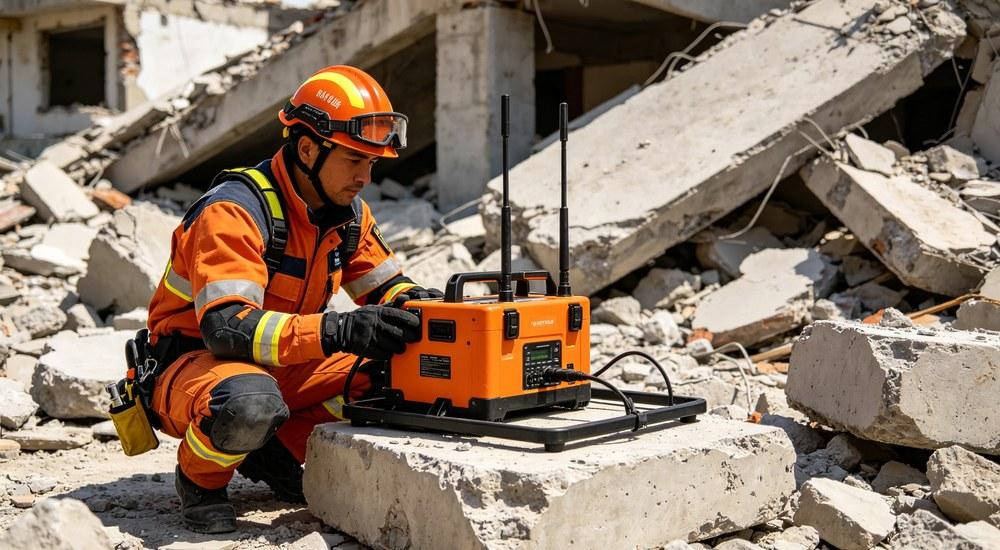
Life detection radar systems use advanced UWB radar technology to detect human heartbeat and respiration through concrete, rubble, and other obstacles. These devices are essential for urban search and rescue teams responding to earthquakes, building collapses, and other structural disasters.
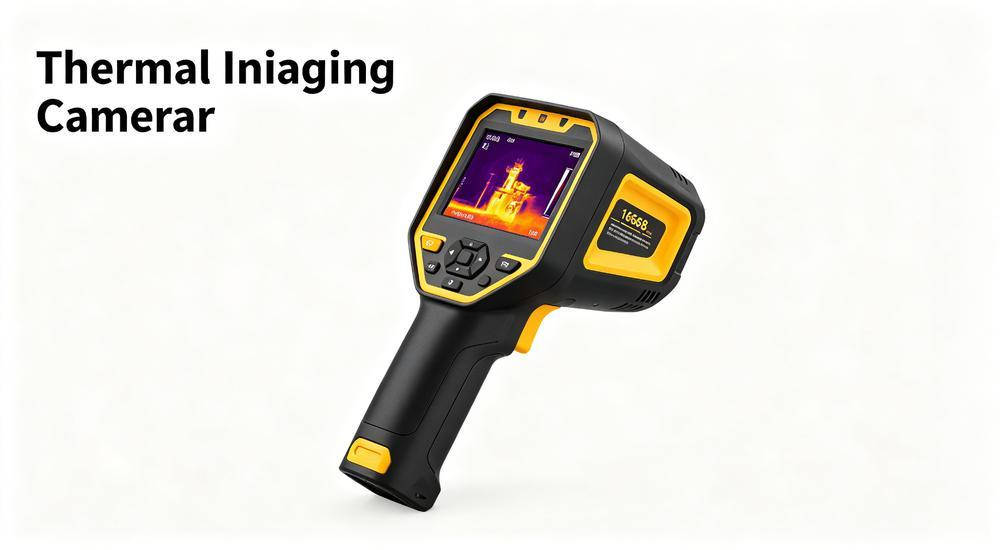
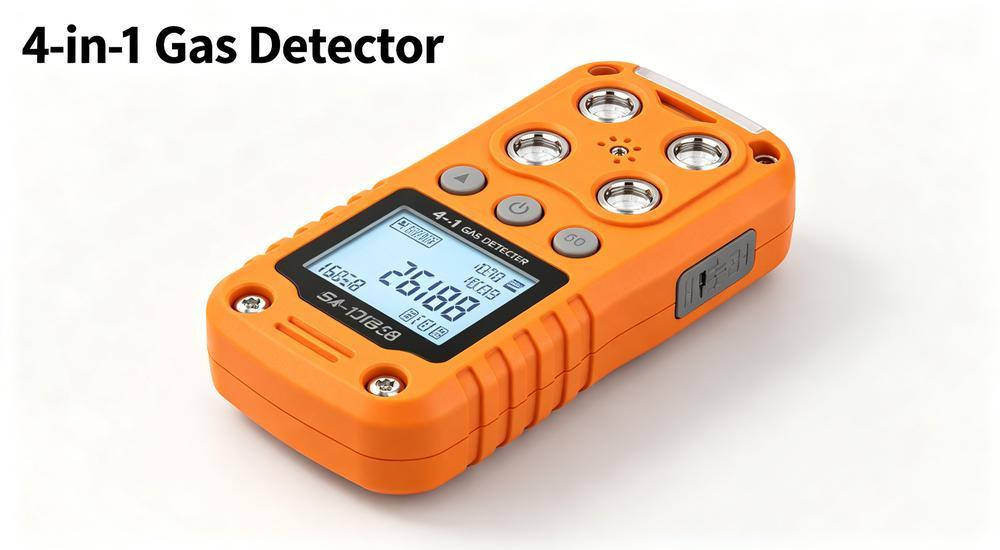
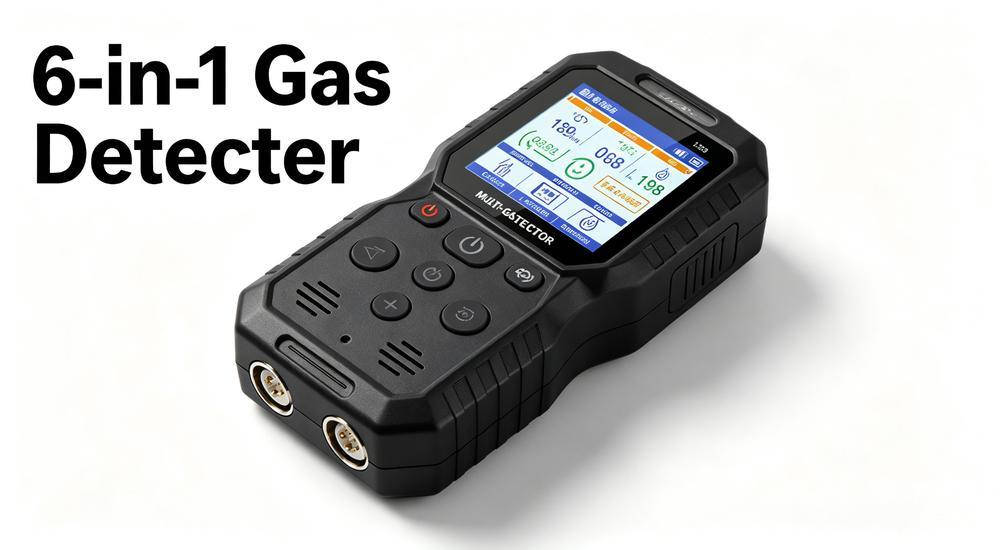
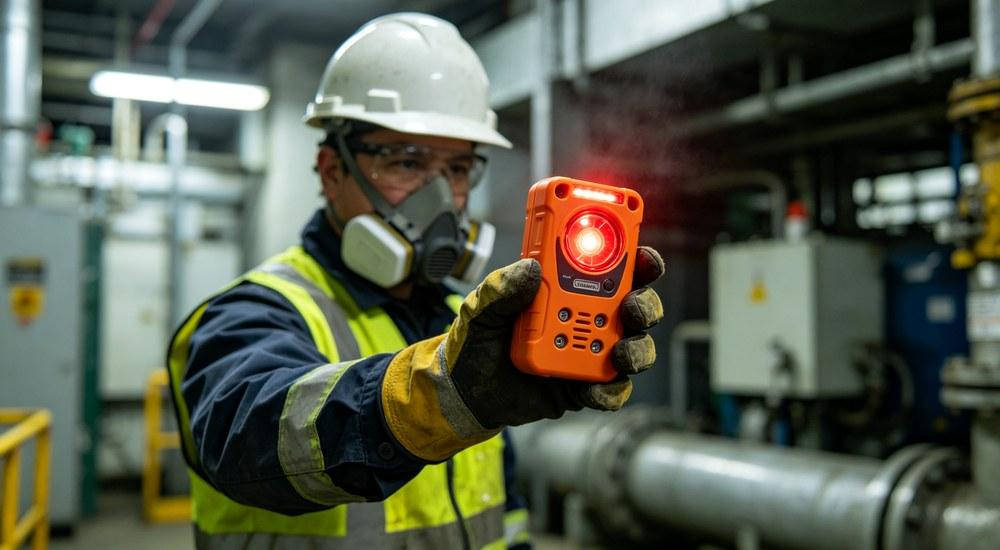
Thermal imaging cameras for fireground search, hot spot detection, and overhaul; multi-gas detectors for confined space entry, atmospheric screening, and pre-entry safety decisions. Both categories are essential for safe entry decision-making — thermal imaging sees through smoke, gas detectors confirms breathable atmosphere.
|
Thermal imager resolutions |
160×120 (entry), 320×240 (standard), 640×480 (professional) |
|
Temperature range |
-20°C to +150°C (general) / -20°C to +550°C (firefighting) |
|
Accuracy |
±2°C or ±2% of reading |
|
NETD |
<50mK (160×120), <40mK (320×240+) |
|
Frame rate |
25Hz / 30Hz / 50Hz |
|
Field of view |
25°×19° (narrow) / 45°×34° (wide) |
|
Battery life |
6–8 hours continuous, rechargeable, hot-swappable option |
|
Protection rating |
IP65 / IP67, drop test 2m |
|
Gas detector types |
4-in-1 (CO/H2S/LEL/O2), 5-in-1, 6-in-1 optional |
|
Gas ranges |
CO 0–1000ppm, H2S 0–100ppm, LEL 0–100%, O2 0–30%, optional CO2/SO2/NO2/VOC |
|
Sensor types |
Electrochemical (CO/H2S/O2/SO2/NO2), catalytic bead (LEL), infrared (CO2/HC), PID (VOC) |
|
Response time |
T90 <30 seconds (electrochemical), <10 seconds (catalytic bead) |
|
Alarm levels |
Low alarm, high alarm, STEL, TWA — all configurable |
|
Alarm output |
≥90dB audible, bright LED visual, vibration |
|
Data logging |
10,000–50,000 records, USB download, software included |
|
Battery life |
12–16 hours continuous |
|
Protection rating |
IP67, intrinsically safe option |
|
Certifications |
CE, ATEX, IECEx, Ex ia IIC T4 Ga, UL |
|
Calibration |
Bump test and full calibration, quality inspection calibrated, annual calibration service available |
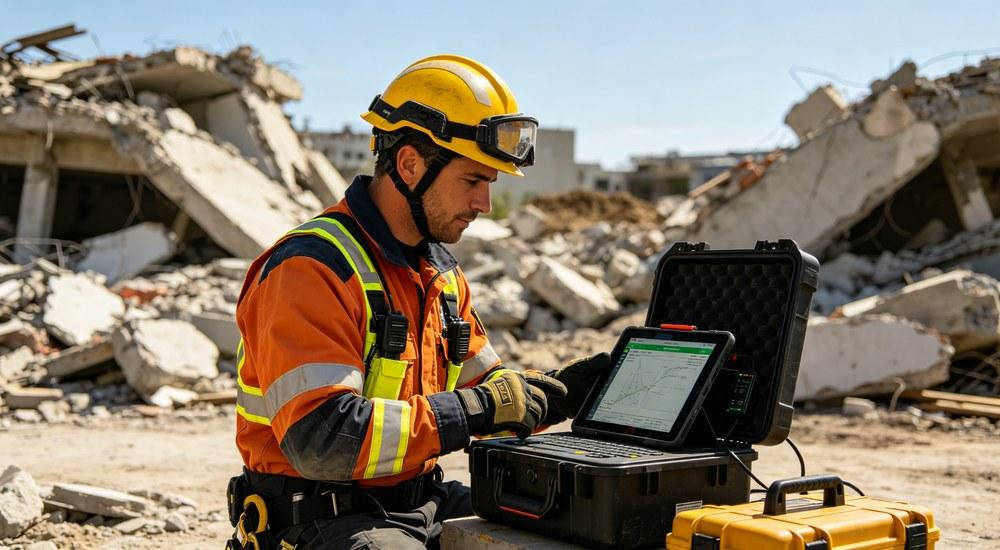
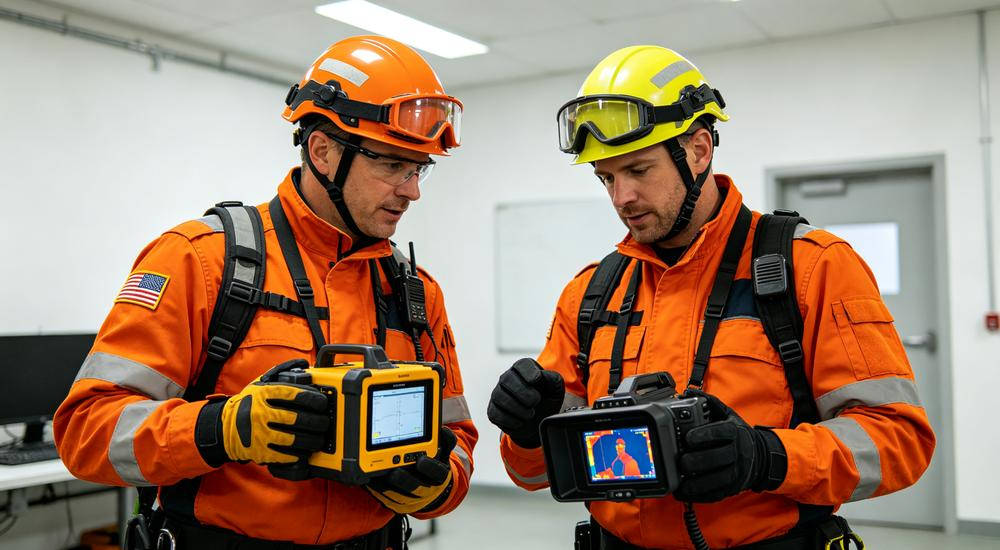
Thermal imaging cameras allow rescue personnel to see through smoke, darkness, and debris to locate victims and identify hot spots. When combined with multi-gas detectors, teams can safely assess atmospheric conditions before entering confined spaces or hazardous environments.
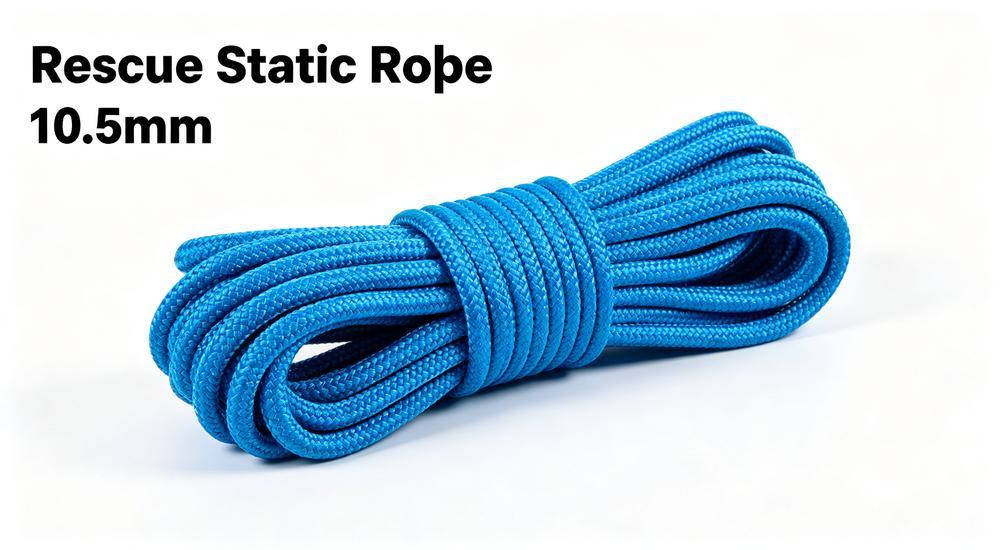
Low-stretch static ropes for rescue main lines, belay systems, and anchor rigging; plus full range of connectors (carabiners), ascenders, descenders, and anchor hardware. All ropes and hardware are certified to European or North American life-safety standards. Choose rope diameter and length based on system type, team size, and rescue environment.
|
Static rope diameters |
10mm (lightweight), 11mm (standard), 12mm (heavy-duty) |
|
Rope lengths |
30m, 50m, 100m, 200m — custom lengths available |
|
Rope material |
Polyester (static, EN 1891 Type A/B), Nylon (dynamic, EN 892), Aramid/Kevlar (heat-resistant) |
|
Static rope strength |
≥25kN (EN 1891 Type A), ≥22kN (Type B) |
|
Dynamic rope strength |
≥22kN (EN 892), first impact force ≤12kN, elongation 1–3% |
|
Static elongation |
<5% under body weight |
|
Weight per meter |
~66g/m (10mm), ~78g/m (11mm), ~90g/m (12mm) |
|
Operating temp |
-30°C to +80°C (nylon/polyester); aramid self-extinguishes, melting point ~500°C |
|
Certifications |
EN 1891 (static), EN 892 (dynamic), NFPA 1983, UIAA |
|
Connectors |
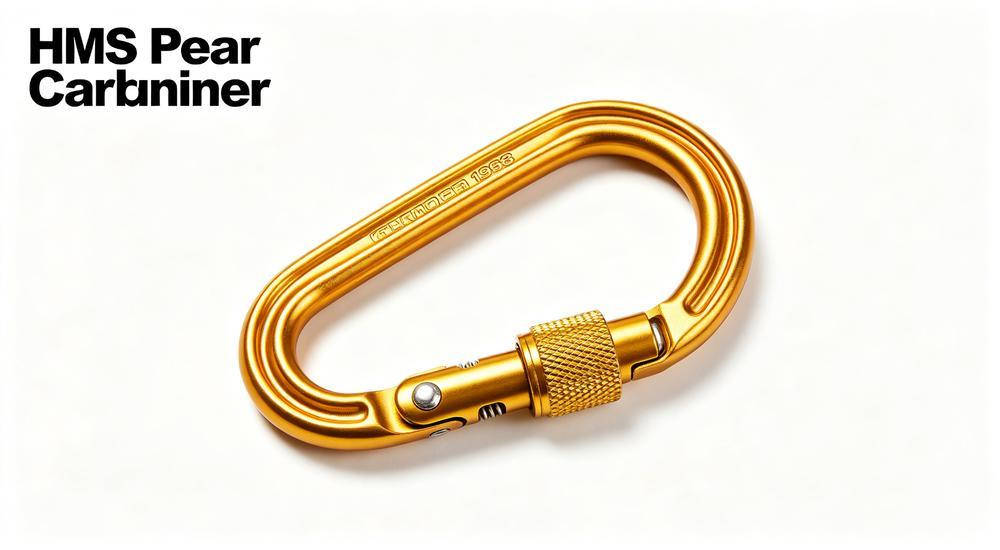
Aluminum D-carabiner ≥25kN (EN 362), HMS pear-shaped ≥30kN, steel locking ≥35kN |
|
Gate opening |
18mm (D), 21mm (HMS) |
|
Locking type |
Manual screw-lock, auto-lock, triple-action lock |
|
Ascenders |
Handled (EN 567), chest, foot — for 8–13mm rope |
|
Descenders |
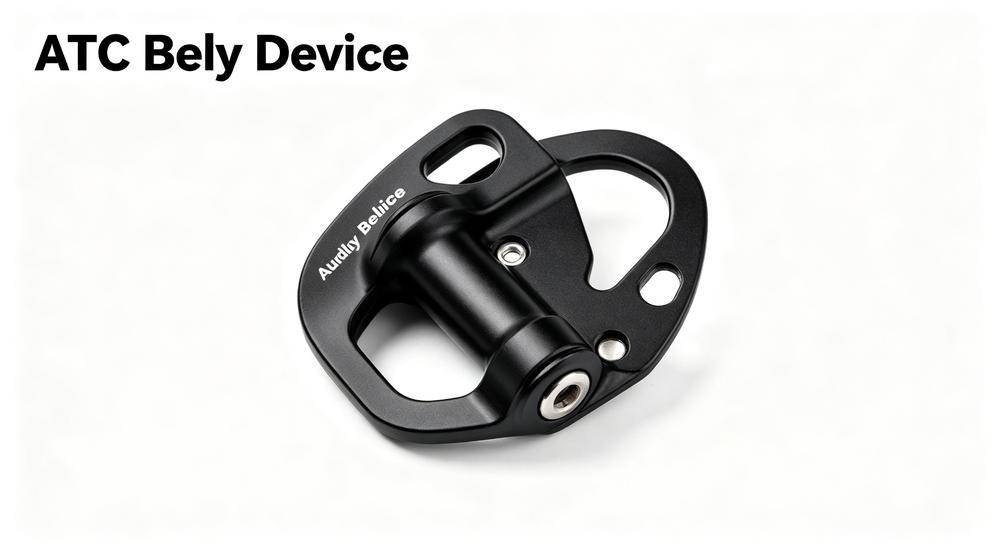
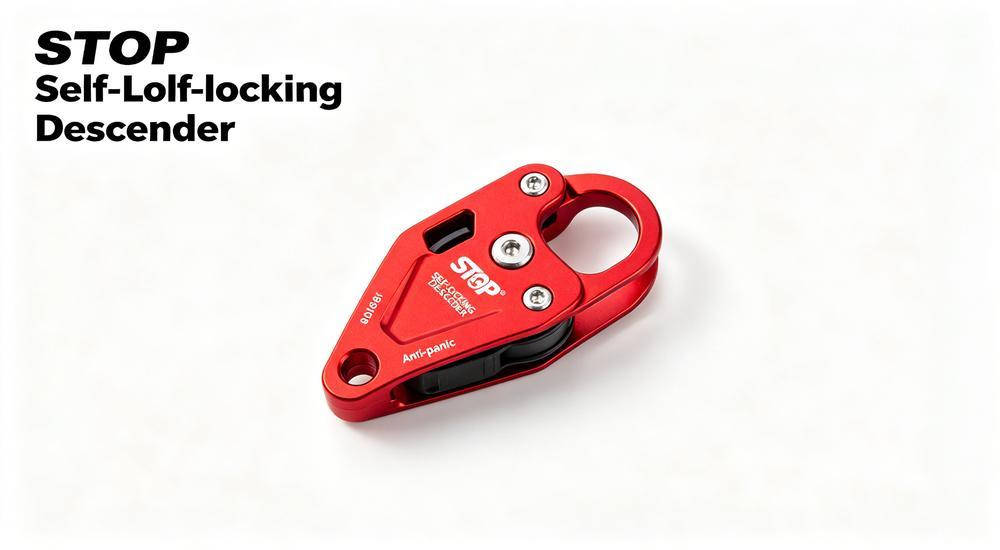
Figure-8 ≥25kN (EN 15151-1), ATC guide plate, self-braking Stop, anti-panic ID |
|
Anchor hardware |
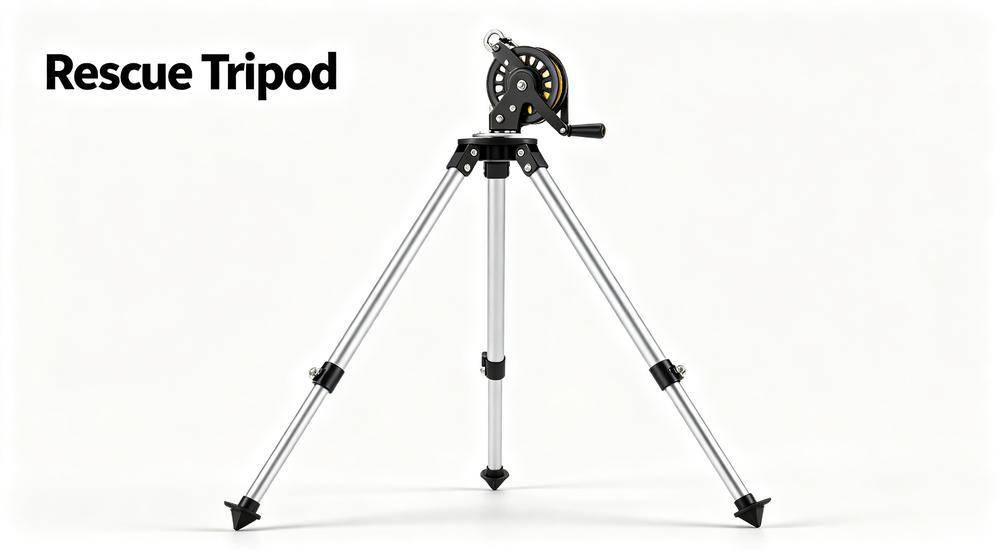
Anchor sling ≥22kN (EN 795), expansion bolts, rescue tripod |
|
Rope bags |
Nylon rope bag with drawstring, reflective strip, attachment loop |
|
Inspection |
Each rope and hardware individually inspected, labeled with batch number and inspection date |
|
Packaging |
1 rope/bag, 10 ropes/export carton, ~50×40×30cm, 12–18kg |
Rescue static ropes are designed for low-stretch performance during vertical rescue operations, providing reliable load bearing for personnel and equipment. These ropes are used with specialized carabiners, pulleys, and descenders to create complete rope rescue systems.
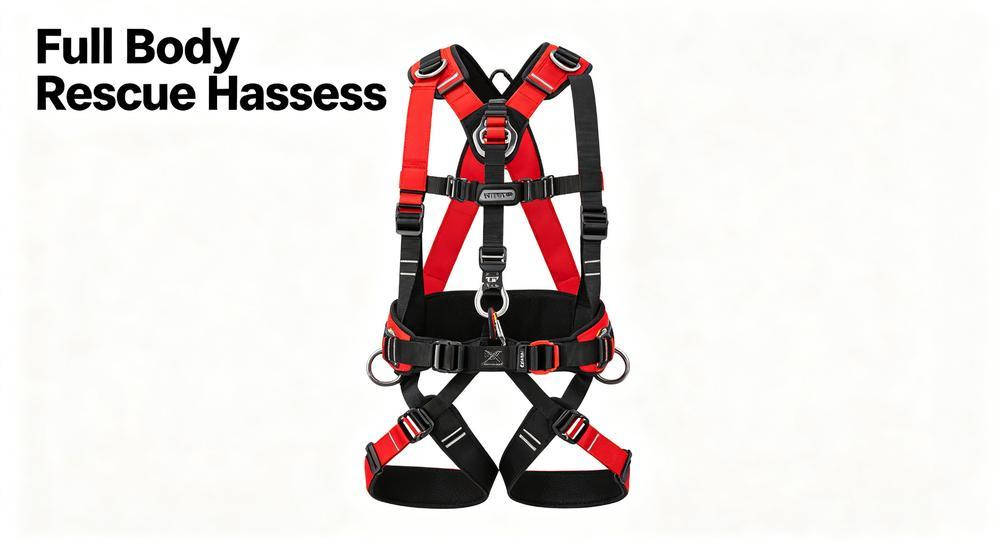
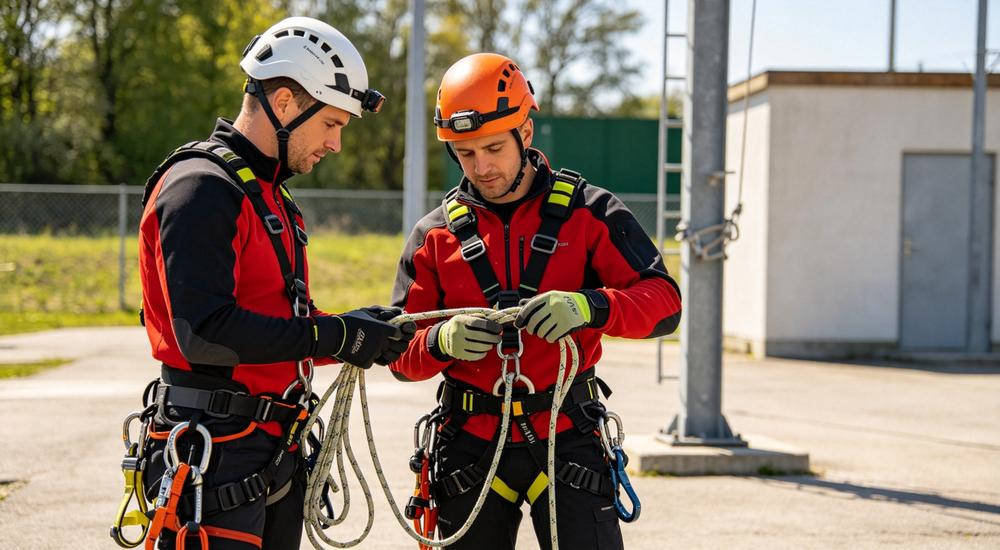
Full-body and sit harnesses for rope access, technical rescue, firefighter escape, and tactical operations. Configured with ascender sets, descender systems, fall arrest devices, and rescue pulley systems. Choose harness type based on user role — rescuer, rope access technician, firefighter, or tactical operator.
Harness types
Full-body rescue (EN 361+358+813), Sit work positioning (EN 358), Chest (EN 813), Rescue full-body NFPA Class III
Full-body harness
Back D-ring (EN 361), abdomen D-ring (EN 358), chest attachment, side rescue points, stretcher connection
Adjustment points
2-point (sit), 4-point (full-body), 5-point (rescue)
Webbing
43–45mm polyester webbing, padded options for shoulders/legs
Weight
0.8–1.2kg (sit), 1.5–2.5kg (full-body rescue)
Weight capacity
≥100kg (sit), ≥150kg (full-body)
Certifications
EN 358, EN 361, EN 813, NFPA 1983 Class III/III
Ascender set
Handled + chest + foot ascenders (3-piece), for 8–13mm rope
Descender system
Figure-8 or ATC or Stop or ID, with energy absorber and lanyard
Fall arrest
Retractable fall arrester (EN 360), rope grab (EN 353), energy absorber (EN 355)
Rescue pulley
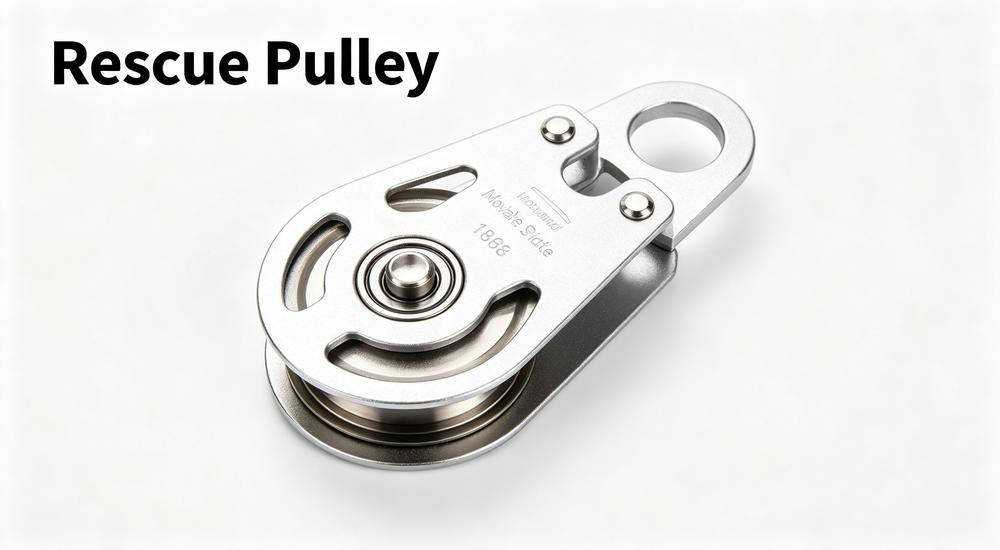
3:1, 5:1, 9:1 mechanical advantage systems, prusik minding pulleys
Tool attachment
Tool loops, gear carabiners, equipment retention lanyards
Suspension relief
Foot stirrups for suspension trauma relief, <10min safe suspension
Quick donning
<30 seconds for trained user, color-coded leg straps
Custom options
Logo printing, custom colors (black/navy/olive/tan), custom sizing
Packaging
1 harness/bag, 10 harnesses/export carton, ~45×35×30cm, 15–20kg
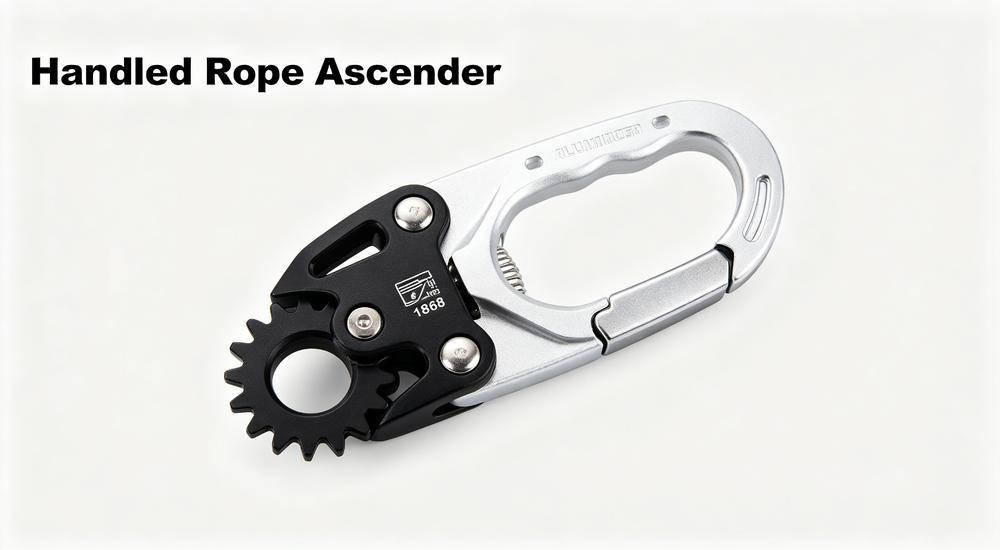
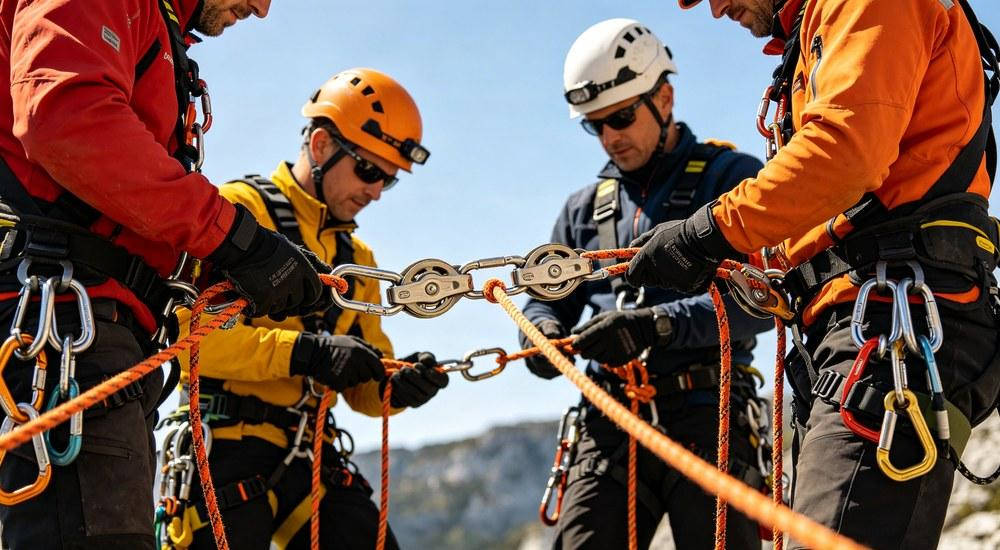
Full body rescue harnesses distribute load across the shoulders, waist, and legs for maximum comfort and safety during prolonged vertical operations. When paired with handled rope ascenders, rescuers can efficiently climb ropes and perform complex technical maneuvers in high-angle rescue scenarios.
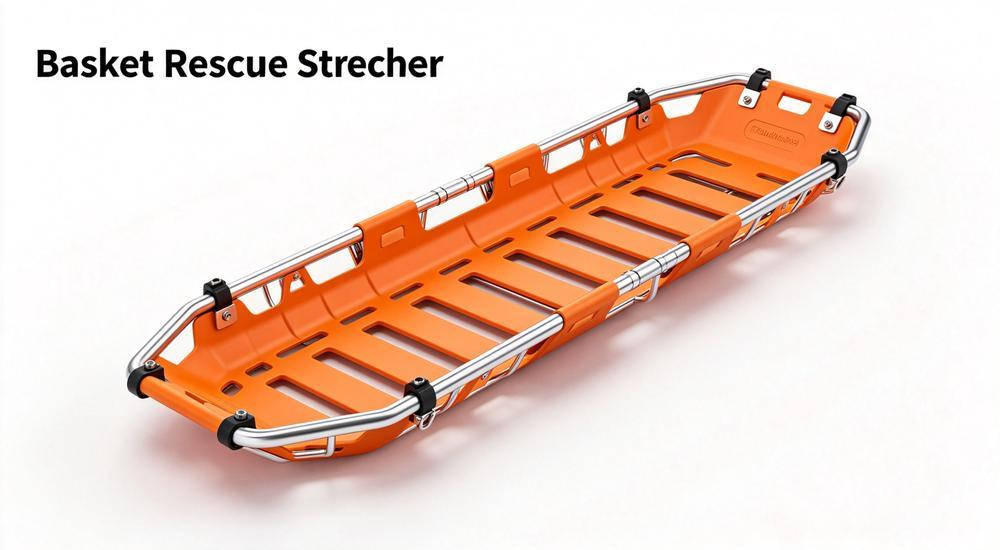
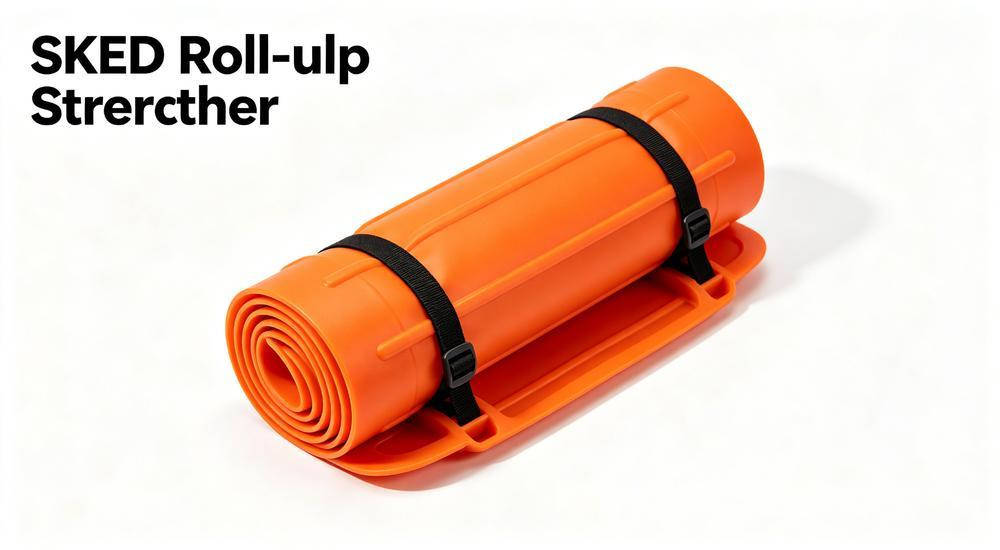
Basket stretchers, Sked-style roll-up stretchers, and vacuum mattresses for casualty packaging, vertical and horizontal movement, and handover in technical rescue. Each stretcher type suits different environments — basket for general rescue, Sked for confined space and mountain, vacuum for spinal immobilization. All compatible with rope rescue lifting systems.
|
Stretcher types |
Basket (split/one-piece), Sked roll-up, Vacuum mattress, Scoop, Folding |
|
Basket stretcher |
Aluminum/stainless steel/titanium frame, plastic/mesh bed, split into two halves |
|
Basket dimensions |
Open 210×60×15cm, folded 105×60×20cm |
|
Basket weight |
8–15kg (aluminum), 5–8kg (titanium) |
|
Basket capacity |
≥250kg (heavy-duty), ≥150kg (standard) |
|
Restraint system |
6-point or 8-point patient restraint straps |
|
Lifting points |
Head, foot, vertical lift, horizontal lift — multiple attachment points |
|
Sked stretcher |
High-density polyethylene/ABS, rolls to Ø25×60cm, opens to 210×60cm |
|
Sked capacity |
≥180kg, 8–12 restraint straps |
|
Vacuum mattress |
TPU/nylon shell, polystyrene/glass microbeads, manual/electric pump |
|
Vacuum features |
<30 sec evacuation, X-ray transparent, full-body immobilization |
|
Vacuum weight/capacity |
4–6kg, ≥150kg |
|
Rope lifting system |
4-point/6-point bridle, winch/pulley system, descender/belay, energy absorber |
|
Certifications |
EN 1865, EN 1789, NFPA 1983, ASTM F1316 |
|
Custom options |
Logo, color, patient restraint configuration, lifting bridle configuration |
|
Packaging |
1 stretcher/bag, 5 stretchers/export carton (basket), ~110×65×30cm, 40–60kg |
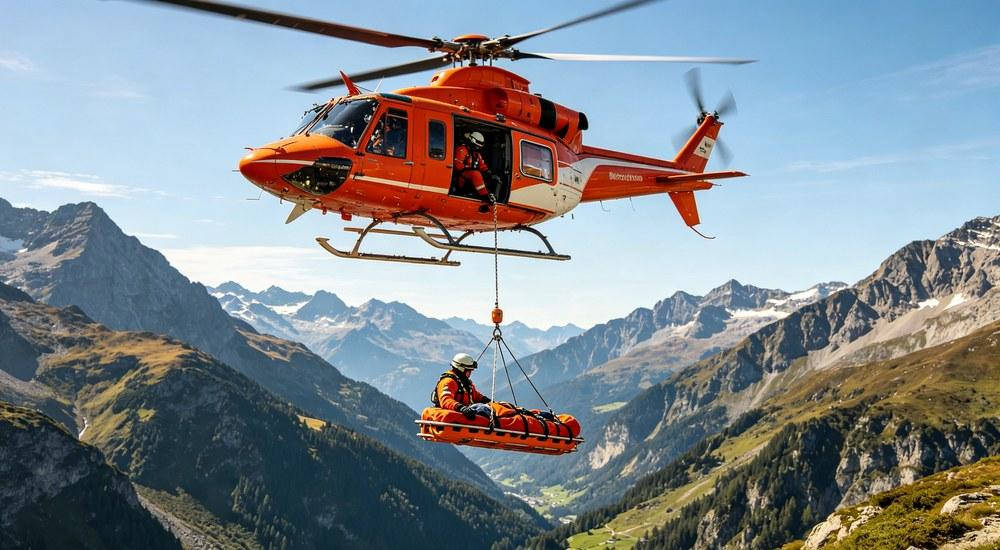
Basket rescue stretchers provide full-body immobilization and protection for patients during helicopter hoists, vertical lifts, and technical extrications. Rescue tripods are essential for confined space entry, providing stable anchor points for lowering and lifting personnel and equipment into manholes, vaults, and other restricted access areas.
Equipment Type
Detection Range
Power Source
Weight
Best For
Life Detection Radar
10-30 meters through concrete
Rechargeable battery, 4-6 hours
3-5 kg
Urban collapse, earthquake rescue
Thermal Imaging Camera
50-100 meters visibility
Rechargeable battery, 3-5 hours
0.5-1.5 kg
Fire rescue, night operations, search
Gas Detector
Real-time monitoring
Rechargeable battery, 8-12 hours
0.3-0.8 kg
Confined space, industrial rescue
|
Rope Type |
Diameter |
Breaking Strength |
Material |
Best For |
|
Static Rope |
10-11 mm |
25-30 kN |
Nylon/polyester |
Rappelling, hauling, fixed lines |
|
Climbing Rope |
9.5-10.5 mm |
20-25 kN |
Nylon (dynamic) |
Climbing, belaying, fall arrest |
|
Accessory Cord |
4-7 mm |
5-12 kN |
Nylon/polyester |
Prusik knots, anchors, equipment tie-off |
Harness Type
Attachment Points
Weight
Certification
Best For
Full-Body Rescue Harness
5-7 points (chest, back, hips, legs)
1.5-2.5 kg
NFPA 1983, CE EN 361
Vertical rescue, confined space, USAR
Sit Harness
2-3 points (belly, back)
0.5-1.0 kg
CE EN 813
Rope access, climbing, work positioning
Chest Harness
1-2 points (chest)
0.3-0.5 kg
CE EN 361
Upright positioning,Used in conjunction with the seat harness
This comparison table helps you quickly match equipment specifications to your operational requirements. We compare key parameters across detection radars, rescue ropes, and harness systems so you can make informed procurement decisions for your team.
Parameter: Life Detection、Thermal/Gas、Rescue Ropes、Harness Systems、Stretchers
Primary function:Locate survivors、See through smoke / test atmosphere、Access / belay / anchor、Personnel movement / protection、Casualty packaging / movement
Key spec:Detection depth 5–30m、Thermal 320×240 / Gas 4-in-1、10–12mm diameter, ≥25kN、EN 361+358 full-body、≥250kg basket capacity
Weight (main unit):2.5–3.5kg、0.5–1.5kg、66–90g/m、1.5–2.5kg、5–15kg
Power source:Rechargeable Li-ion 4–8h、Rechargeable 6–16h、None (manual)、None (manual)、None / vacuum pump
Protection:IP65/IP67、IP65/IP67, ATEX option、-30 to +80°C、EN certified、EN 1865
Certification:CE/FCC/ATEX、CE/ATEX/IECEx/UL、EN 1891/EN 892/NFPA、EN 358/361/813/NFPA、EN 1865/EN 1789/ASTM
Best for:USAR / collapsed structure、Fire / confined space、Rope rescue / access、Rope access / rescue、Technical rescue / extraction
Use this 30-second guide to identify the right equipment based on your rescue scenario and team size. Whether you need a complete USAR kit or individual replacement items, this guide narrows down your options quickly.
Step 1 — Rescue phase: Need to find survivors? → Life detection. Need to see through smoke or test air? → Thermal/gas. Need to access or extract? → Ropes/harness/stretcher.
Step 2 — Environment: Collapsed concrete → Radar detection + basket stretcher. Fire building → Thermal imager + gas detector + escape harness. Confined space → Audio-video probe + gas detector + Sked stretcher. Mountain/rope access → Static rope + full-body harness + descender.Step 4 — Certification needs: European market → EN standards. North American market → NFPA/UL. Explosive environment → ATEX/IECEx.
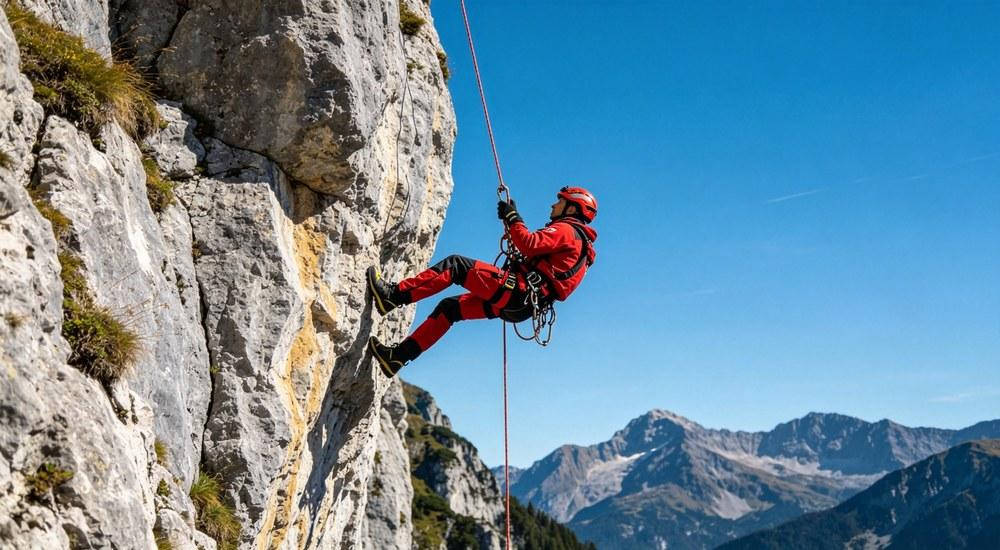
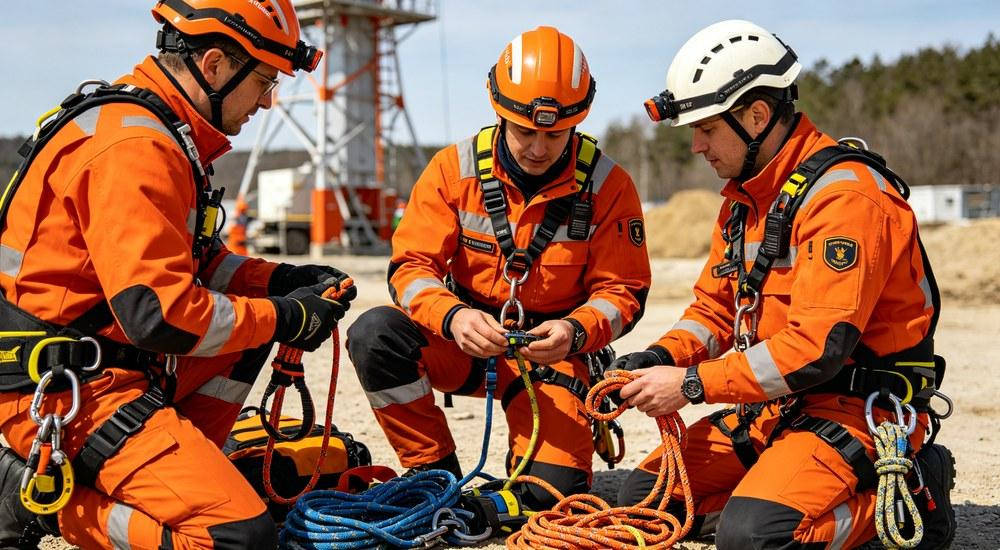
Different rescue scenarios require different equipment configurations. We cover six common scenarios: mountain rescue, military field operations, fire technical rescue, industrial rope access, urban collapse rescue, and water rescue, with recommended gear lists for each.
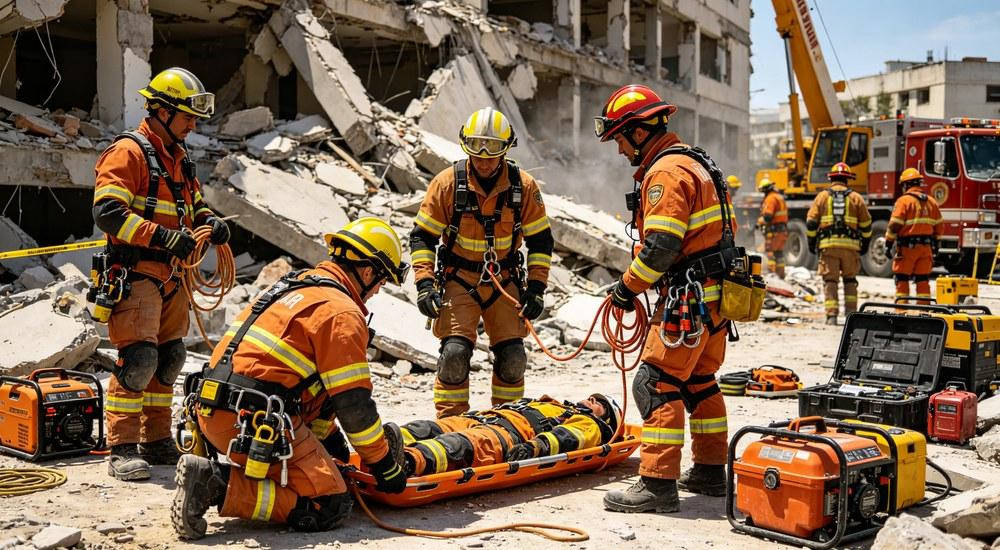
Recommended: Radar life detection (10–30m concrete penetration) + acoustic detection (fine location) + thermal imager (320×240) + 4-in-1 gas detector + 11mm static rope (50m) + full-body rescue harness + basket stretcher (split, 250kg) + 4-point lifting bridle. Detection teams locate survivors before entry; rescue teams establish rope access and extract with basket stretcher. Gas detector confirms atmosphere before each entry.
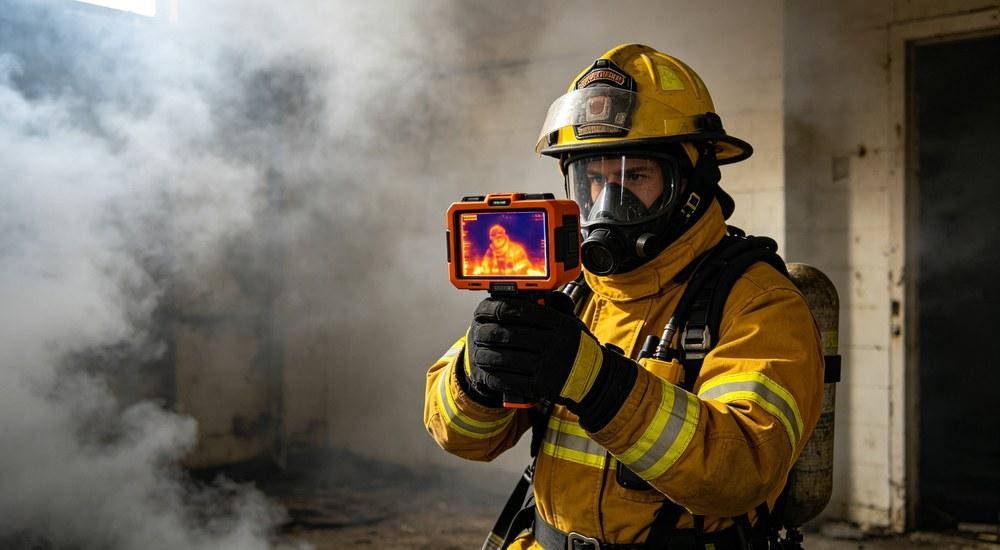
Recommended: Thermal imager (320×240, firefighting range -20 to 550°C) + 4-in-1 gas detector (ATEX certified) + escape harness (EN 358) + descent device (ID anti-panic) + 10mm escape rope (30m) + basket stretcher. Thermal imager for primary search and hot spot detection; gas detector for IDLH atmosphere screening; escape harness for rapid egress from upper floors; basket stretcher for victim removal.
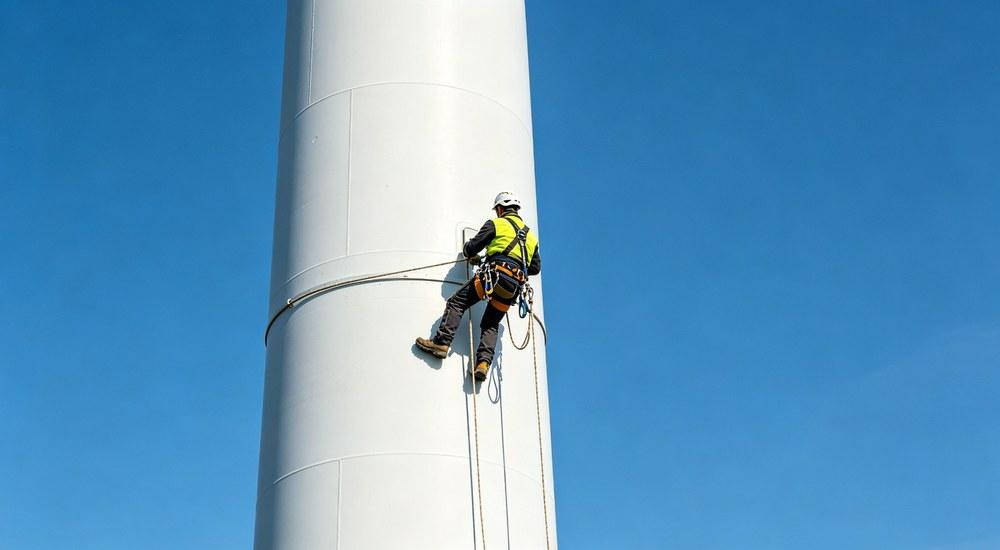
Recommended: 11mm static rope (EN 1891, 100m) + full-body harness (EN 361+358+813) + handled ascender + chest ascender + foot ascender (3-piece set) + ATC or Stop descender + retractable fall arrester (EN 360) + energy absorber + D-carabiners (≥25kN) + anchor slings. Complete rope access kit for working at height — two-rope system (working line + safety line), full-body harness with work positioning, and fall arrest backup.
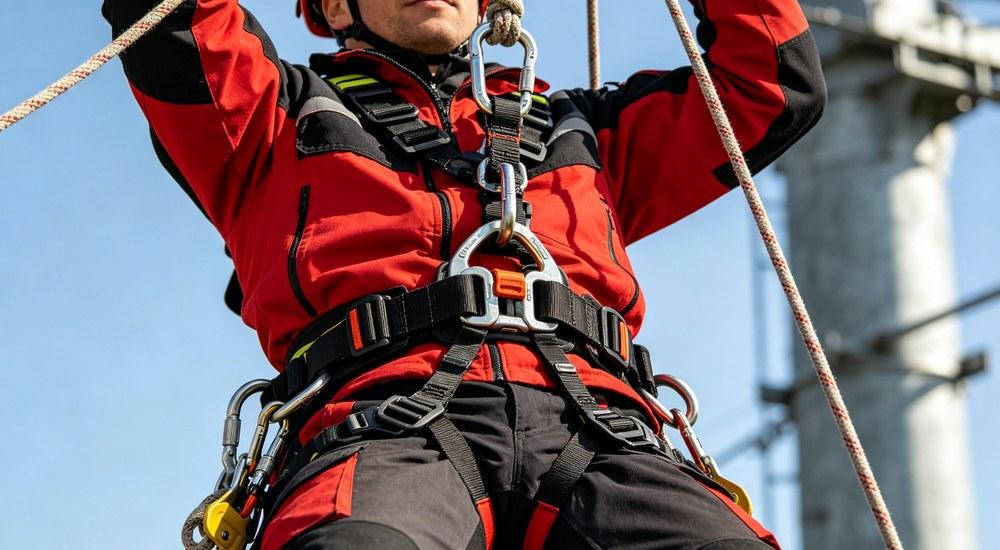
Recommended: 10.5mm dynamic rope (EN 892, 50m) + 11mm static rope (belay, 50m) + full-body rescue harness (NFPA Class III) + figure-8 descender + ATC belay device + prusik cords + rescue pulley (5:1 system) + aluminum D-carabiners + HMS locking carabiners + Sked stretcher (roll-up, lightweight for carry) + vacuum mattress (spinal immobilization). Dynamic rope for belaying rescuers on steep terrain; static rope for haul systems; Sked for steep/low-angle carry; vacuum for suspected spinal injury.
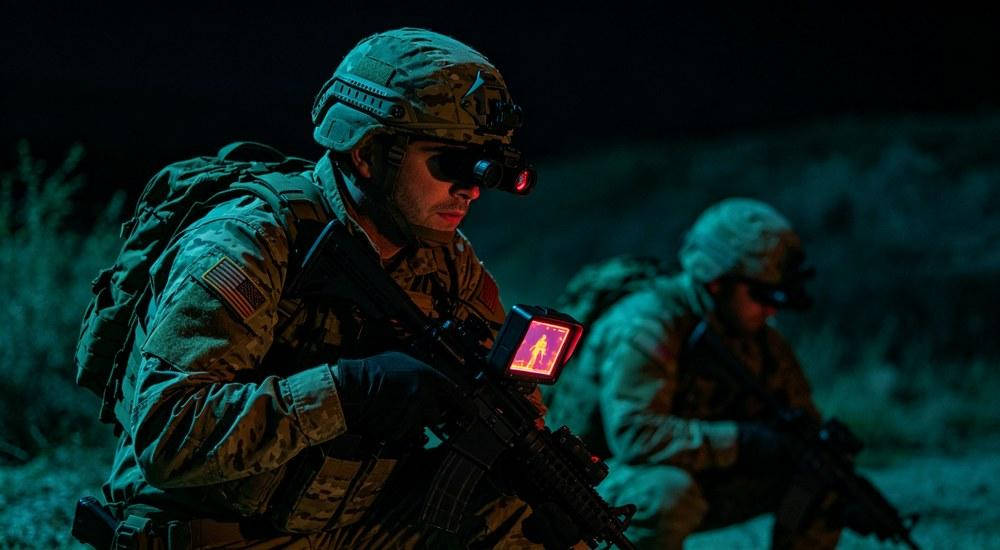
Recommended: Compact thermal imager (160×120, helmet-mountable) + multi-gas detector (ATEX) + 11mm static rope (tactical black, 50m) + tactical full-body harness (black/olive/tan, MOLLE-compatible) + compact descender + rescue stretcher (folding, helicopter-compatible) + 4-point lifting bridle. All equipment in tactical colors, compact for carry, compatible with military load-bearing systems. Custom configuration available for specific operational requirements.
Recommended: Acoustic life detection (for void location) + audio-video probe (25mm, 50m cable for borehole inspection) + multi-gas detector (6-in-1 with CO2, ATEX/IECEx certified for explosive atmosphere) + 12mm static rope (heavy-duty, 100m) + full-body rescue harness + tripod anchor system + basket stretcher (stainless steel for corrosive environment) + 6-point lifting bridle. Gas detection is critical in mines — 6-in-1 detector includes CO2 for oxygen displacement monitoring; stainless steel basket resists corrosive mine atmosphere.
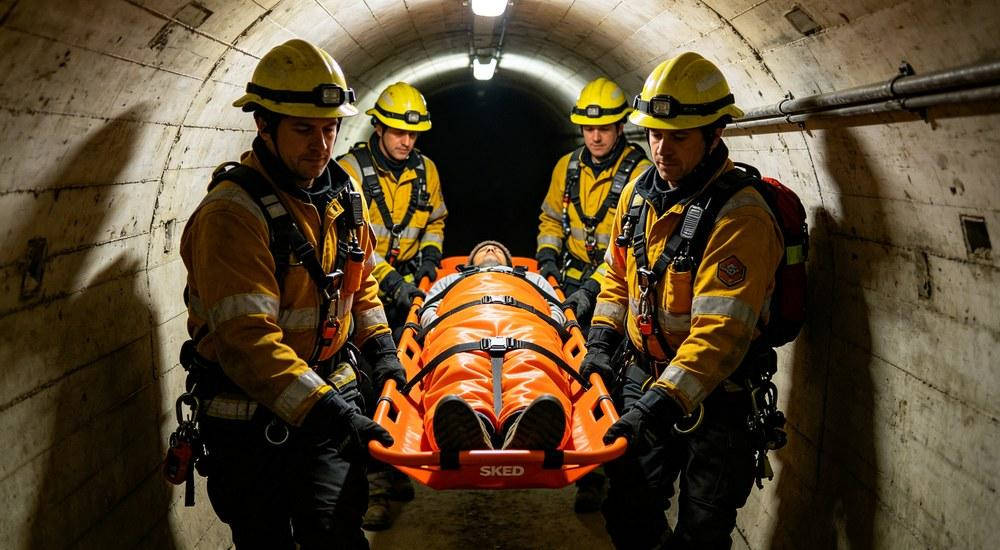
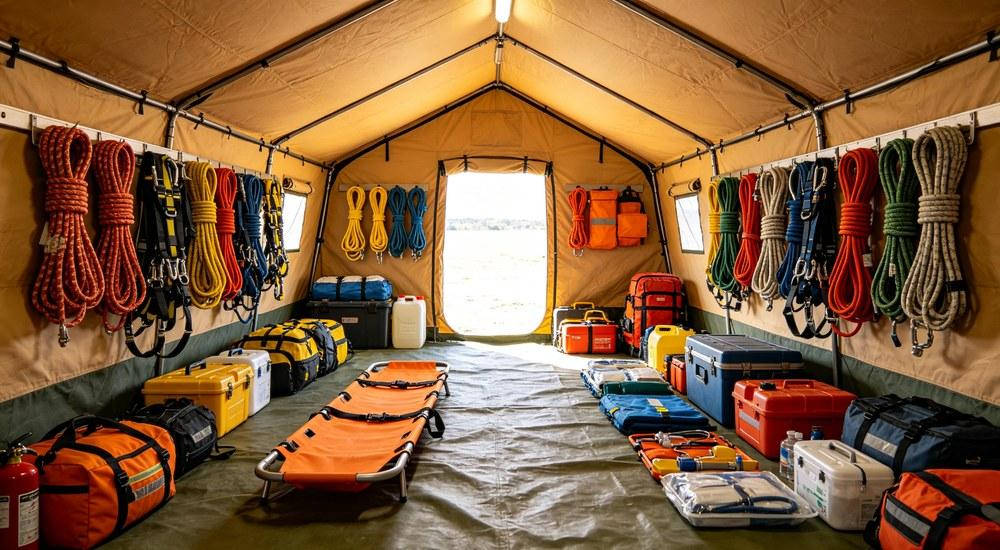
A complete USAR team kit requires coordinated equipment across detection, access, rescue, and medical categories. This configuration guide outlines what a standard 8-person USAR team needs, from detection devices to rope rescue systems and stretchers.
For a standard 20-person urban search and rescue team, the following combined configuration covers all rescue phases from detection to extraction. All items can be purchased separately or as a complete kit. Quantities can be adjusted to team size and operational requirements.
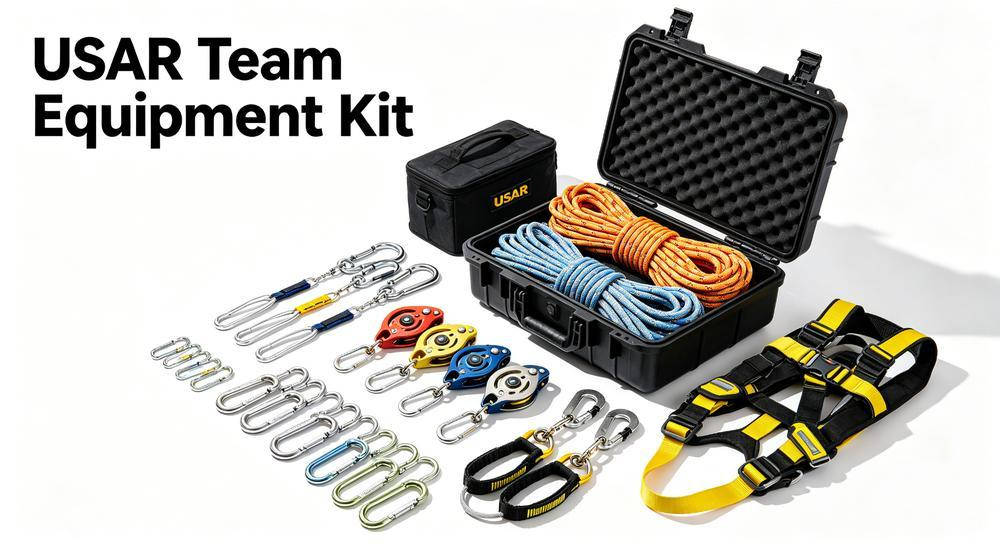
Category: Item、Quantity、Configuration、Notes
Detection:Radar life detector、2、UWB, 10–30m, ±0.5m、Primary search through concrete
Acoustic life detector:2、4-mic array, 5–10m, ±1m、Fine location and listening
Audio-video probe:2、25mm, 50m cable, 1080p、Borehole/void visual inspection
Atmosphere:Thermal imager、4、320×240, -20 to 550°C、Search and hot spot
Multi-gas detector:6、4-in-1, ATEX, IP67、Pre-entry atmosphere screening
Rope systems:Static rope 11mm、8、50m, EN 1891, ≥25kN、Main line and belay
Static rope 12mm:4、100m, heavy-duty, ≥30kN、Haul systems and long pitches
Connector set:50、D + HMS + steel locking、Mixed carabiner set
Harness/access:Full-body rescue harness、10、EN 361+358+813, NFPA III、Rescuers and team members
Ascender set:5、Hand + chest + foot (3-piece)、Rope ascent systems
Descender + fall arrest:10、ID/Stop + energy absorber、Descent and backup
Stretcher/extract:Basket stretcher、3、Split aluminum, ≥250kg、General rescue extraction
Sked stretcher:2、HDPE, roll-up, ≥180kg、Confined space and mountain
Vacuum mattress:2、Full-body, X-ray transparent、Spinal immobilization
Anchor:Tripod + anchor set、2、Aluminum tripod, 200kg capacity、Confined space entry
Estimated total weight: ~1,800kg.
Estimated total volume: ~15m³ (approximately 54% of a 20ft container).
Lead time: Standard items 7–15 working days; custom configuration 15–25 working days; ATEX-certified electronic items 25–40 working days. All lead times subject to final contract confirmation.
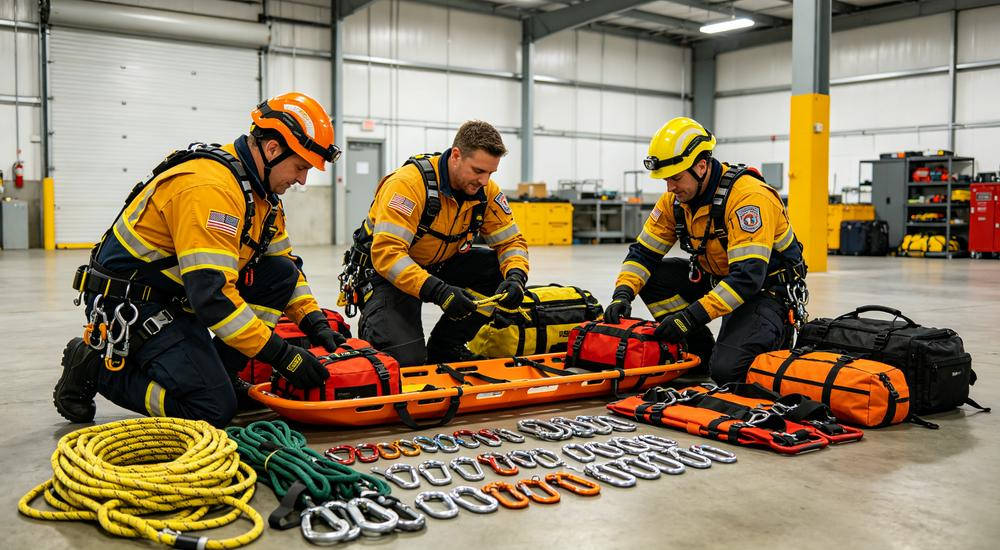
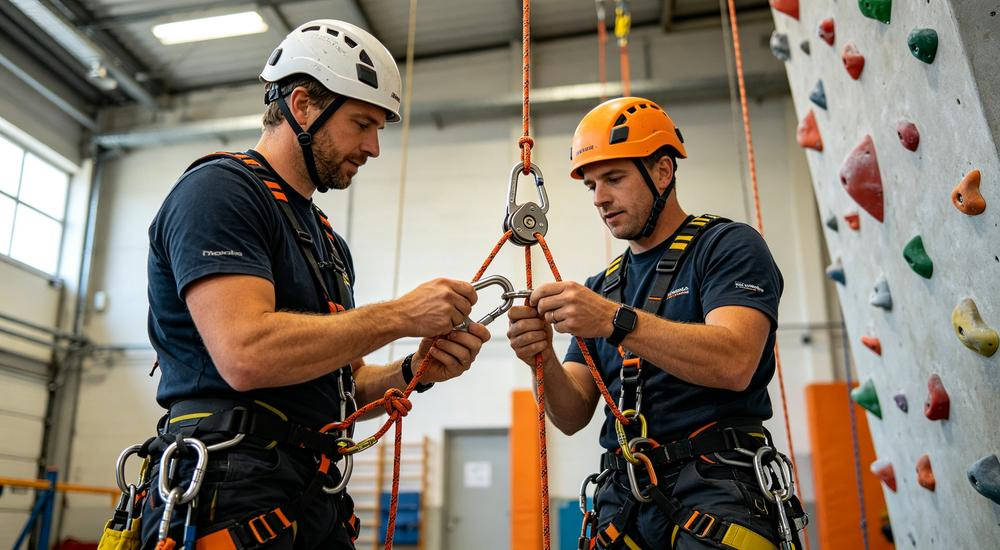
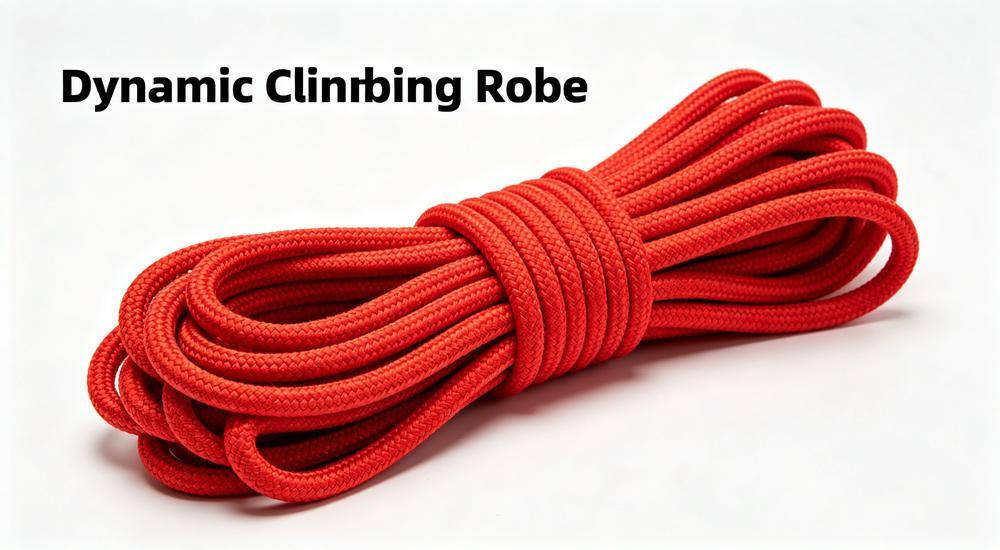
Rescue ropes and hardware form the backbone of any technical rescue system. We offer static ropes, climbing ropes, carabiners, pulleys, descenders, and rope bags, all certified to international standards for life safety applications.
Rope Type: Diameter、Material、Min Strength、Elongation、Best Use、Weight/m
Static Type A:11mm、Polyester、≥25kN、<5%、Rescue main line, haul systems、~78g
Static Type B:10mm、Polyester、≥22kN、<5%、Lightweight rescue, escape、~66g
Static Heavy:12mm、Polyester、≥30kN、<5%、Heavy haul, mine rescue、~90g
Dynamic Single:10.5mm、Nylon、≥22kN、1–3%、Belay, climbing, mountain rescue、~72g
Heat-resistant:11mm、Aramid/Kevlar、≥25kN、<3%、High-temp environment, fire rescue、~80g
Hardware
Type、Strength、Gate Opening、Best Use、Standard
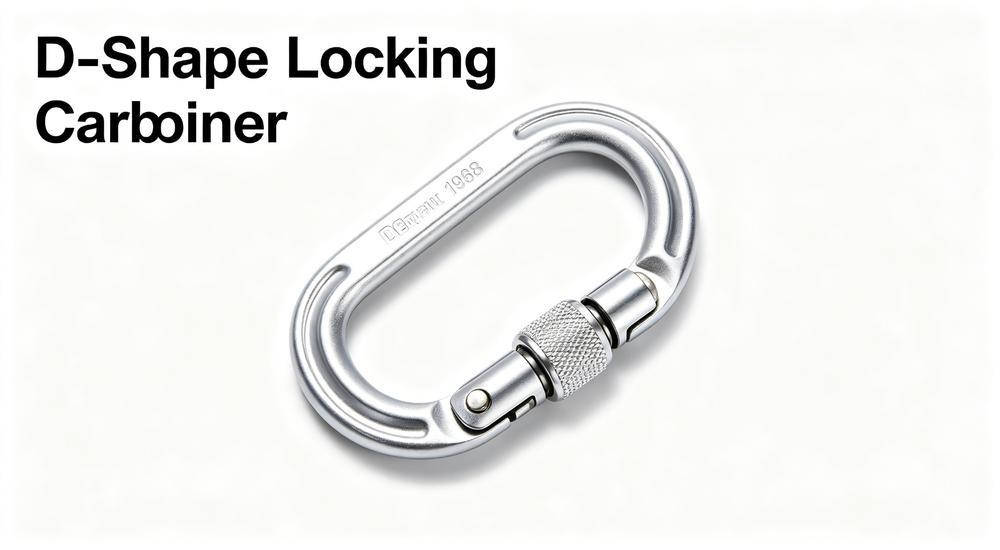
D-shape locking carabiners are essential connectors in rope rescue systems, providing secure attachment points for harnesses, ropes, and anchor systems. Our carabiners feature triple-action locking gates for maximum safety during rescue operations.
D-Carabiner:Aluminum, screw-lock、≥25kN、18mm、General connection, anchor、EN 362
HMS Carabiner:Aluminum, auto-lock、≥30kN、21mm、Belay, rescue, multi-attachment、EN 362
Steel Carabiner:Steel, triple-lock、≥35kN、21mm、Heavy haul, anchor point、EN 362
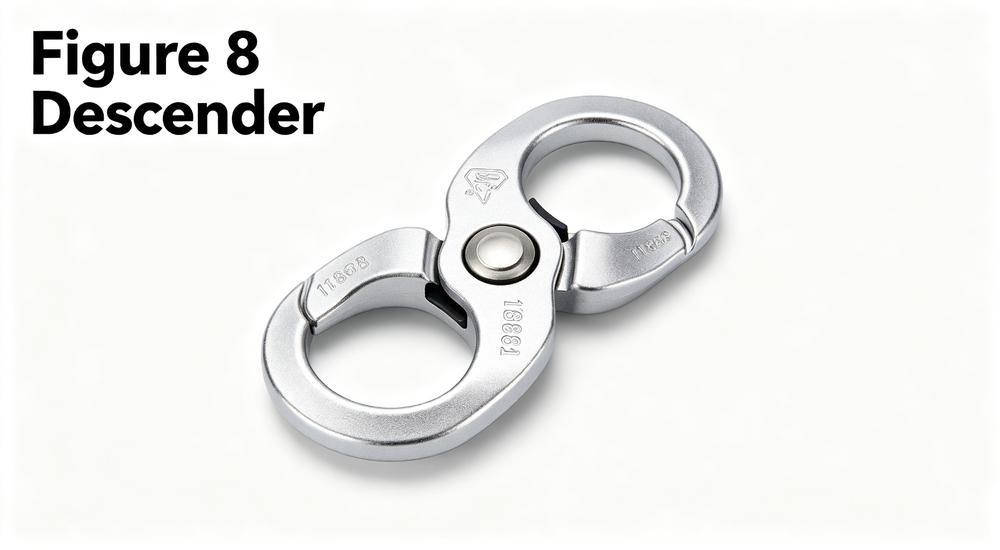
Figure-8 Descender:Aluminum、≥25kN、—、Simple descent, rescue、EN 15151-1
ATC Guide Plate:Aluminum、≥25kN、—、Belay, rappel, guide mode、UIAA
Stop Descender:Aluminum, self-braking、≥25kN、—、Self-braking descent, rescue、EN 15151-1
ID Descender:Aluminum, anti-panic、≥25kN、—、Anti-panic, work at height、EN 341
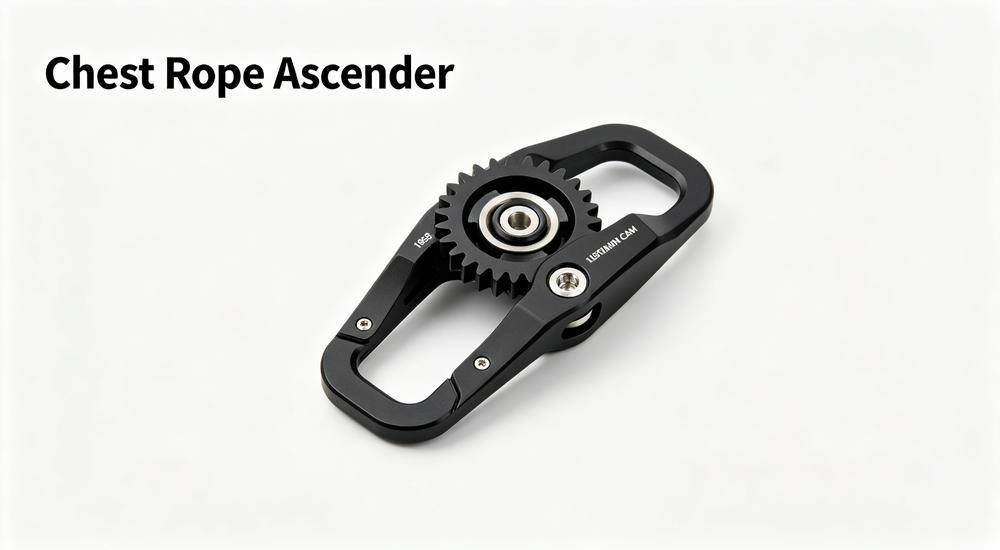
Handled Ascender:Aluminum, toothed cam、≥4kN、—、Rope ascent, 8–13mm rope、EN 567
Choosing the right harness depends on your rescue type, body size, and equipment carrying needs. This guide covers full-body rescue harnesses, sit harnesses, chest harnesses, and harness accessories, with selection criteria for different user profiles.
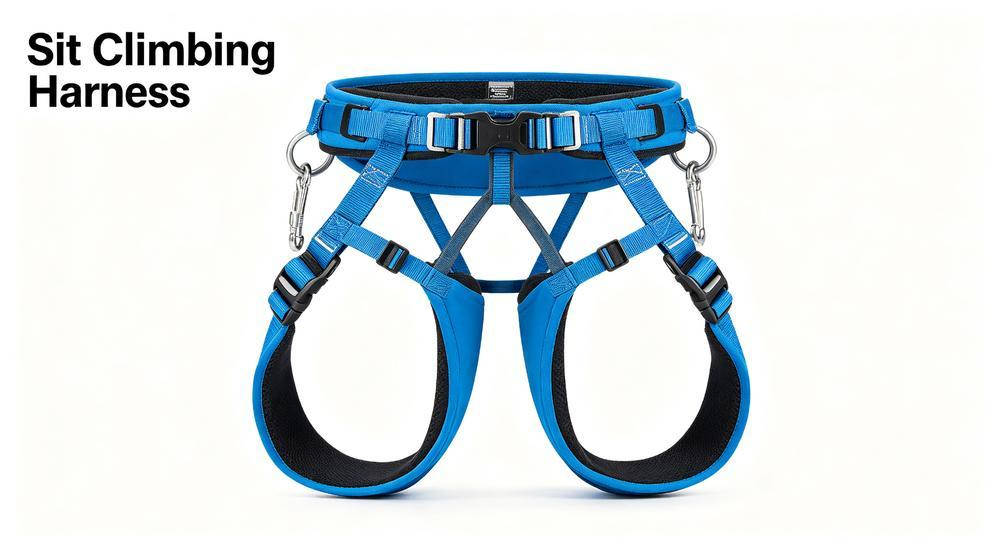
Harness Type: Certification、Attachment Points、Weight、Best Use、Adjustment
Full-Body Rescue:EN 361+358+813, NFPA III、Back + abdomen + chest + side rescue、1.8–2.5kg、Technical rescue, rope access、4–5 point
Sit Work Positioning:EN 358、Abdomen D-ring + tool loops、0.8–1.2kg、Work positioning, tower、2 point
Chester Harness:EN 813、Chest attachment、0.3–0.5kg、Add-on for rope ascent、2 point
Fire Escape Harness:EN 358、Back D-ring + escape loop、0.6–0.9kg、Firefighter rapid escape、Quick don
Tactical Harness:EN 361+358、Back + abdomen + MOLLE、1.5–2.0kg、Military/tactical operations、4 point
All harnesses are available with custom logo printing, custom colors (black, navy, olive, tan, red, yellow), and custom sizing. Padded shoulder and leg straps available for extended wear comfort. Suspension trauma foot stirrups recommended for all full-body harnesses used in rope rescue.
Stretcher Type
Weight Capacity
Weight
Features
Best For
Basket Stretcher
150-200 kg
8-12 kg
Titanium/steel frame, removable legs, lifting points
Vertical rescue, helicopter hoist, rough terrain
SKED Stretcher
130-150 kg
3-5 kg
Flexible plastic, compact, multiple carry handles
Confined space, narrow passages, tactical rescue
Vertical Rescue Stretcher
150 kg
6-8 kg
Half-body design, integrated harness, rope attachment points
High angle rescue, rope access, vertical extraction
Rescue stretchers must balance patient comfort, structural strength, and compatibility with rope rescue systems. We offer basket stretchers, SKED stretchers, vertical rescue stretchers, and stretcher accessories for different extraction scenarios.
Stretcher Type: Material、Open Size、Packed Size、Weight、Capacity、Best Use
Basket (One-piece):Aluminum frame + plastic bed、210×60×15cm、—、10–15kg、≥250kg、General rescue, helicopter
Basket (Split):Aluminum frame + mesh bed、210×60×15cm、105×60×20cm、8–12kg、≥250kg、Confined space, carry
Sked Roll-up:HDPE/ABS、210×60cm、Ø25×60cm、5–8kg、≥180kg、Mountain, confined space
Vacuum Mattress:TPU + microbeads、200×70cm、60×40×15cm、4–6kg、≥150kg、Spinal immobilization
Scoop Stretcher:Aluminum/Carbon fiber、210×42cm、105×42×10cm、5–9kg、≥150kg、Patient pickup, ambulance
Folding Stretcher:Aluminum + canvas、210×55cm、105×55×15cm、5–7kg、≥120kg、General transport, light use
All stretchers compatible with 4-point and 6-point lifting bridles for vertical and horizontal rope rescue. Patient restraint straps (6-point or 8-point) included with all basket and Sked stretchers. Custom logo and color available on all models.
|
Equipment |
Standard |
Issuing Body |
Application |
|
Rescue Ropes |
NFPA 1983, CE EN 1891 |
NFPA, CEN |
Life safety rope, technical rescue |
|
Harnesses |
NFPA 1983, CE EN 361 |
NFPA, CEN |
Full-body rescue harness, fall arrest |
|
Carabiners |
NFPA 1983, CE EN 362 |
NFPA, CEN |
Life safety connectors, 3-stage locking |
|
Thermal Imaging |
NFPA 1801 |
NFPA |
Fire service thermal imaging cameras |
|
Helmets |
CE EN 397, ANSI Z89.1 |
CEN, ANSI |
Rescue helmets, impact protection |
Rescue equipment must meet international safety standards to be reliable in life-threatening situations. We outline the key certifications for thermal imaging cameras, rescue ropes, harnesses, and carabiners, including NFPA, CE, and UIAA standards.
We can help arrange third-party test reports based on your project requirements. Certification scope varies by product type and destination market. Specific certificate numbers and test reports provided with formal quotation.
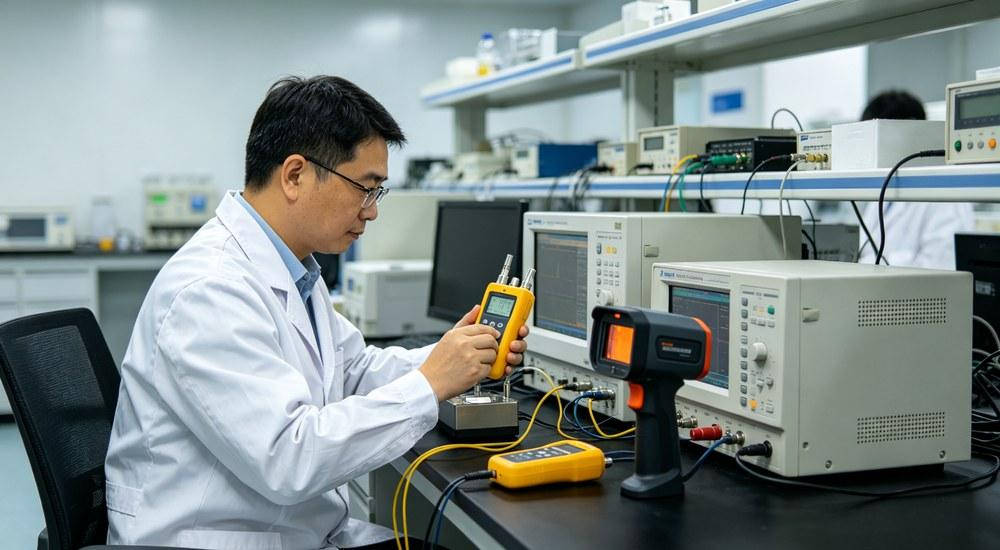
We offer OEM, private label, and custom packaging options for bulk rescue equipment orders. Whether you need custom logos on harnesses, private label packaging for detection devices, or custom kit configurations, we can accommodate your requirements.
Proper packing ensures your rescue equipment arrives in perfect condition, ready for immediate deployment. We use durable packaging for ropes, harnesses, and electronic devices, with options for palletized shipping and custom labeling for large orders.
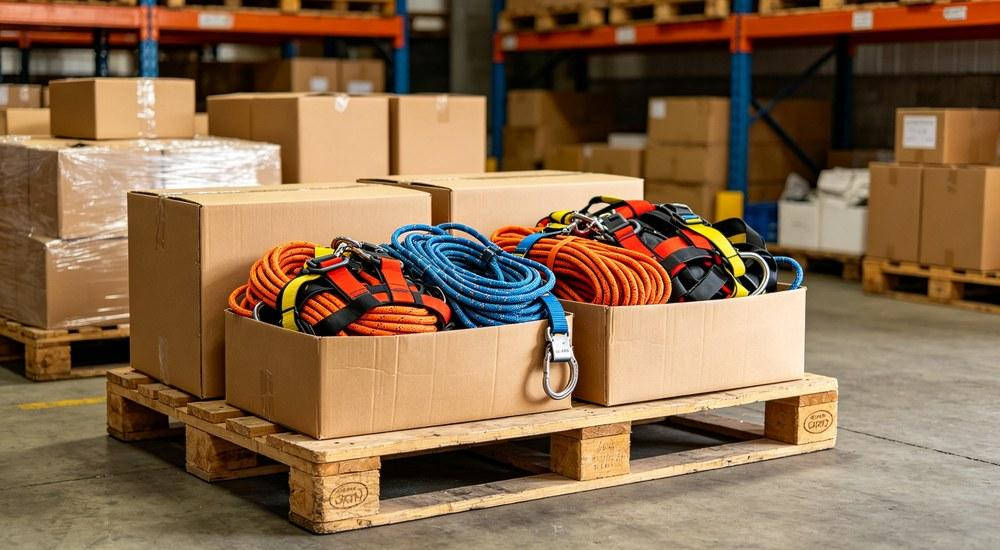
Every batch of rescue equipment goes through a multi-point quality inspection process before shipping. We inspect rope integrity, harness stitching, carabiner gate function, and electronic device calibration to ensure every item meets your specifications.
Electronic components (sensors, batteries, displays, circuit boards) verified against specifications upon arrival. Rope materials (polyester/nylon/aramid yarn) certified with test reports. Hardware materials (aluminum/steel forgings) inspected for quality. Material batch numbers recorded for traceability.
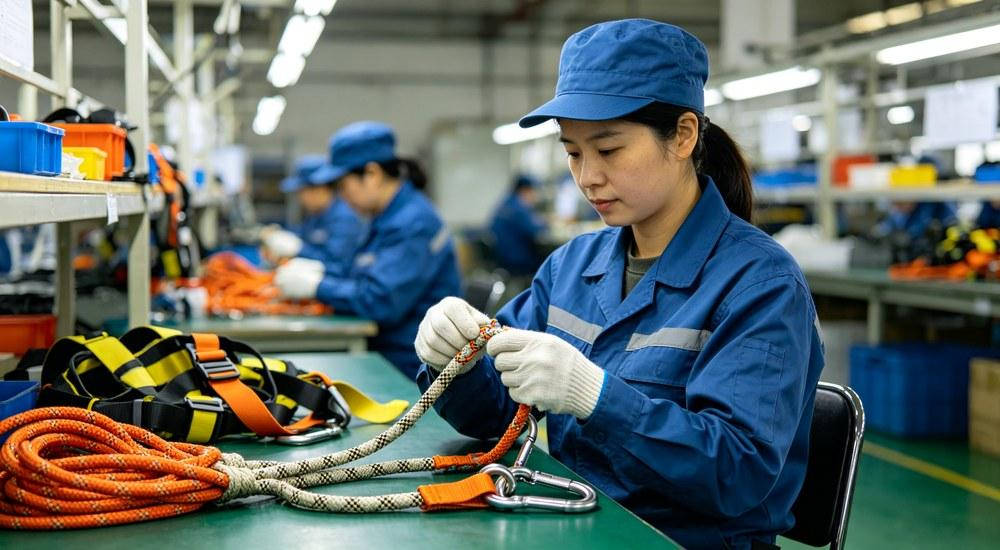
Electronic assembly: production line inspection of soldering quality, component placement, firmware loading. Rope manufacturing: each stage checks diameter, twist rate, core-sheath bond. Hardware: forging quality, heat treatment, surface finish inspection. Harness: webbing cutting, stitching, hardware attachment inspection.
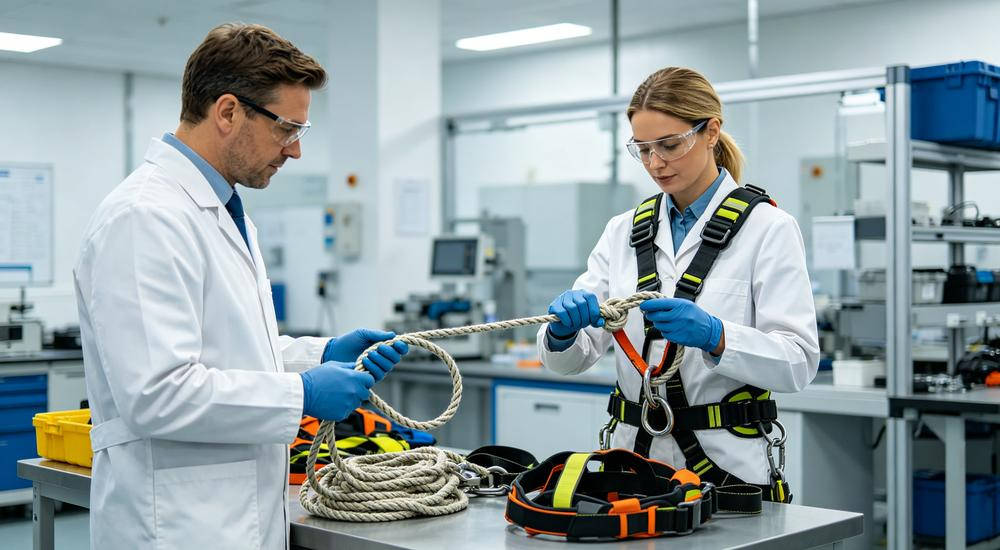
Life detection: 100% sensor test, detection range verification, battery life test, display and audio test. Thermal imager: 100% image quality test, temperature accuracy calibration, battery test. Gas detector: 100% sensor calibration with reference gas, alarm test, battery test. Ropes: batch tensile test (sampling), diameter and weight verification. Hardware: batch load test (sampling).
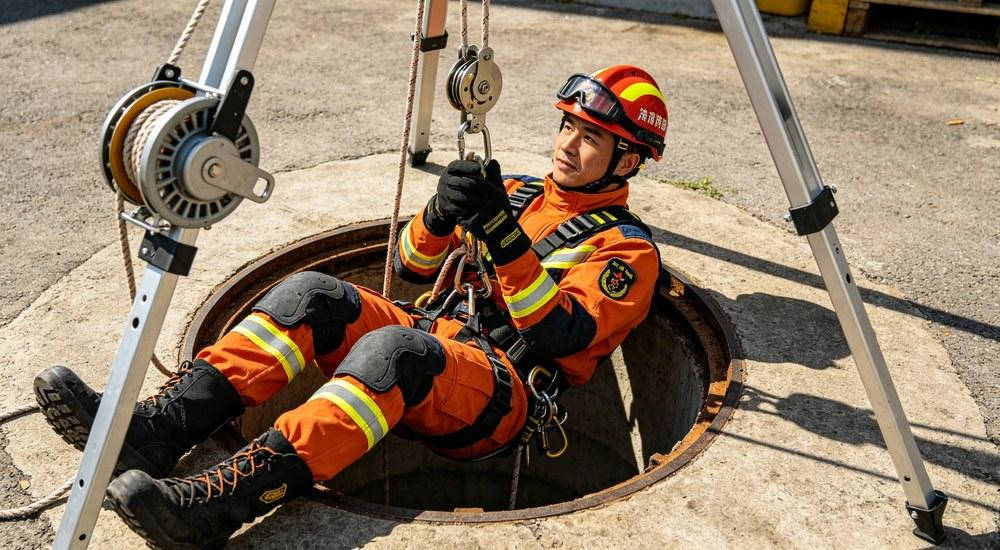
Thermal imagers calibrated against reference temperature sources. Gas detectors calibrated with certified reference gas (bump test + full calibration). Each electronic device labeled with serial number, firmware version, and calibration date. Ropes and hardware labeled with standard number, batch number, and inspection date. Calibration certificates included with each unit.
Each unit/case checked against packing list: quantity, accessories, labels, manuals. Verify carton weight and dimensions. Electronic items foam-protected. Ropes properly coiled in bags to prevent tangling. Carton labels complete and accurate.
Final review of commercial invoice, packing list, certificates, test reports, battery declarations, and shipping marks. Random carton opening inspection (AQL 2.5 standard). Container loading supervision available. All documents reviewed before shipment release.
Pre-shipment audits represent the final quality checkpoint before rescue equipment leaves the facility. This comprehensive inspection verifies that all products meet the required specifications, certifications, and performance standards established for emergency response operations. Equipment destined for emergency shelters, disaster response camps, and field deployment sites undergoes additional scrutiny to ensure reliability under the most demanding conditions. Rescue teams depend on this rigorous quality process to guarantee that every piece of equipment will perform flawlessly when lives are on the line.
Acoustic detection uses microphone arrays to listen for sounds (tapping, voices, breathing) through debris — best for fine location in the final search phase, with ±1m accuracy and 5–10m depth. Radar detection uses UWB radio waves to detect movement (breathing, heartbeat, body motion) through concrete and rubble — best for initial wide-area search, with 10–30m depth and ±0.5m accuracy. For complete USAR capability, we recommend both: radar for initial location, acoustic for precise pinpointing. Audio-video probes are used for visual confirmation through boreholes or voids.
160×120 resolution is suitable for basic search and overhaul — adequate for finding victims and hot spots in typical residential fires. 320×240 resolution is the professional standard for fire departments — clearer image, better detail in complex environments, suitable for all fireground operations. 640×480 resolution is for specialized applications (hazardous materials, technical rescue, training). For most fire departments, 320×240 with firefighting temperature range (-20°C to +550°C) and IP67 protection is the recommended configuration. All thermal imagers include rechargeable batteries and carrying cases.
Static rope (polyester, EN 1891) has very low elongation (<5% under body weight) and is used for rescue main lines, haul systems, belay lines, and rope access — where minimal stretch is needed for efficient hauling and precise positioning. Dynamic rope (nylon, EN 892) has 1–3% elongation under impact and is designed to absorb the energy of a fall — used for belaying climbers/rescuers on steep terrain, mountaineering, and technical climbing rescue. For most urban rescue and rope access operations, static rope (11mm, EN 1891 Type A) is the standard. For mountain and cliff rescue where falls may occur, dynamic rope (10.5mm, EN 892) is used for belay lines alongside static haul lines.
A sit harness (EN 358) has only a waist belt and leg loops with an abdomen D-ring — used for work positioning at height (towers, poles, building maintenance) where the user is working upright and does not need fall arrest from above. A full-body harness (EN 361 + EN 358 + EN 813) has shoulder straps in addition to waist and legs, with a back D-ring for fall arrest, abdomen D-ring for work positioning, and chest attachment for rope ascent — used for technical rescue, rope access, firefighter escape, and any situation where a fall from above is possible. For rescue teams and rope access technicians, a full-body rescue harness (with all attachment points) is the recommended standard. Sit harnesses are suitable only for specific work-positioning applications where fall arrest is not required.
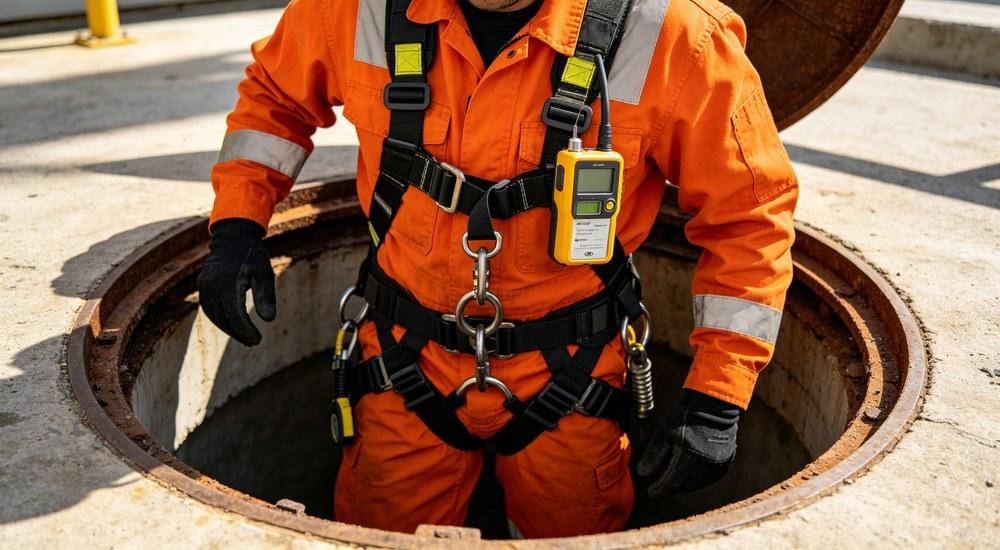
Figure-8 descender is the simplest and most universal — lightweight, easy to use, works with any rope diameter 8–13mm, but requires constant hand braking and has no self-braking feature. Best for basic rescue and rappel. ATC (guide plate) is more versatile — can be used for belay (guide mode), rappel, and rescue, with smoother descent control than figure-8. Best for climbing and technical rescue. Stop descender is self-braking — the cam automatically locks when the user releases the handle, preventing uncontrolled descent. Best for rescue operations, haul systems, and users who need self-braking. ID (anti-panic) descender has an anti-panic feature — if the user pulls too hard on the handle in a panic, the cam locks automatically, preventing runaway descent. Best for work at height, firefighter escape, and users who may panic during descent. For professional rescue teams, we recommend Stop or ID descenders for primary use, with figure-8 as backup.
Basket stretcher (aluminum frame, 8–15kg, ≥250kg capacity) provides full-body enclosure and protection — best for general rescue, vertical lift, helicopter hoist, and patient transport over rough terrain. The split version can be separated into two halves for carry through narrow spaces. Sked stretcher (HDPE roll-up, 5–8kg, ≥180kg capacity) is lightweight and compact — rolls to Ø25×60cm for easy carry in a backpack. Best for mountain rescue, confined space, wilderness rescue, and situations where weight and pack size are critical. The Sked provides less patient protection than a basket but is far more portable. For teams that do both urban and mountain rescue, we recommend having both types available — basket for general and urban, Sked for mountain and confined space.
Standard thermal imagers and gas detectors carry CE and FCC certifications for general use. For explosive environments (chemical plants, refineries, mines, confined spaces with flammable atmospheres), we offer ATEX and IECEx certified versions of gas detectors and thermal imagers. ATEX/IECEx certified gas detectors are intrinsically safe (Ex ia IIC T4 Ga) and can be used in Zone 0/1/20/21 explosive atmospheres. Thermal imagers for explosive environments are available with Ex d or Ex e protection. For mine rescue operations, we recommend 6-in-1 gas detectors with ATEX/IECEx certification (including CO2 for oxygen displacement monitoring) and intrinsically safe thermal imagers. Certification type should be specified at time of order — ATEX/IECEx items have longer lead times (25–40 working days) due to certification requirements.
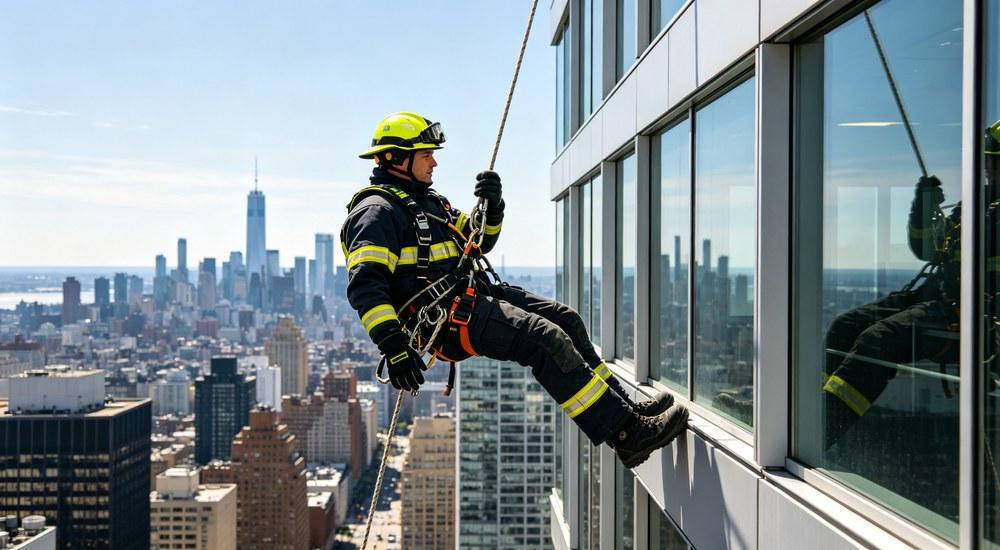
Rescue ropes should be inspected before each use, after each significant use (fall, load, contamination), and at least annually by a competent person. Inspection includes checking for cuts, abrasions, burns, chemical contamination, soft/hard spots, core-sheath slippage, and fading. Ropes should be retired immediately if they have sustained a fall with factor >1, show visible damage, have been exposed to chemicals or extreme heat, or are beyond their supplier's service life (typically 5–over 20 years from first use, depending on usage frequency and storage conditions). We provide individual inspection labels with each rope (batch number, manufacture date, first use date field, inspection record). Rope inspection logs and retirement records should be maintained for each rope. We also offer rope inspection training and inspection tools.
Life detection equipment: 4–8 hours continuous operation on a single charge. Rechargeable lithium-ion batteries, hot-swappable on most models — spare batteries can be carried and swapped in the field without tools. Thermal imagers: 6–8 hours continuous. Rechargeable, hot-swappable on professional models. Gas detectors: 12–16 hours continuous on a single charge. Rechargeable lithium polymer, field-replaceable on most models. All electronic devices include chargers (AC + optional DC vehicle charger). We recommend carrying at least one spare battery per device for extended operations. Battery life varies by temperature (cold reduces battery life), usage pattern, and device age. Battery replacement service available for all models.
Selecting the right rescue equipment configuration requires careful consideration of team size, operational scope, and typical response scenarios. Urban search and rescue teams need different equipment than industrial rope access teams, and fire departments require specialized tools for high-angle and confined space operations. By comparing equipment options side by side, teams can make informed decisions that balance safety, functionality, and budget constraints while ensuring all personnel are properly equipped for the challenges they face in the field.
Yes. All gas detectors and thermal imagers are quality inspection calibrated before shipment and include a calibration certificate. We offer annual calibration services — send the devices to our service center, we perform full calibration (gas detectors: bump test + full calibration with certified reference gas; thermal imagers: temperature accuracy verification against reference sources) and return with updated calibration certificates. Calibration turnaround is typically 5–10 working days. We also provide calibration gas cylinders, regulators, and calibration stations for teams that prefer to perform their own bump tests and calibrations in-house. For large fleets (20+ devices), we can arrange on-site calibration service. Calibration records should be maintained for each device as part of your equipment management program.
Proper equipment selection requires careful evaluation of team capabilities, operational requirements, and environmental conditions. Rescue teams should regularly review and compare different equipment configurations to ensure they have the right tools for each specific scenario, whether responding to urban disasters, industrial accidents, or wilderness emergencies.
Yes. We can configure complete USAR (Urban Search and Rescue) team kits based on your team size, operational profile, and budget. A standard 20-person USAR team kit includes: 2 radar + 2 acoustic life detectors, 2 audio-video probes, 4 thermal imagers, 6 multi-gas detectors, 8 static ropes (50m), 4 heavy static ropes (100m), 50 connectors, 10 full-body rescue harnesses, 5 ascender sets, 10 descender/fall arrest sets, 3 basket stretchers, 2 Sked stretchers, 2 vacuum mattresses, 2 rescue tripods, and associated hardware. Total weight approximately 1,800kg, volume approximately 15m³ (54% of a 20ft container). Lead time: standard items 7–15 working days; custom configuration 15–25 working days; ATEX-certified electronic items 25–40 working days. All lead times subject to final contract confirmation. We provide a detailed equipment list, packing plan, and container loading estimate with each quotation.
Yes. We regularly consolidate detection and rope rescue equipment with sleeping bags, blankets, bedding sets, tents, folding beds, emergency kits, lighting, and other emergency supplies into single shipments. Each product type is specified, packed, and documented separately, then combined on pallets or in a container. Consolidation reduces total freight cost and simplifies receiving for aid organizations, government procurement, and institutional buyers. Provide your full product list and quantities, and we will prepare a consolidated packing plan with total weight, volume, and container loading estimate (20ft/40ft/40ft HQ). We can also arrange for mixed container loading with other suppliers if you are consolidating from multiple suppliers.
Standard items (in-stock configurations): 7–15 working days from order confirmation. This includes most standard rope diameters/lengths, standard harness models, standard basket/Sked stretchers, standard thermal imagers (160×120/320×240), and standard 4-in-1 gas detectors. Custom configuration (custom lengths, custom colors, logo printing, custom kit assembly): 15–25 working days. ATEX/IECEx certified electronic items and custom electronic configurations: 25–40 working days. Large orders (500+ units of any item) may require additional production time — confirmed at quotation. All lead times are estimates and subject to final contract confirmation and current production schedule. Rush orders may be possible for certain items — contact us to discuss.
Free configuration consultation and quotation Full product range with specifications Complete team kit configuration Direct consultation for specs and pricing
Liens amicaux :
droits dauteur © Custom Disaster - Relief Bedding: Tents, Sleeping Bags, Blankets Tous les droits sont réservés
léquipe professionnelle au service !