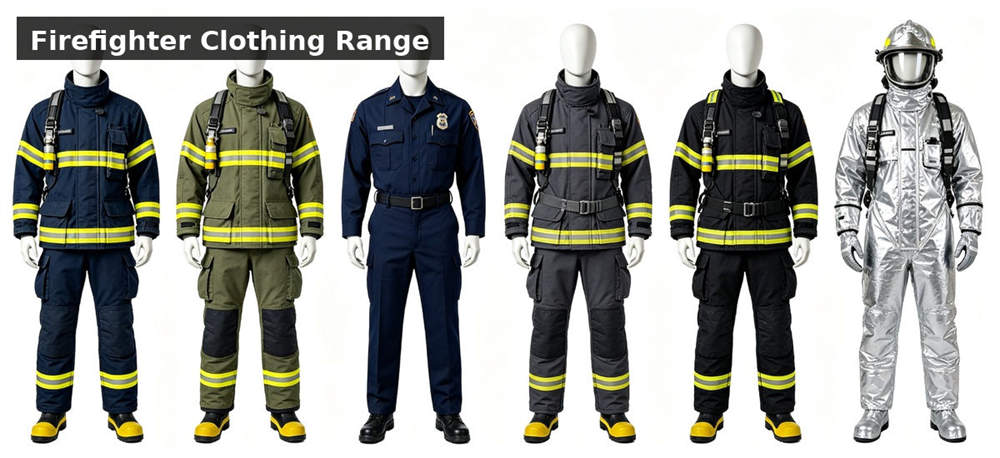
In our 20 years of supplying firefighter clothing, the most expensive mismatches happen after the order is placed — not before. A garment that passes the sample test can fall short in the field because of wrong size allocation, unclear inspection standards, or no care plan after contamination. This guide walks you through the full procurement cycle: from building the requirement list, to sample approval, bulk receiving, in-service care, contamination handling, and retirement. For detailed specs on each of the 6 clothing types (structural, wildland, proximity, station, technical rescue, heavy rescue), see our Firefighter Clothing and Accessories page.
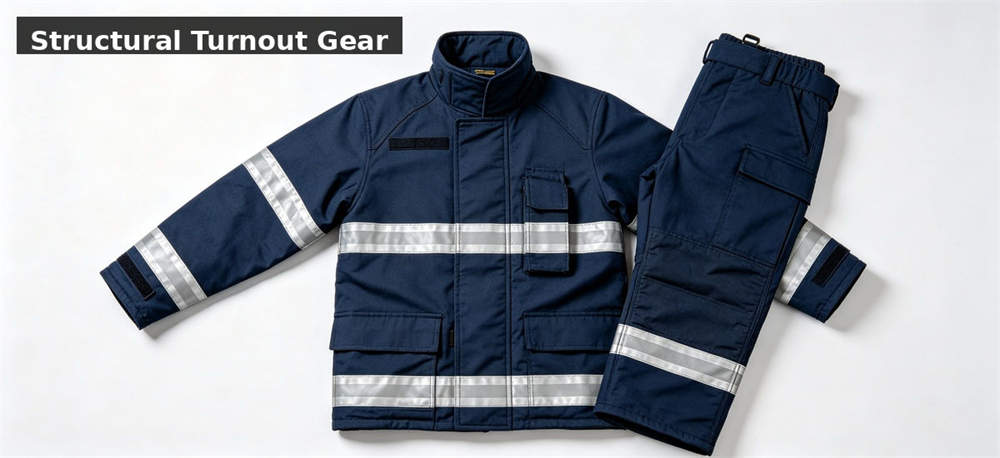
Before you start: firefighter clothing is not bought by color or "set count." A structural turnout set and a wildland set are different products with different standards, weights and care rules. Define the task first, then match the clothing type, then manage the full procurement cycle below.
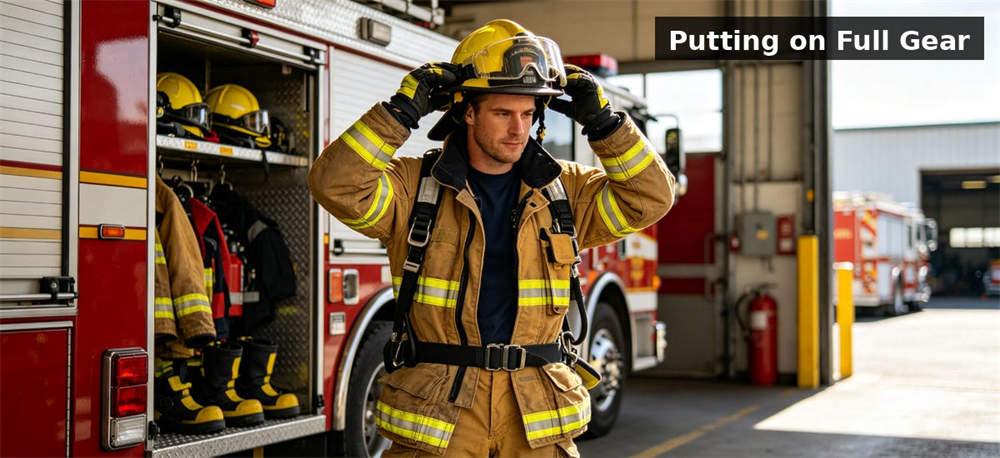
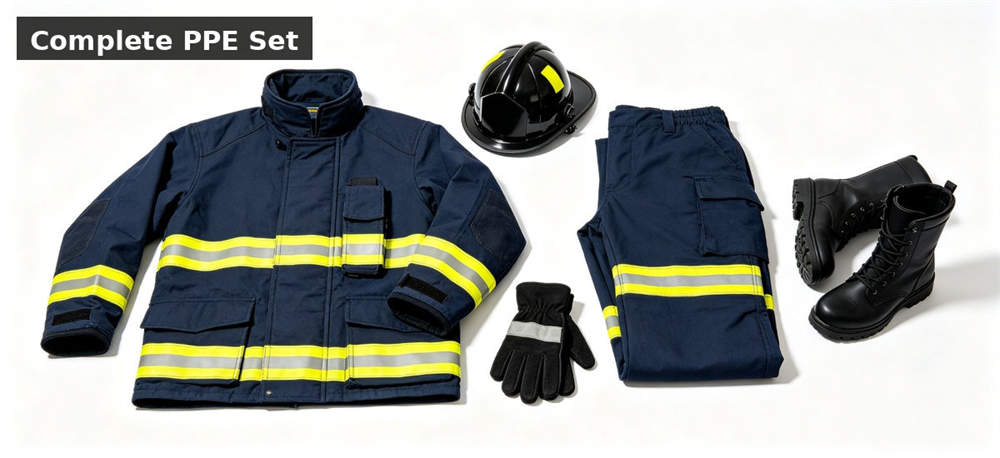
Protective clothing, footwear, helmets, gloves, hoods, and goggles require separate selection. Each component has its own standard and test report — a clothing certificate does not cover helmets, gloves or boots.
Firefighter Clothing and Accessories
A good quotation starts with a clear requirement list. Vague requests like "firefighter suits, 100 sets" lead to wrong products and price comparisons that mean nothing. Send us these details for an accurate itemized quote:
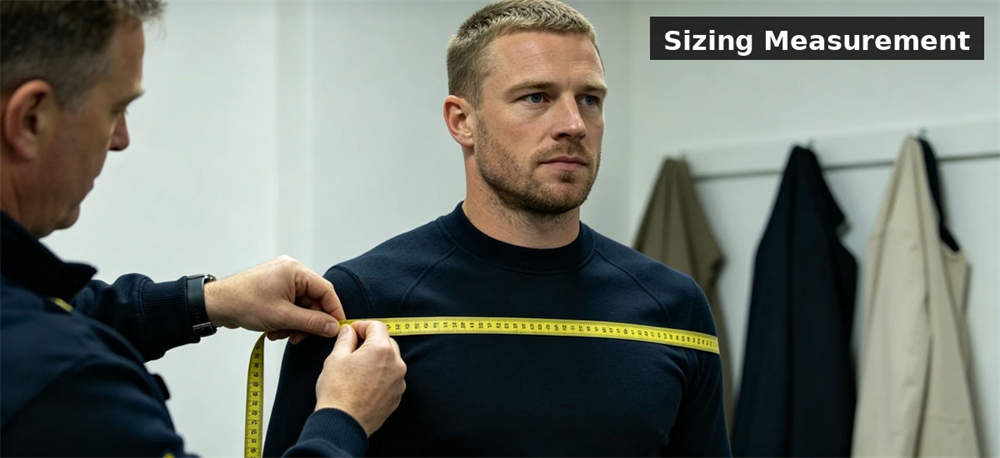
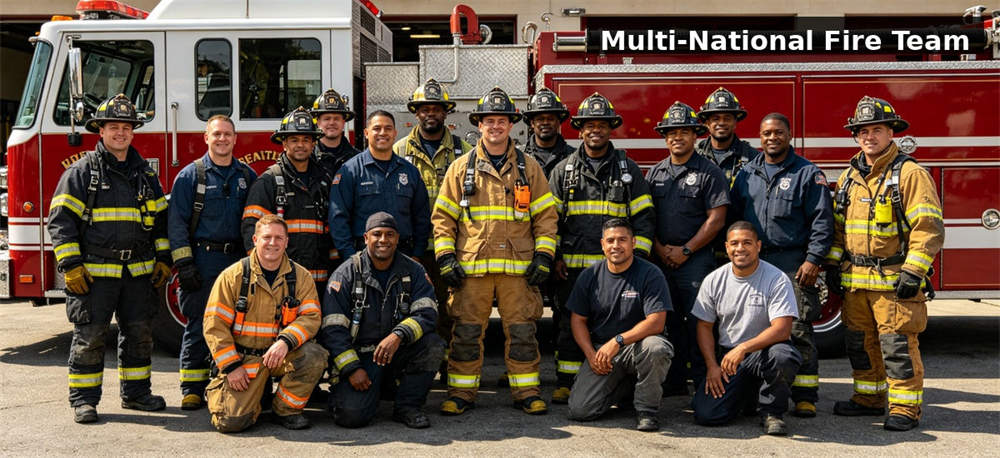
Collect actual wearer measurements before setting the size ratio. A typical fire department distribution is approximately S:M:L:XL = 1:3:4:2, but this varies by region and population. Always retest boundary sizes (S and XXL) — these are where fit problems most often occur. If your crew wears thick winter base layers or carries heavy equipment, test the fit with those layers on, not with a t-shirt.
Purchase quantity should cover: active personnel, new hires in the next 12 months, size exchanges (typically 10-15% of order), items out for cleaning or repair, and garments that will be retired during the year. Keep quantities by size in the quotation, not just a total count.
Need help building the requirement list? Send us your tender document or task description — we help break it into itemized component lines with standards and size ratios. Send Your Requirement List
Structural turnout gear is a multi-layer system. Each layer has a specific job, and substituting one layer changes the whole garment's performance. Confirm these details in writing before production:
|
Layer |
Typical material |
What to check |
What to confirm |
|
Outer shell |
All-aramid (Nomex/Kevlar blend), 200-260 g/m² |
Fibre content, fabric weight, weave type, color fastness |
Confirm the fibre content in writing — a cotton or polyester blend can look similar but burns or melts |
|
Moisture barrier |
PTFE membrane on aramid or ePTFE substrate |
Membrane type, water penetration test result, breathability rating |
Confirm it is a true membrane, not a coated fabric — coated alternatives are less breathable and degrade faster |
|
Thermal liner |
Aramid felt or spunlace, 120-200 g/m² |
Thermal protective performance (TPP), thickness, weight |
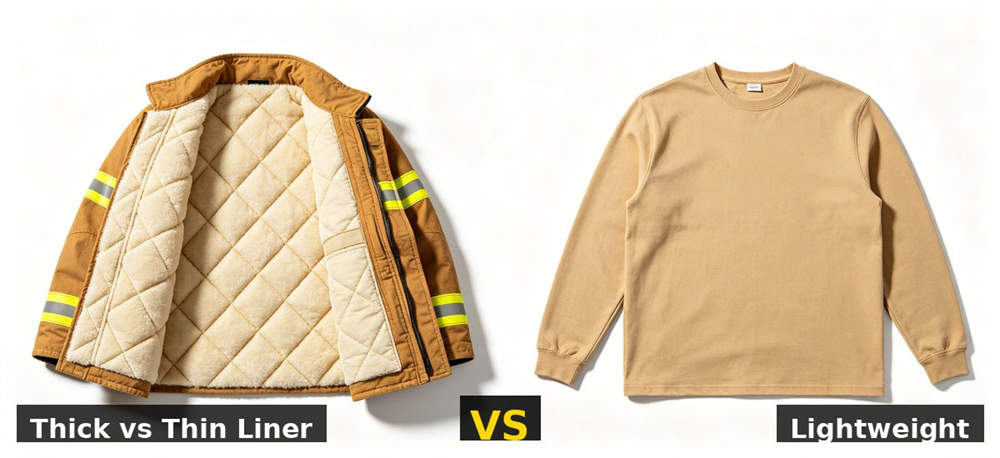
Confirm the liner weight matches the TPP requirement — a thinner liner drops thermal protection below standard |
|
Comfort liner |
Aramid-cotton blend or modacrylic |
Softness, moisture wicking, seam placement |
Check the inner face for roughness — rough fabric causes chafing during long wear |
|
Reinforcement |
Additional aramid or leather at knees, elbows, seat |
Reinforcement locations, material, stitching method |
Reinforcement covers knees, elbows and seat — all three wear at similar rates |
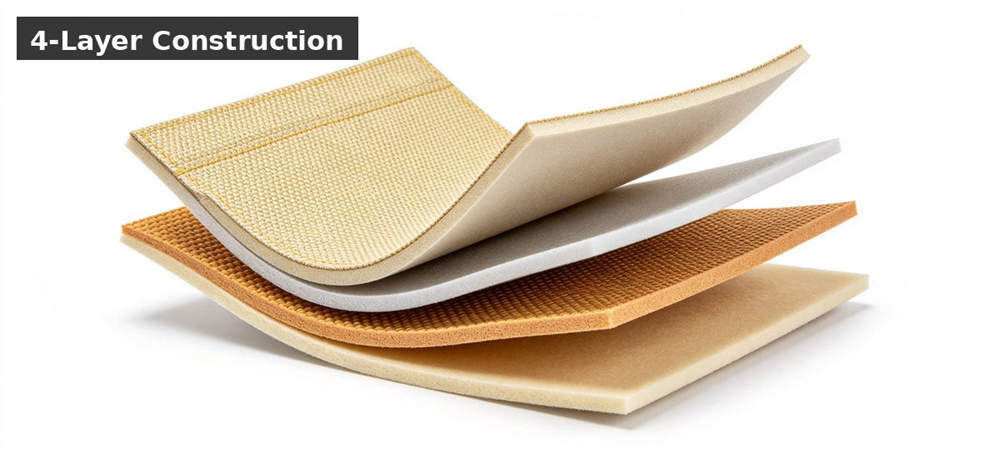
Just because a jacket looks multi-layer does not mean you know the actual fibre, weight, or heat protection. Always ask for the fabric specification sheet and test report matching the exact style you are buying. A photo or product title cannot establish these details.
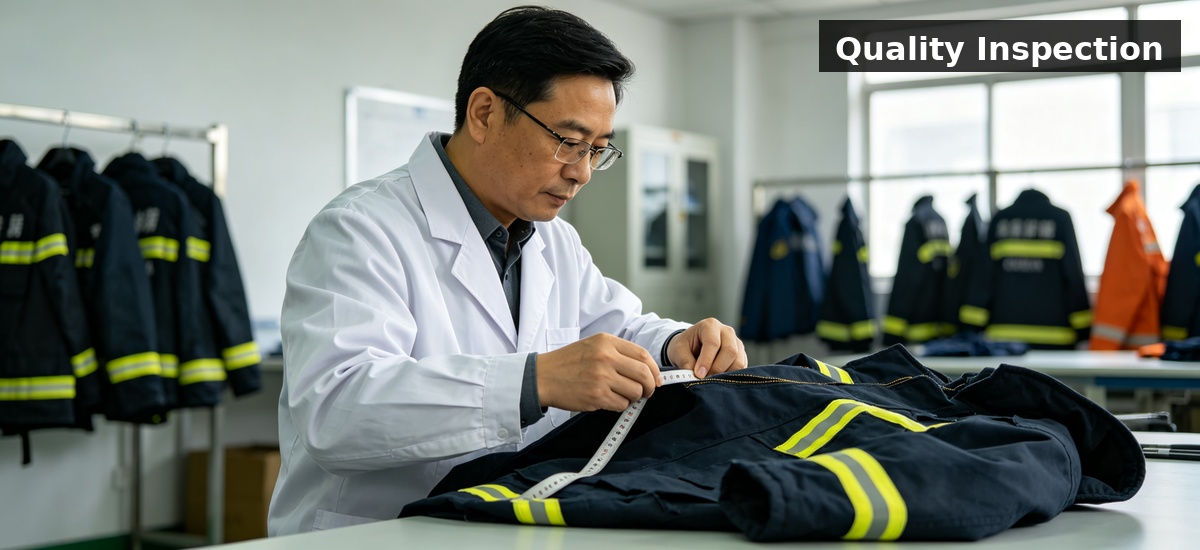
A test report is only valid for the exact model, fabric weight, color and construction it was issued for. When reviewing a certificate, check these items line by line:
We can help arrange third-party test reports based on your project requirements. The buyer selects the standard and laboratory based on the destination market, and testing costs are covered by the buyer. We recommend testing before bulk production as part of sample approval.
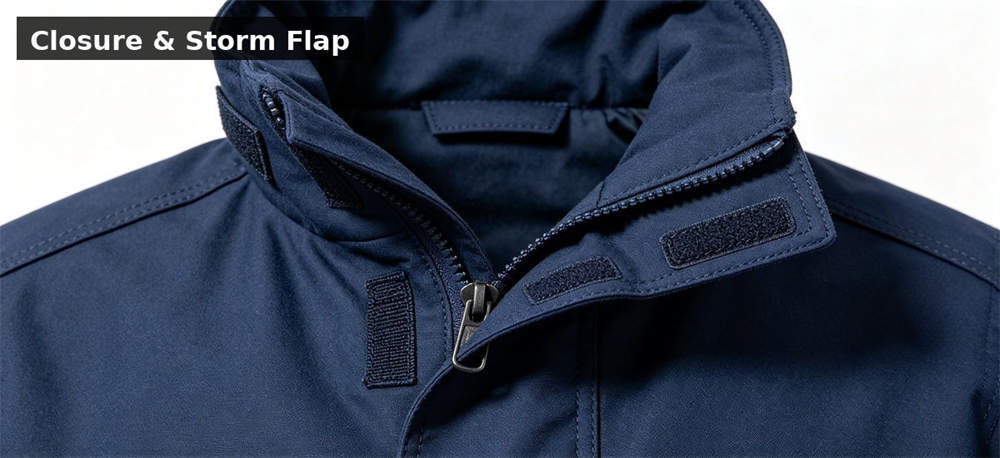
Most field performance issues happen at closures and interfaces, not at the fabric itself. Check these before approving the sample:
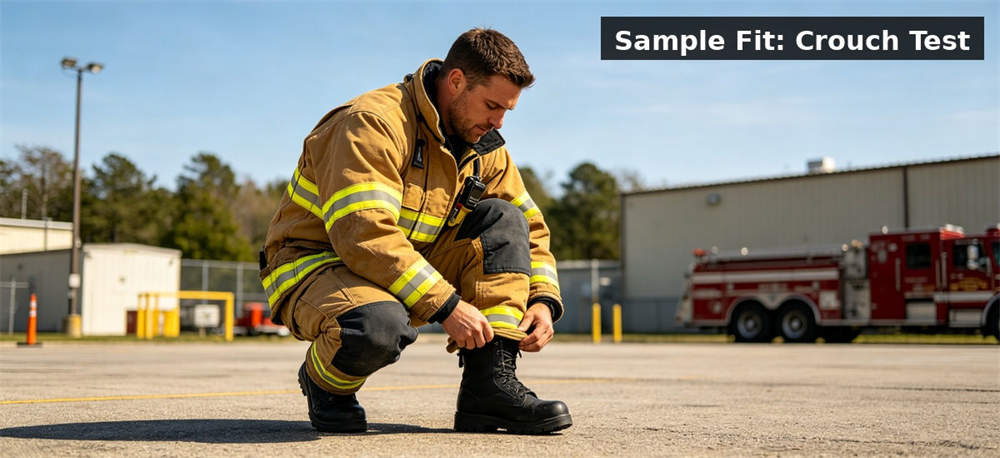
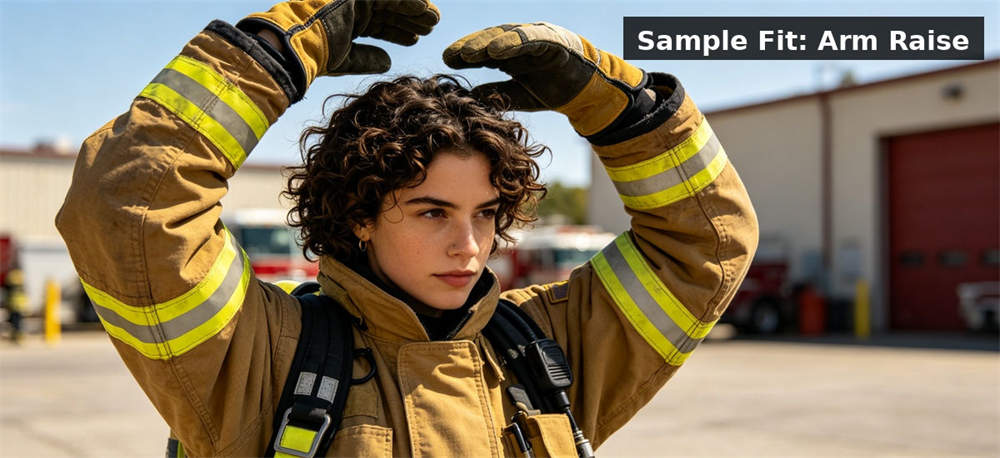
The sample stage is where you catch fit problems before they become 500-unit problems. Approve a physical sealed sample — never approve from photos alone. Run this 7-step test with the actual base layers, gloves, boots and helmet your crew will use:
Record: wearer measurements, every component model and size, base layers worn, any fit issues found, and the correction needed. If you change any component — helmet, glove, boot, or garment structure — retest the affected interfaces. A standing photo records appearance but does not replace movement testing.
We provide samples for quality evaluation before bulk orders. In-stock standard samples ship in 3-5 working days; the sample fee depends on the product type and model (we provide the specification sheet and quotation at no cost, while the physical sample itself is charged). Fully custom samples (custom color, logo, size, or certification) take 20-35 working days and are quoted based on complexity; mold or plate fees may apply for custom logos. Sample cost can be credited against a confirmed bulk order; the exact terms are confirmed in writing at order placement. Courier costs are paid by the buyer.
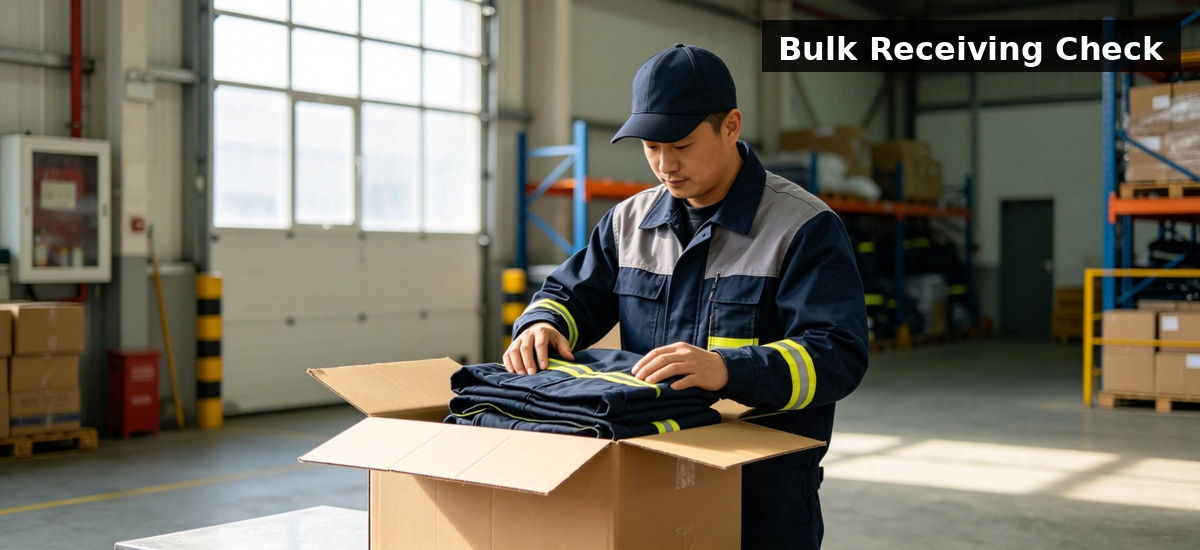
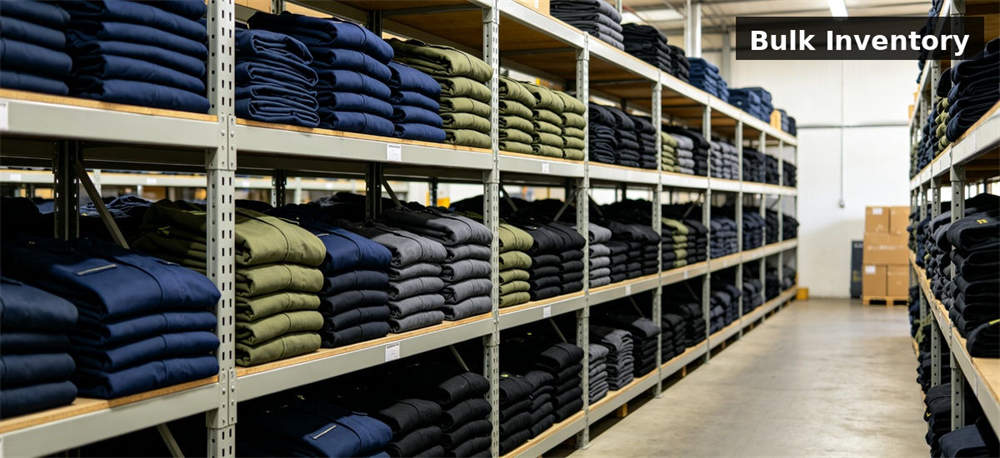
After sample approval, production begins. At receiving, do not accept the shipment based on the carton count alone — inspect the actual garments.
Use AQL 2.5 (Acceptable Quality Level) for inspection. This is the industry standard for garment bulk orders:
Order quantity
Sample size to inspect
Acceptable defects
Reject threshold
50-90 sets
13 sets
0 major defects
1 major defect
91-150 sets
20 sets
1 major defect
2 major defects
151-280 sets
32 sets
2 major defects
3 major defects
281-500 sets
50 sets
3 major defects
4 major defects
501-1200 sets
80 sets
5 major defects
6 major defects
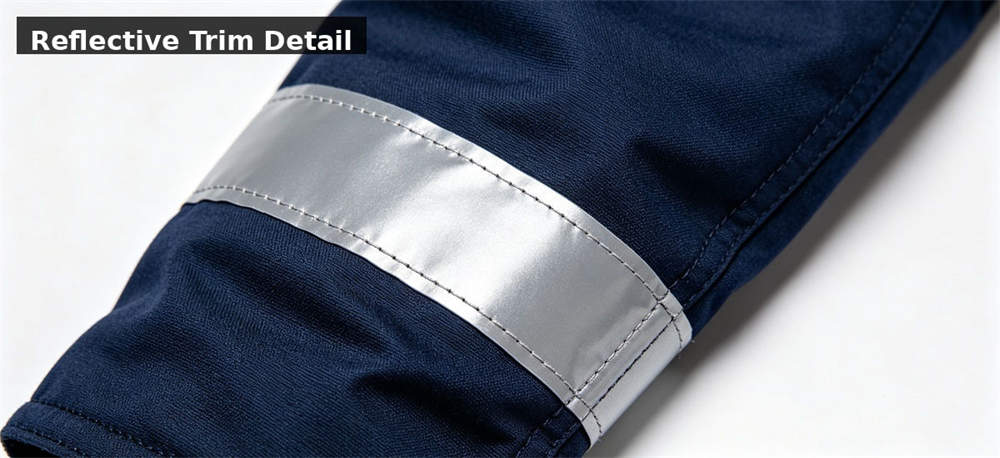
Major defects include: wrong fabric or layer construction, missing reflective trim, broken zipper, wrong size labeled, stitching defects >3 cm, contamination, missing components. Minor defects: loose threads, minor label misalignment, small packaging marks — these can be corrected on site.
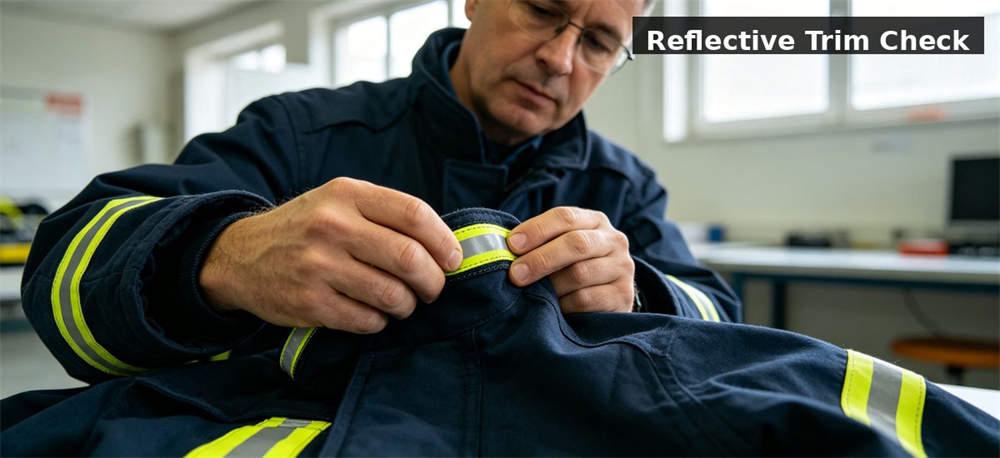
If a difference is found, isolate the affected cartons and record: product name, size, carton number, quantity, and exact location of the difference. Then follow the contract process for replacement, rework, or repeat inspection. Do not issue unconfirmed material or accessory substitutions to the field.
Material substitution note: a substitute zipper, velcro, reflective material, lining, or thread can change performance or affect the test report even when the garment looks the same. Any substitution requires an updated specification, new sample, and written approval before bulk use.
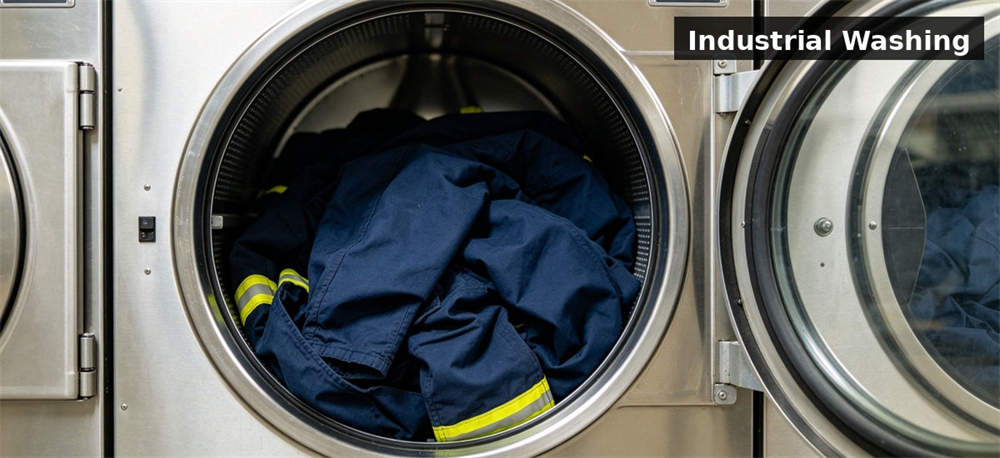
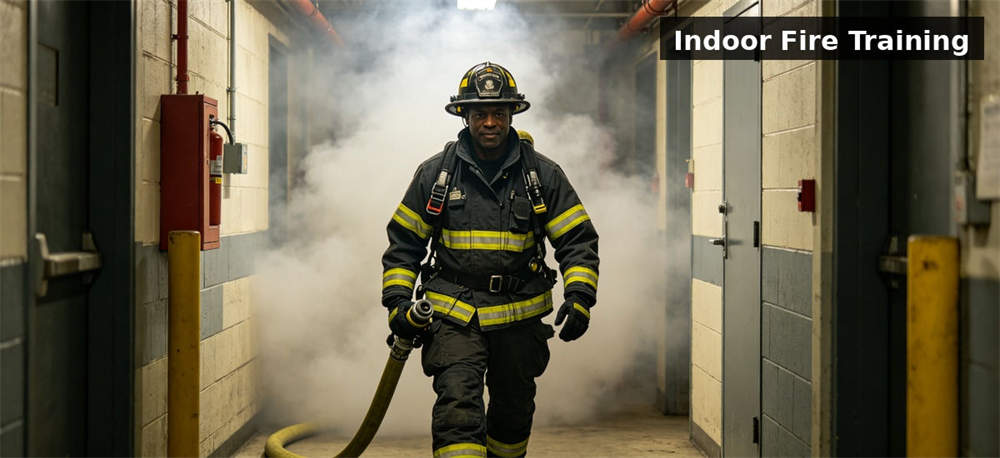
Firefighter clothing gets contaminated with soot, chemicals, and biological material during use. Proper care extends garment life and protects the wearer from carcinogenic exposure. NFPA 1851 is the international standard for selection, care, and maintenance of firefighter protective clothing — follow its principles.
|
Component |
Cleaning method |
What to avoid |
Drying |
|
Structural turnout coat/pants |
Machine wash, front-loading industrial washer, ≤40°C (104°F), mild detergent |
Bleach, fabric softener, dry cleaning, top-loading agitator washers |
Hang dry or tumble dry on low/no heat; do not dry-clean |
|
Wildland clothing |
Machine wash ≤40°C, mild detergent |
Bleach, high heat (can shrink aramid) |
Hang dry or low tumble |
|
Station uniform |
Normal machine wash per fabric care label |
Overloading washer (incomplete cleaning) |
Per label |
|
Helmet |
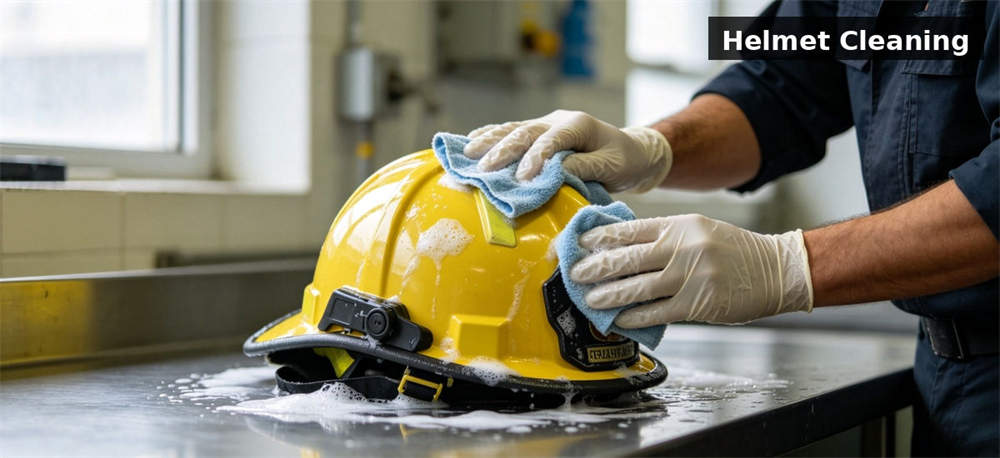
Wipe with damp cloth and mild soap |
Submerging in water, solvents, abrasive cleaners |
Air dry, no direct sunlight |
|
Gloves |
Hand wash or per manufacturer label |
Machine wash (damages leather/construction) |
Air dry away from heat |
|
Boots |
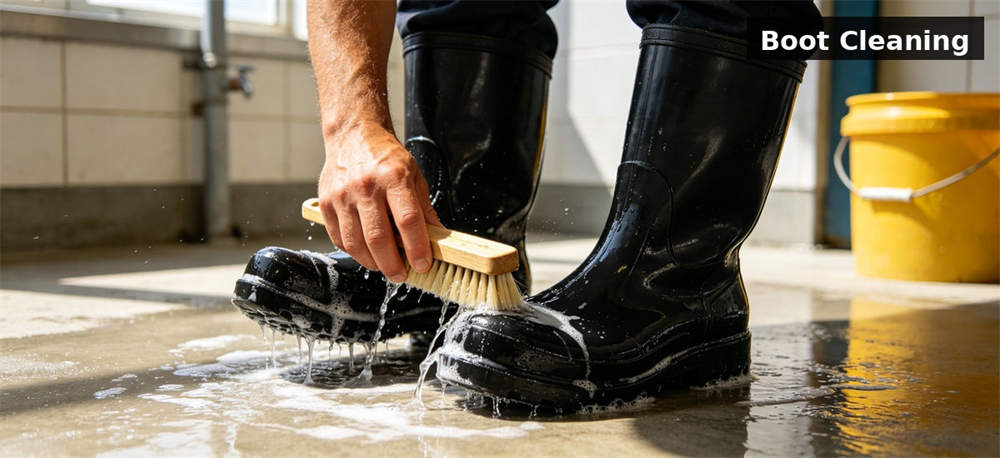
Rinse with clean water, brush off debris |
Soaking, solvents, machine wash |
Air dry with boot trees, no direct heat |
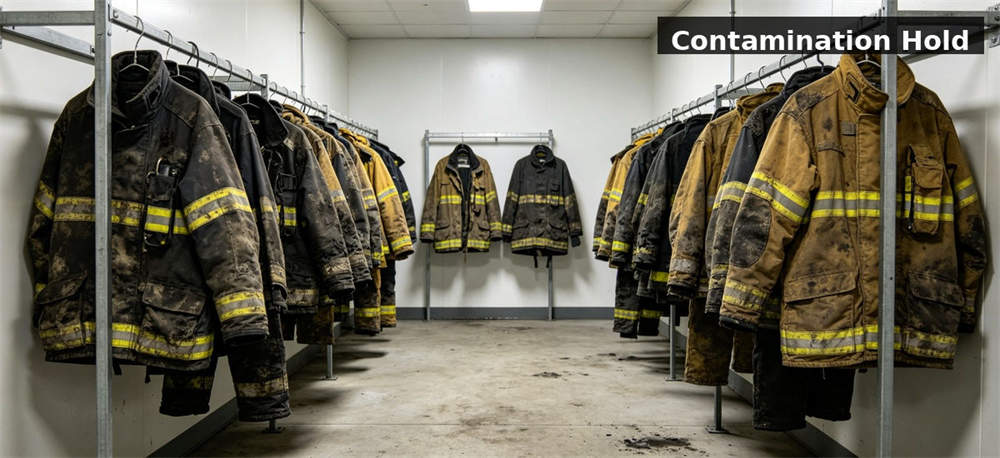
Not all contamination is the same. Different sources need different handling:
A clean appearance does not mean retained protective performance. After washing, the outer shell may look new while the thermal liner has degraded. Follow the manufacturer's recommended inspection interval — typically every 6 months or after significant exposure.
For bulk programs, assign each garment a unique ID and maintain a simple log. This makes retirement decisions evidence-based rather than guesswork. Track these fields per garment:
A spreadsheet or asset tag system is enough for most departments. The key is consistency: if only half the garments are logged, the tracking system cannot protect your crew.
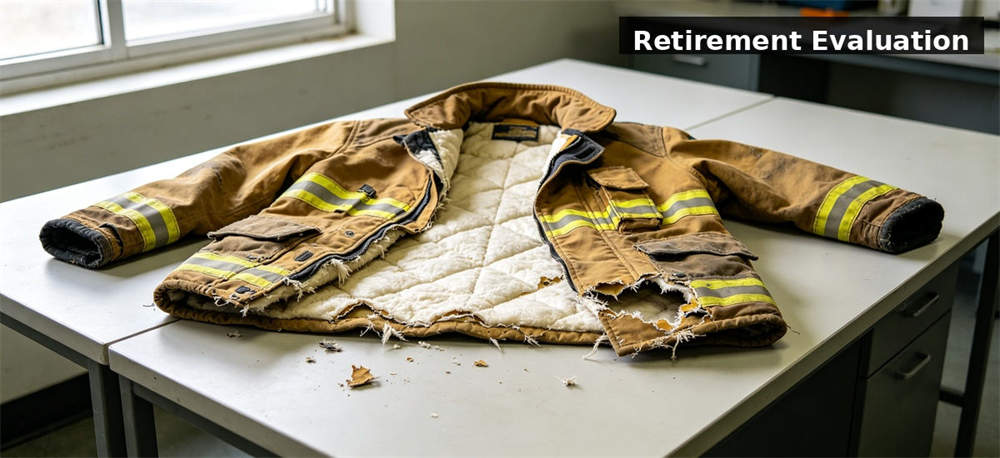
Firefighter clothing does not last forever. NFPA 1851 recommends retirement no later than 10 years from manufacture date, regardless of appearance. Many departments retire earlier based on use intensity.
Do not simply reorder the same total quantity as last time. Calculate actual need:
Replenishment quantity = (retired units) + (size shortage units) + (units in repair/cleaning rotation) + (10% buffer for new hires and exchanges)
Example: If 15 garments retired this year, 8 are in repair/cleaning, your size M stock is short by 12, and you expect 5 new hires — reorder 15 + 8 + 12 + 5 = 40 units, allocated by the actual size shortage, not by last year's ratio.

Repeat orders should reference the approved sample or prior order number, and recheck: model, size conversion, color, logo, accessory interfaces, and packing. A new factory or new production line may produce slightly different dimensions — re-approve a sample if the supplier changes any production parameter.
MOQ and lead time depend on model, quantity, customization, tests and packing. Standard production lead time: 7-15 working days for in-stock components, 25-40 working days for custom color/logo or large orders, 35-50 working days for custom material or certification (test report time included). Emergency rush orders can start production within 72 hours for standard models with in-stock components (subject to factory capacity). Final lead time is confirmed in the contract. MOQ varies by model and component availability — send your requirement list for an itemized quote.
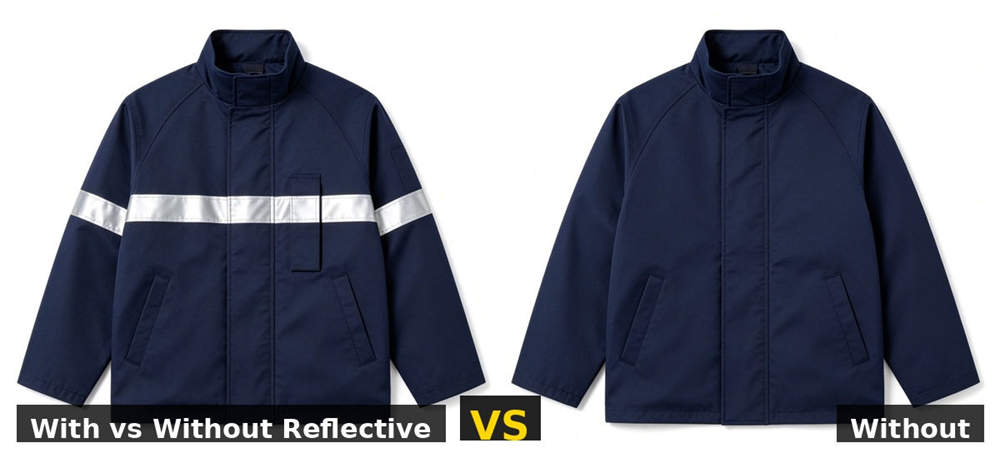
Can product photos establish a protection rating?
No. Photos only show appearance. You need the fabric specification sheet (fibre content, weight, layer construction) and the test report matching the exact garment style. A jacket that looks multi-layer may use a different fibre or thinner liner than you expect.
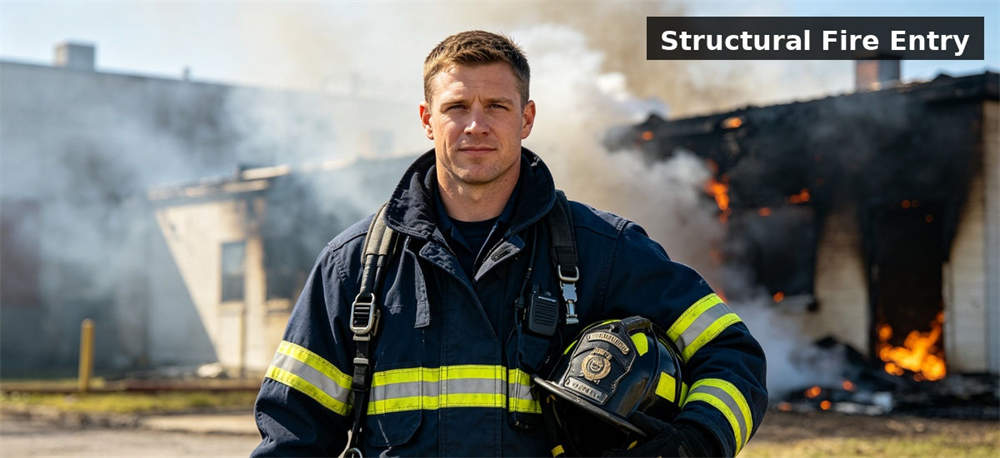
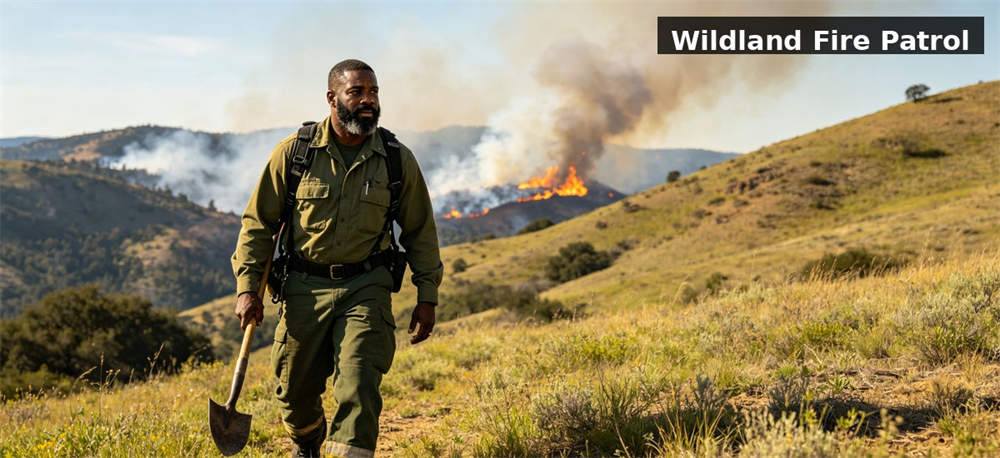
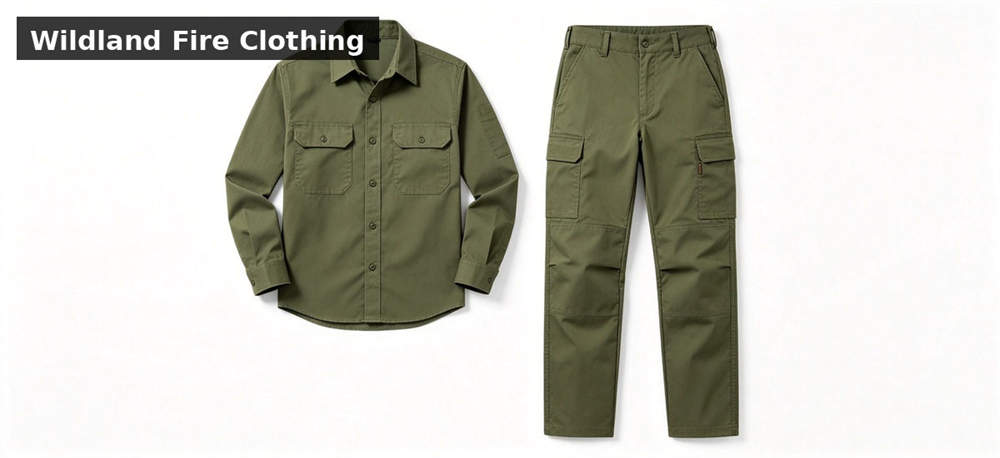
No. Structural turnout gear has 3-4 layers and weighs 4.8-5.8 kg for short-duration high-heat building entry. Wildland clothing has 2 layers and weighs 2-3 kg for all-day breathable forest fire work. Structural gear is too hot for wildland; wildland gear lacks thermal insulation for structural fire entry. They are not interchangeable.
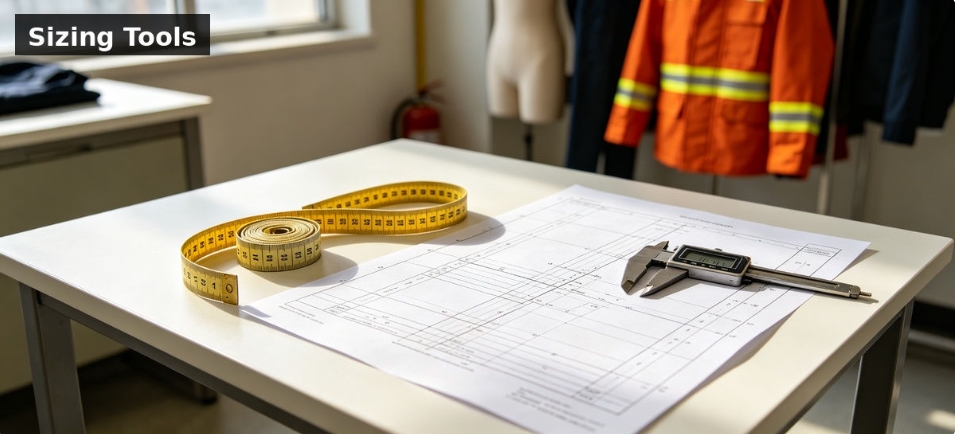
What measurements are needed for sizing?
For garments: height, chest, waist, hip, sleeve length, plus the base layers worn underneath. For gloves: hand circumference at knuckles and hand length. For boots: internal foot length (not EU size), foot width, and calf circumference. For helmets: head circumference and whether the wearer uses eyeglasses. Measure each component separately — garment size does not determine glove or boot size.
No. A garment EN 469 report covers that garment model and fabric only. It does not cover the helmet, gloves, or boots. Each component needs its own certificate matching its exact model and material. The full-set fit record covers combined coverage and movement, but does not replace individual component test reports.
Which movements should a clothing sample test include?
Seven movements: overhead arm raise, forward reach, waist bend, crouch and kneel, 90-degree head turn both ways, walking and climbing, and gloved operation of buckles and tools. Test with the actual base layers, gloves, boots and helmet the crew will use. Record every fit issue and the correction needed.
No. "6-piece set" could mean coat, pants, helmet, gloves, boots, and hood — or it could mean coat, pants, belt, suspenders, hood, and bag. Always list every item by name, size, quantity, and packing. Mark accessories supplied from another product category separately to avoid missing items or duplicate purchasing.
Is protective performance automatically retained after cleaning?
No. Each wash cycle causes slight degradation of the outer shell, moisture barrier, and thermal liner. After 50 industrial washes, the garment should be re-tested for thermal performance. A clean-looking garment may have a degraded moisture barrier that leaks. Follow the manufacturer's inspection interval — typically every 6 months.
Isolate the affected cartons. Record: product name, size, carton number, quantity, and exact location of the difference. Then follow the contract process for replacement, rework, or repeat inspection. Do not issue garments with unconfirmed material or accessory substitutions to the field.
Collect actual wearer measurements — do not guess. A typical ratio is S:M:L:XL = 1:3:4:2, but verify with your crew. Retest boundary sizes (S and XXL). Then total each approved component size separately and add component-specific spares: garments 10%, gloves 15%, boots 10%, helmets 5%. Keep quantities by size, not just a total count.
Can third-party testing or certification be arranged?
Yes. We can help arrange third-party test reports based on your project requirements — EN 469, NFPA 1971, EN ISO 11612, EN 388 and others. The buyer selects the standard and laboratory based on the destination market, and testing costs are covered by the buyer. We recommend testing before bulk production as part of sample approval, to avoid costly rework.
When should firefighter clothing be retired?
Retire immediately if: thermal liner is torn or has holes >2 cm, outer shell has charring or melting, moisture barrier leaks, reflective trim is missing over >20% of area, stitching is broken over >3 cm, closures cannot be repaired, or the garment is past 10 years from manufacture date. Many departments retire earlier based on use intensity. Follow NFPA 1851 guidelines.
How is the replenishment quantity calculated?
Replenishment = (retired units) + (size shortage units) + (units in repair/cleaning rotation) + (10% buffer for new hires and exchanges). Do not simply reorder last year's total. Allocate by actual size shortage, not by last year's ratio.
What is the typical lead time and MOQ?
MOQ and lead time depend on model, quantity, customization and certification. Standard production: 7-15 working days for in-stock components; custom color/logo: 25-40 working days; custom material or certification: 35-50 working days (test report time included). Emergency rush can start within 72 hours for standard in-stock models. Final lead time is confirmed in the contract. Send your requirement list for an itemized quote.
How should contaminated garments be handled?
Soot and smoke: normal industrial wash ≤40°C. Chemical or unknown: set aside for evaluation, do not wash with other gear, identify the contaminant and follow specific cleaning guidance. Biological (blood/body fluids): follow bloodborne pathogen protocol, use PPE during handling. After cleaning, confirm fully dry before returning to storage. Damp garments grow mold and degrade faster.
What do the EN 469 level suffixes (Xf, Xr, Y, Z) mean?
Xf = flame heat resistance (Xf2 higher), Xr = radiant heat resistance (Xr2 higher), Y = water penetration resistance (Y2 higher), Z = water vapor resistance (Z2 higher but less breathable). A certificate reading only "EN 469" without suffixes may mean minimum levels. Most structural tenders require Xf2/Xr2; Y2 matters for hose-stream operations; Z level should balance breathability for your climate.
In-stock standard samples ship in 3-5 working days; the sample fee depends on the product type and model. Fully custom samples (custom color, logo, size or certification) take 20-35 working days and are quoted based on complexity. Sample cost can be credited against a confirmed bulk order; exact terms are confirmed in writing at order placement. Courier costs are paid by the buyer. The specification sheet and quotation are provided at no cost.
INTERNAL LINK CARD AREA - target page and URL pending
|
Review firefighter protective clothing options |
Send the urgent procurement question |
 |
 |
|
Compare garment types and construction |
Discuss samples, inspection and care |
Liens amicaux :
droits dauteur © Custom Disaster - Relief Bedding: Tents, Sleeping Bags, Blankets Tous les droits sont réservés
léquipe professionnelle au service !