Catégories
dernier blog
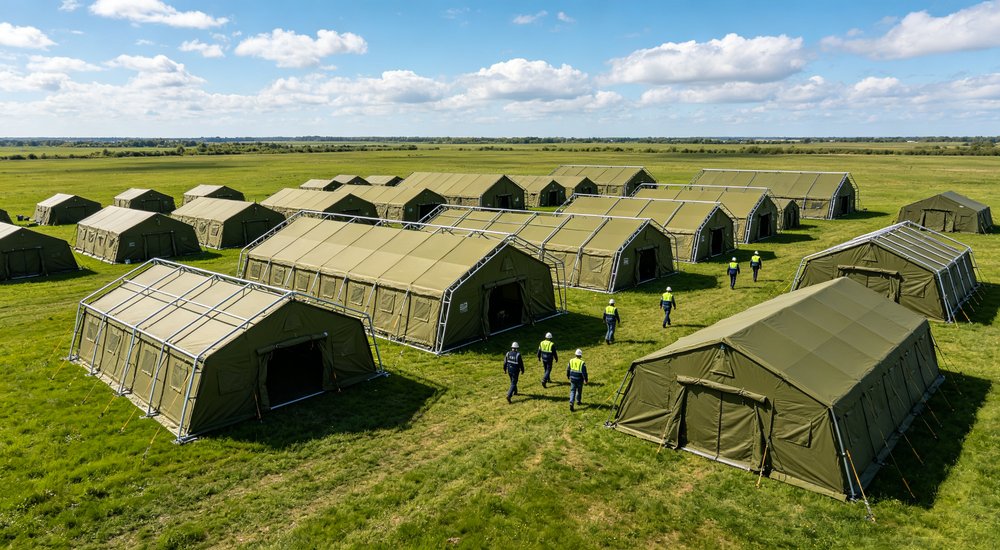
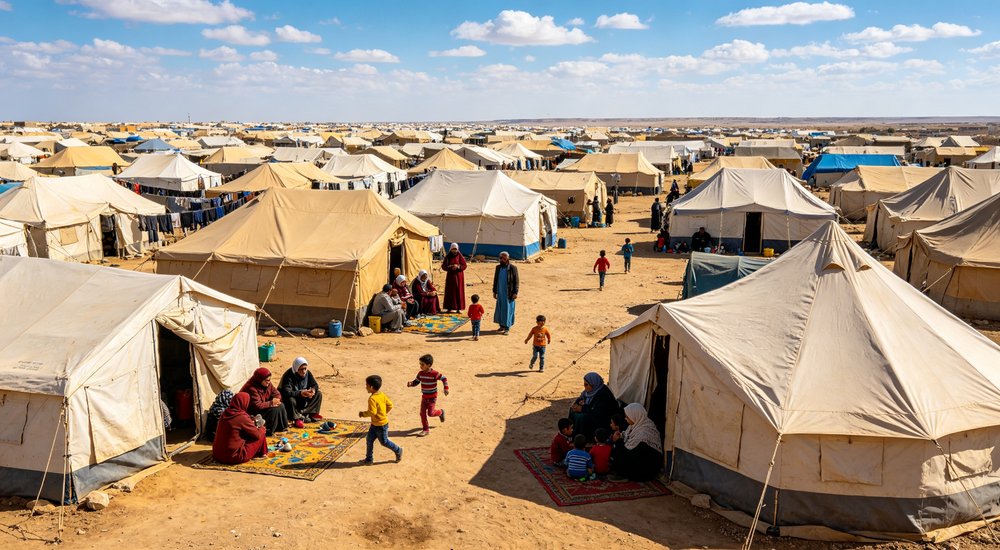
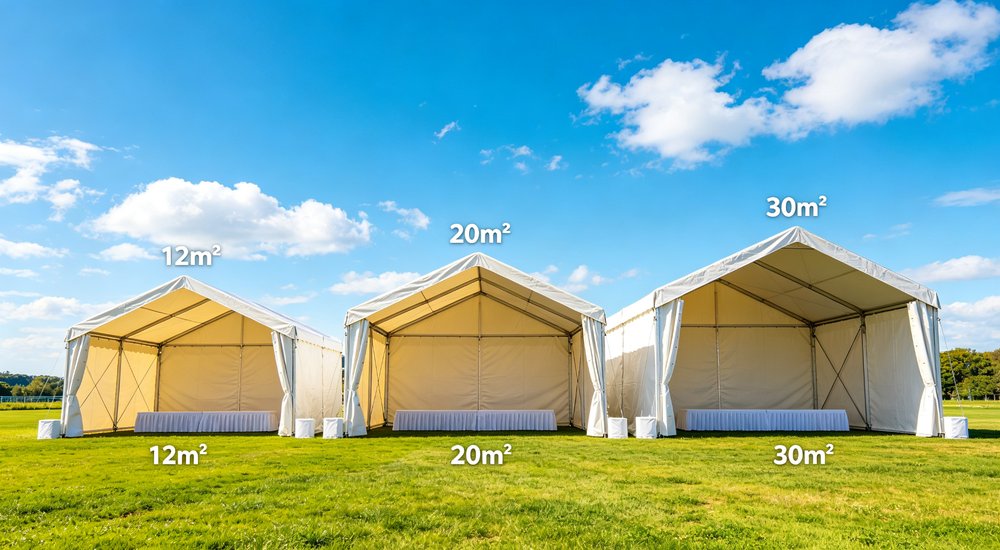
Choosing the right frame tent size is one of the most critical decisions in emergency shelter procurement. In short: the 12m2 tent serves 4-6 people for small family units, the 20m2 tent serves 8-10 people for larger families or medical use, and the heavy duty tent in canvas provides 15-25m² of space for extreme climates and long-term deployment. This guide compares the 12m2 tent, 20m2 tent, and heavy duty tent across every dimension: capacity, dimensions, setup, cost, durability, and best-use scenarios.
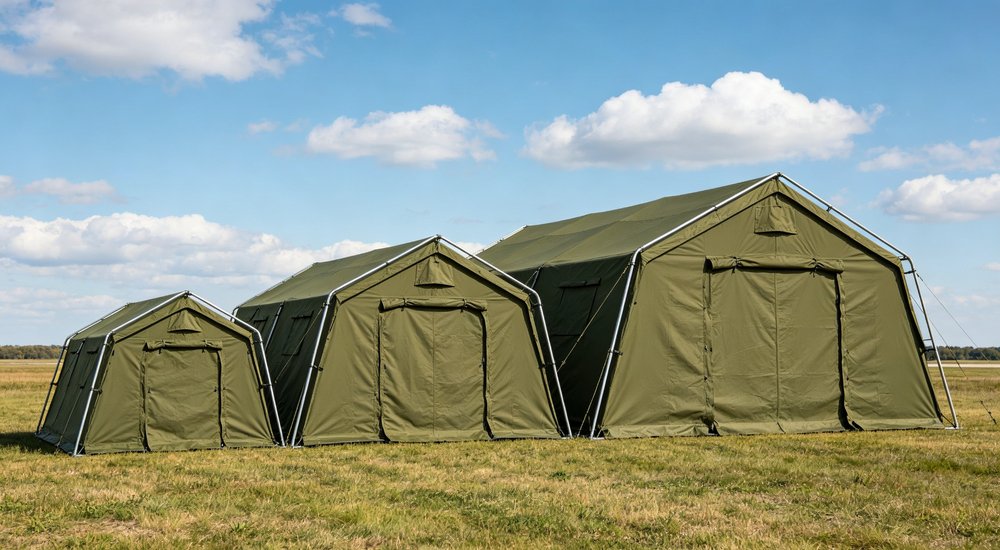
Quick answer: For standard refugee tent camp family units → 12m². For larger families, clinics, and community spaces → 20m². For cold climates, military tent use, and 5+ year deployments → heavy-duty canvas. Most successful disaster tent programs use a mix, with medical tent facilities in 20m² or heavy-duty sizes. Most successful programs use a mix of all three.
|
Size Comparison Table 12m² Standard Frame Tent 20m² Large Frame Tent Heavy-Duty Canvas Frame Tent Capacity & Occupancy Guide Setup Time & Labor Comparison Durability & Lifespan Climate Suitability Pricing & Cost Comparison When to Choose Each Size |
Customization Options Procurement Guide Common Mistakes Quick Summary Real-World Examples Client Feedback FAQ Key Takeaways Request a Proposal Final Verdict |
This table provides an at-a-glance comparison of the 12m2 tent, 20m2 tent, and heavy duty tent — the three most popular emergency frame tent sizes. Use it to quickly identify which size matches your requirements. The 12m2 tent is more portable and affordable, while the 20m2 tent offers more space per unit, and the heavy duty tent provides better durability than both., then read the detailed sections below.
|
Feature |
12m² Standard |
20m² Large |
Heavy-Duty Canvas |
|
Floor area |
12m² (3m × 4m) |
20m² (4m × 5m) |
16-25m² (4m × 4m to 5m × 5m) |
|
Occupancy |
4-6 people |
8-10 people |
6-12 people |
|
Peak height |
2.4m |
2.8m |
3.0m |
|
Weight |
45-55kg |
70-85kg |
90-130kg |
|
Setup time |
15-25 min (2 people) |
25-40 min (3-4 people) |
40-60 min (4-6 people) |
|
Frame material |
Galvanized steel 19mm |
Galvanized steel 22mm |
Galvanized steel 25mm + aluminum joints |
|
Fabric |
Polyester 280g/m² PU coated |
Polyester 320g/m² PU coated |
Cotton canvas 400-500g/m² |
|
Waterproof |
2000mm hydrostatic head |
3000mm hydrostatic head |
5000mm+ hydrostatic head |
|
Wind resistance |
60-80 km/h |
80-100 km/h |
100-120 km/h |
|
Snow load |
5-10 kg/m² |
10-15 kg/m² |
20-30 kg/m² |
|
Insulation options |
Single layer standard, 3-layer optional |
Single layer standard, 3-layer optional |
3-layer integrated standard |
|
Lifespan |
3-5 years |
5-7 years |
7-10 years |
|
Reference price (FOB) |
$150-$350 |
$250-$500 |
$400-$720 |
|
Best for |
Family units, rapid deployment |
Large families, clinics, community |
Cold climates, military, long-term |
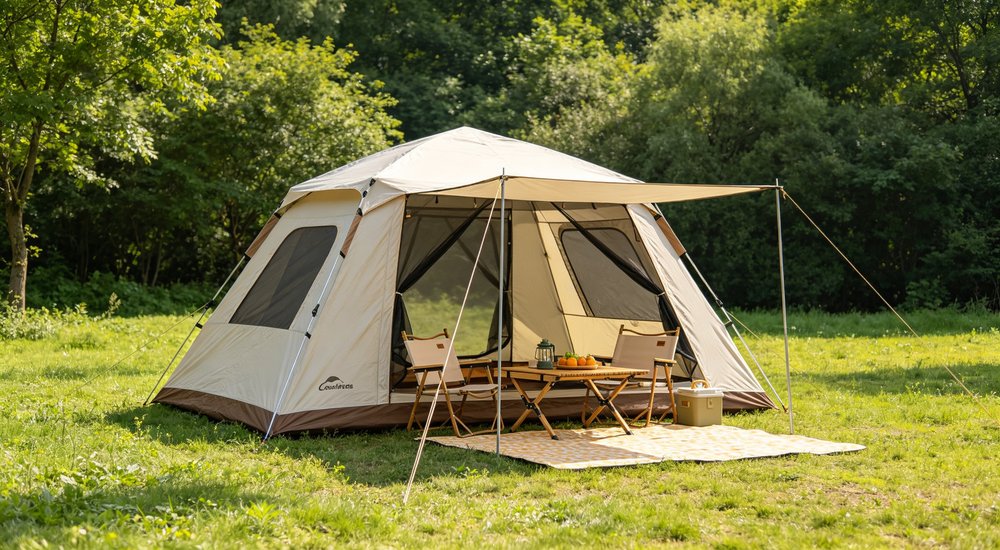
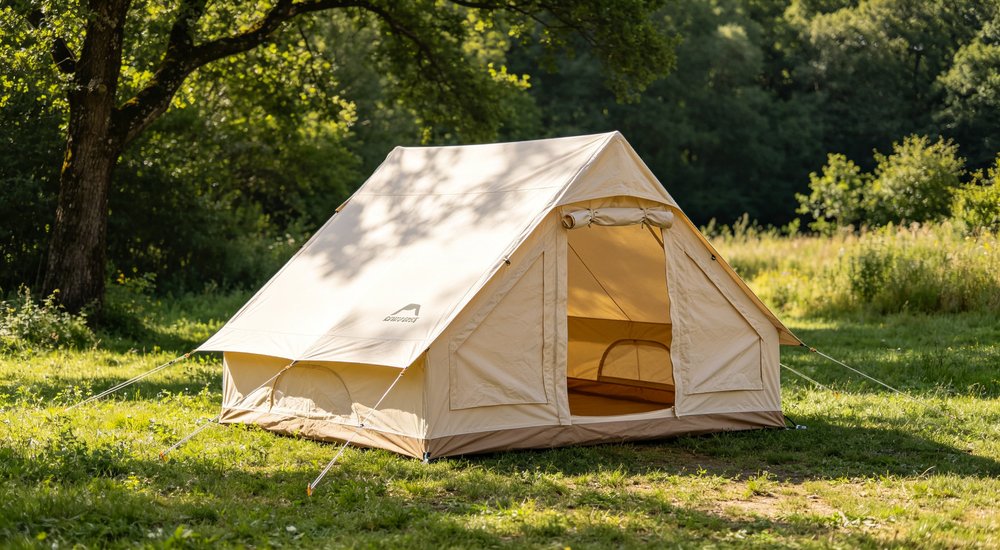
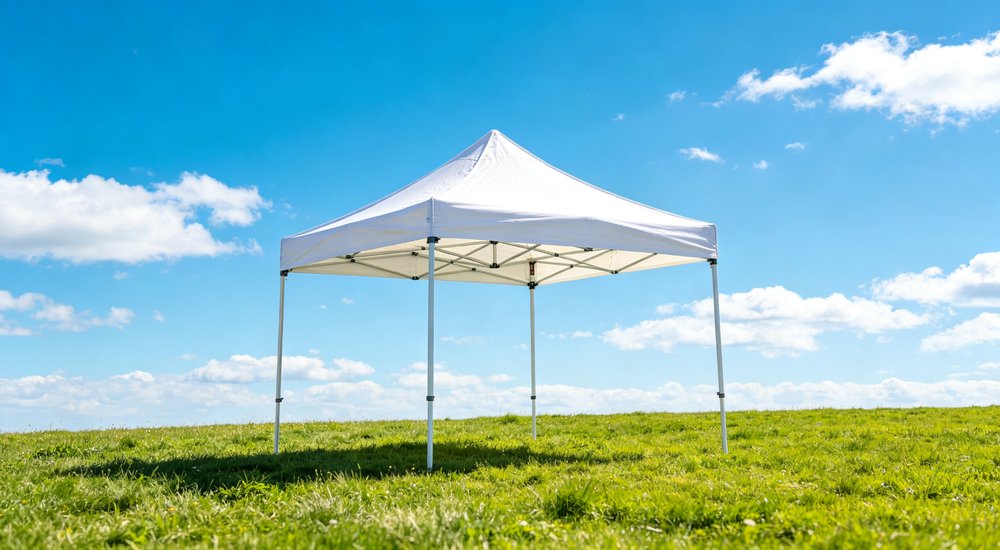
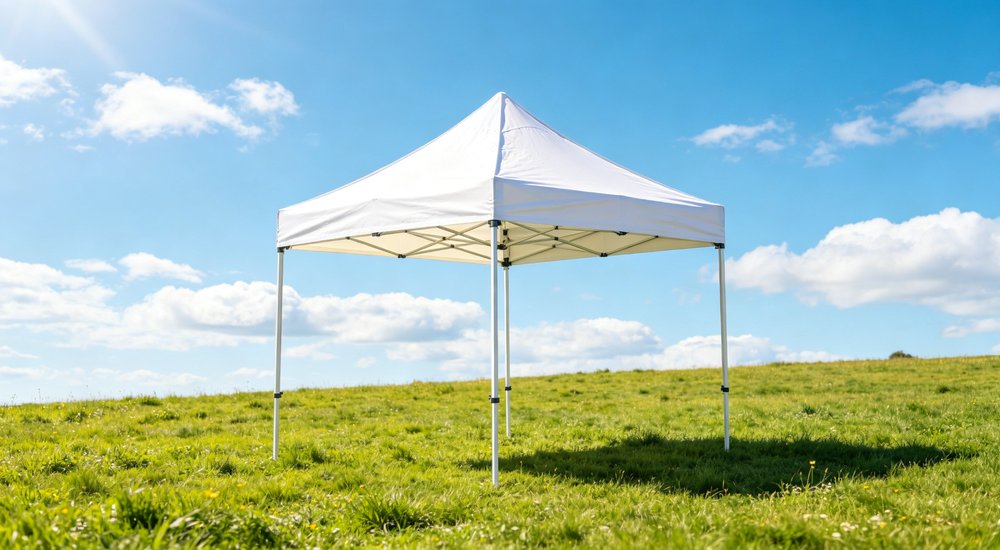
The 12m² standard frame tent is the workhorse of humanitarian relief operations. It uses a galvanized steel pole frame — our steel pole tent construction (19mm diameter) that supports a PVC coated polyester fabric outer shell. The standard dimensions are 3 meters wide by 4 meters long, with a peak height of 2.4 meters — enough for most adults to stand comfortably.
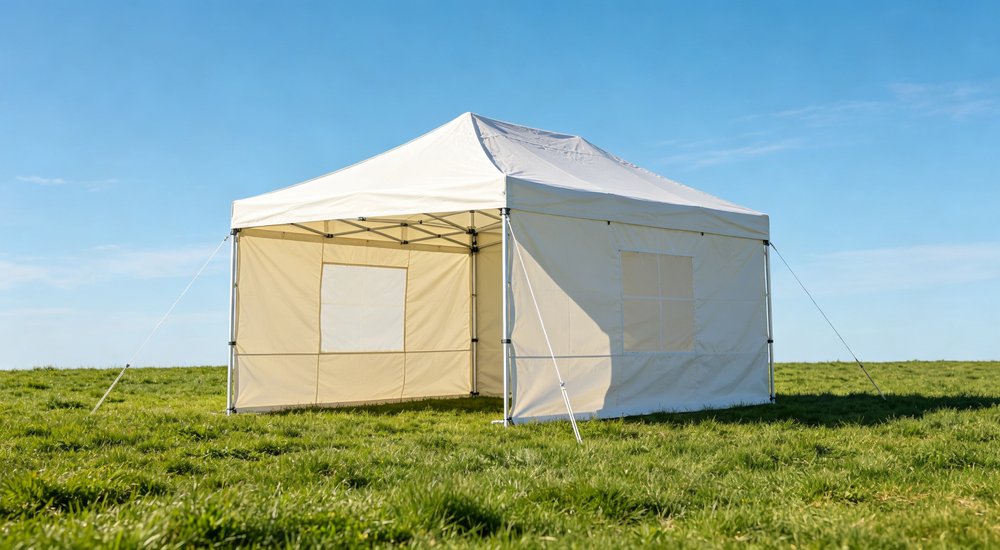
This size is the international standard for family refugee shelter, specified by UNHCR and most major NGOs. It balances portability, capacity, and cost better than any other size.
✅ When preparing a complete emergency bedding package, visit bulk bedding Preparedness Essentials: Emergency Bedding to review bedding sets, reserve stock, and temporary-accommodation options.
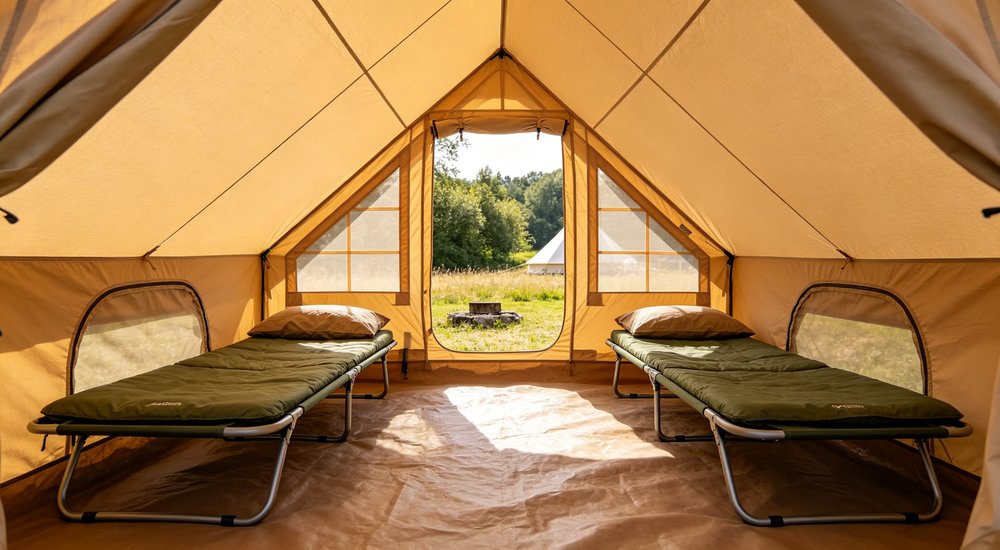
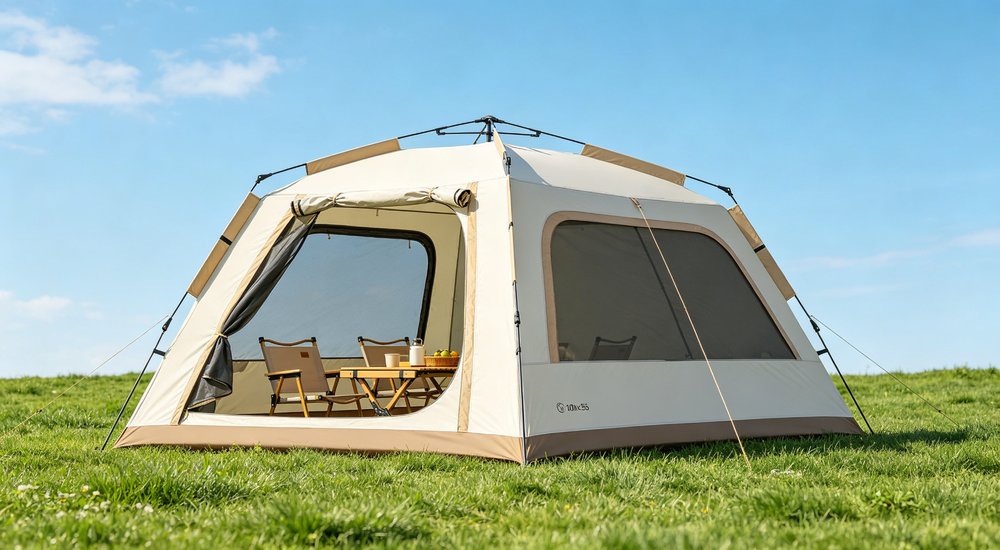
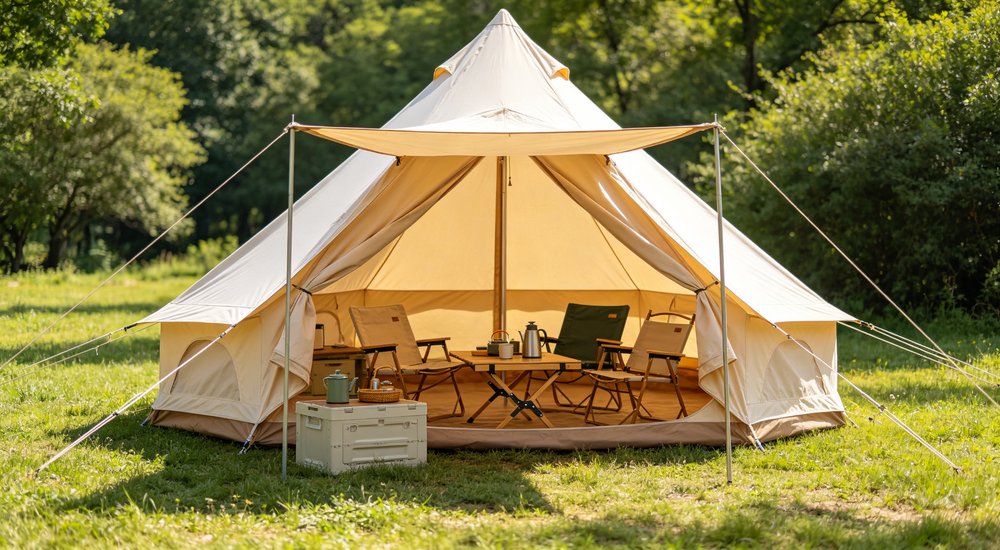
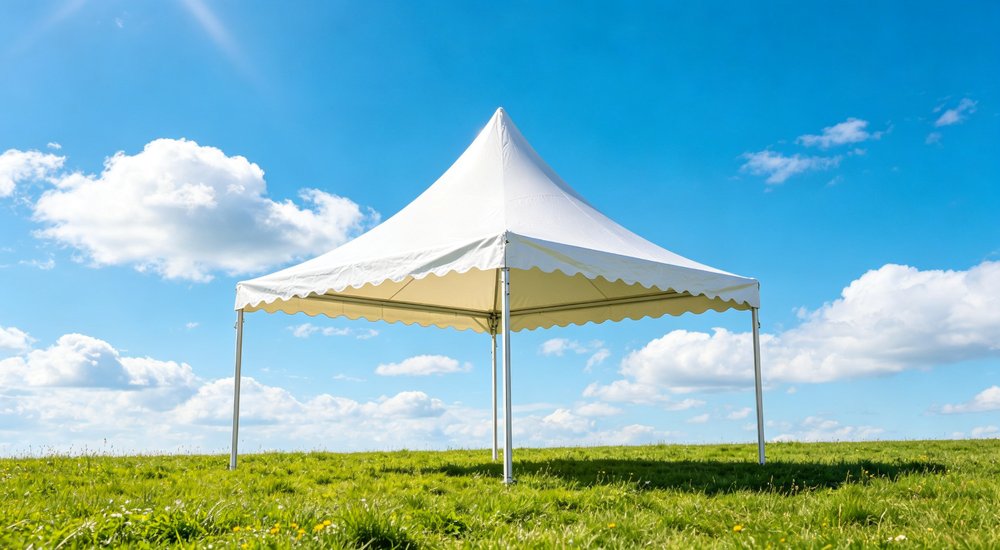
The 20m² large frame tent measures 4 meters wide by 5 meters long, with a 2.8-meter peak height. It uses thicker 22mm galvanized steel poles and heavier 320g/m² polyester fabric for increased durability. The larger footprint accommodates extended families, medical equipment, or community activities.
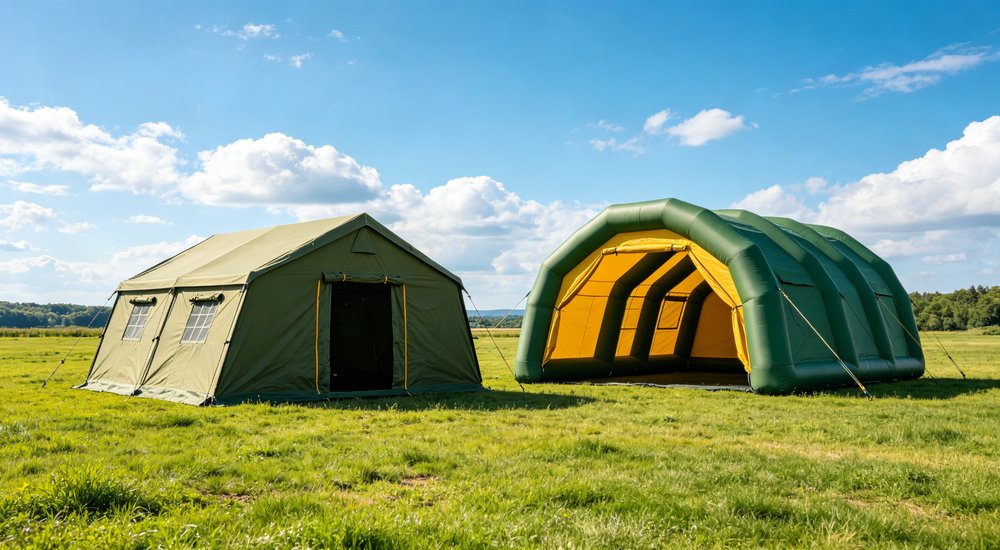
This size bridges the gap between individual family shelters and large communal tents. It's the preferred choice for organizations that need more space without moving to modular tent systems.
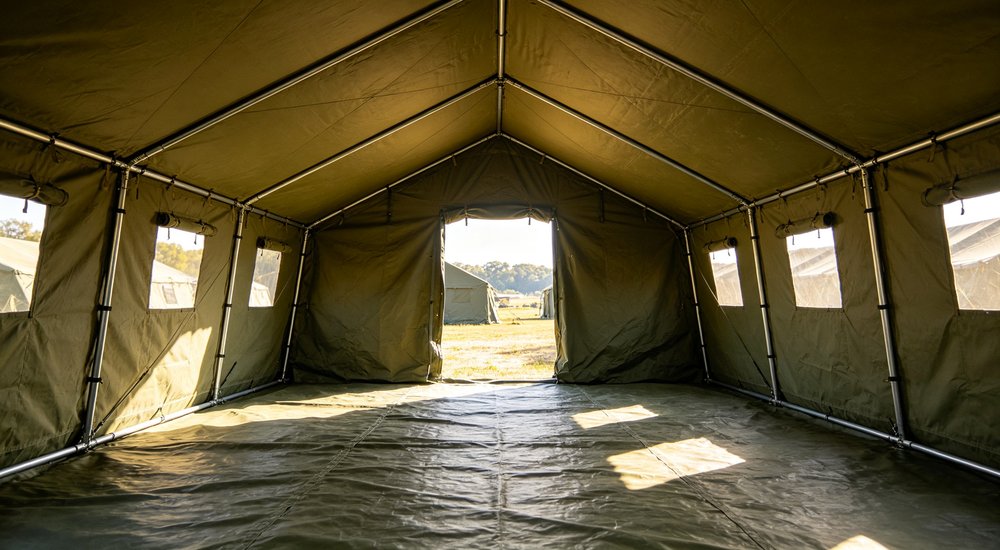
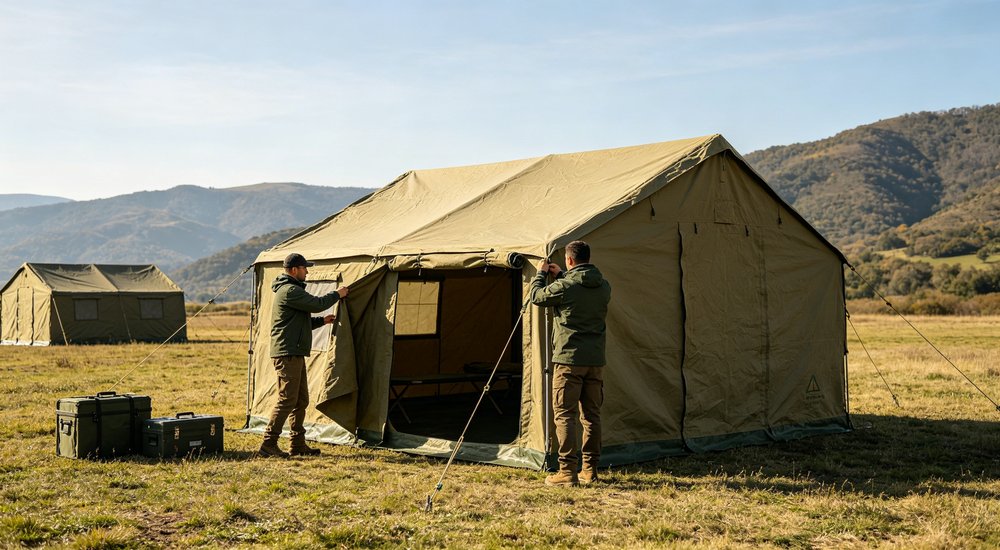
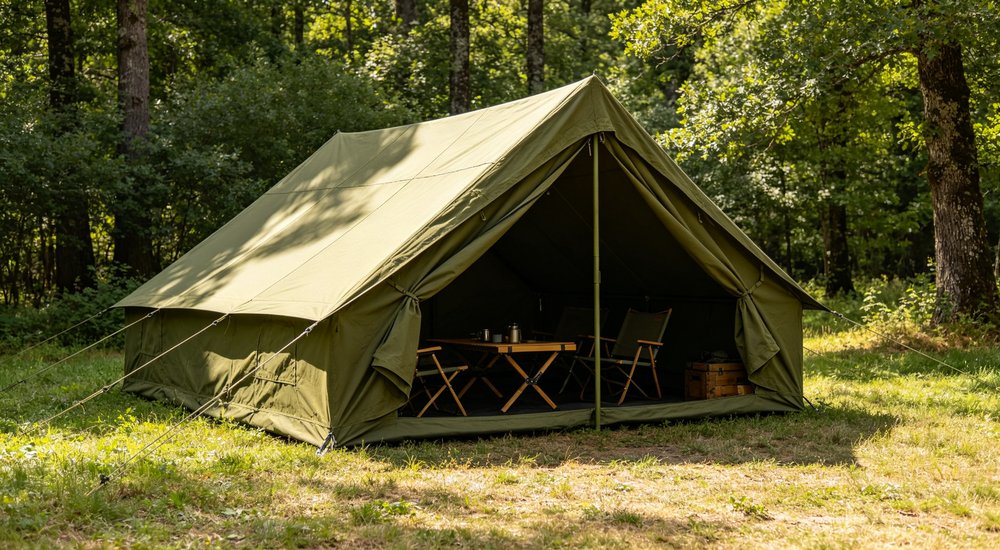
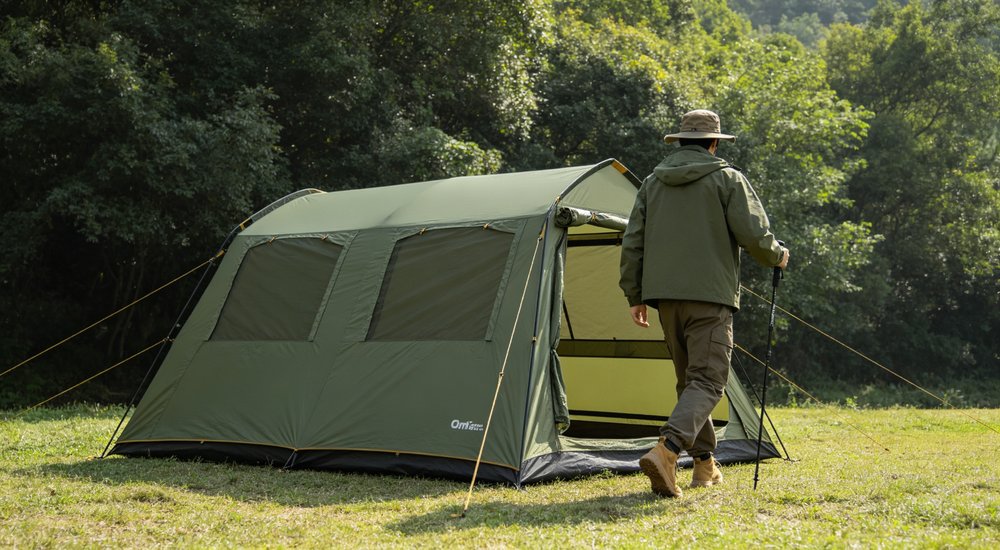
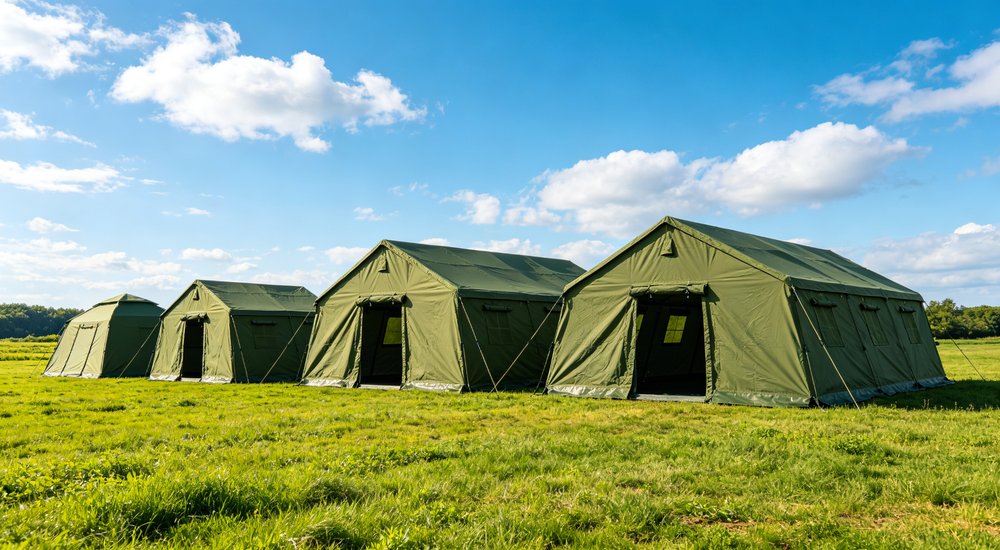
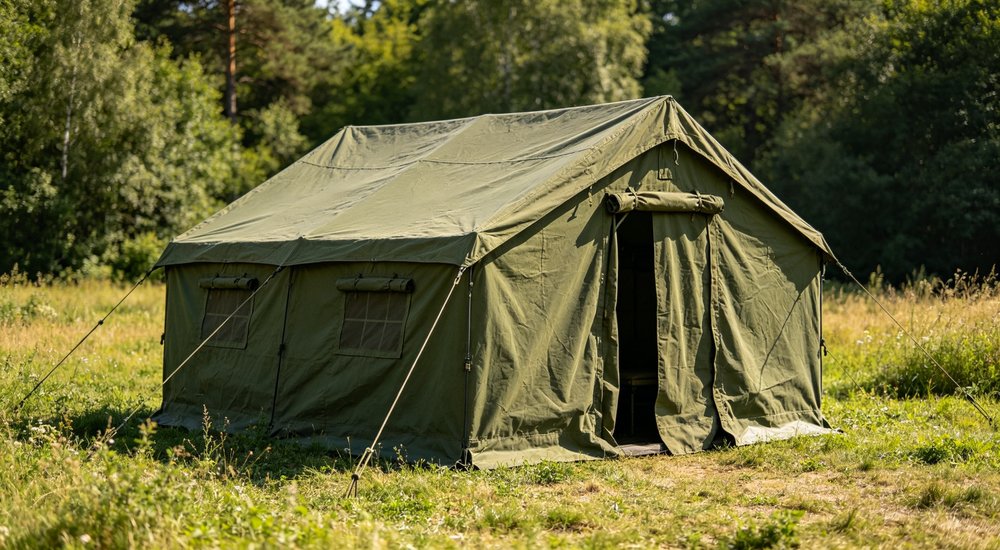
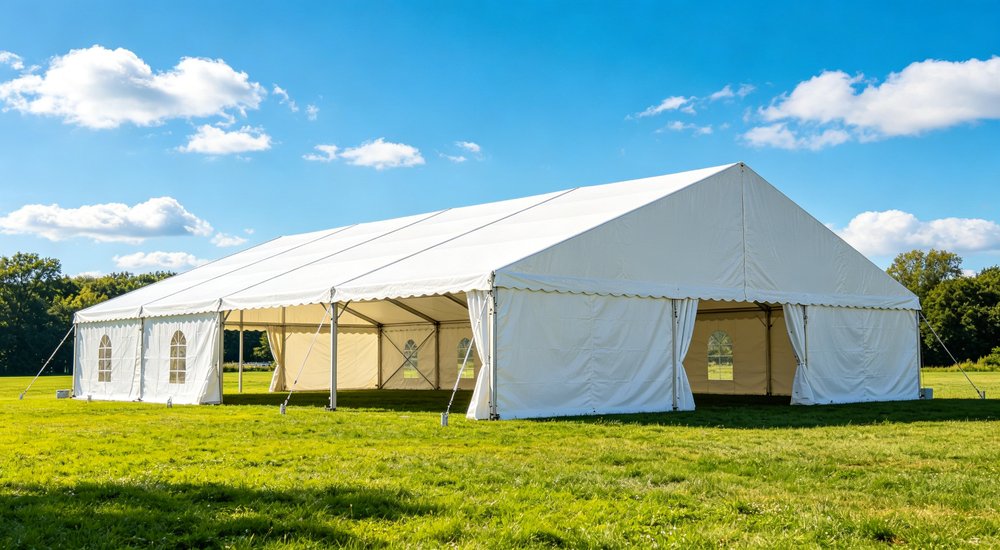
The heavy-duty canvas frame tent is the premium option for demanding environments. It uses 25mm galvanized steel poles with aluminum joints, covered in 400-500g/m² cotton canvas fabric. Sizes range from 16m² to 25m², with peak heights up to 3.0 meters.
Cotton canvas offers superior breathability, insulation, and durability compared to polyester. The 3-layer integrated construction (outer canvas + insulation layer + inner liner) provides excellent thermal performance in both cold and hot climates.
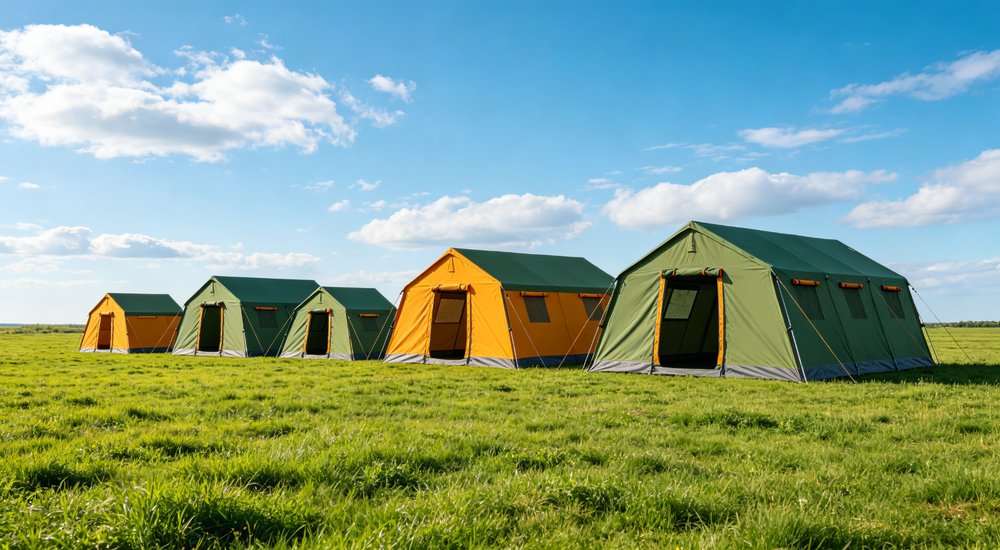
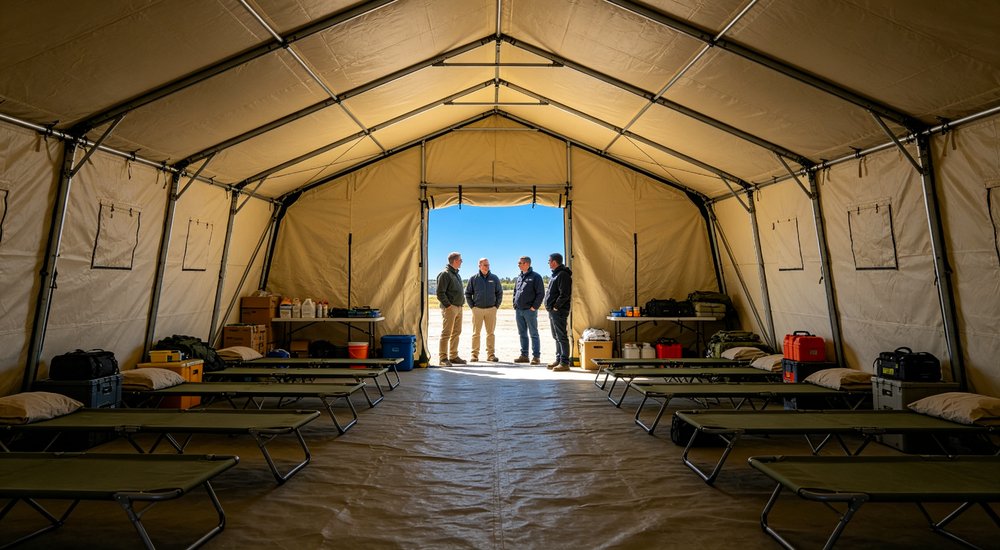
Understanding tent capacity and tent dimensions is essential for proper camp planning. Occupancy standards vary by organization and use case. Why does tent size matter so much? Because overcrowding leads to conflict, disease transmission, and poor sleep quality, while under-occupancy wastes budget and shipping space. The SPHERE standard (Sphere Project) recommends a minimum of 3.5m² per person, while the typical UNHCR tent allocation is 4.5m² per person for emergency shelter, while UNHCR typically allocates 4.5m² per person in established camps. Use this guide to determine the right size:
|
Tent Size |
Emergency (3.5m²/person) |
Standard (4.5m²/person) |
Comfortable (6m²/person) |
Medical Use |
|
12m² |
3-4 people |
2-3 people |
2 people |
1-2 beds |
|
20m² |
5-6 people |
4-5 people |
3 people |
3-4 beds |
|
Heavy-duty 16m² |
4-5 people |
3-4 people |
2-3 people |
2-3 beds |
|
Heavy-duty 25m² |
7 people |
5-6 people |
4 people |
4-6 beds |
Recommendation: For long-term camps, use the 4.5m²/person standard. For medical facilities, allocate 8-10m² per bed including workspace. For IDP shelter programs, the humanitarian shelter standard of 4.5m²/person is widely accepted. For cold climates, reduce occupancy by 20% to accommodate heating equipment and thicker bedding.
When planning camp layouts, account for 30% additional space between tents for walkways, drainage, and fire safety. A 50,000-person camp using 12m² tents requires approximately 8,500 tents plus circulation space.
✅ Explore our complete range of 3‑day emergency kits, family survival kits, and disaster preparedness kit solutions for humanitarian and institutional procurement. We support mixed‑order emergency kits, large‑volume bulk sourcing, and custom packing emergency kits. Click through to view detailed kit contents, specification sheets, MOQ requirements, and project‑oriented quotation options for disaster relief scenarios.
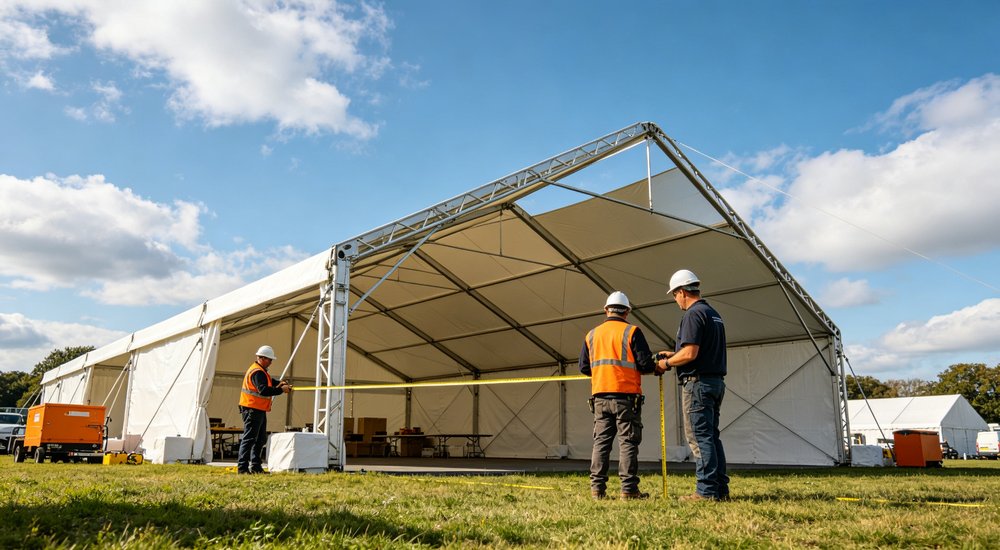
Setup time is a critical factor. Why does setup time matter in emergencies? Because every hour delayed means families exposed to the elements. A 15-minute 12m2 tent vs a 45-minute 20m2 tent can mean the difference between shelter before dark or not., especially for emergency response tent deployments. Our rapid deployment shelter designs prioritize speed without sacrificing durability. The table below shows typical deployment times for trained teams:
|
Tent Size |
People Required |
First Setup |
Experienced Team |
Pack Down |
|
12m² |
2 |
25-35 min |
15-20 min |
10-15 min |
|
20m² |
3-4 |
40-50 min |
25-35 min |
20-25 min |
|
Heavy-duty 16m² |
4 |
50-60 min |
35-45 min |
30-35 min |
|
Heavy-duty 25m² |
5-6 |
60-90 min |
45-60 min |
40-50 min |
Key insight: The 12m² tent can be deployed by almost anyone after basic training. The 20m² and heavy-duty sizes require trained teams. For first-72-hour response, prioritize 12m² tents for speed. For planned camp establishment, 20m² and heavy-duty sizes offer better long-term value.
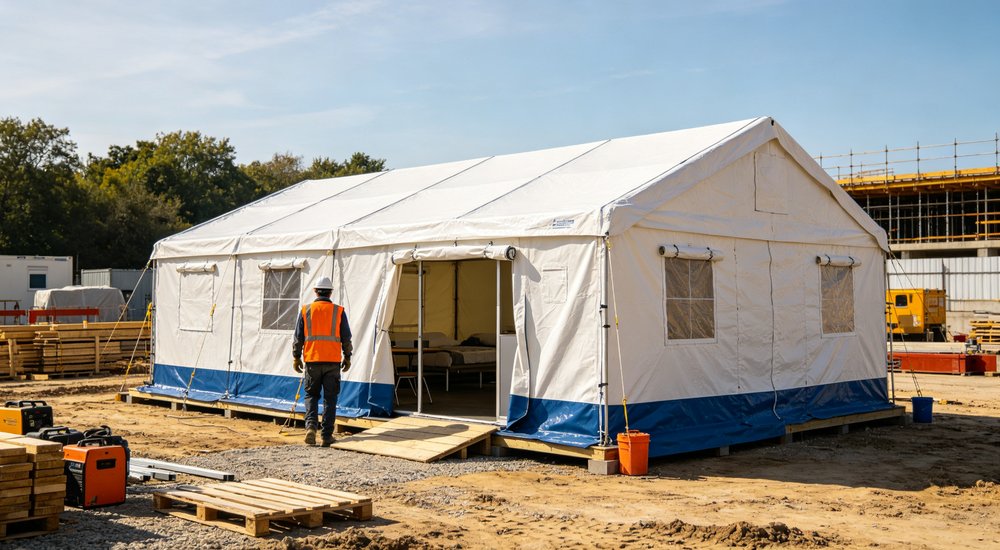
Training investment also matters. A 2-person team trained on 12m² tents can typically set up 6-8 tents per day. The same team on 20m² tents manages 3-4 per day. Factor these productivity rates into your deployment timeline and labor budget when planning large-scale distributions.
For organizations with limited trained staff, the 12m2 tent's simpler design reduces training time from 4 hours to 1 hour per team. The 20m2 and heavy duty tents require more complex frame assembly, making training investment more critical.
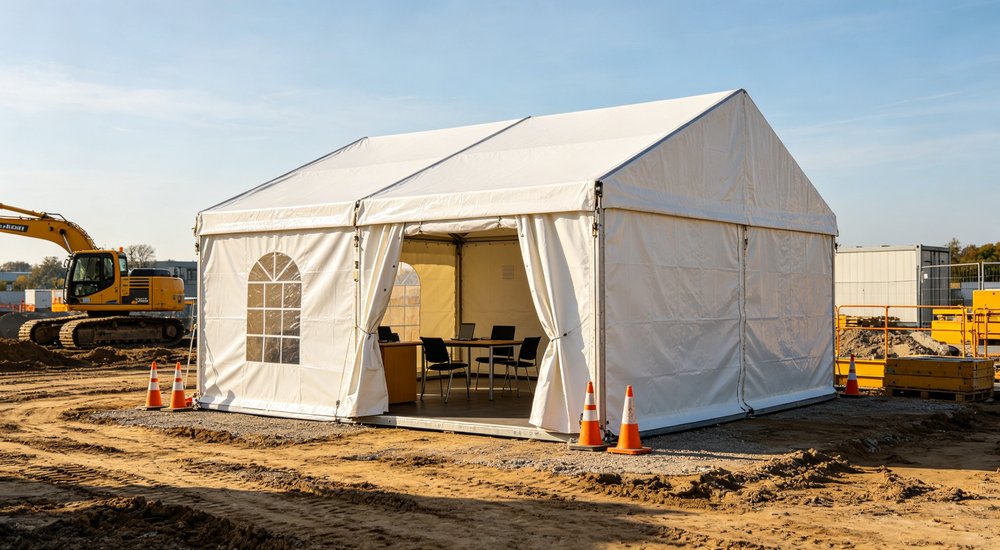
Which tent size lasts the longest?
Heavy-duty canvas tents typically last 7-10 years, compared to 3-5 years for standard polyester 12m2 and 20m2 tents. All three sizes use galvanized steel frames for corrosion resistance.
|
Factor |
12m² Standard |
20m² Large |
Heavy-Duty Canvas |
|
Expected lifespan |
3-5 years |
5-7 years |
7-10 years |
|
UV degradation |
Moderate (polyester) |
Low (heavier polyester) |
Very low (canvas) |
|
Tear resistance |
Good |
Very good |
Excellent |
|
Pole bending risk |
Moderate (19mm) |
Low (22mm) |
Very low (25mm) |
|
Wind resistant rating |
60-80 km/h |
80-100 km/h |
100-120 km/h |
|
Waterproof longevity |
2-3 years (PU coating) |
3-4 years (PU coating) |
5-7 years (canvas wax) |
|
Field repairability |
Excellent (standard parts) |
Very good |
Good (canvas patching) |
|
Maintenance required |
Low |
Low-Medium |
Medium (canvas care) |
Recommendation: For deployments under 3 years, 12m² standard tents offer the best value. For 3-7 year operations, 20m² large tents balance cost and durability. For 7+ year programs or extreme conditions, heavy-duty canvas tents have the lowest total cost of ownership despite higher upfront cost.
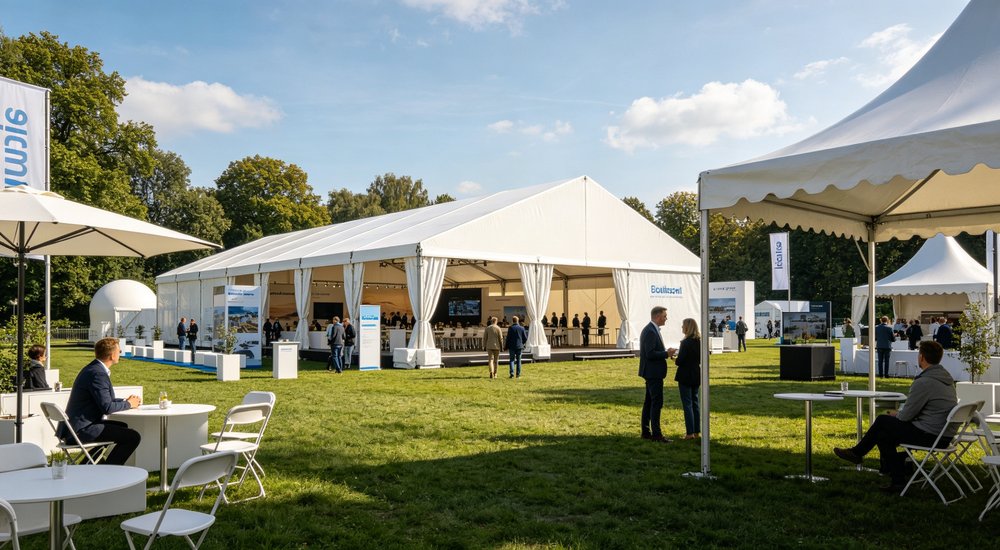
Quality control: Every tent undergoes third-party inspection before shipment — frame load testing, fabric waterproof testing, and stitching verification. SGS, TUV, or BV inspection available.
Size planning is where many relief operations get it wrong. Too small and families are cramped; too large and you waste budget and shipping space. This guide matches tent sizes to actual camp scenarios — from individual family units in earthquake zones to community halls in long-term refugee settlements.
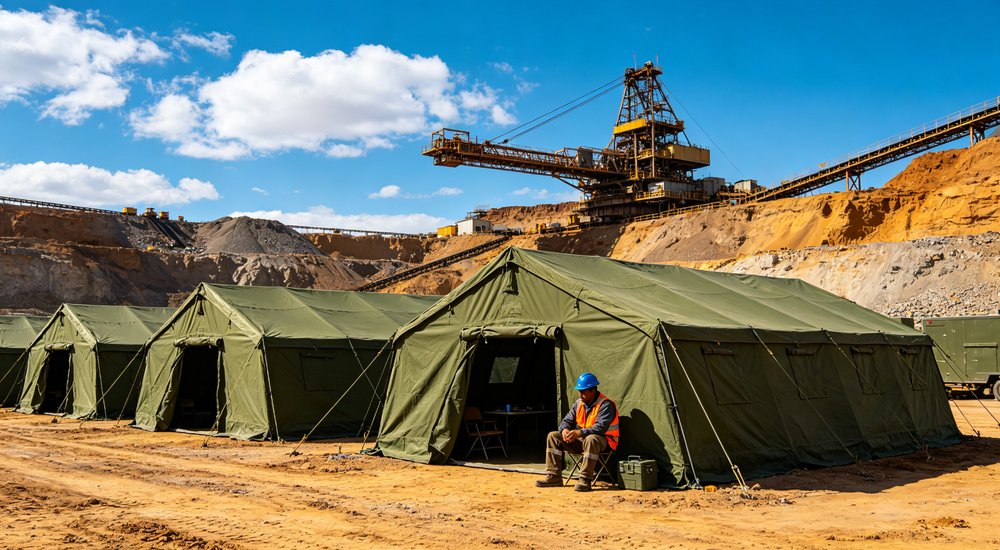
Which tent size is best for cold weather?
The heavy duty tent with 3-layer insulation, without question. For tropical climates, the 12m2 or 20m2 polyester tent offers better ventilation.
|
Climate/Scenario |
Recommended Size |
Why |
|
Tropical / hot & humid |
12m² or 20m² polyester |
Lightweight, good ventilation, fast drying |
|
Temperate / moderate |
20m² polyester (3-layer optional) — all weather tent |
Balanced performance, good value |
|
Cold / below 0°C |
Heavy-duty canvas 3-layer (winter tent spec) |
Superior insulation, snow load capacity |
|
High wind (>80 km/h) |
Heavy-duty canvas or 20m² |
Thicker poles, lower profile, better anchoring |
|
Snowy / mountainous |
Heavy-duty canvas |
20-30 kg/m² snow load rating |
|
Desert / high UV |
Heavy-duty canvas or 20m² |
Canvas resists UV degradation better |
|
Rainy / monsoon |
20m² (3000mm) or heavy-duty (5000mm+) |
Higher waterproof ratings needed |
|
Coastal / salt air |
20m² or heavy-duty (aluminum joints) |
Better corrosion resistance |
When operating across multiple climate zones, a mixed fleet provides the best coverage. Many organizations maintain 60% standard tents for tropical/temperate use and 40% heavy-duty canvas for cold or high-wind deployments. This ratio can be adjusted based on your specific operational areas.
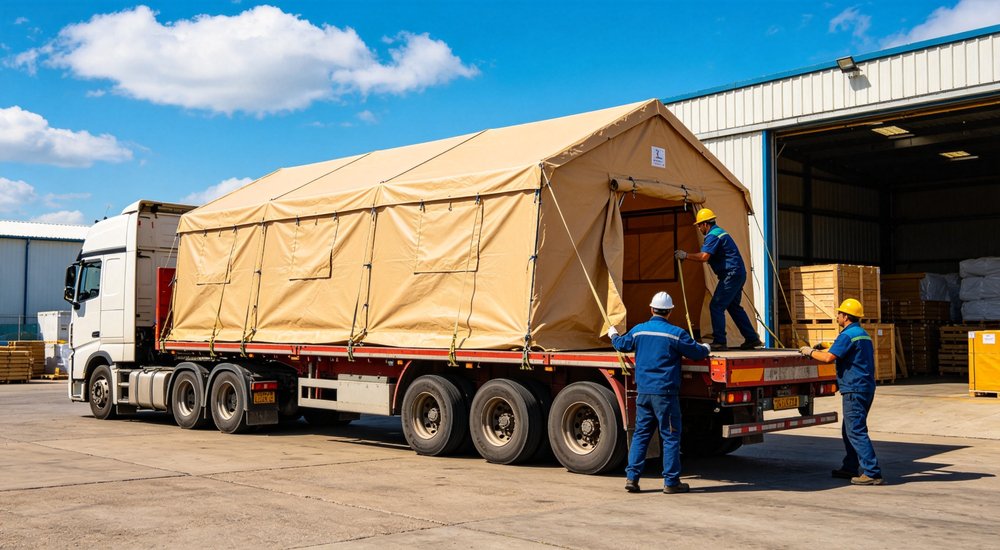
Seasonal deployment strategy: Many organizations deploy standard polyester tents during dry/warm seasons and pre-position heavy-duty canvas tents in cold-climate warehouses before winter. This seasonal rotation maximizes the lifespan of both tent types while ensuring appropriate shelter year-round.
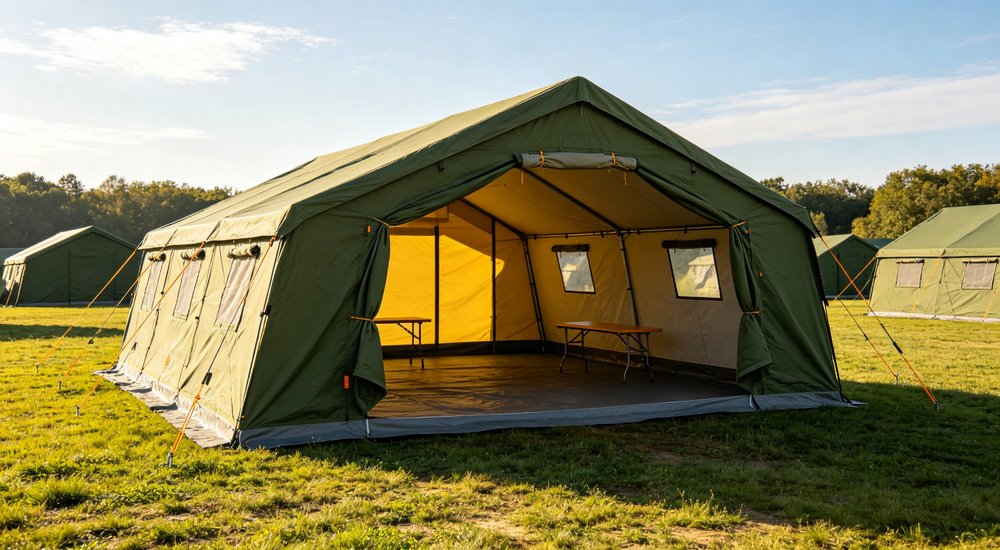
Pricing varies based on order quantity, customization, and raw material costs. Why are heavy duty tents more expensive? Because they use thicker canvas fabric, larger diameter steel poles, and reinforced stitching that doubles the lifespan. The following are reference wholesale prices (FOB Shenzhen). Standard MOQ is 50 units, with production lead time of 25-35 days. Payment terms: 30% bank transfer deposit, 70% before shipment. for standard configurations:
|
Tent Size |
MOQ 50 units |
MOQ 200 units |
MOQ 500+ units |
3-layer upgrade |
|
12m² Standard |
$200-$350 |
$170-$280 |
$150-$220 |
+$60-$100 |
|
20m² Large |
$320-$500 |
$280-$420 |
$250-$350 |
+$80-$140 |
|
Heavy-duty 16m² |
$450-$650 |
$400-$560 |
$380-$480 |
Standard included |
|
Heavy-duty 25m² |
$550-$720 |
$480-$620 |
$450-$550 |
Standard included |
Reference wholesale pricing (FOB Shenzhen, 2026 guide). Actual quotation varies by raw material costs, order quantity, customization, and shipping. Contact us for firm pricing.
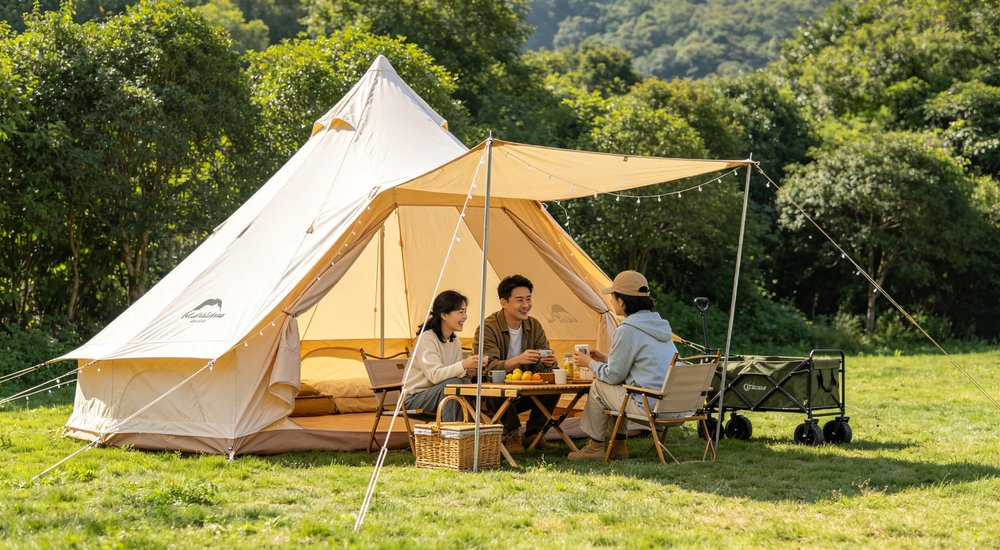
Total Cost of Ownership (5-year): When factoring in replacement cycles, the heavy-duty canvas tent often has comparable or lower TCO than standard tents for long-term programs. A 12m² tent replaced twice in 5 years ($300 × 2 = $600) can cost more than a heavy-duty tent purchased once ($550).
Volume pricing: 100+ units = 5-8% discount; 500+ units = 10-15% discount. Mixed-size orders count toward tiers. Framework agreements for annual procurement.
Hidden costs to factor in: Shipping (typically 15-25% of product cost for full container loads), import duties (varies by destination, often waived for humanitarian organizations with proper documentation), and onsite assembly labor (budget $5-15 per tent for local labor). Organizations with UNHCR or IFRC affiliate status may qualify for duty-free import.
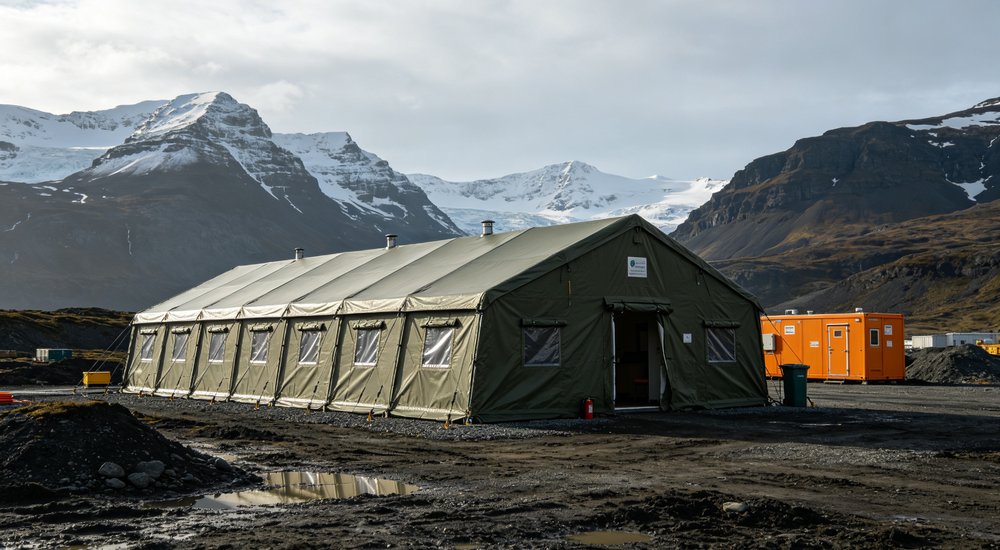
Use this decision tree to determine which tent size fits your needs — 12m2 tent, 20m2 tent, or heavy duty tent.
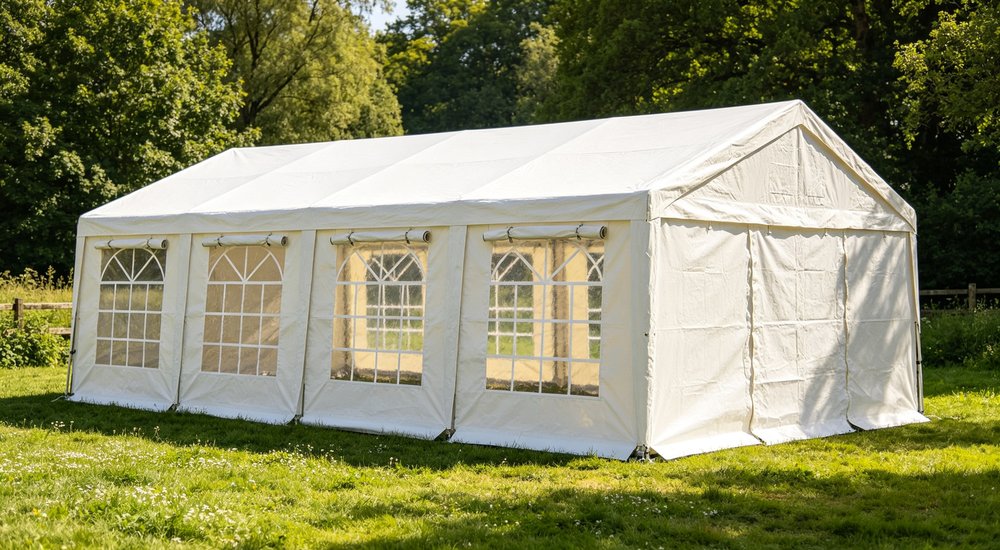
All three tent sizes support extensive customization. Why customize your emergency tents? Because organizational branding improves accountability, color-coding simplifies camp management, and size-specific features reduce waste. As an OEM tent manufacturer, we produce custom tent designs for organizations worldwide, and bulk tent orders receive volume pricing discounts. For organizations with specific branding or operational requirements:
|
Customization |
12m² |
20m² |
Heavy-Duty |
|
Logo printing |
✅ Standard |
✅ Standard |
✅ Standard |
|
Color |
White, blue, green, orange |
White, blue, green, orange |
Olive, khaki, white (limited) |
|
Insulation |
3-layer optional |
3-layer optional |
3-layer standard |
|
Windows |
2 standard, up to 4 |
4 standard, up to 6 |
4-6 standard |
|
Doors |
1 standard, 2 optional |
2 standard |
2 standard |
|
Flooring |
Integrated or separate |
Integrated or separate |
Integrated standard |
|
Modular connection |
❌ No |
✅ Optional |
✅ Optional |
|
Sizes |
Fixed 3×4m |
Fixed 4×5m |
4×4m, 4×5m, 5×5m, custom |
For orders over 200 units, we provide Pantone color matching at no additional cost. All customizations are documented in a signed specification sheet before production begins.
Customization process:
1) Submit logo/color specs;
2) Digital mockup in 3 business days;
3) Physical sample in 7-10 days;
4) Mass production.
Custom MOQ: 100 units for printing, 500 units for custom colors.
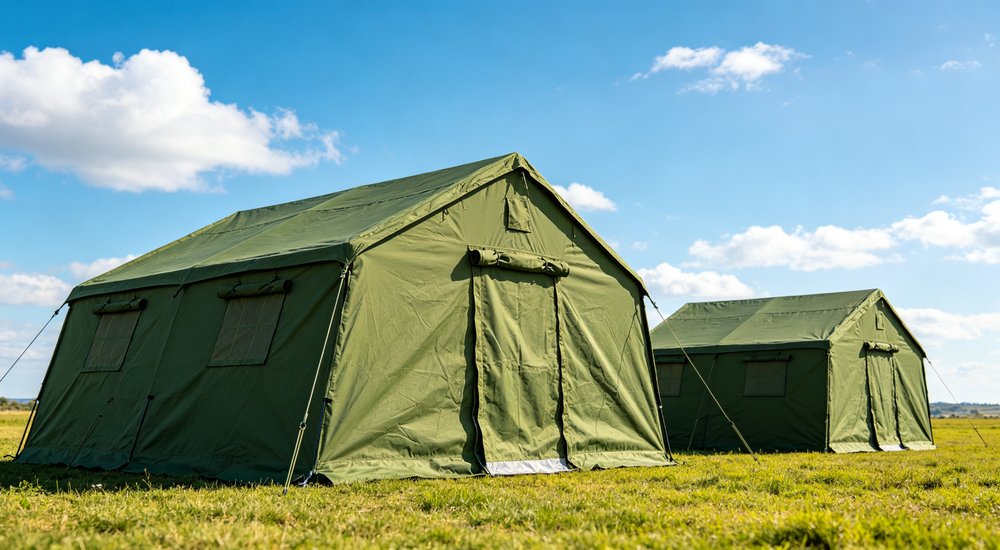
Popular customizations by organization type: UN agencies typically request white with blue UN branding and ID card windows. Military buyers prefer olive drab or camouflage with IR-reducing fabric. Medical organizations often add clear vinyl windows, medical gas pass-throughs, and negative-pressure vestibules. NGOs serving cold climates frequently add stove jacks and integrated thermal liners.
This tent size buying guide walks you through every decision point, based on industry best practices from 20+ years of emergency shelter procurement:
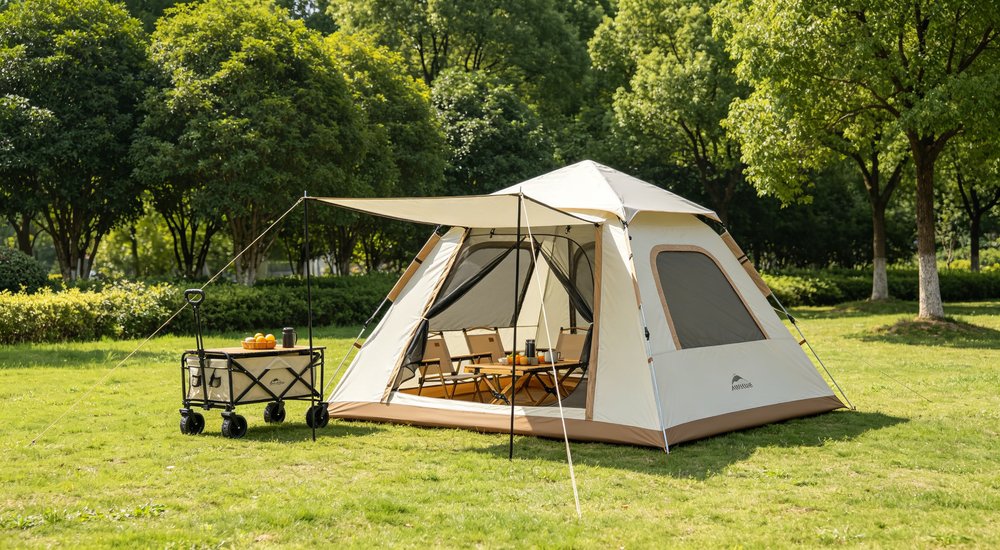
Calculate the number of people to shelter and their needs. Family units → 12m². Community/medical → 20m². Extreme conditions → heavy-duty. Don't oversize — larger tents cost more to transport, heat, and maintain.
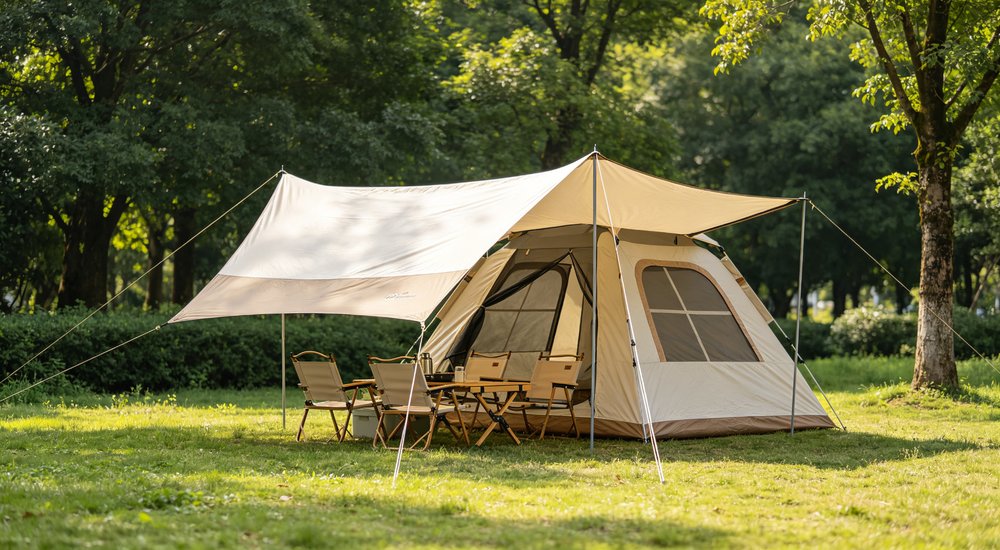
Review historical weather data for your deployment area. Below 0°C or above 100 km/h wind → heavy-duty. Moderate conditions → 12m² or 20m² polyester. High UV → canvas lasts longer.
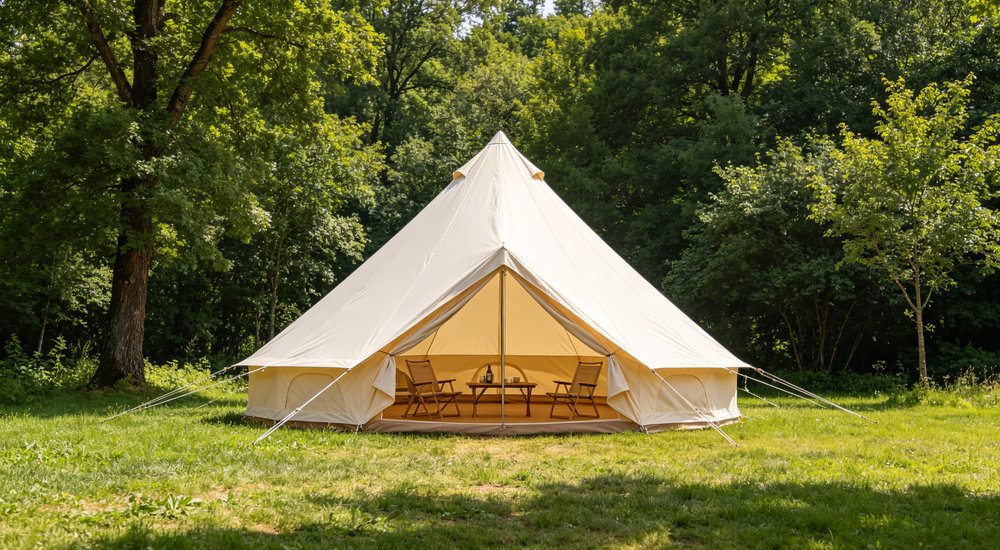
Don't just compare unit prices. Factor in replacement cycles, maintenance, and labor. For 5+ year programs, heavy-duty tents often have lower TCO despite higher upfront cost.
How many trained people do you have? 12m² = 2 people. 20m² = 3-4 people. Heavy-duty = 4-6 people. If you rely on volunteers, stick with 12m² tents.
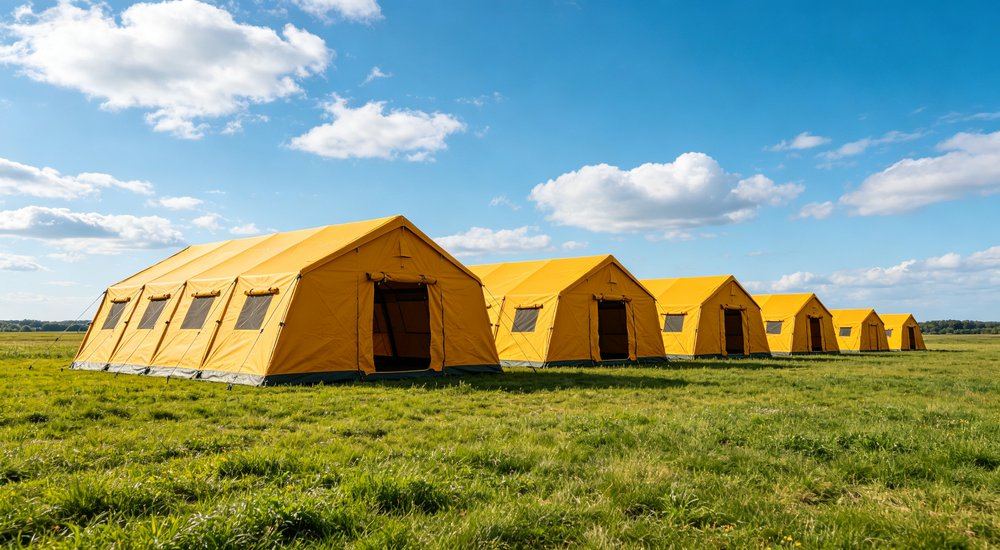
Always order 2-3 sample tents before committing to bulk. Test setup time, fabric quality, and hardware in your actual operating environment. A 2-hour field test prevents 2 years of regret.
Based on 20+ years of supplying emergency shelters, these are the most common mistakes when selecting tent sizes:
Organizations that standardize on a single tent size lose operational flexibility. The most resilient programs maintain a mixed fleet: 12m² for families, 20m² for community use, heavy-duty for extreme conditions. Plan for 50/30/20 distribution as a starting point.
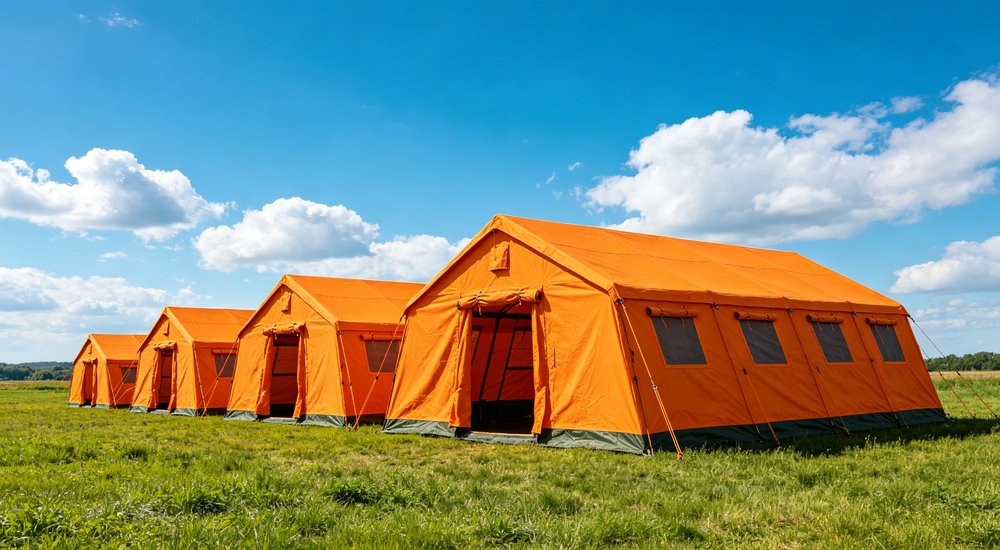
Buying 20m² tents for small families wastes budget and creates heating/cooling challenges. Match tent size to actual occupancy. A 12m² tent for 4 people is more comfortable and efficient than a 20m² tent for the same group.
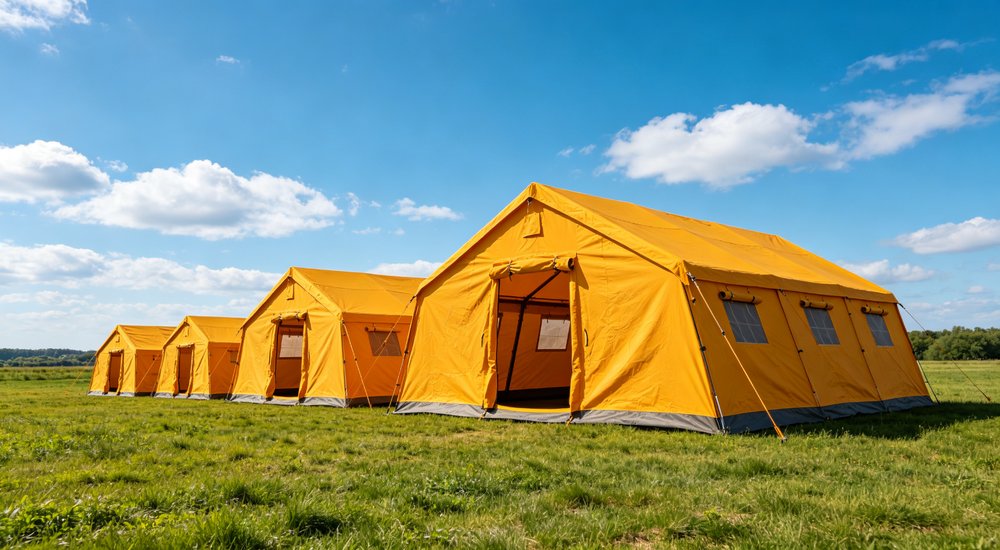
Choosing the cheapest 12m² tent for a 7-year program means replacing it 2-3 times. Heavy-duty canvas tents cost more upfront but save money over the full lifecycle. Always calculate 5-year and 10-year TCO.
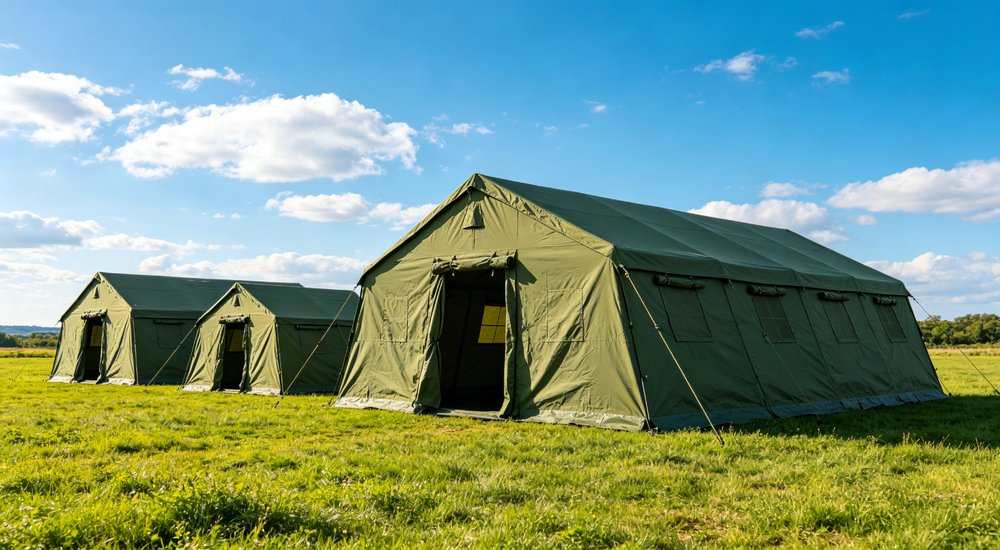
Heavy-duty and 20m² tents require trained teams. Sending untrained volunteers results in damaged poles, improper anchoring, and safety risks. Budget for training or choose sizes your teams can handle.
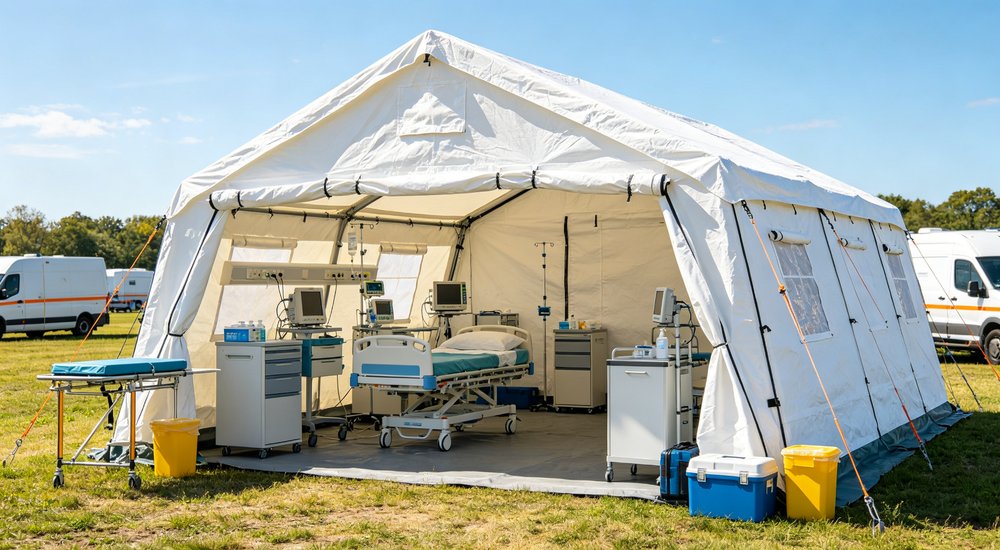
When comparing suppliers, ask:
(1) What is the actual factory production capacity for each size?
(2) Can they provide references from UN or NGO clients?
(3) What is the warranty coverage and spare parts availability?
(4) Do they have certified test reports for wind load and waterproofing?
(5) What is the lead time for repeat orders?
A reliable supplier should answer all five with specific evidence.
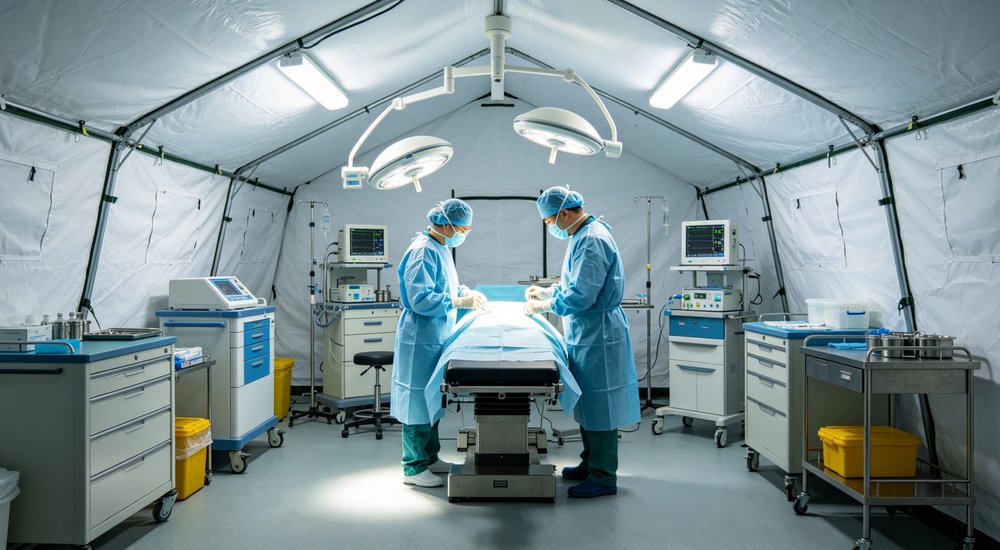
Frame tents are not the only emergency shelter option. Understanding alternatives helps you make the right procurement decision:
Alternative
Best For
Key Limitation vs Frame Tents
Inflatable tents
Rapid deployment (5 min setup), medical triage
Higher cost, requires air pump, repair complexity, shorter lifespan (3-5 years)
Family tents / dome tents
Short-term emergency (weeks), individual families
Not wind rated, no insulation, 1-2 year lifespan only
Prefab containers
Permanent clinics, offices, storage
Heavy (2-4 tons), expensive shipping, cannot airlift, requires crane
Shelter kits / tarps
Immediate first 72 hours, transit camps
No frame, no floor, not weather-sealed, temporary only
Modular buildings
Long-term field hospitals, schools
Very high cost, complex assembly, not portable
Bottom line: For medium-to-long term emergency shelter (3 months to 10 years), frame tents offer the best balance of cost, durability, portability, and comfort. They are the standard specified by UNHCR, IFRC, and most major NGOs for refugee and IDP camps.
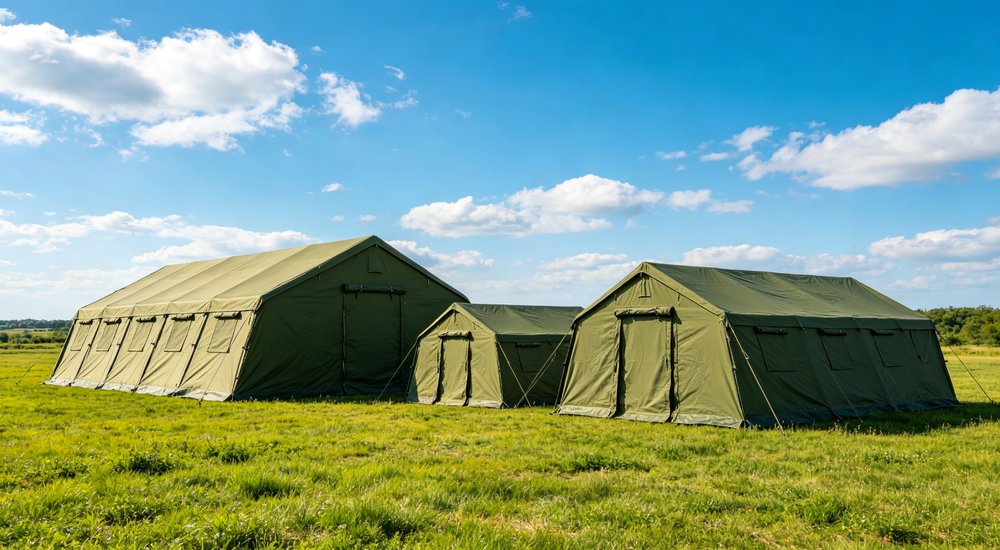
Which tent size is best?
After evaluating all dimensions, the answer depends on your specific scenario. Use this summary as a quick reference for choosing between 12m2 tent, 20m2 tent, and heavy duty tent models, then read the detailed sections above for your specific use case. Remember that the right size today may differ from the right size six months from now as your program evolves.
|
Criteria |
Best Choice |
Runner-up |
|
Lowest cost |
12m² Standard |
20m² Large |
|
Fastest setup |
12m² Standard |
20m² Large |
|
Most capacity |
Heavy-duty 25m² |
20m² Large |
|
Best durability |
Heavy-duty Canvas |
20m² Large |
|
Cold climate |
Heavy-duty Canvas |
20m² (3-layer) |
|
High wind |
Heavy-duty Canvas |
20m² Large |
|
Family shelter |
12m² Standard |
20m² Large |
|
Medical use |
20m² Large |
Heavy-duty 16m² |
|
Long-term (7+ years) |
Heavy-duty Canvas |
20m² Large |
|
Rapid response |
12m² Standard |
20m² Large |
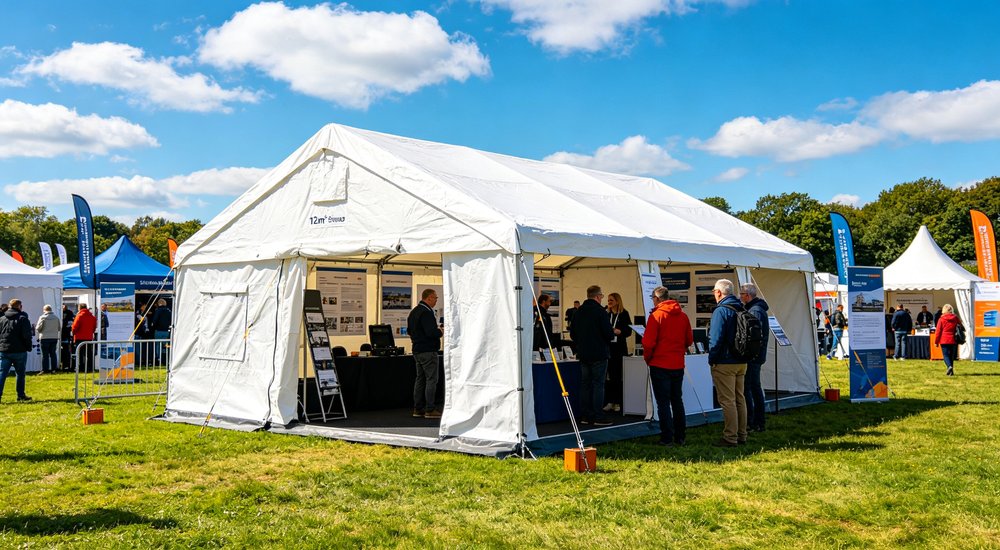
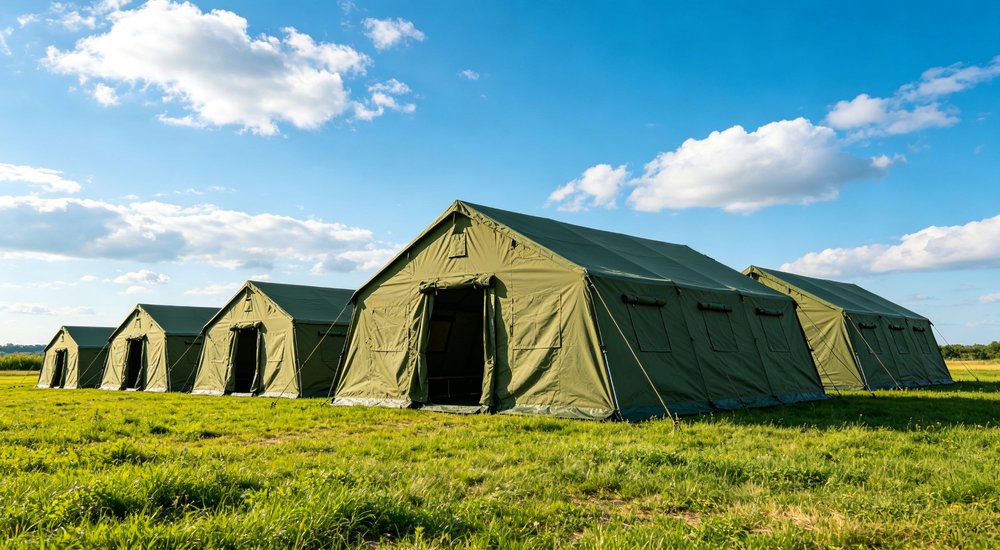
A UNHCR-operated camp for 50,000 refugees used a mixed fleet approach for disaster relief shelter: 70% 12m² tents for family units, 20% 20m² tents for community centers and clinics, and 10% heavy-duty canvas tents for the field hospital and cold-season storage. This combination reduced overall costs by 18% compared to using only 20m² tents, while maintaining adequate space for all uses.
After a 7.2 magnitude earthquake, an international NGO working with the United Nations and Red Cross deployed 2,000 12m² standard tents within 72 hours. The lightweight design allowed airlift delivery, and 2-person teams could set up 8-10 tents per day. Six months later, 200 20m² tents were added for school and clinic facilities as the recovery phase began.
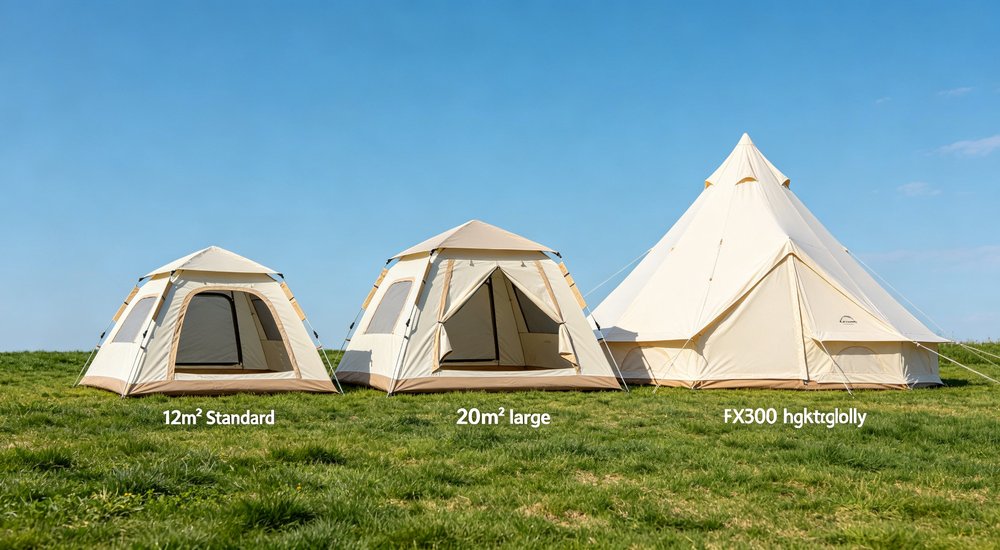
A military medical unit deployed at 3,000m elevation with temperatures dropping to -15°C used exclusively heavy-duty canvas tents with 3-layer insulation. The 25m² size accommodated 6 beds each, and the 25mm steel frame withstood 110 km/h winds. After 3 years of continuous use, all tents were still serviceable with only minor repairs.
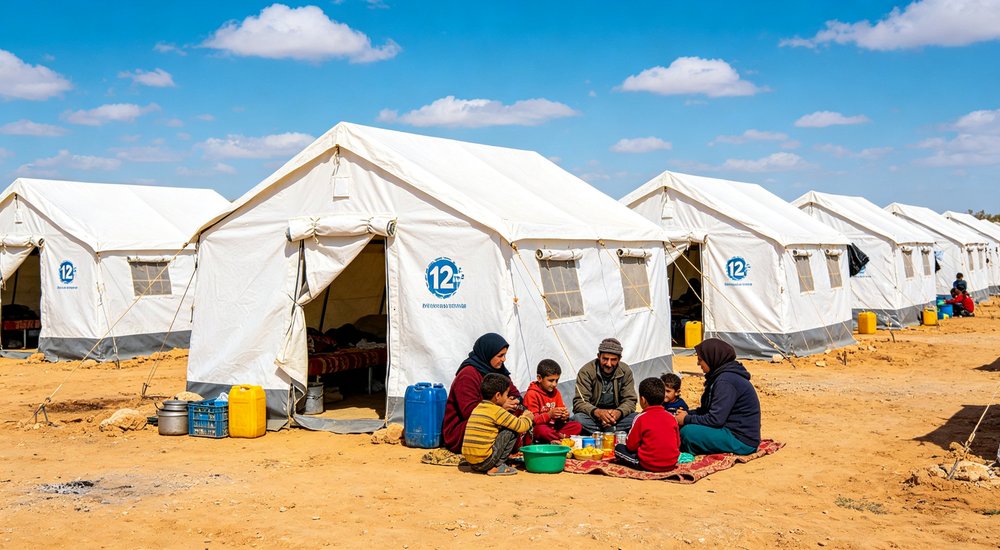
A national disaster management agency standardized on 20m² large frame tents for their mobile command centers. The 2.8m height allowed comfortable standing, and the 8-10 person capacity accommodated coordination teams. They found the 20m² size offered the best balance of space, portability, and professional appearance for stakeholder meetings.
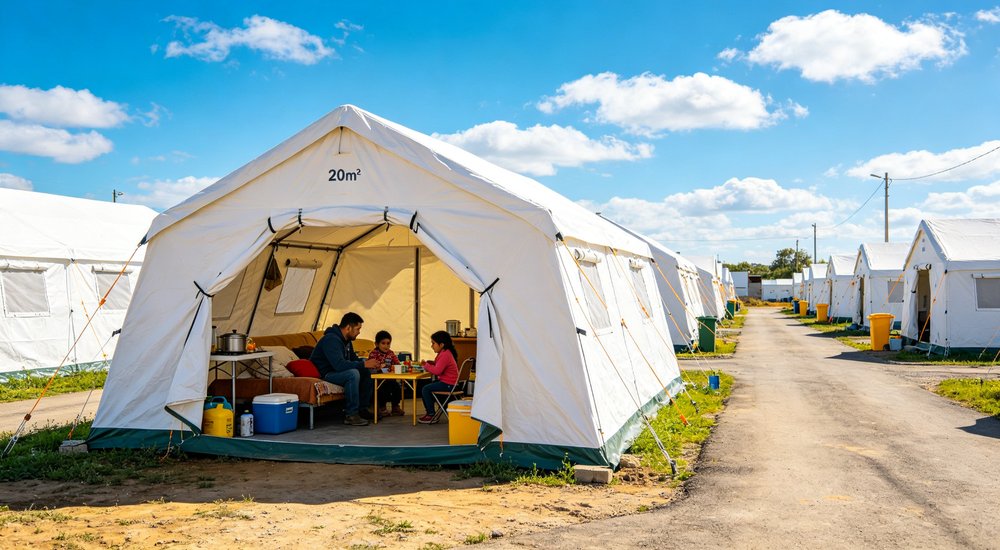
"We tried using only 20m² tents for our refugee camp, but families found them too large and hard to heat. Switching to 70% 12m² / 30% 20m² improved satisfaction and reduced heating fuel costs by 25%."
— Shelter Program Manager, International Humanitarian NGO (2022)
"The heavy-duty canvas tents survived two winters at -20°C without any insulation failures. We calculated the 10-year TCO and they're actually cheaper than replacing standard tents every 3 years."
— Logistics Director, Mountain Rescue Organization (2023)
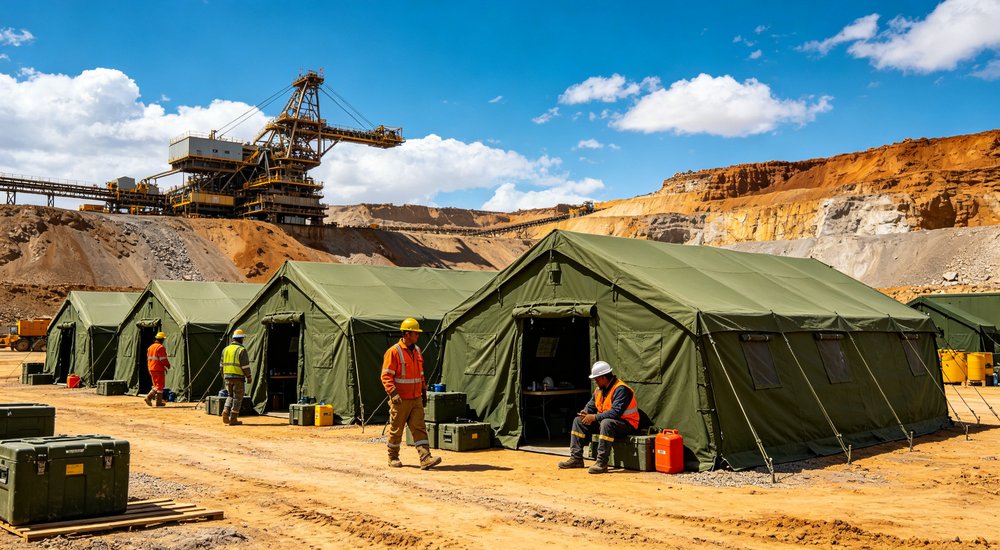
"We standardized on 12m² tents for our rapid response stockpile. The 15-minute setup time means our volunteers can have families under shelter the same day we arrive. We've deployed over 3,000 units across 12 countries with zero structural failures."
— Emergency Response Director, Global Relief NGO (2024)
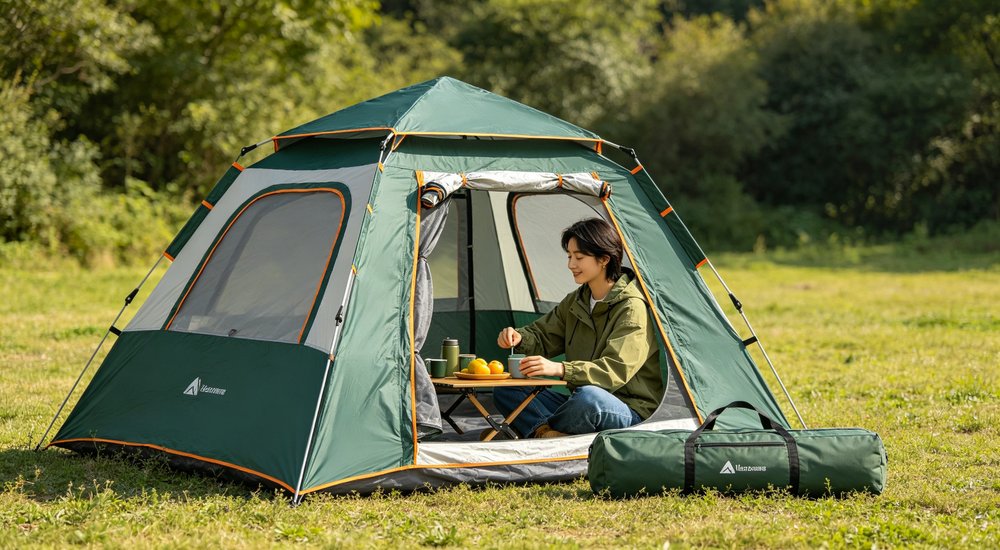
"We switched from 12m2 only to a mixed fleet of 12m2 and 20m2 tents. The 20m2 tents reduced our community building costs by 40% since families could host meetings at home. Best procurement decision we've made."
— Camp Manager, International Rescue Committee (2025)
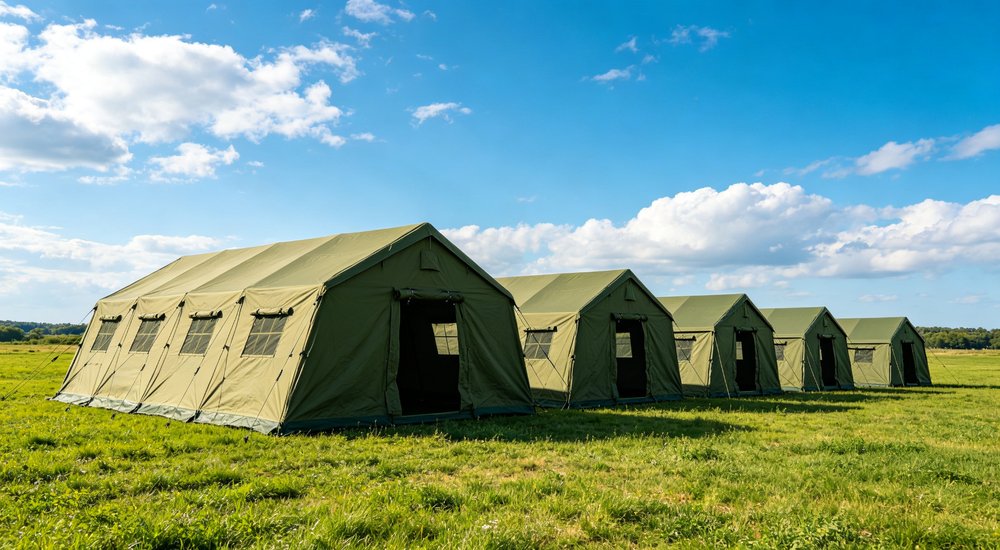
A 12m² standard tent is ideal for a family of 5. It provides 2.4m² per person, which meets emergency standards. For long-term settlement, consider upgrading to 20m² for more comfort and storage space.
20m² and heavy-duty tents support modular connection systems, allowing you to create larger facilities by joining tents with tunnel connectors. 12m² standard tents do not support modular connection.
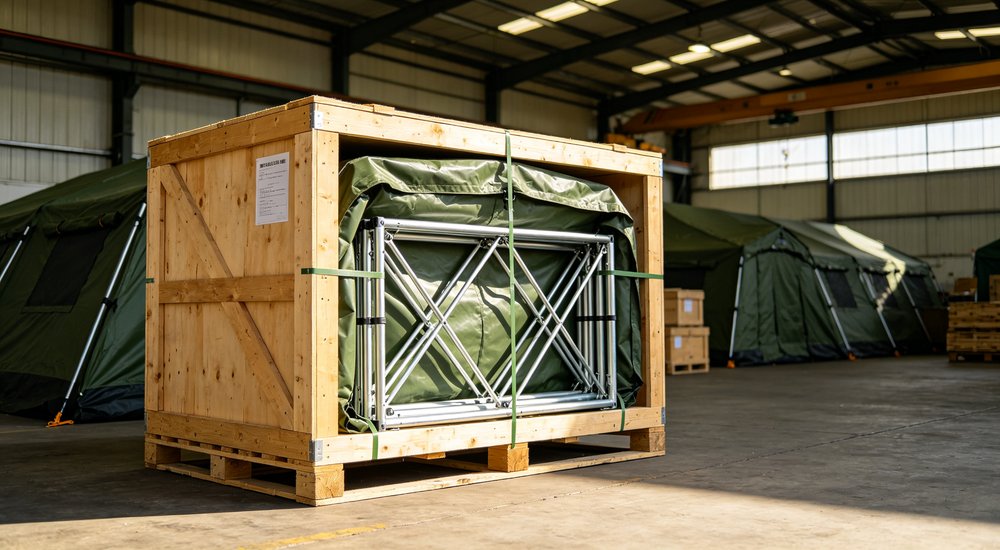
Approximately 80-100 standard 12m² tents fit in a 20-foot shipping container, depending on packaging. 20m² tents: 50-60 units. Heavy-duty canvas: 30-40 units. Always confirm exact packing volume with your supplier.
For programs exceeding 5 years or operating in extreme climates, yes. The 7-10 year lifespan means fewer replacements, and superior insulation reduces heating/cooling costs. For short-term deployments under 3 years, standard polyester tents offer better value.
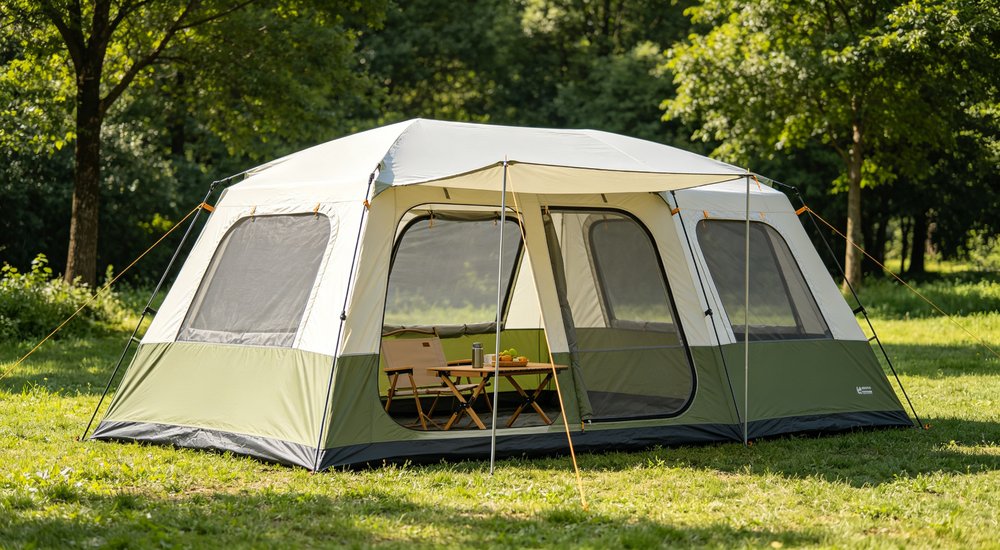
Standard MOQ is 50 units per size. For mixed orders (e.g., 30 × 12m² + 20 × 20m²), we can accommodate combined MOQ of 50 units. Sample orders of 2-5 units are available for testing before bulk purchase.
Standard production lead time is 25-35 days for 500 units. Urgent orders of 100 units or fewer can ship in 7-10 days from buffer stock. Sea freight to most destinations takes 25-40 days; air freight is available for emergency orders at additional cost.
Yes. We provide printed setup manuals with every order, video tutorials online, and on-site training for large orders (500+ units). Training typically takes 2-4 hours per team and covers setup, takedown, maintenance, and common repairs.
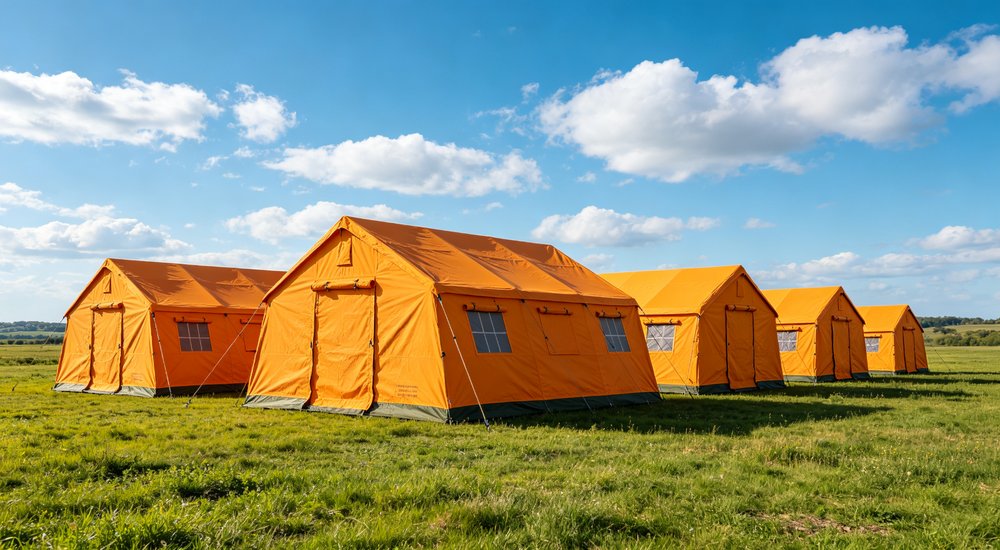
All tents meet ISO 9001 quality standards and CE certification, aligned with UNHCR emergency shelter guidelines, IFRC disaster response standards, and WHO health emergency standards. Military-grade models additionally meet NATO shelter specifications. Fabrics are fire retardant (CPAI-84 / EN 13501), waterproof (rated 2000-5000mm hydrostatic head), and UV resistant. Heavy-duty canvas tents additionally meet NATO military shelter specifications where applicable.
Yes. Standard colors include white, UN blue, olive green, and orange. For orders over 200 units, Pantone color matching is available at no extra cost. Logo printing (silkscreen or heat transfer) is included for all orders. We can also print organization names, QR codes, or identification numbers.
We recommend ordering 5-10% extra poles, 2-3% extra fabric sections, and 1 repair kit per 10 tents. Common replacement items include bent poles (most frequent), torn fabric sections, and damaged zippers. Having spares on-site prevents downtime when repairs are needed.
For basic triage and consultation, 12m² works for 1-2 beds. For examination rooms with equipment, 20m² accommodates 3-4 beds and workspace. For surgical or intensive care, heavy-duty 16-25m² with 3-layer insulation is recommended for temperature stability.
We accept bank transfer (30% deposit, 70% before shipment), L/C at sight for orders over $50,000, and Trade Assurance through Alibaba. For established UN and NGO clients, we can offer net-30 or net-60 terms after credit verification.
Frame tents are designed for temporary to medium-term use (up to 10 years for heavy-duty canvas). They are not permanent structures. For long-term settlements beyond 10 years, consider transitional shelter solutions or permanent construction. However, with proper maintenance, heavy-duty canvas tents can serve 7-10 years continuously.
Standard steel stakes work in soil and sand. For rocky ground, use concrete anchors or sandbags. For snow/ice, use screw-in ice anchors or deadman anchors. All tents come with standard stakes; specialty anchors are available as accessories. Always test anchoring before full deployment.
Polyester is lightweight, fast-drying, and affordable — ideal for short-term use. Cotton canvas is heavier, more breathable, better insulated, and lasts 2x longer — ideal for long-term and extreme conditions. Canvas requires more maintenance (must stay dry in storage) but offers superior comfort and durability.
Yes. All tents are waterproof: 12m² (2000mm), 20m² (3000mm), heavy-duty (5000mm+). For monsoon conditions, ensure proper rainfly installation, ground slope for drainage, and regular seam re-sealing. Heavy-duty canvas offers the best long-term waterproof performance.
Our tents meet ISO 9001, CE, and EN 13782 (temporary structures). Fire retardant fabrics meet CPAI-84 and BS5867. Test reports with every shipment. SGS/TUV/BV third-party inspection available.
Yes — mixed-size orders are common. Many organizations order 60% 12m² (family), 30% 20m² (community), 10% heavy-duty (medical/climate). Mixed orders count toward volume pricing and we optimize container loading.
Before making your procurement decision, remember these critical points:
Related products: 12m² Standard Frame Tent | 20m² Large Frame Tent | Heavy-Duty Canvas Tent | Disaster Relief Tents | Refugee Camp Tents | Military Field Tents | Field Hospital Tents | Modular Command Tent | Medical Support Tent | Construction Comparison | Frame vs Inflatable
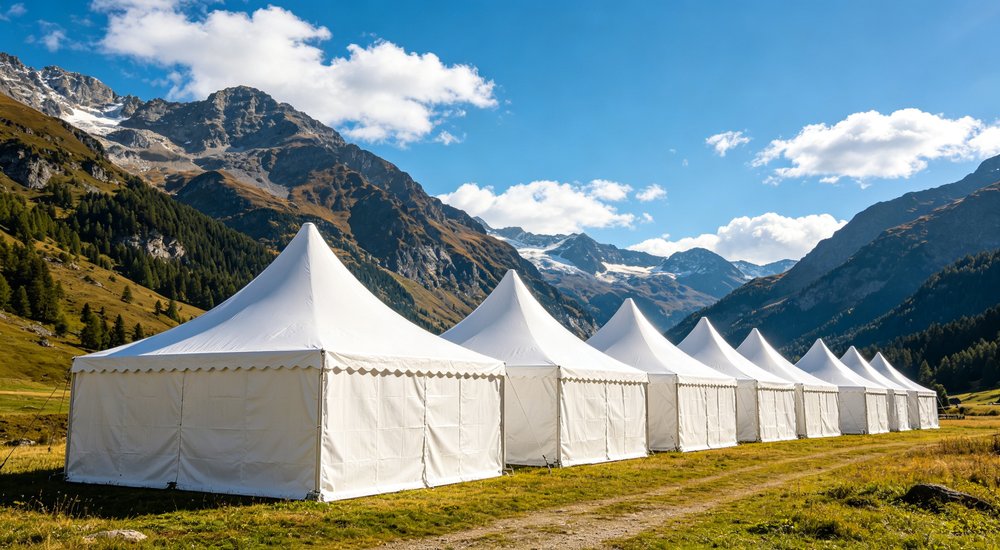
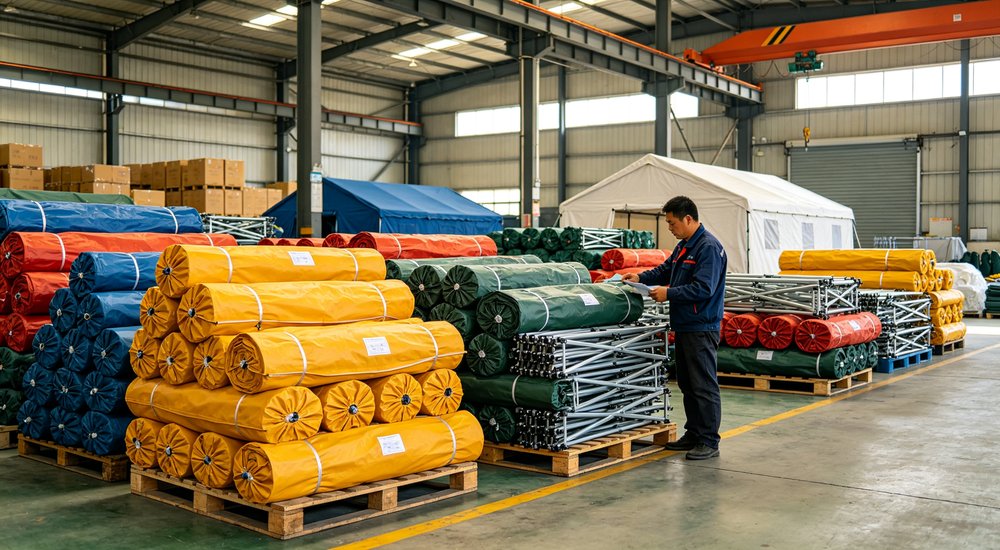
Whether you need 50 tents for a localized response or 5,000 tents for a national program, choosing the right size mix ensures maximum impact per dollar. As a direct tent manufacturer, tent exporter, relief shelter supplier, and OEM specialist for humanitarian aid tent programs supplying wholesale emergency tents and bulk relief tents with 20+ years of experience, we supply wholesale tent programs to UN agencies, NGOs, and military organizations worldwide. As a China tent factory and certified emergency shelter supplier, we maintain buffer stock for urgent orders.
Response time: 24 hours | Urgent delivery: 7-10 days (buffer stock) | Production capacity: 3,000+ tents/month
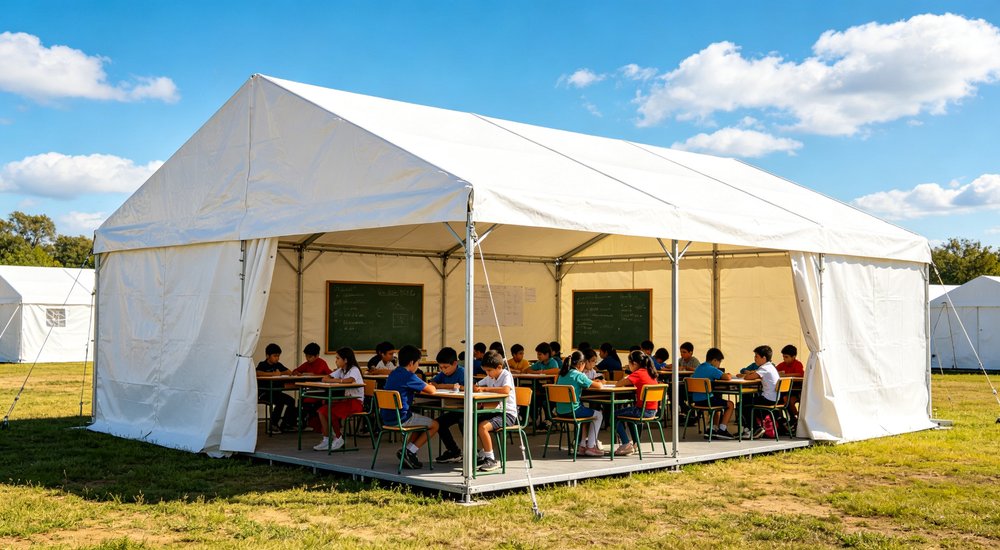
After-sales: Frame 2-year warranty, fabric 1-year warranty, free replacement parts for first year
We also provide camp planning consulting, deployment team training, and post-delivery maintenance support. Our goal is to ensure your shelter program succeeds from initial order through end-of-life replacement.
✅ Sourcing rapid disaster relief tents? The 12m² Standard Relief Frame Tent: Compact Emergency Shelter for Fast Deployment packs full emergency shelter tents performance into a quick-to-erect 12m² footprint. As an established frame tent manufacturer and frame tent supplier stocking ready bulk emergency tents, it is the standard pick for fast-response relief teams. Click for full product details.
Next steps:
1) Tell us your population size and deployment climate;
2) Receive a recommended fleet composition with pricing within 24 hours;
3) Request free fabric and frame samples for evaluation;
4) Place trial order of 50-100 units before scaling.
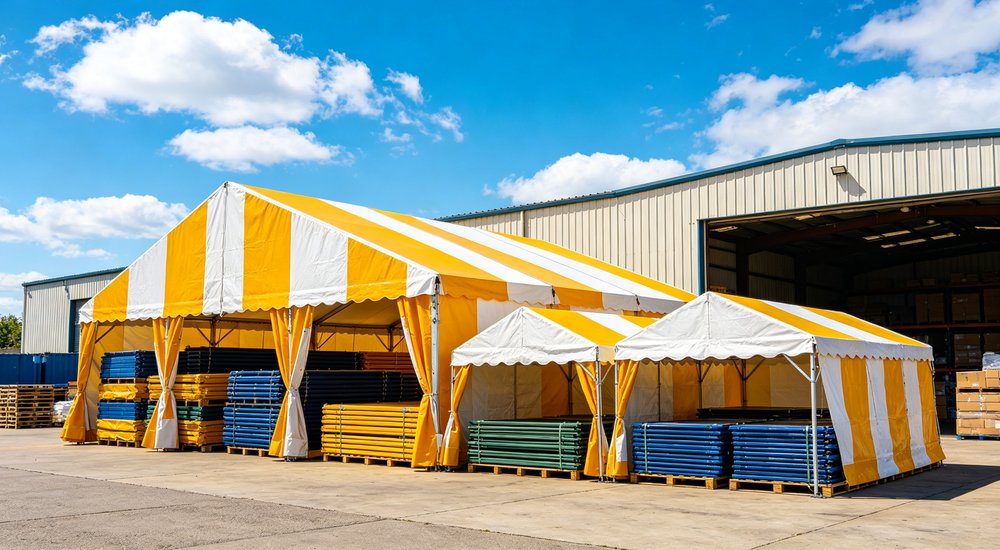
When choosing between a 12m2 tent, 20m2 tent, or heavy duty tent, there is no single "best" size — the 12m2 is cheaper and faster to deploy, the 20m2 is more versatile for larger groups, and the heavy duty tent lasts longer and performs better in extreme conditions than either standard option — the optimal choice depends on your population, climate, budget, and program duration. For organizations also evaluating inflatable tent options, see our frame vs inflatable comparison guide. However, based on 20+ years of field experience:
If you can only choose one size: Go with the 20m² large frame tent. It offers the best balance of capacity, durability, and versatility — suitable for families, clinics, and community use. It's the most flexible single-size option.
If you have budget for two sizes: Combine 12m² (60%) for family units with 20m² (40%) for community/medical use. This covers 90% of standard relief scenarios.
If you operate in extreme conditions or long-term: Add heavy-duty canvas (20%) to your fleet. The premium pays for itself through longer lifespan and lower maintenance costs.
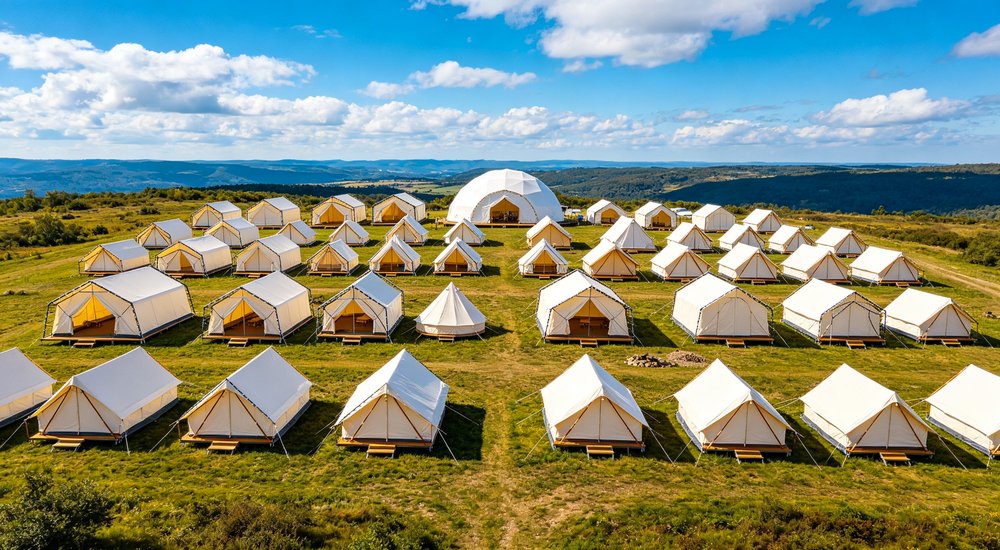
The most successful emergency shelter programs don't choose one size — they build a mixed fleet matched to their specific operational needs. Start with our recommended 50/30/20 distribution and adjust based on your climate, population, and program duration.


Liens amicaux :
droits dauteur © Custom Disaster - Relief Bedding: Tents, Sleeping Bags, Blankets Tous les droits sont réservés
léquipe professionnelle au service !