A public reserve runs on two clocks: the blanket on the shelf, and the recycled-content claim on the label. They are connected, but they are not the same thing. A carton that is still fine to issue may carry wording whose support document has expired or changed scope. Plan both before you order.

Confirm all product-specific values and documents in the active quotation before production.
Record who does what, and when
Write down storage, inspection, rotation, issue and replacement responsibilities. Set how often stock is checked and what event triggers replacement or re-check. These are operational decisions, not a shelf-life promise from the supplier. Do not print an expiry date unless a document backs it.
Run two life cycles, not one
The blanket has its cycle: sample, production, packing, storage, rotation, issue. The recycled-content wording has its own: exact wording, which support record applies, whether that record still covers the delivered lot, and who reviews it before reorder. A blanket can stay usable while the wording on its label needs a fresh review. Keep the two decisions separate so an unchanged carton is not taken as proof that an old claim still applies.
Back every word on the label
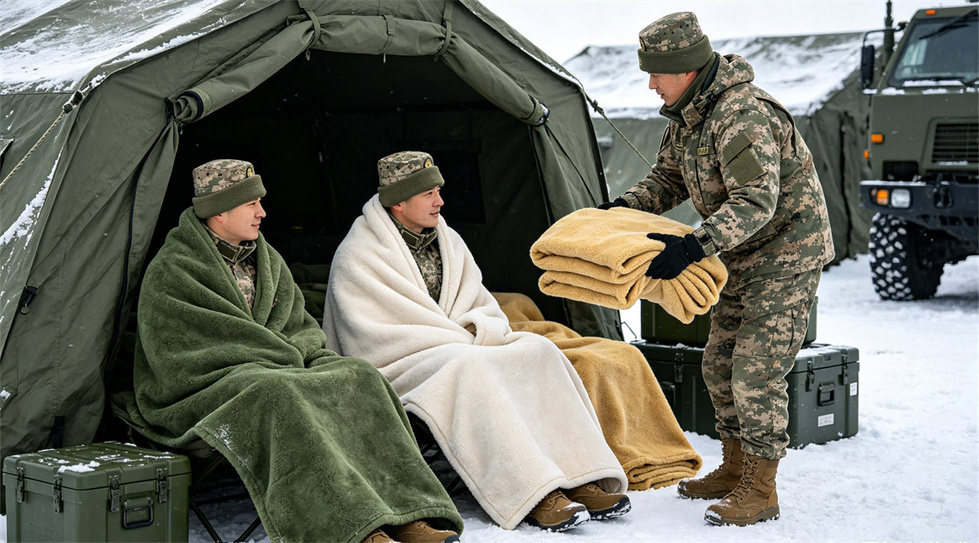
"Recycled" is not a general green label. State the exact wording (for example, recycled polyester content percentage), the product it applies to, and the support record for that lot. We can provide recycled-content related test reports or transaction certificates per project requirement; the cost is borne by the customer. Do not print a claim the documents do not cover.
Two clocks on the shelf
A reserve blanket can sit for months or years. The blanket itself may be fine, but the support document for its recycled-content wording may expire or change scope. Check both before you reorder; do not treat an unchanged carton as proof that an old claim still applies.
Tie the recycled-content wording to a specific product, order and batch. Define storage locations, issue units and lot ID. The wording document is checked separately from storage performance; we return the exact wording, product reference and batch documents for your review.
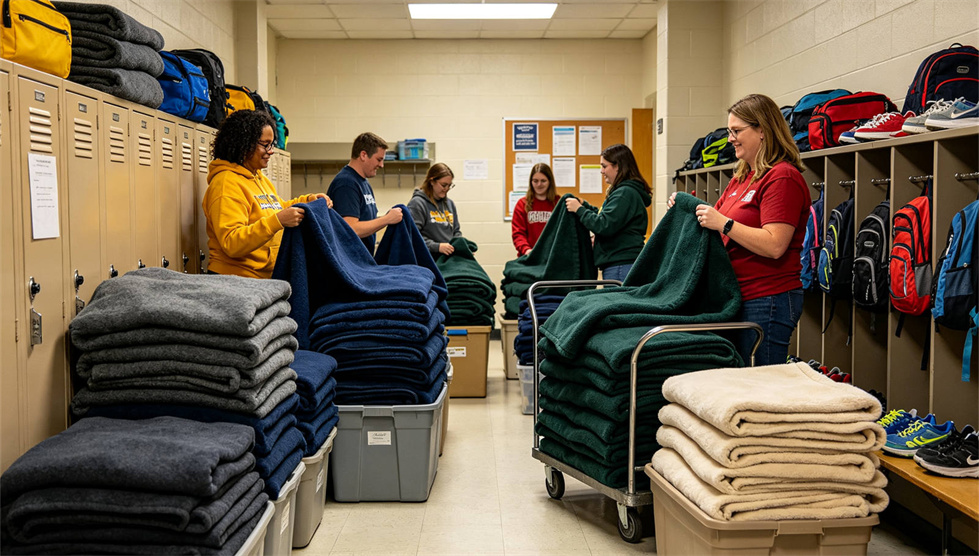
Long storage means labels and carton marks must stay readable for the whole reserve period. The warehouse should be able to connect any carton to the approved spec and the wording used when it was bought. If a support document expires or changes scope, review the wording before printing it on new stock.
A document for one product or batch does not cover the whole range. In the RFQ, send reserve quantity, storage period, exact wording, label needs, required report and replenishment plan. Keep product acceptance and wording acceptance as two separate records.
Before comparing prices, decide the review cycle: how often stock is checked, what triggers replacement, and who re-checks the wording document. Each handover (receiving, storage, inspection, release, reorder) needs a named person and a simple rule for problems. A short RFQ with quantity, reserve period, wording, label scope and report needs gets you comparable options without guessing.
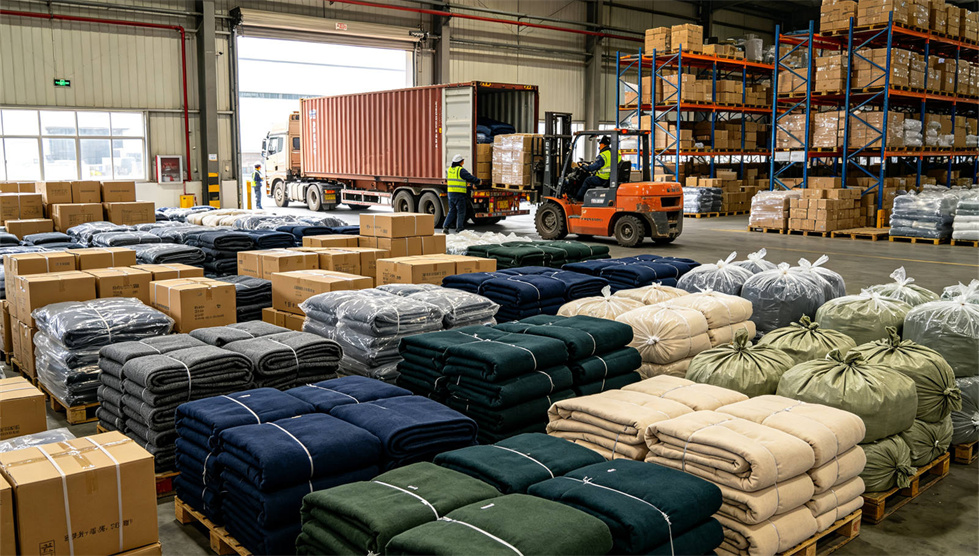
Before production starts, confirm the selected spec still matches the sealed sample, approved wording and packing plan. If anything changed, record it in writing before goods are made.
If destination, packing, label wording or material wording changes later, do not reuse the old approval. Re-check the spec, wording and batch document, and decide whether a new sample or report-scope note is needed.
Inspect the blanket specification independently from recycled-content documents. Use two acceptance columns: one for the physical blanket and one for the recycled-content statement. A pass or fail in one column does not automatically decide the other.

Reserve types and their hard requirements
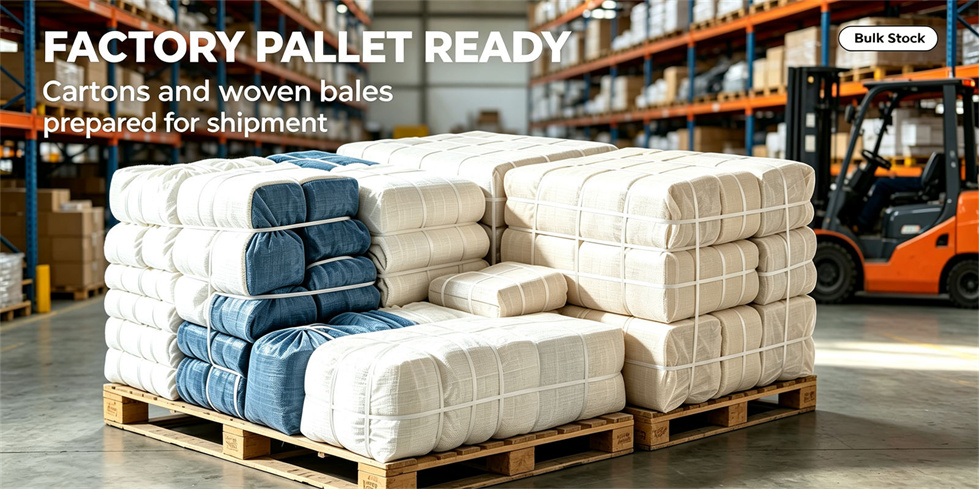
● Central long-term reserve (months to years): Five-layer corrugated cartons, bursting strength ≥1500kPa, stackable up to 5m; waterproof inner bags and 2 desiccant packs per bale; batch and rotation date printed in waterproof ink; fixed pieces per bale (commonly 20/50); labels readable after long storage.
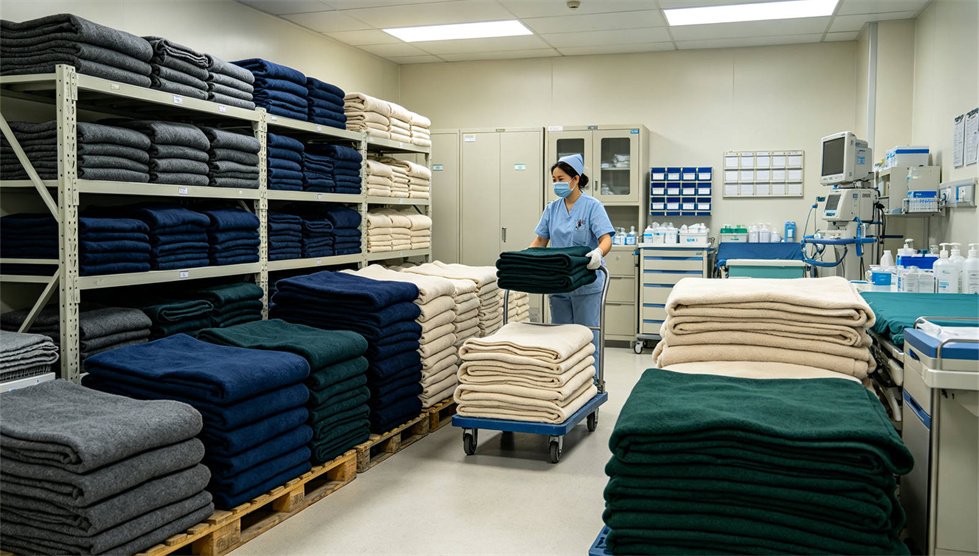
● Front / turnover reserve: First-in-first-out rotation; cartons marked with receipt date and rotation date; periodic inspection (commonly every 6-12 months); damaged or wet cartons replaced; stock connected to the approved spec and wording record.
● Emergency issue reserve: Individual or small-bale packs ready to hand out; quick-count cartons with clear quantity marks; no tools needed to open; blankets protected from dust and damp until issue.
● Recycled-content compliance reserve: Exact recycled-content wording per lot; support report or transaction certificate matched to the delivered batch; wording kept within document scope; documents filed with the batch record for audit.
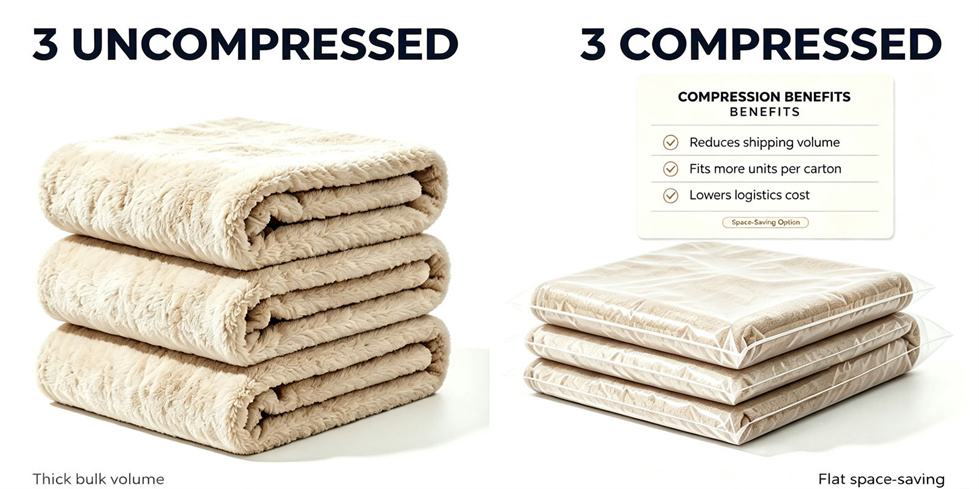
Public reserve projects involving recycled-material blankets need two life-cycle controls. The first is the normal product life cycle: sample approval, production, packing, storage, rotation and replenishment. The second is the wording life cycle for recycled material: what material wording is used, which support record applies, whether the wording still fits the delivered lot and how it is reviewed before reorder. These two tracks should be connected but not merged.
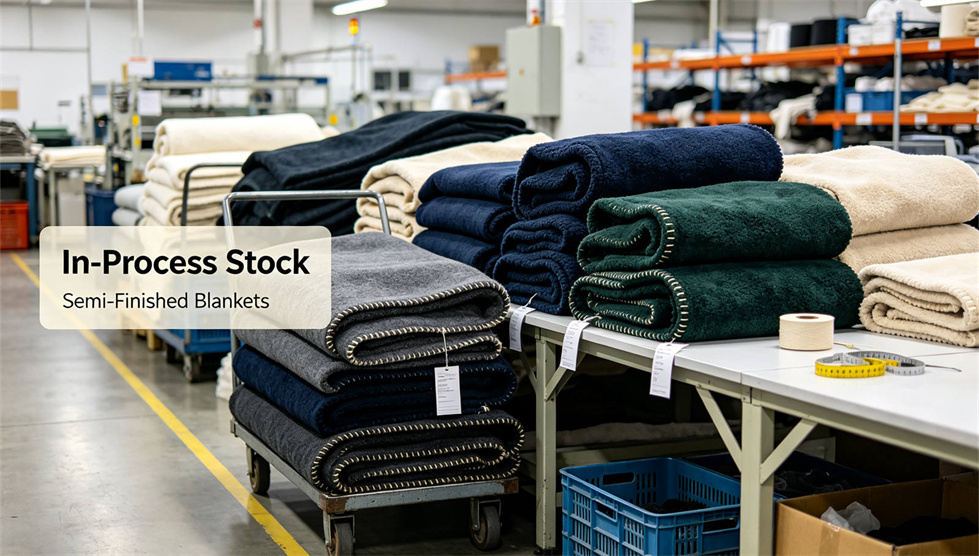
The buyer should not treat recycled-material wording as a general green label. The product still needs ordinary procurement fields: size, weight basis, colour, edge finish, packing, carton identity and receiving check. The material wording needs its own review: exact wording, applicable product, required test report or support record, label text and batch connection. If either side changes, the quotation and label should be reviewed before the order is released.
3. Plan labels for long storage
Keep product identity, batch references and care information readable for the intended storage period. Long-storage labels must stay useful after cartons have moved or been restacked. Confirm position, legibility and the link between carton identification, packing list and reserve inventory records.
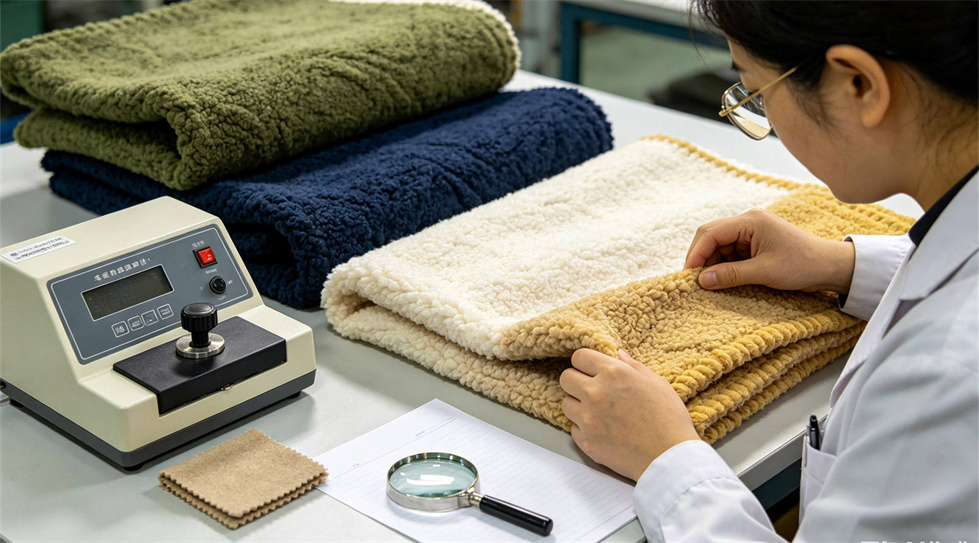


Public reserves commonly order these alongside blankets, with matching batch and document control:
Decide what must be present at quotation, production release, shipment and reserve receiving. Set a responsible reviewer and consequence for every missing or expired record. A document needed for a claim should be closed before that claim is printed or used in reserve reporting.
At quotation: confirm wording and which document supports it. At production release: confirm the document covers this product and batch. At shipment: file the batch-linked document with the packing list. At receiving: check the document against the delivered lot. If any checkpoint fails, the claim is held until the record is complete.

Review support record validity and product changes instead of assuming the earlier order still applies. Before replenishment, check whether the product, supplier, support record holder, site, scope or validity changed. Keep the comparison so future reserve audits can see why the wording was accepted.
File the sealed sample, approved wording, batch-linked documents, inspection records and the revalidation comparison in one place. This keeps stock rotation and public-facing wording under control for the life of the reserve.

Which documents may support recycled-material blanket public reserves?
Name the exact recycled-content wording and the report or certificate needed (for example, a recycled-content test report or transaction certificate). We can provide such documents per project requirement; the cost is borne by the customer. Documents apply only to the confirmed product, order scope and delivery batch.
How should receiving exceptions be handled for recycled-material blanket public reserves?
Record affected quantity, product or batch identity, photos or measurements and packing condition. Check the physical blanket and the wording document separately. Use pre-agreed authority to isolate, accept, rework, replace or reject goods before they enter reserve.
Which changes trigger renewed review for recycled-material blanket public reserves?
Review sample, artwork, quotation and acceptance record when product, material wording, color, construction, labels, packing, document scope, destination or responsible party changes. Re-check the support document if its holder, scope or validity changed. Confirm differences before production.
How can repeat orders remain consistent for recycled-material blanket public reserves?
Do not use "same as last order" as the spec basis. Compare the new offer with retained specs, sample records, labels, packing, documents and prior receiving results, and revalidate the recycled-content document before printing the same wording on new stock.
What recycled content percentage can be offered?
It depends on the yarn and project spec. We quote the exact percentage and provide the matching support document per project requirement. The percentage printed on the label must match the document for that batch; the document cost is borne by the customer.
Do you have GRS certification?
We do not claim a standing certification in the offer. Per project requirement, we can provide recycled-content related test reports or transaction certificates for the delivered batch. Tell us the wording and document your program requires, and we confirm what can be supported for that order.
How long can these blankets stay in reserve?
Under proper dry, ventilated storage, about 5 years is a reasonable planning figure with first-in-first-out rotation and periodic inspection. This is a planning reference; actual life depends on storage conditions. Inspect cartons and labels every 6-12 months.
How often should reserve stock be inspected?
A common rule is every 6-12 months: check carton condition, label legibility, any damp or pest damage, and rotate older stock first. After a flood, leak or extreme weather event, inspect the affected pallets immediately.
Do not print the same wording on new stock until the document is renewed or replaced. We can arrange a new report or certificate per project requirement; cost and lead time are confirmed in the quotation. The old document stays valid only for the batches it originally covered.
Only if a valid document for that batch supports it. Send the exact logo or claim wording with your RFQ. We confirm what can be printed; claims without a matching record should stay off the label.
Prepare the RFQ
Share quantities by destination, required specifications, packing, labels, documents, acceptance method and target delivery window.
Continue with the blanket overview, matched product detail, and related procurement article.
Send project requirements for a matched blanket quotation.
Review the blanket product range and prepare a shortlist for
your procurement project.


Continue to the blanket overview and guides directly related to this procurement task.
| Project field | Buyer confirmation | Supplier response |
|---|---|---|
| Quantity and allocation | Destination, lot, packing and replenishment unit | Split quantities, packing method and handover list |
| Receiving and exceptions | Receiving owner, lot identity and discrepancy process | Sample baseline, lot record and close-out method |

YRF | 20 Years Emergency Relief Manufacturer
✅ Factory video link (YouTube): https://x.c1ns.cn/zVNIU
✅ Facebook homepage: https://a.c1ns.cn/SjJla
Liens amicaux :
droits dauteur © Custom Disaster - Relief Bedding: Tents, Sleeping Bags, Blankets Tous les droits sont réservés
léquipe professionnelle au service !