×
entrez votre mot-clé
Catégories
nouvelles
How to Prepare for Mountain Floods: Emergency Supplies & Rescue Equipment Checklist
2026-08-31 10:36:46

How to Prepare for Mountain Floods: Emergency Supplies & Rescue Equipment Checklist


Published: August 28, 2026 | Reading Time: 15-20 min | Mountain Disaster Preparedness & Emergency Relief Supplies Wholesale Guide

Table of Contents


  1. Why External Disaster Relief Supplies Often Arrive Too Late in Mountain Floods
  2. Emergency Supplies List for Affected Communities (with table)
  3. Mountain Flood Rescue Team Equipment Checklist (by rescue type)
  4. Emergency Stockpile Quantity Guide: How Much Mountain Flood Emergency Supplies to Stock by Scenario
  5. Emergency Supplies & Rescue Equipment Packages by Budget Tier (wholesale reference)
  6. Regional & Seasonal Emergency Preparedness Recommendations
  7. Why Procure Emergency Relief Supplies 6 Months in Advance
  8. Emergency Supplies Storage & Rotation Schedule
  9. Common Emergency Stockpile Mistakes in Disaster Preparedness
  10. Recommended Mountain Flood Emergency Supply Kits (with wholesale price reference)
  11. Why Choose Our Emergency Relief Supplies: 20 Years Wholesale Supplier from China
  12. Bottom Line: Prepare Emergency Supplies Before Disaster Strikes
  13. Frequently Asked Questions (12)


On August 26, 2026, a glacial collapse in Nepal's Rasuwa District triggered a severe flash flood along the Nepal-China border. As of August 28, the official death toll had risen to 469 (Nepal Police data), with nearly 1,000 people still missing. Over 40 kilometers of roads and at least 19 bridges were damaged, cutting off entire communities from external emergency relief supplies help.


Source: Nepal National Disaster Risk Reduction and Management Authority
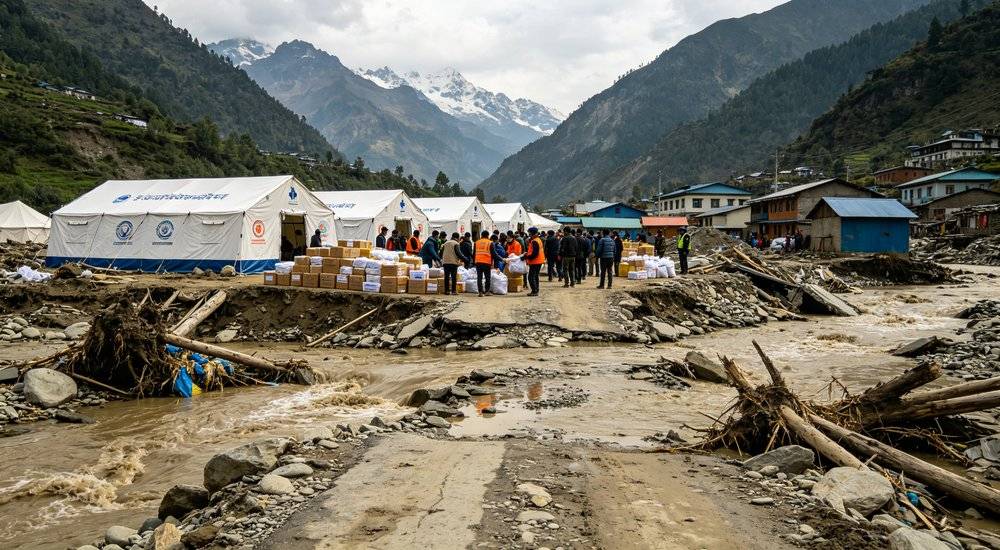

Nepal mountain flood disaster scene with damaged roads and flooded villages, emergency relief supplies distribution

, Nepal Police, August 28, 2026


This mountain flood disaster exposed a critical problem that every mountain region faces: when roads are cut off and external rescue cannot reach the disaster zone in time, what happens to the people who need emergency supplies most? The answer is simple: they wait. And waiting costs lives. This is why mountain flood disaster preparedness and local emergency stockpiles are so critical.
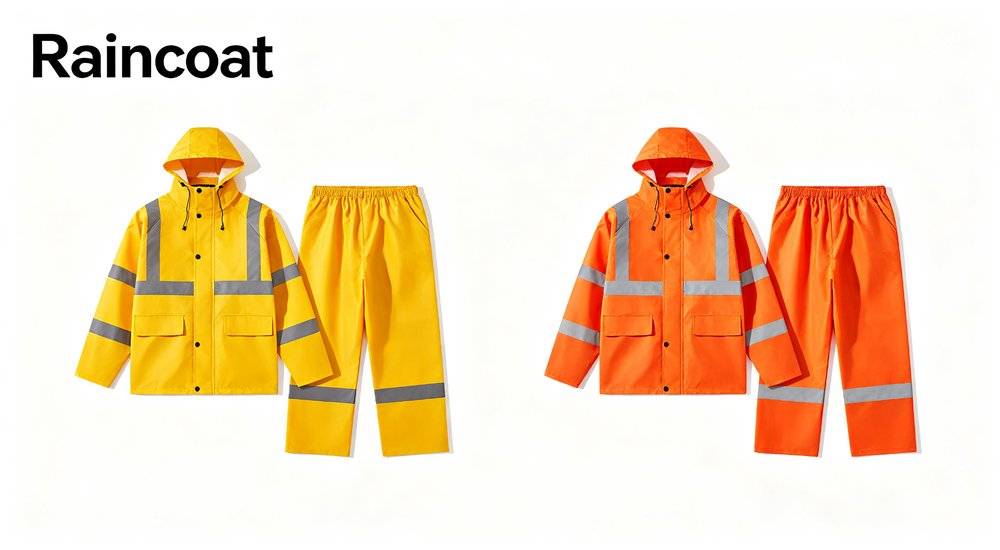


High visibility waterproof raincoat sets with jacket and pants in yellow orange, EN 343 rain suits for mountain flood rescue


Why External Disaster Relief Supplies Often Arrive Too Late in Mountain Floods

In the first 72 hours after the Nepal flood—known as the golden window for saving lives—ground rescue teams could not enter the worst-hit areas because roads and bridges were destroyed. Rescue efforts relied mainly on helicopters. However, helicopter capacity is severely limited: they can only carry small loads of emergency relief supplies, and bad weather can prevent them from flying altogether.


Need emergency supplies for mountain flood preparedness? We provide wholesale emergency supplies and rescue equipment for governments, NGOs, schools and hospitals. Contact us for a customized quote today.


Download Free Checklist
Request a Quote


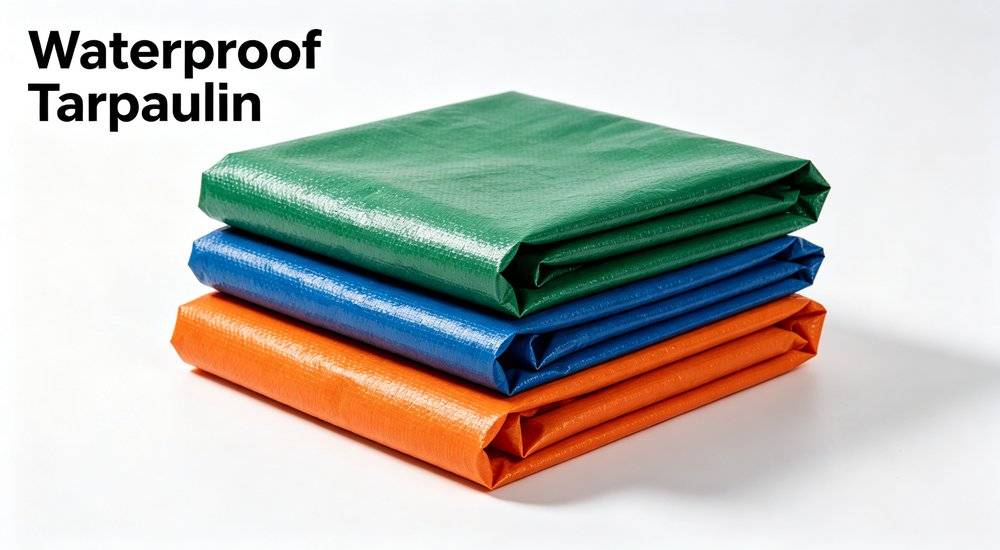
Heavy duty waterproof tarpaulin sheets in green blue orange colors, emergency flood protection covers


According to the United Nations (UN) agencies and International Federation of Red Cross and Red Crescent Societies (IFRC) emergency relief standards, shelter and warmth supplies account for 40% of initial disaster response needs. But in mountain regions, these emergency supplies are often stored hundreds of kilometers away in central warehouses, making them impossible to deliver when roads are cut off. Only emergency supplies pre-positioned locally can help in the first critical hours.


Key Takeaway: In mountain regions, external aid typically arrives 3-7 days after a disaster—but the first 72 hours are the most critical for saving lives. Only emergency relief supplies stored locally can help during this golden window. This is the core of disaster preparedness.
☆ Section Summary: The core contradiction of mountain disaster response is "external rescue arrives too late." The solution is "local emergency supplies pre-positioning."
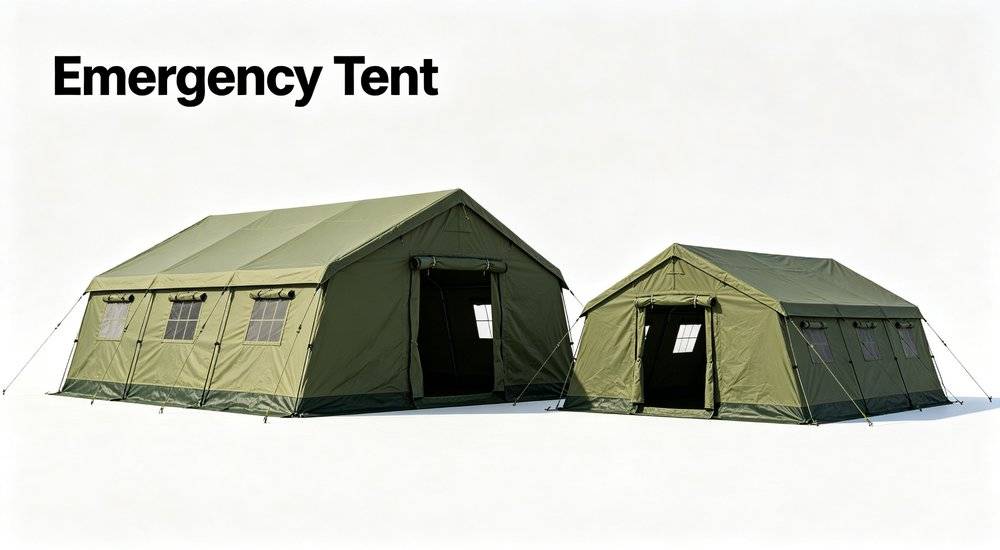


Large family size emergency relief tents for disaster shelter, heavy duty waterproof tents


Emergency Supplies List for Flood Affected Communities: What to Stock

A well-prepared local emergency stockpile addresses four basic needs: shelter, warmth, hygiene, and basic protection. Here is a practical emergency relief supplies checklist based on what disaster-affected communities actually need in the first 72 hours, applicable to mountain floods, landslides, and glacial lake outbursts.


Emergency Supply

Use

Recommended Specs

Storage Note

Waterproof Tarps

Temporary roofs, ground covers, dividers

120-200 gsm, reinforced corners, UV resistant

Dry & ventilated, avoid fold cracks

Emergency Tents

Family/community shelter

4-6 person family, 10-20 person community

Check zippers & coating regularly

Emergency Blankets

Warmth, hypothermia prevention

Wool-blend (warm) or polyester (lightweight)

Moth-proof, vacuum sealed

Sleeping Bags

High altitude/cold weather warmth

Rated 0°C to -10°C by altitude

Keep dry, air out regularly

Emergency Mosquito Nets

Mosquito-borne disease prevention

Long-lasting insecticidal nets (LLIN), meets WHO standards

Avoid sharp objects

Hygiene Kits

Basic cleaning, disease prevention

Soap, toothbrush, towel, sanitary supplies

Check expiry, rotate regularly

Work Gloves

Debris cleanup, puncture protection

Canvas/leather (cleanup), nitrile (medical)

Check damage, replace as needed

Raincoats

Rescue worker waterproofing

Heavy PVC or polyester, reflective strips, EN 343

Check seams & coating


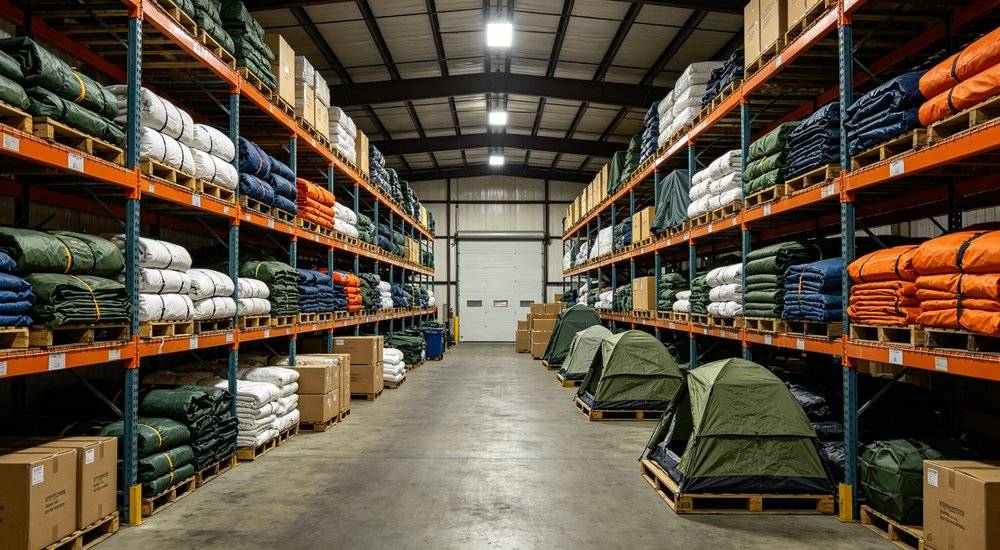
Government emergency supplies warehouse large storage facility with shelves full of relief supplies tents blankets tarps


1. Emergency Shelter Supplies

When homes are destroyed or unsafe, people need somewhere to sleep and stay dry. Emergency shelter is the top priority in any flood emergency supplies list.
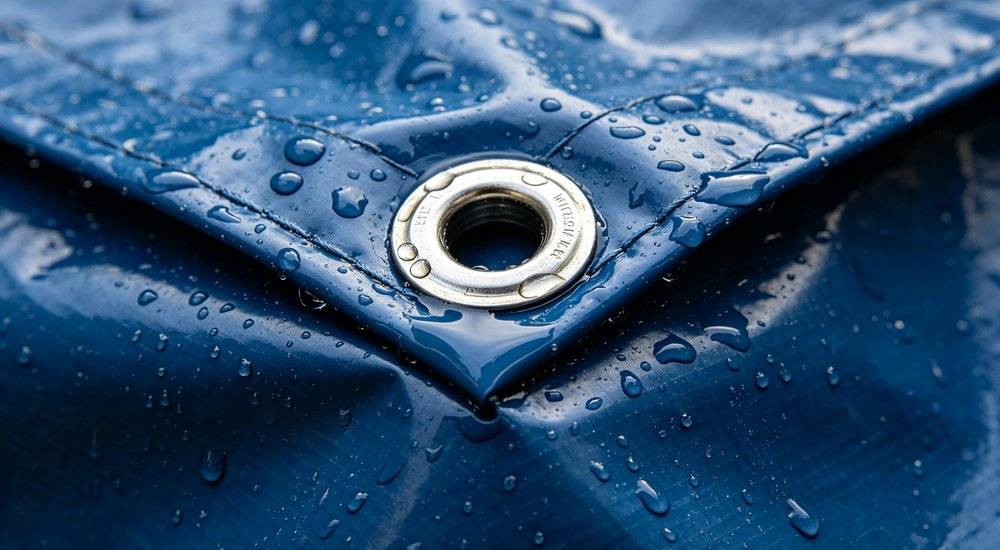
  • Waterproof tarps


Close up detail of heavy duty waterproof tarpaulin material showing waterproof coating reinforced corners metal grommets


: Heavy-duty tarps (tarpaulins) are the most versatile emergency relief supply. They can be used as temporary roofs, ground covers, or room dividers. Look for tarps with a weight of 120-200 gsm, reinforced corners, and UV resistance for long-term outdoor use. They are lightweight, easy to transport, and require only basic tools and two people to set up. We supply heavy-duty tarps in custom sizes and colors, with bulk stock available for immediate shipment, and custom printing for government and NGO wholesale orders. [View Tarp Wholesale Products]


  • Emergency tents


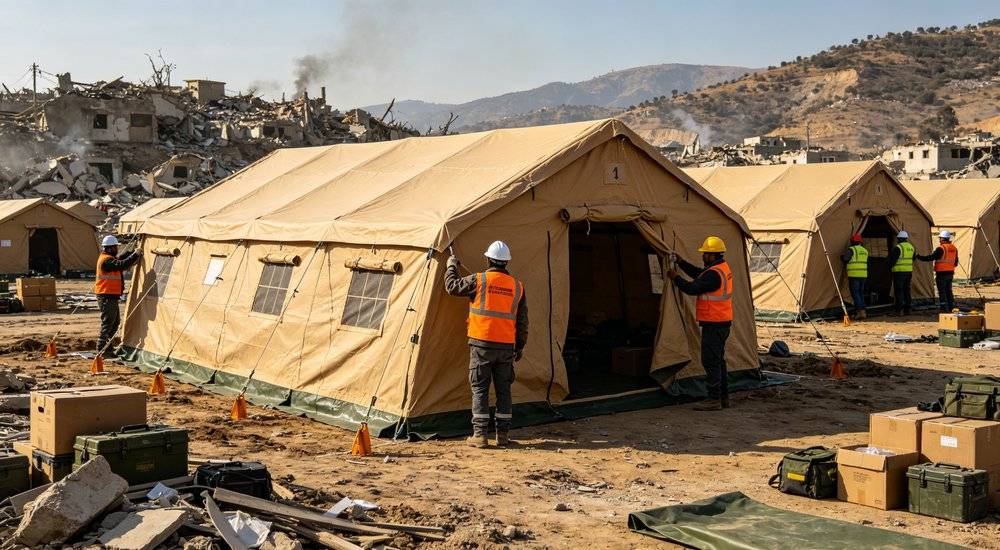
Workers setting up large family size emergency relief tents in disaster affected area


: For larger groups or longer-term displacement, tents provide better protection from rain, wind, and cold. For families, 4-6 person tents are standard; for community shelters, 10-20 person tents are more practical. Our emergency tents feature easy-setup design for rapid deployment, available in multiple sizes, with wholesale customization available. [View Tent Wholesale Products]


2. Warmth & Sleeping Supplies

Mountain nights are cold, even in summer. After a flood, wet clothes and no heating make hypothermia a real risk. Hypothermia prevention supplies are critical in mountain disaster preparedness.
  • Emergency blankets


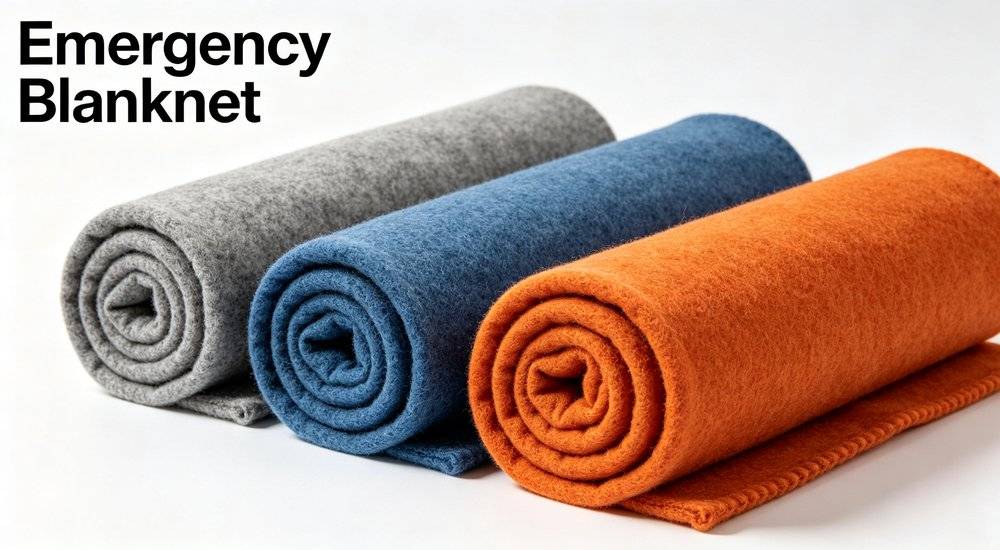
Warm wool blend emergency blankets in gray blue orange colors, thermal insulation blankets for disaster relief


: Thick, warm blankets are one of the most requested emergency relief supplies in any disaster. Wool or wool-blend blankets are preferred because they retain warmth even when wet, while polyester blankets are more affordable and lightweight. We offer both types with minimum order quantities suitable for government and NGO wholesale procurement, with custom packaging and LOGO available. [View Blanket Wholesale Products]


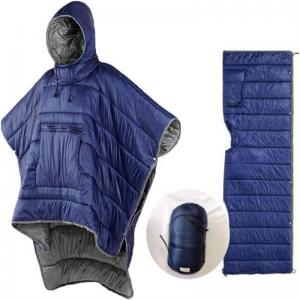
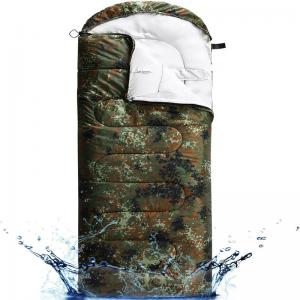
  • Sleeping bags


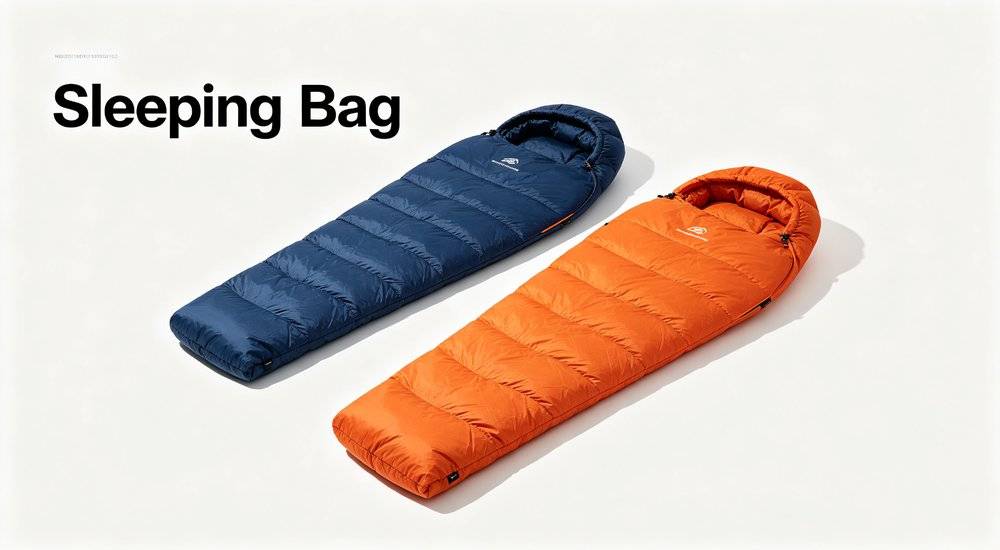
Cold weather mummy style sleeping bags in navy blue and orange, 0 degree sleeping bags for high altitude emergency relief


: For colder climates or higher altitudes, sleeping bags provide better insulation than blankets alone. Choose sleeping bags rated for at least 0°C (32°F) for mountain regions, and -10°C (14°F) for high altitudes. We offer sleeping bags rated from 0°C to -10°C, suitable for mountain and high-altitude conditions, with competitive wholesale pricing. [View Sleeping Bag Wholesale Products]


3. Hygiene & Disease Prevention Supplies

Displacement often means no running water, no bathrooms, and no clean place to sleep. Basic hygiene emergency supplies prevent disease outbreaks, especially in crowded shelters.



  • Emergency mosquito nets


Long-lasting insecticidal mosquito nets rectangular and conical types, disease prevention nets for emergency relief camps


: In lower-altitude disaster zones with warm, humid conditions, standing water becomes a breeding ground for mosquitoes. Even in mountain areas, mosquito protection is important during warmer months. Dengue, malaria, and Zika are the most common mosquito-borne diseases. Our long-lasting insecticidal mosquito nets meet WHO standards, suitable for disaster relief distribution, with up to 3 years effectiveness, and wholesale customization available. [View Mosquito Net Wholesale Products]


  • Basic hygiene kits


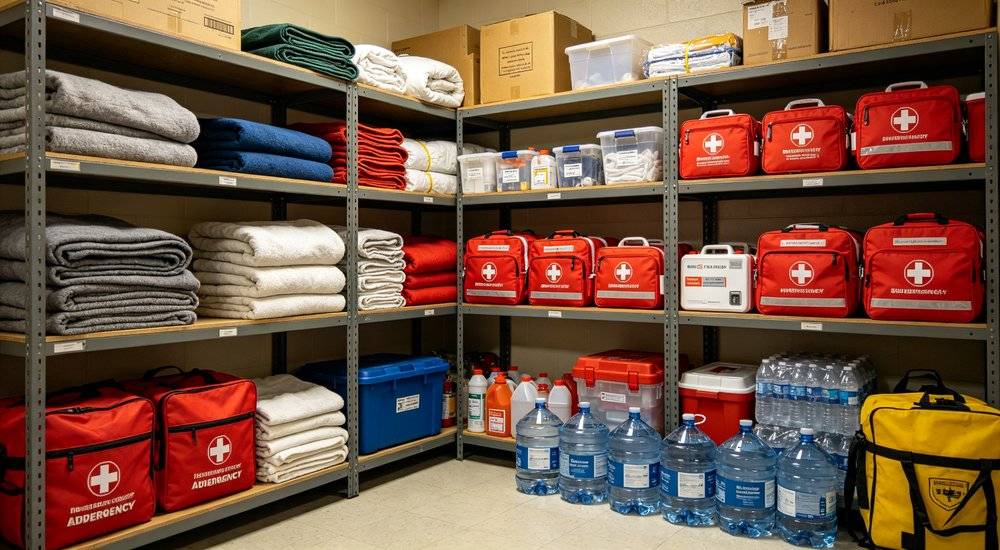
School emergency supplies storage room with shelves of blankets first aid kits water emergency kits


: Soap, toothbrushes, towels, and sanitary supplies help people stay clean and healthy in crowded temporary shelters. We offer pre-configured hygiene kits, or custom content and packaging based on your requirements, with flexible wholesale MOQ. [View Hygiene Kit Wholesale Products]

4. Protection & Safety Supplies


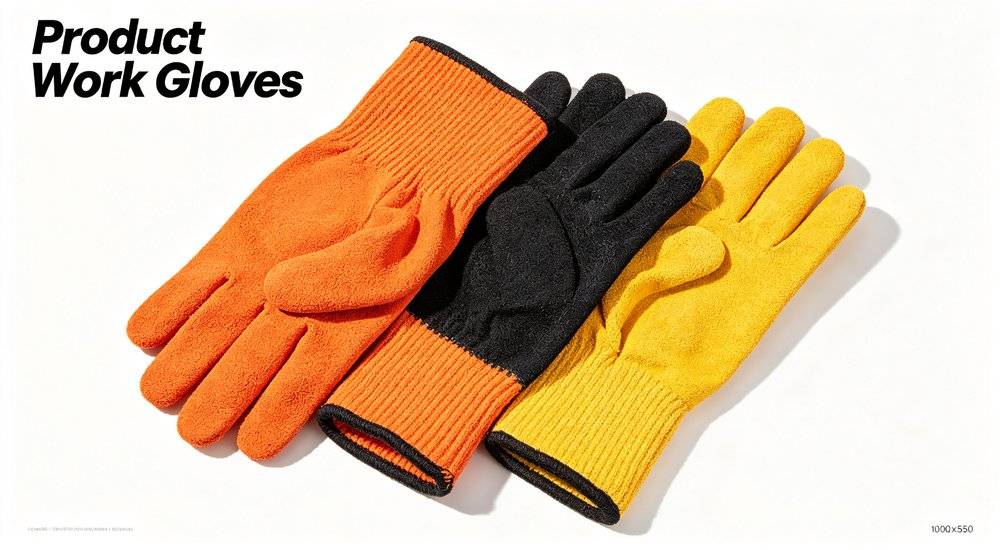
Heavy duty cut resistant work gloves in orange black yellow, EN 388 protective gloves for emergency rescue


  • Work gloves
: For cleanup and debris removal, gloves protect hands from sharp objects and contaminated water. Heavy-duty canvas or leather gloves for debris removal (meets EN 388 mechanical protection standards), nitrile gloves for medical and hygiene tasks (meets EN 374 chemical protection standards). We offer work gloves in multiple materials and specifications for different scenarios, with competitive wholesale pricing. [View Glove Wholesale Products]


  • Raincoats and waterproof clothing


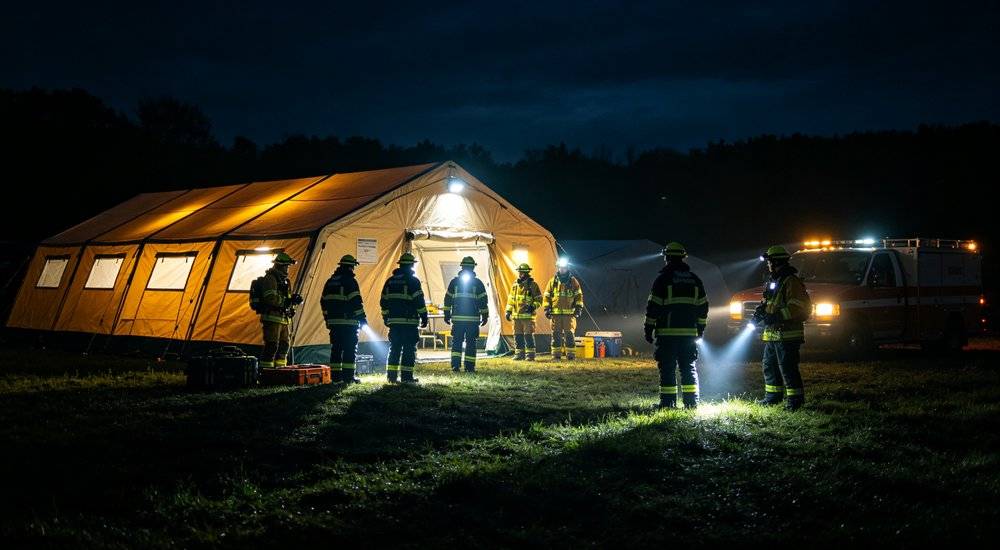
Night time emergency rescue operation with rescue workers using headlamps and flashlights, large emergency tents with lights on


: For rescue workers and volunteers working in wet conditions. Our heavy-duty raincoats feature reflective strips, meet EN 343 waterproof standards, suitable for nighttime rescue operations, with wholesale custom LOGO available. [View Raincoat Wholesale Products]


✅Section Summary: Four categories of emergency supplies for affected communities—shelter (tarps/tents), warmth (blankets/sleeping bags), hygiene (mosquito nets/hygiene kits), protection (gloves/raincoats). Each category has clear specifications and wholesale customization options.


Mountain Flood Rescue Team Equipment Checklist: By Rescue Type

In addition to emergency relief supplies for affected communities, personal protective equipment and rescue tools for rescue workers (search and rescue teams, volunteers, medical personnel) are equally critical. During the Nepal flood, thousands of rescue workers operated in dangerous conditions, and the lack of proper equipment increased the risk of casualties among rescue personnel themselves. Here is a complete mountain flood rescue equipment checklist, broken down by rescue type.


Standard Rescue Worker Personal Protective Equipment (per person)


Equipment Category

Specific Items

Standard Certification

Est. Price (per person)

Rescue Uniform

Rescue work uniform + work pants

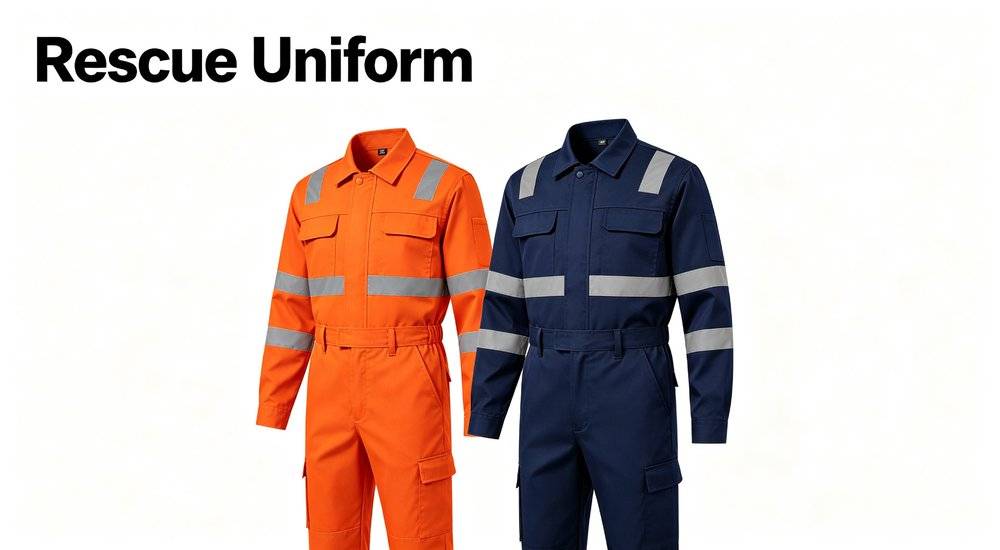
EN 343 waterproof, EN 11612 flame retardant

$30-$60

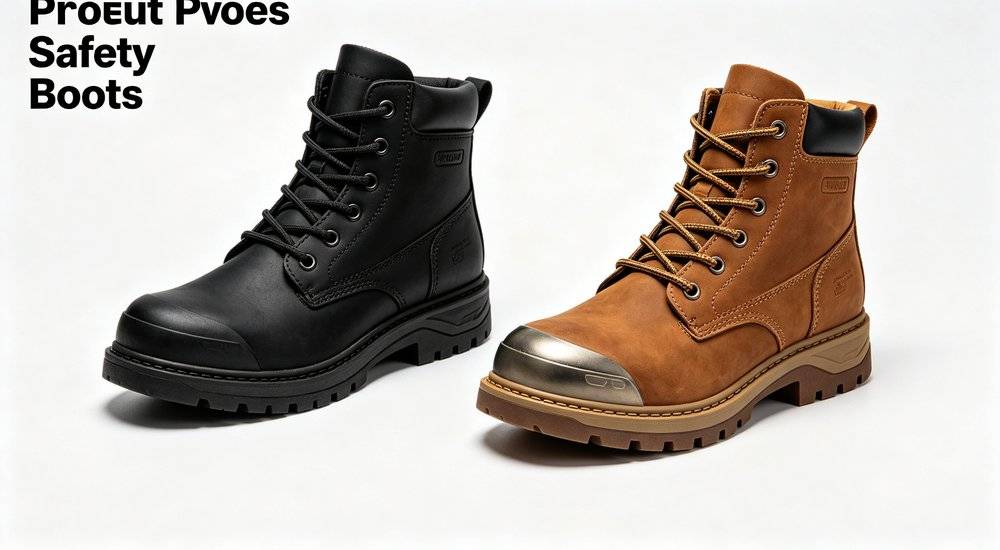
Safety Boots

Steel-toe safety boots

EN ISO 20345

$25-$50

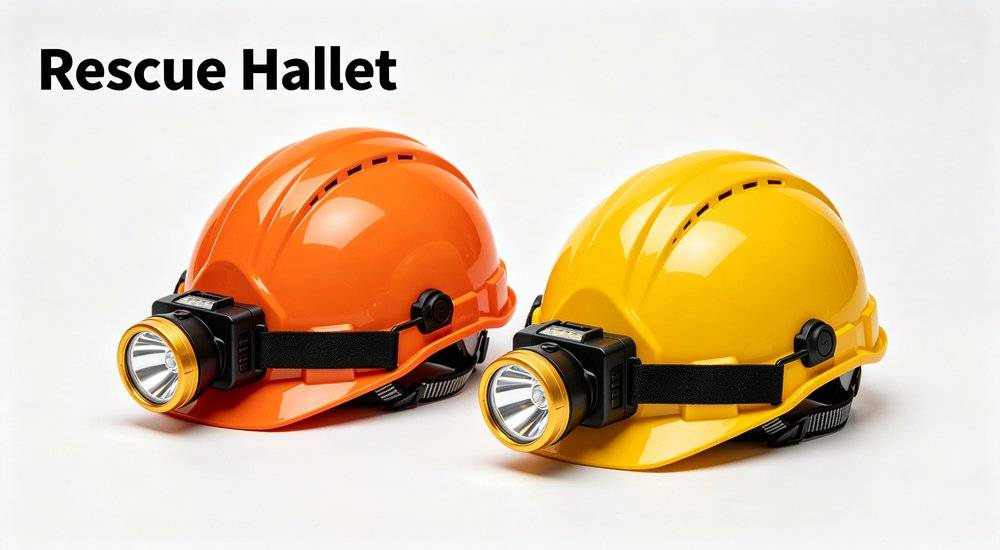
Helmet

Rescue helmet + headlamp

EN 397

$20-$40

Goggles

Impact-resistant goggles

EN 166

$5-$15

Respiratory

N95 masks + gas mask

NIOSH N95

$10-$30

Gloves

Heavy-duty work gloves

EN 388 cut & puncture resistant

$5-$15

Life Jacket

Life jacket + safety rope

ISO 12402, buoyancy ≥75N

$30-$80

Communication

Walkie-talkie + spare battery

Waterproof dustproof IP67, range ≥3km

$40-$100


Mountain flood rescue team in full protective gear uniforms helmets life jackets, rescue workers preparing for operation


* Basic equipment per person: $165-$390/person. 20-person team basic equipment package: $8,000-$15,000. Wholesale custom LOGO and team numbering available.


Equipment Requirements by Rescue Type

Water Rescue (essential for flood scenarios)

In mountain flood rescue, water rescue is the most common and dangerous scenario. Essential equipment includes:
  • Life jackets: Buoyancy ≥75N, with reflective strips, meets ISO 12402 standards, required for every person
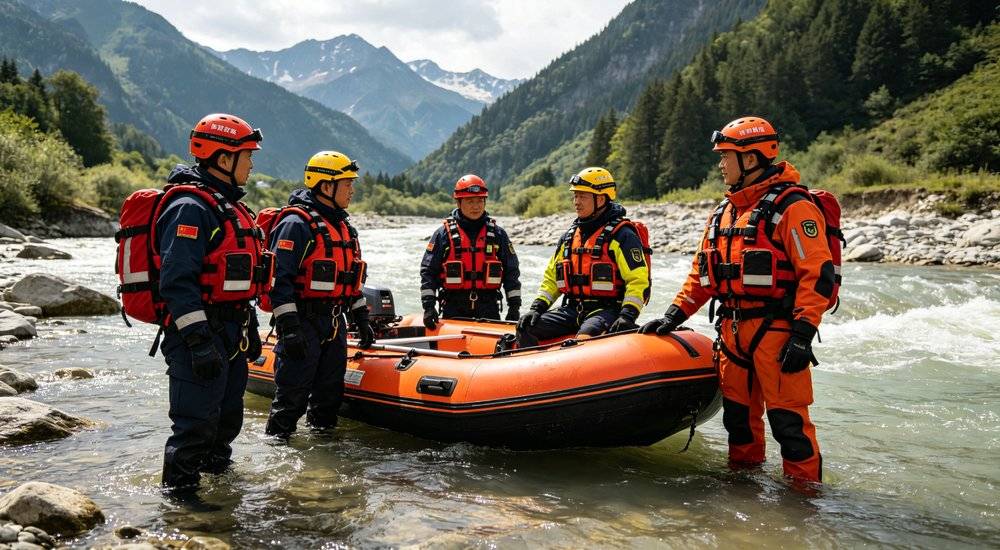
  • Inflatable boats: Inflatable rescue boats with paddles, pumps, repair kits, suitable for flood water search and rescue
  • Throw rope bags: Long-distance throw rescue ropes, suitable for swift water rescue
  • Diving equipment (optional): Wetsuits, masks, snorkels, suitable for underwater search and rescue
  • Life rings: Life rings with ropes, suitable for shore-based rescue
Full set rescue work uniforms with reflective strips in orange and navy blue, flame resistant rescue uniforms

High-Altitude / Mountain Rescue

Mountain terrain is complex, often requiring high-angle rope rescue. Essential equipment includes:
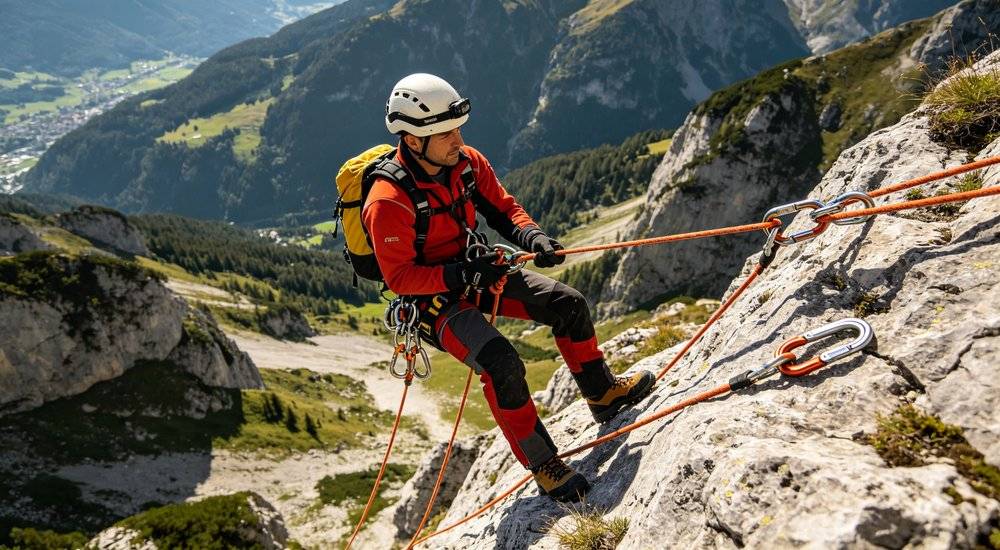
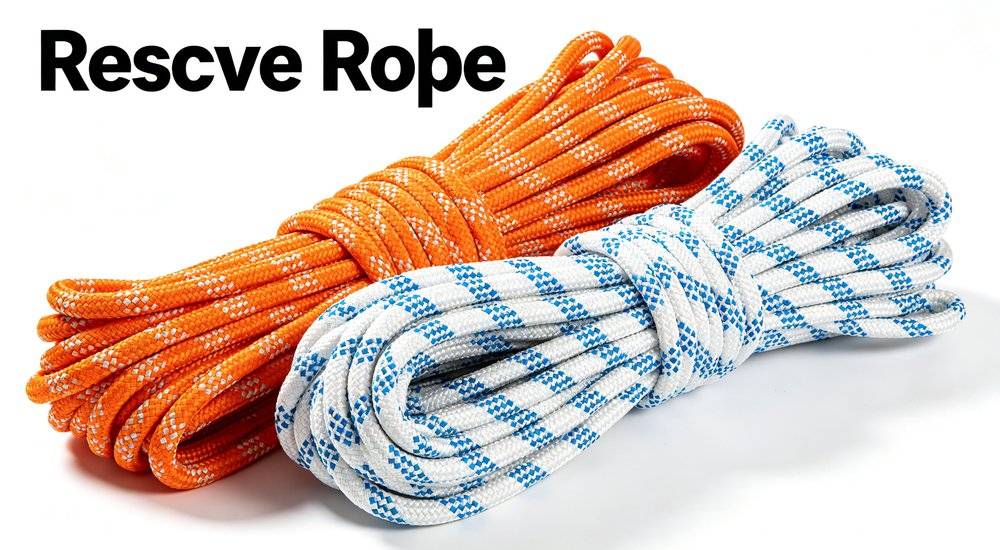
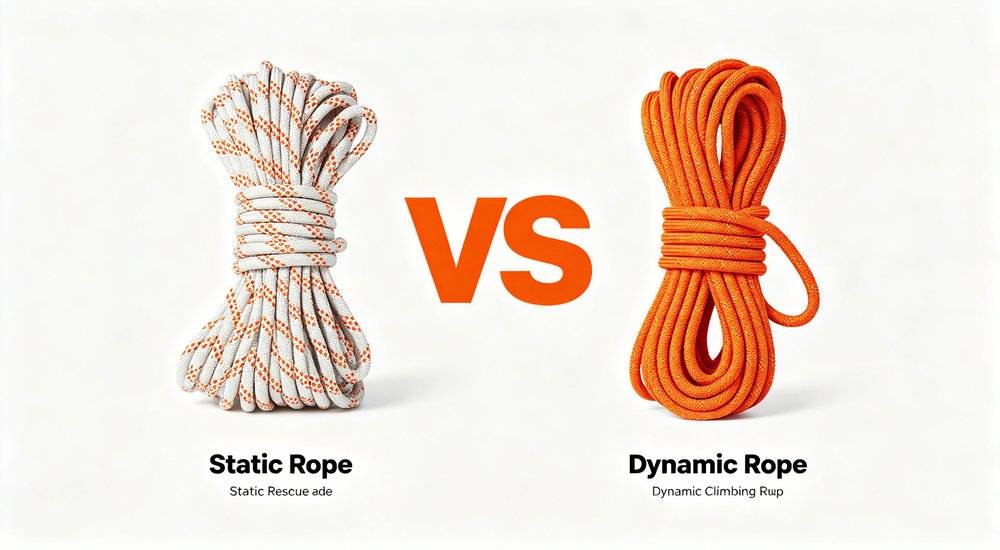
  • Safety ropes: Static/dynamic ropes, diameter 10-12mm, length as needed
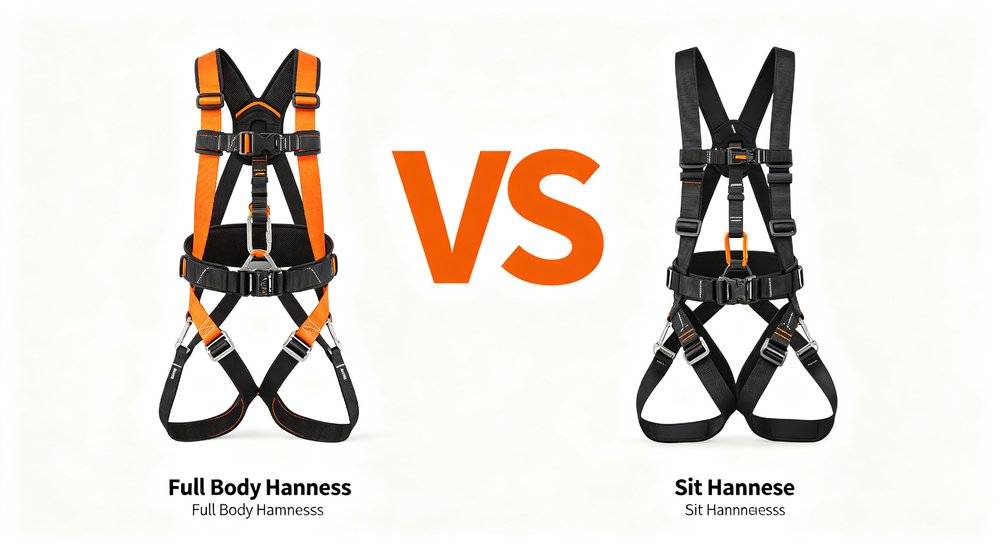
  • Harnesses: Full-body harnesses, meets EN 361 standards
  • Ascenders/descenders: Hand ascenders, figure-8 descenders, self-locking descenders
  • Pulley systems: Single pulleys, double pulleys, for hauling systems
  • Helmets: Rescue helmets with ear protection, meets EN 397 standards


High angle rope rescue operation with rescue workers using safety harness ropes and carabiners on mountain cliff


✅ Extrication Rescue (rubble/vehicle entrapment)

Floods and landslides often cause building collapses and vehicles buried, requiring extrication rescue. Essential tools include:
  • Shovels/pickaxes: Military shovels, pickaxes, for debris removal
  • Crowbars/multi-tools: Crowbars, fire axes, multi-tool knives
  • Hydraulic extrication tools (optional): Hydraulic cutters, spreaders, rams, for vehicle extrication
  • Chainsaws (optional): Motorized chainsaws, for wood cutting
  • Gloves: Cut and puncture resistant heavy-duty gloves, meets EN 388 standards


Steel toe cap safety work boots in black and brown, EN ISO 20345 protective boots for emergency rescue


✅Medical Rescue

Disaster zone medical rescue requires professional medical equipment and supplies. Essentials include:
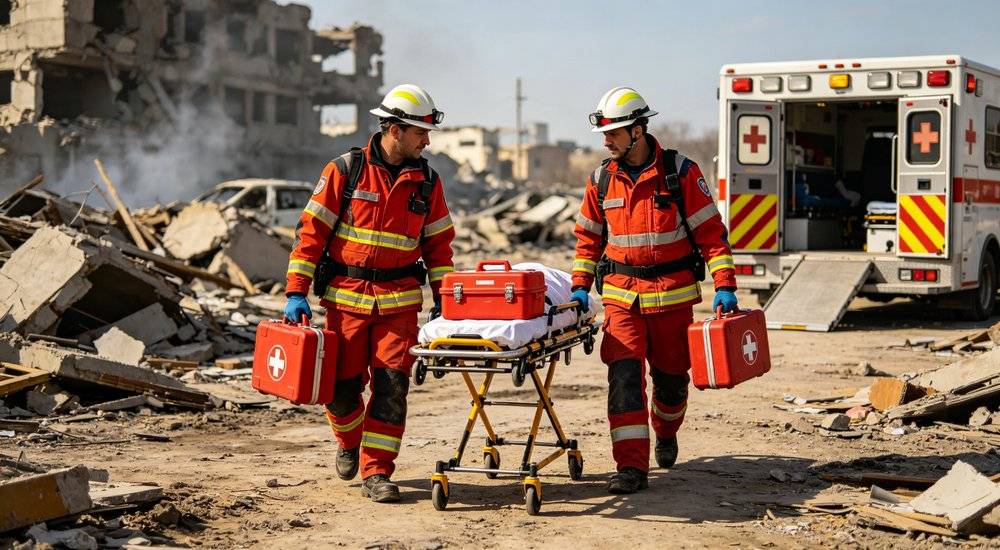
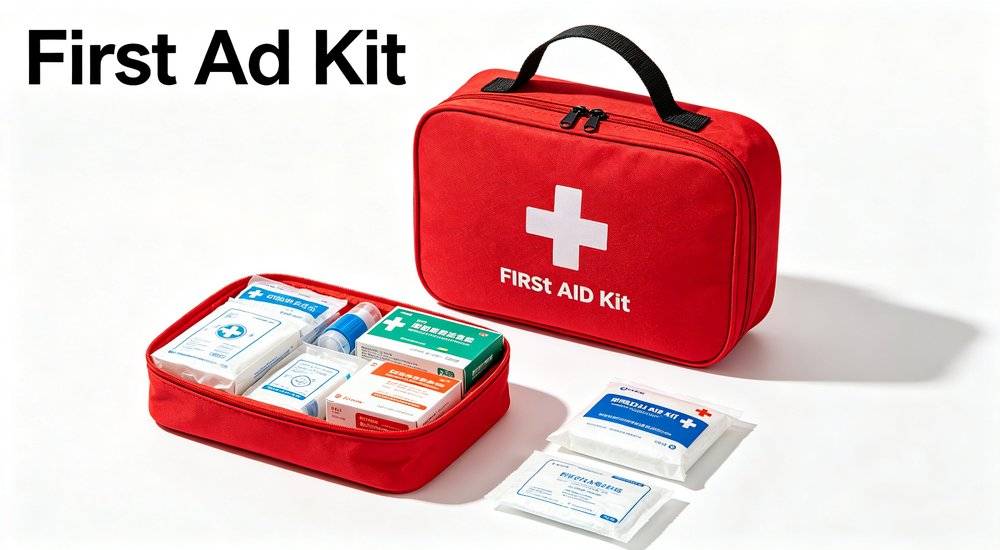
  • First aid kits: With trauma supplies (bandages, gauze, tourniquets, disinfectants), common medications
  • Stretchers: Folding stretchers, scoop stretchers, vacuum stretchers, for casualty transport
  • AED defibrillators (optional): For cardiac arrest emergency
  • Oxygen bags/cylinders (optional): For casualties with breathing difficulties
  • Thermal blankets: Foil thermal blankets, for hypothermia casualty emergency


Emergency medical response team with first aid kits and stretchers in disaster area, professional medical rescue operation


✅Search & Communication

  • Headlamps/flashlights: LED headlamps with spare batteries, suitable for night and rubble search
  • Portable work lights: Rechargeable LED work lights, generators, for night operation lighting
  • Walkie-talkies: Waterproof dustproof walkie-talkies, communication range ≥3km, with spare batteries and repeaters
  • Satellite phones (optional): For remote mountain areas with complete communication disruption
  • Thermal imagers/life detectors (optional): For life search under rubble


✅ Section Summary: Rescue equipment broken down by 5 types—water rescue (life jackets/inflatable boats), high-altitude rescue (safety ropes/harnesses), extrication rescue (shovels/hydraulic cutters), medical rescue (first aid kits/stretchers), search & communication (headlamps/walkie-talkies). Each type has clear international standard certifications.


VS comparison static rescue rope versus dynamic climbing rope, which rope is better for mountain flood technical rescue


Emergency Stockpile Quantity Guide: How Much Mountain Flood Emergency Supplies to Stock by Scenario

The right emergency supplies stockpile quantity depends on who you are preparing for. Here is a simple emergency relief supplies stockpile quantity guide based on common scenarios, applicable to governments, schools, hospitals, rescue agencies, and hotels.


Scenario

Stock Base

Core Emergency Supplies

Special Note

Local Government/Municipality

5-10% of population

All categories + rescue equipment

Distribute across 3-5 storage points, equip professional rescue teams

Schools

72 hrs for all students & staff

Tarps, blankets, hygiene kits

Based on maximum on-site population

Hospitals

150-200% normal capacity

Tarps (triage), blankets, gloves, medical PPE

Extra medical protection and rescue equipment

Rescue Agencies/NGOs

Team size × 3 sets rotation

Rescue uniforms, safety boots, helmets, goggles, life jackets, tools

At least 3 sets per person for rotation, tools by team configuration

Hotels/Guesthouses

Max occupancy + 20% staff

Blankets, tarps, hygiene kits

Tourists may lack local clothing


Not sure how much emergency supplies to stock? Our team can help you create a customized stockpile plan based on your population and risk level. Get expert advice today.


Contact Our Specialist
View Stockpile Guide


Rescue safety helmets with LED headlamps in orange and yellow, EN 397 protective helmets for emergency rescue


For Local Governments and Municipalities

Calculate based on your population. A good starting point is enough emergency relief supplies for 5-10% of your population. This range is based on typical disaster displacement rates, where 5-15% of a population may require emergency shelter in a severe event. Start with 5% for moderate risk areas and 10% for high-risk mountain regions.


Do not keep all emergency supplies in one central warehouse—if that warehouse becomes inaccessible, you lose everything. Aim for at least 3-5 storage points across a region, with each point holding enough emergency supplies for the surrounding population within a 2-hour drive. Additionally, each region should equip at least one 20-person professional rescue team with full personal protective equipment and rescue tools.
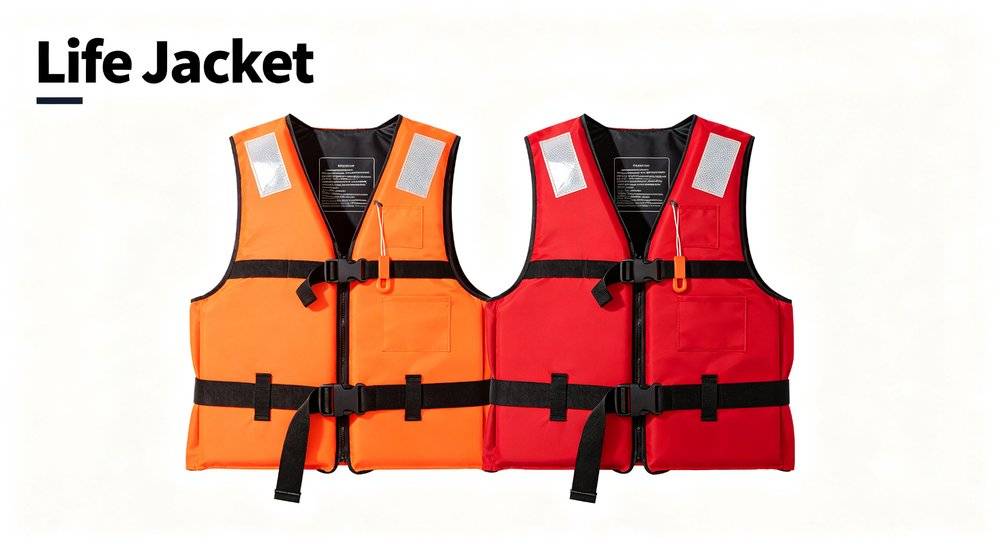
Buoyancy life jackets vests in orange and red for water rescue, ISO 12402 certified life jackets

For Schools and Hospitals

These institutions should prepare for at least 72 hours of self-sufficiency. As a general rule, prepare 1 blanket per person, 2 square meters of tarp per person, and 1 hygiene kit per person for a 72-hour period.


Schools should have enough emergency supplies for all students and staff on site. Hospitals should prepare for 150-200% of their normal patient capacity, as they may receive injured people from surrounding areas. Focus on waterproof tarps for temporary triage areas, warm blankets for patients, and hygiene supplies and medical PPE to prevent infection.
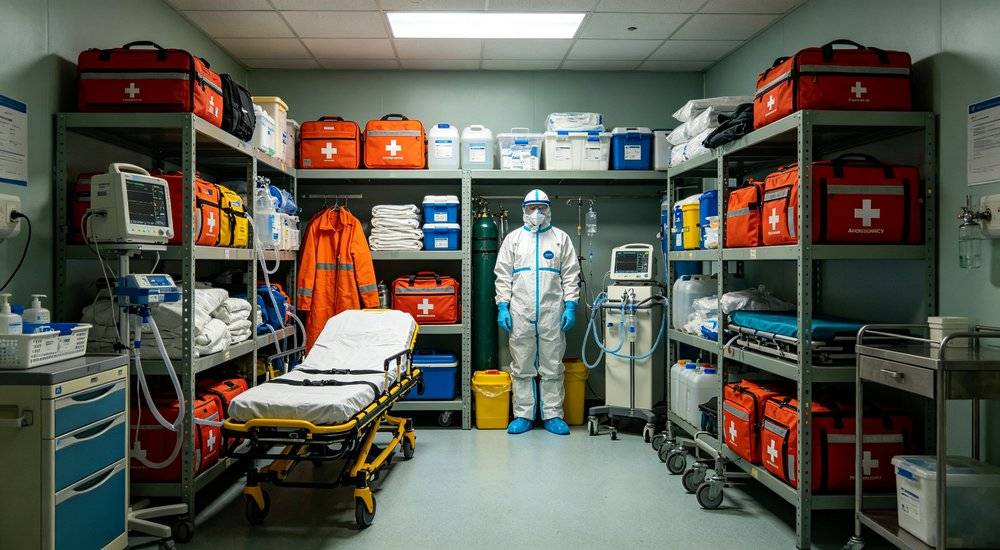


Hospital emergency supplies storage room with medical equipment first aid kits stretchers protective gear


For Rescue Agencies and NGOs

Professional rescue agencies should stock at least 3 sets of personal protective equipment per team member for rotation (one in use, one being cleaned, one spare). Each set includes rescue uniform, safety boots, helmet, goggles, mask, gloves, raincoat, life jacket, etc. Tools are configured by team size: a 20-person team needs at least 2 complete extrication tool sets, 1 high-angle rescue set, 2 medical first aid kits, 4 portable work lights, and 10 walkie-talkies.
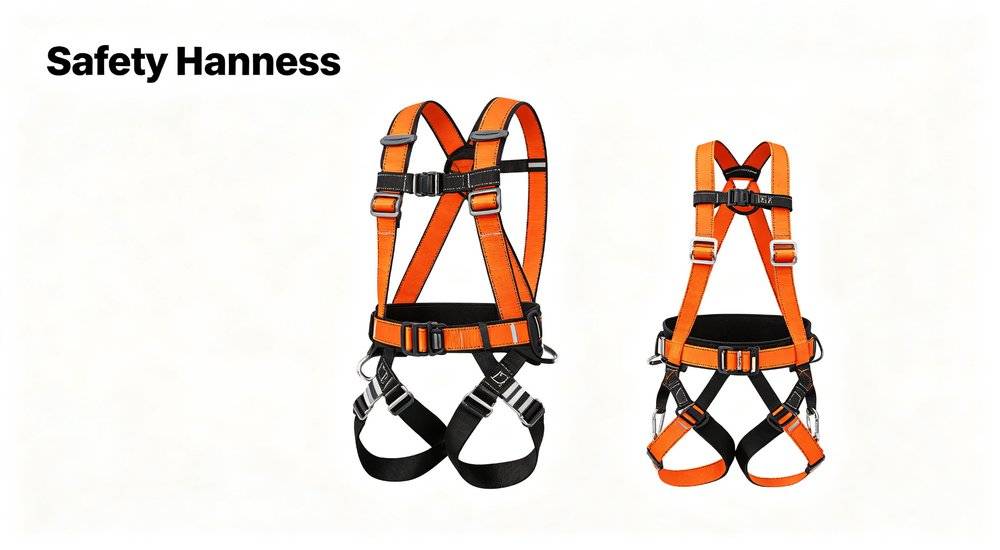
Fall protection safety harnesses full body and sit types in orange black, EN 361 certified harnesses for high angle rescue

For Hotels and Guesthouses

If you operate in a mountain tourist area, prepare based on your maximum occupancy plus 20% extra for staff and unexpected guests. Tourists may not have clothing suitable for the local climate or emergency supplies, so having extra blankets, tarps, and basic hygiene items can make a critical difference. Most importantly, being prepared can save lives when disaster strikes during peak tourist season.


✅Section Summary: Governments stock by 5-10% of population, schools and hospitals by 72-hour self-sufficiency, rescue agencies by 3 sets per person rotation, hotels by max occupancy + 20% staff. All scenarios recommend distributed storage, not single-point concentration.


Emergency Supplies & Rescue Equipment Packages by Budget Tier (Wholesale Reference)

Different budgets can buy different configurations of rescue equipment. Here are three tiers of 20-person rescue team equipment wholesale packages to help procurement officers with budget applications.
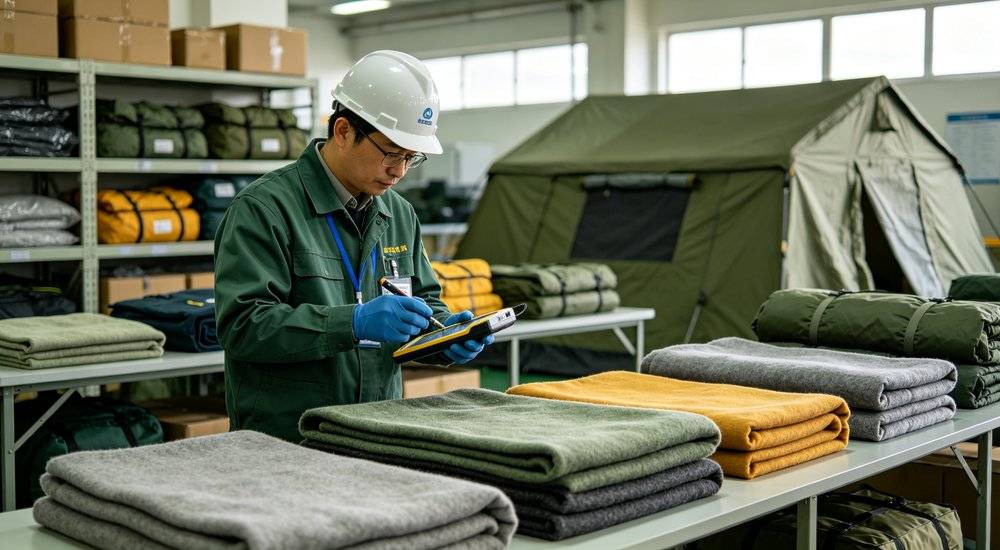


Emergency supplies quality inspection with worker checking product quality using inspection tools


✅20-Person Rescue Team Equipment Budget Packages (Wholesale Reference Prices)


Tier

Budget Range

Equipment Included

Applicable Scenarios

Basic

$5,000-$8,000

20 sets basic PPE (rescue uniforms, safety boots, helmets, gloves, raincoats) + 2 sets basic extrication tools (shovels, pickaxes, crowbars) + 2 first aid kits + 4 headlamps + 5 walkie-talkies

Volunteer teams, community emergency teams, basic flood response

Standard

$8,000-$15,000

20 sets complete PPE (including life jackets, goggles, N95 masks) + complete extrication tools + water rescue equipment (inflatable boat, life rings, throw rope bags) + basic high-angle rescue equipment (safety ropes, harnesses) + medical first aid kits + portable work lights + 10 walkie-talkies + repeater

Professional rescue teams, government emergency teams, NGO international rescue

Professional

$20,000+

Everything in Standard + hydraulic extrication tool set + diving equipment + thermal imager/life detector + satellite phone + AED defibrillator + oxygen equipment + vacuum stretchers + generator + full team custom LOGO uniforms

National-level rescue teams, professional mountain rescue, large-scale disaster response


VS comparison full body safety harness versus sit harness, which harness is better for high angle rope rescue

* Above are wholesale reference prices. Actual prices vary by brand, specifications, customization requirements, and purchase volume. Contact us for an accurate quotation.
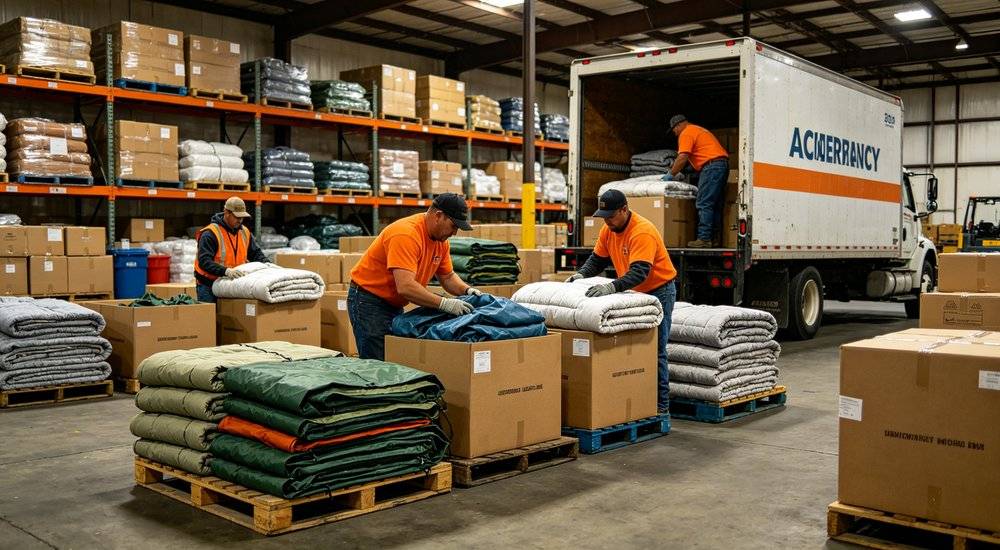


Emergency supplies being packed and loaded into boxes for shipment, workers packing blankets tarps tents at warehouse


Regional & Seasonal Emergency Preparedness Recommendations

Emergency supplies preparation priorities vary significantly by region and season. Here are regional and seasonal differentiated emergency preparedness recommendations to help you optimize your stockpile based on local conditions.


By Region

Region Type

Priority Emergency Supplies

Priority Rescue Equipment

High-altitude mountains (3000m+)

High-warmth sleeping bags (below -10°C), thick wool blankets, cold-weather clothing, snow-blindness goggles

High-angle rope rescue equipment, ice axes, crampons, avalanche search equipment

Mid-low altitude river valleys

Waterproof tarps, mosquito nets, moisture-proof mats, water purification equipment

Water rescue equipment (inflatable boats, life jackets), swift water rescue equipment

Tropical/subtropical mountains

Mosquito nets (priority), sun protection, moisture-proof supplies, disinfection supplies

Snake/insect protection, water rescue, dengue fever prevention supplies

Temperate mountains

Four-season blankets, medium-warmth sleeping bags, waterproof tarps

General rescue equipment, seasonal adjustment

Static rescue climbing ropes in orange blue white colors, 10mm 12mm diameter ropes for mountain flood technical rescue


By Season

  • Before rainy season (inspect annually April-June): Focus on inspecting waterproof equipment (tarps, tents, raincoats) waterproof coating integrity; check sandbags, pumps, drainage equipment; inspect water rescue equipment (life jackets, inflatable boats); confirm mosquito nets and epidemic prevention supplies are sufficient.
  • Before winter (inspect annually October-November): Focus on inspecting warmth equipment (blankets, sleeping bag temperature ratings, cold-weather clothing); check sleeping bags for dampness and mold; confirm high-altitude areas have sufficient cold-weather equipment; inspect generators and heating equipment.
  • Before peak tourist season: Hotels and scenic areas should complete emergency supplies inspection 1 month before peak season, replenish stock based on maximum occupancy, and confirm staff emergency training is in place.
  • Annual full inventory: Conduct at least one comprehensive emergency supplies inventory each year, inspect all supplies for expiration and integrity, and update the rotation schedule.


✅Section Summary: High-altitude prioritizes warmth and high-angle rescue, river valleys prioritize waterproof and water rescue, tropics prioritize mosquito and epidemic prevention. Inspect waterproof before rainy season, warmth before winter, stock before tourist season, full inventory annually.


Why Procure Emergency Relief Supplies 6 Months in Advance

Many organizations wait until disaster season to procure emergency relief supplies, but this is often a mistake. Here is why you should prepare emergency relief supplies wholesale procurement at least 6 months in advance:

  • Price fluctuations: Before disaster season (usually rainy season), emergency supplies prices increase by 10-30%. Early wholesale procurement locks in lower prices.
  • Stock shortages: When multiple regions enter disaster season simultaneously, supplier stock becomes tight and lead times extend. Early procurement ensures available stock.
  • Customization cycle: Government and NGO wholesale orders often require custom printing, packaging, and LOGO, with production cycles of 4-8 weeks. Rescue uniforms and safety boots have even longer customization cycles. Allow enough time in advance.
  • Quality inspection: Bulk wholesale procurement requires time for quality inspection and sampling to ensure supplies meet standards. Safety performance inspection of rescue equipment is especially important.
  • Logistics and transportation: Logistics to mountain and remote areas takes longer. Plan ahead to avoid transportation delays.
  • Training and drills: After rescue equipment is procured, time is needed for personnel training and practical drills to ensure correct use when disaster strikes.

The best wholesale procurement time is 6-9 months before disaster season, allowing sufficient time for production, inspection, transportation, warehousing, and personnel training.
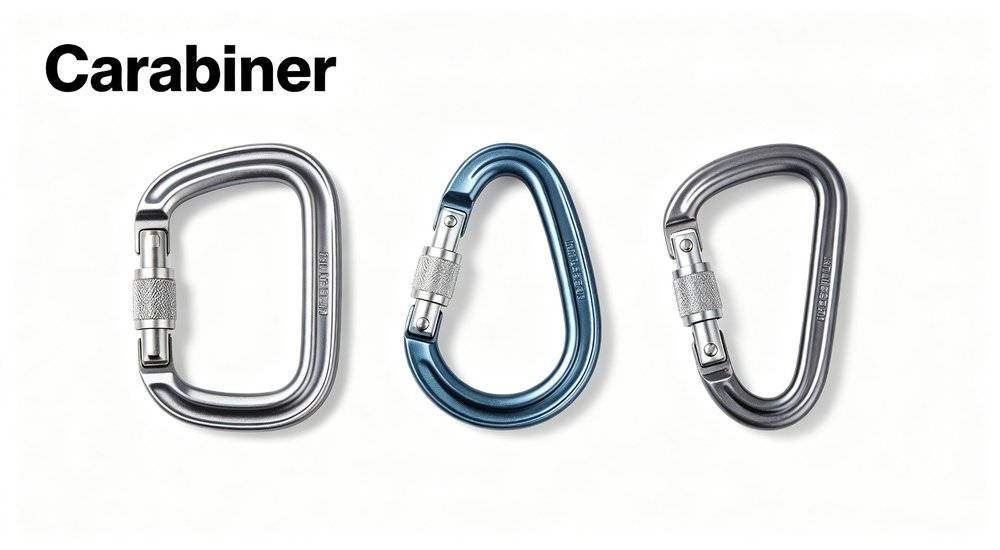
Aluminum alloy climbing carabiners in D shape oval pear shapes, EN 362 certified connectors for rescue rope systems

Emergency Supplies Storage & Rotation Schedule

Proper storage and regular rotation ensure your emergency relief supplies are ready when needed. Here is a detailed emergency supplies storage and rotation schedule:
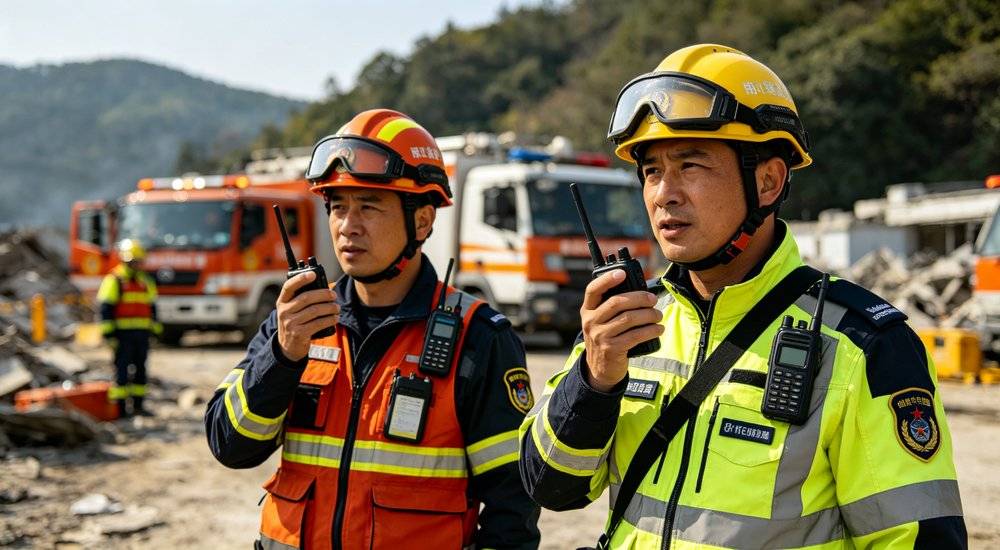

Rescue team using walkie talkie two way radios for communication during emergency operation


Basic Storage Principles

  1. Keep it dry and ventilated: Moisture causes mold, mildew, and rot. Use pallets to keep emergency supplies off the floor, and ensure good airflow.
  2. Label everything: Clearly mark each emergency supply item with the purchase date and expiration date. Use the first-in, first-out (FIFO) method to rotate stock.
  3. Protect from pests: Use sealed containers for blankets, clothing, and hygiene items to prevent damage from rodents and insects.
  4. Keep an inventory list: Maintain a detailed list of all emergency supplies, quantities, and locations. Update it every time you add or remove items.
  5. Special storage for rescue equipment: Load-bearing equipment (safety ropes, harnesses, life jackets) must be stored separately, away from direct sunlight and chemical corrosion, and must be inspected and recorded after each use.


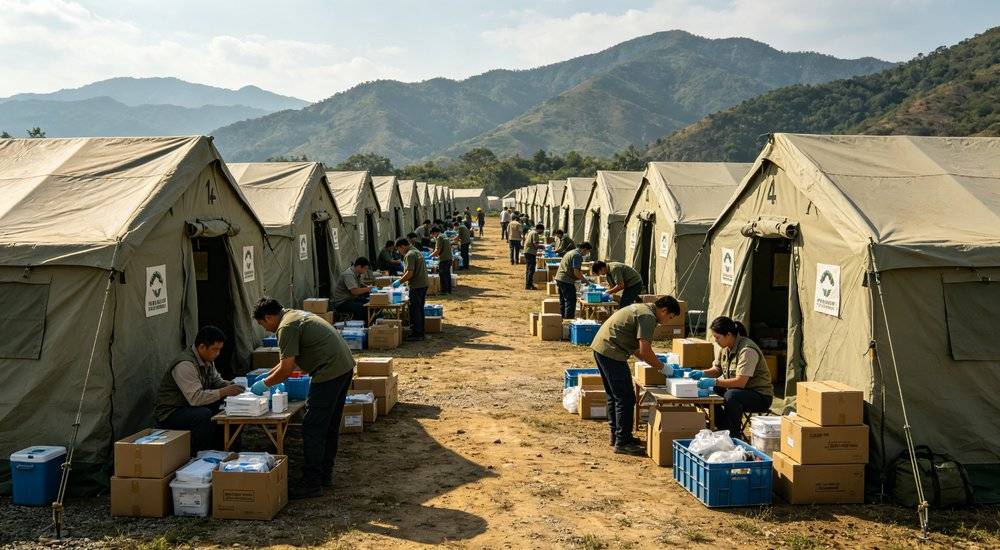
Emergency shelter camp with rows of large relief tents and volunteers organizing supplies, mountainous area background

Emergency Supplies Rotation Schedule


Supply Category

Inspection Frequency

Replacement Cycle

Inspection Points

Tarps/tents

Every 6 months

5-8 years

Waterproof coating, stitching, zippers, mold

Blankets/sleeping bags

Every 6 months

3-5 years

Dampness, mold, moths, warmth retention

Mosquito nets

Every 6 months

3 years (LLIN)

Damage, insecticide effectiveness

Hygiene kits

Every 3 months

2-3 years

Medication/supply expiration, packaging integrity

Safety ropes/harnesses

After each use + quarterly

3-5 years or immediately after impact

Wear, broken fibers, deformation, label integrity

Life jackets

Every 6 months

5-10 years

Buoyancy material, stitching, reflective strips, buckles

Helmets

Inspect after each use

3-5 years or after impact

Cracks, deformation, chin strap, inner lining

First aid kits

Every 3 months

Per medication expiration

Medication expiration, supplies complete, packaging integrity

Walkie-talkies/electronics

Every 3 months

5-7 years

Battery, charging, communication test, waterproof

Raincoats/protective clothing

Every 6 months

3-5 years

Waterproof coating, stitching, reflective strips, zippers


Red medical emergency first aid kits in large and small sizes, trauma supplies first aid kits for disaster relief


✅Section Summary: All supplies inspected every 6 months (hygiene kits, first aid kits, electronics every 3 months), load-bearing equipment must be inspected after each use. Tarps/tents last 5-8 years, blankets/sleeping bags 3-5 years, life jackets 5-10 years, helmets/harnesses replaced immediately after impact.


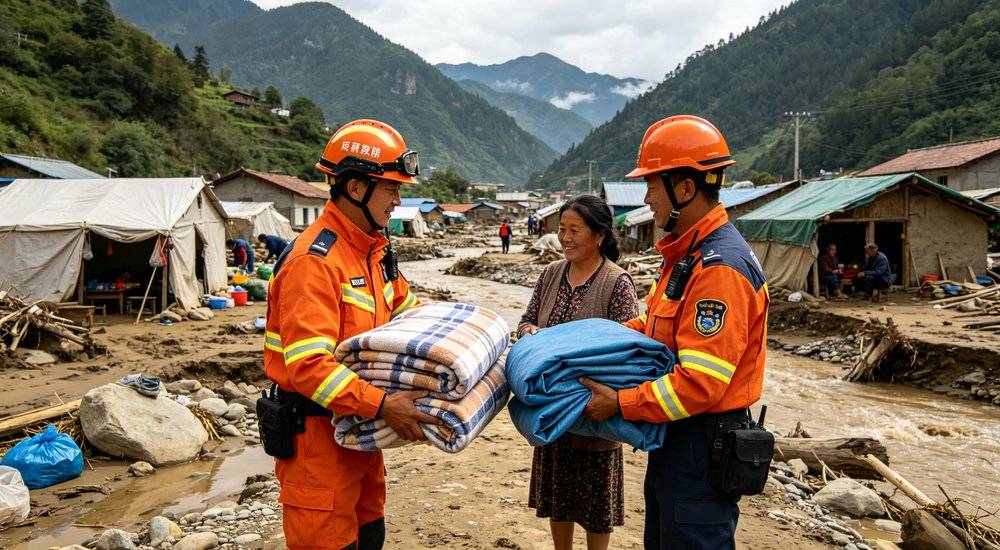
Rescue workers distributing emergency supplies blankets and tarps to affected families in mountain flood disaster area


Common Emergency Stockpile Mistakes in Disaster Preparedness

Avoid these common emergency stockpile mistakes that can render your emergency relief supplies useless when you need them most:
  1. Waiting until disaster strikes to buy: Emergency supplies prices surge and stock disappears during emergencies. Procure wholesale during calm periods when prices are stable.
  2. Storing everything in one location: A single warehouse means a single point of failure. Distribute emergency supplies across multiple locations.
  3. Only storing food and water: Shelter and warmth are equally critical. In mountain disasters, hypothermia can kill faster than dehydration.
  4. Buying and forgetting: Emergency supplies degrade over time. Inspect and rotate your stock every 6 months.
  5. Ignoring local climate needs: Blankets rated for tropical climates won't help in mountain winters. Match your emergency supplies to your local conditions.
  6. Only stocking community supplies, ignoring rescue equipment: Without proper rescue equipment, rescue workers' own safety cannot be guaranteed, and rescue efficiency will be greatly reduced.
  7. No training after procurement: Buying rescue equipment but not knowing how to use it is a waste. Training and drills must be organized after procurement.
  8. Ignoring the rotation schedule: Many organizations buy supplies and forget about them, only to discover expired medications, moldy tarps, and dead batteries when disaster strikes. Strictly follow the rotation schedule.
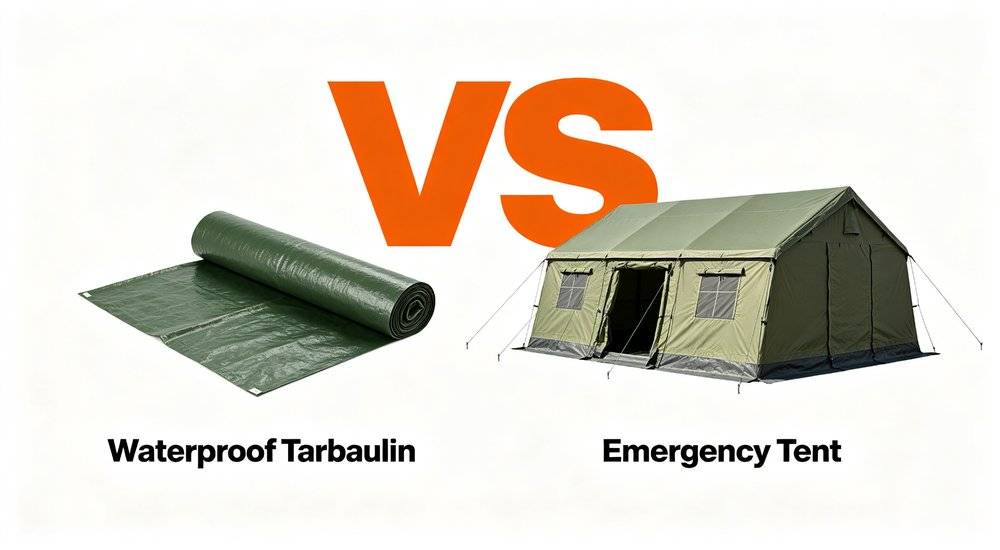
VS comparison waterproof tarpaulin versus large emergency relief tent, which is better for mountain flood disaster relief

Recommended Mountain Flood Emergency Supply Kits (with wholesale price reference)

For convenient wholesale procurement, consider these pre-configured emergency supply kits:
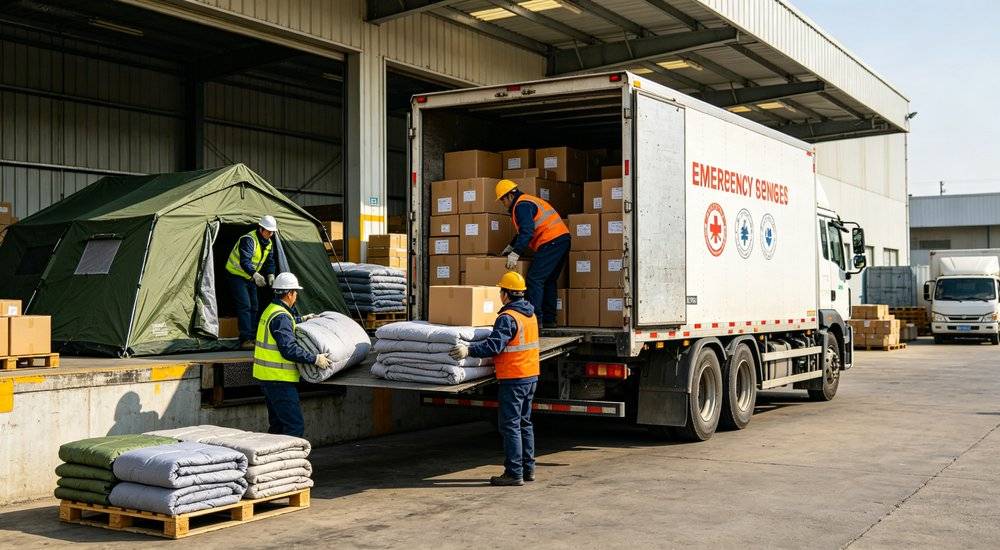

Emergency supplies logistics transportation truck loaded with relief supplies boxes at warehouse loading dock


  • Family Kit (4 people): 4 blankets, 1 four-person tent, 1 4x6m tarp, 4 mosquito nets, 1 hygiene kit set. Wholesale reference price: $80-$120 per kit.


  • Community Shelter Kit (50 people)


    : 50 blankets, 5 ten-person tents, 10 6x8m tarps, 50 mosquito nets, 50 hygiene kits. Wholesale reference price: $1,200-$1,800 per kit.


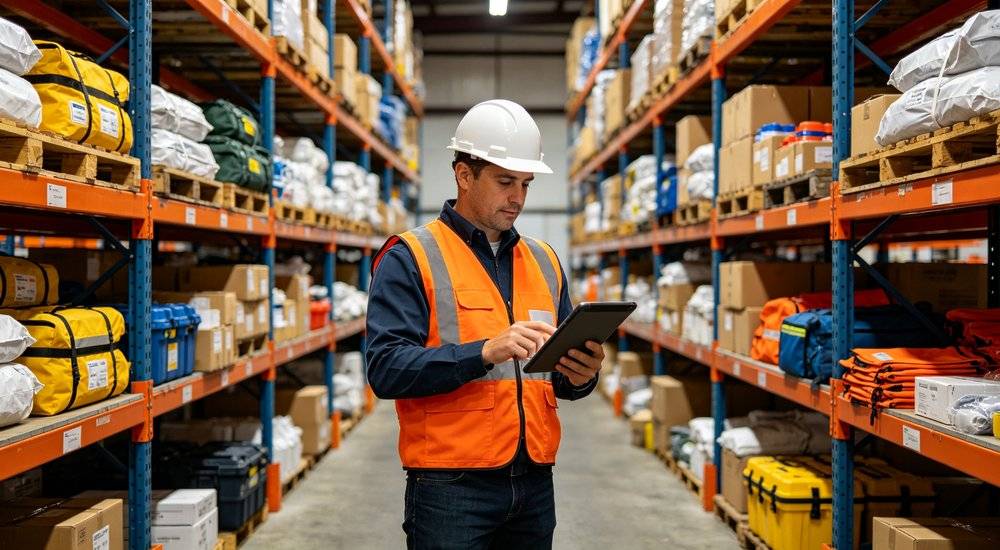
Emergency supplies warehouse inventory management with worker checking stock using tablet computer


  • Hospital Emergency Kit: 100 blankets, 20 tarps for triage areas, 100 hygiene kits, 50 pairs of work gloves, 50 raincoats. Wholesale reference price: $1,500-$2,200 per kit.
  • 20-Person Rescue Team Basic Equipment Kit: 20 rescue uniforms + work pants, 20 safety boots, 20 helmets + headlamps, 20 goggles, 20 N95 masks, 20 work gloves, 20 raincoats, 20 life jackets, 20 safety ropes, 10 walkie-talkies, 2 extrication tool sets, 2 first aid kits, 4 portable work lights. Wholesale reference price: $8,000-$15,000 per kit.


* Prices are wholesale reference ranges. Actual prices depend on quantity, material, and customization requirements. We support government and NGO bulk wholesale orders.
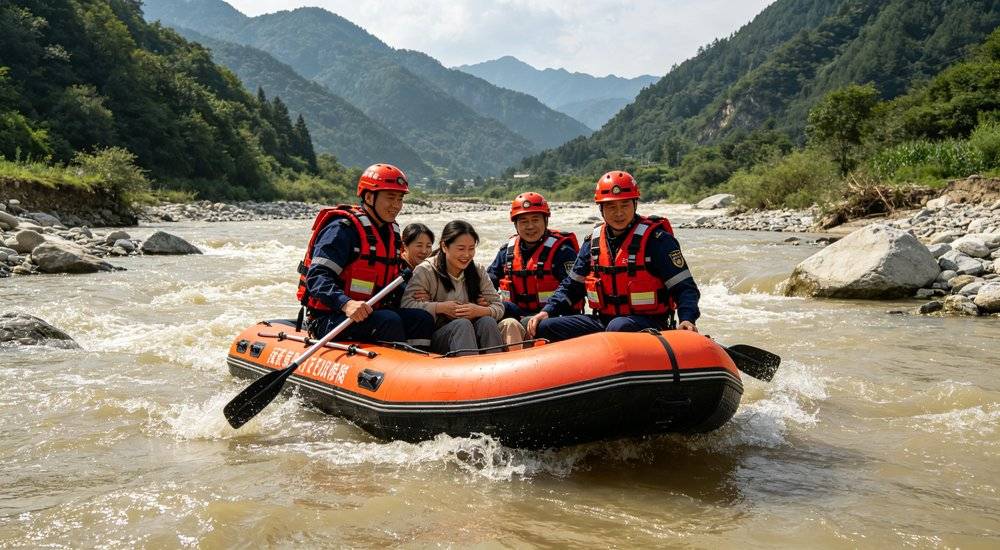

Water rescue operation in mountain flood with rescue workers in life jackets using inflatable boat to evacuate people


Why Choose Our Emergency Relief Supplies: 20 Years Wholesale Supplier from China


✅ Our Core Advantages

  • 20+ years manufacturing emergency relief supplies: Focused on government, NGO, hospital, school, and rescue agency B-end wholesale clients, familiar with international disaster relief standards and rescue equipment safety standards.
  • Wholesale pricing: Own manufacturing facility, no middlemen, more competitive pricing for bulk wholesale orders.
  • Bulk stock available: Common规格 tarps, blankets, mosquito nets, rescue uniforms, safety boots, gloves kept in stock for immediate shipment to meet emergency needs.
  • Customization services: Custom LOGO printing, colors, sizing, and packaging for government and NGO wholesale orders. MOQ from 50 pieces per style, lead time 4-6 weeks. Rescue uniforms and safety boots can be customized with team identification and numbering.
  • Quality assurance: Products meet CE, EN ISO 20345 (safety boots), EN 343 (waterproof clothing), EN 397 (helmets), EN 388 (gloves), ISO 12402 (life jackets) and other international standards, third-party inspection supported, quality inspection reports provided for bulk orders.
  • Professional team: Familiar with export procedures, can provide complete export documentation and logistics solutions. Can customize complete emergency supplies and rescue equipment wholesale solutions based on client requirements.
  • One-stop wholesale procurement: From affected community supplies to rescue worker equipment, from personal protection to team tools, one-stop fulfillment saves procurement time and costs.


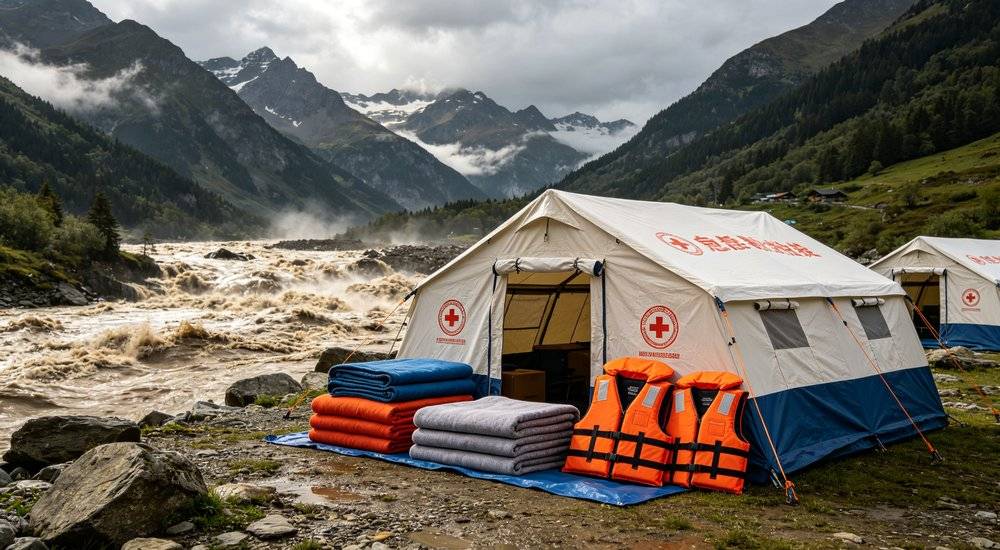
Hero cover image mountain flood emergency supplies article with dramatic flood background and large emergency relief tents


Bottom Line: Prepare Emergency Supplies Before Disaster Strikes


Complete emergency hygiene kit with toothbrush soap towel sanitary supplies, personal hygiene supplies for disaster relief

With over 20 years of experience in emergency supplies, The Nepal glacial flood is a reminder that mountain disasters can happen without warning. A glacier collapse can block a river, and within hours, the built-up water can flood an entire valley. These events often happen without heavy rainfall or obvious warning signs, leaving no time to request external help.


When that happens, the emergency relief supplies you have already stored locally are the only ones that can help. When disaster strikes, communities with pre-positioned emergency supplies and rescue equipment can respond in hours; communities without them wait days. That difference is measured in lives.
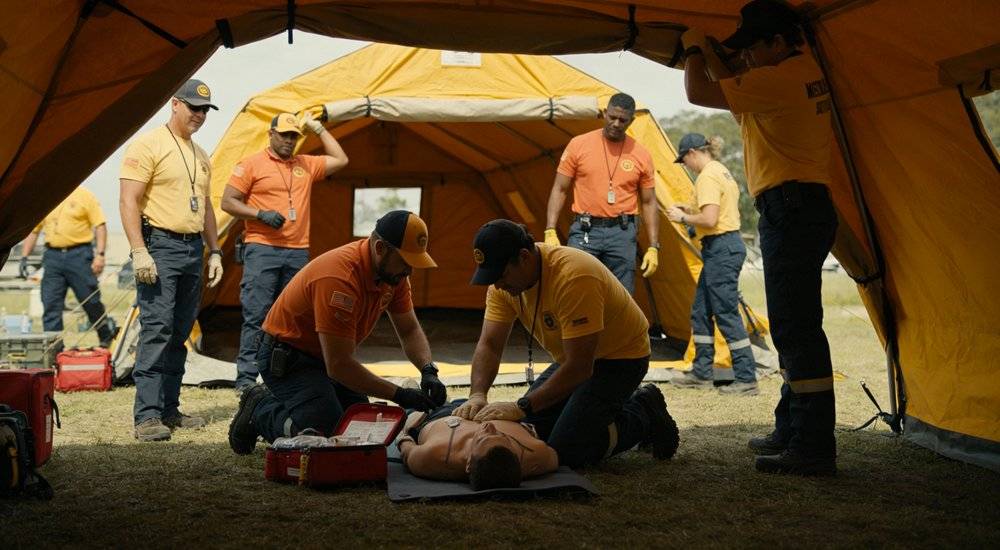

Emergency response team training session with volunteers learning how to set up large emergency tents and use first aid kits


Disaster preparedness is a practical necessity for mountain communities, not a pessimistic prediction. Disasters happen, and the communities that recover fastest are the ones that prepared emergency relief supplies and rescue equipment in advance.


Contact Us for a Customized Emergency Supplies & Rescue Equipment Wholesale Solution
If you are responsible for emergency relief supplies wholesale procurement for your organization, municipality, or rescue team, start building your local emergency stockpile today. We provide waterproof tarps, emergency tents, blankets, mosquito nets, hygiene kits and other affected community supplies, as well as rescue uniforms, safety boots, helmets, goggles, life jackets, rescue tools and other professional rescue equipment—all designed for mountain disaster relief. We offer custom printing, sizing, and packaging for government and NGO wholesale orders, with bulk stock available for immediate shipment.
Contact us today for a customized emergency supplies and rescue equipment wholesale solution, or download our free emergency supply checklist. Request a wholesale quote and let us help you prepare before the next disaster strikes.



Frequently Asked Questions (12)


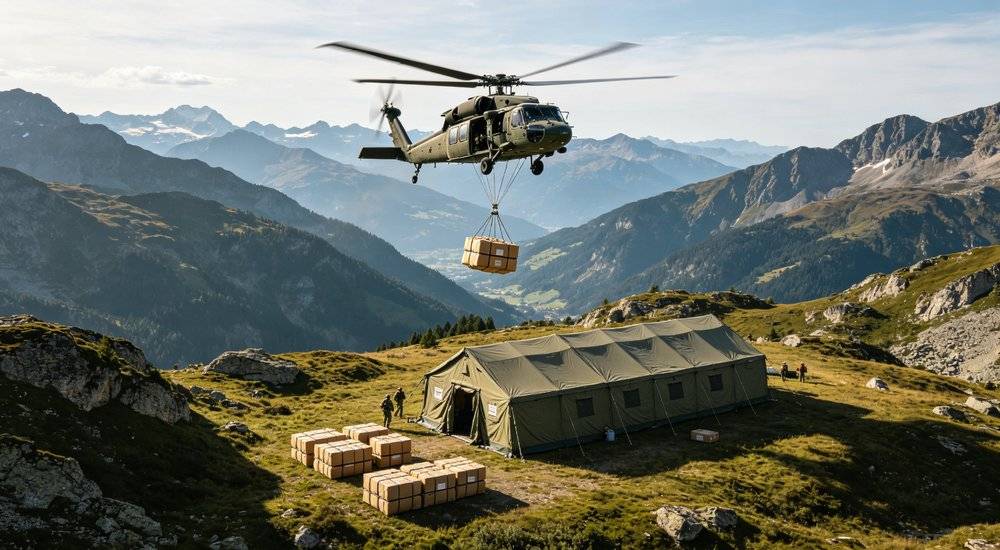
Helicopter airdropping emergency supplies in mountainous area, relief supplies packages being dropped from helicopter


1. How many emergency blankets per person should I stock for flood preparedness?

For a 72-hour emergency, plan for 1 blanket per person. For longer-term displacement or colder climates, increase to 2 blankets per person. High-altitude regions recommend increasing to 2-3 blankets per person.

2. How long can emergency disaster supplies be stored?

You can store most emergency supplies for 3-5 years if you keep them properly. Tarps and tents can last 5-8 years, while hygiene kits should be rotated every 2-3 years. Rescue equipment (load-bearing gear such as safety ropes, harnesses, life jackets) should be replaced every 3-5 years or immediately after impact. All supplies should be inspected every 6 months (hygiene kits, first aid kits, electronics every 3 months).
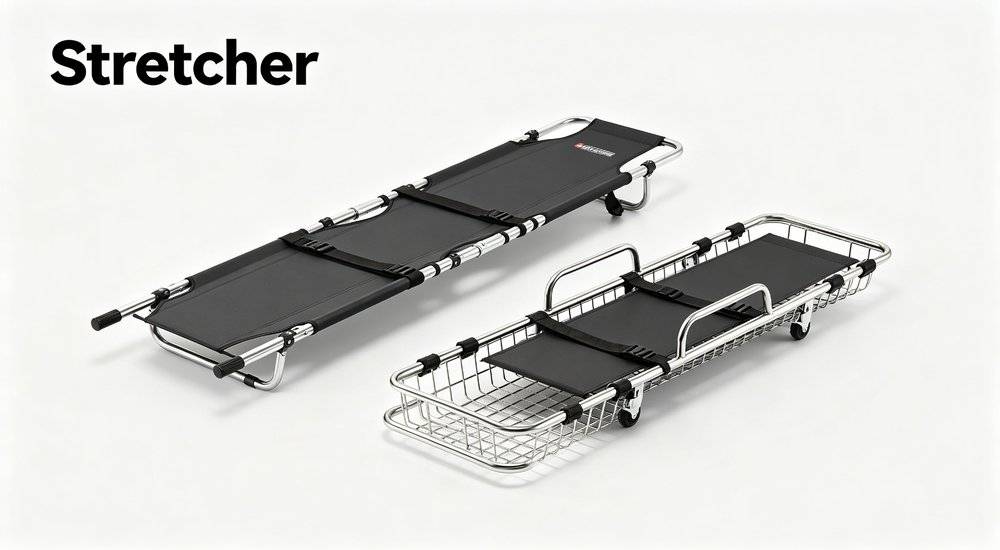


Emergency medical rescue stretchers folding and basket types, patient transport stretchers for disaster relief


3. What is the difference between waterproof tarps and emergency tents for disaster relief?

Tarps are versatile, lightweight, and affordable—ideal for temporary roofs, ground covers, and dividers. Tents provide better protection and privacy but are heavier and more expensive. For maximum flexibility, we recommend stocking both. Tarps are suitable for emergency rapid deployment, while tents are suitable for longer-term displacement settlement.


4. How much does a mountain disaster emergency stockpile cost for disaster preparedness?

Costs vary based on quantity and quality. A basic 72-hour affected community supplies kit for 100 people typically costs $1,500-$3,000. A 20-person rescue team basic equipment package starts from $8,000. Standard rescue team equipment packages are approximately $15,000-$25,000. Professional versions are $20,000+. Contact us for a detailed wholesale quotation based on your specific needs.
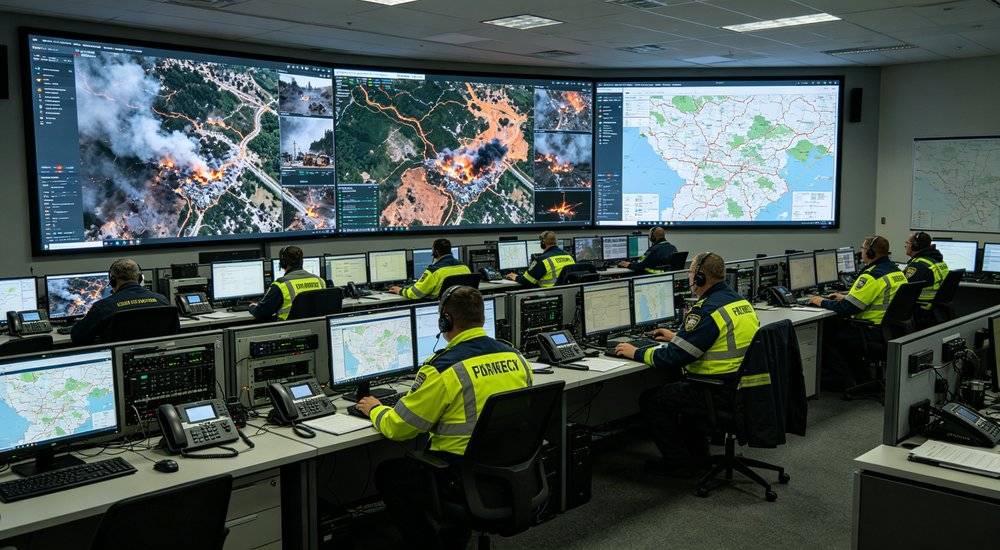


Emergency operations command center with workers monitoring maps and communication equipment, large screens showing disaster areas


5. Can disaster relief emergency mosquito nets be reused?
Long-lasting insecticidal nets (LLINs) can be used for up to 3 years or 20 washes. Standard mosquito nets can be reused if not damaged and re-treated with insecticide. We recommend checking for damage after each use, and repairing or replacing promptly if damaged.


6. What emergency supplies are most needed in the first 72 hours after a mountain flood?

The most critical affected community emergency supplies in the first 72 hours are: waterproof tarps for shelter, warm blankets to prevent hypothermia, clean water and purification, basic hygiene kits, and mosquito nets for disease prevention. For rescue teams, personal protective equipment (rescue uniforms, safety boots, helmets, gloves, life jackets) and rescue tools (extrication tools, first aid kits, lighting, communication) are equally critical.
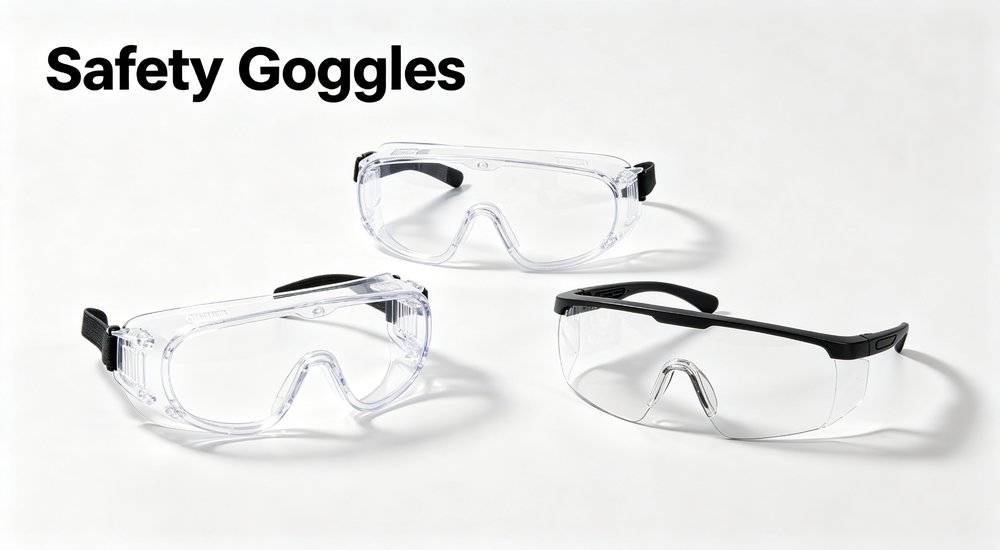


Clear lens anti-fog safety goggles protective eyewear in 3 styles, EN 166 certified goggles for emergency rescue workers eye protection


7. What equipment does a mountain flood rescue team need?

A standard mountain flood rescue team needs: rescue uniforms and work pants (EN 343 waterproof), safety boots (EN ISO 20345), helmets (EN 397), goggles (EN 166), N95 masks, work gloves (EN 388), raincoats, life jackets (ISO 12402), safety harnesses and ropes, headlamps, walkie-talkies, first aid kits, multi-tools, shovels and pickaxes, and stretchers. By rescue type, also need: water rescue (inflatable boats, throw rope bags), high-angle rescue (ascenders/descenders/pulleys), extrication rescue (hydraulic cutters), medical rescue (AED, oxygen). A 20-person team basic equipment costs approximately $8,000-$15,000 (wholesale price).


8. What safety gear is required for flood rescue workers?

Flood rescue workers require: waterproof work uniforms and work pants (meets EN 343 waterproof standard), steel-toe safety boots (meets EN ISO 20345 standard), rescue helmets with chin straps (meets EN 397 standard), protective goggles (meets EN 166 standard), N95+ protective masks, heavy-duty work gloves (meets EN 388 cut and puncture resistant standard), high-visibility raincoats, life jackets for water rescue (meets ISO 12402 standard, buoyancy ≥75N), and thermal blankets for hypothermia prevention. All gear should meet international safety standards, and certification documents should be requested when purchasing wholesale.
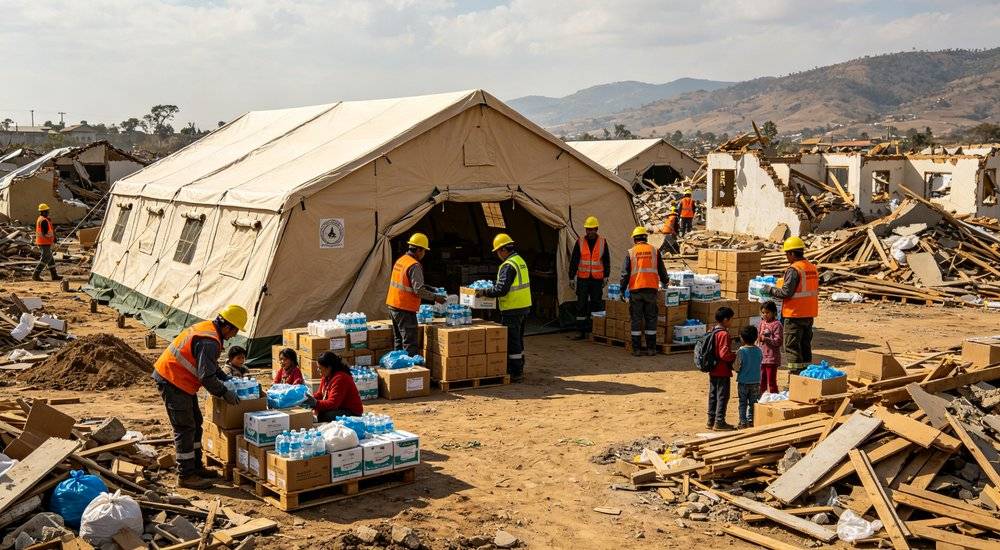


Post disaster reconstruction with workers setting up large emergency relief tents and distributing supplies, families starting to rebuild


9. How many rescue workers per 1000 affected people for mountain flood response?

The standard ratio is approximately 15-25 rescue workers per 1,000 affected people in mountain regions. For search and rescue operations, a minimum of 20 trained workers per team is recommended, with at least 3 teams rotating shifts. Each worker needs a full set of personal protective equipment plus shared rescue tools. By this ratio, a 1,000-person affected community needs approximately 2-3 teams of 20 rescue workers, i.e., 40-60 rescue personnel.
10. What basic rescue tools are essential for mountain flood and landslide response?
Essential rescue tools include: shovels and pickaxes for debris removal, crowbars and multi-tool knives for extrication, hydraulic cutters for vehicle extrication, rope and harness systems for high-angle rescue, stretchers and evacuation chairs for casualty transport, headlamps and portable lighting for night operations, walkie-talkies for communication, and first aid kits with trauma supplies. A basic 20-person team tool kit wholesale price is approximately $3,000-$6,000. Standard version adding water rescue and high-angle rescue equipment costs approximately $8,000-$12,000.


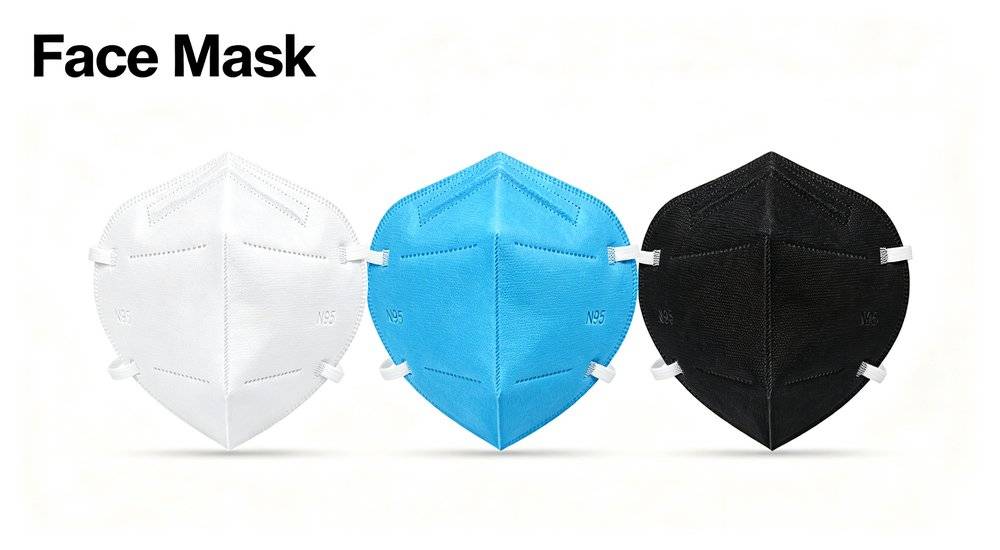
N95 respiratory protection face masks in white blue black colors, disposable face masks for emergency disaster relief workers respiratory protection


11. How often should rescue equipment be inspected and replaced for disaster preparedness?
Rescue equipment should be inspected before and after every use, and at least quarterly during non-use periods. Personal protective equipment (helmets, harnesses, life jackets) should be replaced every 3-5 years or immediately after any impact or damage. Tools and communication devices should be replaced every 5-7 years. Always follow the supplier's recommended replacement schedule and keep detailed inspection records. Load-bearing equipment (safety ropes, harnesses, life jackets) must be immediately retired and replaced after impact, and cannot continue to be used.


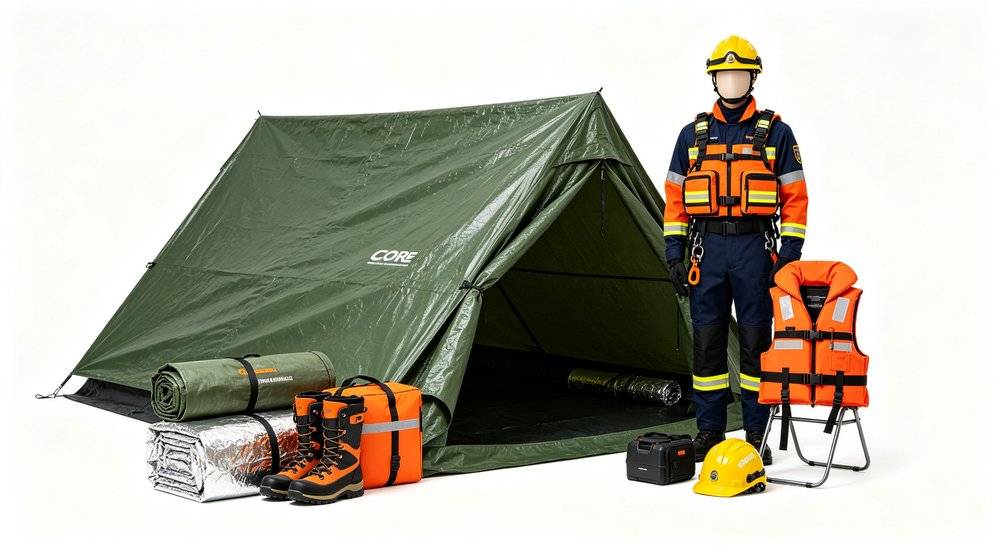
Core emergency products combo with waterproof tarpaulin large emergency tent emergency blanket life jacket rescue uniform


12. Can rescue uniforms and work pants be wholesale customized with team logos?
Yes, rescue uniforms, work pants, safety vests, and raincoats can all be wholesale customized with team logos, department names, and identification numbers. OEM, private label, custom printing and embroidery are available for government, military, and NGO wholesale orders. The minimum order quantity for custom items starts from 50 pieces per style. Fast delivery: lead time for custom orders is approximately 4-6 weeks. As a trusted China supplier, we provide free design services, and can create design drafts based on the LOGO and identification requirements provided by the client, and arrange production after confirmation.


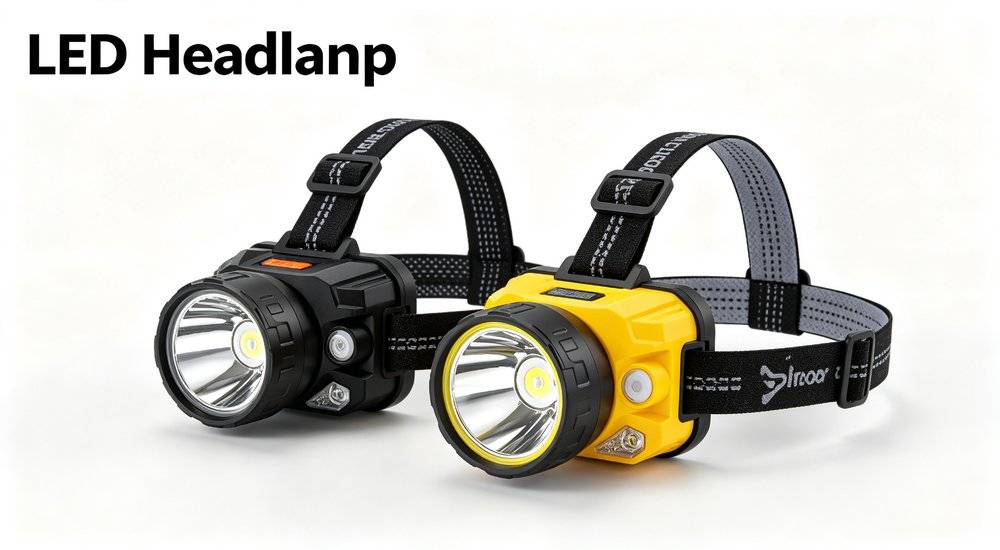
Rechargeable waterproof LED headlamps in black and yellow, hands-free head torches for night time mountain flood emergency rescue


droits dauteur © Custom Disaster - Relief Bedding: Tents, Sleeping Bags, Blankets Tous les droits sont réservés

Laisser un message

    Si vous avez des questions ou des suggestions, laissez-nous un message, nous vous répondrons dès que possible!


léquipe professionnelle au service !