×
entrez votre mot-clé
Catégories
Factory Fire Safety Practical Industrial Fire Protection Guide

Published: October 22, 2026 | Last Updated: October 22, 2026

Factory Fire Safety : A Practical Industrial Fire Protection Guide


Factory fires rarely start with an explosion. They start with an overloaded panel, a missed inspection, or an unattended hot-work spark. This factory fire safety guide explains how industrial fire protection prevents losses before a flame appears. Strong industrial fire safety prevents downtime.


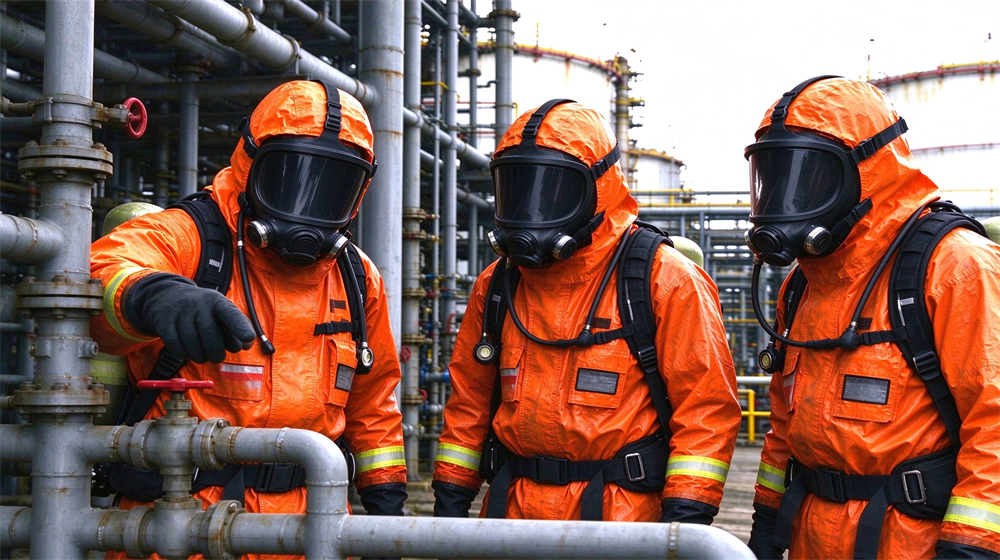
Three workers in orange chemical protective suits with full face respirators inspect pipeline valves inside industrial refinery plant


A small ignition inside a warehouse reaches the sprinkler stage in minutes. Stored cardboard, pallets and packaging feed the flame fast. Without compartmentation, smoke and heat travel to every corner, and without an alarm people discover the fire by smell instead of by a bell. Strong industrial fire safety habits — hot-work permits, housekeeping and tested alarms — stop that ignition before it ever reaches the sprinkler stage.
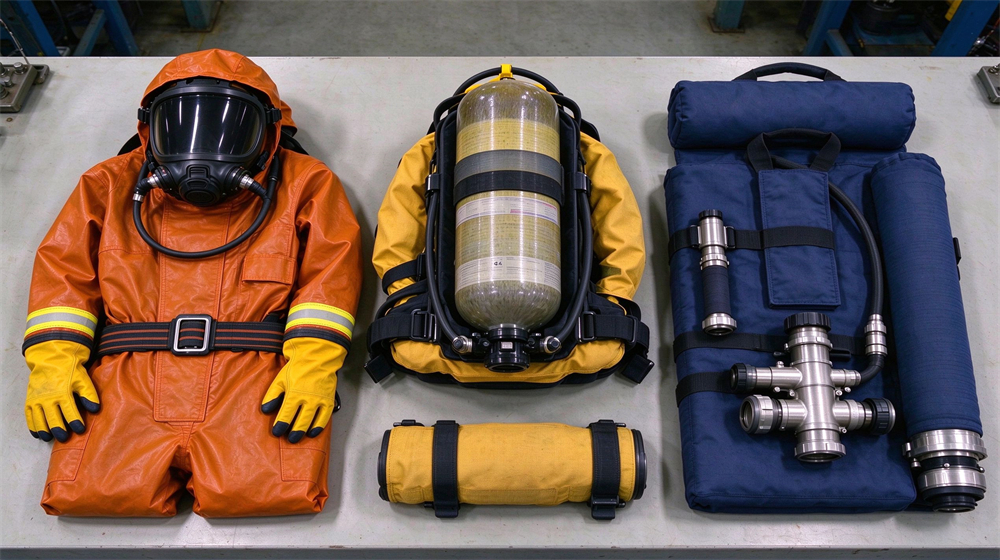


Orange chemical protective suit, air breathing apparatus and fire hose equipment neatly laid flat on inspection table


Effective protection layers the building, the systems, and the people. The building confines fire to one zone. Systems detect it early and suppress it automatically. People know the route, the assembly point, and their role. No single layer does the whole job alone.
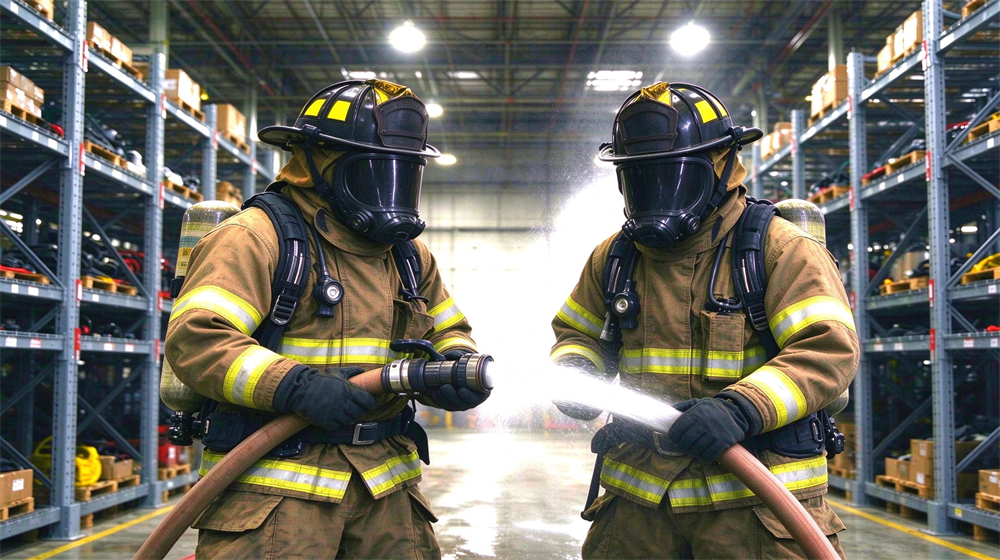


Two firefighters in brown turnout gear with reflective strips test fire hose nozzle spraying water inside warehouse


This guide walks through hazards, compartmentation, detection, suppression, electrical safety, hot work, training, evacuation, and response gear. Use it to audit your facility, plan upgrades, and brief your team. Compare your current setup against each section before you buy equipment.



Factory inspector with white hard hat and high visibility safety vest holds clipboard while walking through manufacturing workshop


Bottom line: confine the fire, detect it early, suppress it fast, and drill the people. That is the core of credible industrial fire protection.

1. Why Factory Fire Safety Matters
2. Common Workplace Fire Hazards
3. Fire Compartmentation and Construction
4. Fire Detection and Alarm Systems
5. Fire Suppression Equipment
6. Electrical Fire Safety
7. Hot Work and Chemical Storage
8. Employee Fire Training
9. Emergency Evacuation Plan and Drills
10. Emergency Response Team and PPE
11. Factory Fire Safety FAQ
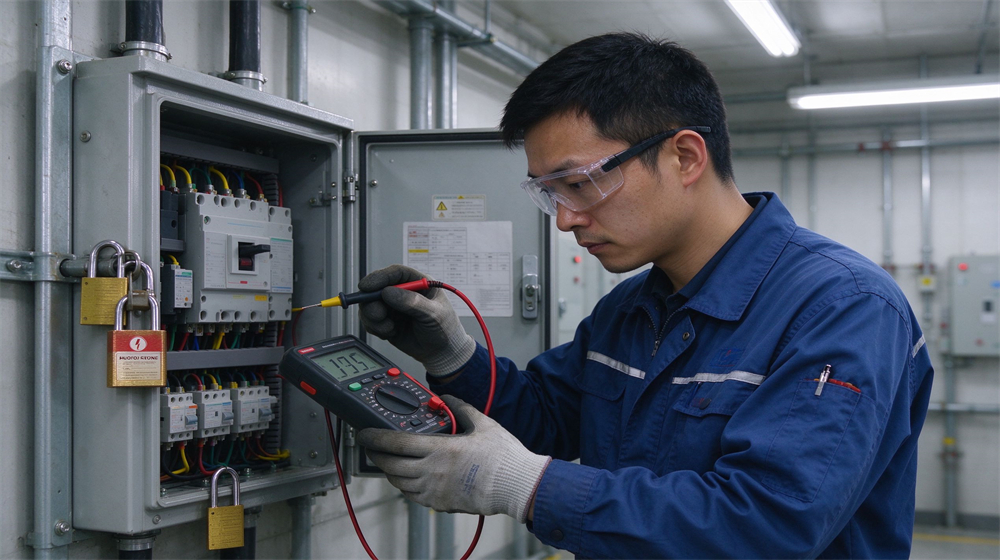


Technician wearing safety goggles uses digital multimeter to test voltage inside electrical distribution cabinet


1. Why Factory Fire Safety Matters

A factory fire is not just property loss. It stops production, endangers staff, and can close a business for good. Most industrial fires are preventable, yet they still happen because a check was skipped or a procedure was treated as paperwork.


The cost of a fire stacks up fast. Direct damage hits the building and stock. Indirect costs include downtime, re-routed orders, insurance claims, and staff overtime. A single weekend of fire can erase a quarter of profit.


Workplace fire safety shifts the mindset from reaction to prevention. Instead of asking how to put a fire out, ask how to stop it starting. Good record-keeping, clear access, and routine inspections catch the small problems before they become large ones.


Regulators expect a documented program. OSHA and NFPA set expectations for exits, extinguishers, alarms, and training. A written plan plus a practiced drill is the baseline, not the bonus.


Small and mid-sized factories often under-invest in the basics. They buy equipment but skip the written plan and the drill. When an alarm sounds, people guess. A documented program costs little and removes that guesswork.


Factory fire safety is also a hiring and customer issue. Auditors from buyers and insurers ask for records: inspection logs, drill dates, training rosters. A tidy file shows the program is real, not decorative.
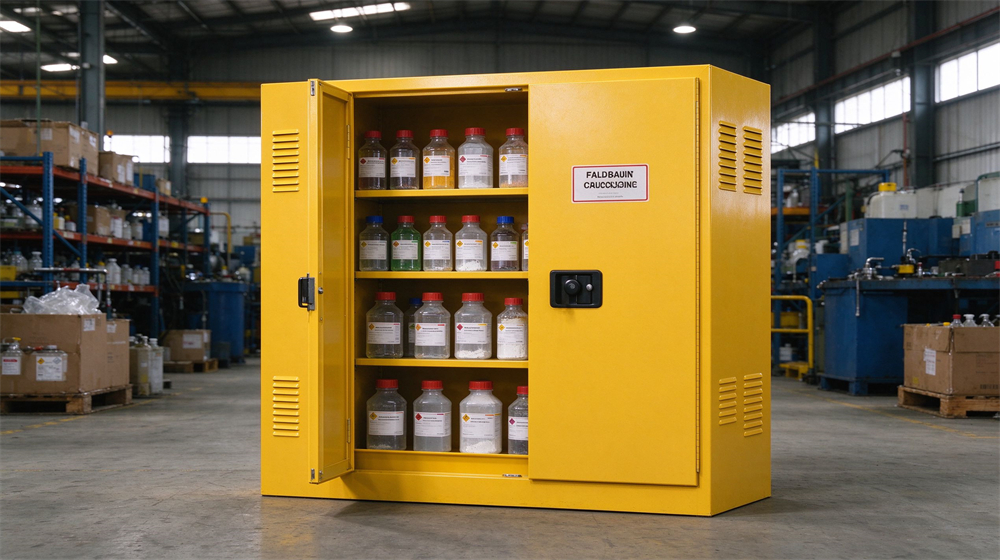


Yellow flammable safety cabinet with open door, chemical reagent bottles neatly placed inside in warehouse


Treat fire safety as a standing budget line. Inspections, extinguisher service, and training renewals recur every year. Skipping one cycle to save money is borrowing against a future disaster.


A fire safety program also protects jobs. A facility that burns down may never reopen. The staff who depended on it lose their income. Prevention is, in the end, about keeping people employed.


Compare your records against the hazards on the floor. If the written list has not been updated in two years, the floor has changed without it. Re-walk the building each quarter.


Leadership sets the tone. When managers treat drills seriously, staff do too. When a drill is treated as a joke, the first real alarm becomes dangerous. Model the behavior you expect.


Document the program in plain language. A binder nobody reads is not a program. Keep the plan on the intranet and post the exit maps where people actually walk by.


Budget the annual service contracts now. Extinguisher servicing, sprinkler inspection, and alarm monitoring recur on fixed dates. Missing one date is a finding on the next audit.


Share the lessons from other facilities. Public incident reports describe what failed and why. Reading them costs nothing and prevents repeating someone else's mistake on your own floor.
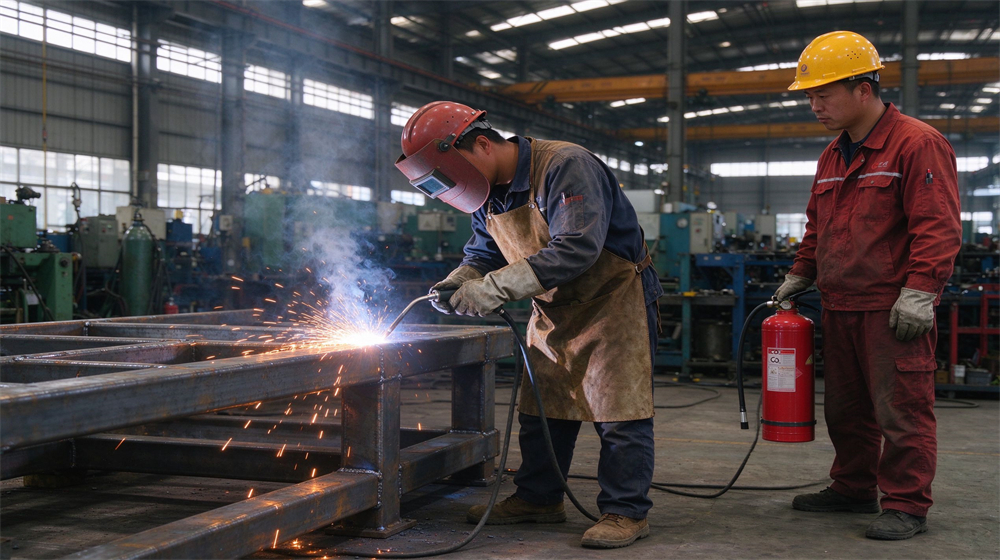


Welder with welding helmet works on steel frame while another worker stands by with fire extinguisher in factory workshop


2. Common Workplace Fire Hazards

Every facility has a hazard list, but not every list matches the real floor. A hazard assessment maps what burns, what ignites it, and where people gather. The next step is controlling each source.

Combustibles top the list. Packaging, pallets, fabrics, dust, and liquids all burn. Keep them away from ignition sources, and never block sprinkler clearance with stored material.


Electrical faults cause a large share of industrial fires. Overloaded circuits, damaged cords, and overheated panels start quietly and smolder before they flame. Hot work is another frequent trigger, and so is flammable liquid storage.


Table 1: Common industrial fire hazards and controls


Hazard

Typical source

Primary control

Combustible storage

Pallets, packaging, fabric, dust

Segregate, clear sprinkler clearance, limit pile height

Electrical fault

Overloaded panels, damaged cords

Load checks, scheduled inspection, cord replacement

Hot work

Welding, cutting, grinding

Permit system, fire watch, 30 minute post-work watch

Flammable liquids

Solvents, paints, fuels

Flame cabinets, spill control, limited on-hand stock

Dust explosion

Wood, grain, metal, sugar dust

Dust collection, housekeeping, ignition control
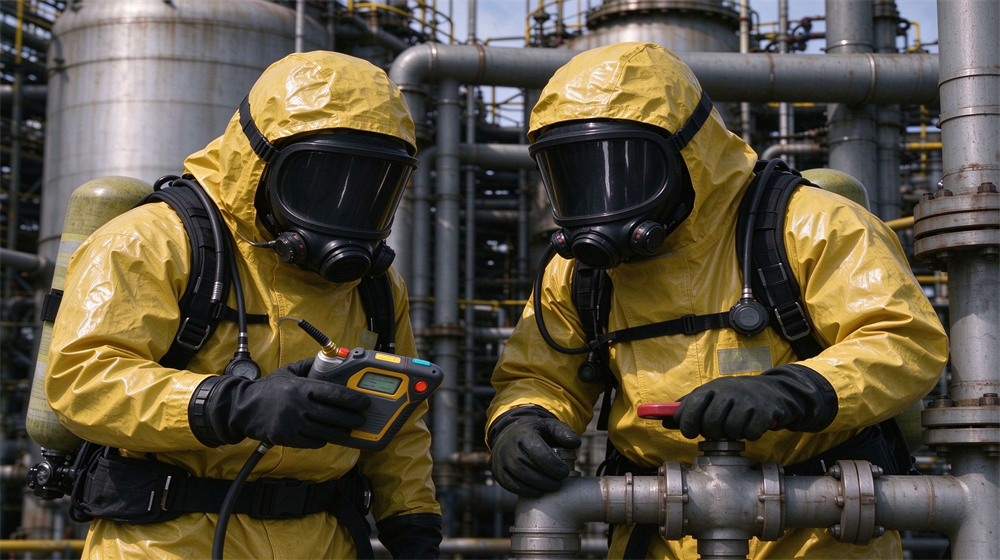


Two workers in yellow chemical protective suits use gas detector and operate pipeline valve at chemical plant


Map your floor against this list. The hazards that surprise inspectors are usually the ones written down but never walked.


Dust is a special hazard people forget. Fine organic or metal dust suspended in air explodes with force. Even a small layer on beams and ledges feeds a flash. Regular dust control is not housekeeping; it is explosion prevention.


Loading docks and battery rooms deserve a second look. Forklift charging emits hydrogen gas, and idling trucks bring exhaust close to stock. Ventilate these zones, and keep flammables away from them.


Housekeeping is fire control. Grease on floors, lint in ducts, and cardboard by machines all fuel a first ignition. A clean floor is a visible sign that fire safety is taken seriously.


Know your occupancy load. The number of people in a building shapes exit width and assembly space. If headcount has grown since the last design, re-check the egress.


External contractors bring unfamiliar equipment and practices. Brief them on your alarms and exits before they start. A contractor who does not know the sound of your bell is a risk on the day.
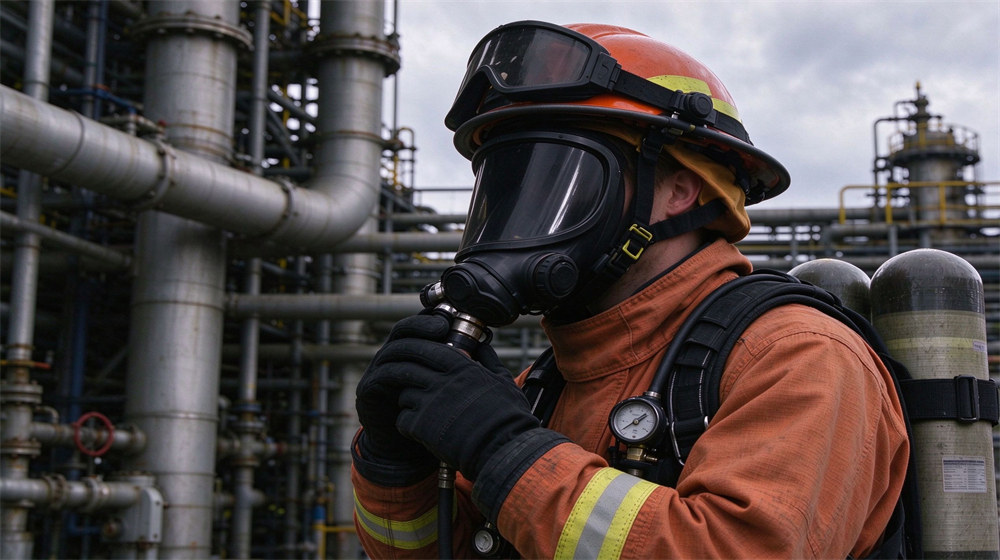


Firefighter wearing orange fire suit, safety helmet and full-face breathing apparatus carefully adjusts the air supply hose in petrochemical processing facility.


3. Fire Compartmentation and Construction

Compartmentation is the most powerful passive tool in industrial fire protection. It divides a building into zones so a fire cannot race from one end to the other. Walls, floors, and doors hold the fire long enough for people to leave and for responders to arrive.


Fire-rated walls carry a rating in minutes. A one-hour wall buys one hour of containment. Doors must be rated too, and kept closed. A door propped open defeats the entire wall.


Penetrations are the weak point. Pipes, cables, and ductwork crossing a fire wall must be sealed with rated firestop material. An unsealed hole lets smoke and flame bypass the wall completely.


Compartmentation also protects the escape route. Stairwells and corridors stay tenable when doors close and vents stay controlled. Review the zoning when you reconfigure the floor plan, because a new machine line can cut across a protected zone.


Horizontal and vertical spread both matter. A wall stops sideways flame, but ductwork and open stairwells carry smoke upward. Vertical shafts need their own firestopping and dampers.


Doors and walls are only as strong as the whole assembly. A one-hour wall with a fifteen-minute door is a fifteen-minute result. Match every component, and document the rating of the assembly.
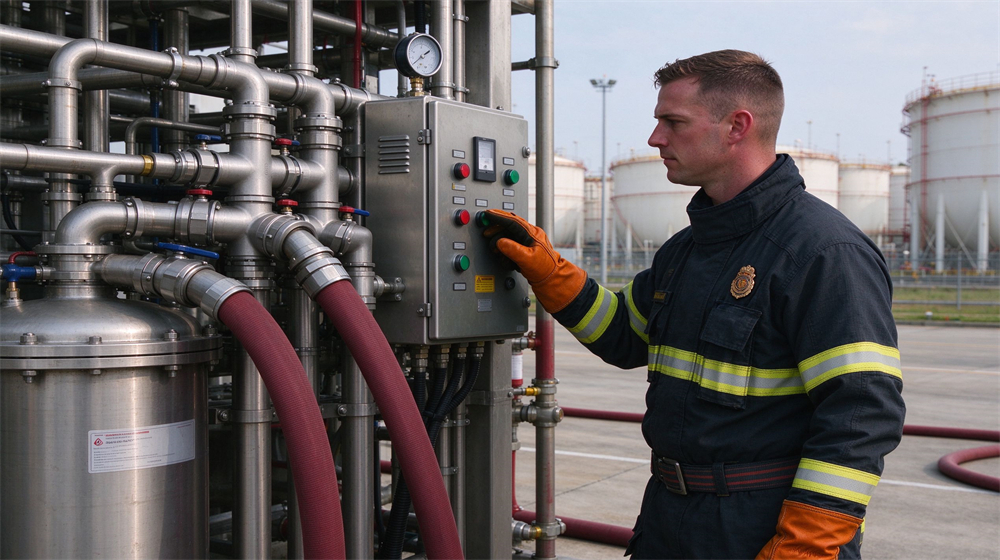


Firefighter in dark fire uniform with reflective stripes presses control button on stainless control panel at industrial tank farm.


Compartmentation also supports insurance. Insurers price risk partly on how well a building contains a fire. Good zoning lowers the modeled loss and the premium.


Keep fire doors self-closing. A door that someone has wedged open is a broken compartment. Check that hold-open devices release on alarm, and never defeat them.


Store flammable liquids inside rated rooms, not on the main floor. A separate fire-rated storage room contains the worst-case spill at its source instead of alongside the line.


Keep records of every penetration seal. When a contractor drills through a rated wall, log what was sealed and how. A future owner or auditor can then trust the zoning still holds.


Table 2: Compartmentation elements and purpose


Element

Role

Common failure

Fire-rated wall

Stops flame spread between zones

Unsealed cable penetrations

Rated door

Keeps the wall assembly complete

Propped open, damaged seal

Firestop seal

Seals around pipes and cables

Re-sealed with ordinary caulk

Damper

Closes ductwork on alarm

Missing or manually disabled


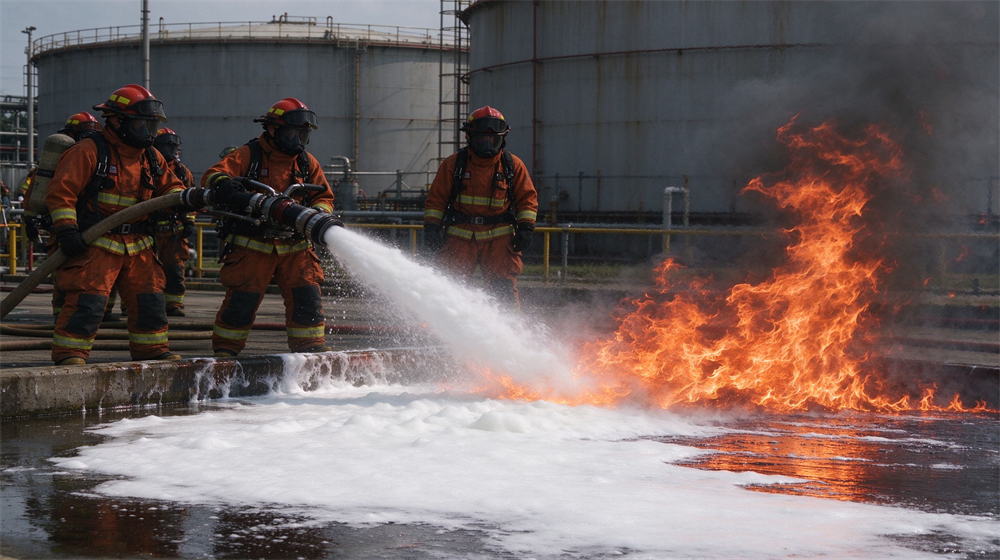
Firefighters in orange fire fighting suits operate foam nozzle to spray fire suppression foam towards burning liquid fire at industrial tank farm.


4. Fire Detection and Alarm Systems

Detection is what turns a small fire into a noticed one. Smoke detectors, heat detectors, and manual pull stations cover different stages of a fire. Smoke detectors catch it early; heat detectors handle dusty or steamy rooms where smoke detectors false-alarm.


The alarm must reach everyone. Audible horns plus visual strobes cover noisy and hearing-impaired areas. A voice evacuation system gives clearer instructions than a repeating beep, especially in large plants.


Zoned detection helps responders. A panel shows the zone on fire, so crews go to the right door instead of searching. Test detectors on a schedule, and keep the panel record intact.


False alarms train people to ignore the bell. Address nuisance sources, but never disable a detector to stop a nuisance. That trade-off is how facilities end up with a real fire nobody trusts.


Integration matters. The alarm panel should also trigger suppression, close dampers, and unlock exits. A fire that only rings a bell, while the ventilation keeps feeding it, is half-protected.
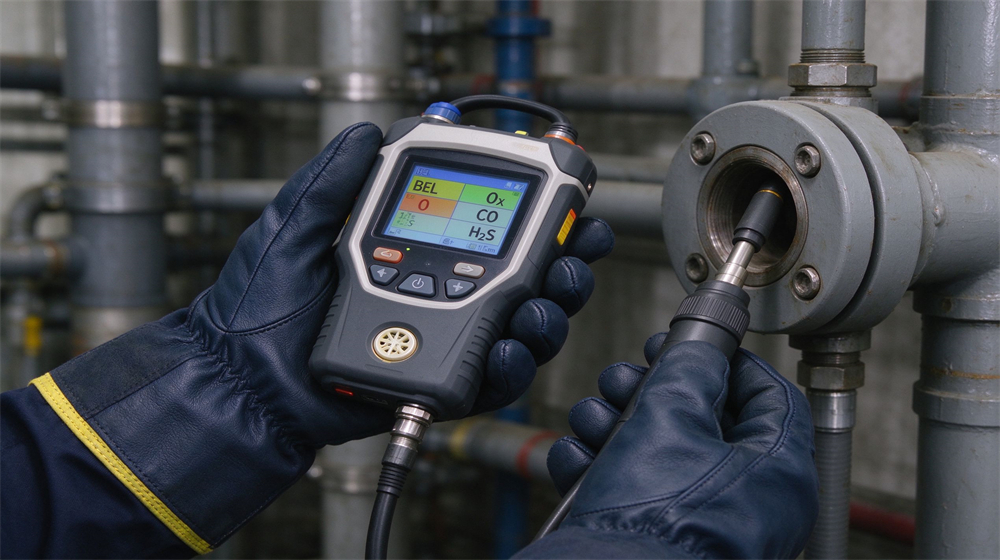


Worker wearing dark safety gloves holds multi gas detector and inserts sampling probe into pipeline flange for gas concentration inspection.


Keep detector records. Each unit has a date and a location. When a unit fails, you know which one and why. A clean log helps insurers and auditors, and it speeds up maintenance.


Choose the detector type for the room. Optical smoke suits clean open areas, ionisation detects fast-flaming fires early, and heat detectors suit kitchens and dusty shops. Mismatched detectors are either slow or noisy.


Test the full system, not just the devices. Walk the loop: pull a station, confirm the panel alarms, the horns sound, and the right zone lights. A single broken device that nobody noticed is the gap.


Backup power keeps the alarm alive. The panel runs on battery when mains fail. Test the battery load, because a dead backup leaves you silent during the very fire that cuts power.


Coordinate the alarm with the phone system. A voice dialer or mass-notification text reaches off-duty staff and managers quickly when the main line still works.
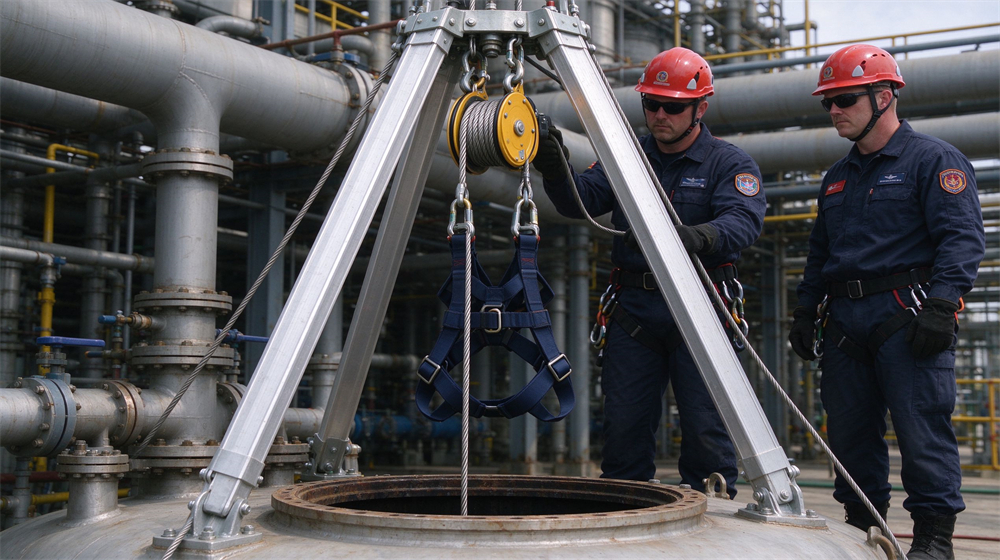


Two rescue technicians with red safety helmets operate confined space rescue tripod and winch above tank opening at petrochemical site.


5. Fire Suppression Equipment

Suppression starts with portable extinguishers, then moves to fixed systems. Extinguishers are rated by the fuel they fight, and using the wrong one spreads the fire. Water on an electrical or grease fire is dangerous.


Table 3: Extinguisher classes and use

Sprinklers are the backbone of fixed suppression. Most fires are controlled by the sprinklers before the fire brigade arrives. Keep the design area clear, and never paint or alter heads.

Foam systems handle flammable liquid spills. AFFF proportioner systems blanket the fuel, cutting oxygen and stopping re-ignition. They suit tank farms, loading bays, and chemical areas where water alone would spread the fuel.


Class

Fuel type

Typical extinguisher

A

Wood, paper, fabric

Water, ABC dry chemical

B

Flammable liquids

CO2, foam, dry chemical

C

Energized electrical

CO2, dry chemical

D

Combustible metals

Special dry powder
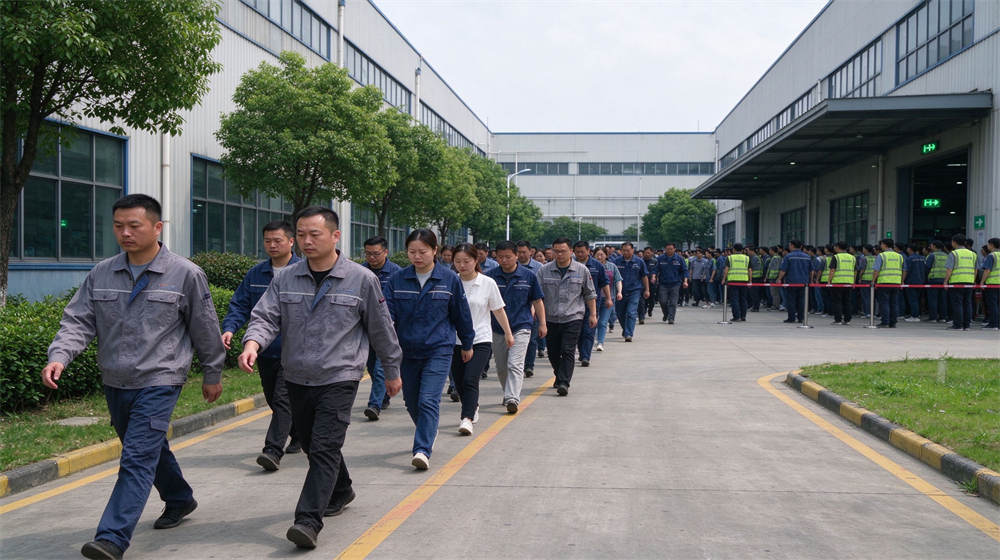


Factory workers in work uniforms walk orderly along factory passageway for emergency evacuation from industrial workshop area.


Inspect suppression equipment on a schedule. Gauges must read in the green, seals must be intact, and tags must be current. A blocked extinguisher is no extinguisher at all.


Extinguisher location maps help. Post a simple floor plan showing every unit, so a new hire can find one in seconds during smoke. Update the map whenever the layout changes.


Clean agent systems suit rooms where water would damage equipment. Server rooms and switchgear rooms use gas suppression that leaves no residue. Match the agent to the value it protects.


Water tanks and pumps need their own checks. A sprinkler system only works if water reaches the head. Test the pump, keep the tank full, and protect the room from freezing.


Aspiration and smoke-sampling systems suit high-value rooms. They draw air through pipes to a sensitive detector, giving warning before a visible flame appears. They suit archives and switchgear.


Kitchen suppression handles cooking fats. Wet chemical systems blanket a deep fryer and cool it below re-ignition. Ordinary extinguishers on a fat fire splash the burning oil. Match the system to the commercial kitchen.


Extinguisher training is hands-on, not slides. People who have squeezed a real extinguisher behave better under stress. Budget for a live-fire or simulator session once a year.


Keep the extinguisher clear of stock. A unit hidden behind boxes is a unit nobody reaches in time. Mark its location with signage and keep the floor in front empty.


Pressure gauges tell a story. A needle out of the green means the unit needs service before an emergency. Walk a checklist monthly instead of discovering it during smoke.


Do not overload a rack above the sprinkler clearance. Stock stacked near the ceiling blocks water distribution and defeats the design. Respect the clearance line on every aisle.


6. Electrical Fire Safety

Electrical faults are quiet killers. They glow inside a panel for hours before a flame shows. Routine load checks, thermal imaging, and cord replacement catch these early.


Panels need clearance. The rule of thumb is a clear working space in front, so a person can act fast and so heat dissipates. Storing inventory against a panel is a common and avoidable mistake.


Extension cords are for temporary use, not permanent wiring. Daisy-chained power strips and taped-over cords are red flags. Replace damaged cords instead of taping them.


Lockout and tagout keeps workers safe during electrical maintenance. Nobody works live equipment without a documented plan. Treat electrical rooms as non-storage zones, every day.


Thermal imaging catches hot spots before they fail. An infrared scan of panels and connections finds loose bolts and overloaded phases that the eye cannot see. Schedule these scans during production so the load is real.


Arc-flash risk grows with available fault current. Larger facilities need an arc-flash study and the proper PPE for the people who open panels. Treating a panel door as a routine task invites an injury.


Roof and outdoor equipment weatheres. Exposed conduits and junction boxes corrode and leak. Walk the roofline in wet weather, and seal any box that shows moisture.


Record every work order on electrical equipment. When a panel trips repeatedly, that is a symptom, not an annoyance. Investigate the cause before it becomes a fire.


Do not store anything within the required clearance of a panel. Even boxes stacked beside it block fast shut-off and trap heat. Treat the clearance zone as painted on the floor.
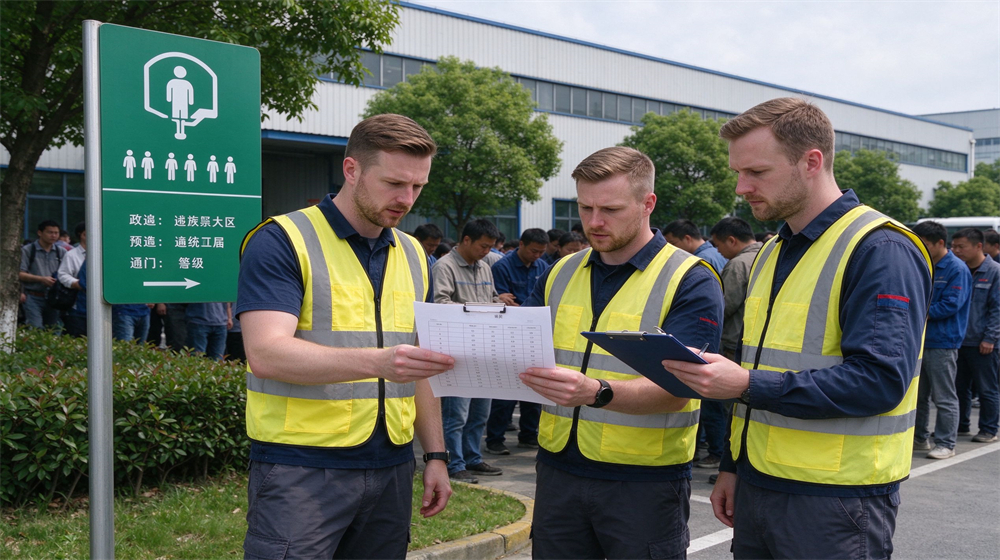


Three safety supervisors in high visibility vests check personnel attendance sheets beside emergency assembly point sign at factory site.


7. Hot Work and Chemical Storage

Hot work is the classic avoidable industrial fire. Welding and cutting produce sparks that travel meters. A permit system controls the work, and a fire watch stays for thirty minutes after the job ends.


The fire watch watches, not helps. Their one job is to spot smoldering material after the sparks stop. Removing them early is how delayed hot-work fires start.


Chemical storage separates incompatibles. Oxidizers away from fuels, acids away from bases, flammables in rated cabinets. A spill of one chemical onto another can self-ignite.


Keep flammable liquid volumes to what the shift needs. Bulk storage goes to a secured, ventilated, bunded area. Secondary containment catches a leak before it reaches a drain.


Segregate cutting and grinding from painting and storage. A small dedicated hot-work bay removes the risk from the main floor. Good ventilation there also protects the welder.


Chemical labels and safety data sheets matter. Every container carries its name and its hazard, and the SDS is reachable. People who know what they are handling respond faster and safer.


Waste rags soaked in oil can self-heat. Store them in a lidded metal bin, not a pile on the floor. Spontaneous combustion is a quiet but real workshop risk.


8. Employee Fire Training

Equipment fails people who have never used it. Training turns a fire extinguisher from wall decor into a tool. Staff should know the alarms, the exits, the assembly point, and their own role.


Training covers the basics first. How an alarm sounds, where to go, and to never re-enter. Then it adds extinguisher use with the PASS method: pull, aim, squeeze, sweep.


Refresh training regularly. New hires get it on day one, and everyone else gets a refresher tied to the drill. A trained crew moves calmly; an untrained one crowds the wrong exit.


Designated marshals need extra training. They help people leave, check areas, and report the headcount. Give them vests so they are recognizable during an alarm.


Visitors and contractors are easy to forget. They arrive without an orientation and panic in an alarm. Escort them to the assembly point, and count them in the headcount. Contractor sign-in logs are the backup when a name is unknown.


Language shifts help on mixed crews. Deliver instructions in every common language, and post exit signs in the local and common languages. A rule nobody understands protects nobody.


Onboarding day one should include the fire walk. Show new hires the nearest exit, the alarm, the assembly point, and the extinguisher. Do not wait for a quarterly session.


Record who was trained. A training roster proves the program runs, and it shows who still needs the next session. Pair it with the drill log for a complete picture.


Refresh the content when the floor changes. New equipment, new processes, or a new building wing update the risks. An old briefing that no longer matches the floor is misleading.
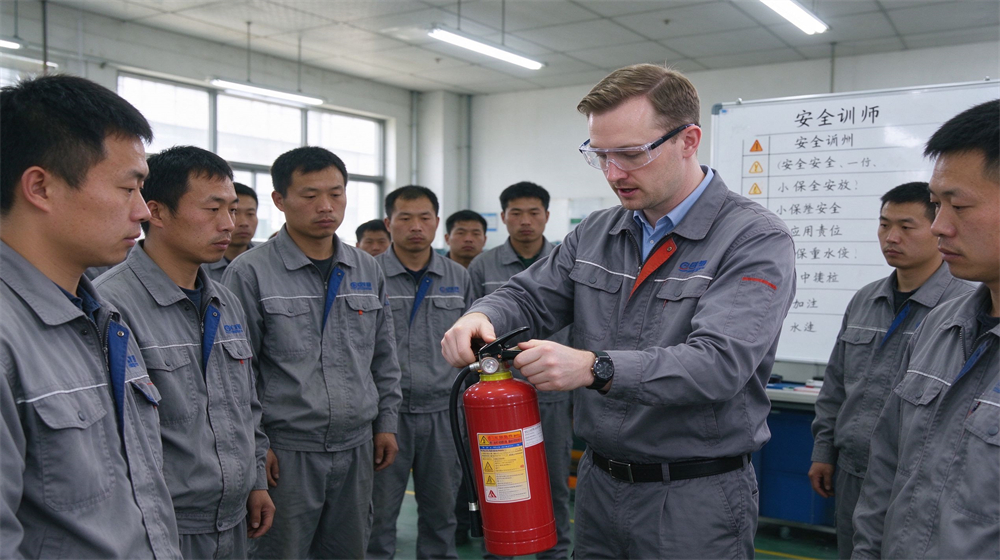


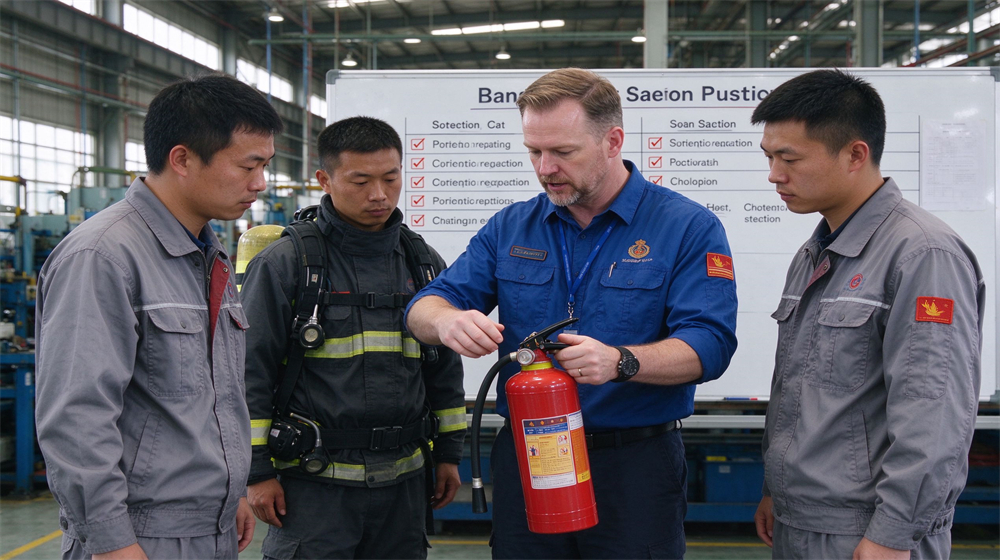
Safety instructor wearing protective goggles demonstrates the correct operation method of red portable fire extinguisher for factory workers inside industrial workshop.


9. Emergency Evacuation Plan and Drills

An evacuation plan on paper is useless until it is walked. Drills test the routes, the timing, and the human factors nobody plans for. Run drills at different shifts and different days.

Routes must stay clear. Exit corridors and stairwells are not storage. Exit signs stay lit, and emergency lighting covers the path when power drops.


Two ways out from every area is the standard. If one corridor fills with smoke, the second stairwell still works. Dead-end work rooms are the risk; give them a second route.


Account for people with mobility needs. Assign a buddy and a designated area of refuge near a stairwell. Plan where they wait until responders can assist.


Never use the lifts during a fire alarm. Lifts can stop mid-flight and open on the fire floor. Direct everyone to the stairs, and post signs to remove the temptation.


After a drill, hold a short debrief. Where did people bunch up? Which door was blocked? Did the headcount take too long? Fix one thing after every drill instead of ignoring the gaps.


Log each drill with date, time, and who took part. Insurers and auditors ask for the log, not just the claim that drills happen. A written record is the proof.


Stage drills without warning at least once a year. A scheduled drill rehearses the announcement, but an unannounced one tests the real reaction. Rotate which shift gets the surprise.


The assembly point is outside, upwind, and away from apparatus access. Headcount happens there. Until the last person is accounted for, responders do not know who is still inside.

Table 4: Evacuation drill checklist


Step

Action

1

Sound the alarm and announce the drill

2

Stop work, secure hazards, leave by nearest exit

3

Walk, do not run; help visitors and disabled staff

4

Assemble at the upwind assembly point

5

Take headcount and report missing people

6

Brief debrief and log the drill times


Safety inspector with blue safety helmet checks pressure gauge of fire extinguisher and records data on inspection form in industrial workshop.


10. Emergency Response Team and PPE

A trained internal response team buys the minutes between alarm and arrival. They are not the fire brigade. They are the people who shut off fuel, close valves, and start initial containment.


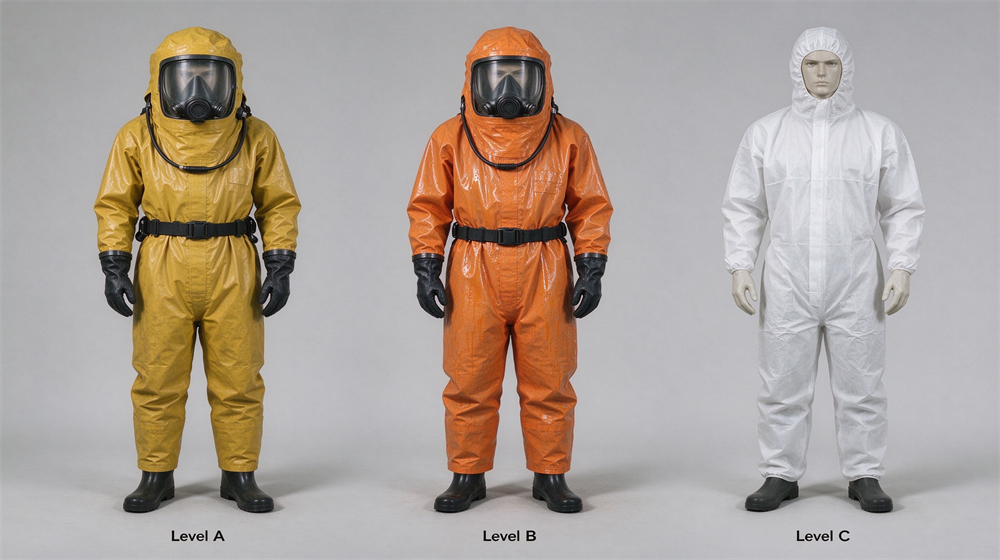
The right PPE depends on the risk. Basic turnout gear handles ordinary spills. Chemical plants need level-A encapsulated suits and SCBA. Confined spaces need gas detection and tripods before anyone enters.


Breathing protection matters in smoke. An SCBA delivers clean air in an atmosphere where a mask would fail. Pair it with a multi-gas detector to check the air before entry.


Response teams need regular practice. Skills fade between drills. Equipment gets inspected after every use, and air cylinders are hydro-tested on schedule. A team that never practices is a team that cannot respond.


Define roles before the bell. Who sounds the alarm? Who shuts the gas? Who accounts for visitors? Written roles remove the confusion that wastes the first critical minutes. Rotate the roles so more people can step up.


Coordinate with the local fire brigade. Share your site plan, hazard map, and key shut-off locations. A brigade arriving to an unfamiliar building loses precious minutes. A pre-arranged walkthrough saves them.


Keep a response kit ready and signed for. Flashlights, turnout gear, gas monitors, and tools live in a known, unlocked spot. A kit that is locked away is a kit that never gets used.


Confined space entry needs its own rules. Test the air, have a standby person, and rig a tripod and winch before anyone goes in. A rescue you can reach from outside beats one you cannot.


Rotate and cross-train the team. If only one person knows the shut-off valve, a fire on their day off leaves a gap. More trained people mean a response that survives absences.
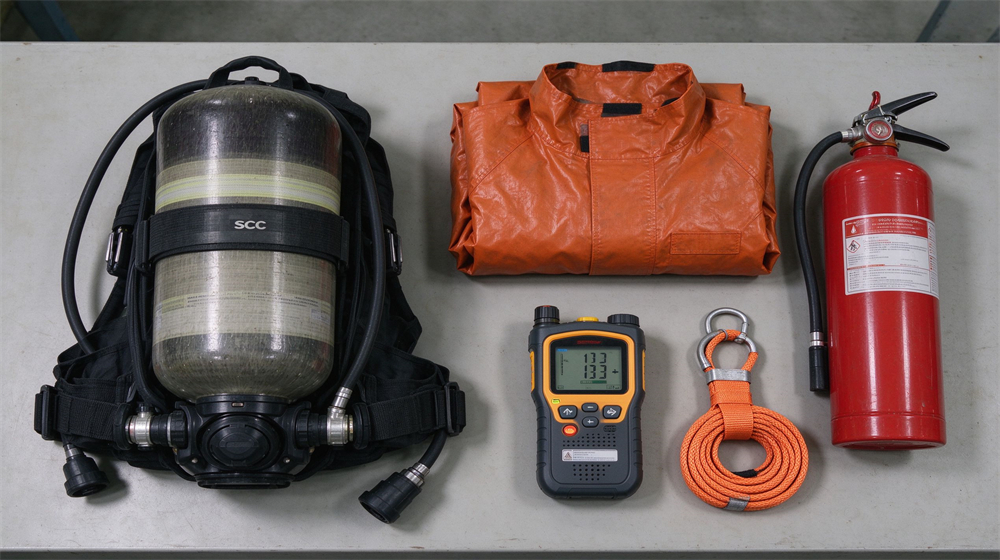


Breathing apparatus, protective garment, gas detector, rescue rope and fire extinguisher neatly laid out on flat table for safety equipment inspection.


Review the program after every near miss. A small incident that no one got hurt from is the best free training. What failed, and what will you fix before the next one?


Keep a clear access route for the fire brigade. They need to reach the building, the hydrant, and the shut-off. Blocking the front gate with stock delays the very help you called.


Post the emergency numbers where they are seen. The fire brigade, the gas company, and the internal contact belong on a single board by each exit. Do not make people search during a crisis.


Keep a written roll-call roster at the assembly point. It should list everyone expected on shift. Cross off names as they arrive, and escalate any missing person immediately.


OSHA 1910.157 Portable Fire Extinguisher Placement
OSHA regulates how many extinguishers a workplace must carry and where they hang. The standard is 29 CFR 1910.157. It applies to all general industry workplaces in the United States. Many other countries adopt the same layout logic.


Class A: Ordinary Combustibles
For Class A fires, maximum travel distance to an extinguisher is 75 feet, about 23 meters. Practically this means one extinguisher per 75 square meters on each floor. The unit rating must be at least 2-A. Higher hazard areas require 3-A or 4-A units.


Class B: Flammable Liquids
Class B placement depends on liquid quantity and flash point. Low hazard shops with small containers allow 50 foot, about 15 meter, travel distance. High hazard areas such as paint rooms require 30 foot, about 9 meter, travel. Rating must match the spill area, typically 10-B or higher.


Class C and D
Class C extinguishers are placed where energized electrical equipment exists. They share travel distance rules with the underlying A or B class. Class D units are required within 10 meters of metal powder handling. They are never substituted with ABC powder.


Inspection and Maintenance
Monthly visual inspection is required. Check the gauge, the tamper seal and the mounting bracket. Annual professional maintenance must be documented. Internal maintenance or hydrostatic testing follows the schedule printed on the extinguisher label.


Welding, cutting, grinding and soldering are hot work. They ignite hidden fuels. OSHA 1910.252 sets the permit rules. A written permit must be issued before the job starts.


Class

Max travel distance

Typical rating

Inspection

A

75 ft / 23 m

2-A minimum

Monthly visual

B low

50 ft / 15 m

10-B

Monthly visual

B high

30 ft / 9 m

20-B plus

Monthly visual

C

Follows A or B

Based on area

Monthly visual

D

Within 10 m

Metal specific

Monthly visual


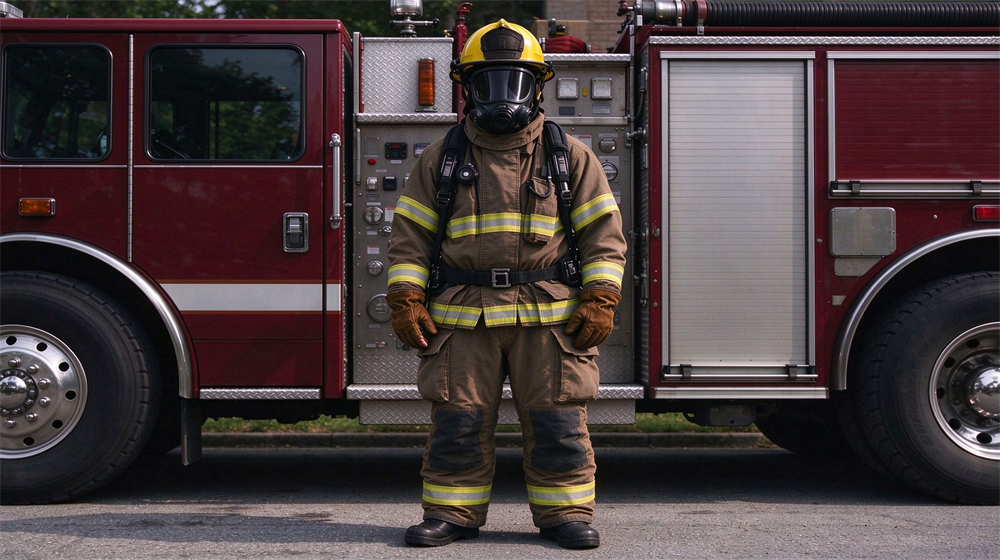
Firefighter with yellow helmet, breathing mask and fire turnout gear stands in front of fully equipped red fire engine.


Pre Work Checklist
Clear combustibles within 10 meters of the work. Move drums, cardboard, rags and sawdust. Cover floor drains and cracks. If combustibles cannot move, cover them with fire resistant blankets. Remove flammable liquids from the area.


Extinguisher and Fire Watch
At least one extinguisher rated 10-A:60-B or higher must sit within reach. A dedicated fire watch person stands by. The watcher holds a fire extinguisher and watches for sparks and smoldering. They do not do other tasks.


Post Work 30 Minute Watch
The hot work ends but the risk does not. Sparks land on hidden rafters. Smoldering insulation catches fire minutes later. The fire watch must remain on site for at least 30 minutes after the work stops. Longer watch applies to confined or high fire load spaces.


Permit Documentation
The permit lists location, duration, equipment, fire watch name and signatures. EHS manager reviews. The contractor signs. A copy stays on site. After the job, the permit is filed for at least one year.


Fire Compartmentation: 2 Hour Wall and Sprinkler Density
Compartmentation stops fire spread. Walls, floors and doors divide a building into fire zones. Each zone contains the fire long enough for evacuation and response.


ASTM E119 Two Hour Rated Wall
ASTM E119 tests building elements under standard fire exposure. A 2 hour rated wall survives 120 minutes without structural collapse and without heat transmission enough to ignite materials on the unexposed side. Factory walls between occupancy units must reach this rating.

Wall penetrations matter. Pipes, cables and ducts passing through the wall must be firestopped. An unsealed pipe hole destroys the rating.


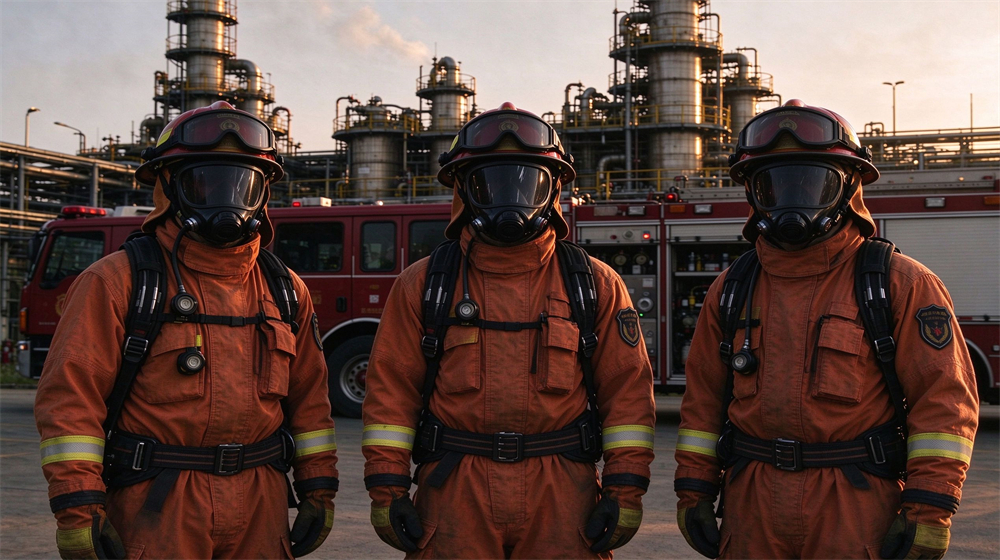
Three firefighters in orange fire protective suits and breathing apparatus stand in front of chemical refinery plant and fire truck.


Sprinkler Density Under NFPA 13

NFPA 13 sets sprinkler design density. Light hazard occupancies such as offices require 8.1 millimeters per minute over the design area. Ordinary hazard factories require 12.3 millimeters per minute. Extra hazard storage needs 16.3 millimeters per minute or higher.


Maximum protected area per sprinkler varies. Light hazard allows up to 21 square meters per head. Storage occupancies limit head spacing to 9 to 12 square meters.


Fire Doors and Dampers

Fire doors must self close. Hold opens must release on alarm. HVAC dampers close where ducts cross fire walls. Doors labeled 90 minute or 180 minute match the wall rating. Propped open doors defeat the whole compartment.


Hazard level

Sprinkler density

Max head spacing

Typical use

Light

8.1 mm/min

21 m²

Office, school

Ordinary

12.3 mm/min

12 m²

Factory, warehouse

Extra

16.3 mm/min

9 m²

Flammable storage


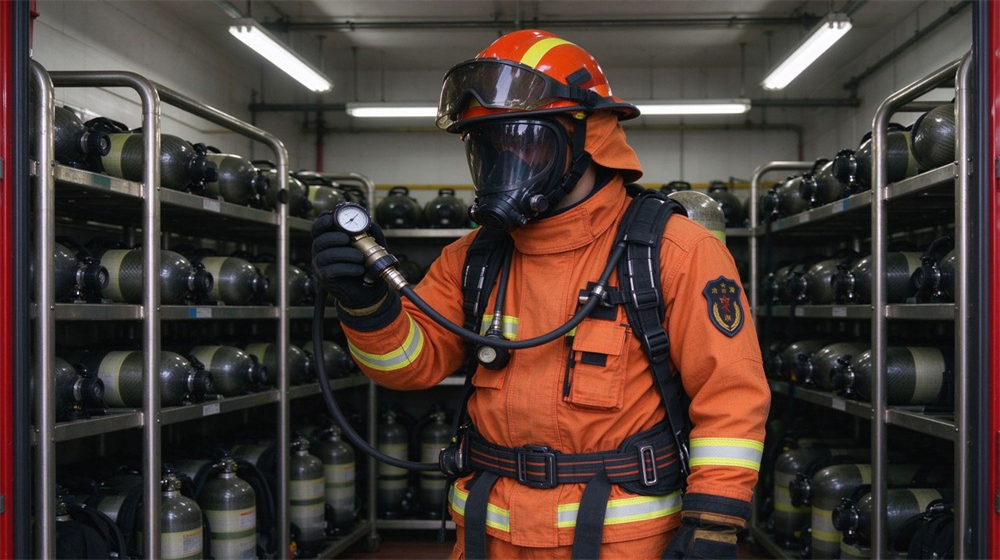
Firefighter inspects fire helmets with headlamps neatly stored on storage rack inside fire station equipment room.


Emergency Response Team Under OSHA 1910.156
Many factories run their own fire brigade. OSHA 1910.156 regulates industrial fire brigades. The standard covers organization, training and PPE.


Two Person Buddy System
Every entry into a hazardous atmosphere requires at least two team members inside. At least one person remains outside as standby. The inside team stays in visual or voice contact. They never separate. A missing buddy triggers immediate withdrawal.


PPE and Breathing
Interior structural attack requires full turnout gear, SCBA, helmet, gloves and boots. Exterior brush or standby response may use structural gear without SCBA. Chemical incidents require Level A or B ensembles matched to the gas monitor readings.


Training and Drills
Initial training must be completed before independent response. Monthly drills keep skills fresh. Annual refresher covers first aid, SCBA donning and hose handling. Records must be kept for each member. Medical clearance is required for interior firefighters.


Written Emergency Action Plan
OSHA 1910.38 requires a written emergency action plan. It lists evacuation routes, alarm procedures, assembly points and brigade roles. It must be shared with all employees. Drills validate the plan and expose gaps.


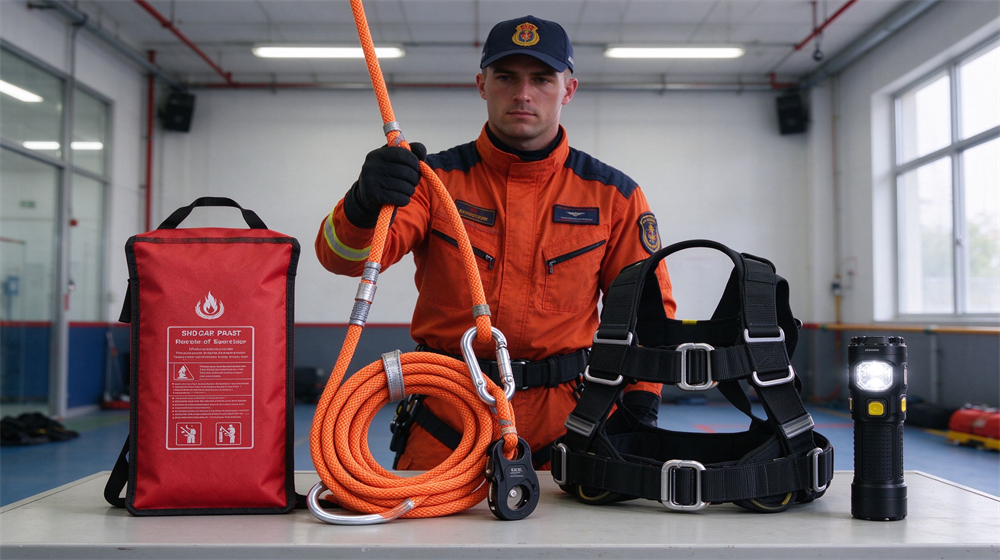
Rescue technician shows orange climbing rope, safety harness, rescue bag and flashlight prepared for rope rescue operation.


Q: How far apart should extinguishers be in a warehouse?
For ordinary Class A occupancy, place them every 23 meters of travel distance, roughly one unit per 75 square meters. For flammable liquid storage, reduce travel distance to 9 or 15 meters based on hazard. Post the units on colored signs above eye level. Strong industrial fire safety starts with hot-work permits and housekeeping. Strong industrial fire safety includes that measure, and the industrial fire safety program should audit it each quarter. Insurers quote lower premiums for proven industrial fire safety records. Documented industrial fire safety is the cheapest insurance a factory can buy.Q16: How long must the fire watch stay after welding?

OSHA 1910.252 requires at least 30 minutes of fire watch after hot work ends. In high fire load or concealed space jobs, extend the watch to 60 minutes. The watcher must hold a charged extinguisher and scan for smoldering spots. This industrial fire safety guide covers alarms, sprinklers and evacuation drills. Strong industrial fire safety includes that measure, and the industrial fire safety program should audit it each quarter. Wardens run this industrial fire safety drill each quarter. Documented industrial fire safety is the cheapest insurance a factory can buy.


Q: What fire rating must a factory division wall have?
Most factory divisions require a 2 hour rated wall per ASTM E119. Walls between hazard categories or between factory and office may need 2 hour or 3 hour rating. Always verify with the local authority having jurisdiction. Every industrial fire safety program should test alarms quarterly. Strong industrial fire safety includes that measure, and the industrial fire safety program should audit it each quarter. Insurers quote lower premiums for proven industrial fire safety records. Documented industrial fire safety is the cheapest insurance a factory can buy.


Q: What is the core of industrial fire safety in a warehouse?
Good industrial fire safety starts with housekeeping and separation. Keep pallets off heaters and hot works permitted. This industrial fire safety habit prevents most warehouse ignitions. Wardens run this industrial fire safety drill each quarter. Documented industrial fire safety is the cheapest insurance a factory can buy.


Q: How does industrial fire safety reduce insurance premiums?
Insurers reward documented industrial fire safety programs. Sprinkler, alarm and warden records cut premiums. Strong industrial fire safety also cuts production downtime after any incident. Insurers quote lower premiums for proven industrial fire safety records. Documented industrial fire safety is the cheapest insurance a factory can buy.


Q: Who runs industrial fire safety drills in a factory?
Trained fire wardens run industrial fire safety drills each quarter. They check alarm pulls and exit routes. Every worker joins the industrial fire safety drill at least twice a year. Wardens run this industrial fire safety drill each quarter. Documented industrial fire safety is the cheapest insurance a factory can buy.


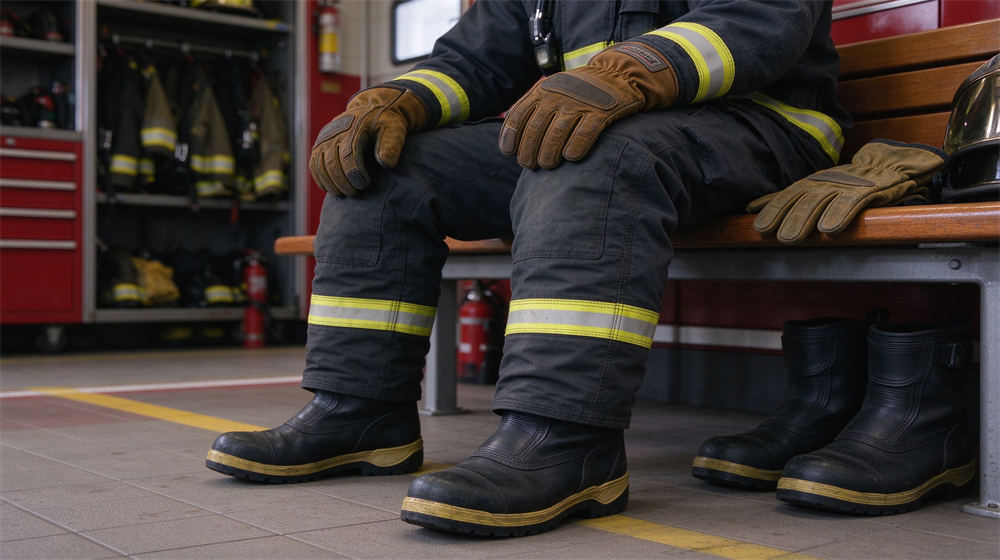
Firefighter rests on bench inside fire station equipment room, wearing protective gloves, fire-resistant clothing and fire boots.


Q: What records prove a strong industrial fire safety program?
Keep signed hot-work permits, alarm test logs and drill rosters. Auditors audit these industrial fire safety records each year. Complete industrial fire safety documentation lowers both risk and insurance cost. Insurers quote lower premiums for proven industrial fire safety records. Documented industrial fire safety is the cheapest insurance a factory can buy.


Q: What NFPA standard covers combustible dust in industrial fire safety?
NFPA 652 governs combustible dust under industrial fire safety programs. Plants handling grain, wood or metal dust must survey dust hazards. Good industrial fire safety prevents dust explosions by keeping surfaces clean.


Q: What does OSHA 1910.176 require for industrial fire safety?
OSHA 1910.176 requires clear floor markings under industrial fire safety rules. Aisleways must stay marked and unobstructed. This industrial fire safety measure keeps evacuation routes open during a fire.


Q: Which EN rating should portable fire extinguishers carry under industrial fire safety?
Portable extinguishers should meet EN 3, rated ABC for general workshops. Industrial fire safety places one extinguisher per 200 m². This industrial fire safety layout keeps a unit within travel distance of every workstation.


Q: What evacuation time should an industrial fire safety plan target?
Industrial fire safety plans target a 3-minute full evacuation. Assembly points sit 150 m from buildings. This industrial fire safety target matches alarm and drill timing for factory floors.


Q: Does industrial fire safety require emergency exit lighting?
Yes, EN 1838 emergency lighting is mandatory in industrial fire safety codes. Lights run 90 minutes on battery. This industrial fire safety rule guides workers through smoke-darkened exits.


Q: How hot-work permits fit into industrial fire safety?
Industrial fire safety closes hot-work permits 30 minutes before shift end. A fire watch stays two hours after welding. This industrial fire safety step catches smouldering sparks before they spread.


Q: What storage distance separates chemicals under industrial fire safety?
Industrial fire safety separates incompatible chemicals by 6 m or a 1-hour wall. Flammable stores vent to safe locations. This industrial fire safety layout stops one spill igniting another.


Q: How often should industrial fire safety test sprinklers?
Industrial fire safety tests sprinklers annually and alarms monthly. Keep records for insurers and auditors. This industrial fire safety cadence keeps suppression ready when it matters.


Q: Who is accountable for industrial fire safety on a night shift?
A trained warden carries industrial fire safety responsibility after hours. They check alarm pulls and guest evacuation. Clear duty assignment makes industrial fire safety work on every shift.


Instructor demonstrates the operation of fire extinguisher while training factory workers in industrial workshop.


Electrical Fire Safety in the Factory

Electrical faults cause a large share of industrial fires. Short circuits, overloaded circuits and loose connections all generate heat. Routine inspection catches most of these.


Panel and Wiring Inspection

Open panels once per year. Look for discolored breakers, melted insulation and corrosion. Tighten terminals to manufacturer torque. Infrared thermography finds hot spots that the eye misses. Mark hot spots and repair within 30 days


Extension Cord Abuse

Extension cords are temporary. Running them under carpets or through doorways damages insulation. Daisy chaining strips overloads circuits. Require hard wired outlets where cords run daily. Ban cords for permanent equipment.


Locker Room and Break Room Loads

Microwaves, coffee makers and space heaters trip circuits. Do not share a circuit between a fridge and a heater. Label each breaker. Employee rooms need their own circuit design review.


Flammable Liquid Storage and Segregation

How chemicals sit on the shelf matters. Incompatible liquids react on contact. Poor storage turns a small spill into a chain reaction.


Flammable Cabinet Requirements

Store more than 25 liters of flammable liquid in a listed flammable cabinet. The cabinet limits external fire exposure for 10 minutes. Keep doors closed and latched. Do not store waste solvent inside the same cabinet as clean solvent.


Segregation by Chemical Class

Keep oxidizers away from flammables. Keep acids away from bases. Keep water reactive metals such as sodium away from spray. Secondary containment catches spills. Use trays or berms under each cabinet.
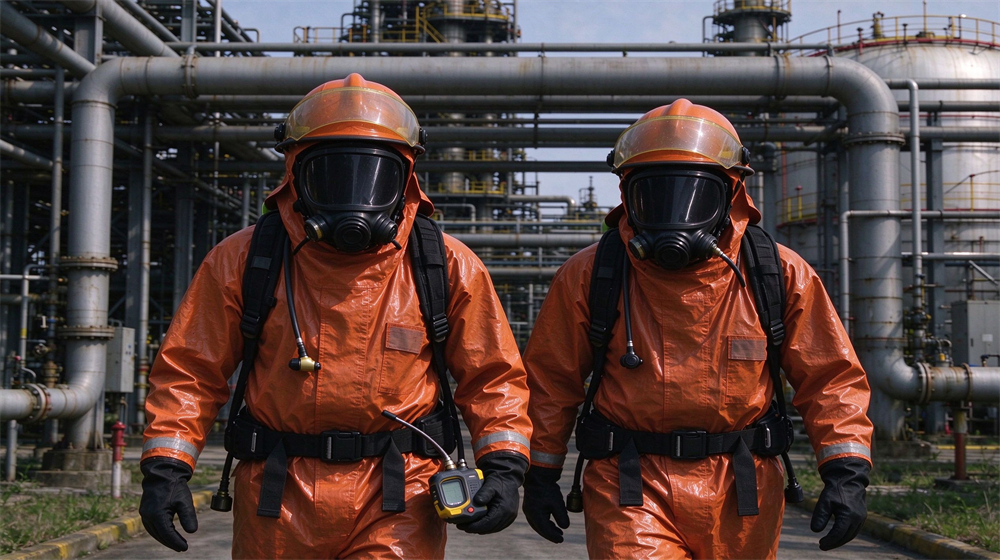


Two hazmat responders walk forward with gas detector for hazardous material inspection in chemical plant facility.


Quantities per Room
NFPA 30 limits indoor flammable liquid quantity per control area. Light hazard allows up to 10 liters per square meter. Storage rooms carry higher limits but require rated walls and ventilation. Do not exceed the posted quantity.


Employee Fire Training and Drills
Even the best system fails if people do not know what to do. Training turns bystanders into responders. Drills expose plan gaps.


Initial and Annual Training
New hires get fire safety orientation within 30 days. Annual refresher covers extinguisher use, evacuation routes and assembly point. Hands on extinguisher training burns propane in a pan. Do not lecture without practice.


Drill Frequency
OSHA recommends at least one fire drill per year. High hazard factories run drills quarterly. Unannounced drills reveal real response time. Announced drills serve as training. Vary the drill time and location.


Visitor and Contractor Orientation
Visitors and contractors are unfamiliar with the site. Give them a short briefing on arrival. Show the nearest exit and assembly point. Sign in and sign out so you can count heads.


Fire Detection and Alarm Systems
Detection buys minutes. Every minute of warning improves survival and property outcome. Choose detectors based on fire type.


Smoke Detectors
Photoelectric detectors respond to smoldering fires. Ionization detectors respond to fast flaming fires. Best practice installs both types. Offices, corridors and hotel rooms use photoelectric. Laboratories may use heat detectors instead because cooking fumes cause false alarms.


Heat Detectors
Places with dust, steam or cooking fumes use heat detectors. They trigger at fixed temperature, typically 57 degrees Celsius. They are slower than smoke detectors but nearly false alarm free.


Alarm Pull Stations
Manual pull stations sit at every exit. Spacing follows 20 meters maximum travel distance. Pull stations sound the general alarm. They also trigger elevator recall and stairwell pressurization.


Detector type

Responds to

Best location

Maintenance

Photoelectric smoke

Smoldering fire

Office, corridor

Test monthly

Ionization smoke

Flaming fire

Storage, garage

Test monthly

Heat fixed

57 C threshold

Kitchen, dusty shop

Test annually

Rate of rise

Fast temp climb

Server room

Test annually


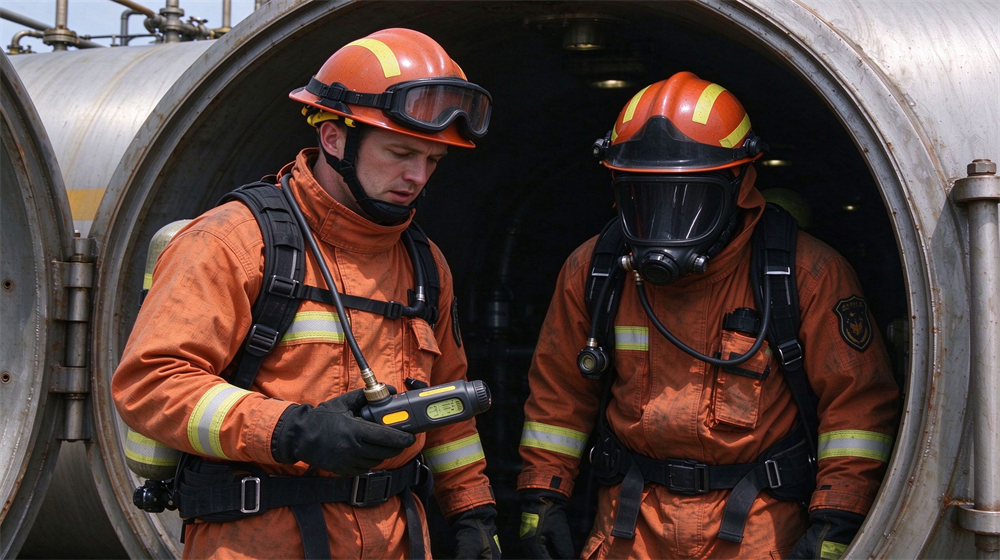
Two firefighters in protective clothing and breathing apparatus check gas detector readings while conducting confined space inspection inside an industrial tank.


Evacuation Plan and Assembly Point
An evacuation plan on paper is useless if no one knows it. Post maps. Walk routes. Count heads.


Egress Routes
Each room needs two exit paths. Routes must be unobstructed. Stairwells stay clear of storage. Door hardware opens with one motion. Exit signs illuminate.


Assembly Point
Choose a point far from the building, at least 50 meters. It must be out of apparatus access lanes. Employees stay there until head count clears. Visitors sign in so you can count them too.


Accountability
Supervisors count their teams. The fire brigade reports missing persons. Do not re enter the building for any reason until the all clear. Accountability prevents firefighters from searching for people already safe.


Sprinkler System Maintenance and Testing
A sprinkler system only works if it is ready. Routine testing catches closed valves and corroded heads.


Weekly Valve Check
The riser valves must be open. A closed valve disables the entire system. Check the position gauge weekly. Lock valves in the open position. Tamper switches alarm the central station.


Quarterly Alarm Test
Open the inspector test connection once per quarter. Verify the water flow alarm sounds. Check the pressure switch. The fire panel should show a water flow signal. Notify the central station before testing.


Annual Main Drain Test
Drain the main riser annually. Inspect the pipe interior for corrosion. Check for grease or scale. Replace heads that show corrosion or painting. Heads are rated for 20 years service.


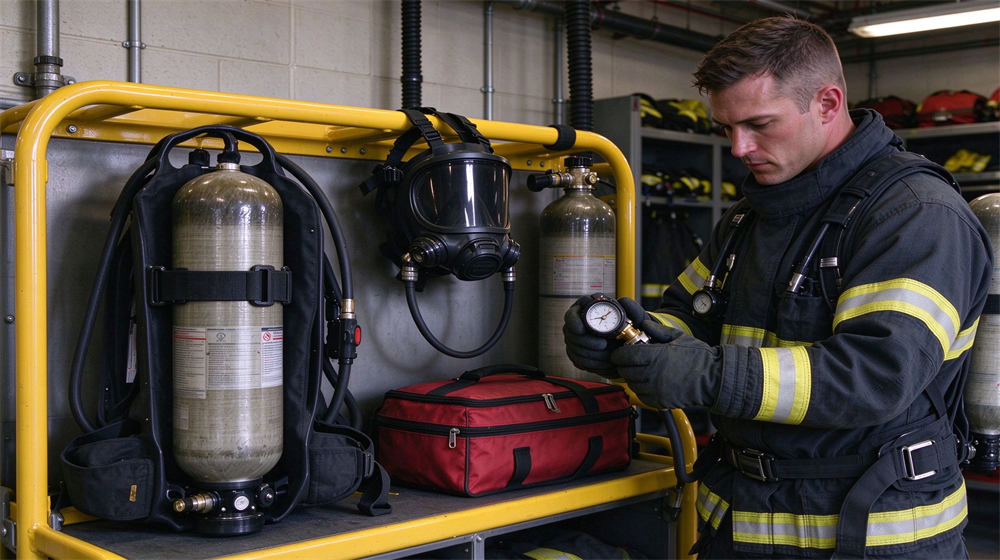
Firefighter wearing breathing mask checks pressure gauge to inspect air cylinder equipment inside the air cylinder storage room.


Head Protection and Clearance
Keep storage at least 45 centimeters below sprinkler heads. Do not stack boxes higher than the clearance. Object under a head blocks water spray. Drop cloths during construction must be removed after work.


Hot Work Permit Worked Examples
Real hot work jobs show how the permit applies. Two examples clarify the process.


Example One: Pipe Welding in the Shop
A welder joins steel pipe in the fabrication shop. The shop floor is concrete. Rags and sawdust sit 5 meters away. The permit requires moving the rags, laying a fire blanket under the weld, and posting a fire watch with a 10-A 60-B extinguisher. Watch continues 30 minutes after welding stops.


Example Two: Cutting on a Storage Rack
A maintenance worker cuts an old steel rack in the warehouse. Flammable pallets sit 8 meters away. The permit requires moving or covering the pallets, wetting the floor below, and assigning a fire watch. Watch extends to 60 minutes because concealed rafters catch sparks.


Organizing the Internal Fire Brigade
Many factories run their own fire brigade. The team handles initial attack before the municipal department arrives.


Member Selection
Choose volunteers who work regular hours. They must pass medical clearance for breathing apparatus. Cross train multiple shifts. A one shift brigade leaves night operations uncovered.


Equipment Storage
Store turnout gear in heated cabinets near the alarm panel. SCBA sits charged and ready. Hose rolls hang on racks. The brigade room must have a direct phone line to the alarm panel.


Drill Scenarios
Run monthly drills on different scenarios. Storage rack fire. Electrical panel fire. Flammable liquid spill. Search and rescue. Each drill ends with a debrief. Track response time and identify gaps.


Relationship with Municipal Fire
Share site maps with the local fire department. Mark hydrants, valve locations and hazardous material storage. Invite them for annual familiarization visits. New apparatus drivers save critical minutes on arrival.


Insurance and Risk Management Ties
Fire safety programs affect insurance premiums. Inspectors reward well documented systems.


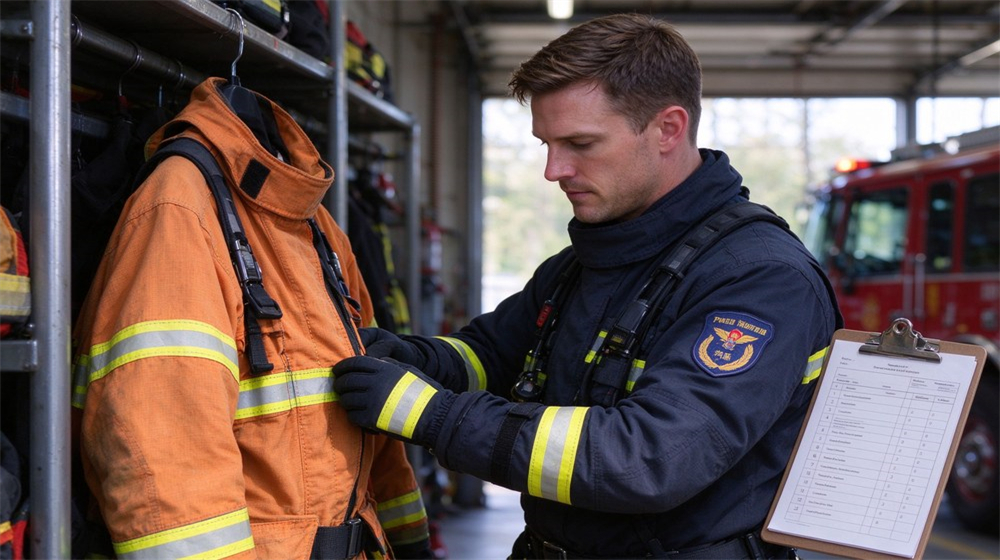
Firefighter inspects fire suit and checks inspection form while carrying out routine equipment check in gear room.


Sprinkler and Alarm Verification
Insurance underwriters require third party verification of sprinkler and alarm status. Provide certificates annually. Undocumented systems raise premiums or lose coverage.


Hot Work Logs
Keep hot work permits on file for three years. Inspectors audit them during policy renewal. Missing permits trigger underwriting questions.


Loss Control Surveys
Welcome the insurer loss control engineer. Their survey reports identify gaps. Fixing recommendations reduces future claims and premiums. Treat the survey as a free external audit.


Starting a Factory Fire Safety Program
Many factories lack a formal program. Starting one is simpler than it looks. Five steps build the framework.


Step One: Appoint a Fire Safety Officer
Name a responsible person. The EHS manager usually takes this role. Give them authority to stop work for safety reasons. Train them on local codes.


Step Two: Walk the Site
Walk every area with a checklist. Note hazards, extinguisher locations and blocked exits. Photograph violations. Build a remediation list.


Step Three: Write the Emergency Plan
Document evacuation routes, alarm procedures and assembly points. List brigade roles. Share with all employees. Post maps on walls.


Step Four: Train Everyone
Run orientation for new hires. Refresh annually. Include hands on extinguisher practice. Train the internal brigade separately.


Step Five: Drill and Improve
Run at least one drill per year. Debrief after each drill. Fix the gaps the drill exposes. Repeat the cycle.


The EHS Role in Fire Safety
Environment health and safety staff own the fire program. Their duties extend beyond compliance.


Three different grades of hazmat protective suits of Level A, Level B and Level C for hazardous chemical protection.


Compliance Documentation
Keep inspection logs, training records and hot work permits. File them for at least three years. Regulators audit these files during inspections.


Contractor Management
Contractors bring outside risks. Require them to follow your hot work permit. Check their insurance. Brief them on site hazards before they start.


Incident Investigation
After any fire or near miss, run a root cause investigation. Document findings. Implement corrective actions. Share lessons with the team.


Monthly Fire Safety Walkthrough
A 30 minute monthly walk catches issues before they become fires. The checklist below covers the basics.


Extinguisher Checks
Gauge in the green. Tamper seal intact. Nozzle clear. Sign and date the inspection tag. Move obstructed extinguishers to visible locations.


Exit and Corridor Checks
Exit signs lit. Paths clear. Doors open easily. No storage in stairwells. Fire lanes unblocked.


Alarm and Detector Checks
No dust on detectors. Pull stations unobstructed. Alarm panel shows no trouble signals. Test the public address system monthly.


Hot Work Area Checks
No active hot work without a permit. Fire watch posted. Extinguishers within reach. Area cleaned after work.


Standpipes and Fire Department Connections
Standpipes give firefighters a water supply in tall buildings. The factory must keep them ready.


Fire Department Connection
The FDC inlet must be visible and unobstructed. Cap the connections. Label which standpipe it feeds. Snow and debris must be cleared in winter.


Standpipe Pressure
Chronic low pressure triggers investigation. Test the pressure gauge quarterly. Leaks in underground pipes cause water loss. Fire pumps must start automatically.


Hose Valve Access
Hose valves on each floor must be accessible. Do not store equipment in standpipe cabinets. The valve wheel should turn freely.


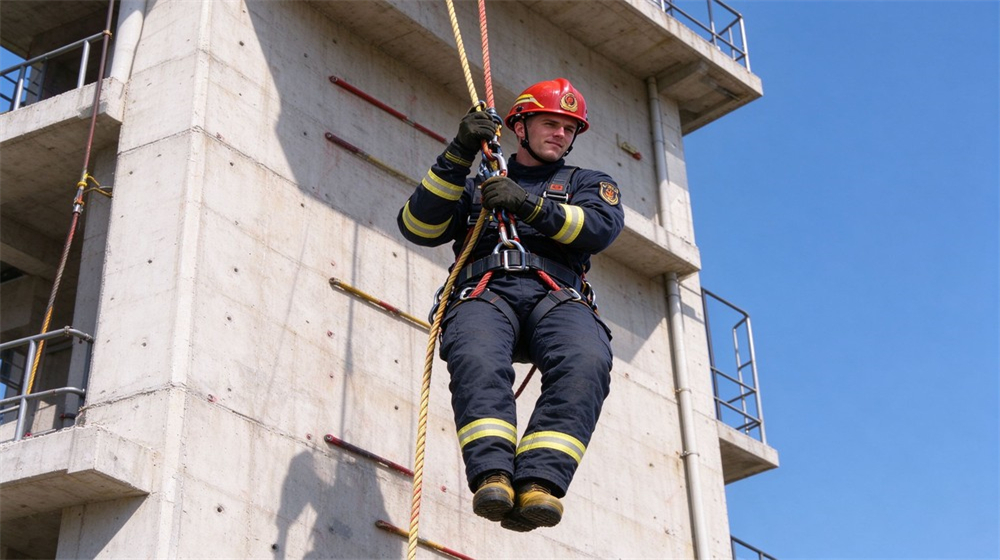
Firefighter wearing full protective gear and safety harness completes controlled descending practice with rope on fire training tower.


Running a Successful Fire Drill
A fire drill without planning becomes a chaos exercise. A few steps make drills useful.


Plan the Drill
Choose the day and time. Notify key staff. Decide if the drill will be announced. Announced drills train. Unannounced drills test.


Sound the Alarm
Pull the manual station. Let the alarm ring for 30 seconds. Confirm the PA announces. Watch for staff ignoring the alarm.


Evacuate and Account
Walk the routes. Supervisors count heads at assembly. Report missing persons. Time the evacuation. Compare to the plan.


Debrief and Improve
Hold a short debrief within 24 hours. What worked? What failed? Update the plan. Train on weak spots.


Electrical Fire Prevention Details
Electrical faults cause one in five industrial fires. Prevention starts with inspection.


Panel Infrared Survey
Use infrared thermography once per year. Find hot spots on bus bars and terminations. Repair within 30 days. Hot spots are loose connections waiting to arc.


Arc Fault Protection
Install arc fault circuit interrupters on older circuits. AFCIs detect arcing sparks that breakers miss. They trip before the wire overheats.


Ground Fault Protection
Ground fault circuit interrupters protect wet areas. GFCI outlets trip at 5 milliamps. They prevent electric shock and fires.


Flammable Liquid Handling Details
How fuel is moved and stored shapes the fire risk. Small habits prevent big fires.


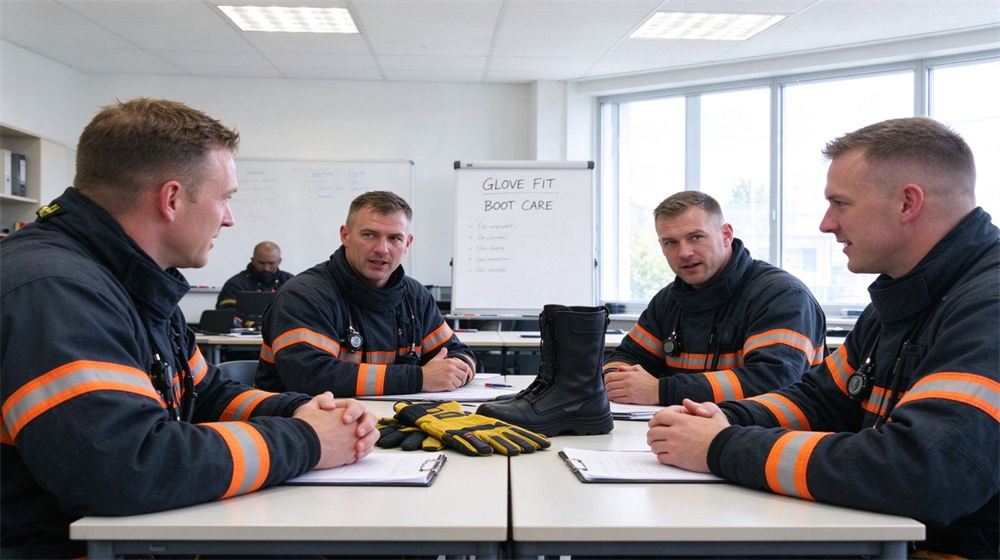
Firefighters gather for indoor training session to discuss proper use and maintenance of protective gloves and fire boots.


Drum Dispensing
Dispense from drums into safety cans. Bond and ground the drum and can. Static electricity ignites vapors. Do not dispense into open containers.


Spill Response
Absorbent pads and booms near storage. Neutralize small spills. Ventilate the area. Do not wash fuel into drains. Report spills per EHS protocol.


Container Labeling
Every container must show the chemical name and hazard. Secondary containers need the same label. Unlabeled fuel is a compliance violation and a fire hazard.


Employee Fire Training Program
Trained employees reduce fire losses. A structured program covers three audiences.


New Hire Orientation
Within 30 days, cover evacuation routes, alarm pull stations and extinguisher location. Hands on extinguisher practice. Sign the training log.


Annual Refresher
Repeat training every 12 months. Include new hazards. Demonstrate the PASS extinguisher method. Refresh assembly point knowledge.


Internal Brigade Training
Brigade members get monthly drills. SCBA donning practice. Hose handling. Search and rescue. Medical review annually.


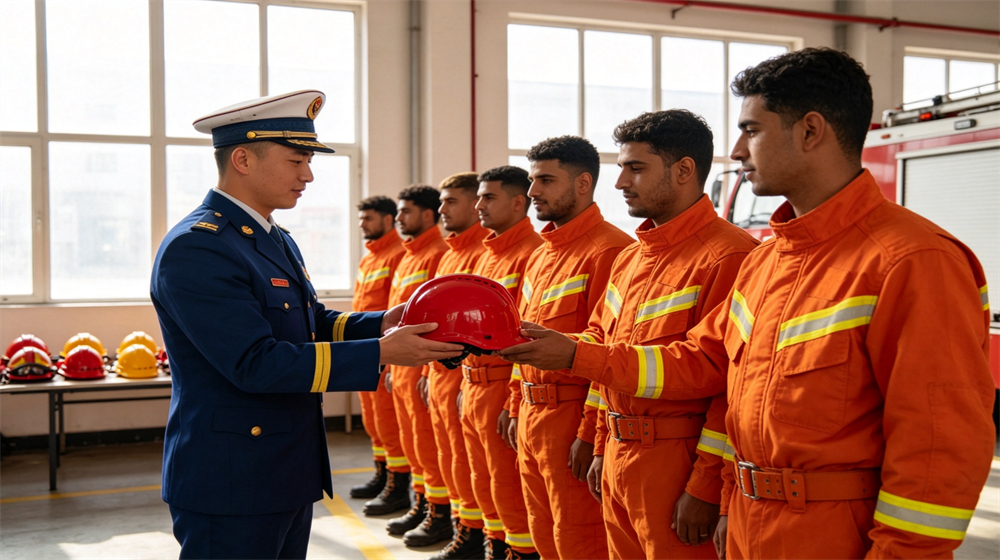
Officer presents safety helmet to new team member during formal equipment issuance ceremony inside fire station.


Factory Fire Safety FAQ

Q1: What is factory fire safety?
It is the set of building, system, and people controls that prevent, detect, suppress, and escape a workplace fire. It combines compartmentation, alarms, suppression, training, and evacuation into one program.

Q2: How often should we run a fire drill?
Most facilities run a documented drill at least annually, and more often for high-risk sites or multiple shifts. Drills should cover different days and shifts so everyone practices.

Q3: What is fire compartmentation?
It is dividing a building into fire-rated zones with walls, floors, and doors so a fire cannot spread end to end. It buys time for evacuation and responder arrival.

Q4: Where should fire extinguishers be placed?
Near exits and along normal travel paths, on wall brackets, visible and unobstructed. The distance between units depends on the hazard class and local code.

Q5: How do I choose the right extinguisher?
Match the extinguisher class to the fuel present. ABC dry chemical covers ordinary risks, while flammable liquid and electrical areas may need foam or CO2.

Q6: Can I use water on an electrical fire?
No. Water conducts electricity and spreads the hazard. Shut the power first and use a rated extinguisher, such as CO2 or dry chemical.

Q7: What is a hot work permit?
It is a documented authorization for welding, cutting, or grinding, listing the hazards, controls, and the fire watch who stays for thirty minutes after work stops.


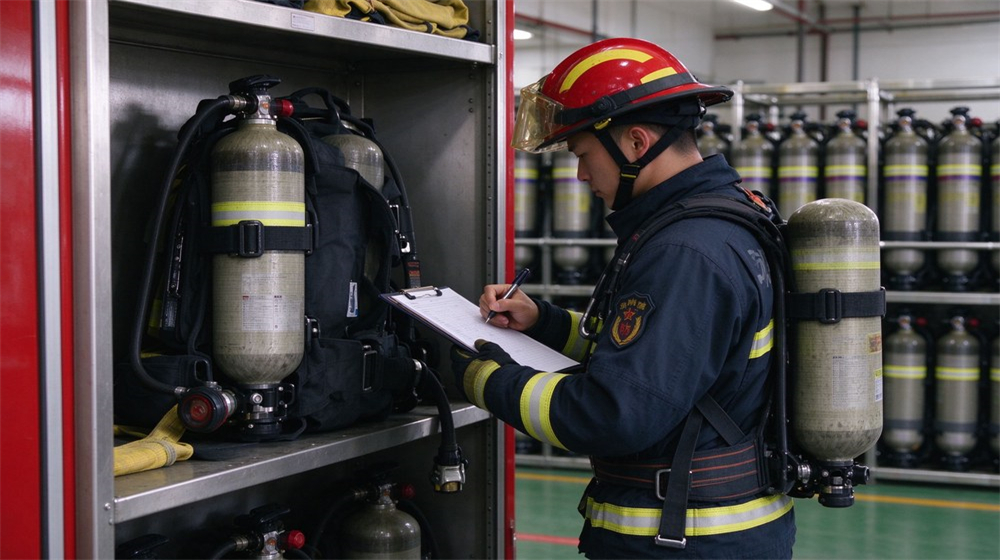
Firefighter records inspection data on clipboard while checking self-contained breathing apparatus in equipment storage room.


Q8: How should flammable liquids be stored?
In rated cabinets, in small daily-use quantities, away from ignition sources. Bulk stock goes to a secured, ventilated, bunded storage area.

Q9: Who needs fire extinguisher training?
Everyone should know the alarm and exit. Designated responders receive hands-on extinguisher training, ideally with live or simulated fire practice.

Q10: What is an assembly point?
It is the designated outside location, upwind and away from apparatus access, where staff gather and take headcount after evacuation.

Q11: How often are smoke detectors tested?
Follow the manufacturer and local code schedule, typically with regular functional tests and a full professional inspection annually.

Q12: What PPE does a response team need?
It depends on the risk: turnout gear, gloves and boots, plus SCBA and gas detection for smoke or chemical atmospheres.

Q13: Does sprinkler water damage product?
Sprinklers are highly effective and typically control a fire with far less water damage than an unchecked blaze. Blocking sprinklers is the larger risk.

Q14: How do I start a fire safety program?
Begin with a written hazard assessment, then fix the worst controls, install detection and suppression, train staff, and run a drill. Document each step.


Related Firefighting Equipment Pages

Built to NFPA and EN standards, with regional requirements such as SASO, ESMA, SCDF and BOMBA considered.


droits dauteur © Custom Disaster - Relief Bedding: Tents, Sleeping Bags, Blankets Tous les droits sont réservés

Laisser un message

    Si vous avez des questions ou des suggestions, laissez-nous un message, nous vous répondrons dès que possible!


léquipe professionnelle au service !