Catégories
dernier blog
Last updated: November 4, 2026 · YRF Textile Emergency Preparedness Team
If your programme must choose between Raschel blankets and wool blend blankets, neither wins every scenario: Raschel plush gives fast warmth at a lower weight, while wool blend keeps insulating when damp. This guide compares both across warmth, weight, durability, storage and delivered cost, then shows how to split your emergency blanket stock by scenario.
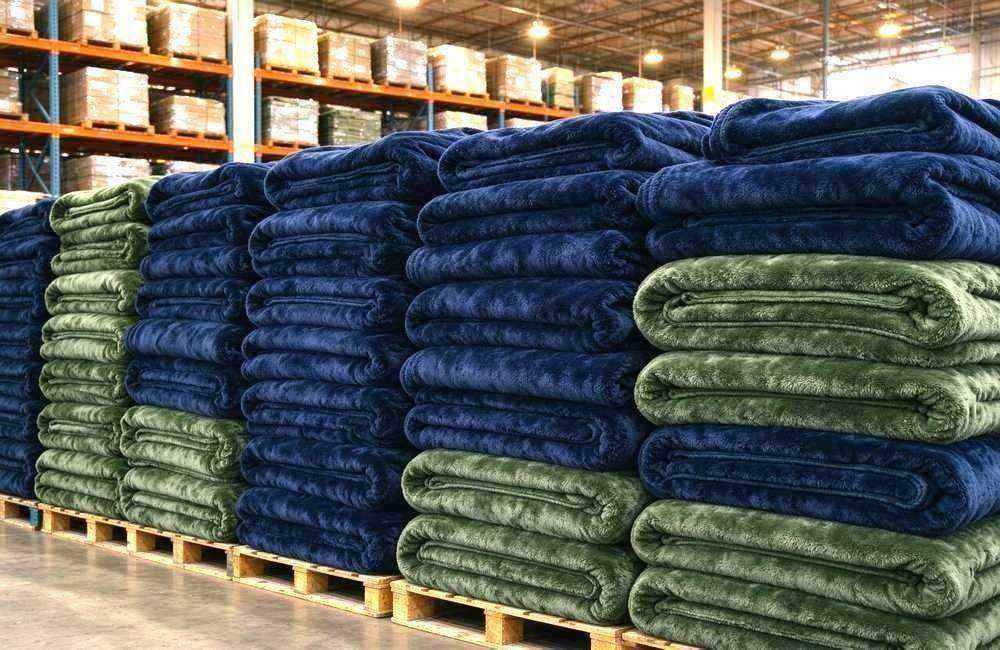
Raschel plush blankets in navy and grey folded on a warehouse pallet, showing the dense fluffy texture of emergency blanket stock for institutional reserve buying" loading
Raschel blankets and wool blend blankets differ in weight, warmth retention and care. Raschel fleece is lighter, dries faster and washes easily, while wool blend blankets add natural insulation and a classic feel, so the right choice depends on climate and usage. For procurement teams, this difference changes not only comfort but also shipping weight, storage volume and long-term care cost. For procurement teams, this difference changes not only comfort but also shipping weight, storage volume and long-term care cost.
Wool blend blankets give natural warmth in damp cold, while raschel blankets perform better in high-humidity regions where quick drying prevents odor and mildew. Comparing blanket material properties helps procurement teams match the product to real field conditions. End users also perceive the two differently: wool blend feels premium in cold offices, while raschel wins where frequent washing and fast turnaround are routine. End users also perceive the two differently: wool blend feels premium in cold offices, while raschel wins where frequent washing and fast turnaround are routine.
Choosing the right material also affects total cost. Raschel blankets offer lower unit price and lighter shipping weight, while wool blend blankets command a higher value position; documenting these trade-offs turns material selection into a clear purchasing decision. A simple comparison table of weight, warmth, washing and price helps stakeholders agree quickly before orders are placed. A simple comparison table of weight, warmth, washing and price helps stakeholders agree quickly before orders are placed.
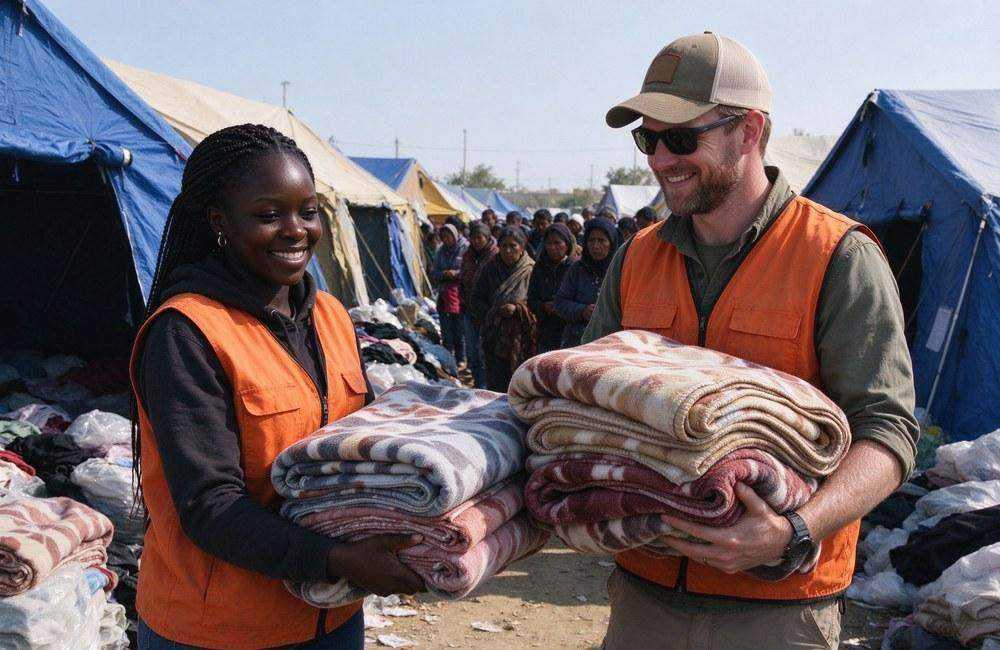
Wool blend blankets give natural warmth in damp cold, while raschel blankets perform better in high-humidity regions where quick drying prevents odor and mildew. Comparing blanket material properties helps procurement teams match the product to real field conditions. End users also perceive the two differently: wool blend feels premium in cold offices, while raschel wins where frequent washing and fast turnaround are routine.
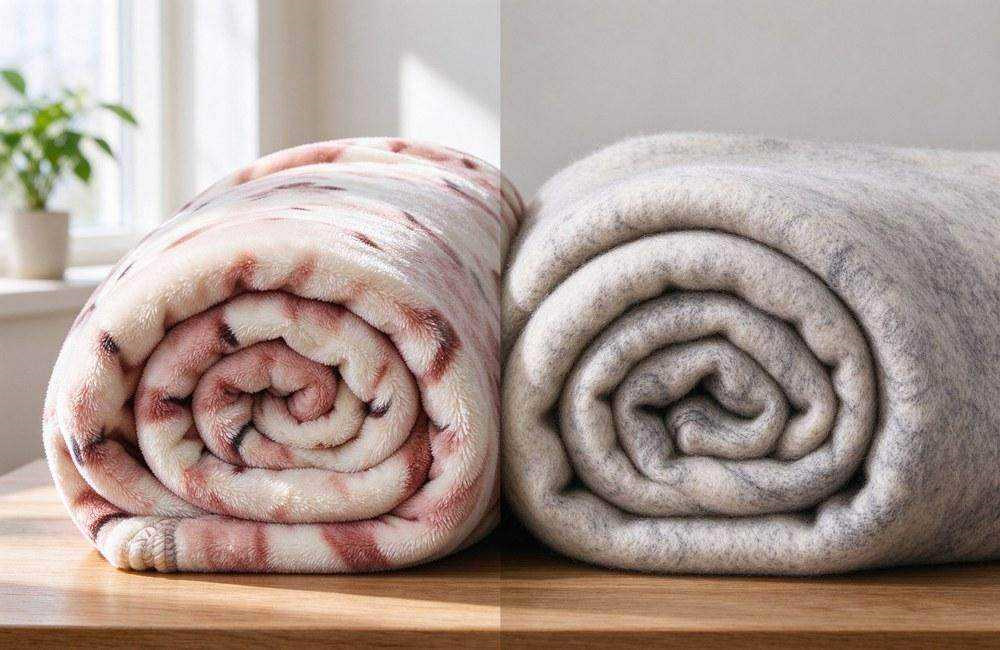
Choosing the right material also affects total cost. Raschel blankets offer lower unit price and lighter shipping weight, while wool blend blankets command a higher value position; documenting these trade-offs turns material selection into a clear purchasing decision. A simple comparison table of weight, warmth, washing and price helps stakeholders agree quickly before orders are placed.
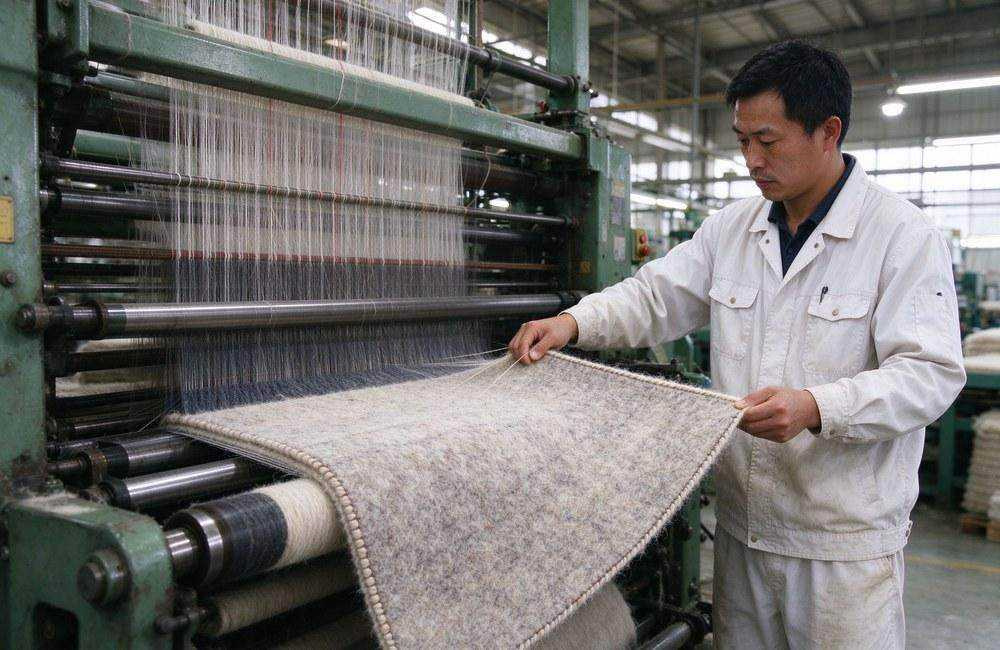
Store mixed reserve stock in labelled zones so the rotation check takes minutes instead of an afternoon. Raschel bales go in one zone, wool-blend cartons in another, and the packing list names the GSM and finished weight of every line. A simple two-column stock card, fabric on one side and quantity on the other, is enough to run a first-in first-out check at each inspection. The same card carries the supplier reference and the wash-test result, so a new batch is compared against the approved sample rather than against the previous conversation.
A mixed reserve also needs one documented owner for the stock card and one inspection date per quarter. The owner keeps the rotation honest, and the inspection date gives the committee a number to audit.
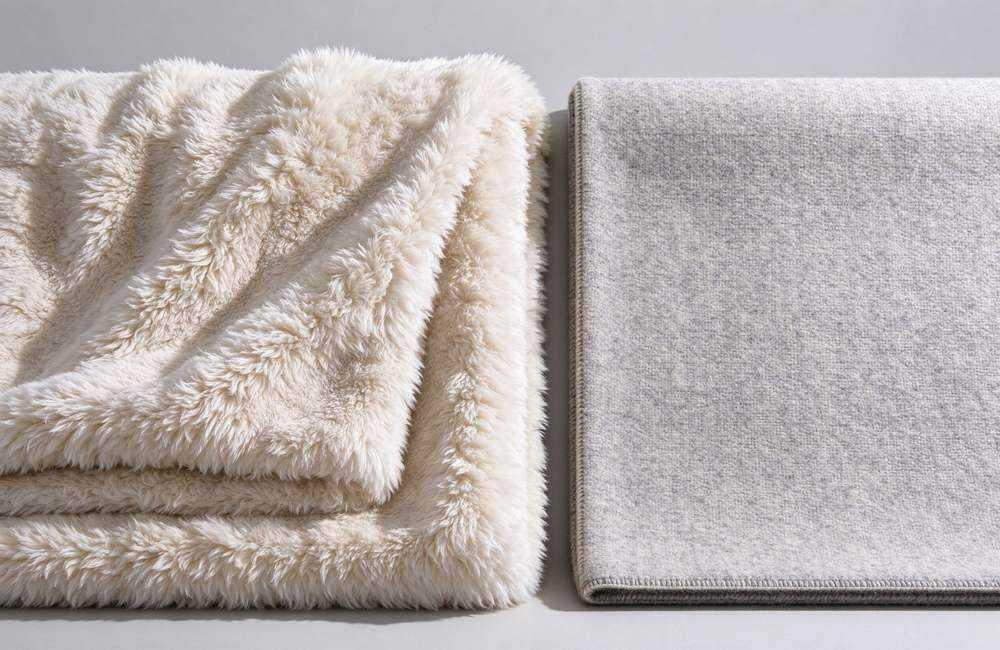
Raschel vs wool blend thickness comparison
For cold-weather purchasing decisions, buyers can also cross-check temperature guidance from NOAA when matching blanket weight to the coldest expected conditions.
Both fabrics are used widely in relief and institutional programmes, where Sphere standards define the performance relief items should meet, but they sit at different points of the trade-off triangle between weight, warmth and durability. Raschel is a knitted plush fabric with a thick, fluffy pile that traps air quickly and feels soft against skin, which makes it a strong choice for shelters and family use. Wool blend is a woven fabric with a denser, flatter surface that holds heat even when the outer layer gets damp, which matters for outdoor and patrol use where conditions are harder to predict.

Emergency warehouse reserve of blankets
Price per unit tells you what a blanket costs today; it does not tell you what a stock rotation actually costs over five years. Wool blend usually carries a higher unit price, yet its longer service life and lower replacement rate can make it the cheaper choice for long-term reserve stock. Raschel usually wins on initial price and on comfort perception, which is exactly why many programmes hold both fabrics and allocate them by scenario rather than standardising on one.
Before comparing numbers, agree on what the stock must do, and use ISO textile test methods behind the GSM and shrinkage numbers you compare. Write down the coldest expected temperature, the shift or shelter hours, whether blankets will be washed in institutional machines, and how much pallet space the warehouse can give to blankets. These four answers decide whether Raschel or wool blend, or a split of both, is the right emergency blanket comparison for your programme. A blanket that is too heavy for the intended use raises freight and storage cost, while one that is too light forces a second blanket to be issued later.
This guide keeps the decision practical: fabric construction, measured weights and folded sizes, storage implications, cost per usable year, and a scenario allocation table you can copy into your own procurement plan. The data used here follows the same logic as ISO sizing conventions for institutional textiles, and all figures are ranges that suppliers can confirm against your approved samples. If you already buy one fabric, the checklist in Section 9 helps you decide whether to add the other for specific duty posts.
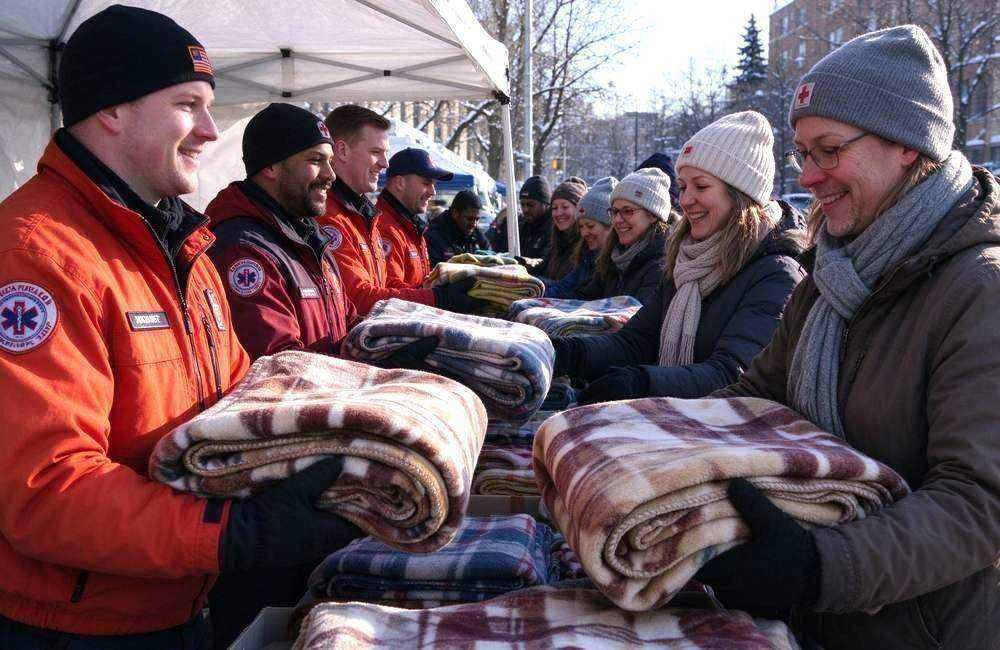
Relief blanket distribution to recipients
A reserve warehouse that stores one fabric in bulk faces a single set of risks. If that fabric pills, sheds or loses loft after repeated washes, the whole stock degrades together and the replacement cost lands in one budget year. Holding both fabrics spreads the risk: a soft plush line for shelters where comfort drives acceptance, and a dense woven line for outdoor posts where warmth retention matters more. Relief organisations that keep mixed reserve stock also find it easier to answer sudden requests for different blanket weights from field teams.
Another reason to compare fabrics is data. Buyers who standardise on one material often discover the mismatch only after delivery, when the blanket is heavier than the shelf space allows or lighter than the night shift expects. A fabric-level comparison written into the RFQ forces every shortlisted supplier to quote the same measurable points: grams per square metre, folded pack size, fill and fibre content, shrinkage limit and wash cycles. Those five data points convert a vague preference into a specification that can be verified at delivery.

Warehouse racks filled with blanket cartons
Because the pile is what delivers warmth, Raschel blankets work best in indoor or sheltered settings: temporary shelters, tent interiors, school halls used as emergency dormitories and family kits. A typical 150 by 200 cm Raschel blanket at around 350 to 400 GSM weighs roughly 1.0 to 1.2 kilograms, which is light enough for one adult to carry and for boxes to stay manageable on pallets. The light weight also keeps freight cost lower per unit, which matters when blankets move in container volumes.
What Raschel is less strong at is wet and windy exposure. The fluffy pile loses loft faster when saturated, and a single plush layer provides less wind resistance than a dense woven face. For outdoor patrol posts, vehicle spares and open distribution points in rain or snow, the same programme should plan a denser option. Many buyers solve this by holding Raschel as the shelter line and a woven or wool blend line for exposed duty, which is the allocation pattern in Section 9.
On the production side, Raschel knitting runs efficiently on modern machines, which keeps unit pricing competitive for large programmes. Packing is straightforward: folded plush blankets compress well, and a 1000-piece order of Raschel blankets typically packs into fewer pallets than the same quantity in a heavier woven fabric. For programmes that buy in the tens of thousands of pieces, that packing difference is a real line item in the freight budget, and the buying pattern for large Raschel programmes is covered in our Raschel blanket bulk purchasing guide.
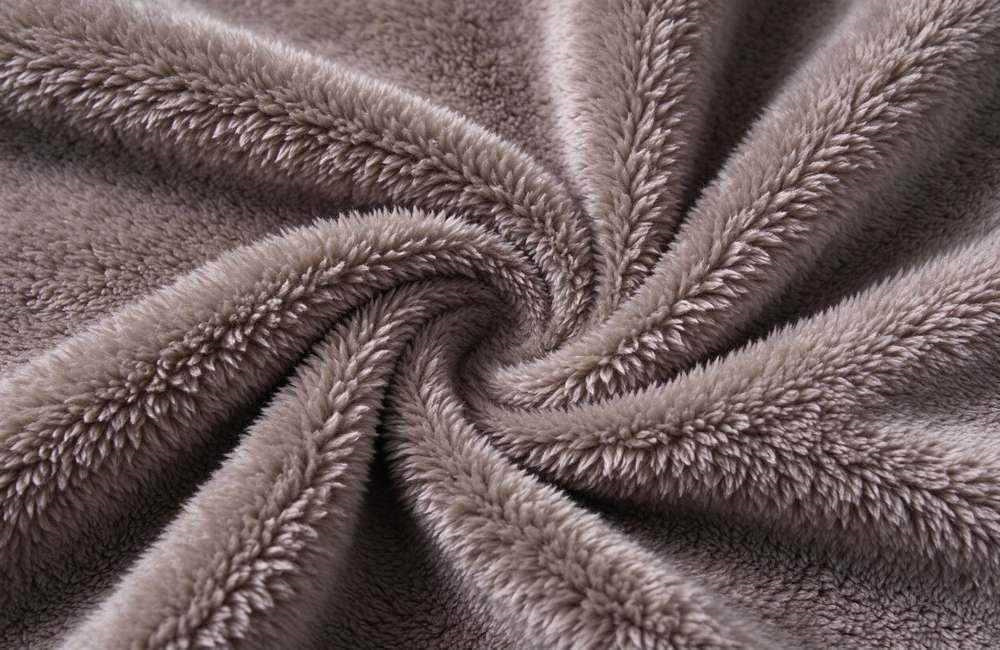
Raschel plush fabric texture close-up
Wool's key advantage is damp tolerance. Wool fibres absorb moisture without losing their insulating structure, so a wool blend blanket keeps body heat even when the outer surface is wet from snow, rain or sweat. In a patrol post or an unheated shelter where blankets get damp, wool blend holds warmth longer than a plush knit of the same thickness. That behaviour is why many institutional buyers list wool blend as their primary fabric for cold-weather reserve stock.
Storage behaviour is the second advantage, consistent with IWTO wool guidance. Wool blend resists pilling and matting better than long-pile plush, verified with ASTM test methods, and holds its structure through repeated institutional washing. The trade-off is weight and price: a 150 by 200 cm wool blend blanket at 450 to 550 GSM weighs about 1.4 to 1.7 kilograms, so pallets carry fewer pieces.
For programmes that store wool blend blankets for emergency storage, two specifications matter most: the wool percentage and fibre blend written in the RFQ, and testable shrinkage and pilling limits. Without those two points, "wool blend" on a label can mean very different blankets from different suppliers.
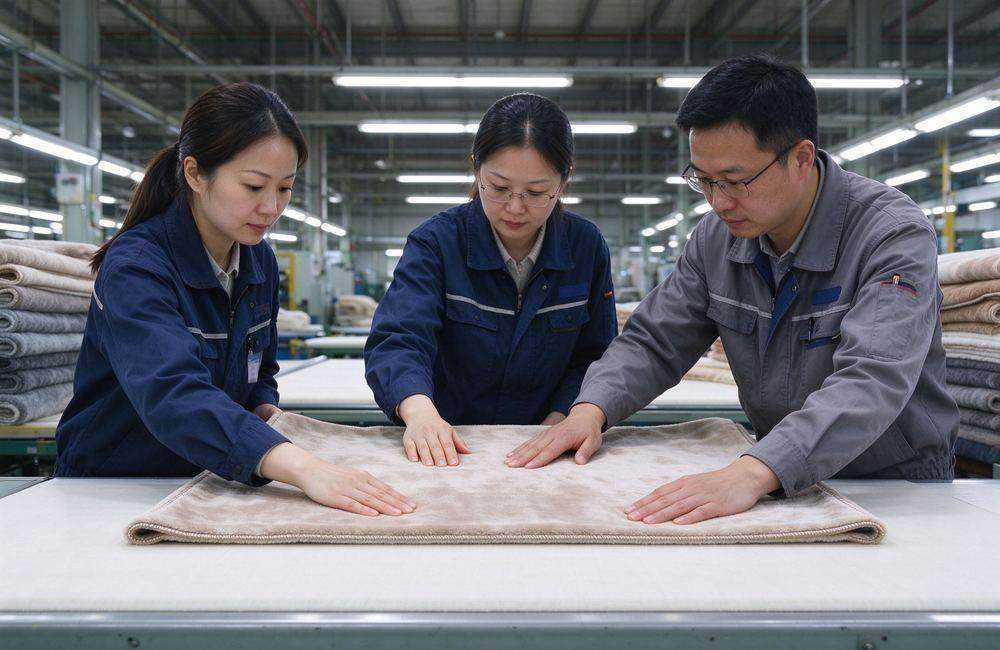
Wool blend blanket production line
The quickest way to compare the two for your stock is a side-by-side table on measurable points. The figures below are typical ranges for 150 by 200 institutional blanketsets; your approved samples give exact values. Any supplier should be able to confirm each row against a sample and a test report.
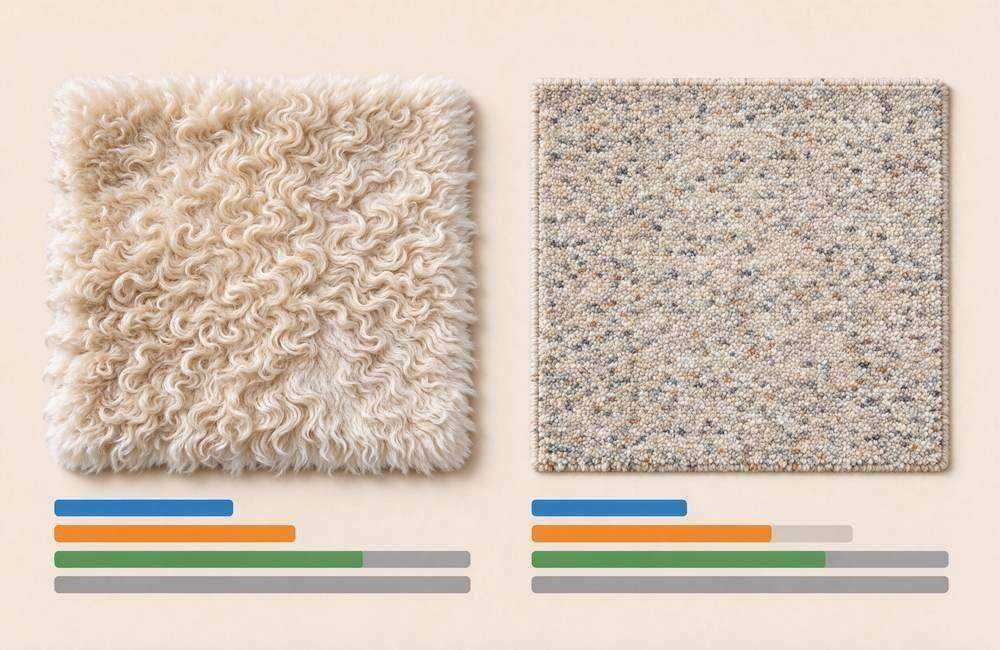
Raschel vs wool blend selection table
|
Comparison point |
Raschel plush blanket |
Wool blend blanket |
|
Typical weight (150x200 cm) |
1.0-1.2 kg |
1.4-1.7 kg |
|
GSM range used |
350-450 |
450-600 |
|
Warmth at first contact |
High, instant |
Moderate, sustained |
|
Damp tolerance |
Lower |
High |
|
Wind resistance |
Lower |
Higher |
|
Wash durability |
Good with care |
High |
|
Pilling tendency |
Medium |
Low |
|
Typical unit price |
Lower |
Higher |
|
Best reserve role |
Shelter and comfort |
Outdoor and long-term |
How to read this table.
Warmth at first contact explains why Raschel feels warmer immediately; damp tolerance explains why wool blend holds warmth longer when wet. Shelter-heavy programmes get more comfort per dollar from Raschel; duty-heavy or long-stored programmes get more usable warmth per blanket from wool blend.
A second point buyers often miss is folded volume. Raschel folds into a fluffier pack that takes more shelf depth; a denser wool blend folds flatter, so the same quantity stores in less pallet space despite weighing more. Section 5 quantifies this, because storage volume and weight are separate cost lines.
The raschel blanket vs wool blend blanket decision is not either-or for a whole programme. Most buyers end with a two-line stock: Raschel for shelters and family kits, wool blend for outdoor duty and long-term reserve, with the ratio set by their scenario mix in Section 9.
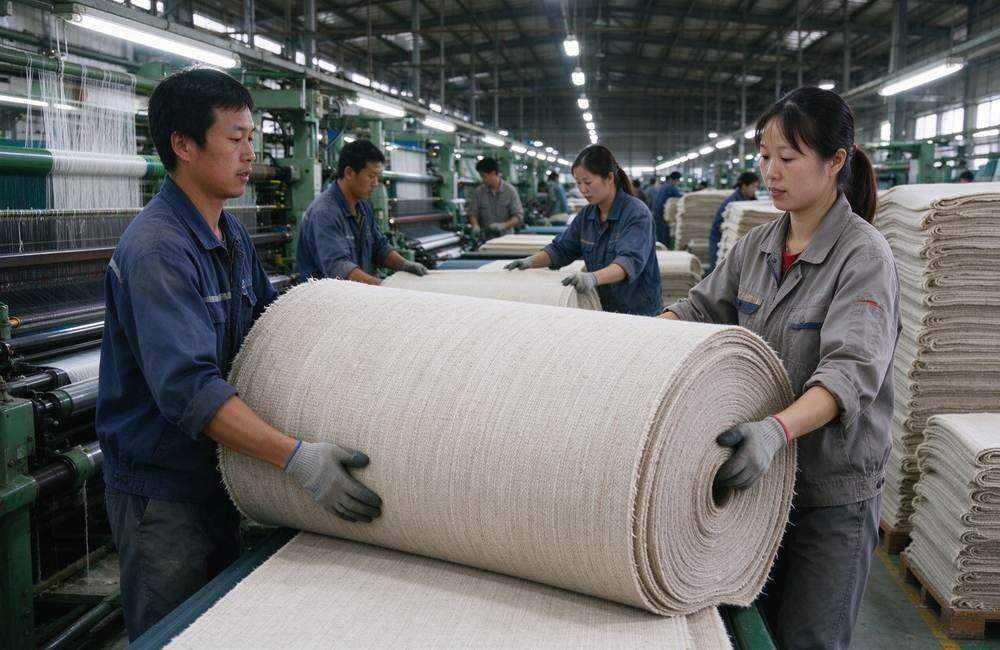
Workers handling fabric roll in textile factory
Ware emergency stock. Raschel st in emergency stock. Raschel packs are fluffier, so the same 500 blankets take more shelf depth; wool blend packs are flatter, so more pieces fit per rack, but each piece weighs more, raising floor loading and freight weight. The right balance depends on whether your constraint is shelf space or weight limits.
For a typical 150 by 200 cm blanket, a Raschel plush line at 400 GSM folds to a pack around 30 by 40 cm and 12 to 14 cm thick, weighing near 1.1 kilograms. A wool blend line at 500 GSM folds flatter, around 8 to 10 cm thick, weighing about 1.5 kilograms. A pallet therefore holds roughly 15 to 20 percent more wool blend pieces by count; if your warehouse stores by weight limit, the lighter Raschel line wins.
Compression packing changes the calculation for long-term reserve. Hydraulic compression presses folded blankets into dense bales that survive storage and shipping, and both fabrics compress well when the specification allows it. Compressed bales cut the storage footprint by roughly a third to a half compared with loose packs, which is why many reserve programmes ask for compressed packing on the reserve line and loose folding on the issue line. Section 10 covers how to write compression into the order.
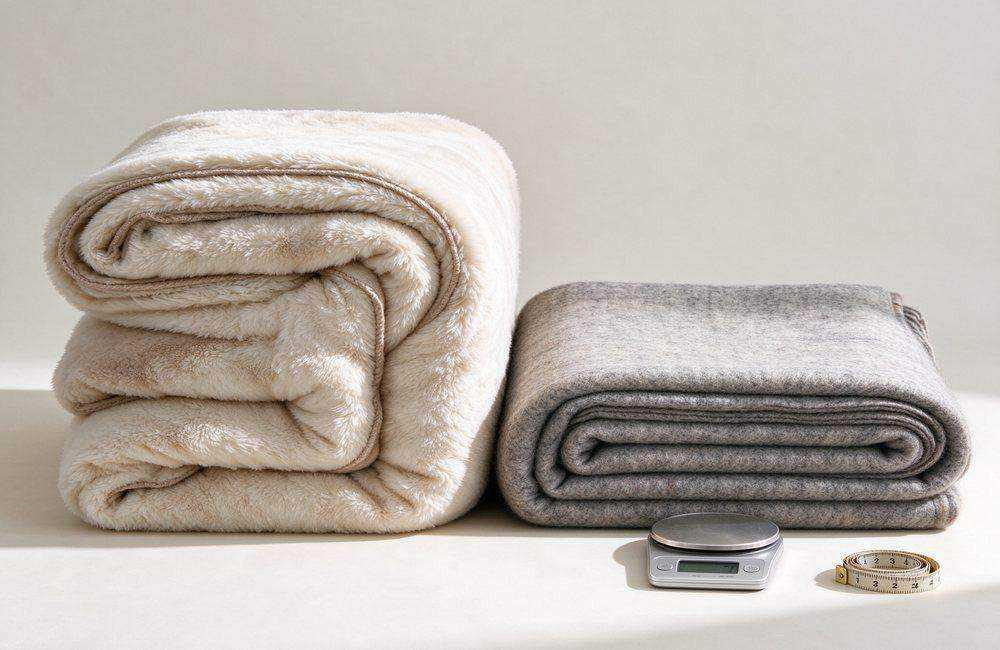
Weight and folded size comparison
Warm blanket keeps is about how long a blanket keeps a person warm, not how warm it feels at the first touch. Raschel feels warm instantly because the pile traps a thick layer of still air against the body, and that fast response matters in a shelter where people arrive cold. Wool blend takes the same body heat and holds it longer, because the woven structure and wool fibre keep insulating even as moisture builds, which matters in patrol posts, tents in cold weather and any use where the blanket stays on for hours.
Field reports from cold-weather operations consistently show the same pattern: plush blankets are loved in indoor shelter settings, while dense woven blankets are preferred for overnight exposure. The practical translation is that a programme does not choose one warmth profile; it allocates by exposure time. For shifts under four hours in sheltered spots, Raschel is sufficient and more comfortable. For overnight posts, open distribution in cold weather, or vehicles that may idle in low temperatures, wool blend is the safer spec.
To make warmth retention measurable in the RFQ, ask suppliers for the blanket's GSM and construction rather than marketing words such as "extra warm". GSM is the number a factory can verify, and it correlates with the weight and loft your scenario needs. A 350 to 400 GSM Raschel line covers sheltered use; a 500 to 600 GSM wool blend line covers exposed use. Writing those numbers into the specification prevents the common mismatch of a thin blanket being issued to an overnight post; see our cold duty blanket GSM and material guide for the full selection method.

Emergency tent use with heavy blankets
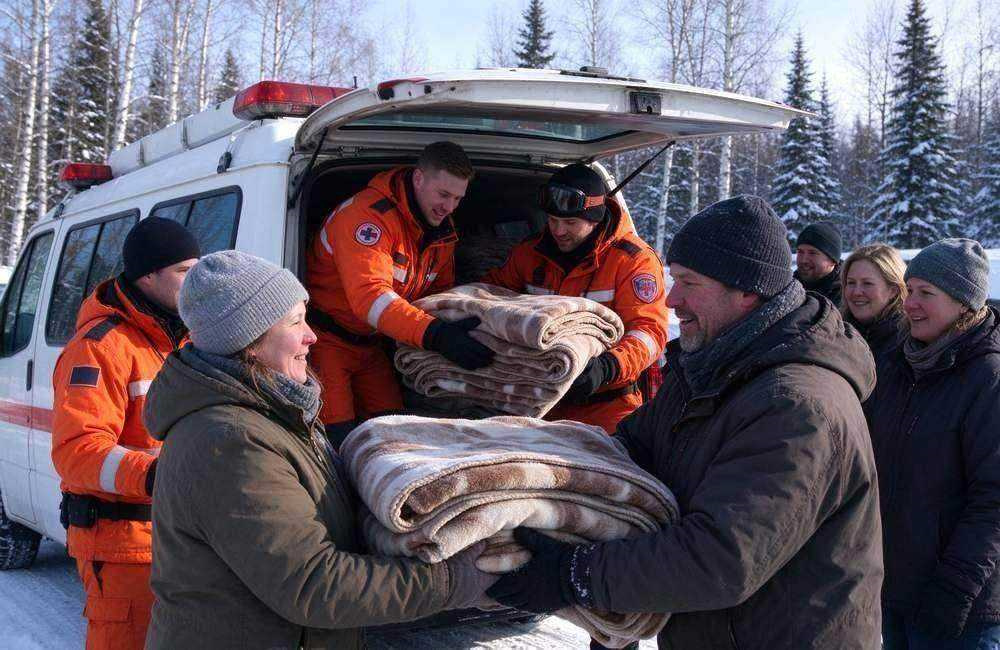
Rescuers handing out emergency blankets in snowy cold weather
To make service life measurable, put two numbers in the RFQ: a pilling limit and a wash-cycle target. A practical specification is pilling grade 4 or better after 10 institutional washes, with the blanket still meeting the agreed GSM tolerance after washing. Suppliers who run mills can confirm these numbers against tests; suppliers who cannot should be treated as unable to meet the durability requirement. This single clause prevents the most common quality failure in emergency stock, which is a blanket that looks right at delivery but degrades within a season.
Shrinkage is the second durability risk: uncontrolled shrinkage pulls a wool blend out of size after the first industrial wash. Specify a maximum of 3 percent in both directions after three washes and check it on the pre-shipment sample. Raschel plush shrinks less because the knit relaxes rather than pulls, but check pile height after washing too.
Care instructions belong in the pack too: a label saying "wash at 60 degrees, low spin, no bleach" protects both fabrics. Institutions that wash correctly get a longer service life; the same blanket washed too hot loses performance fast.

Warehouse team checking emergency blanket stock
The unit pric usable blanket-year. but what matters for a reserve budget is cost per usable blanket-year. A cheaper Raschel blanket replaced every two seasons can cost more per year than a wool blend blanket lasting four or five seasons. The table below shows the logic.
|
Cost factor |
Raschel plush |
Wool blend |
|
Typical unit price (150x200 cm) |
Lower |
Higher |
|
Typical service life |
2-4 seasons |
4-6 seasons |
|
Freight weight per piece |
Lighter |
Heavier |
|
Storage volume per piece |
Fluffier |
Flatter |
|
Replacement rate |
Higher |
Lower |
|
Cost per usable blanket-year |
Comparable or higher |
Often lower |
How to read this table.
If stock rotates quickly and comfort drives acceptance, Raschel’s lower unit price and lighter freight may win. For long-term reserve, wool blend usually delivers the lower cost per usable year. Ask your supplier for wash-cycle data before committing to a quantity.
Compression packing is a cost lever for reserve storage: compressed bales reduce the footprint and protect blankets from dust and pests. The cost is small relative to freight and storage savings, so reserve lines are usually ordered compressed and issue lines loose.
Finishing matters too: stitched edges and a hemmed binding hold shape longer at a small cost premium. Buying cheap finishing on a reserve line is a false economy, so specify both on the two fabrics.

Staff checking emergency blanket fabric samples
The strallocation: Raschel plushr most programmes is a two-line allocation: Raschel plush for shelter and family lines, wool blend for outdoor duty and long-term reserve. The table below is a working starting point for the ratio.
|
Scenario |
Recommended fabric |
Why |
|
Temporary shelter sleeping |
Raschel plush |
Soft feel, fast warmth, lower weight |
|
Family emergency kits |
Raschel plush |
Comfort and acceptance, easy handling |
|
Patrol and overnight posts |
Wool blend |
Damp tolerance, wind resistance |
|
Open distribution points |
Wool blend |
Holds warmth outdoors longer |
|
Vehicle spares |
Wool blend |
Flatter pack, survives cold storage |
|
Long-term reserve stock |
Wool blend |
Longer service life, lower replacement rate |
|
Mixed-use institutional stock |
60/40 split |
Comfort line plus durable line |
How to read this table.
The 60/40 split suits programmes with both shelter and duty demand; shift toward Raschel if shelter-heavy, toward wool blend if duty and reserve dominate. Writing the allocation into the procurement plan stops the wrong fabric reaching the wrong post.
Rescue workers distributing heavy wool blend blankets from a relief vehicle in cold weather
Allocation also affects the issue sequence. Shelter lines can be issued immediately on arrival because comfort matters at the moment of displacement. Duty and reserve lines should be kept intact until field teams request them, so the durable stock stays fresh for the scenarios that need it. A simple rack label with fabric, size and issue priority keeps the warehouse operation clear even under pressure.
Finally, record the allocation data each season: how many blankets of each fabric were issued, washed, retired and replaced. Two seasons of that record turns the ratio from a guess into a number your next budget can defend.
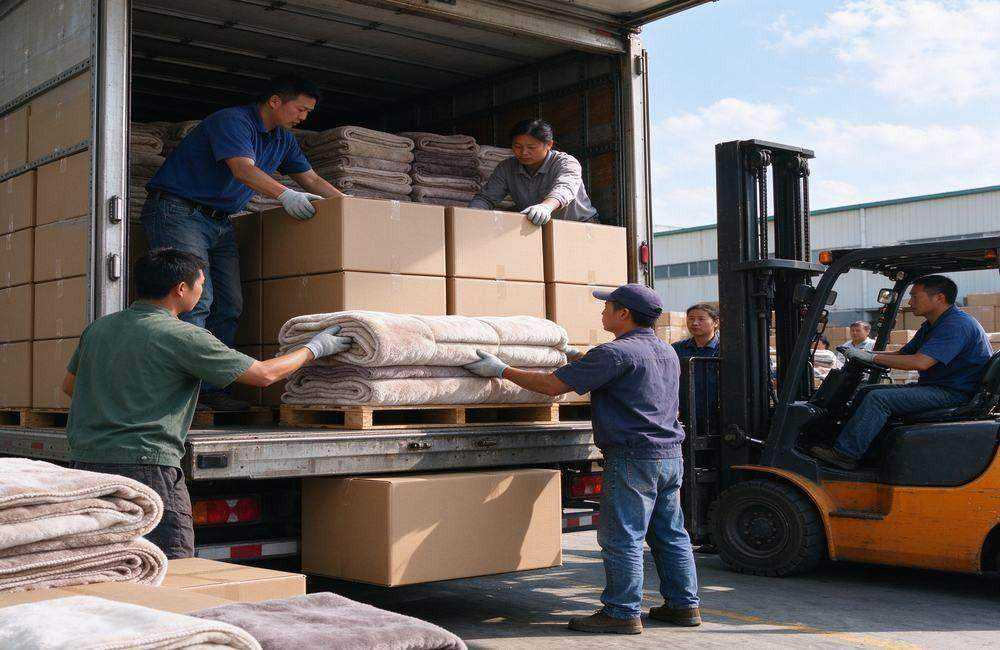
Workers loading blanket cartons for shipment
Bulk buying changes both the price and the pacusable blanket-year rather thanned together. At container scale, the fabric decision drives freight weight, pallet count and storage footprint, which means the cheapest unit price is not necessarily the cheapest landed cost. Compare suppliers on landed cost per usable blanket-year rather than on the ex-works price alone, and ask each one to quote the same packing configuration so the comparison is fair.
Packing configuration is a specification point, not an afterthought. A common bulk order is a mixed pack: the shelter Raschel line folded loose in cartons of 20 pieces for immediate issue, and the reserve wool blend line compressed into bales of 50 pieces for storage. Both pack types are written into the same RFQ with separate carton markings, so the warehouse can sort by line without reopening every box at arrival.
Carton and bale markings should carry only what the field needs: fabric, size, quantity and pack type. Keep markings standard and language-neutral so any warehouse team can read them. If your programme stores in multiple depots, agree the marking format across all sites, because inconsistent labels are a common source of stock errors exactly when the reserve is activated.
Lead time planning belongs in this section as well. Wool blend production and finishing can take longer than Raschel knitting, and compressed packing adds a processing step, so a programme that orders both lines should confirm both lead times before placing the order. A common mistake is planning one delivery date for the whole order and then discovering the reserve line arrives a month late; ask for separate delivery schedules per line.

Worker checking rolled branded emergency blankets
The quality check pl For Raschel irror the specification: each measurable point in the RFQ gets a check at pre-production, in-line and pre-shipment stages. For Raschel and wool blend alike, the three highest-risk points are GSM tolerance, shrinkage and pilling, because these determine both warmth and service life. A pre-shipment inspection that samples from multiple cartons catches issues that a single sample review misses.
Start with the approved sample as the reference. Every batch comparison should be visual and tactile against that sample: the pile height and hand feel for Raschel, the weave density and wool content feel for wool blend. A buyer who cannot touch both fabrics side by side should ask for a sample set of each candidate before the bulk order, because texture differences are exactly the kind of detail that photos do not show, and fibre safety can be referenced against OEKO-TEX test methods.
Weight and size checks are simple but essential. Weigh pieces from different cartons and confirm they sit inside the agreed tolerance, and measure a few folded packs to confirm the packed dimensions match the freight plan. These two checks protect both the warmth spec and the storage plan, and they take minutes per carton. The check result sheet should be attached to the shipping documents so the arrival inspection can compare against it.
Finally, verify the marking and packing against the order sheet: carton contents, pack type, label and quantity per carton. This is the last gate before loading, and it prevents the classic warehouse problem of a reserve line arriving mixed with the shelter line. A short pre-shipment checklist signed by the factory and the buyer's inspector makes the whole process auditable.
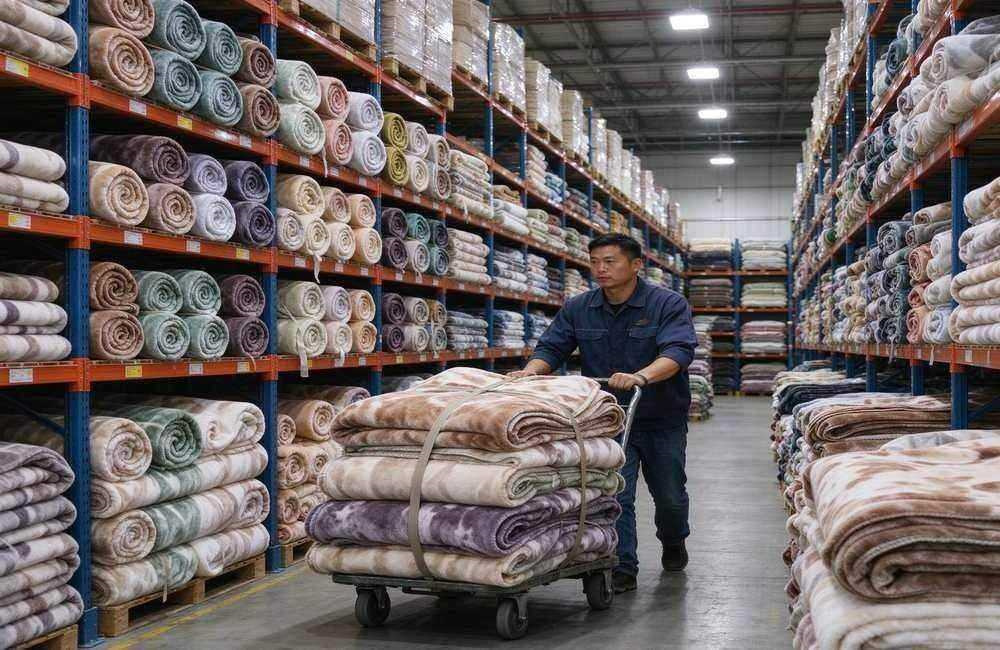
Worker transporting folded emergency blankets in warehouse
A bala best blanket;is not about choosing the single best blanket; it is about matching each blanket line to the scenario that needs it. The pattern that works for most programmes is: a Raschel plush line for shelters, family kits and fast issue; a wool blend line for patrol, overnight and long-term reserve; and a data record that tracks how each line is used so the next budget allocation is grounded in facts. For the arithmetic behind reserve sizing, see our institutional blanket reserve calculation guide.

Buyers inspect unpacked emergency blankets
Start the reserve build with a written scenario list and the four numbers from the introduction: coldest temperature, shift or shelter hours, washing regime and pallet space. Then allocate the quantity by scenario using the Section 9 table, and confirm the GSM and folded size for each line with suppliers before ordering. This sequence converts the fabric comparison into a concrete order instead of a preference debate.
The final step is verification at delivery: weigh, measure and inspect against the RFQ on arrival, and log the results into the same record that tracks issues and washes. Programmes that close this loop consistently can defend their stock size, justify the fabric split and shorten the next procurement cycle, because the data replaces guesswork. That is the practical definition of an emergency blanket reserve that works: the right fabric, in the right quantity, in the right place, with the record to prove it.

scenario. Raschel plush givesRaschel plush gives fast warmth, a soft feel and a lower weight, which suits shelters, family kits and fast issue. Wool blend holds warmth longer when damp and survives repeated washing, which suits patrol, overnight posts and long-term reserve. The practical answer for most programmes is a two-line emergency blanket stock rather than a single fabric.
Raschel blankets are knitted plush with a thick, fluffy pile that traps air and feels soft immediately. Wool blend blankets are woven, denser and flatter, with higher weight per square metre, better wind resistance and stronger damp tolerance. The raschel blanket vs wool blend blanket difference is basically comfort and weight on one side, durability and damp tolerance on the other.
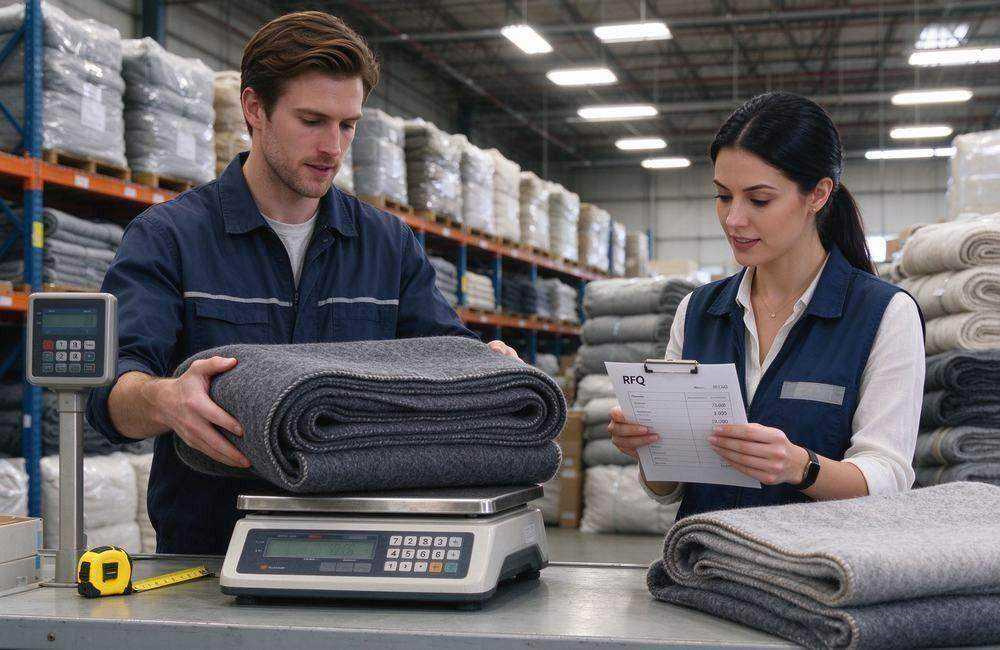
Staff weighing folded emergency blankets
Yes for sheltered indoor use. A 350 to 450 GSM Raschel blanket in a 150 by 200 cm size delivers fast warmth and comfort that most shelter users accept well. If the shelter is unheated or occupants stay overnight in very cold weather, a denser option such as a wool blend line gives more sustained warmth, which is why mixed stock works best.
With correct storage and rotation, a well-specified wool blend blanket realistically lasts several cold seasons. The dense weave resists pilling and matting, and the wool content tolerates moisture without losing its insulating structure. Storing compressed bales off the floor with air circulation extends the effective life further, which is why reserve lines are usually ordered compressed.
With dry storage and rotation every two to three years, a wool blend line can serve beyond five years, so log the stored lots and test the oldest before each season.
For sheltered and family use, a 350 to 450 GSM plush line gives comfort at a manageable weight. For outdoor duty, overnight posts and reserve stock, a 450 to 600 GSM dense line such as wool blend gives the warmth and durability the scenario needs. Write the GSM into the RFQ, because it is the number a factory can verify against a sample.

Workers loading pallets of emergency blankets
Yes, that is their main field advantage. Wool fibres absorb moisture without collapsing the insulating structure, so a wool blend blanket keeps body heat even when the outer surface is damp from snow, rain or sweat. Raschel plush loses loft faster when saturated, which is why wet and windy duty posts should be equipped with the wool blend line.
A Raschel plush blanket at 350 to 450 GSM weighs roughly 1.0 to 1.2 kilograms. A wool blend blanket at 450 to 550 GSM weighs about 1.4 to 1.7 kilograms. Weight drives both freight and floor loading, so confirm the exact weight on the approved sample and use it in the container and pallet plan.
Raschel plush usually has the lower unit price and lighter freight, which makes it cheaper on sticker price. Wool blend usually has a longer service life and lower replacement rate, which can make it cheaper per usable blanket-year. Compare landed cost per usable year, not the ex-works price alone, when ordering bulk emergency blankets.
Both fabrics can be institutional-washed when the care spec is respected. Specify wash at 60 degrees, low spin, no bleach, and set a pilling limit of grade 4 or better after 10 washes plus a shrinkage limit of 3 percent. Raschel plush needs gentler handling to protect loft; wool blend handles the cycle better and is the usual choice for heavy rotation.
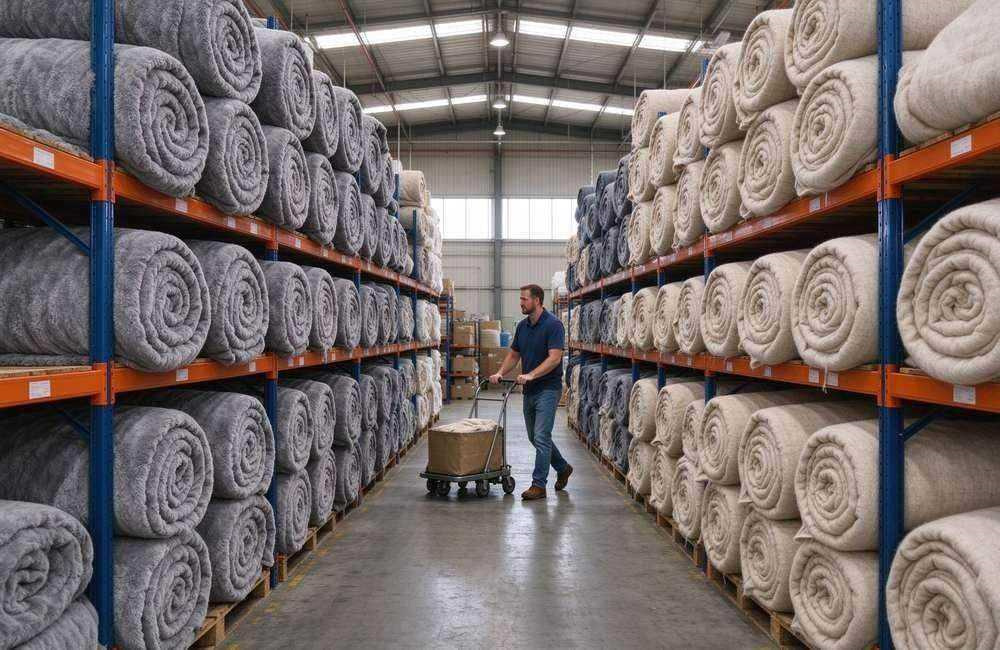
Workers loading pallets of emergency blankets
For a 150 by 200 cm blanket, plan around 30 by 40 cm with 12 to 14 cm thickness for a 400 GSM plush line and 8 to 10 cm for a 500 GSM dense line. Flatter packs hold more pieces per rack, heavier packs raise floor loading. Confirm the folded pack size with the supplier and use it in the pallet plan before you commit the warehouse space.
Order compressed bales for the long-term reserve line and loose folding for the fast-issue shelter line. Compression cuts the storage footprint by roughly a third to a half and protects the blankets from dust, while loose packs issue immediately without unpacking. Write both pack types into one RFQ with separate carton markings so the warehouse can sort on arrival.
A common working figure is two blankets per person in shelters: one in use and one in reserve, plus a small spare percentage to cover loss and damage during rotation. Adjust the number to your shift hours and washing cycle, because a programme that washes daily needs more rotation stock than one that issues blankets for the whole stay.
Specify a maximum shrinkage of 3 percent in both directions after three institutional washes, and check it on the pre-shipment sample. Uncontrolled shrinkage pulls blankets out of size after the first wash, which ruins bedding fit and issue records. This clause is cheap to test and prevents one of the most common quality failures in emergency stock.

Volunteers packing wool blend blankets
Long-pile plush can pill and lose loft faster than a dense woven fabric under heavy institutional washing. Specify a pilling limit of grade 4 or better after 10 washes and check pile height after washing so the loft stays inside tolerance. Gentler wash cycles and lower spin extend the plush line's service life noticeably.
Send the scenario list, coldest expected temperature, shift or shelter hours, washing regime, target GSM and folded size, pallet space, and quantity per line. These points let suppliers quote the same measurable specification, which is what makes a Raschel and wool blend comparison fair. A supplier that cannot confirm these numbers against a sample should be shortlisted out.
Yes, and it is usually the strongest answer. A 60/40 split of Raschel shelter stock and wool blend duty and reserve stock covers both comfort and durability, and the record after two seasons tells you how to adjust the ratio. Mixed stock also answers sudden requests for different blanket weights from field teams without a second procurement round.
Use this comparison as the basis of your next blanket RFQ: define the scenario mix, confirm GSM and folded size per line, and send the same specification to several suppliers so their quotes are comparable. The best best blanket for emergency storage decision is the one backed by a sample, a test report and a wash-cycle number, not by a label.
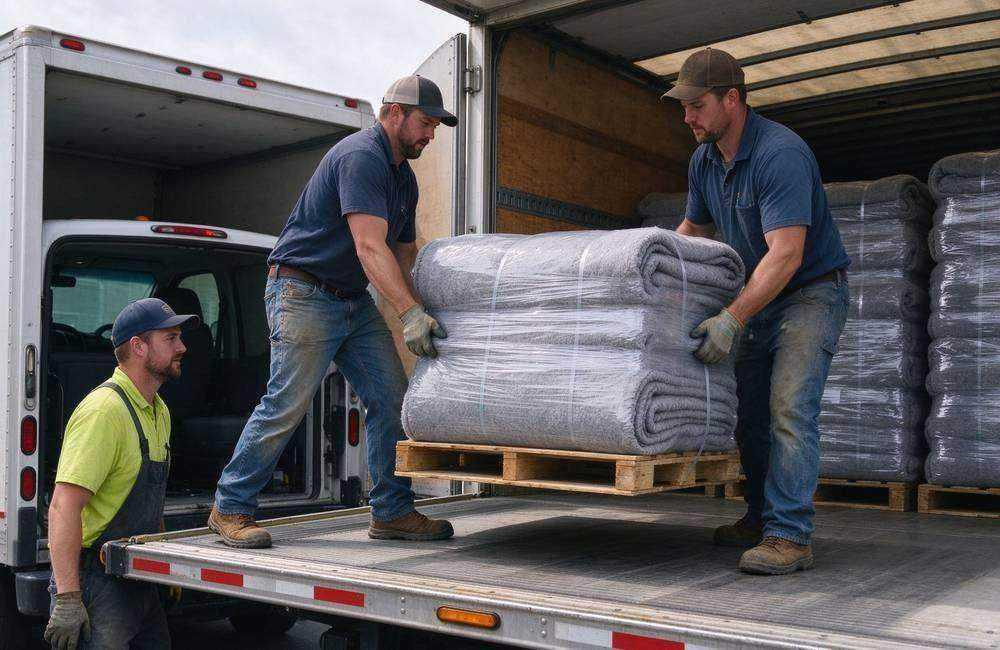
Coordinator comparing raschel blankets
 |

|
Précédent :
Cold Duty Blankets for Winter Emergency Shelters: GSM, Fabric Type, Unit Weight, Blanket Size, Packing and Bulk Ordering Guide for Institutional and Emergency Procurement TeamsSuivant :
Blanket Total Cost of Ownership for Bulk Buyers: Unit Price, Ocean Freight, Storage, Quality Failures and Replacement Costs Compared for Wholesale and Emergency Blanket OrdersLiens amicaux :
droits dauteur © Custom Disaster - Relief Bedding: Tents, Sleeping Bags, Blankets Tous les droits sont réservés
léquipe professionnelle au service !