Catégories
dernier blog
If you have ever pulled a sheet out of the dryer and wondered why it feels rough, faded, or thinner than when you bought it — you are not alone. Most institutional bedding does not wear out from use — it wears out from being washed the wrong way, because commercial laundry conditions are far harsher than home washing. This plain-English bedding care instructions guide covers how to wash institutional bedding correctly, including how to wash hospital sheets, how to wash hotel bedding, how to wash dorm sheets, how to wash emergency shelter bedding, and how to wash nursing home bedding. It includes commercial laundry temperature settings, what temperature to wash sheets, bleach safe bedding practices, and how to extend bedding lifespan and how to make sheets last longer. It tells you exactly how to wash, dry, and store your sheets so they last longer, feel better, and save you money.
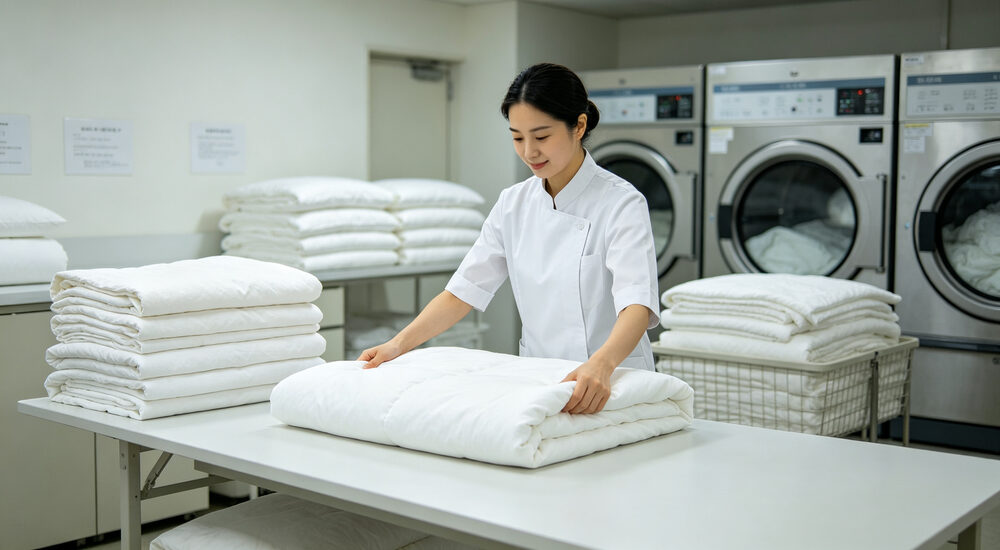
Here is the big secret most laundry companies will not tell you: the way you wash your sheets matters more than the thread count or price you paid. A $10 sheet washed correctly can outlast a $30 sheet washed incorrectly. Think of it like a car — a Toyota with regular oil changes will outlast a Mercedes that never gets serviced. The same principle applies to your bedding.
|
Fabric Type |
Water Temp |
Bleach |
Dry Temp |
Expected Washes |
|
100% Cotton |
60-80°C |
Chlorine OK |
Medium-High |
80-150 |
|
Poly-Cotton (50/50) |
60-75°C |
Chlorine OK (diluted) |
Medium |
150-250 |
|
Poly-Cotton (80/20) |
50-70°C |
Oxygen preferred |
Medium-Low |
120-200 |
|
100% Polyester |
40-60°C |
Oxygen only |
Low-Medium |
200-300+ |
|
Microfiber |
30-40°C |
No bleach |
Low |
150-250 |
Not sure which fabric you have?
Send us a sample — we will identify it free →
|
|
Proper bedding care means washing, drying, and storing your sheets in a way that keeps them clean, comfortable, and durable for as long as possible. It is not complicated — but getting it wrong will cost you thousands of dollars in unnecessary replacements.
Think about it this way: if you run a 500-bed shelter and each sheet costs $10, that is $5,000 for one set. If poor laundry practices cut the lifespan from 200 washes to 100 washes, you just spent an extra $5,000 per year on replacements. That is money that could have gone to better food, more staff, or additional supplies.
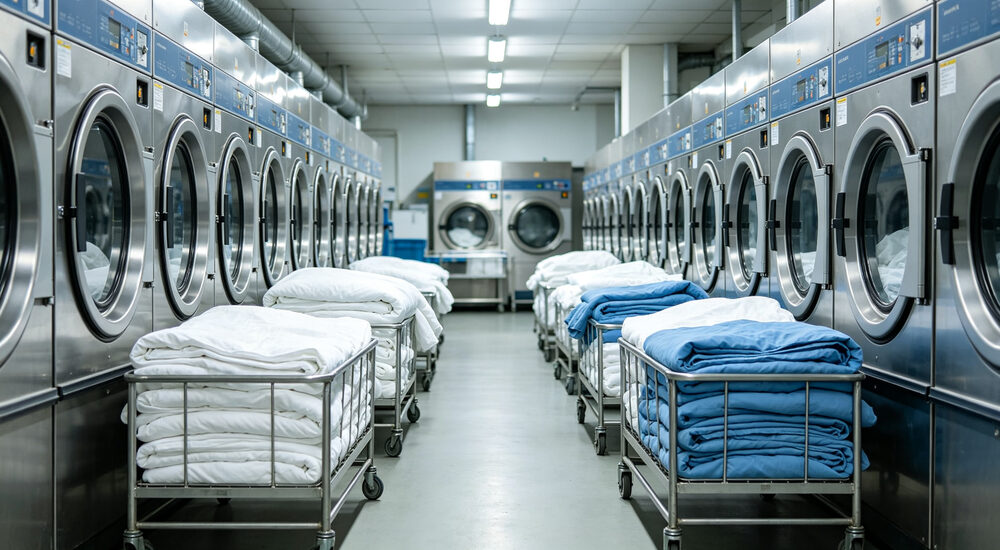
After 20 years supplying bedding to 30+ countries, we have seen every laundry mistake in the book. You might wonder why does my laundry damage sheets, and when to replace them. The good news? Most of these mistakes are easy to fix once you know what to look for. Which is better for your facility depends on your specific setup, but the principles are universal. Therefore, a little training goes a very long way. This guide will walk you through everything step by step, in plain English, with no confusing jargon.
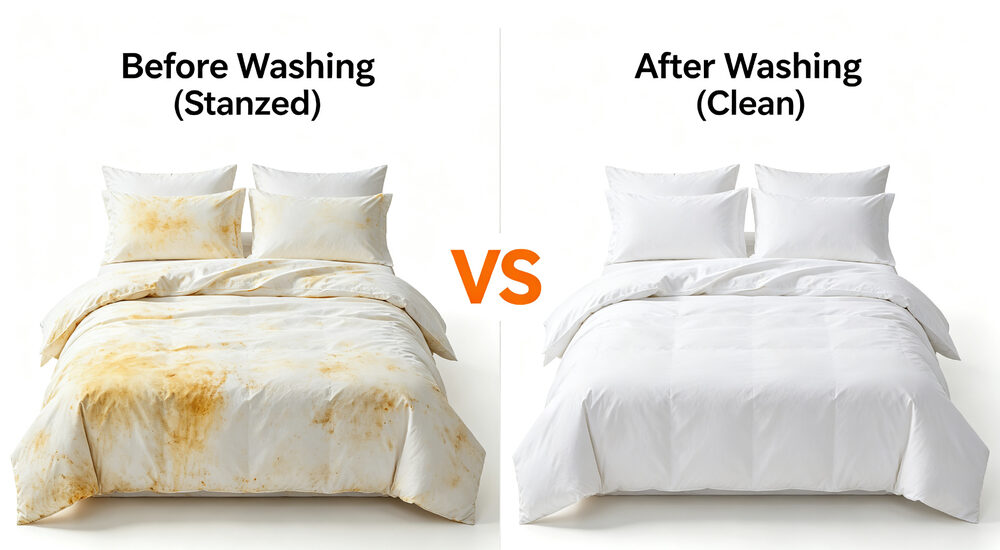
When sheets are washed incorrectly, several things happen. Fibers break down faster, causing thinning and tearing. Colors fade quickly, making sheets look old and dirty. Fabric becomes rough and uncomfortable, leading to resident complaints. And stains set permanently, so you throw away sheets that could have been saved. All of this adds up to higher costs and lower satisfaction.
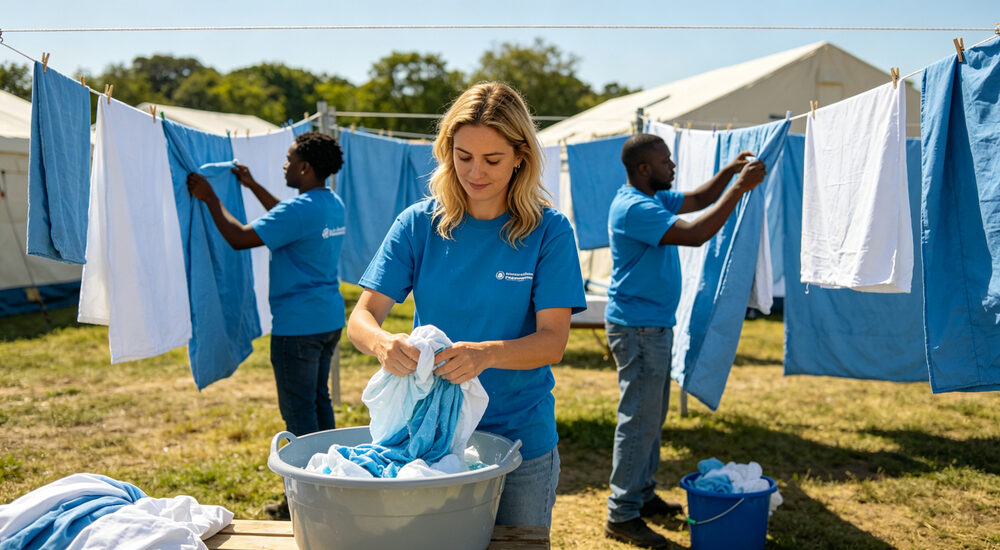
The bottom line: good laundry care is not an expense — it is an investment. Spend a little time training your staff on the right procedures, and you will extend the life of every sheet in your facility.
Before we get into the "how to," let us talk about the "what not to do." These are the three mistakes we see over and over, in every type of facility:
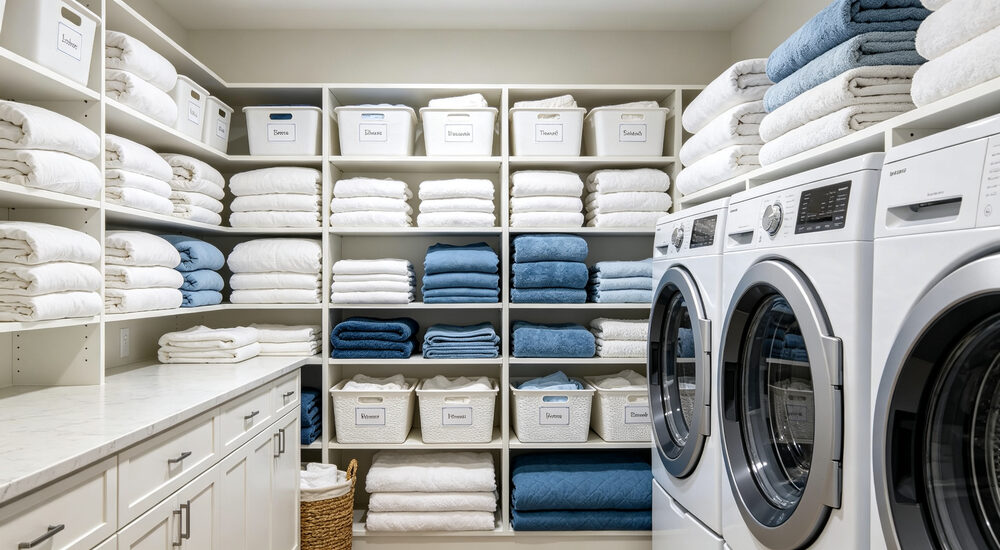
Mistake 1: Using too much bleach.
Bleach is great for killing germs, but it is also like acid for your fabric. Every time you bleach, you are eating away at the fibers a little bit. Use too much, too often, and your sheets will turn yellow and fall apart in months. The recommended concentration is 100-200 ppm — anything more is just wasting money and destroying fabric faster.
Mistake 2: Washing at the wrong temperature.
Too hot and you damage the fabric; too cold and you do not kill bacteria. Each fabric type has its own sweet spot, and using the wrong temperature is the #1 cause of premature sheet failure.
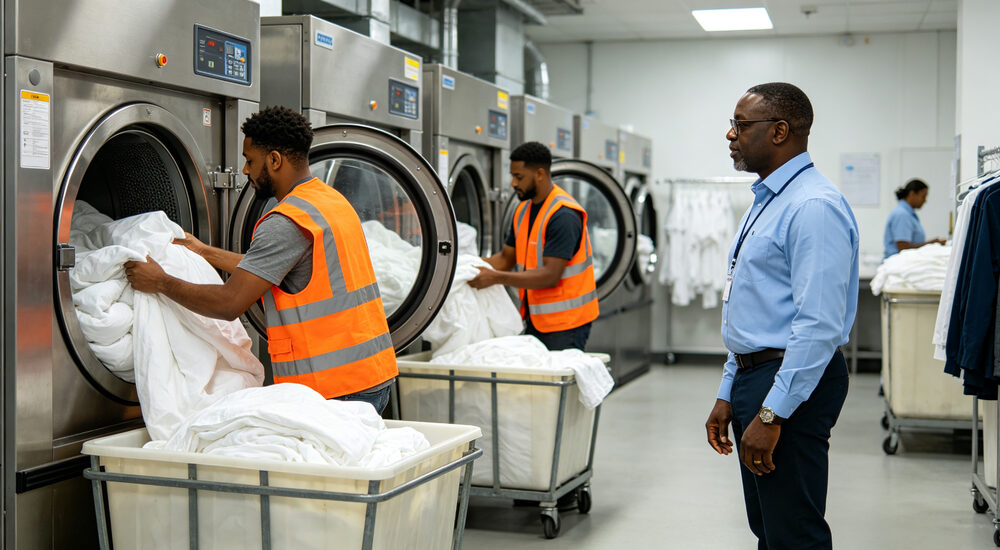
Mistake 3: Overloading the machine.
When you cram too many sheets into a washer, they do not get clean and the machine has to work harder. The sheets rub against each other more, causing extra wear. Always leave room for water and detergent to circulate.
Overall, avoiding these three mistakes puts you ahead of 80% of facilities. The key takeaway is simple: treat your sheets like an investment, not a disposable commodity. Now let us get into the details of doing it right.
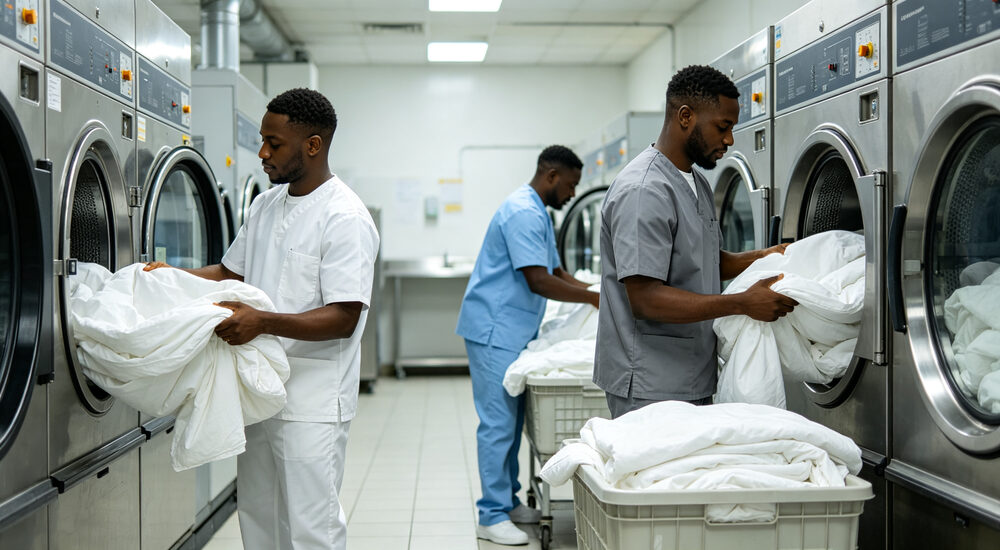
Forget the complicated manuals. Follow these 3 steps every time, and your sheets will last longer and feel better:
Still unsure about your specific setup? Send us your laundry machine model and fabric type, and we will recommend the exact settings for your facility — free of charge.
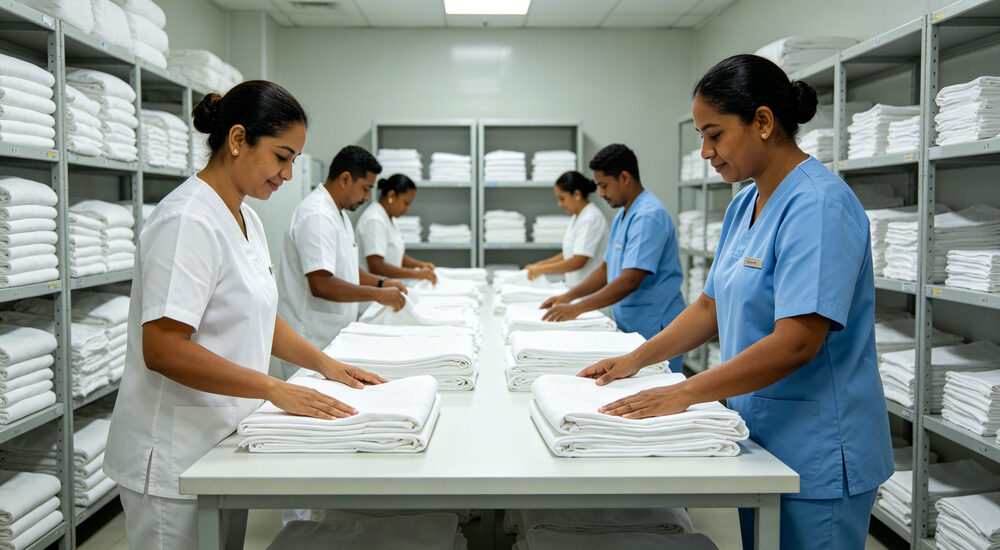
Understanding hot water vs cold water for sheets is the foundation of good institutional laundry procedures. Knowing what temperature to wash sheets and understanding hot water vs cold water for laundry is critical. Commercial laundry water temperature settings vary by fabric: what temp to wash cotton sheets differs from what temp to wash polyester bedding. Water temperature is the single most important setting on your washing machine. Get it right, and your sheets come out clean and durable. Get it wrong, and you either have dirty sheets or destroyed sheets.
Hot water kills the most bacteria and removes the toughest stains, because higher temperatures dissolve oils and denature proteins more effectively. It is the best choice for hospital bedding, emergency shelter sheets, and any fabric that needs deep disinfection. However, hot water also causes more shrinkage and faster fiber breakdown, especially in cotton. Use it when cleanliness is the top priority, and therefore accept that the sheets will not last as long.
Warm water is the sweet spot for most institutional bedding — this means you get 90% of the cleaning power with 50% less fabric damage. It removes most stains and bacteria while being gentler on fabric. This is the recommended temperature for poly-cotton blends, university dorm sheets, and nursing home bedding. Warm water gives you 90% of the cleaning power with 50% less fabric damage.
The CDC and other health authorities worldwide recommend washing at 60°C or above to kill bacteria like E. coli, Staphylococcus, and norovirus. Below 60°C, many pathogens survive the wash cycle. For healthcare facilities, 60°C is the minimum — 70-80°C is preferred for high-risk areas. If your facility cannot reach 60°C, use a laundry disinfectant additive that works at lower temperatures.
Cold water is the gentlest option but the least effective at killing bacteria. It is best for microfiber and delicate fabrics, colored sheets that might bleed, and lightly soiled items. If you use cold water, make sure your detergent is designed for cold-water washing, and consider adding a disinfectant that works in cold water.
Facility Type
Recommended Temp
Why
Hospital / Healthcare
70-80°C
Kill bacteria and viruses
Emergency Shelter
60-70°C
Balance cleanliness and durability
University Dorm
50-60°C
Clean enough, longer fabric life
Nursing Home
60-70°C
Infection control + comfort
Correctional Facility
60-75°C
Heavy soiling, disinfection
Hotel / Hostel
50-60°C
Guest comfort, fabric longevity
Our healthcare bedding line is specifically designed to withstand 75°C washing with bleach — get healthcare bedding pricing.
The oxygen bleach vs chlorine bleach debate is central to bleach safe bedding practices. Common questions include can you bleach cotton sheets, how much bleach to use in laundry, and bleach concentration for hospital laundry. The oxygen bleach vs chlorine bleach laundry debate matters for both cleanliness and fabric longevity. Bleach and detergent are where most facilities either overdo it or underdo it. Here is what you need to know:
Chlorine bleach is the #1 enemy of fabric longevity, because it oxidizes fiber molecules every time it is used, weakening them incrementally. It kills germs and whitens fabric, but it also eats away at fibers every single time you use it. Think of it like chemotherapy — it kills the bad stuff, but it also damages the good stuff.
Use chlorine bleach only when necessary: for hospital bedding, heavily soiled shelter sheets, or when there is an infection outbreak. The recommended concentration is 100-200 ppm (parts per million). Any more than that, and you are just wasting money and destroying fabric faster.
Oxygen bleach (also called color-safe bleach) is much gentler on fabric. It does not kill as many bacteria as chlorine, but it removes stains and brightens colors without eating away at fibers. For everyday washing in dorms, hotels, and low-risk shelter areas, oxygen bleach is the better choice.
Correct laundry detergent dosage is critical. More detergent does not equal cleaner sheets, because excess detergent does not rinse out completely and leaves a residue that attracts more dirt over time. In fact, using too much detergent leaves a residue that makes fabric feel rough and attracts more dirt. Follow the machine manufacturer's recommendations — usually 1/2 to 1 cup per load, depending on machine size. If your sheets feel slippery or soapy after washing, you are using too much.
The best fabric softener alternative is dryer balls or white vinegar. Fabric softener makes sheets feel softer initially, but it coats the fibers with a waxy residue that reduces absorbency and makes them less breathable. Over time, this buildup makes sheets feel greasy and reduces their lifespan. For institutional use, skip the fabric softener. If you want softer sheets, use dryer balls or a small amount of white vinegar in the rinse cycle.
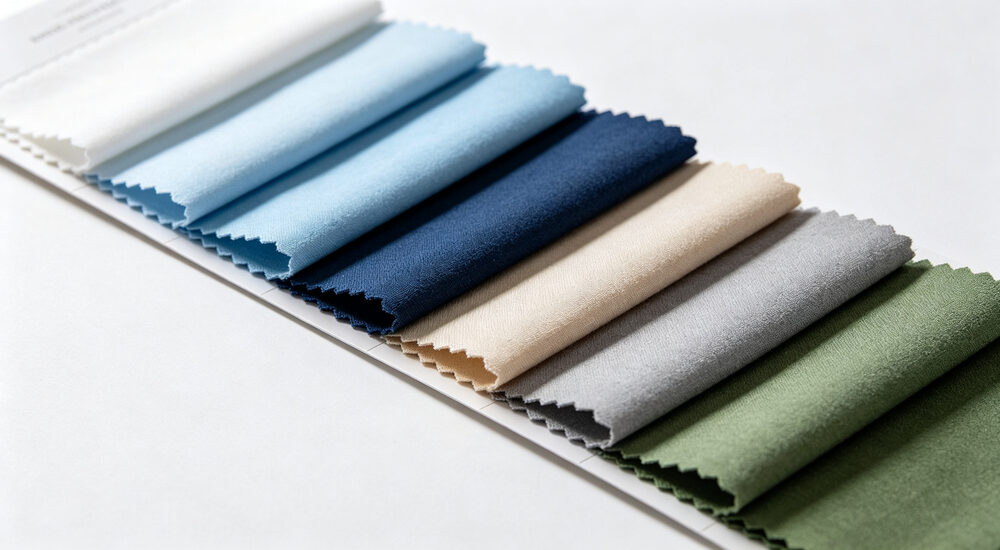
Washing cotton vs polyester requires different temperatures and bleach types. How to care for cotton sheets differs from how to care for polyester bedding. Not all bedding is created equal, and each fabric type needs different care. Here is how to wash the most common institutional fabrics:
Cotton is the most forgiving fabric when it comes to washing. It can handle hot water, chlorine bleach, and high-heat drying. However, cotton also shrinks the most (3-5% in the first 5 washes) and wears out fastest under harsh conditions. Wash cotton at 60-80°C, use bleach when needed, and tumble on medium-high heat. Remove from dryer while slightly damp to minimize wrinkles.

For help choosing the right fabric for your facility, see our Material Comparison Guide and Thread Count Guide.
Poly-cotton blends are the workhorse of institutional bedding. They combine cotton's comfort with polyester's durability. Wash at 60-75°C, use diluted chlorine bleach if needed (oxygen bleach is gentler), and tumble on medium heat. Poly-cotton shrinks less than cotton (1-3%) and resists wrinkles better. This is the most cost-effective choice for high-turnover facilities due to its superior durability-to-price ratio.
Polyester is the most durable fabric but also the least comfortable. It cannot handle high heat or chlorine bleach — both will melt or yellow the fibers. Wash polyester at 40-60°C, use oxygen bleach only, and tumble on low-to-medium heat. Polyester dries quickly, so remove from dryer as soon as it is done to prevent wrinkles from setting in.
Microfiber is ultra-fine polyester that feels soft but is delicate. Wash at 30-40°C only — anything hotter will damage the fibers. Never use bleach on microfiber. Dry on low heat or line dry. Microfiber pills easily, so wash it separately from rougher fabrics like cotton terry cloth.

|
Fabric |
Max Wash Temp |
Bleach Type |
Dry Temp |
Shrinkage |
|
100% Cotton |
80°C |
Chlorine OK |
High |
3-5% |
|
Poly-Cotton 50/50 |
75°C |
Chlorine (diluted) |
Medium |
1-3% |
|
Poly-Cotton 80/20 |
70°C |
Oxygen preferred |
Medium-Low |
1-2% |
|
100% Polyester |
60°C |
Oxygen only |
Low-Medium |
0-1% |
|
Microfiber |
40°C |
None |
Low |
0-1% |
Knowing how to dry sheets properly, tumble dry temperature for sheets, and how to dry bedding without dryer options — including the line drying vs tumble drying decision — is just as important as washing. Washing is only half the battle. How you dry your sheets has a huge impact on how long they last and how they feel.
Most facilities use tumble dryers for sheets, pillowcases, duvet covers, and blankets, and for good reason — they are fast and convenient. But the wrong dryer settings will destroy your bedding. Here is what you need to know:
This cannot be overstated. Over-drying is the #1 cause of rough, scratchy sheets, because prolonged heat beyond the dry point makes fibers brittle and prone to breakage. When fabric is heated beyond the point of dryness, the fibers become brittle and break. Remove sheets from the dryer while they are still slightly damp — they will finish air-drying as you fold them, and they will feel much softer.
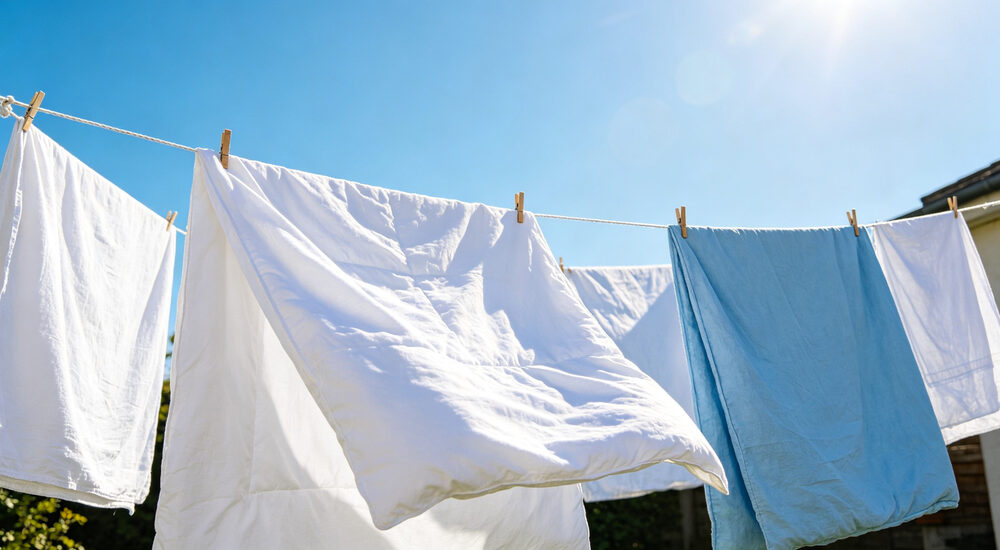
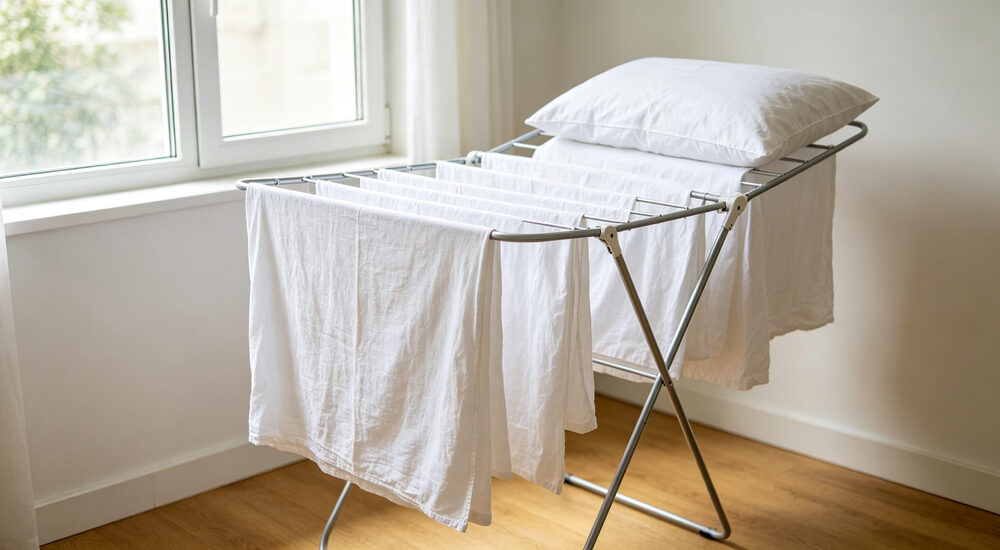
Air drying is the gentlest method and will extend the life of any fabric, because there is no mechanical tumbling or direct heat applied to the fibers. It also saves energy and gives sheets a fresh, sun-dried smell. However, it takes much longer (2-4 hours depending on humidity) and requires space. For facilities with limited budget but plenty of space (like rural refugee camps), line drying is an excellent option. For high-turnover hospitals, it is usually not practical.
Clean the lint filter after every single load. A clogged filter increases drying time by 20-30% and is a serious fire hazard. Every 3 months, have a professional inspect the dryer vent and heating element. Properly maintained dryers last 10-15 years, while neglected ones fail in 3-5 years.
A typical 50-pound commercial dryer load takes 30-45 minutes on medium heat. If your sheets take longer than 45 minutes, your dryer may be overloaded, the lint filter may be clogged, or the heating element may be failing. Clean the lint filter after every load — a clogged filter increases drying time by 20-30% and is a fire hazard.
Dryer balls (wool or rubber) bounce around in the dryer, separating sheets and allowing hot air to circulate better. They reduce drying time by 10-20%, soften fabric naturally, and reduce static. Best of all, they are reusable for years. Skip the dryer sheets — they leave a chemical coating that reduces absorbency.
Proper bedding storage tips, how to store bedding long term, bedding storage ideas, and knowing how to fold fitted sheets will keep your inventory in top condition. Once your sheets are clean and dry, how you handle them matters too.

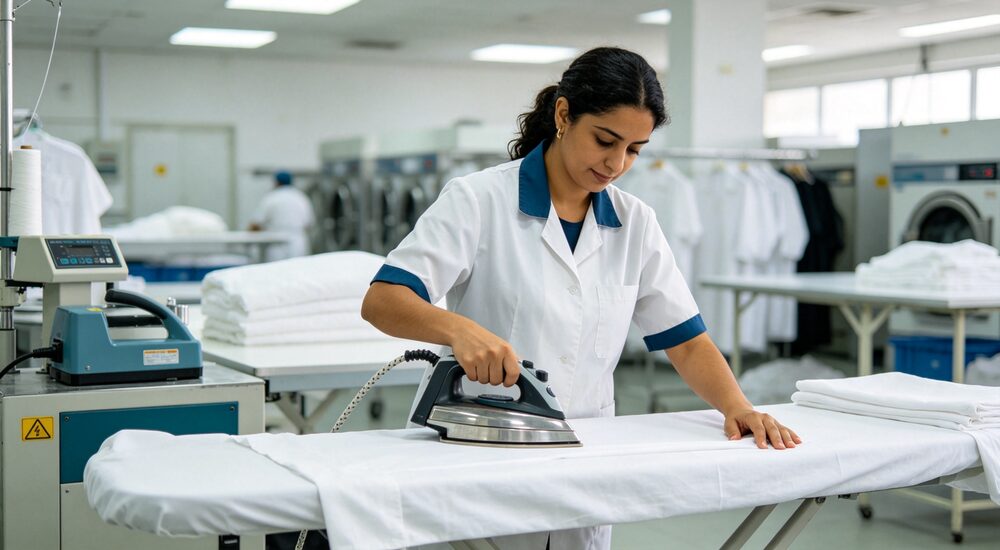
For most institutional settings, ironing is unnecessary. If you fold sheets while they are still warm from the dryer, most wrinkles will fall out. Hotels and high-end facilities may iron for presentation, but this adds labor cost and extra heat damage to the fabric. If you must iron, use the lowest setting that removes wrinkles, and iron while the fabric is slightly damp.
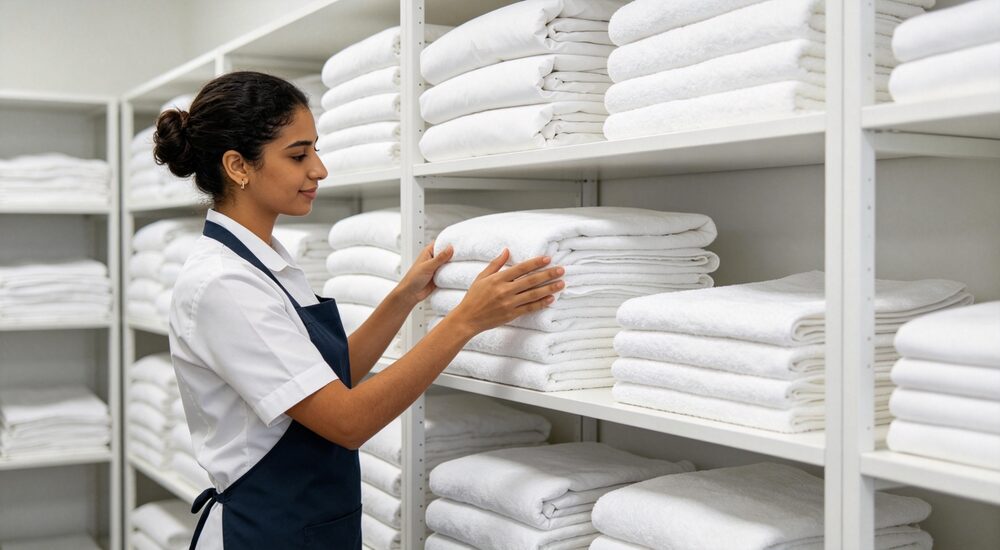
Proper folding saves space and prevents creases that become permanent over time, because folded fibers are under less stress than crumpled ones. For fitted sheets, fold the elastic corners inward first, then fold in thirds lengthwise, then in half. For flat sheets, fold in half lengthwise twice, then in thirds widthwise. Pillowcases can be folded inside the matching sheet set. Duvet covers should be folded separately to avoid bulk. Store folded sheets, pillowcases, duvet covers, and blankets in a cool, dry place — never on the floor or against an outside wall where moisture can collect. Mattress protectors should be stored flat, not folded, to avoid cracking the waterproof layer.
Sheets stored in hot, humid, or sunny conditions will degrade faster, because UV light and moisture accelerate fiber oxidation and mildew growth. Ideal storage conditions are: temperature below 25°C (77°F), humidity below 60%, and no direct sunlight. Use breathable storage bins or shelves — never plastic bags, which trap moisture and cause mildew. Rotate your stock so older sheets are used first (first in, first out).
Stored bedding can attract moths, carpet beetles, and rodents if not properly protected. Store sheets in sealed plastic bins (not bags — they trap moisture), add cedar blocks or lavender sachets as natural repellents, and inspect storage areas monthly. Never store bedding near food, garbage, or animal feed. If you find pests, wash all affected bedding at 60°C+ and clean the storage area thoroughly before restocking.
Properly stored, clean sheets can last 1-2 years without any degradation. After that, the fibers may start to yellow or become brittle even without use. If you have stock that is older than 2 years, inspect it carefully before putting it into service.
This stain removal guide for sheets covers stain removal for hospital bedding, including how to remove blood stains from sheets, how to remove urine stains from bedding, how to remove oil stains from sheets, and how to get mold out of bedding. Stains are a fact of life in institutional bedding. The key is to treat them quickly and correctly.
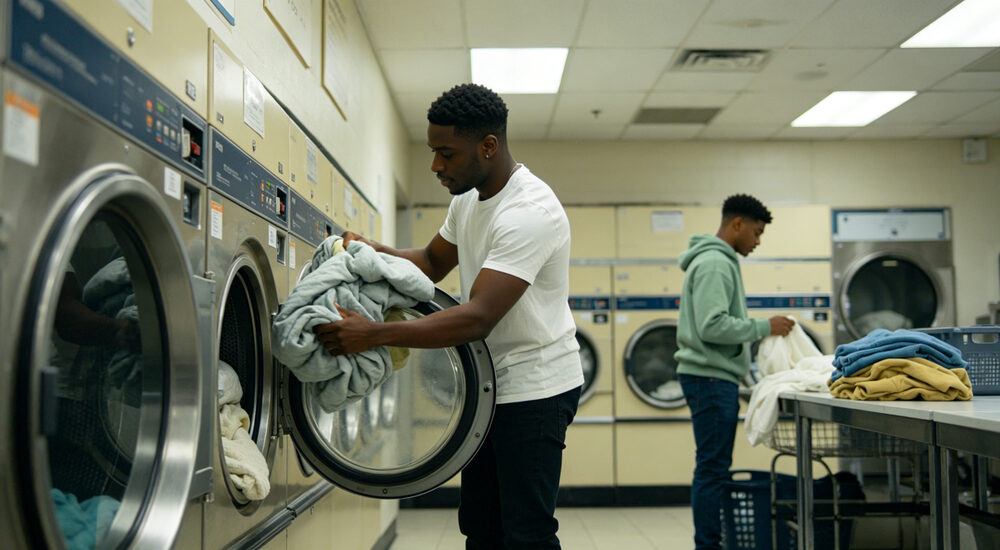
Blood is the most common stain in hospitals and shelters, and the rule is simple: always use cold water, because hot water cooks the protein in blood and sets the stain permanently. The rule is simple: always use cold water, never hot. Hot water cooks the protein in blood and sets the stain permanently. Soak in cold water with enzyme detergent for 30 minutes, then wash normally. For dried blood, make a paste of baking soda and water, apply to the stain, and let sit for an hour before washing.
Urine stains need enzyme cleaner to break down the uric acid crystals. Apply an enzyme-based stain remover, let sit for 15-30 minutes, then wash in warm water with oxygen bleach. Do not use chlorine bleach on urine stains — it reacts with the uric acid and makes the stain and smell worse.
Food oils, body oils, and lotion stains are best treated with dish soap (the kind you use for hand-washing dishes). Apply a small amount directly to the stain, rub gently, and let sit for 10 minutes. Wash in the hottest water the fabric can handle. The dish soap cuts through grease better than laundry detergent.
Ink stains are tricky. For fresh ink, blot (do not rub) with a clean cloth, then apply rubbing alcohol to the stain from the back side to push the ink out. Wash immediately. For set-in ink, try a commercial ink remover or hairspray (the alcohol in it helps). Do not put the item in the dryer until the stain is gone — heat sets ink permanently.
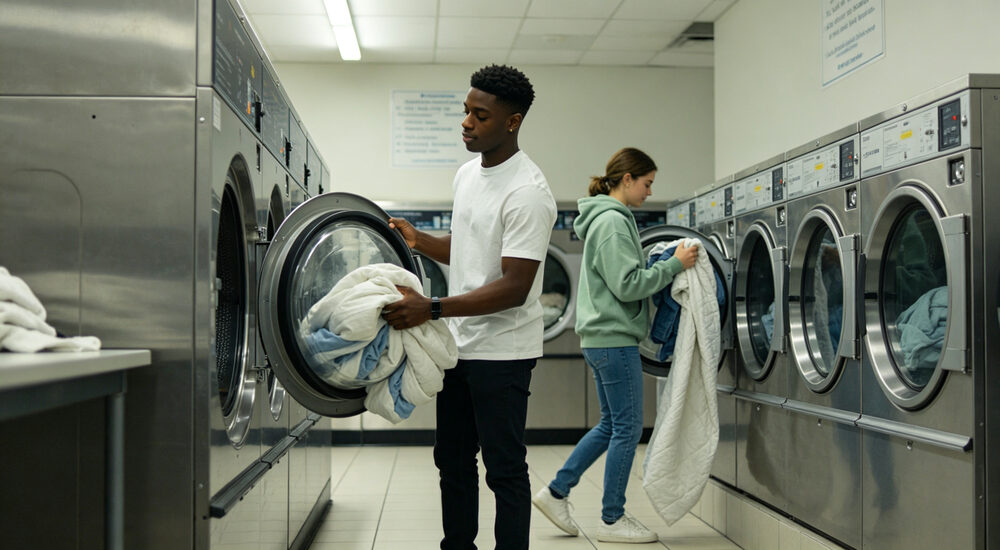
Coffee, tea, and food stains are common in shelter and dorm settings. Blot the stain immediately (do not rub — rubbing pushes the stain deeper). Apply a mixture of 1 part white vinegar to 2 parts cold water, let sit 10 minutes, then wash normally. For set-in coffee stains, make a paste of baking soda and water and let sit overnight before washing.
If sheets have been left damp too long and developed mold, brush off any loose spores outside, then soak in a solution of 1 cup oxygen bleach per gallon of warm water for 1-2 hours. Wash normally. If the mold stain remains after washing, the fabric may be too damaged to save — mold weakens fibers and can cause health issues, so when in doubt, throw it out.
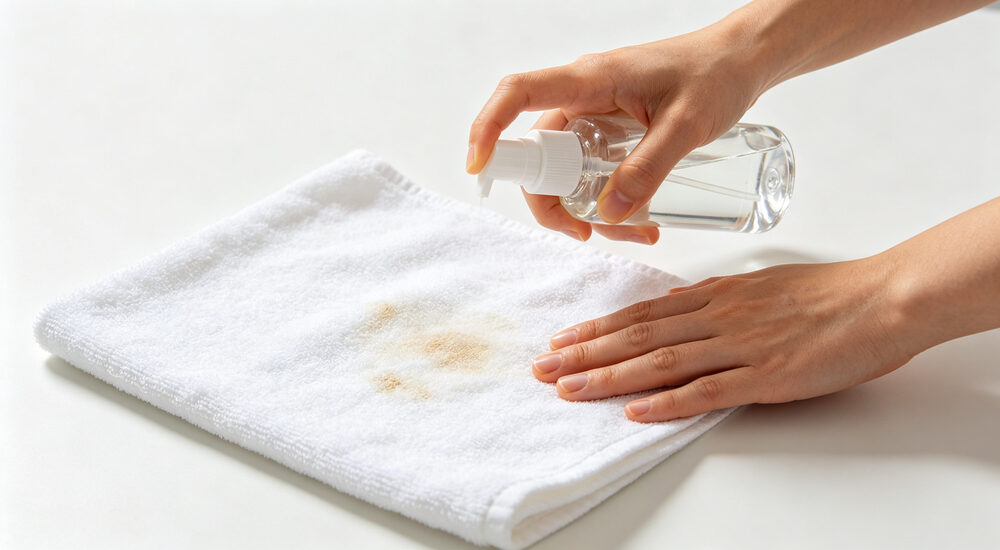
|
Stain Type |
First Step |
Water Temp |
Product |
|
Blood |
Soak immediately |
Cold |
Enzyme detergent |
|
Urine |
Apply enzyme |
Warm |
Oxygen bleach |
|
Oil/Grease |
Dish soap on stain |
Hot (fabric-safe) |
Dish soap |
|
Ink |
Blot, alcohol |
Cold |
Rubbing alcohol |
|
Mold |
Brush, soak |
Warm |
Oxygen bleach |
Correct how often to wash hospital bedding guidelines, washing frequency for hospital bedding, and how often to change shelter sheets is critical for both hygiene and cost control. How often should you wash your sheets? The answer depends on your facility type and turnover rate.
Following proper hospital laundry standards is critical for infection control and patient hygiene. In hospitals, sheets should be changed every 1-2 days for patient beds, or immediately if soiled. Operating room and emergency department bedding may be changed after every patient. High frequency means you need durable fabric that can handle frequent washing — 180-250 TC poly-cotton is the standard choice. Use hot water (70-80°C) with bleach for maximum disinfection.
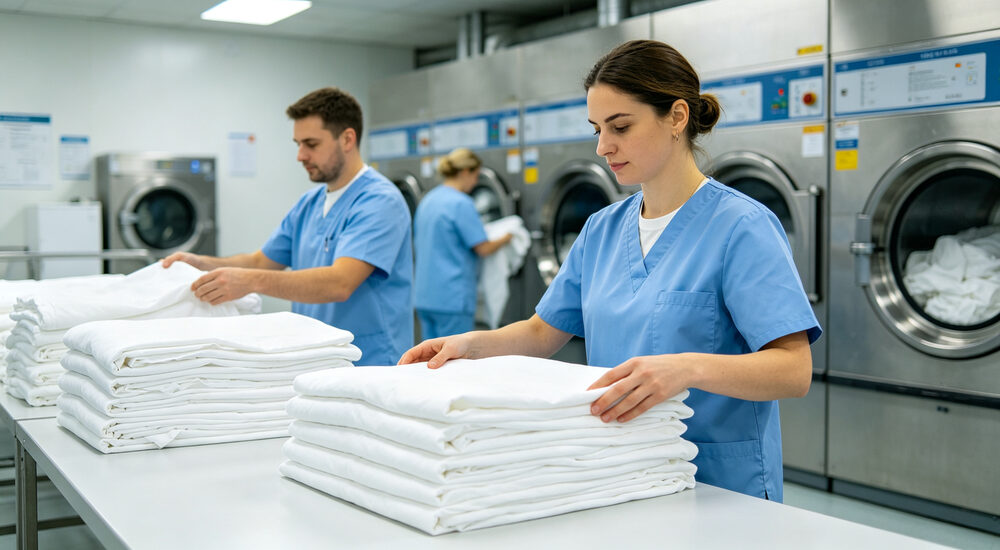
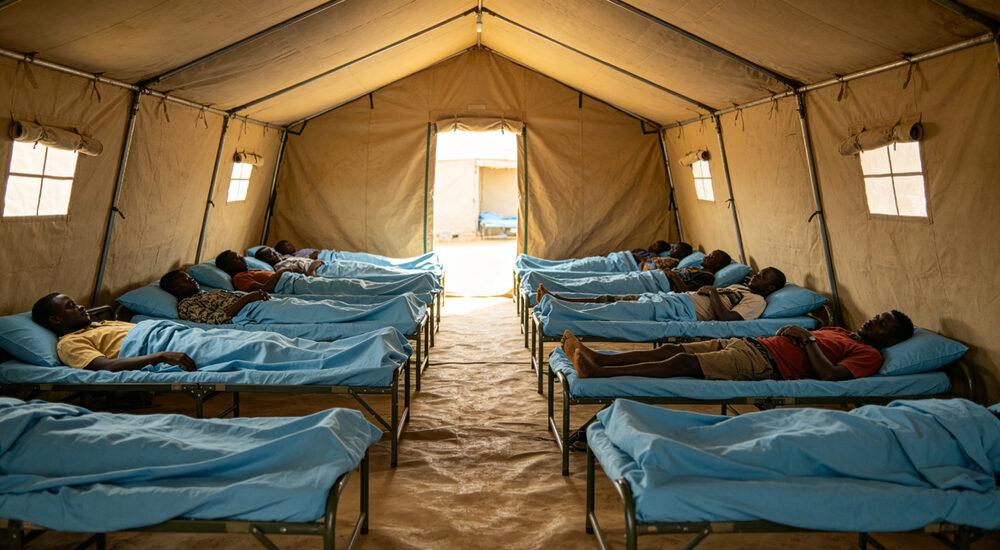
Proper emergency shelter laundry setup is essential for disease prevention. In emergency shelters, aim to wash sheets every 3-7 days, depending on occupancy length and available laundry facilities. In refugee camps with limited water, washing every 7-14 days may be the practical reality. For shelter bedding that needs frequent washing, choose 130-180 TC poly-cotton — it is the most durable and cost-effective option. We supply emergency shelter bedding to 30+ countries — request our shelter bedding catalog.
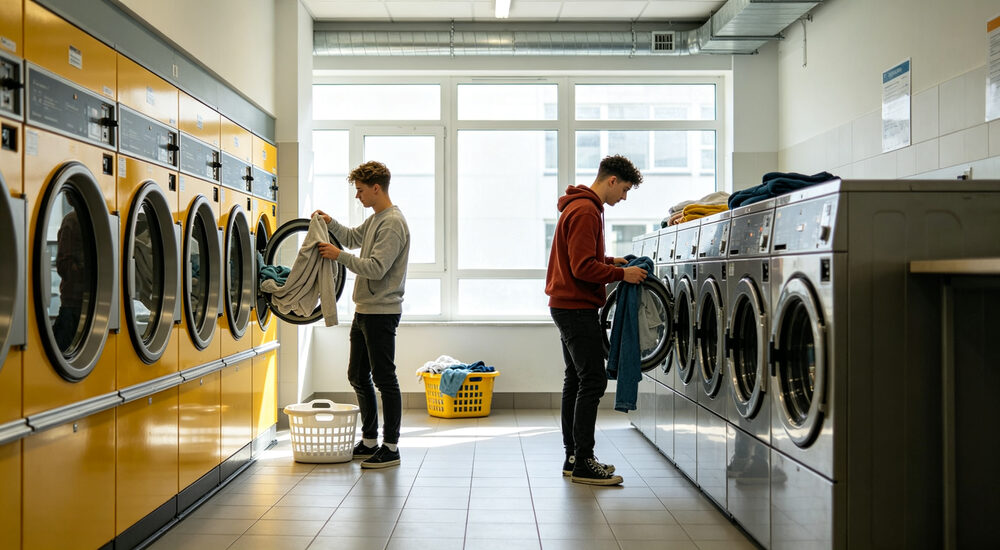
This dormitory laundry guide applies to both student-run and facility-managed laundry. Dorm sheets are typically washed every 1-2 weeks by students or facility laundry services. Since washing is less frequent, you can use softer, higher-count fabrics (200-250 TC) without worrying about rapid wear.
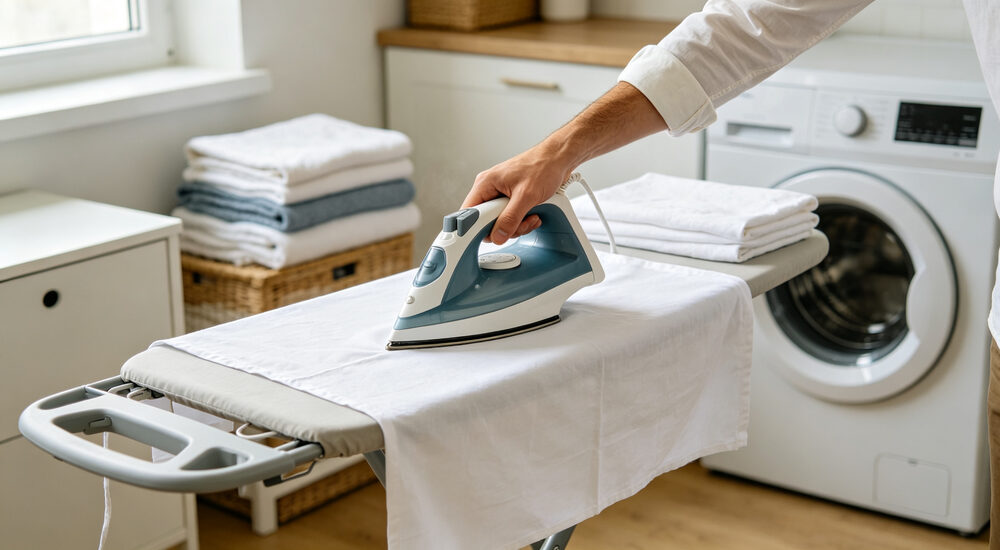
Proper nursing home bedding care balances comfort with infection control. Nursing home bedding should be changed every 2-3 days, or immediately if incontinent. Residents spend more time in bed, so comfort matters, but infection control is critical. 180-220 TC soft cotton or poly-cotton works well.
Correctional facility laundry requires durable fabrics and high-heat washing. Correctional facilities usually wash bedding weekly, though some facilities do bi-weekly. Durability and tear resistance are more important than comfort. 120-180 TC heavy polyester or poly-cotton is the standard.

During emergencies, community center gyms and school auditoriums are often converted into temporary shelters. These facilities usually have basic laundry equipment, so use durable 130-180 TC poly-cotton that can handle less-than-ideal washing conditions. Wash at 60°C when possible, and line dry in gymnasiums or hallways if dryers are not available.
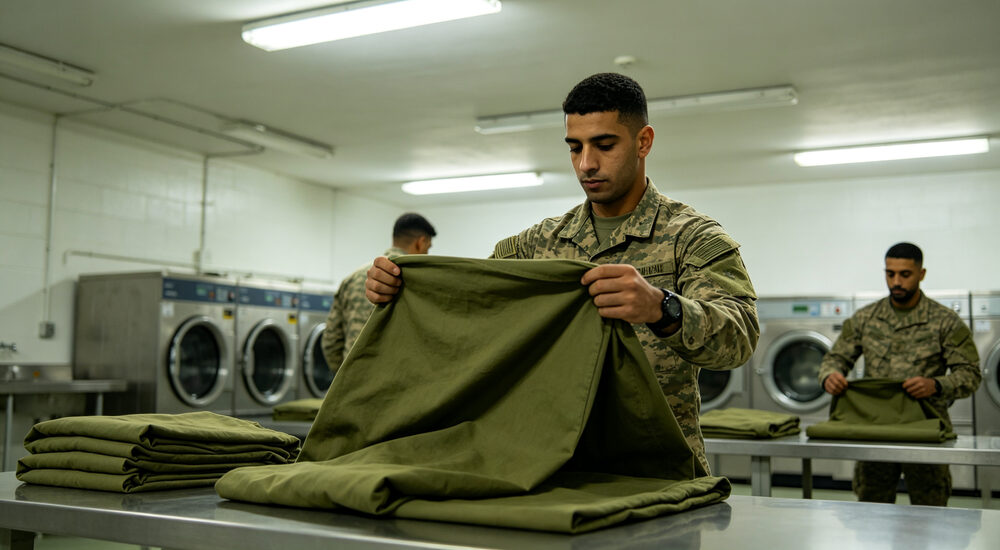
Military laundry, including field hospital and base camp operations, often works under field conditions with limited water and fuel. Sheets should be washed at 60-70°C when possible, with oxygen bleach to conserve resources. In field camps, emergency shelter laundry practices may apply — prioritize quick washing and line drying to save fuel. Durable 150-200 TC poly-cotton is standard for military use.
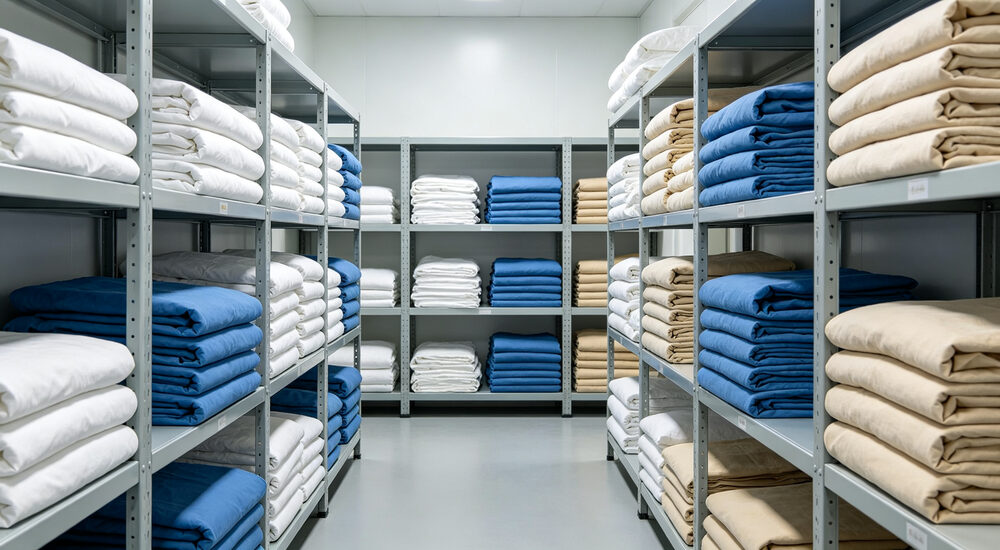
Hotels change sheets between every guest, which could be daily or every few days depending on length of stay. For high-turnover budget hotels, 180-220 TC poly-cotton is standard. For luxury hotels, 250-300 TC cotton sateen provides the premium feel guests expect.
The commercial laundry vs in-house decision affects both commercial laundry cost per load, laundry cost for shelter operations, and quality control. One of the biggest decisions facility managers face is whether to do laundry in-house or outsource to a commercial laundry service. Here is how they compare:
Pros: More control over wash settings, faster turnaround, lower per-load cost at high volume, ability to handle emergencies immediately. Cons: High upfront equipment cost, requires dedicated space and staff, machine maintenance and repairs, utility costs.
Best for: Facilities with 200+ beds, stable staffing, and available space. The break-even point is usually around 150-200 beds — below that, outsourcing is cheaper.

Pros: No equipment investment, no laundry staff needed, professional handling, predictable monthly cost. Cons: Less control over wash quality, slower turnaround (usually 24-48 hours), higher per-piece cost at low volume, risk of lost or damaged items.
Best for: Smaller facilities (under 150 beds), temporary emergency response, or facilities without space for laundry equipment.
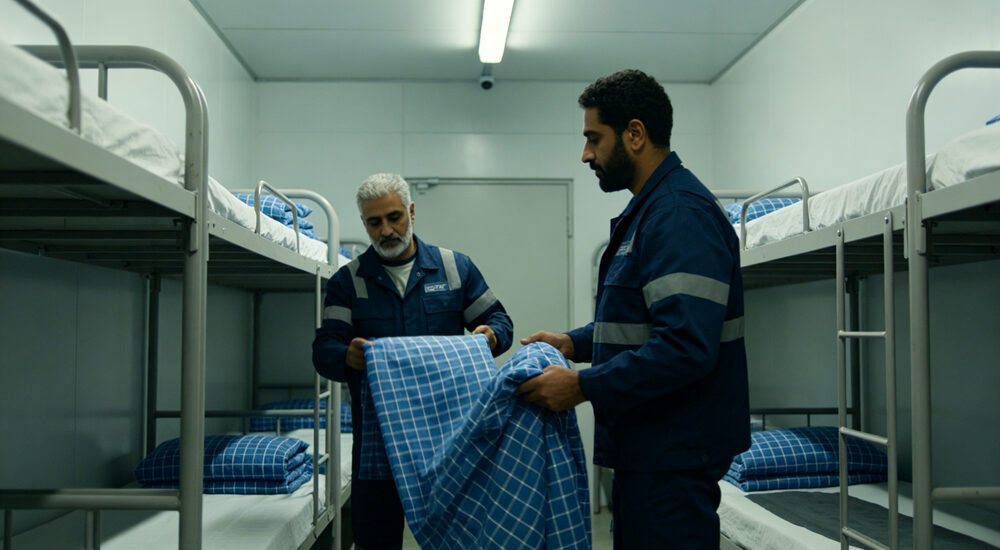
If you outsource, ask these questions:
What temperature do they wash at?
(Must be 60°C+ for healthcare) What bleach do they use?
(Chlorine or oxygen?) What is their loss/damage rate?
(Anything over 2% per month is too high.) What is their turnaround time?
(24-48 hours is standard.) Do they provide pickup and delivery?
Get references from similar facilities and visit the laundry facility if possible.
Many large facilities use a hybrid model: in-house laundry for daily needs, with a commercial service as backup during peak periods or equipment breakdowns. This gives you the best of both worlds — control and cost savings with a safety net.
We have mentioned this throughout, but it deserves its own section: following proper bedding shrinkage prevention and care procedures, your laundry practices directly determine how long your sheets last and how much you spend.
Here is the math that will change how you think about laundry. A $10 poly-cotton sheet that is washed correctly lasts 200 washes = $0.05 per wash. The same $10 sheet washed with too much bleach and too-high heat lasts 100 washes = $0.10 per wash. That is double the cost, for the exact same sheet.
Scale that to a 500-bed facility washing 3 times per week: correct washing costs $39,000 per year. Incorrect washing costs $78,000 per year. That is $39,000 per year wasted — enough to hire an extra staff member or buy better supplies.
Wash Practice
Expected Washes
Cost/Wash ($10 sheet)
Annual Cost (500 beds)
Correct settings, proper bleach
200
$0.05
$39,000
Slightly high temp, extra bleach
150
$0.07
$54,600
Very high temp, too much bleach
100
$0.10
$78,000
Wrong settings, over-drying
70
$0.14
$111,400
As the table shows, the difference between best and worst laundry practices is nearly 3x in annual cost. In summary, this is why training your laundry staff is one of the highest-return investments you can make. The bottom line: every dollar spent on training saves three dollars in replacements.
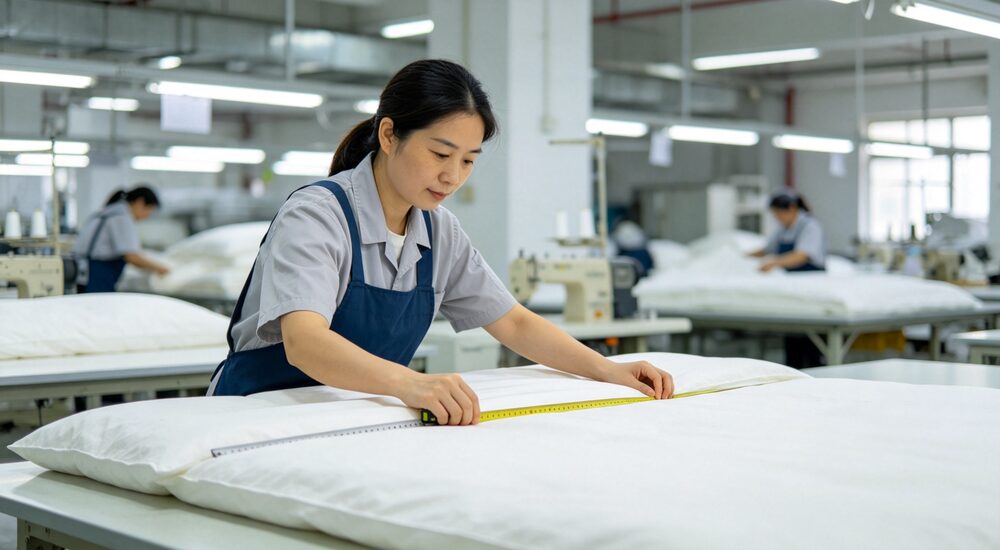
Watch for these warning signs: sheets feeling rougher over time (instead of softer), thinning or tearing at stress points (corners, hems), yellowing or graying that does not come out with washing, excessive pilling (small balls of fiber on the surface), and shrinkage beyond the first 5 washes. If you see these, your laundry settings need adjustment.
Eco friendly laundry and sustainable laundry for institutions practices save money and reduce environmental impact. Going green with your laundry is not just good for the planet — it often saves money too. Here are practical eco-friendly practices for institutional laundry:
Heating water accounts for 75-90% of the energy used in washing. Switching from hot to warm water cuts energy use by 50%, and switching to cold cuts it by 90%. Modern cold-water detergents clean almost as well as hot water for lightly soiled items. For facilities like dorms and hotels, cold water washing is a no-brainer.
Chlorine bleach is not just bad for fabric — it is bad for the environment. It creates toxic byproducts when it reacts with organic matter, and it can damage wastewater treatment systems. Switch to oxygen bleach for everyday use, and reserve chlorine bleach for situations where disinfection is critical (hospitals, infection outbreaks).
Commercial laundry operations use 20-30 gallons of water per 50-pound load. Installing a water recycling system can reduce water use by 50-70%, paying for itself in 1-2 years for large facilities. Even simple measures, like using the final rinse water for the next load pre-wash, can save thousands of gallons per month.
Running half-empty machines wastes water, energy, and detergent. Wait until you have a full load, but do not overload — overloading causes extra wear on both the machine and the sheets. Most commercial machines have a fill line — use it as your guide.
Dryers are energy hogs. If you have outdoor space or a drying room, line drying saves energy and extends fabric life. Even line-drying 20% of your loads can make a noticeable difference in utility costs.
Look for detergents that are biodegradable, phosphate-free, and concentrated (less packaging, less water). Many eco-detergents also work in cold water, doubling your savings. Avoid detergents with optical brighteners — they are not necessary and can irritate sensitive skin.
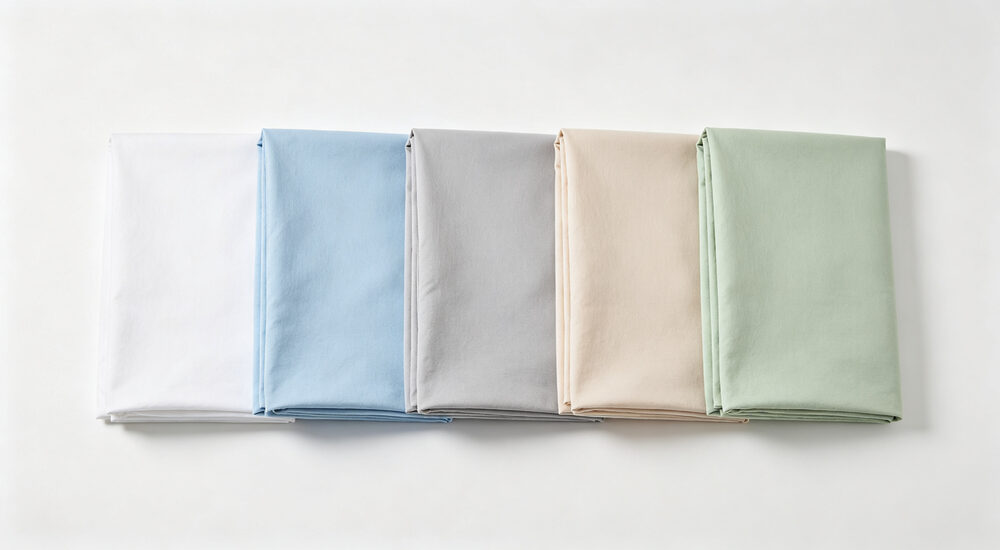
After 20+ years of manufacturing institutional bedding for 30+ countries, we know exactly what it takes to make sheets that survive commercial laundry. Our factory produces 500,000+ sets per year, and every batch is tested and verified for durability before shipping. We use OEKO-TEX certified fabrics and ISO 9001 quality control processes. This is why our bedding consistently outlasts competitors in real-world laundry tests.
We do not just sell sheets — we provide expert guidance on laundry practices that maximize lifespan. Many of our customers reduce their annual linen replacement cost by 20-30% after following our care recommendations.
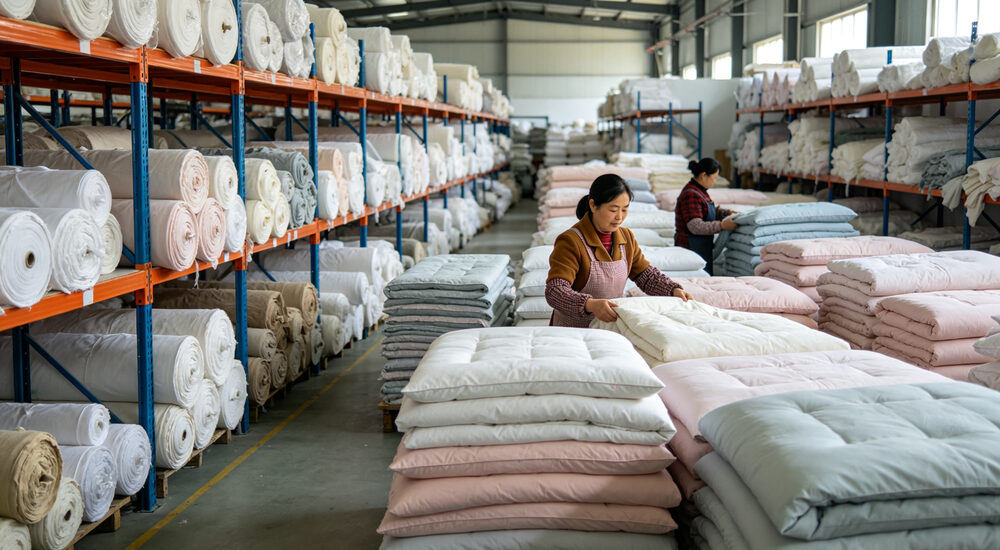
After 20 years in this business, we see the same mistakes over and over. Avoid these three, and you will save more money than any bulk discount could ever give you:
Mistake 1: "If a little bleach is good, more is better."
Wrong. Bleach concentration above 200 ppm does not kill more bacteria — it just destroys more fabric. Stick to the recommended 100-200 ppm, and use oxygen bleach for everyday whitening.
Sort by fabric type (cotton vs polyester), item type (sheets, pillowcases, duvet covers, blankets, and mattress protectors), color (white vs colored), and soil level (lightly soiled vs heavily stained).
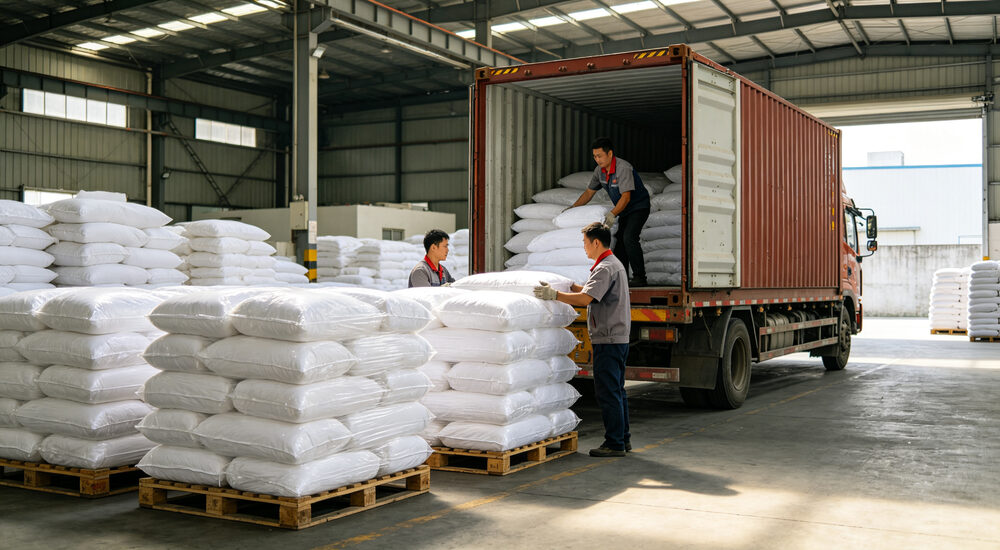
Mistake 2: "Dry them completely — damp sheets grow mold."
Partially right, but over-drying causes more damage than slightly damp folding. The risk of mold from 10 minutes of extra dampness is negligible compared to the fiber damage from 10 minutes of extra heat. Remove from dryer while slightly damp and fold immediately.
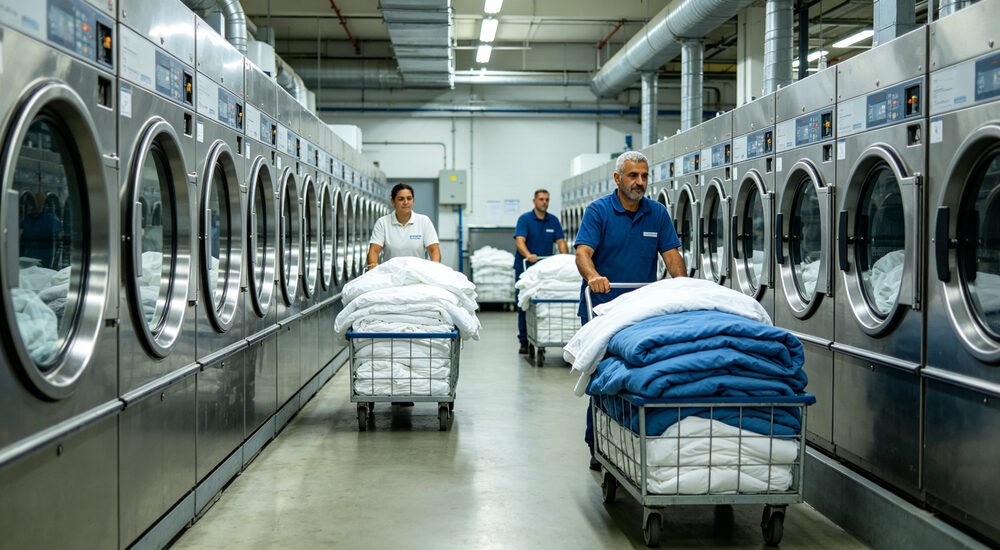
Let us audit your current laundry practices — we will tell you exactly where you are over-spending or under-caring for your bedding.
Here is the bottom line: how you wash your sheets matters more than what sheets you buy. A $10 sheet washed correctly will outlast a $30 sheet washed incorrectly. Follow these key principles:
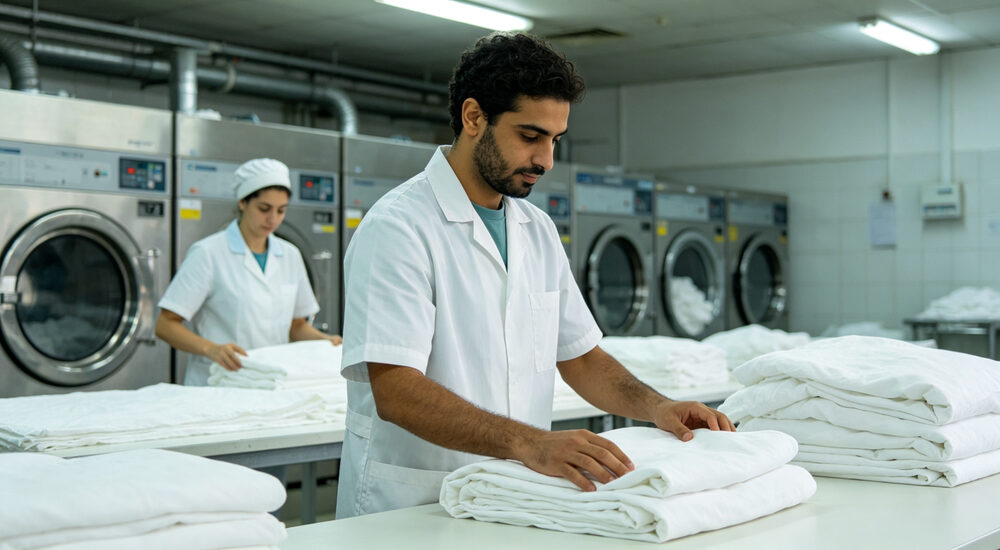
Do these things consistently, and you will extend the life of every sheet in your facility, save thousands of dollars per year, and provide cleaner, more comfortable bedding for the people who depend on
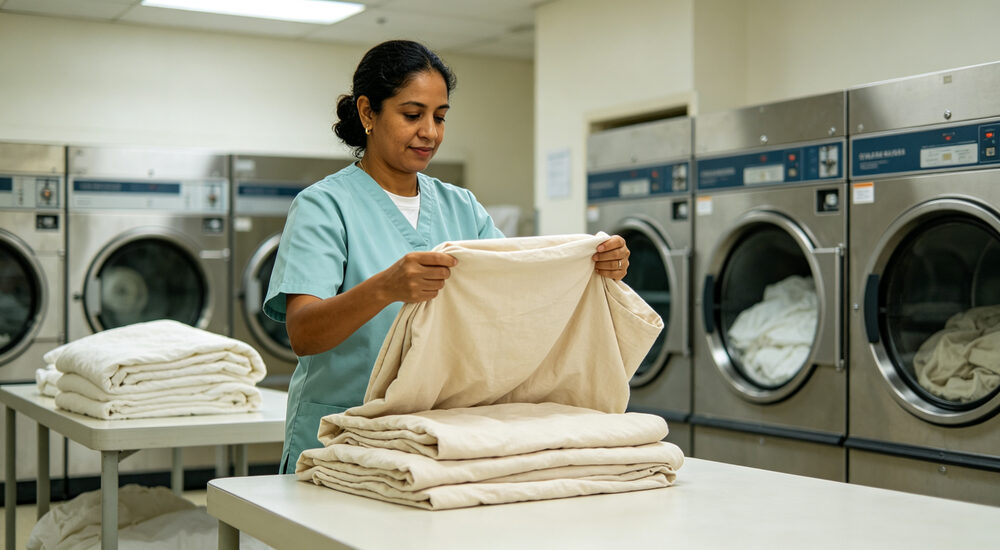
Q: What temperature should I wash institutional bedding?
A: Most institutional bedding should be washed at 60-75°C (140-167°F) to kill bacteria. Cotton can handle up to 80°C, while polyester blends should stay below 75°C. Check our quick guide above for fabric-specific recommendations.
Q: Can I use bleach on all bedding types?
A: No. Chlorine bleach is safe for cotton and poly-cotton blends but will damage polyester microfiber. Always check the care label and use oxygen bleach as a gentler alternative for everyday washing.
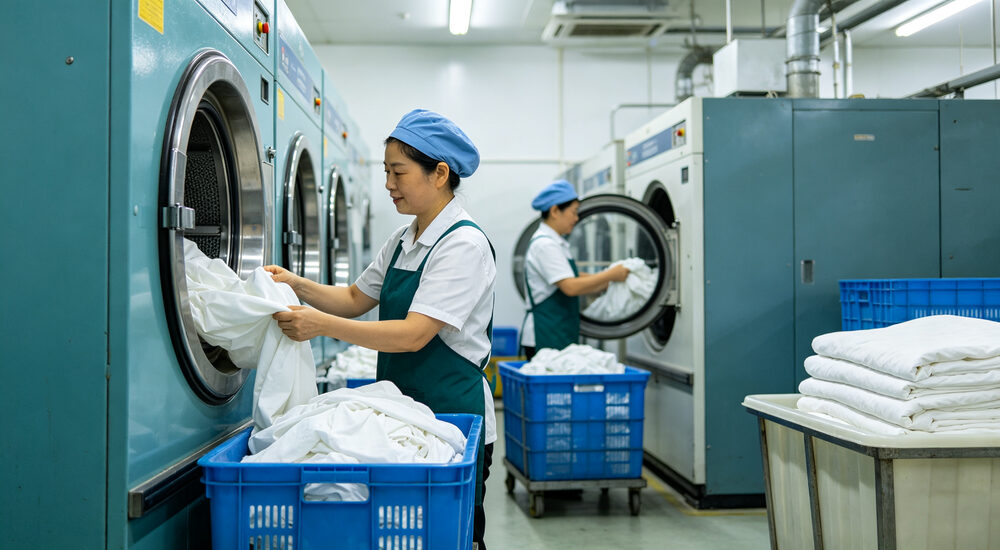
A: Ideally every 3-7 days, depending on occupancy and available laundry facilities. In refugee camps with limited water, every 7-14 days may be practical. Use durable 130-180 TC poly-cotton for high-frequency washing.
Q: Does hot water really kill bacteria better than cold?
A: Yes. Water above 60°C kills most bacteria and viruses. However, modern cold-water detergents plus oxygen bleach can achieve 90% of the cleaning power with much less energy. Use hot water for healthcare settings, warm or cold for others.
Q: Why do my sheets feel rough after washing?
A: Rough sheets are usually caused by over-drying, too much detergent residue, or fabric softener buildup. Try drying on lower heat, using less detergent, and skipping fabric softener. White vinegar in the rinse cycle can also help soften sheets naturally.
Q: How do I remove blood stains from hospital sheets?
A: Always use cold water — hot water sets blood stains permanently. Soak in cold water with enzyme detergent for 30 minutes, then wash normally. For dried blood, make a baking soda paste and let sit for an hour before washing.
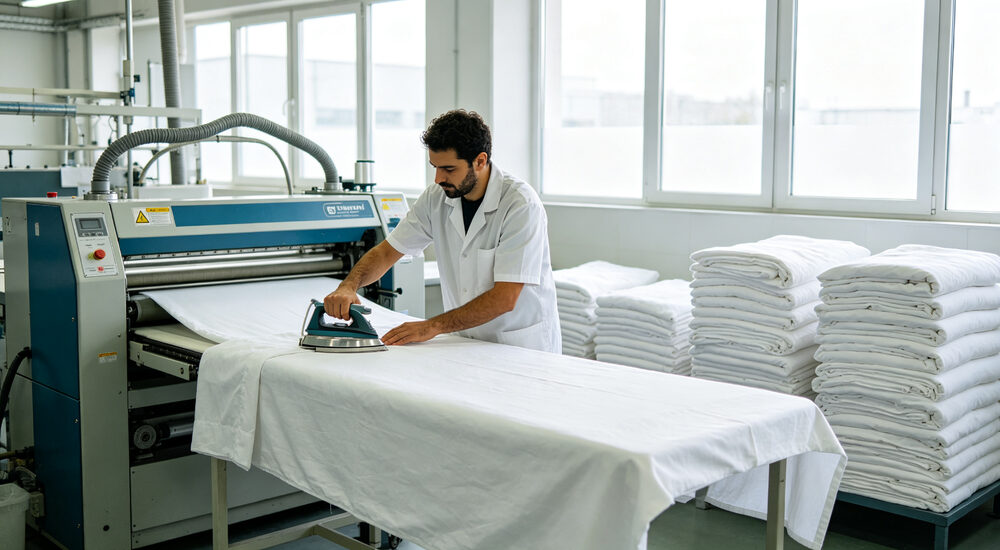
A: For facilities with 200+ beds, in-house laundry is usually more cost-effective. For smaller facilities or temporary operations, outsourcing to a commercial laundry service is more practical. Many large facilities use a hybrid approach.
A: With proper care: 100% cotton lasts 80-150 washes, poly-cotton lasts 150-250 washes, and 100% polyester lasts 200-300+ washes. Poor laundry practices can cut these numbers in half.

A: It is not recommended. Cotton needs hotter water and can handle bleach, while polyester is damaged by high heat and chlorine. Washing them together means one fabric is either under-washed or over-damaged. Sort by fabric type for best results.
A: No. Fabric softener coats fibers with a waxy residue that reduces absorbency, makes sheets less breathable, and shortens fabric life. Use dryer balls or white vinegar in the rinse cycle instead for natural softening.
A: Follow the machine manufacturer's recommendations — usually 1/2 to 1 cup per load. Using more detergent does not get sheets cleaner; it leaves residue that makes fabric feel rough and attracts dirt. If sheets feel soapy after washing, you are using too much.
A: Line drying is the best alternative. Hang sheets in a well-ventilated area, preferably in sunlight (the sun naturally bleaches and disinfects). Make sure sheets are completely dry before folding to prevent mildew.
A: Shrinking happens most in the first 5 washes, especially with cotton. Use warm (not hot) water, avoid over-drying, and remove from the dryer while slightly damp. Pre-shrunk or sanforized fabrics shrink less than untreated fabrics.
A: Never use chlorine bleach on colored sheets — it will remove the dye. Use oxygen bleach (color-safe bleach) instead, which brightens colors without removing them. Always test a small, hidden area first.
A: Store in a cool (below 25°C), dry (below 60% humidity), dark place. Use breathable bins or shelves — never plastic bags. Rotate stock so older sheets are used first. Properly stored sheets last 1-2 years without degradation.
A: Chlorine bleach (sodium hypochlorite) is stronger at killing bacteria but damages fabric and removes color. Oxygen bleach (hydrogen peroxide-based) is gentler, safe for colors, and better for the environment, but less effective at disinfection. Use chlorine for healthcare, oxygen for everything else.
A: Use an enzyme-based cleaner to break down uric acid crystals. Apply, let sit 15-30 minutes, then wash in warm water with oxygen bleach. Do not use chlorine bleach — it reacts with uric acid and makes the smell worse.
A: Watch for these warning signs: sheets feeling rougher over time instead of softer, thinning or tearing at corners and hems, yellowing or graying that does not wash out, excessive pilling, and shrinkage beyond the first 5 washes. If you see these, your water temperature or bleach concentration is likely too high. Test one load with reduced bleach and lower temperature to see if the fabric improves.
 |
|
Liens amicaux :
droits dauteur © Custom Disaster - Relief Bedding: Tents, Sleeping Bags, Blankets Tous les droits sont réservés
léquipe professionnelle au service !