Catégories
dernier blog
A recycled blanket can be well documented and still be the wrong product for the project. Buyers must solve two different decisions: whether the physical blanket fits distribution, storage and acceptance, and whether the recycled-content statement is precise and supported. Buyer wording may vary between recycled fibre blanket, recycled fiber blanket, rPET fleece blanket and rPET flannel blanket; each term must still be tied to the confirmed construction and written specification. Combining them into one green-product judgment hides gaps on both sides.
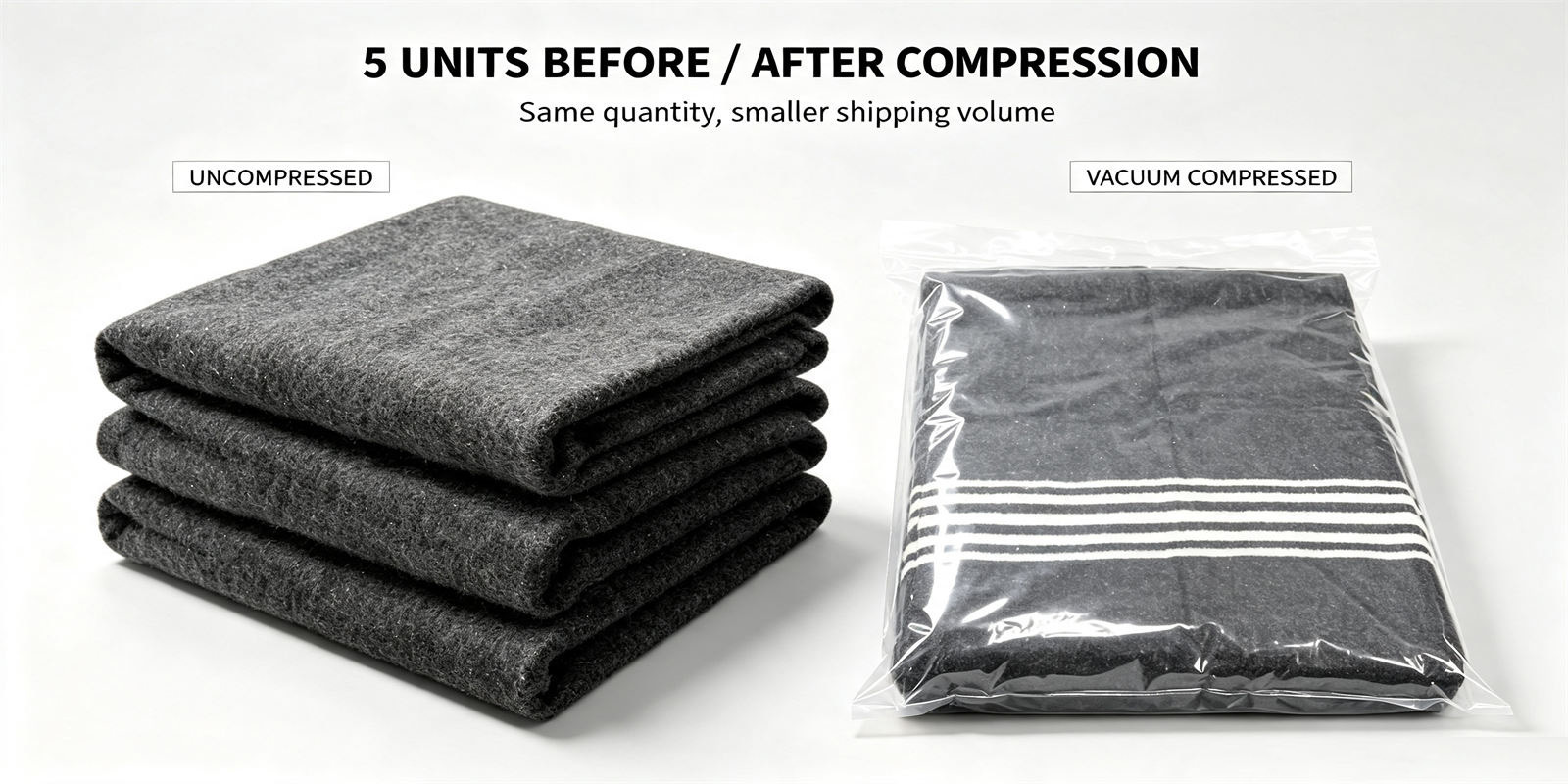
A routine wholesale order and an evidence-led green tender may select the same blanket construction but require different claim wording, document scope, label approval, and receiving checks. Select a recycled polyester relief blanket by evaluating the distribution model, product specification, recycled-content evidence, packing, and acceptance plan separately. A recycled claim does not by itself prove warmth, durability, or suitability for a project.
Ask each supplier to separate the product offer from the recycled-content statement, then confirm the specification, packing, documents, MOQ, and delivery conditions for both parts.
A synthetic recycled-fleece direction with 150 x 200 cm reference dimensions and 10 mm reference thickness can enter development review. Convert each value into a question: how is thickness measured, what tolerance applies, what construction produces it, what unit weight or GSM is relevant, and how will packing change the apparent bulk? The candidate becomes useful only when the measurement and acceptance method are defined.
Define whether the claim concerns a named fibre, a percentage, a component or the whole blanket. State the calculation basis and required records. Product sample approval can close colour, surface, dimensions and packing, but not recycled content. Claim approval can close wording and scope, but not warmth, durability or wash performance.
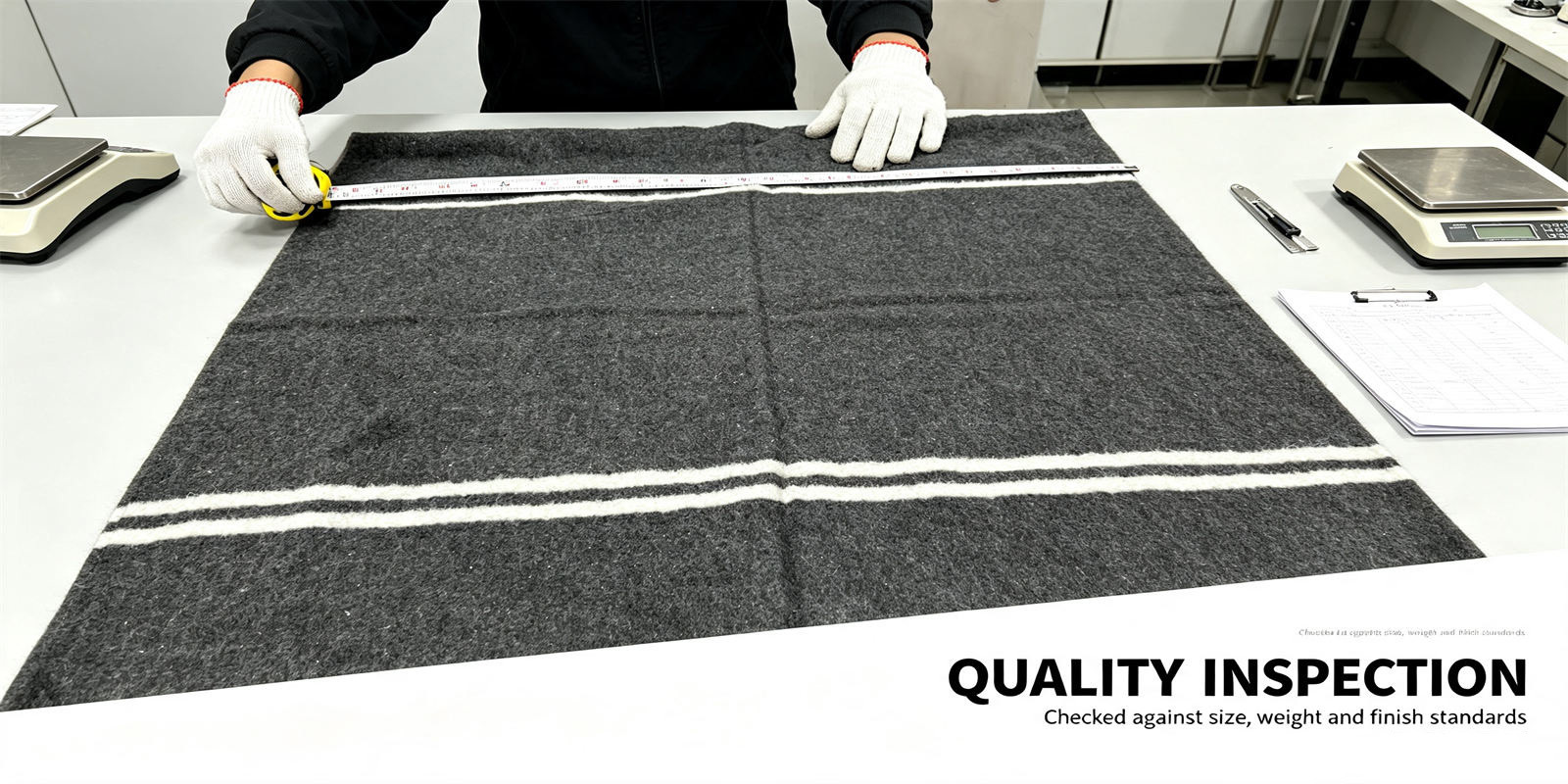
A thicker-looking candidate may appear attractive, but reserve buyers also need carton efficiency, readable identity and repeatable inspection. Field distribution teams need counting and easy handling. Compare the candidate under both workflows. Do not choose from thickness or recycled wording alone. Choose the specification option whose measured product and document package can be accepted at every handover.
Use the table as a two-route comparison. Keep physical product approval common where appropriate, then separate the additional claim, document, label, and batch controls required by the green route.
| Decision field | What closes the decision |
|---|---|
| Physical product | Dimensions, thickness method, construction, weight/GSM, packing |
| Recycled claim | Material, percentage basis, scope, evidence |
| Workflow | Storage, counting, allocation, receiving |
| Release | Sample approval and claim approval closed separately |
▶ From selection consultation and mass production to logistics delivery, we provide one-stop wholesale supply of emergency relief blankets for government material stockpiles, prison accommodation, military camps and other institutions, strictly complying with project technical standards and ensuring stable supply capacity throughout the entire process. To learn the complete service process and core key points of institutional bulk purchasing, please refer to our article *Emergency Disaster Relief Blankets | For Government Stockpiles, Correctional Facility Blankets & Military Camps – Bulk Wholesale Supply*.
Approve the product and the recycled-content statement separately. Product approval covers dimensions, construction, color, edge, label, and packing. Statement approval covers recycled percentage and how it is calculated, material source, applicable product code, document holder, and validity. A recycled-polyester blanket can be discussed as a development direction, but no fixed recycled percentage should be assumed.
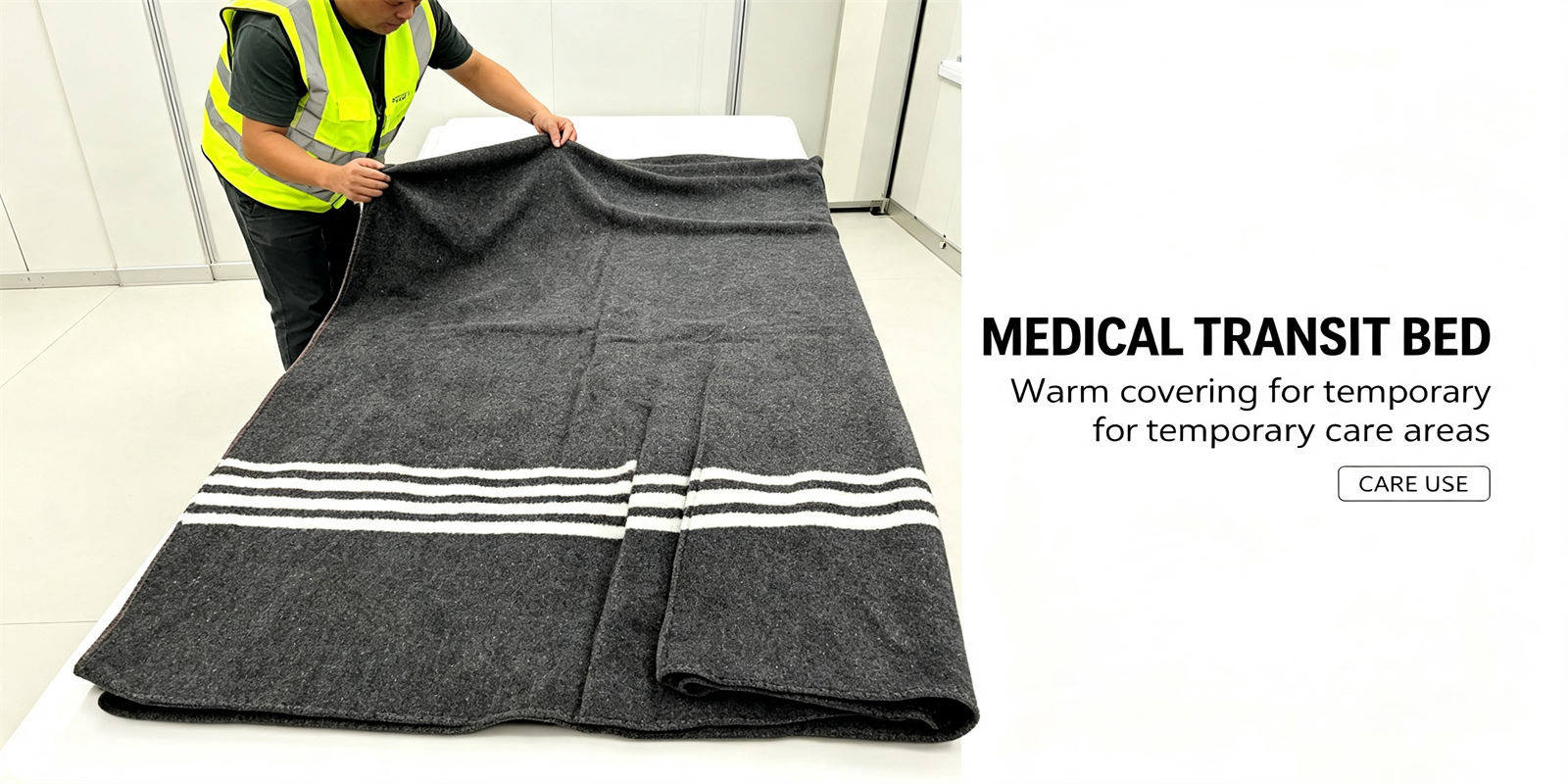
Buyer roles change the recycled-blanket decision. A distributor may need a stable product, neutral or private-label packing, and wording that can be repeated across orders. A government or NGO green project may add a defined recycled-content statement, document scope, destination-language labels, and batch-level acceptance. A reserve program may also care about packing identity and rotation. The physical blanket can share one development route, but the claim, document, receiving, and repeat-order responsibilities must be priced and approved for the actual buyer.
Start with the distribution model. Record quantity by destination, reserve or immediate issue, storage, receiving capacity, repacking, and repeat-order needs.
Build one comparable specification sheet. Compare composition, dimensions, construction, colour, edge, labels, packing, carton marks, and required documents on the same basis.
Separate the blanket specification from the recycled-material request. Recycled fibre blanket and recycled polyester blanket are sourcing terms, not proof of the active product's composition or percentage. Build one specification column for the blanket and another for the recycled-content request. Dimensions, GSM, unit weight, construction, colour, packing, tests, certification, MOQ, and lead time require their own current-order confirmation.
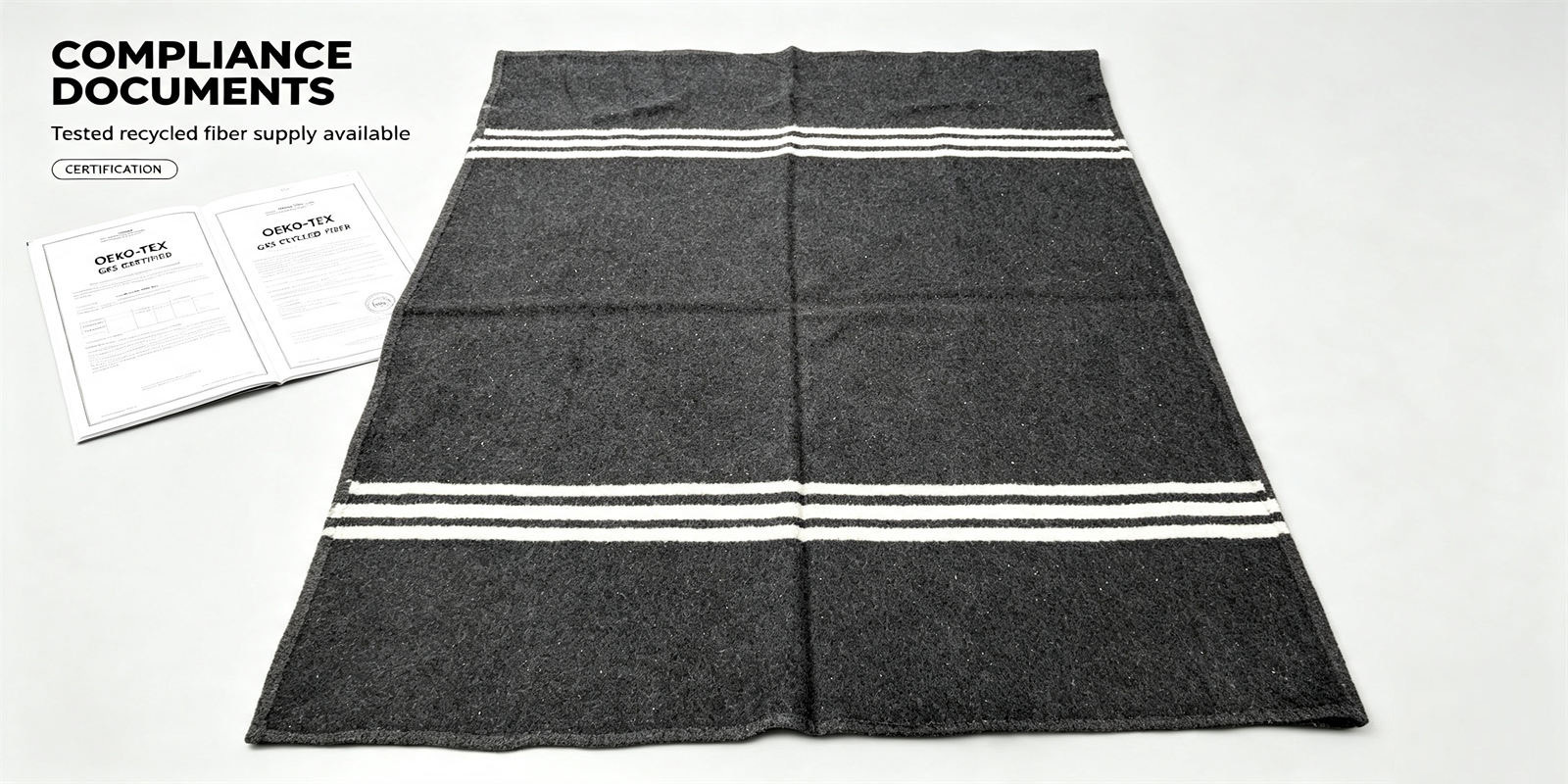
We can organize a project response around sample, specification, logo/color/packing customization, and export documents. If a tender names a specific certification, check the holder, covered products, validity, order records, and target product code before quotation. Certification should enter quotation and label wording only when the certificate and order documents cover the current blanket and recycled-content statement.
Request a traceable recycled-content link between the documents and the supplied goods. Ask what the claim means, which product and order it covers, who issued the evidence, its validity, and how the final product is connected to it.
Approve product, label, and packing samples. Record measurements, appearance, edge, label wording, fold, unit pack, and carton fields. Keep the approved record for bulk comparison.
Design receiving and batch acceptance. Define sampling, identity checks, quantity, dimensions, appearance, labels, packing, documents, and treatment of nonconformity before shipment.
Routine wholesale prioritizes stable specification, packing, and repeat order. Evidence-led green procurement also connects claim wording to order and batch. The development flow can be shared, but document package, label approval, and acceptance responsibility differ.
Control substitutions and repeat orders. Require written approval for changes in composition, source, construction, colour, label, packing, or evidence status.
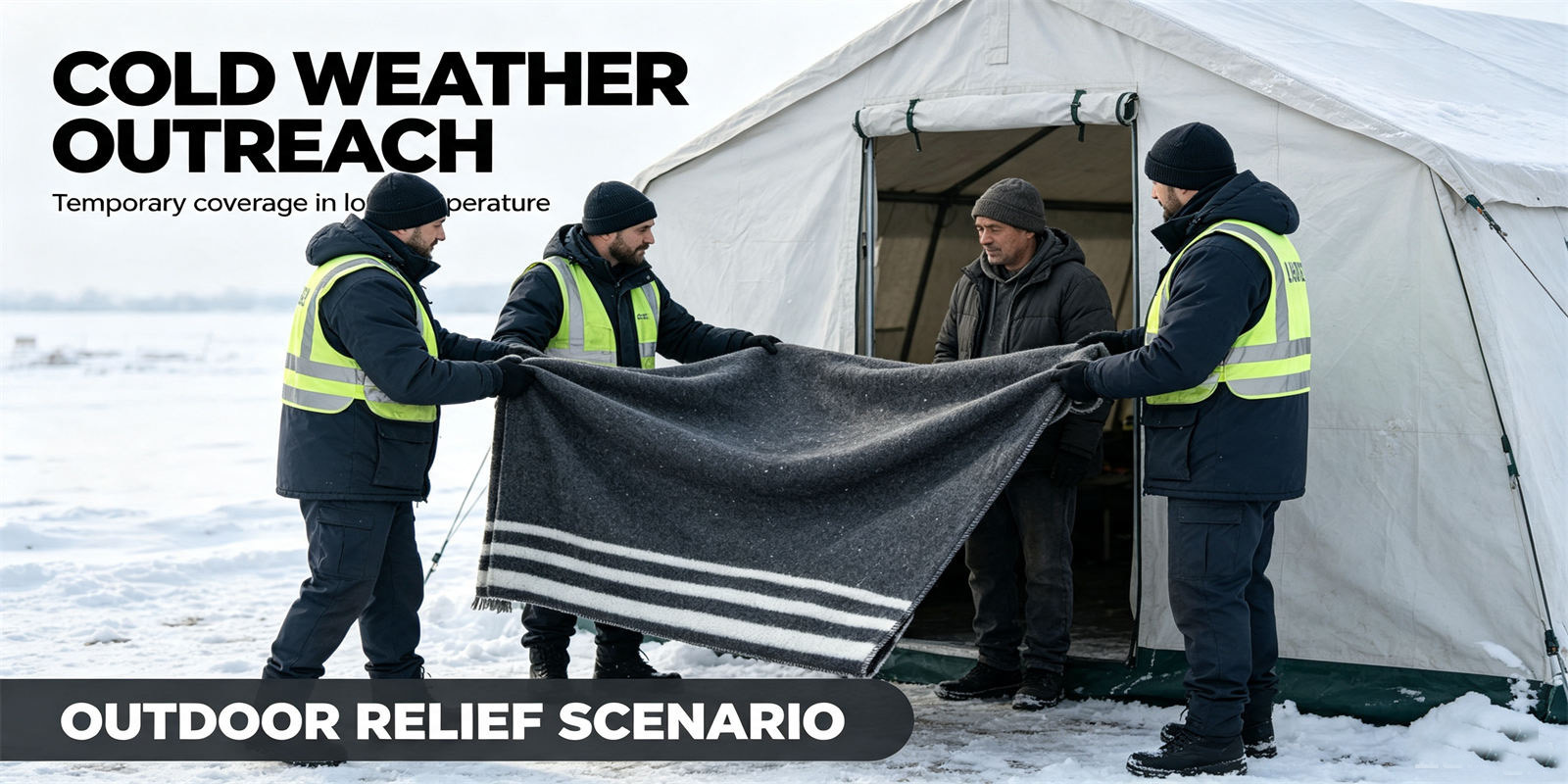
Compare suppliers through differences, not slogans. Place the required specification and recycled-content claim in the first column, then record each supplier's confirmed response, evidence status, alternative, and difference. A sustainability phrase should not compensate for an omitted size, packing field, or acceptance method. Price comparison is meaningful only after the offers describe the same deliverable.
Define order-release red flags. Pause approval when recycled percentages conflict across the quotation, label, and evidence. The document holder or product scope does not match. Product dimensions or packing remain undefined. Or a material substitution is proposed without review. Keep unresolved points visible in the commercial record until they are closed.
▶ Sheep Blanket‑Multifunctional warmth and comfort for Armed forces. Follow this title link to access product specification sheets, sample testing support and custom order options for military supply programs.
Define the recycled-content request precisely. Specify whether the buyer requires recycled input in a named fibre, a minimum percentage, a particular component, or the complete textile product. Also state the calculation basis and evidence expected. Recycled fibre, recycled polyester, and a blanket containing recycled material are not interchangeable claims. Precision at RFQ stage prevents quotation, label, and tender wording from describing different deliverables.
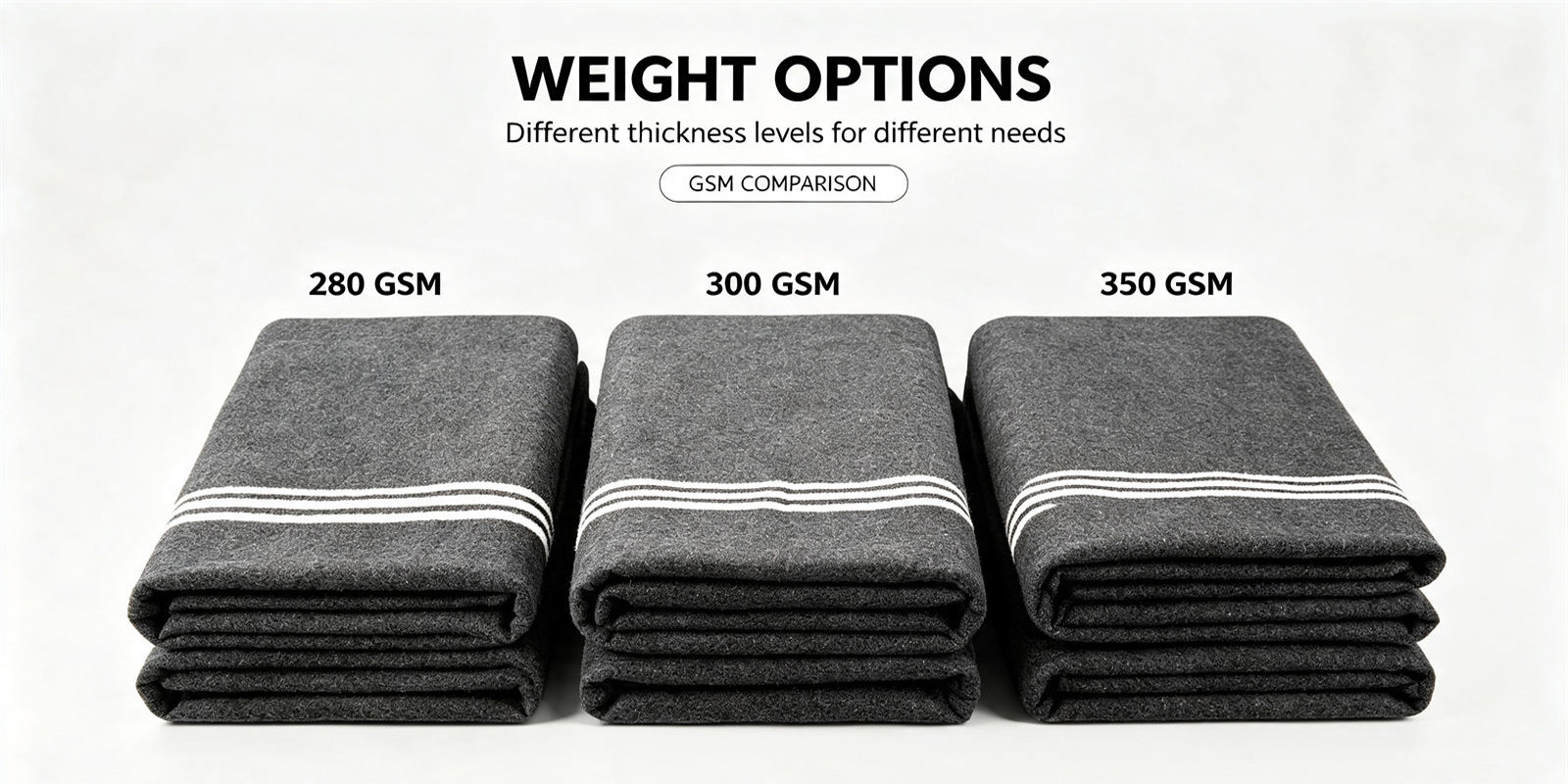
Compare functional specification without borrowing sustainability claims. Build the blanket requirement from intended issue, dimensions, construction, edge, colour, identification, packing, storage, and acceptance. Keep any warmth, durability, wash, or other performance requirement in its own row with a method and evidence request. A recycled-content document cannot fill a missing product-performance field, and a successful sample inspection cannot prove recycled percentage.
Match evidence depth to procurement risk. A low-risk market inquiry may begin with a supplier declaration for screening, while a tender, private-label programme, or controlled environmental claim may require stronger product, scope, validity, and transaction records. The article does not assume one universal document. Buyers should define what must be available at quotation, sample approval, approval to start production, shipment, and audit.
YRF can combine blanket development, sampling, logo/color/packing customization, inspection coordination, certification support, and export documents within one project response. Its government/NGO project and production capabilities help coordinate larger or multi-destination requirements. Where the project requires recycled-content certification or traceability, the exact certificate holder, product scope, statement, and transaction records should be matched before the label is approved. This lets supplier capability reduce coordination work without using a broad environmental claim as a substitute for product specification or order-specific proof.
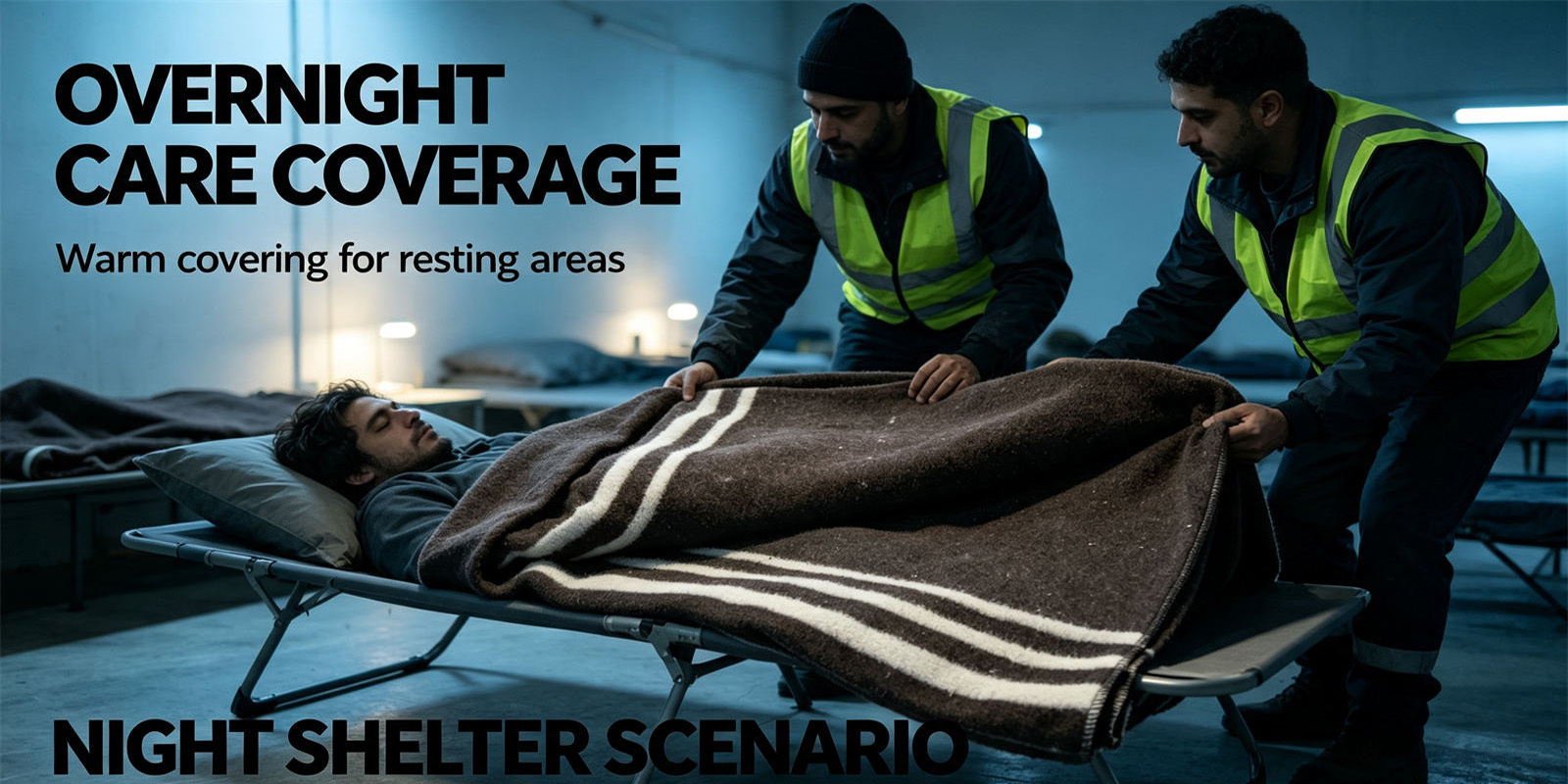
Design labels and cartons around verified wording. Do not finalize a recycled percentage or sustainability phrase on the product label, unit pack, carton, catalogue, or commercial document before the products and orders covered by the claim is confirmed. Control translations as well as English wording. A label can be visually approved while its claim remains unsupported, so artwork approval and claim approval should be separate sign-offs.
Protect distribution projects from mixed claims. When goods are divided among public reserves, humanitarian distribution points, distributors, or private-label customers, each destination may require different wording or evidence. Map quantities, labels, documents, and cartons by destination. Prevent one customer's approved statement from being copied to another order whose product, scope, or evidence differs.
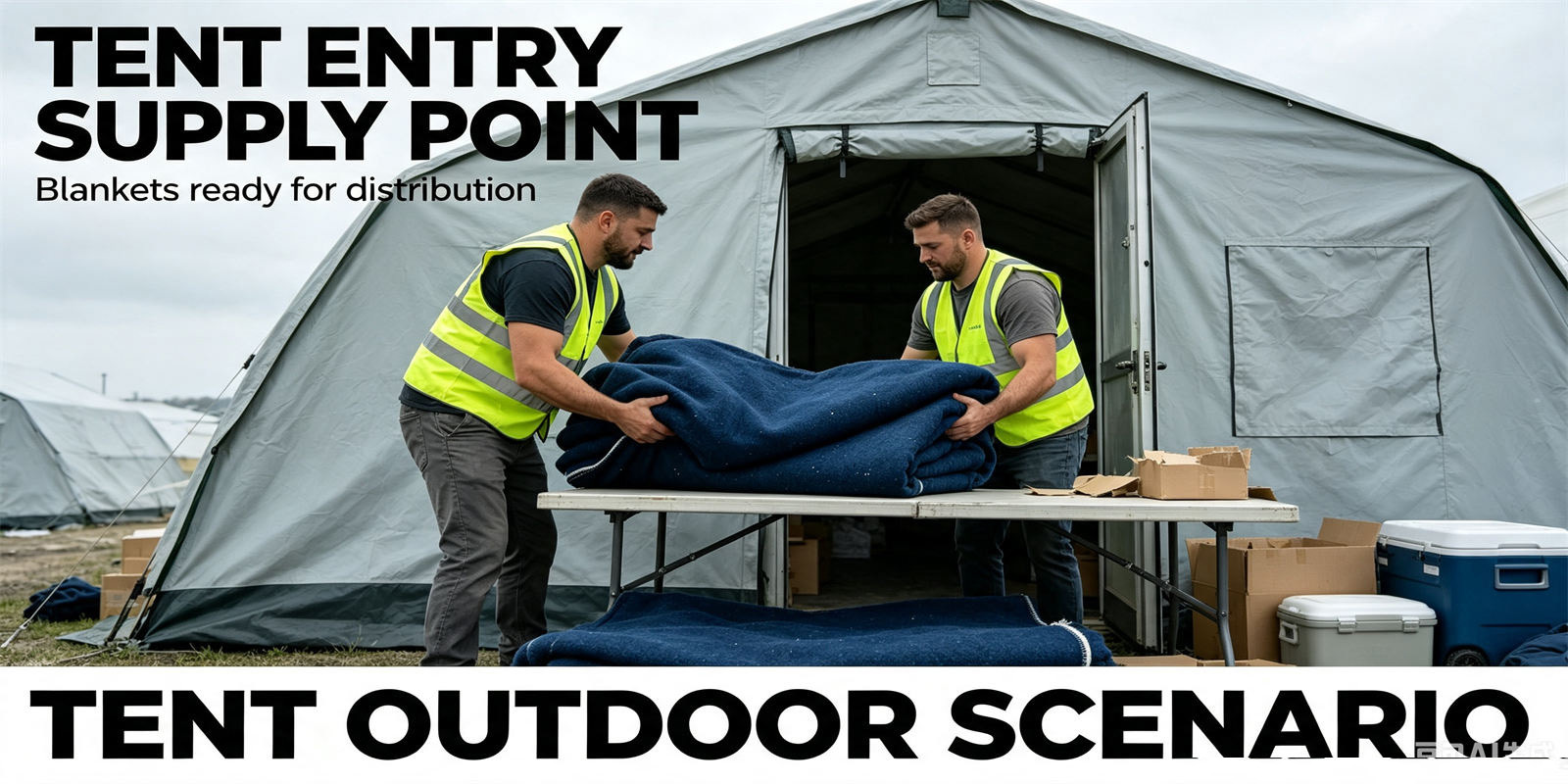
Evaluate the full product, document, packing, and delivery requirements before price. Compare product compliance with the agreed specification, recycled-claim evidence, sample status, packing, receiving effort, document timing, change control, and price on one decision sheet. An inexpensive offer with an undefined claim or non-comparable specification can create relabelling, tender clarification, warehouse delay, or acceptance risk that is invisible in the unit price.
Send the procurement route, physical product requirement, intended recycled-content statement, label and packing needs, destinations, and required document scope.
Include quantity, destinations, specification, recycled claim, evidence, packing, labels, acceptance, and delivery window.
Use retained measurements, photos, labels, packing, and agreed inspection fields.
Yes. Product identity and claim scope should align across the quotation, specification, label, packing, and commercial documents.
Choose packing by receiving, storage, counting, and distribution needs rather than by the recycled claim.
Review whether product specifications and recycled-claim evidence still cover the new source, batch, and current order, and renew approval when required.
Only if the exact percentage and scope are supported for the identified product.
No. Performance fields need separate requirements and evidence.
Not unless its scope clearly covers the active product and order.
Not necessarily. Compare product specification, use requirements, evidence scope, labeling, and supply consistency rather than deciding from one percentage.
Avoid an undefined environmental conclusion. Publish only a specific statement supported for the current product, order, and valid evidence.
Continue with the overview, product option, application plan, and closely related procurement guide for this decision.
Prepare the Recycled-Blanket Project Brief
For a recycled-blanket project review, provide the required product specification, intended recycled-content wording, destinations, labels, packing, document requirements, acceptance checks, and delivery window.
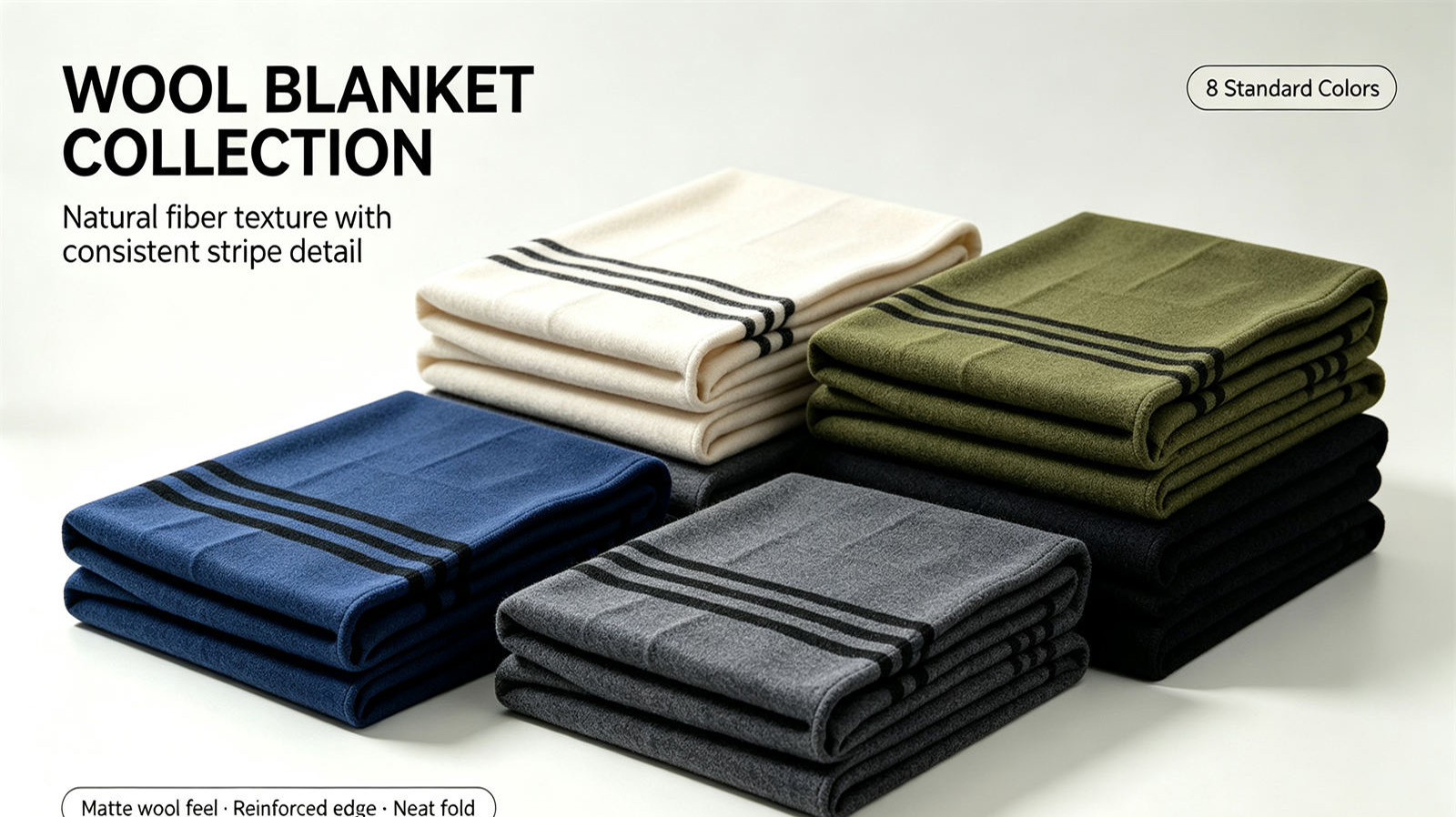
Compare blanket product lines, application routes and related procurement resources.
Review product specifications, configuration options and order confirmation points.
Review selection, packing and supply planning for this procurement scenario.
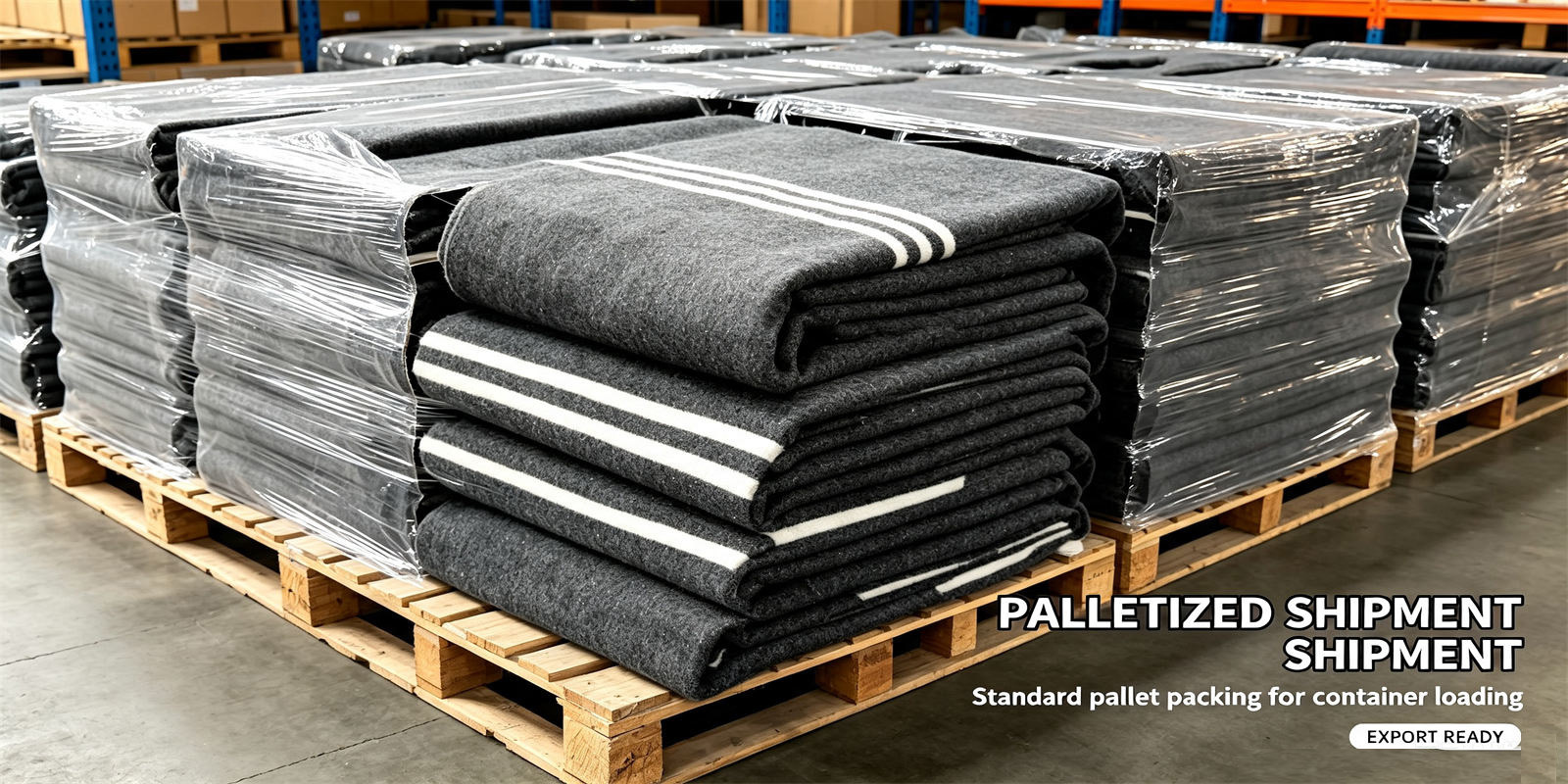
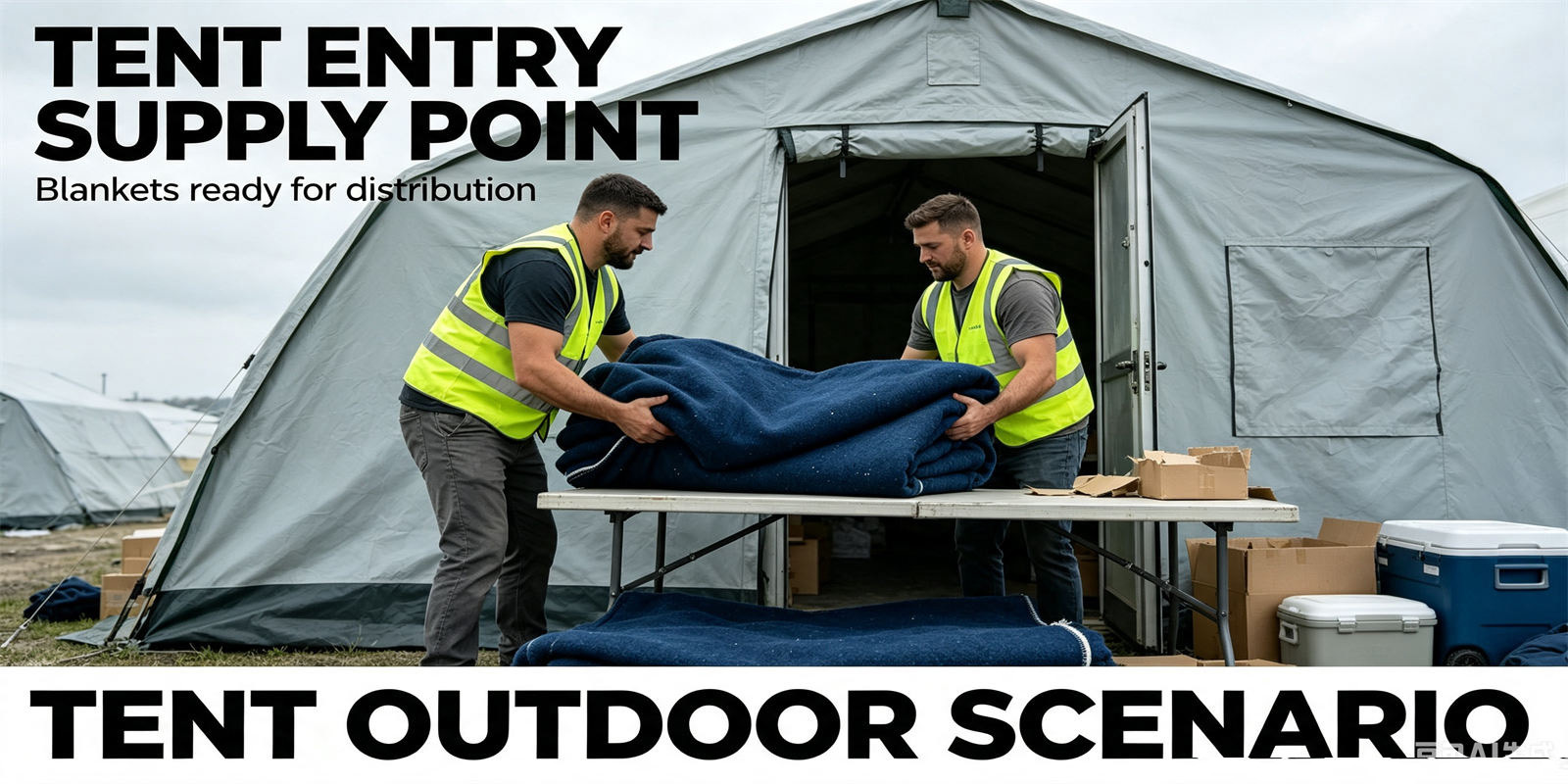
Recycled Polyester Blanket for Emergency Relief and Bulk Supply
Recycled-Material Blanket Planning for Public Reserves
▶ Large-scale procurement of emergency relief blankets involves significant budgets and long lead times, so selection decisions require extra diligence. Our article *Emergency Relief Blanket Selection for Bulk Procurement* offers a decision framework across three dimensions: procurement scale, project timeline and budget constraints.
✅ Factory video link (YouTube): https://x.c1ns.cn/zVNIU
✅ Facebook homepage: https://a.c1ns.cn/SjJla
|
Access our full product document |
Quick real‑time chat for urgent project questions |
 |
 |
|
Get full‑range product specs & package solutions in PDF |
Connect with us for instant project support |
Liens amicaux :
droits dauteur © Custom Disaster - Relief Bedding: Tents, Sleeping Bags, Blankets Tous les droits sont réservés
léquipe professionnelle au service !