Catégories
dernier blog
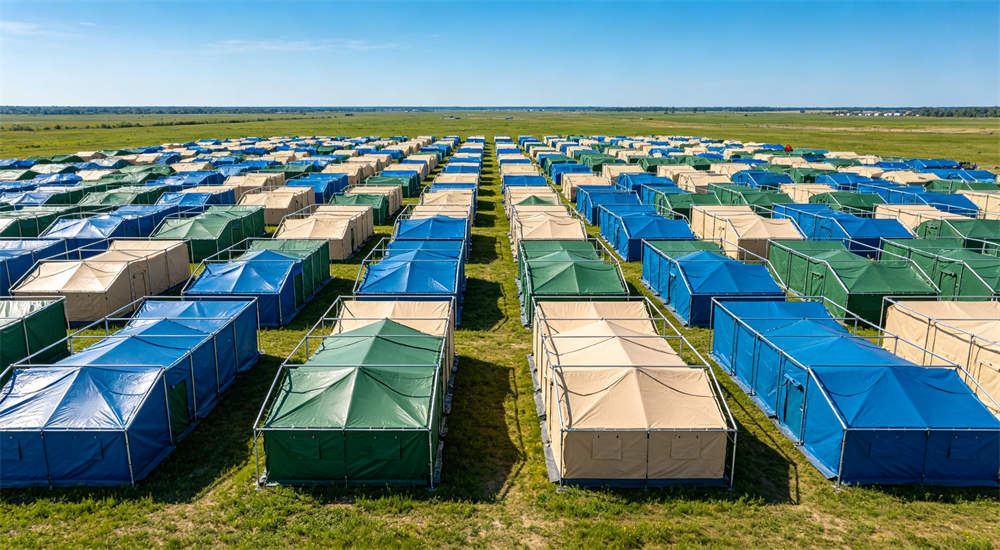
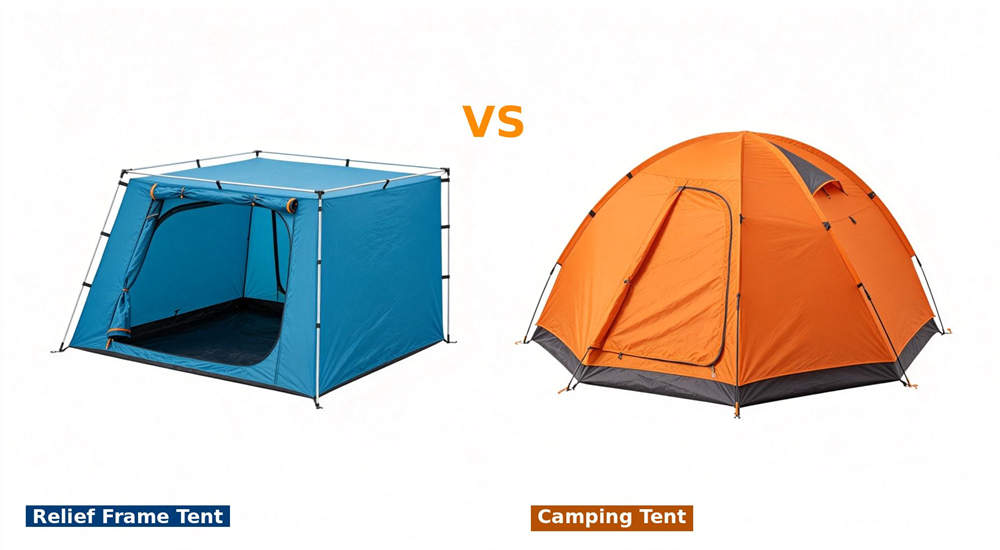
An outdoor relief frame tent cannot be selected by occupant count or floor area alone. Soil, gravel, concrete, slope, standing water, wind and rain, vehicle routes, and operating period all affect the structure, anchoring, cover, and entrance configuration. The right outdoor relief tent matches the site first, then the task. As a wholesale relief tent supplier, we help buyers avoid common site-selection mistakes.
Short answer: Define accommodation, duty, coordination, storage, or medical support first. Then check the ground, drainage, anchoring, weather, and access. A general-purpose outdoor relief tent can be assessed for ordinary accommodation. For emergency relief operations, confirm anchoring and drainage before quoting. Sustained duty, storage, medical support, and cold-weather tasks need their corresponding directions. Final performance must match the actual model, anchoring plan, and documents.
|
|
|
|
|
|
|
|
|
|
1. Select the Direction from the Task 2. Ground Conditions Shape Anchoring 3. Review Drainage Before Placing 4. Count Anchoring and Clearance 5. Wind and Rain Requirements 6. Outdoor Ventilation 7. Entrances Fit People and Vehicles 8. Longer Use Maintenance Planning 9. Match Tasks to Tent Direction 10. What Supplier Should Return |
11. Three Common Selection Errors 12. Four Questions for Site Difficulty 13. Check on a Sample or First Tent 14. Short Check Before Ordering 15. Exposed vs Sheltered Sites 16. Mixed Ground Check 17. Tent Spacing and Access 18. Entrance Direction and Rain 19. When to Reject the Option 20. Vehicle Access and Packing Frequently Asked Questions |
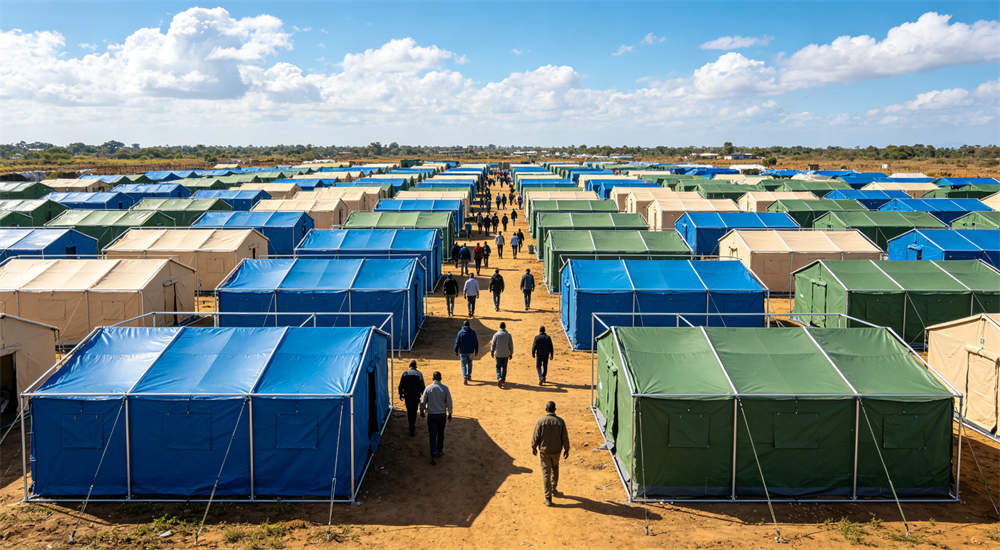
Accommodation focuses on beds, aisles, ventilation, and privacy. Duty and coordination require workstations, equipment, and repeated access. Storage prioritizes clearance, entrances, ground, and handling. Medical support needs separate confirmation of internal systems.
Several tasks can exist on one site, but they should not automatically share one outdoor relief frame tent. Separate the tasks so the supplier can recommend a general accommodation, sustained-duty, modular work, storage, or other direction for further assessment. Disaster relief tents often combine accommodation and coordination zones on one site.
A product direction narrows the options. It does not prove water, wind, cold-weather, or other performance.
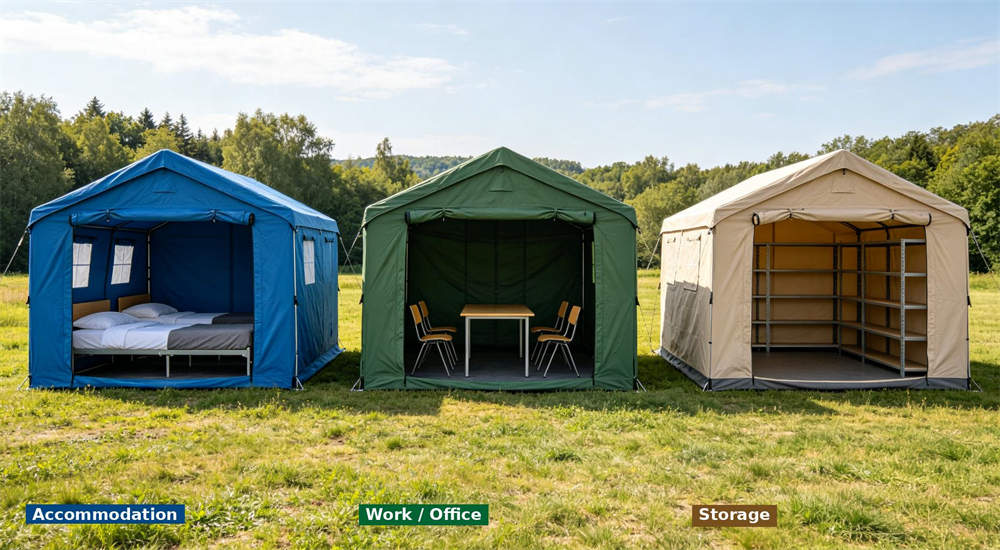
Key Takeaway: Start with the task, not the tent size. An outdoor relief frame tent that fits 50 people may still fail if it cannot support the actual activity inside.
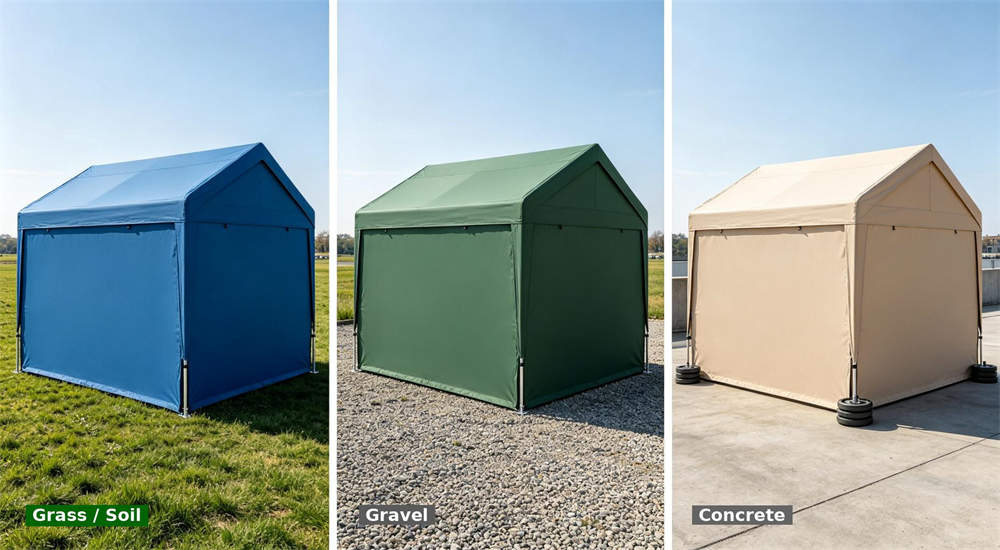
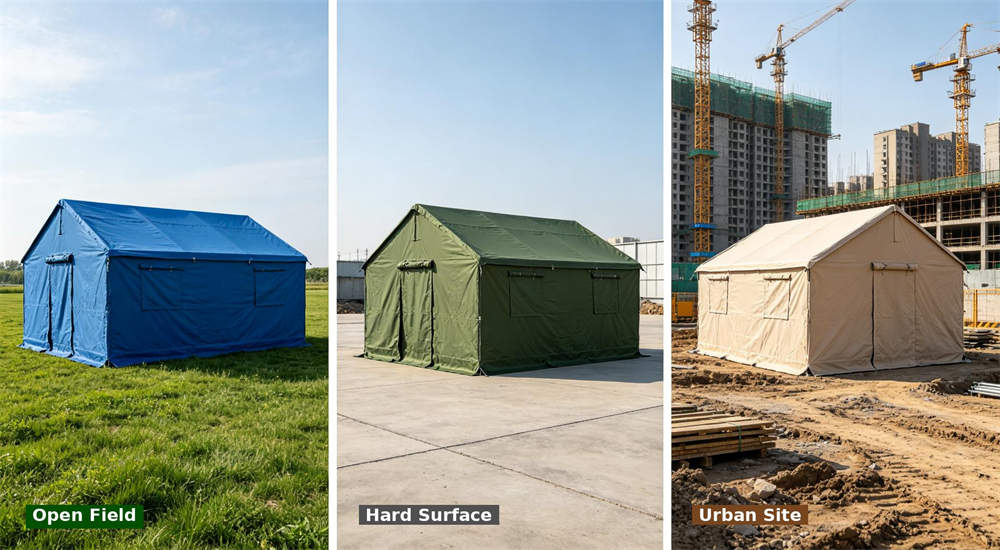
Soil, grass, gravel, sand, concrete, and mixed surfaces can require different securing methods. Relief tent anchoring depends on slope, softness, and underground obstacles that affect stakes, anchors, or other fittings.
Provide ground photographs, surface type, slope, and drilling restrictions. The supplier should explain anchor positions, included components, and limits for the actual structure.
Do not purchase one stake type first and force the site to accept it. Hard or soft surfaces need a method allowed by the design; required anchoring should not simply be omitted.
|
Ground Type |
Anchoring Method |
Buyer Provides |
Risk if Wrong |
|
Grass / soft soil |
Stakes or ground anchors |
Soil type, slope, underground lines |
Pullout in wind |
|
Gravel |
Auger anchors or weighted base |
Gravel depth, compaction |
Insufficient holding |
|
Concrete / asphalt |
Weight plates or water ballast |
Drilling permission, surface load |
No anchoring possible |
|
Mixed surface |
Combination per securing point |
Site plan with each point |
Some points unsecured |
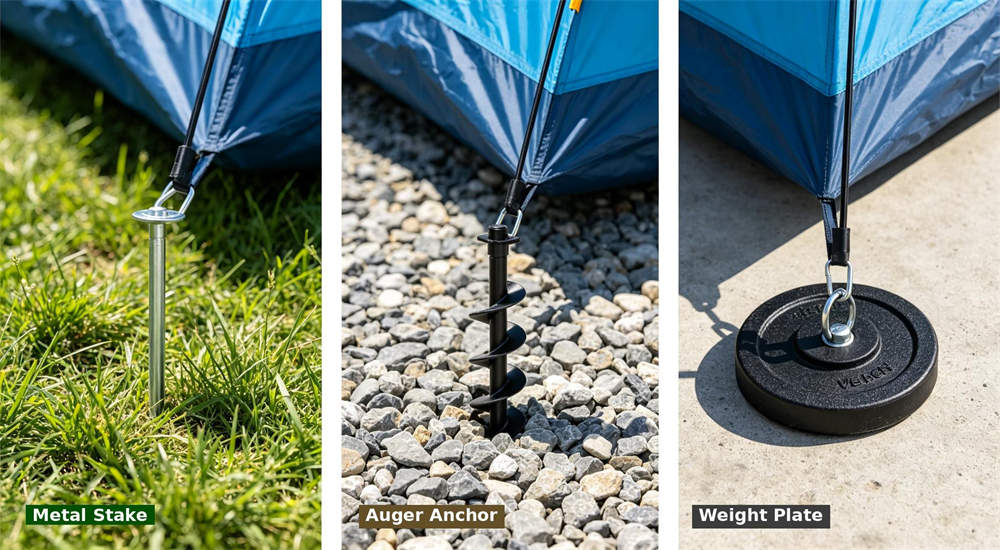
Key Takeaway: The ground decides the anchoring method, not the other way around. Send ground photos before requesting an outdoor relief frame tent quotation.
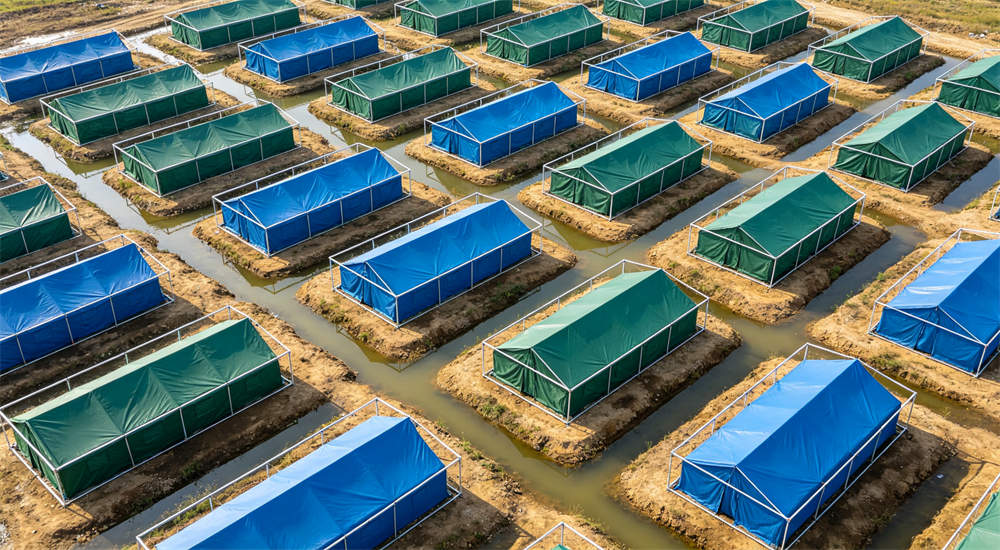
Low points, slope bottoms, and water routes can collect runoff. Even where the cover resists rain, ground water may affect the interior through entrances, edges, or floor connections.
Mark elevation changes, drainage direction, and channels that must remain clear. The project should plan suitable leveling, ground protection, or drainage work for the real site.
The supplier can explain how the outdoor relief tent floor, skirt, entrance, and anchors connect to the site, but a product name cannot replace a drainage plan.
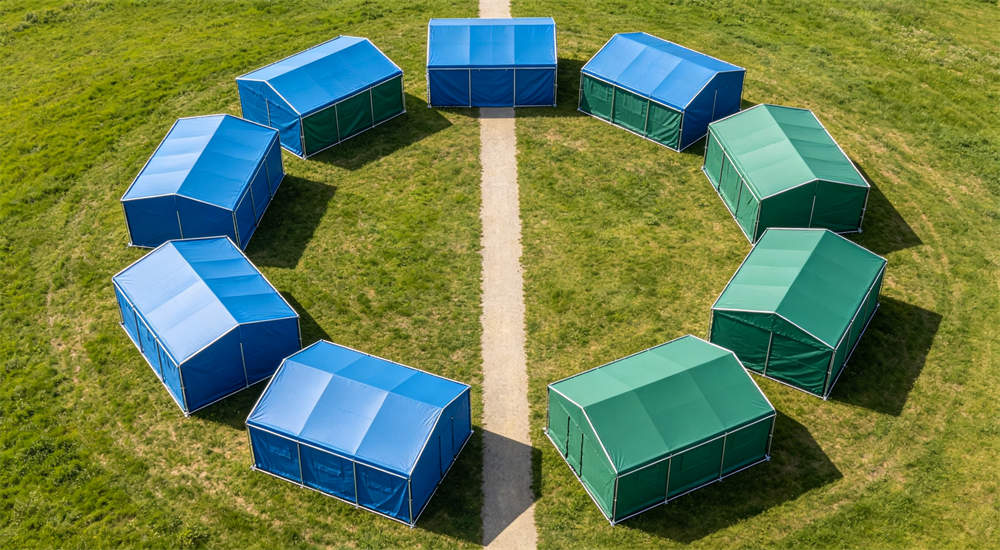
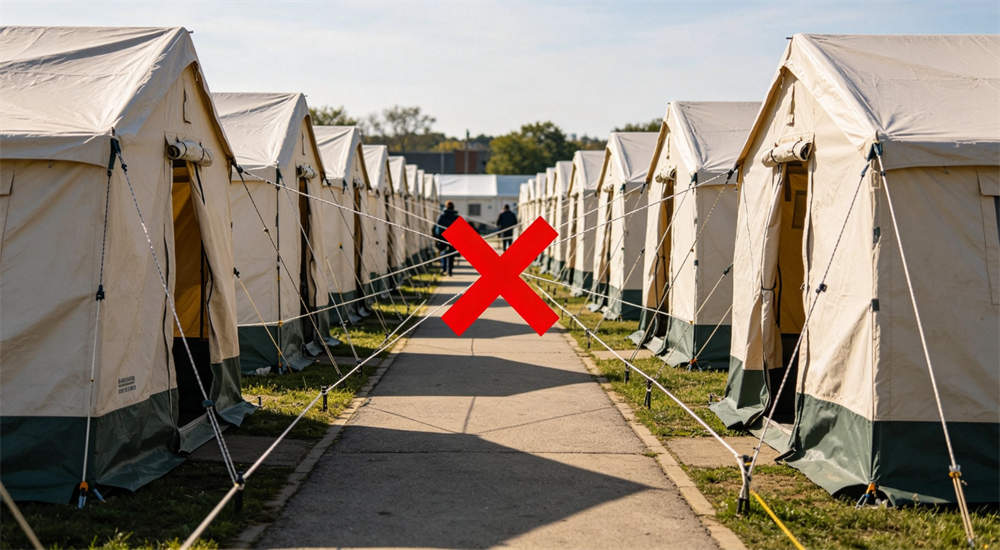
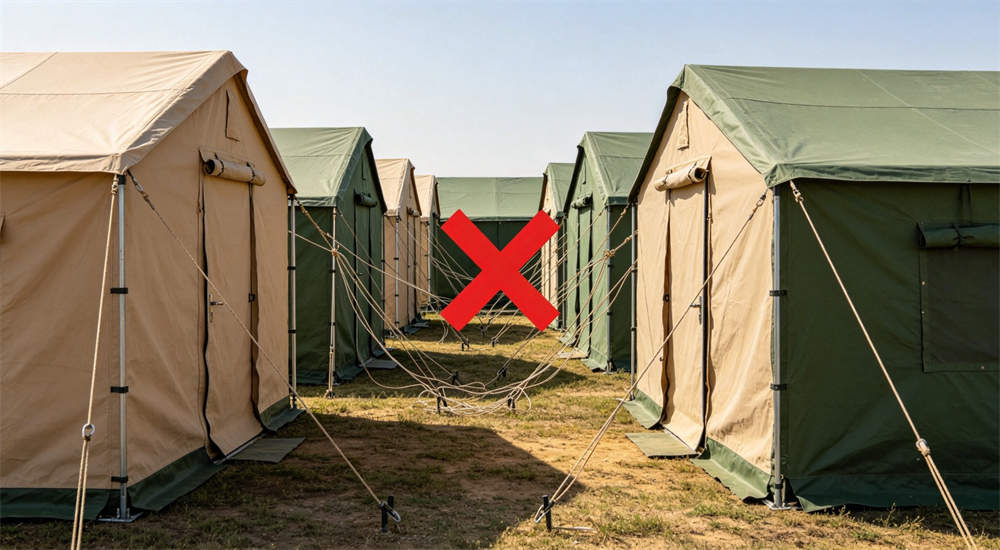
An outdoor relief frame tent may still use guy lines, stakes, anchors, or ballast. Relief tent guy lines need exterior clearance and must not cross vehicle routes. These components need exterior space and must not cross vehicle routes or primary pedestrian paths.
Draw the exterior dimensions, door movement, and securing footprint on the same site plan. Dense rows of tents can create conflicts between anchors or lines.
The supplier should return anchor locations and component scope.
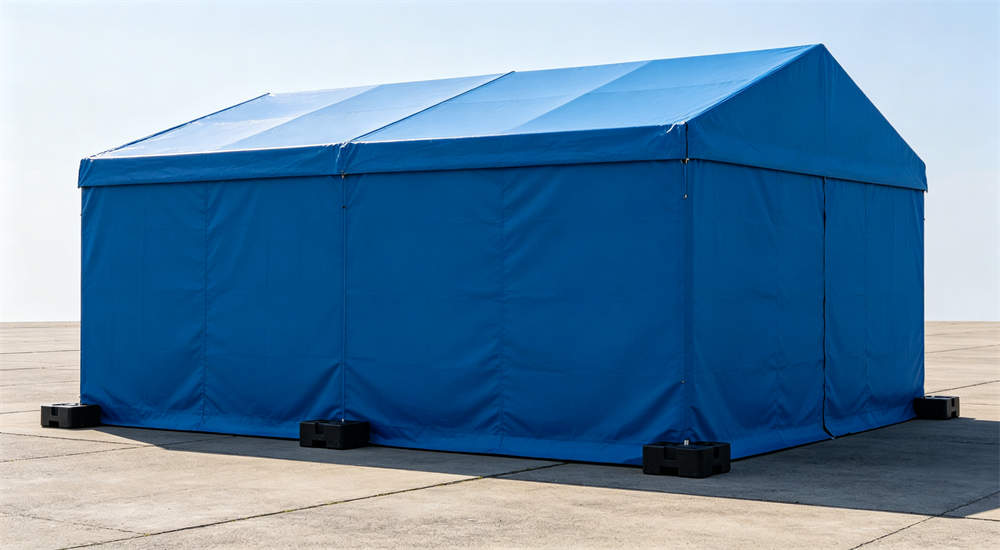
Any wind statement must correspond to the structure, securing method, ground, and supporting test conditions.
|
Site Condition |
Possible Effect |
Buyer Provides |
|
Ground |
Anchoring, leveling, and floor |
Type, slope, drilling limits |
|
Drainage |
Entrances, edges, and interior dryness |
Elevation, standing water, flow direction |
|
Wind and rain |
Structure, cover, anchors, maintenance |
Project environment and duration |
|
Ventilation |
Heat, moisture, and condensation |
Users, equipment, opening needs |
|
Routes |
Doors, vehicles, people, and lines |
Entrances and unavailable areas |
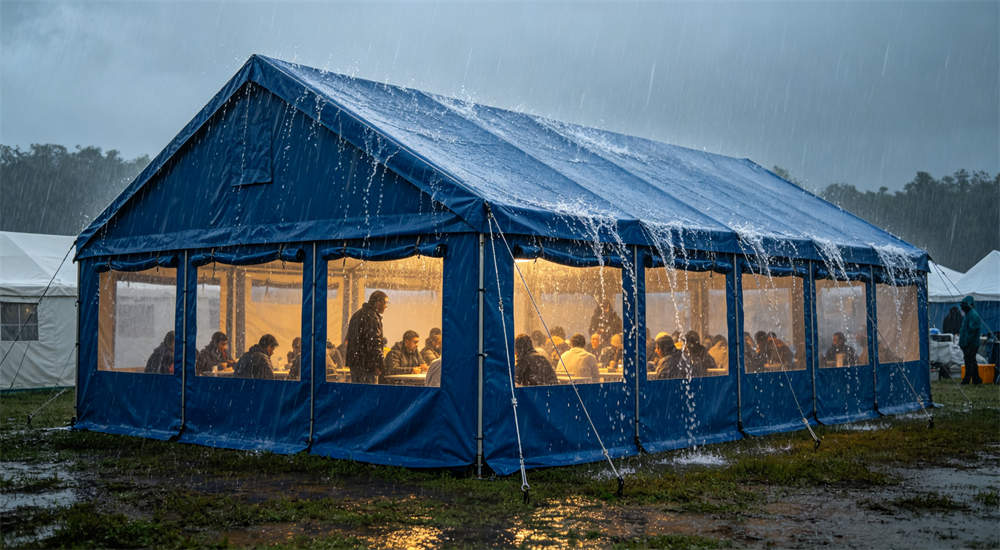
Words such as frame, heavy-duty, or relief do not prove wind or rain performance. Structure, connections, cover, seams, openings, anchors, ground, and maintenance work together.
State the expected exposure, season, rainfall, wind conditions, and operating period. The supplier should connect performance information to the quoted outdoor relief frame tent model, material, anchoring method, and available document.
If evidence does not cover the proposed configuration, keep the requirement open. Do not fill the gap with another model's or competitor's figures.
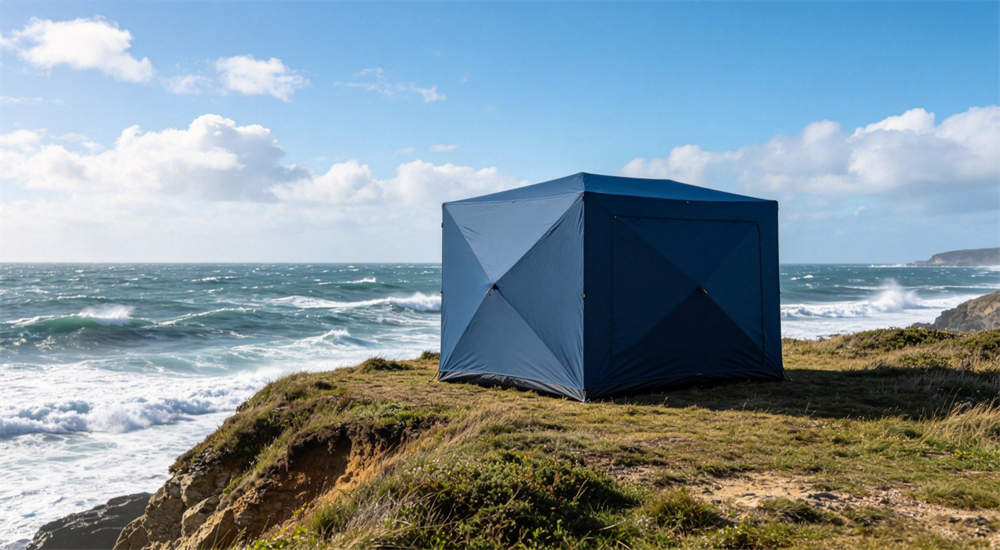
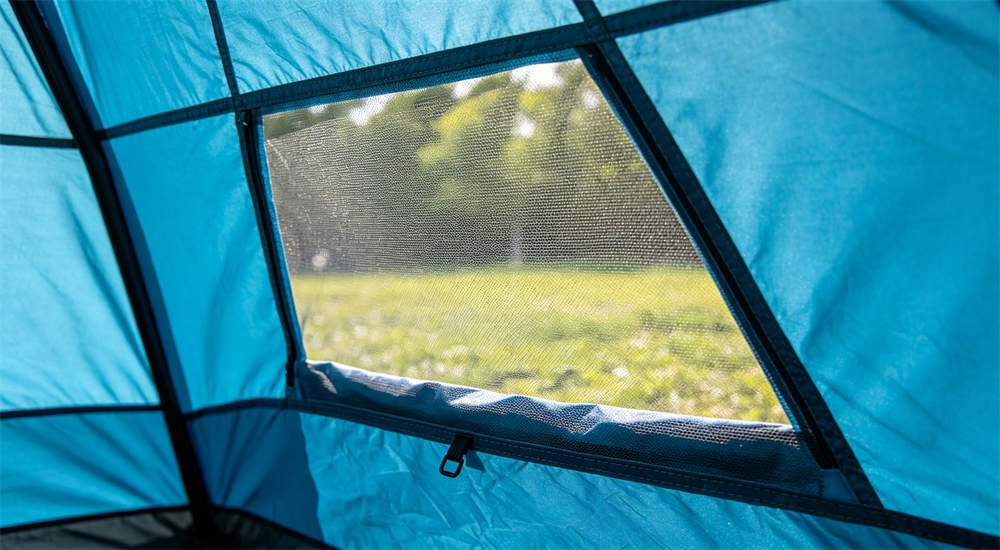
Hot, rainy, cold, and humid environments require different ventilation choices. Openings can improve airflow but can also affect rain protection, privacy, and heat retention.
Dense occupancy in an outdoor relief tent, wet clothing, and equipment can increase interior moisture. Condensation cannot be solved by changing one fabric field; ventilation, temperature difference, inner layers, and operation all matter.
Provide users, equipment, climate, and opening habits. Relief tent ventilation can then be designed with doors, mesh, vents, and inner-layer directions for the specific model.
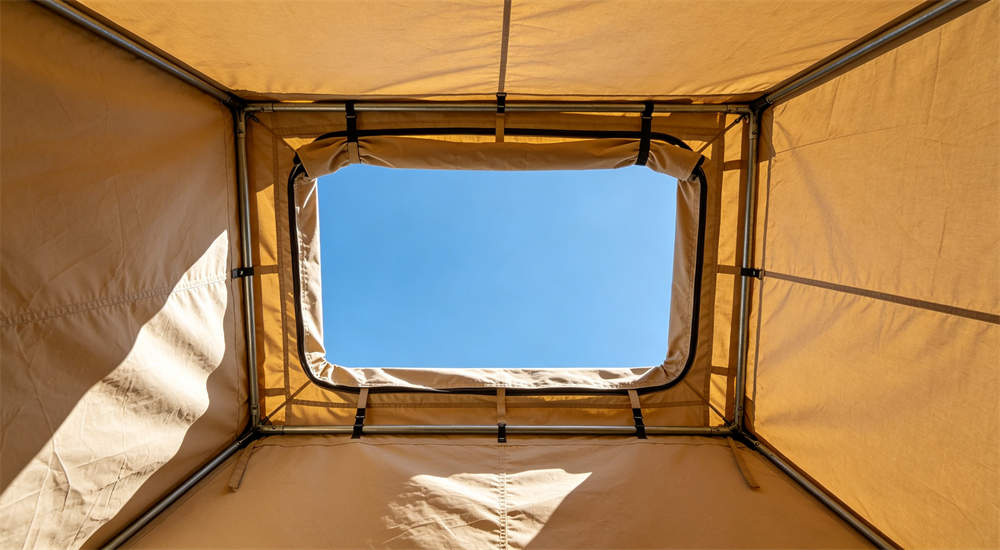
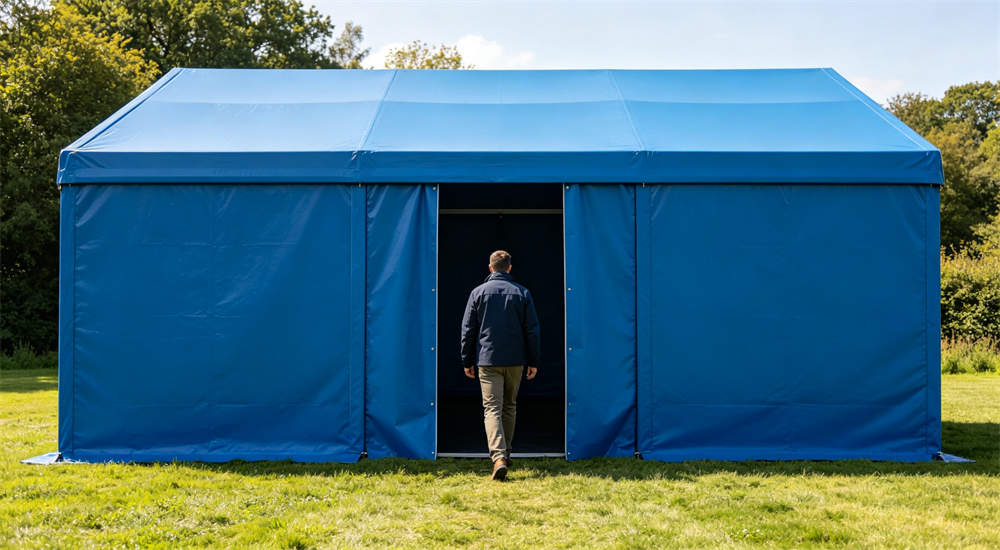
Accommodation, work, and storage entrances serve different movements. Carts, pallets, and equipment need defined clearance, while accommodation prioritizes circulation, privacy, and night access.
Put pedestrian, vehicle, and supply routes on the site plan. Door movement should not conflict with guy lines, adjacent tents, or drainage channels.
The supplier should return door position and usable clearance rather than state only that the outdoor relief frame tent has a door.
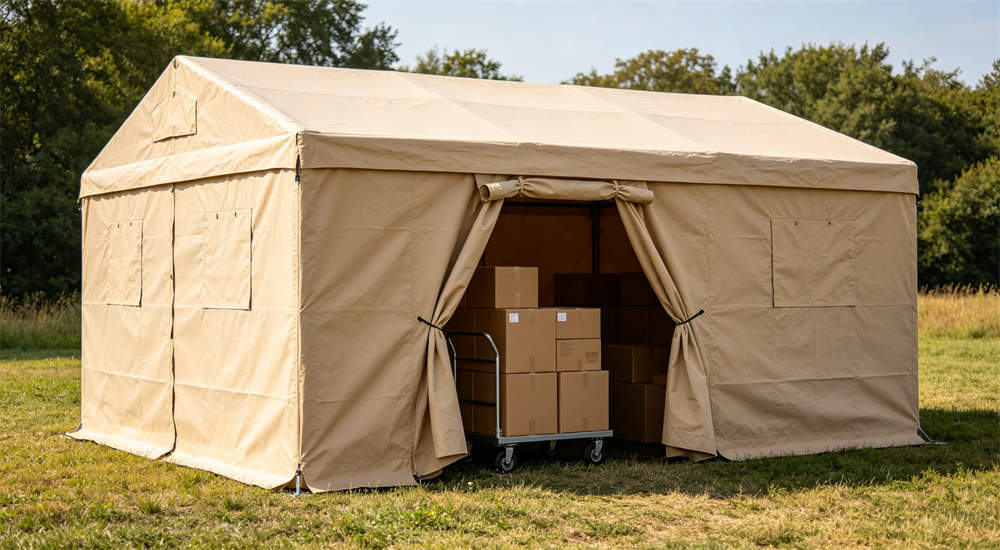

Prolonged exposure of an outdoor relief tent and repeated relocation increase inspection needs for connectors, lines, stakes, closures, covers, and packaging. Temporary use does not mean maintenance-free use.
State continuous operating time, relocation frequency, storage, and site maintenance resources. Relief tent maintenance needs routine checks, replaceable parts, and clear packaging instructions from the supplier.
Damage involving the main structure or claimed performance should follow the specific product guidance rather than receive an unsupported generic repair.
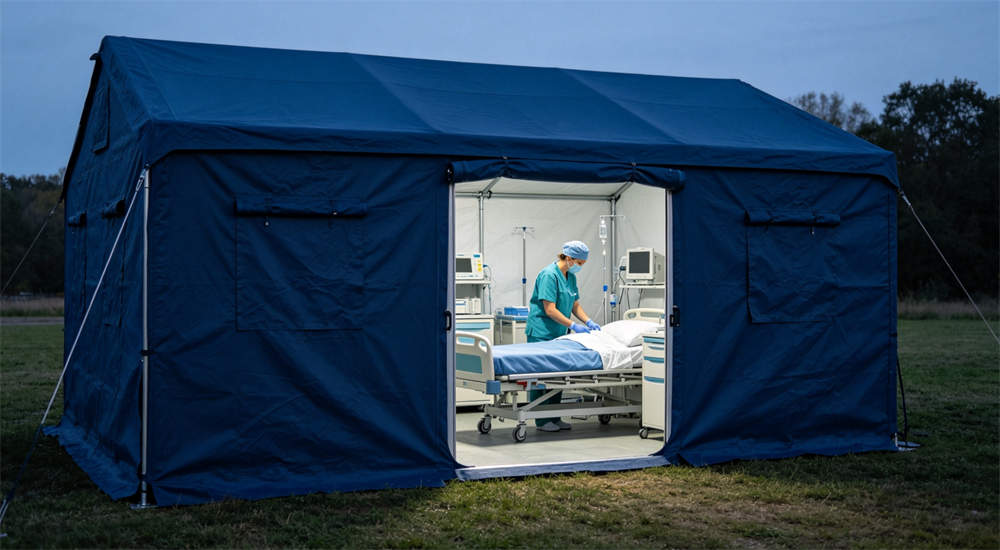
General accommodation can assess a general-purpose or accommodation frame direction. Sustained duty may need a structure intended for longer site support. Coordination needs workstations and zoning.
Supplies need a storage direction. Cold weather and medical support need specialist configurations.
These are candidate paths. Dimensions, materials, anchoring, flooring, openings, and performance still require project and model confirmation.
Where tasks overlap, divide the zones or use more than one outdoor relief frame tent type rather than sacrifice operation merely to reduce product variety.
Key Takeaway: One tent type cannot serve all tasks well. Match the outdoor relief frame tent direction to the primary activity, then confirm secondary uses separately.
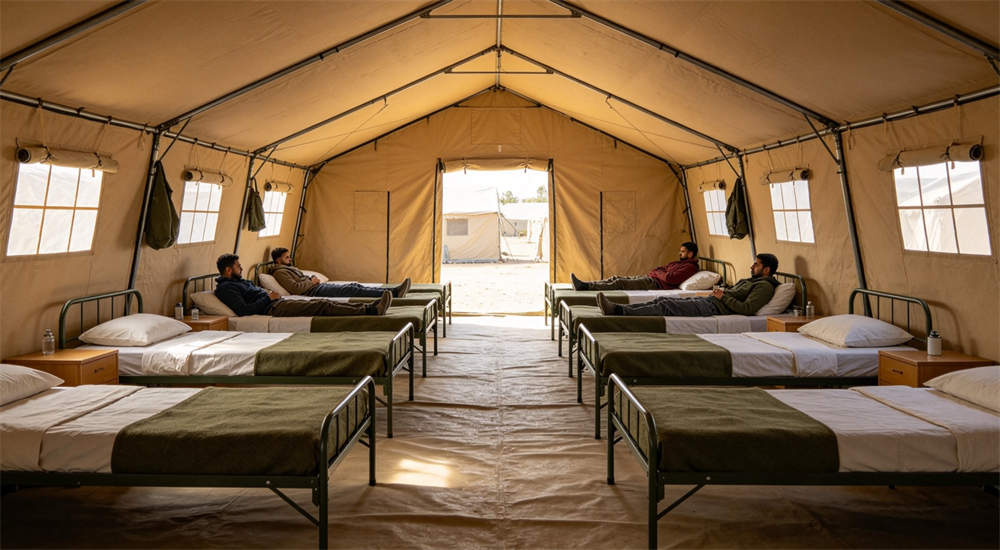
Send the task, occupants or supplies, site plan, ground, drainage, routes, environment, period, quantity, and packaging limits. Request the structure, usable interior, cover, openings, floor, anchors, packaging, and operating boundaries.
Water, wind, flame, cold-weather, or other performance of the outdoor relief tent must identify the applicable configuration and document. Unsupported items remain open for confirmation.
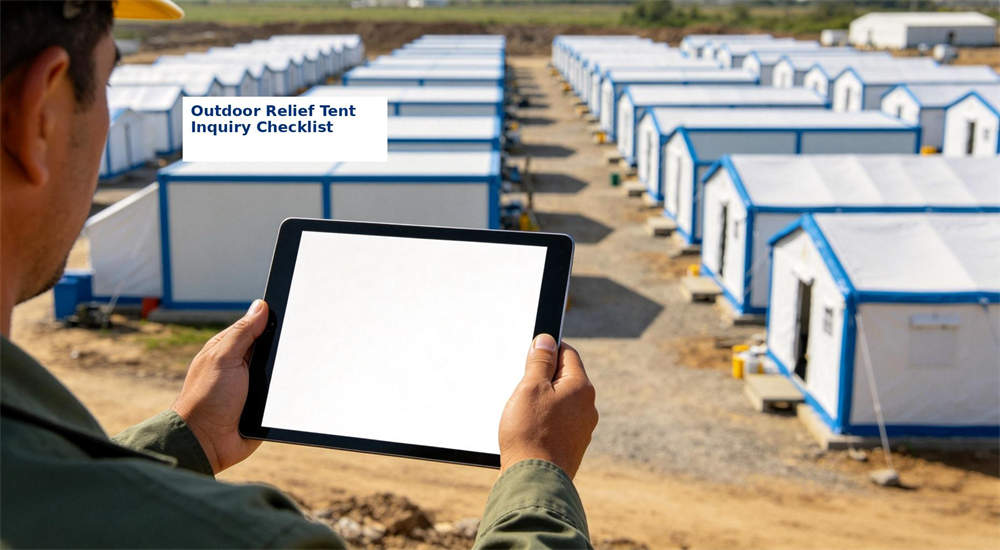
A useful response from a relief tent supplier explains why the tent fits and where it does not. It also states what the site must prepare before delivery.
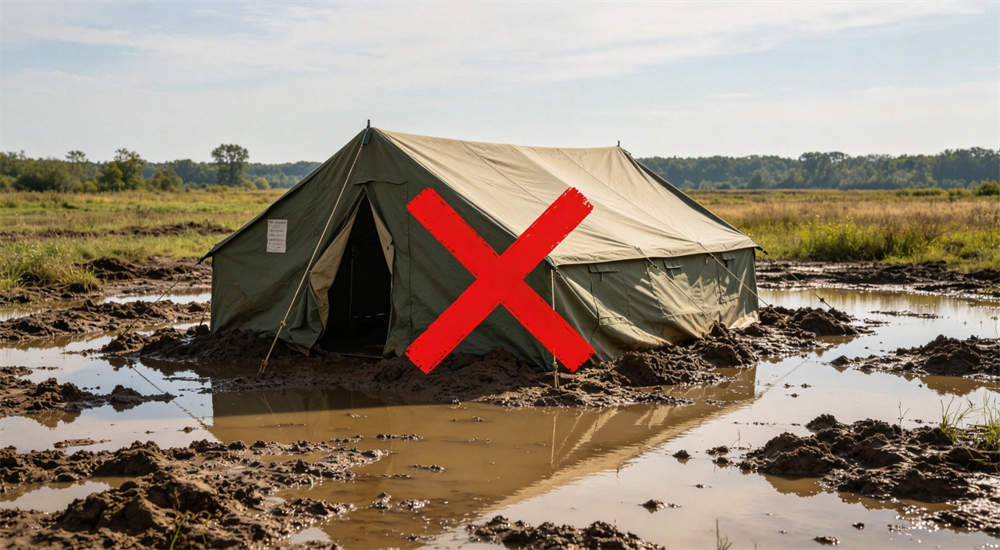
Checking weather but not the ground. The anchor plan cannot be executed. Provide the site first.
Counting only the tent footprint. Lines and doors occupy routes. Draw the full operating area.
Treating the product name as evidence. Configuration and documents are ignored. Bind every requirement to the quoted outdoor relief frame tent model.
Decision test: If ground, drainage, anchors, and routes are absent from the site plan, the outdoor relief frame tent has not been fully selected.
Ask whether the ground can accept the required anchors. Then identify where rainwater will flow, whether exterior clearance is sufficient, and how people and vehicles will move. A useful outdoor relief frame tent comparison begins only after these four questions have clear answers.
Grass or ordinary soil usually requires a check of stakes and drainage. Gravel needs a review of penetration and leveling. Concrete requires confirmation of drilling restrictions and securing methods allowed by the tent design.

Soft, sloped, or mixed ground needs a separate explanation.
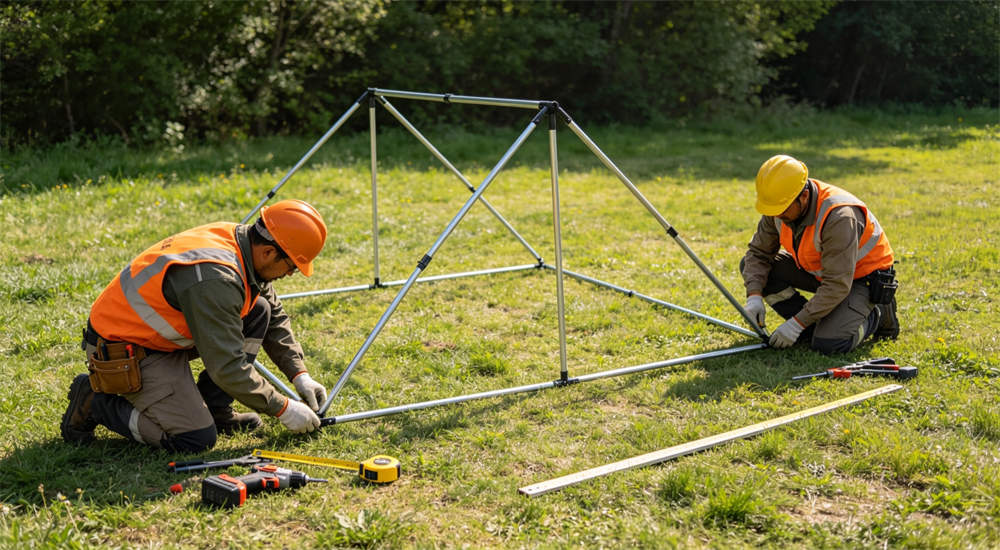
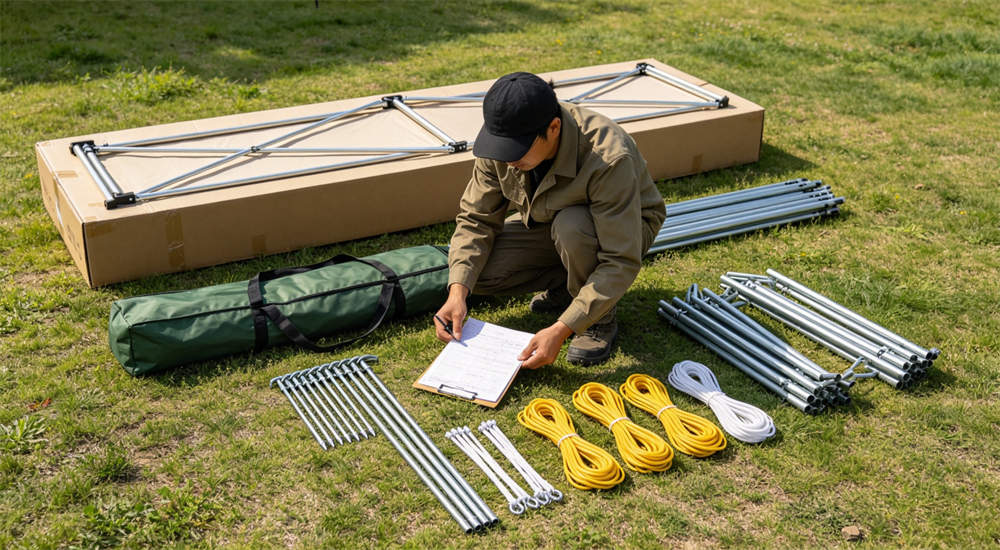
Do not check only whether the outdoor relief frame tent can stand. Match the frame, cover, connectors, anchors, and instructions against the packing list. Then review usable space, door positions, seams, closures, and the connection between the cover and floor.
Where a trial setup is practical, use the planned ground and securing method. Record the assembled dimensions, entrance clearance, exterior footprint, drainage concerns, and the package condition after dismantling.
Use the sample or first-unit result to confirm the exact batch configuration. If components are missing, interfaces do not match, or site conditions have changed, correct the list or configuration before continuing with the same specification.
Confirm the outdoor relief frame tent task, occupants or supplies, continuous operating period, and relocation needs. Confirm the ground type, slope, drainage, permitted securing method, exterior clearance, and primary access routes.
Match dimensions, structure, cover, openings, floor, anchors, package count, and available documents to the quoted configuration. Water, wind, flame, or cold-weather requirements must correspond to that product and configuration.
Keep every unanswered item visible for further review. Do not substitute figures from a similar product. This approach produces quotations that are easier to compare and reduces the chance of receiving an outdoor relief frame tent that does not fit the site.
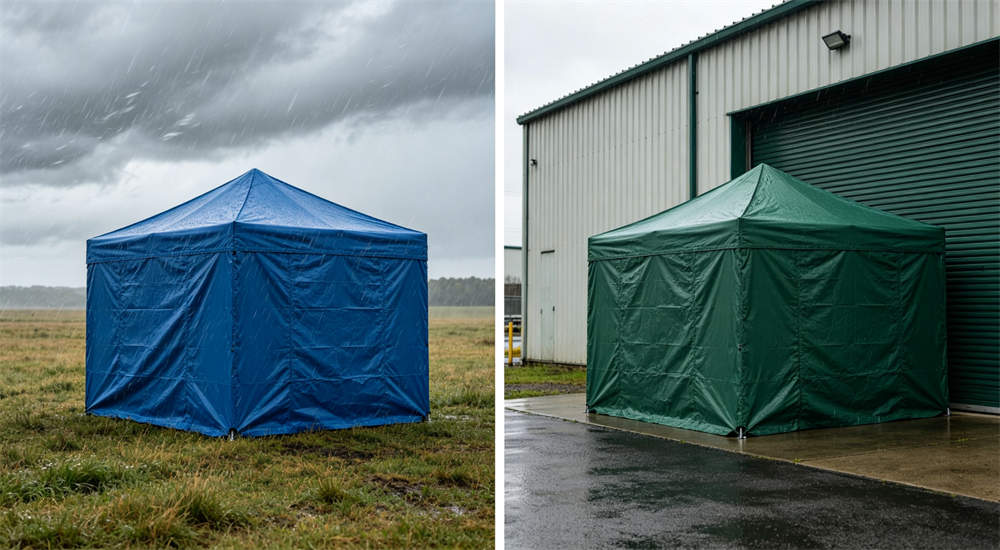
An open field, ridge, coastal area, or mountain gap may face more direct wind and rain than a position beside buildings or terrain. Shelter from surroundings does not automatically make a position suitable. Corners, gaps, and terrain changes can create different local exposure.
Describe whether the site is open, what buildings or terrain surround it, where the outdoor relief frame tent will stand, and the expected season and operating period. The supplier should relate the proposed structure, cover, openings, and securing method to those conditions rather than answer only that the tent is suitable outdoors.
Keep the condition unresolved when information for the current configuration is unavailable. A heavy appearance alone is not a reason to use the tent on a more exposed site.
One outdoor relief frame tent can stand beside grass, gravel, a concrete edge, and filled soil at the same time. A stake that works at one point may not work at another. Underground services, drains, soft edges, and no-drill zones can also change the securing plan.
Mark every securing area on the site drawing instead of giving one general ground description. Ask the supplier to show all fixing points, required clearance, and permitted components. Each position can then be checked against the real surface.
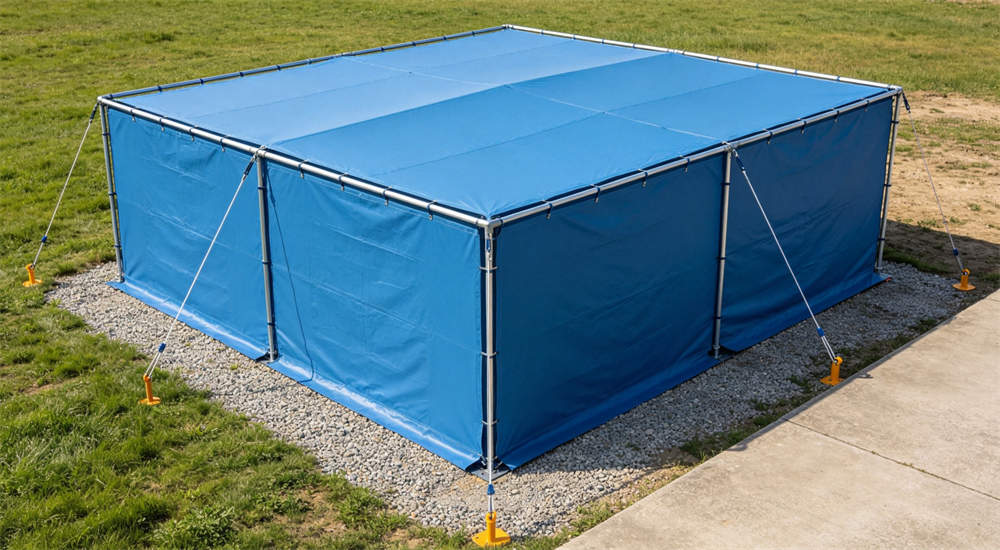
Move or rotate the outdoor relief frame tent, or select another configuration, when a required fixing point falls in an unusable area. Do not remove the point or mix unconfirmed components merely to keep the original position.
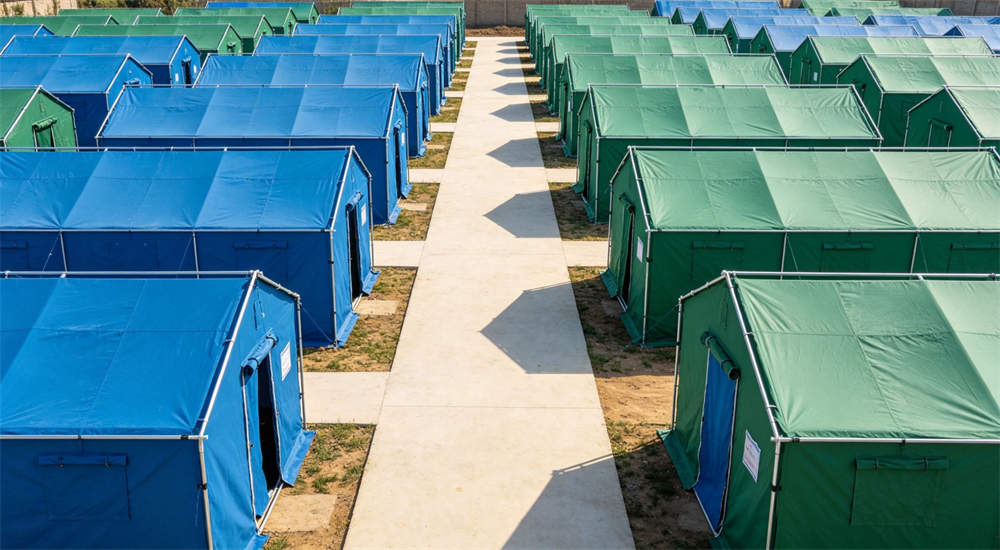
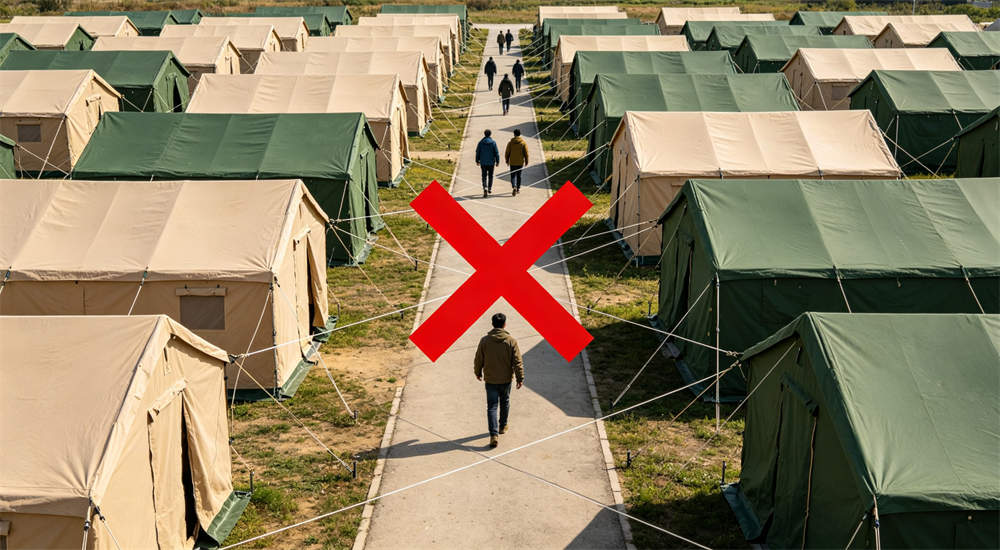
Rows based only on the cover edge can cause conflicts between doors, lines, stakes, and drainage areas. Night access, supply movement, vehicles, and later inspection also need real working space.
Show the cover edge, opened doors, all fixing points, primary walking routes, and vehicle routes on one drawing. The space between outdoor relief frame tents must also preserve the circulation and maintenance conditions required by the project.
If the planned quantity requires narrower routes or hidden lines, reduce the quantity. Another arrangement or tent size may also solve the conflict. Tent count cannot rely on an operating footprint that cannot be installed.
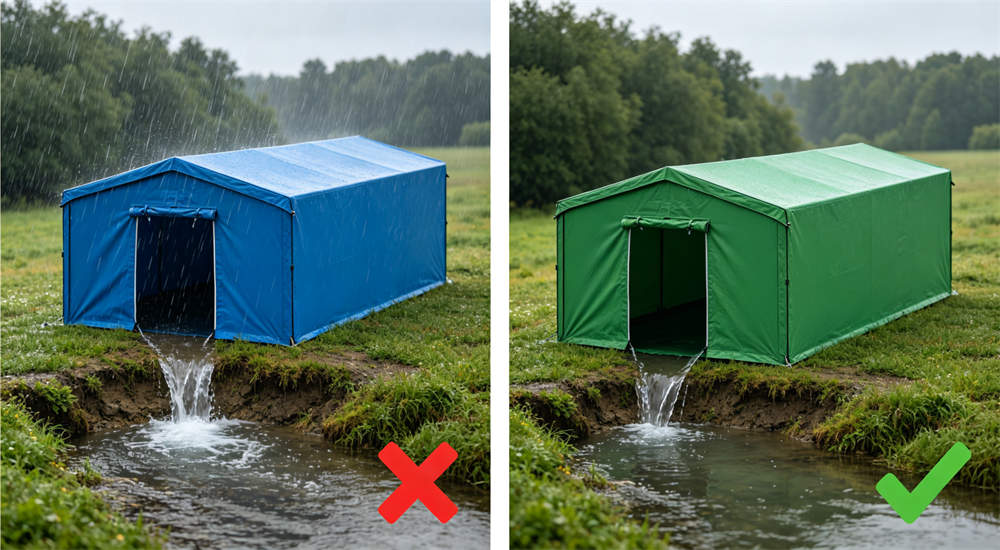
An entrance controls more than entry. It can face wind-driven rain, surface runoff, mud, or a vehicle route. A door that looks suitable on a product drawing may face downhill water flow or site traffic after placement.
Mark slope, drainage direction, main exposure, and user routes before choosing the entrance position and opening direction. Accommodation needs night access and privacy. A supply entrance needs clearance for the largest item and its turning path.
When one entrance position cannot support drainage and circulation, change the outdoor relief frame tent direction, opening configuration, or site position. Do not hide the conflict with one temporary ground covering.
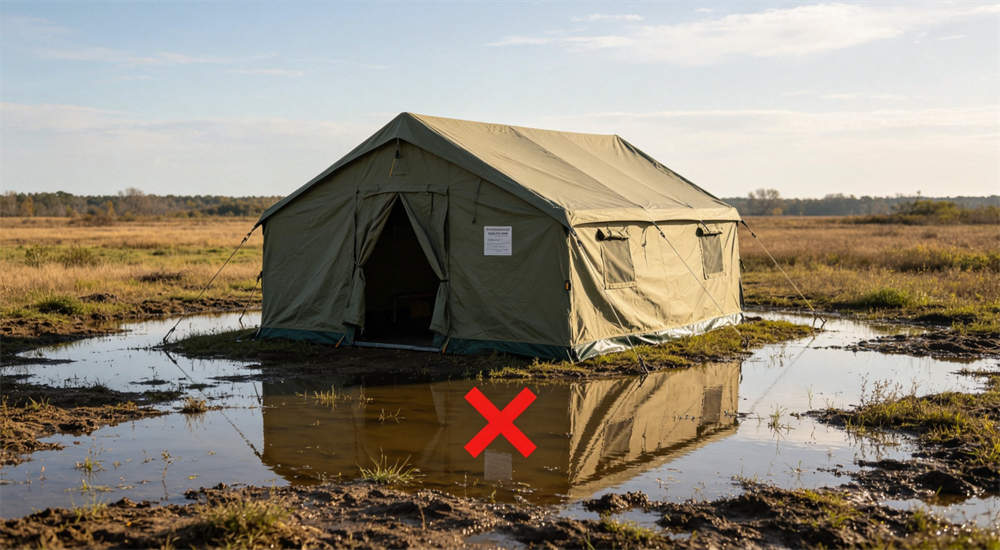
The current option is unsuitable when its required securing method cannot be used. Reject it when essential lines cross a main route, the outdoor relief frame tent sits in an obvious water-collection area, or the complete footprint does not fit.
Do not fill a wind, rain, low-temperature, or other performance gap with figures from another tent. Keep the missing condition visible until suitable information covers the proposed size and configuration, or select another option.
A usable outdoor solution must close the interior task, complete securing, drainage, circulation, weather boundaries, and maintenance conditions together. Solving only part of this chain can still leave an outdoor relief frame tent that cannot be installed or used normally on the site.
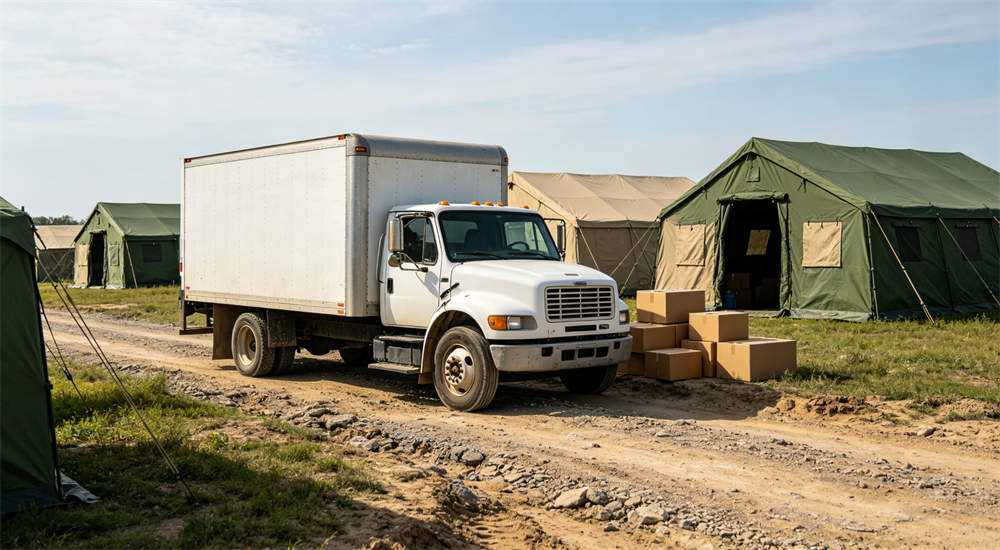
Reaching the project area does not mean every package can reach the assembly position. Narrow roads, soft ground, slopes, steps, and vehicle restrictions can change the acceptable component length, package weight, and manual carrying distance.
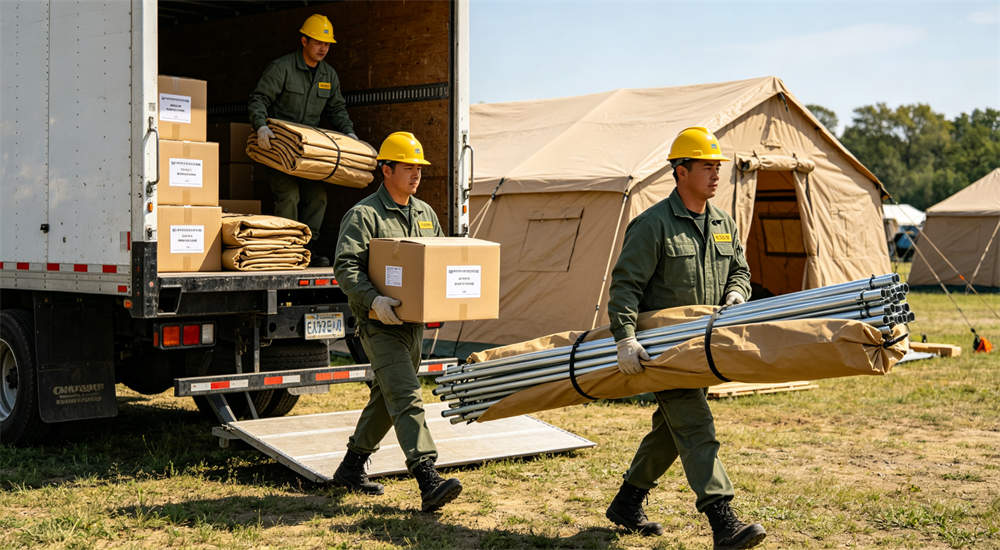
State where the vehicle can stop, the distance from unloading to assembly, the road width, and the surface condition. The supplier should return the package count, longest component, handling basis, and package-to-component relationship for the proposed outdoor relief frame tent.
If packages must stop far away, check whether the available crew and tools can move them. Consider whether covers and connectors can remain identified and whether the complete set can return to its original packages after dismantling. Total weight alone is not enough because one long or heavy package can block site use.
When site access and packing do not match, change the outdoor relief frame tent size, packing method, or assembly position. Do not wait until delivery to discover that a frame section cannot pass through the road or entrance.
Key Takeaway: Vehicle access is part of the tent selection. An outdoor relief frame tent that fits the site but cannot be carried to it is still the wrong choice.
As a wholesale relief tent supplier, our outdoor relief frame tents work together with other relief supplies. For sleeping arrangements, consider our waterproof emergency mattresses for indoor and outdoor shelter use. For bedding sets in camps, see our institutional bedding collection. For covered indoor spaces, our indoor emergency shelter tents provide an alternative when a building is available.
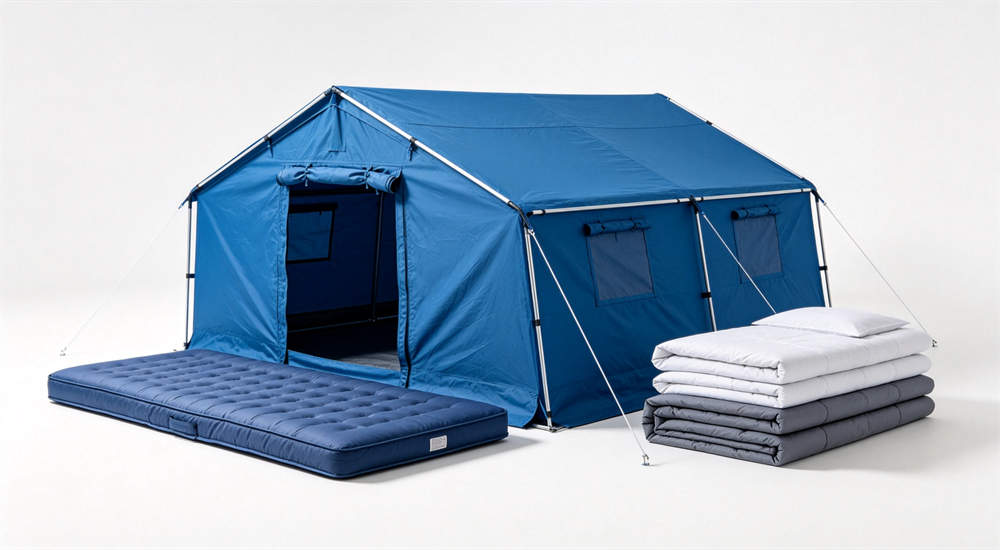
No. Outdoor suitability depends on the actual structure, cover, seams, openings, floor, anchors, ground, environment, and operating period. This tent direction can be useful when its configuration matches the task and site.
It is not suitable to assume that every model shares the same weather or anchoring capability. Send the site and project conditions to the relief tent supplier, then request configuration-specific evidence and a clear statement of operating boundaries for the quoted emergency relief tent. Record any condition that remains outside the proposed scope.
It may be possible, but ordinary stakes may not work and drilling may be restricted. The project needs a securing method allowed by the structure and accepted for the surface. Provide the concrete, paving, or mixed-ground condition and exterior clearance.
A hard-surface solution is suitable only when the supplier identifies the applicable anchors or stability method. Do not omit required securing or improvise ballast without checking the outdoor relief frame tent design, ground capacity, and site routes. Show who supplies and installs every securing component before selecting the solution.
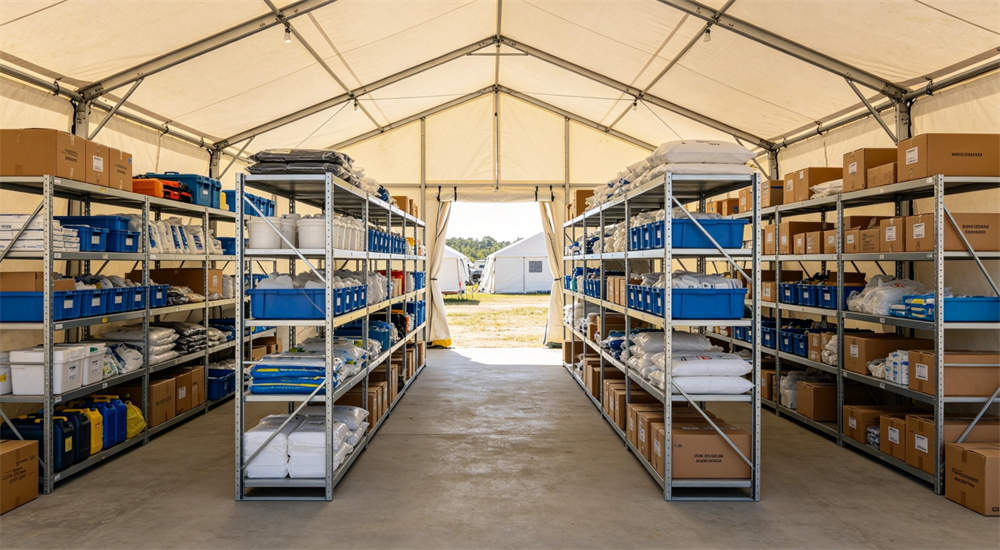
No. Cover performance does not control low ground, runoff, blocked drainage, entrance position, edge details, or floor connection. Select the placement and drainage direction before relying on the shelter configuration.
A suitable floor or ground layer can support the plan, but it cannot replace site drainage. Ask the supplier how entrances, skirts, floors, and anchors interface with the prepared site. Do not use a cover claim as proof that any location will remain usable during rain. Mark the intended floor level and water route on the site plan.
Not necessarily. Required securing varies by structure, size, design, ground, and environmental conditions. Some configurations may use lines, stakes, anchors, ballast, or a combination.
The supplier should identify every securing point and the exterior footprint for the proposed model. A reduced-line arrangement is suitable only where the design allows it. Do not remove guy lines because they interfere with a route; revise the site plan or select a disaster relief tent configuration with an appropriate securing method. Include the full securing footprint when checking available space.
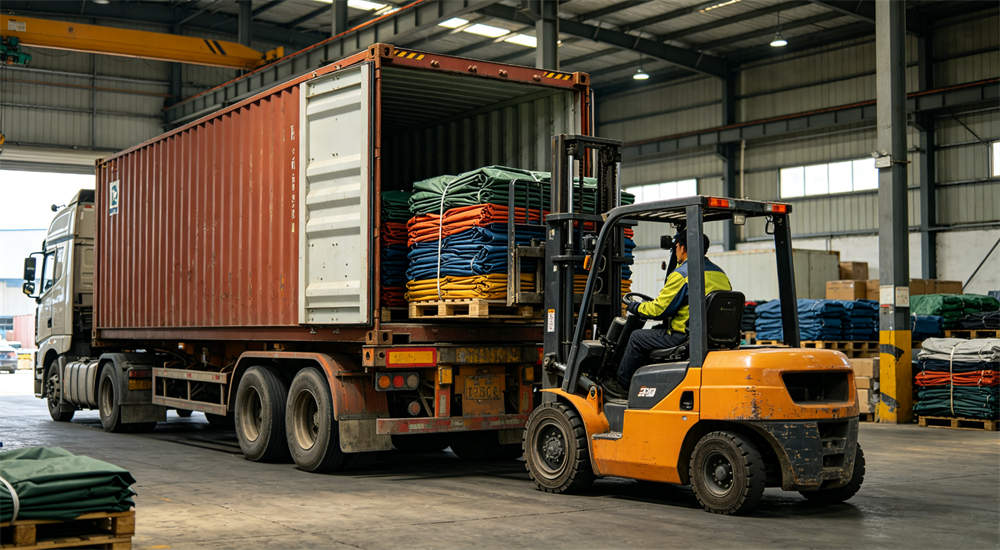
No. Openings must balance airflow, rain protection, privacy, heat retention, circulation, and structure. Accommodation, work, and storage tasks need different positions and sizes.
Mark the users, equipment, routes, and prevailing exposure before selecting openings. Multiple doors or windows are suitable when they solve a defined access or ventilation need. They are not automatically better, and each opening's location, closure, weather detail, and included status should be confirmed for the actual quoted outdoor relief frame tent and site. Check that no opening conflicts with a bed, partition, or anchor line.
Not automatically. Storage prioritizes clearance, large access, handling routes, and protection of supplies. Accommodation also requires beds, privacy, ventilation, safe circulation, and suitable ground separation.
A storage structure can be assessed only after these human-use conditions are reviewed and the proposed configuration supports them. It is not suitable to rename a warehouse tent as accommodation because the floor area appears sufficient. Compare the real interior, openings, floor, and operating conditions before selection. Draw the sleeping layout and required routes before accepting a dual-use proposal.
No. Cold-weather use can also involve lining, ground insulation, sealing, ventilation, condensation management, heating interfaces, wind or snow exposure, anchors, and operating procedures. Fabric thickness alone cannot define the result.
A cold-weather configuration is suitable when these project conditions and systems are assessed together. Do not infer a temperature limit, wind result, or thermal performance from the product name or one material field. Request evidence that corresponds to the complete quoted outdoor relief frame tent configuration. List which cold-weather need each proposed component is intended to address.
Send the primary task, occupants or supplies, site drawing, ground photographs, slope, drainage, vehicle and pedestrian routes, weather exposure, operating period, quantity, and packaging restrictions. Mark unavailable areas and exterior clearance. The supplier should return a model direction, usable layout, cover and opening configuration, anchoring plan, packing basis, and unresolved conditions.
A general request for an outdoor relief frame tent is not enough to determine whether the product can be installed and used at the site. Mark dimensions and unavailable zones directly on the site drawing.
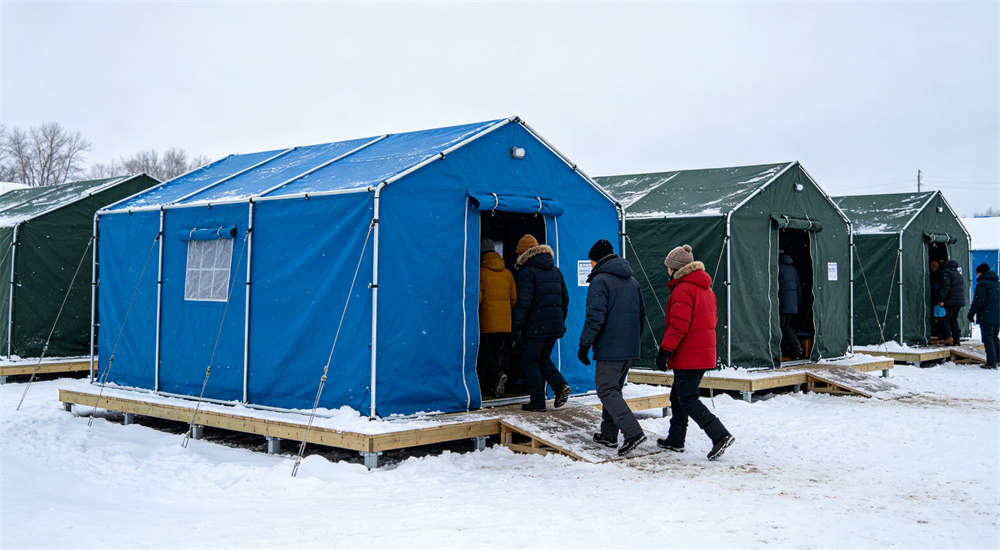
Not always. A sample or first-unit setup is valuable for difficult sites, custom configurations, large quantities, or demanding operating requirements. The purpose is not merely to time assembly.
Check component completeness, interface fit, usable interior space, the proposed securing method, and the package after dismantling. If a trial is not practical, request a configuration-specific component list, dimensions, anchoring guidance, and available documents before confirming the bulk specification. Record every trial deviation and decide whether it changes the outdoor relief frame tent, site preparation, or packing.
Give both suppliers the same task, occupants or supplies, site conditions, ground, drainage, weather exposure, operating period, quantity, and packaging requirements. Then compare the returned dimensions, structure, cover, openings, floor, anchors, package scope, and performance evidence. Do not compare only the product name or nominal floor area.
A stronger quotation explains the proposed configuration, where it fits, where it does not fit, and which questions remain open. This creates a fairer comparison and exposes missing scope before ordering. Separate exclusions and site-supplied work from the quoted outdoor relief frame tent price.
 |

|
Liens amicaux :
droits dauteur © Custom Disaster - Relief Bedding: Tents, Sleeping Bags, Blankets Tous les droits sont réservés
léquipe professionnelle au service !