Catégories
dernier blog
Updated: November 01, 2026
Extreme cold kills more Americans each year than hurricanes, tornadoes, and floods combined. Hypothermia does not require arctic conditions — it sets in at 10°C if you are wet and exposed to wind. The CDC reports that most cold-weather deaths occur not during storms, but during power outages in homes and shelters that lose heating. Carbon monoxide poisoning from unvented heaters kills more shelter residents than the cold itself.
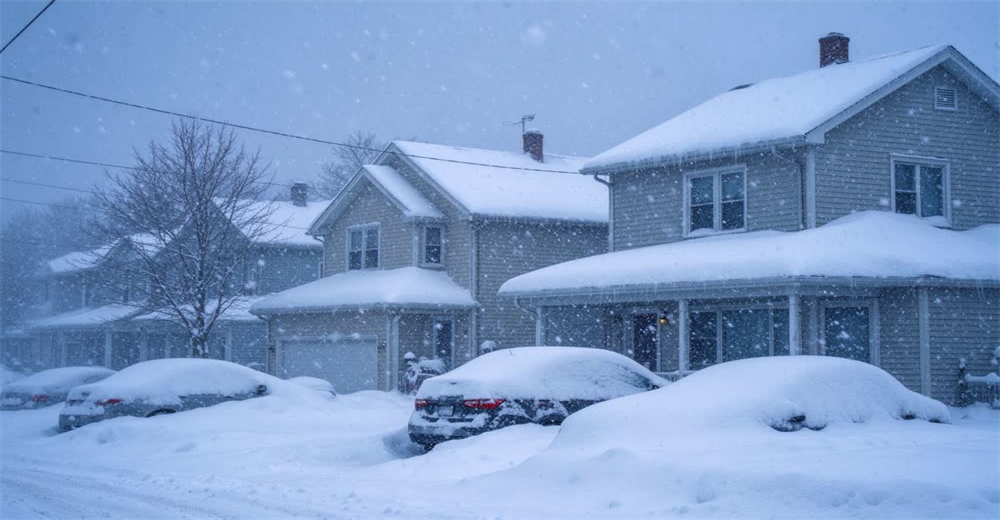
Community shelter coordinators and Red Cross volunteers need winter survival equipment that works when the grid goes down — not weekend camping gear. Cots must stack and clean, blankets must survive 50 washes, and heaters must vent outside. This guide covers sleep systems for mixed-age populations, thermal blankets, emergency winter shelters, safe heating options, cold-weather clothing, and lighting when the power fails.
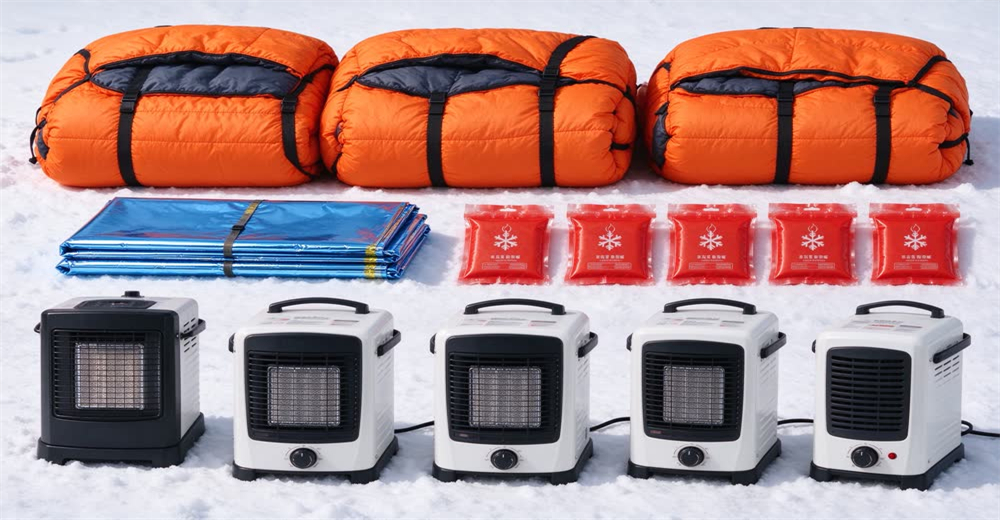
Table of Contents
1. Understanding Extreme Cold Risk
2. Sleeping Bags and Sleep Systems
3. Thermal Blankets and Protection
4. Emergency Winter Shelters
5. Safe Heating Equipment
6. Cold Weather Clothing
7. Lighting and Power
8. Hypothermia Recognition and Treatment
9. Vehicle Emergency Kits
10. Community Shelter Operations
11. Bulk Equipment Checklist
12. FAQ
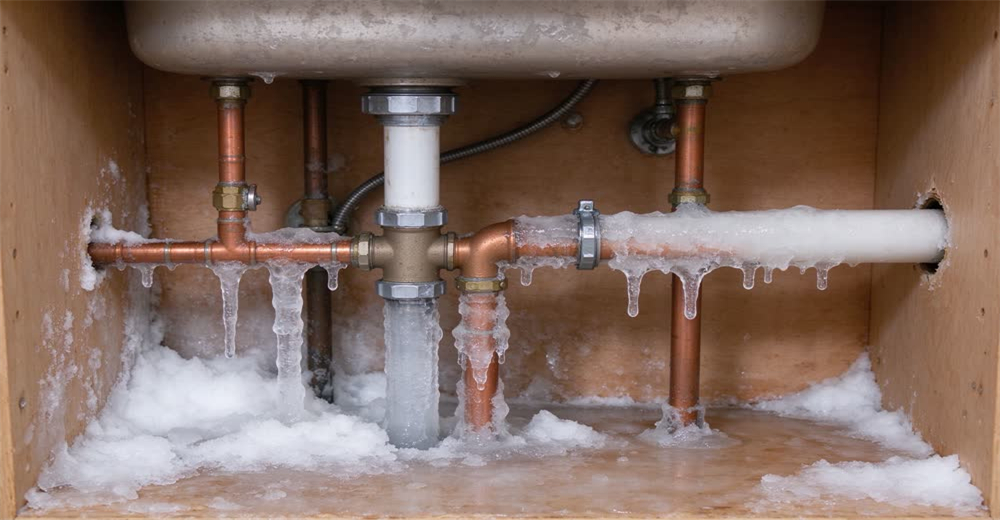
Cold kills through two mechanisms: hypothermia and frostbite. Hypothermia is when core body temperature drops below 35°C. It begins with shivering and confusion, then progresses to loss of consciousness and cardiac arrest. Wet clothing and wind accelerate this dramatically — water conducts heat 25 times faster than still air. Frostbite freezes tissue, starting with fingers, toes, earlobes, and nose. At -10°C with wind, exposed skin can freeze in under 30 minutes. At -30°C, it happens in minutes.
The thermometer reading is not the whole story. Wind chill combines air temperature and wind speed to calculate how cold it actually feels. A -5°C day with a 40 km/h wind feels like -12°C. Wind strips the warm layer of air off your skin, accelerating heat loss. This is why wind protection — a tent, a wind shell, a snow trench — is as important as insulation itself. No amount of insulation saves you if the wind cuts through.
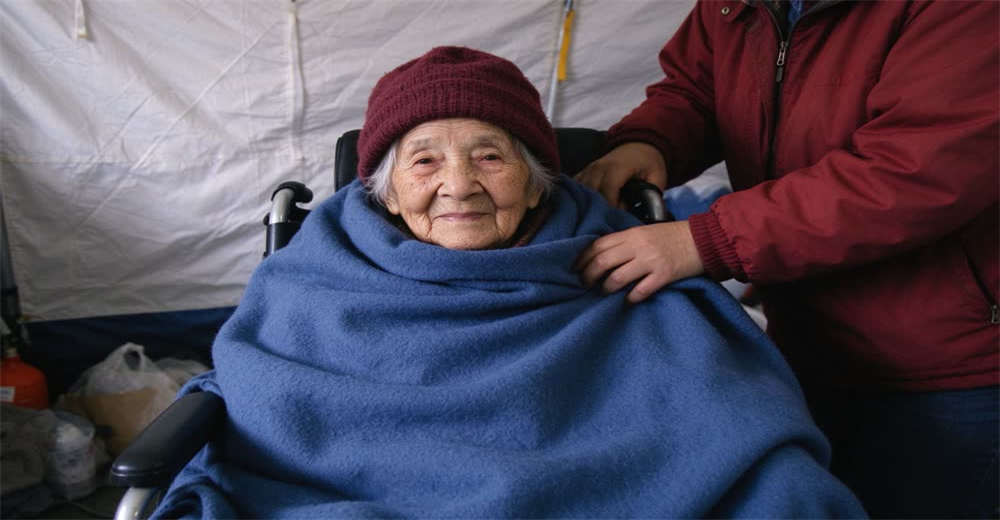
Everyone is at risk in extreme cold, but some more than others. The elderly, infants, people without proper heating, and anyone working outdoors are most vulnerable. During winter storms, older adults living alone are at particular risk. The WHO recommends that communities identify vulnerable households before a cold snap and pre-position supplies. Emergency shelters must prioritize these groups when temperatures drop.
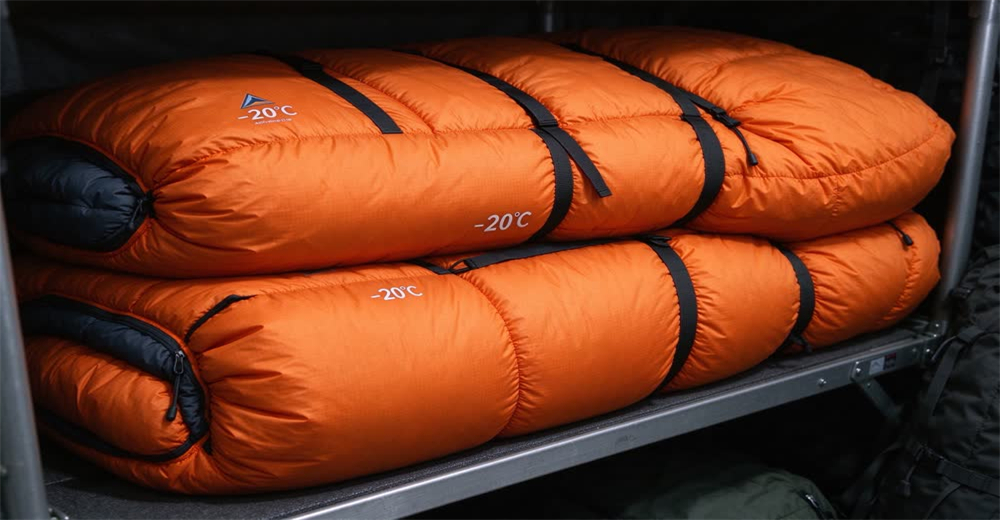
A sleeping bag's temperature rating is not a suggestion — it is a survival threshold. A bag rated "comfort 0°C" may keep an average person alive at -5°C but will not be comfortable. For emergency response, always choose a bag rated at least 10°C colder than the expected low. If the forecast is -10°C, use a -20°C bag. This is not luxury — it is the difference between sleeping through the night and shivering awake in hypothermia. We supply mummy-style sleeping bags rated to -10°C and -20°C at wholesale pricing, with water-resistant shells and hollow-fiber insulation.
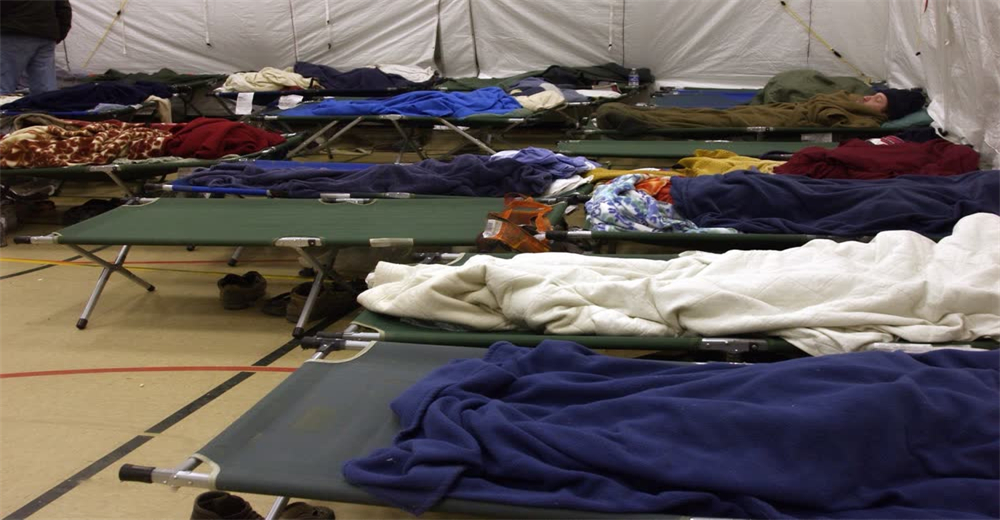
Shelter math: A cot elevates a person 40cm off the cold floor, reducing heat loss by 30% compared to sleeping on concrete. One blanket per person on a cot performs well; keep 20% extra on hand for colder nights or wet conditions.
Mummy bags, which taper toward the feet and have a hood, are significantly warmer than rectangular bags of the same weight. The hood covers the head — remember the 30% heat-loss rule. For emergency cold weather response, mummy bags are the right choice. Rectangular bags are fine for summer or indoor shelter use but waste heat in winter. We supply both styles at wholesale pricing, vacuum-compressed to save shipping volume.
A sleeping bag alone does not insulate you from frozen ground. The ground pulls heat out of your body even faster than the air. A closed-cell foam sleeping pad, 2-3 cm thick, is essential. It provides both cushioning and insulation. For extreme cold, use two pads. This is a low-cost item that doubles the effective warmth of any sleeping bag. We supply compact foam sleeping pads at wholesale pricing, folded to pack small.
Table: Sleeping bag ratings. Always choose a bag rated colder than the expected low. A pad under the bag is non-negotiable in winter.
Bag Rating
Best For
Weight
Notes
Comfort 0°C
Indoor shelter, cool nights
1.2 kg
Not for below-freezing outdoor
Limit -10°C
General winter emergency
1.8 kg
Use with pad and liner
Extreme -20°C
Deep cold, exposed shelter
2.5 kg
Mummy hood, best winter choice
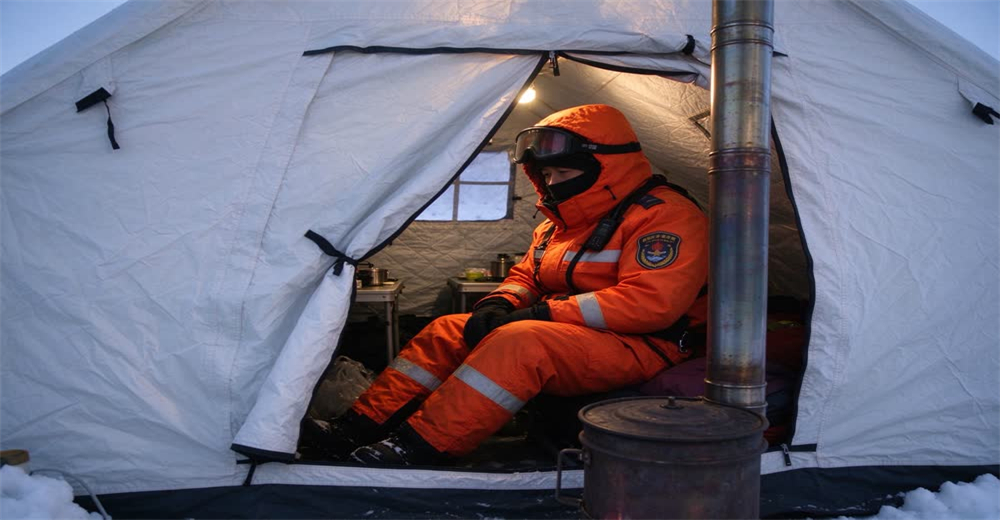
A 220GSM fleece blanket is the standard for cool weather. For extreme cold, upgrade to a 300GSM wool-blend blanket that stays warm even when wet. Wool is the gold standard — it insulates even damp, unlike cotton which becomes useless when wet. We supply both fleece and wool-blend blankets at wholesale pricing, vacuum-compressed to save 60% storage volume. For emergency distribution, plan one blanket per person as standard, plus 20% extra as buffer for colder nights or wet conditions.
The thin, orange or silver foil emergency blanket weighs just 50 grams but reflects 90% of body heat back. It is not a substitute for a real blanket — it is a backup survival layer. For emergency kits and vehicle trunks, foil blankets are essential. They are cheap, compact, and can be wrapped around a person or used as a ground sheet. We supply emergency foil blankets in bulk at wholesale pricing, packed in waterproof pouches.
Storage space matters in emergency logistics. Vacuum-compressed blankets and sleeping bags pack to 40% of their original volume. This means a 40-foot container can carry 2.5 times more blankets. Compressed packs also seal out moisture, keeping blankets dry until distribution. We supply all our blankets and sleeping bags in vacuum-compressed export packaging, with clear bilingual labels.
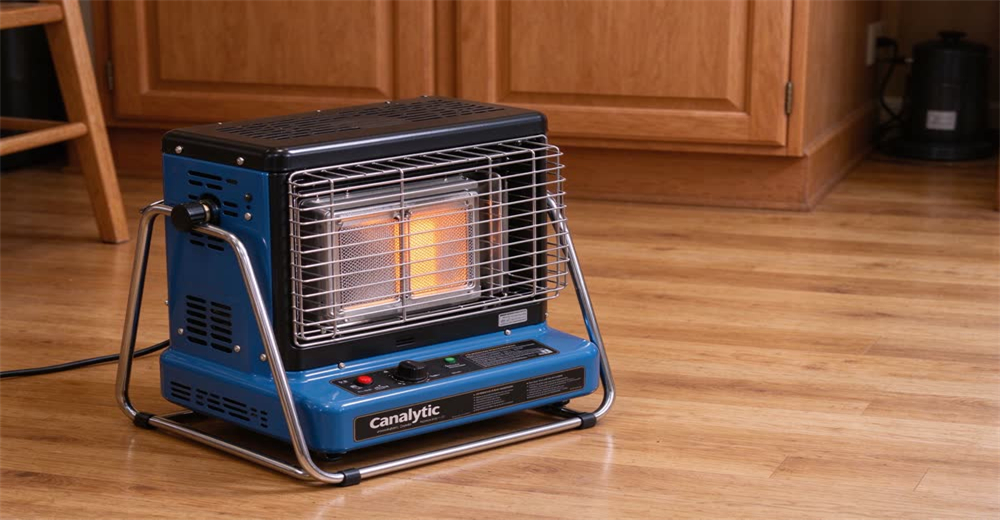
A summer tent in winter becomes a death trap. 4-season expedition tents have stronger poles, steeper sides that shed snow, and ventilated roofs that prevent condensation buildup inside. They are rated for strong winds and heavy snow load. For emergency shelter operations in cold climates, 4-season tents are non-negotiable. We supply 4-6 person and 8-10 person expedition tents at wholesale pricing, with aluminum poles and waterproof, windproof fabric.
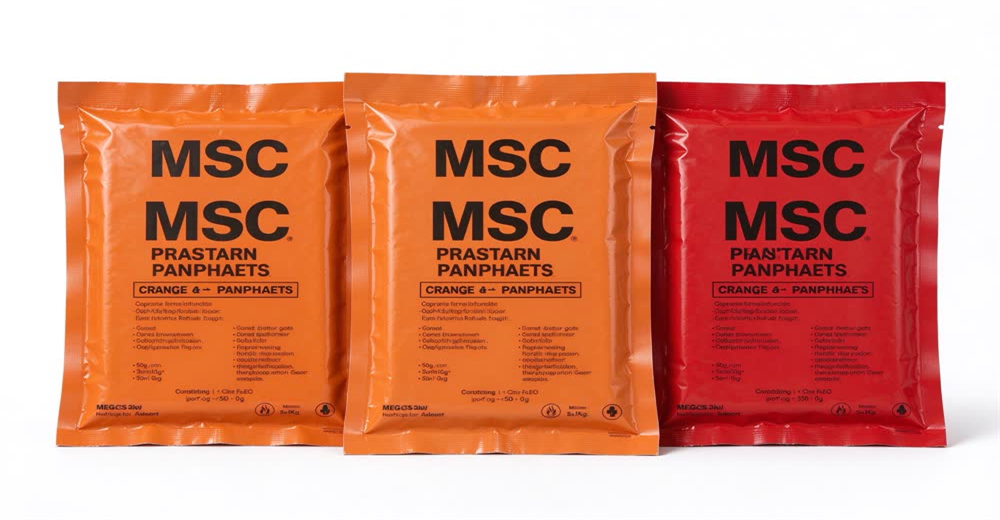
Even the best tent has a cold floor. A closed-cell foam pad or insulated tent floor, 2-3 cm thick, creates a barrier between the occupant and frozen ground. This small addition dramatically improves warmth. For long-term shelter operations, insulated tent floors also prevent the tent floor from icing up from melted snow. We supply roll-out foam insulation mats at wholesale pricing, sized to fit standard tent footprints.
Wind is the enemy. A windbreak — a snow wall, a tarp strung between trees, or the tent's own rainfly — reduces wind chill by 5-10°C. Position the tent with the back to the prevailing wind. In snow, dig a trench for the tent to sit in, using the excavated snow as a wind wall. These simple techniques, combined with proper equipment, mean the difference between a cold night and a dangerous one.
Critical insight: A -20°C sleeping bag on frozen ground without a pad is effectively a 0°C bag. The pad below matters as much as the bag above. Always pair bags with foam insulation.
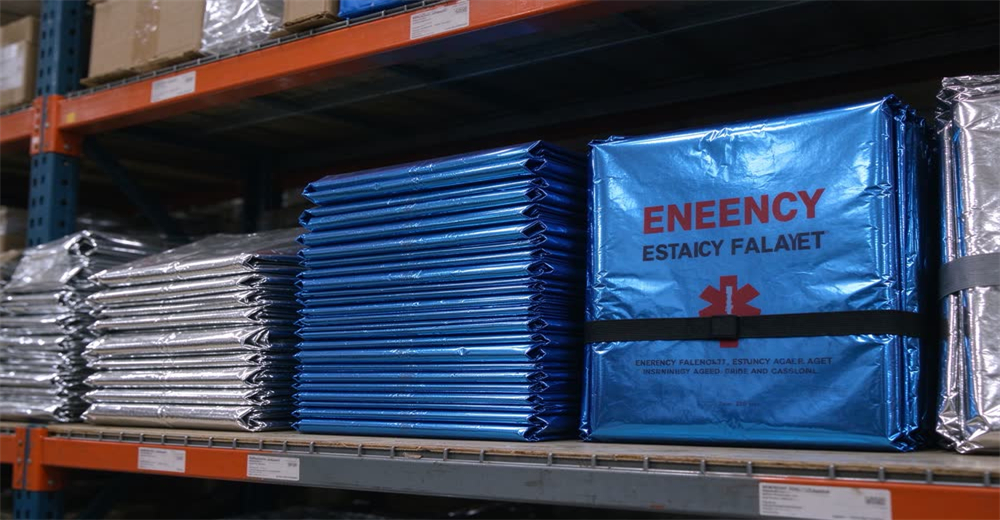
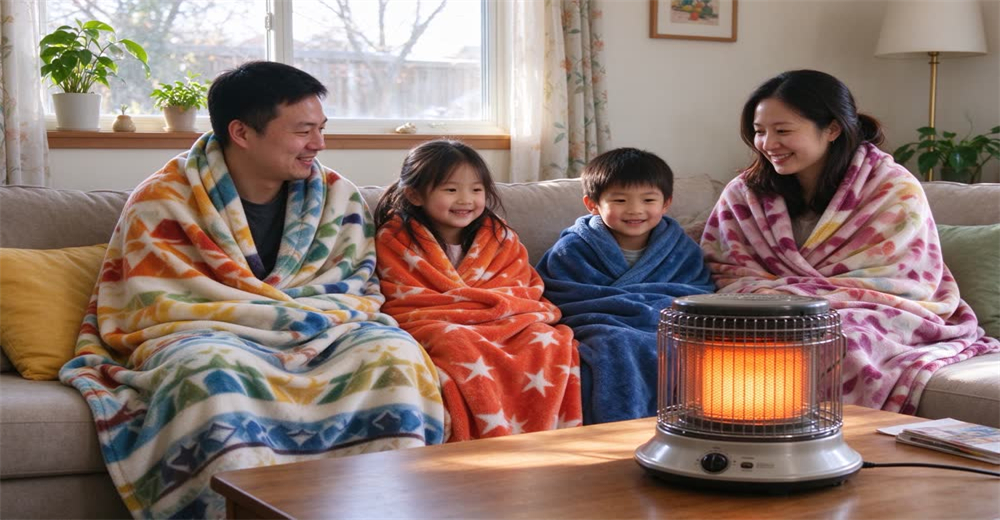
Heating a tent or shelter in winter is essential — but dangerous if done wrong. Vented catalytic heaters, designed for enclosed spaces, burn cleanly and have oxygen-depletion shutoff sensors. These are the only heaters safe for use inside occupied tents. Unvented propane or kerosene heaters produce carbon monoxide, which is odorless and lethal. We supply vented catalytic heaters at wholesale pricing, with built-in tip-over shutoff and low-oxygen sensor.
CO danger: A 10,000 BTU unvented heater in a closed gym can raise CO to 200ppm in 2 hours. OSHA exposure limit is 50ppm over 8 hours.
Common mistake: Using catalytic heaters in an enclosed shelter without CO monitoring. These heaters consume oxygen and produce carbon monoxide. Always vent the shelter and place a CO alarm nearby — silent CO poisoning kills more shelter residents than cold.
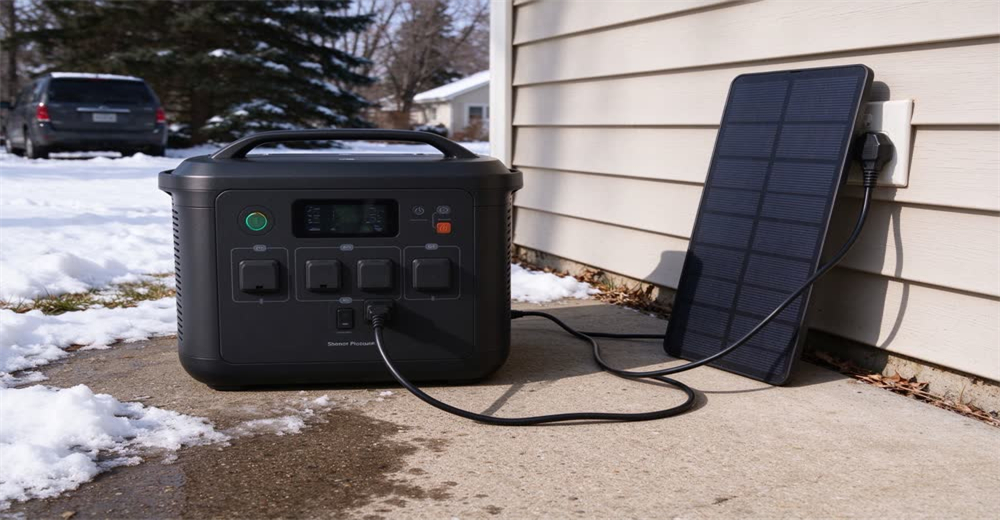
Heaters, lights, and charging devices need power. Portable power stations (500-2000Wh) power LED lights and phone charging in a shelter. Larger operations use a quiet inverter generator. In winter, battery capacity drops by 50% — size your power needs with this in mind. Keep the generator outside the tent, vented away from the shelter. Carbon monoxide from a generator can kill everyone inside in minutes.
For shelters with reliable power, low-voltage electric blankets add welcome warmth. They draw 50-100W, which a portable power station can handle overnight. Electric blankets are not a primary heating source — they supplement sleeping bags. For elderly or vulnerable occupants, an electric blanket makes the difference between a comfortable night and a dangerous one. We supply 12V low-voltage electric blankets at wholesale pricing, safe for use with portable power stations.
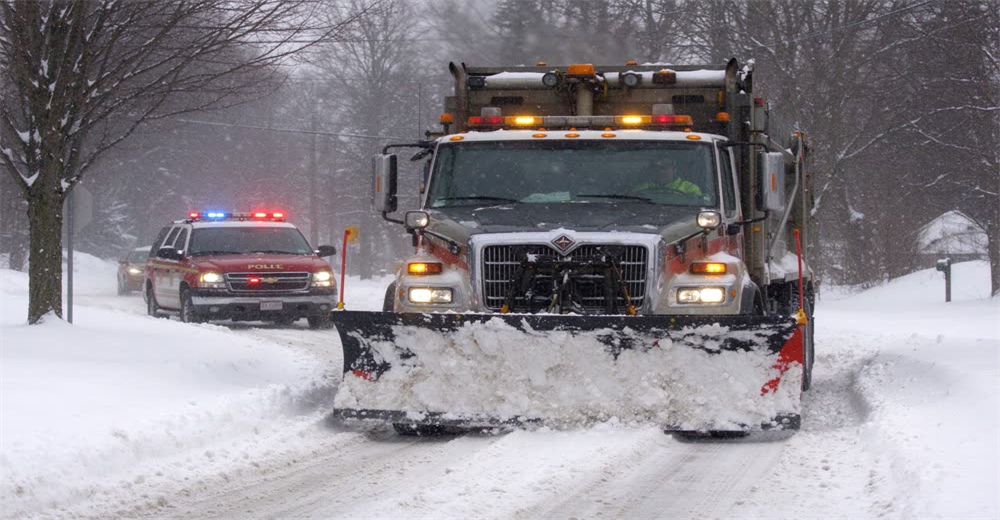
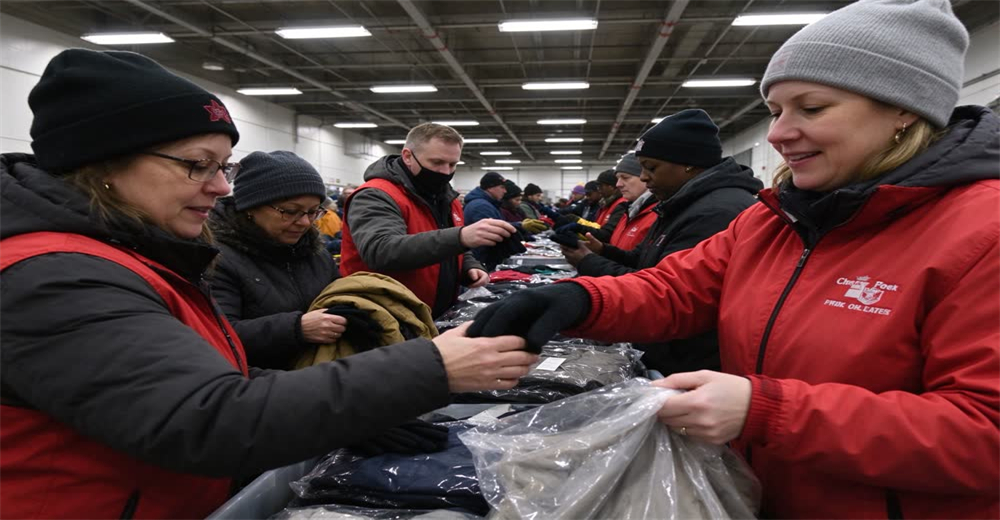
The key to staying warm in winter is layering. A thermal base layer (merino wool or synthetic), an insulating mid-layer (fleece or down), and a windproof outer shell. Cotton is the enemy — it stays wet and pulls heat away. We supply cold weather clothing bundles: thermal tops, fleece jackets, wind pants, and waterproof outer shells at wholesale pricing. Each bundle is sized for adults or children, ready for distribution.
The 30% rule makes a warm hat the single most important clothing item. Insulated, waterproof gloves and thermal socks follow. For winter distribution, a cold weather clothing bundle should include: wool hat, neck gaiter, insulated gloves, thermal socks, and warm boots. We supply all of these at wholesale pricing, packed in clear distribution bags. For outdoor work crews, add thermal insoles and glove liners for extra dexterity.
Disposable hand and body warmers are cheap, compact, and effective. They activate on contact with air and last 6-8 hours. For winter emergency kits, they are a small luxury that makes a real difference. Place them in gloves, boots, or sleeping bag foot boxes. We supply air-activated hand warmers and body warmers in bulk at wholesale pricing, with multi-year shelf life.
Winter nights are long. A reliable headlamp, with batteries rated for cold weather, is essential. Standard alkaline batteries lose 50% capacity below freezing. Lithium batteries perform much better in cold. We supply waterproof, cold-rated LED headlamps at wholesale pricing, with multiple brightness modes. For shelter operations, hang a headlamp upside down from the tent ceiling — it lights the whole tent evenly.
For large winter shelter operations, mobile lighting towers illuminate walkways, distribution points, and medical areas after dark. Cold weather means people cannot walk around in the dark — falls on ice are a real injury risk. We supply mobile LED lighting towers at wholesale pricing, with diesel or solar power options. One tower covers a 50-meter radius, making the shelter safe and functional after dark.
In winter, solar panels produce less power (shorter days, lower sun angle, snow cover). Size solar arrays 50% larger than you would in summer. Portable power stations, kept inside the warm tent, maintain battery capacity. We supply foldable solar panels and portable power stations at wholesale pricing, sized for shelter lighting and phone charging.
Early signs: uncontrollable shivering, confusion, slurred speech, stumbling. Late signs: shivering stops, pale skin, drowsiness, loss of consciousness. A person who stops shivering is in danger — their body has given up trying to stay warm. Recognize these signs early. The American Red Cross cold weather guidance emphasizes that anyone showing signs of hypothermia needs immediate warming, not just a blanket.
Move the person to shelter. Remove wet clothing. Wrap them in dry blankets, including an emergency foil blanket. Focus heat on the neck, armpits, and groin — major blood vessels close to the surface. Give warm, sweet drinks only if the person is conscious and can swallow. Do not rub frostbitten skin. Seek medical attention as soon as possible. Severe hypothermia is a medical emergency.
Frostbitten skin looks pale, hard, and numb. Do not rub it — this causes tissue damage. Warm the affected area gently with body heat (place hands in armpits). Do not use direct heat (fire, hot water) on frozen skin. Once thawed, the area must not refreeze. These basics should be understood by anyone organizing a winter shelter.
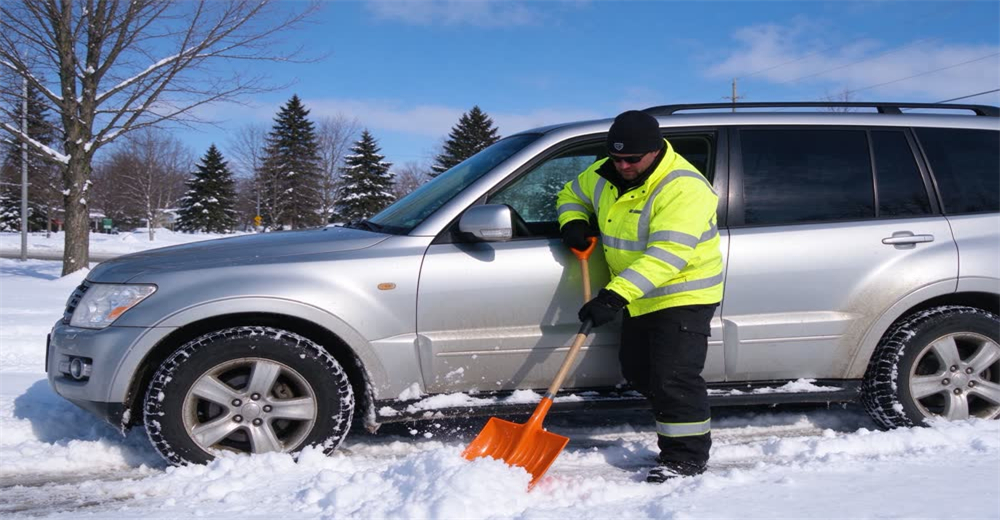
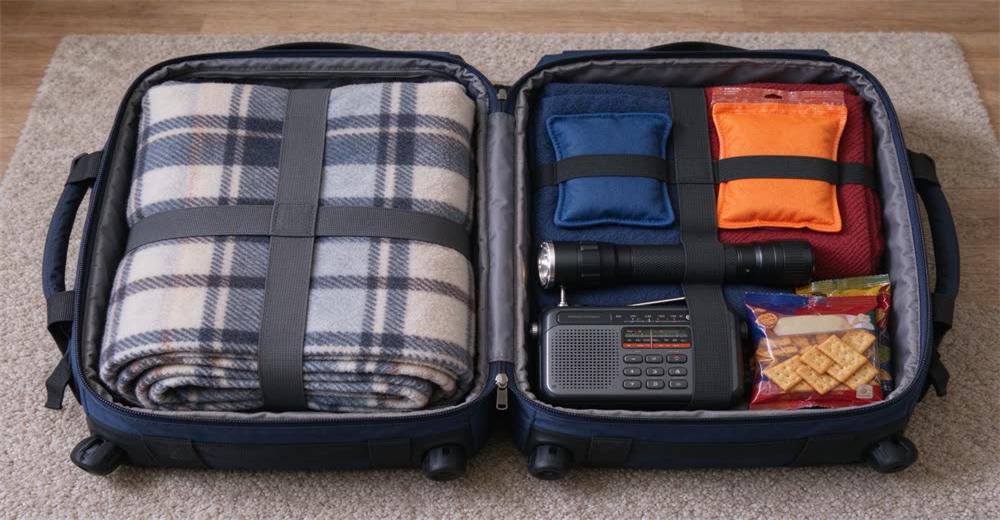
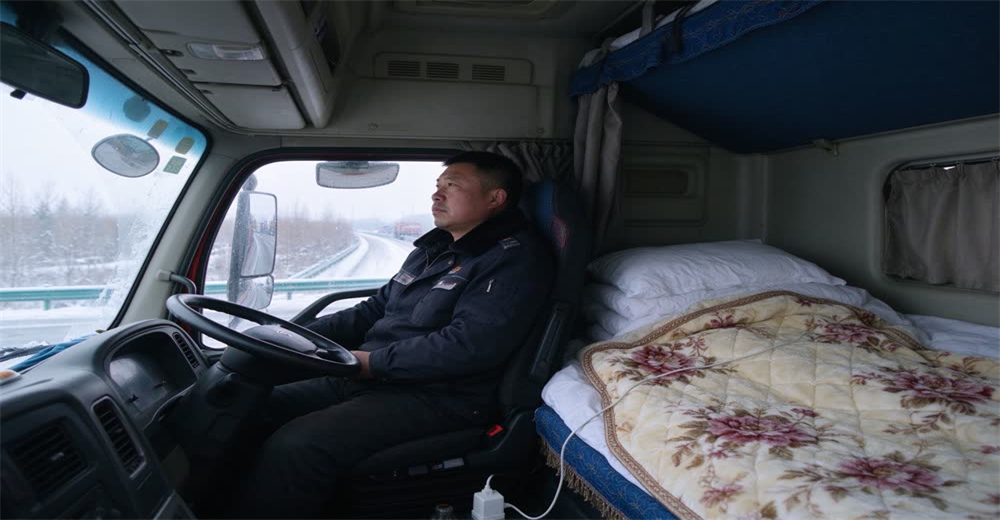
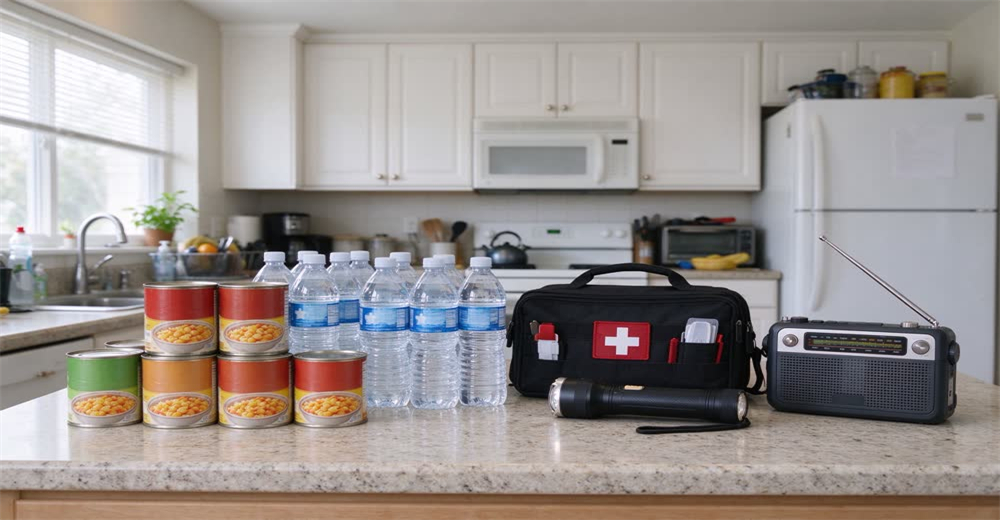
If someone is stranded in a winter storm, their car becomes their shelter. A winter vehicle kit should include: a sleeping bag or one blanket, an emergency foil blanket, a flashlight with spare batteries, a warm hat and gloves, a small shovel, a tow rope, and bottled water. We supply complete winter vehicle emergency kits at wholesale pricing, packed in a waterproof bag that lives in the trunk. Every vehicle in a cold climate should carry one.
A stranded car in a snowbank is hard to see. A high-visibility orange flag or reflective triangle alerts other drivers. A whistle calls for help without wasting energy. We supply reflective warning triangles and whistle packs at wholesale pricing. If stuck in snow, run the engine only for 10 minutes per hour, and crack a window for ventilation — carbon monoxide buildup is a real risk in a snowed-in car.
In cold weather, warming center layout matters. Keep people off the frozen ground with cots or foam pads. Group people together for shared warmth. Designate a drying area for wet clothing. Keep the entrance facing away from the wind. A well-run winter shelter keeps people warm, dry, and off the floor. We supply folding cots and foam pads for shelter operations at wholesale pricing.
Winter shelters need consistent power for lighting, heating, and charging. Plan fuel consumption for generators carefully — in remote locations, fuel runs out fast. Keep generators outside the shelter, vented away from people. Have a backup power source. The Ready.gov recommends storing at least 72 hours of fuel for shelter generators.
Item
50-Person Shelter
200-Person Shelter
-20°C sleeping bags
60
250
Wool/fleece blankets
100
400
Emergency foil blankets
100
400
4-season tents
5
20
Sleeping pads
60
250
Folding cots
10
40
Catalytic heaters
2
8
Portable power stations
2
8
Headlamps + batteries
10
40
Warm hats (wool)
60
250
Insulated gloves (pairs)
60
250
Hand warmers (boxes)
5
20
Table: Winter shelter equipment. Always stock more bags and blankets than expected occupants — people arrive cold and wet.
Liens amicaux :
droits dauteur © Custom Disaster - Relief Bedding: Tents, Sleeping Bags, Blankets Tous les droits sont réservés
léquipe professionnelle au service !