Catégories
dernier blog
Envelope sleeping bags maximize sleeping space and simplify institutional inventory management. As a China sleeping bag factory, we offer direct pricing without middleman markup.
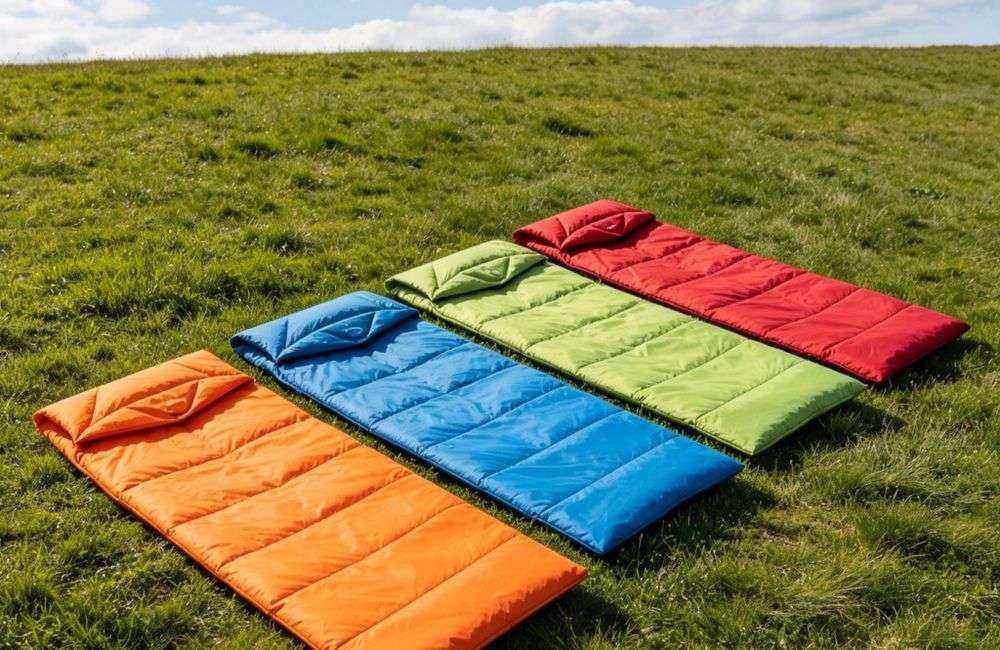
Why Envelope Sleeping Bags Excel in Predictable Institutional Sleeping Spaces
Flat-Open sleeping bag Use Adds Value Beyond Nighttime Sleeping Bag Use
Match Sleeping Bag User Movement and Sleeping Bag Entry Needs
Compare Sleeping Bag Dimensions by Sleeping Bag Position
Sleeping Bag Warmth Still Depends on the Complete Sleeping Bag Configuration
Use Sleeping Bag Packing and Repeated Handling as Part of the Choice
Test Sleeping Bag Real User Actions with a Sleeping Bag Sample
Put the Sleeping Bag Accommodation Layout Into Sleeping Bag Inquiry Requirements
Indoor Shelter Sleeping Bags and Exposed Sites Sleeping Bags Need Different Choices
Extra Sleeping Bag Movement Space Helps Some Users More Than Others
The Sleeping Bag Top Opening Changes Warmth and Sleeping Bag Ease of Use
Flat-Open Sleeping Bag Use Can Replace a Separate Light Sleeping Bag Cover
Sleeping Bag Zipper Access Must Match Sleeping Bag Bed and Aisle Spacing
Know When a Hooded Sleeping Bag or Closer Sleeping Bag Shape Is Better
Frequently Asked Sleeping Bag Questions
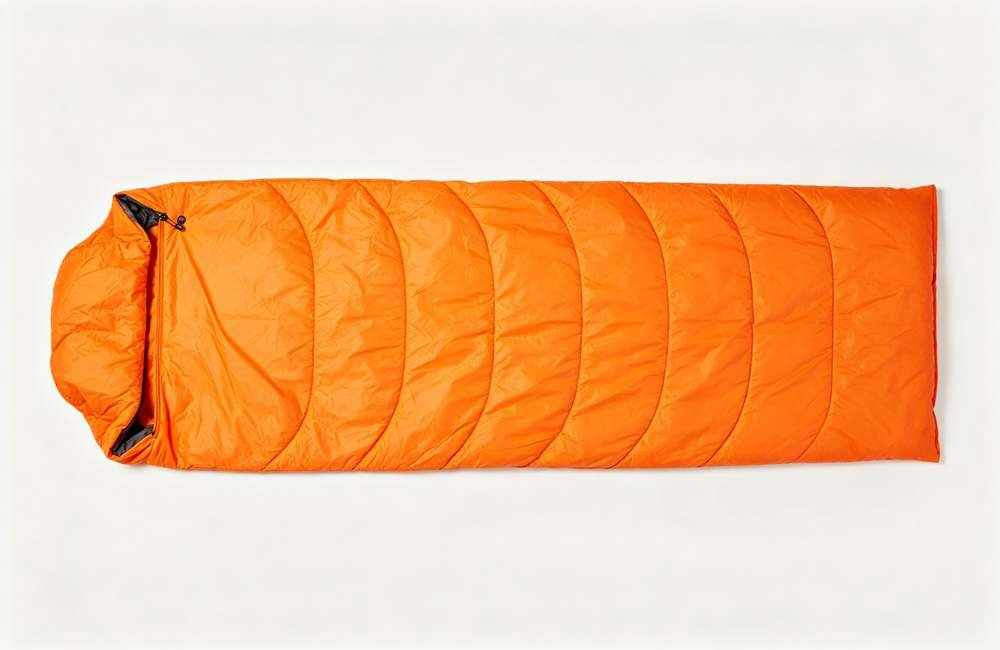
As a leading envelope sleeping bag manufacturer in China, we specialize in high-quality rectangular sleeping bags for institutional sleeping bag buyers worldwide.<
Our bulk envelope sleeping bags are trusted by emergency relief sleeping bags organizations, camping rental sleeping bags companies, and out door education programs across Southeast Asia sleeping bag market procurement and beyond.
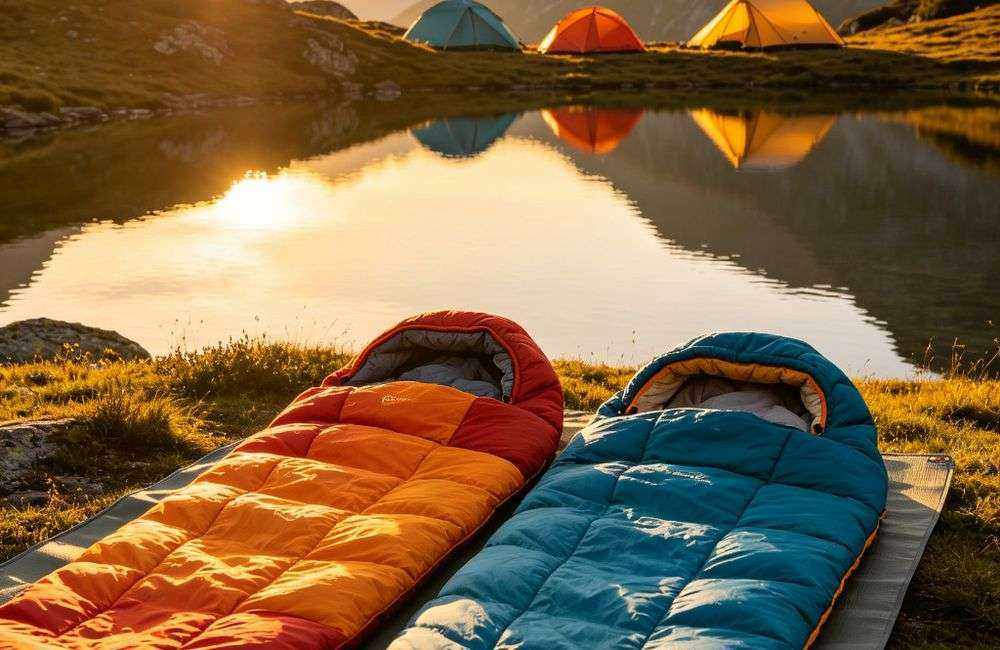
With years of fa ctory experience, we deliver consistent quality, competitive wholesale sleeping bag pricing, and reliable sleeping bag delivery lead times for large-scale orders.
Whether you need wholesale envelope sleeping bags for bulk procurement or custom OEM envelope sl eeping bags with your private label sleeping bags brand logo,
Our china sleeping bag factory offers competitive competitive factory direct sleeping bags moq terms and fast manufacturing lead times.
This guide ex plains why envelope style rectangular sleeping bags are often th e reliable choice for institutional accommodation, and how to select the rig "> ht envelope sleeping bag dimensions,
Sleeping bag sleeping bag temperature rating, and sleeping bag fabric for your specific bulk procurement needs. Our standard export envelope sleeping bag MOQ is 500 pieces sleeping bag per color minimum order, with flexible sleeping bag terms for esta blished clients.
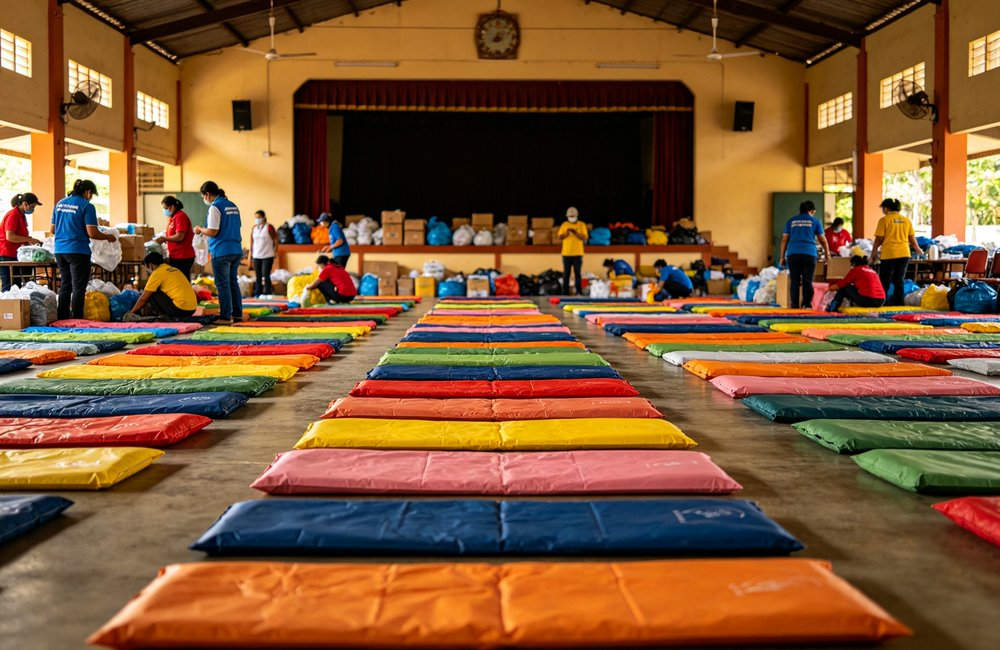
Envelope sleeping bags maximize usable floor space in institutional dormitory settings because their rectangular shape aligns perfectly with standard bed dimensions. Unlike tapered mummy styles that leave wasted corner space, envelope designs fill the entire sleeping surface, allowing facilities to accommodate more users within the same square footage.
In high-turnover institutional environments, users change frequently. The intuitive rectangular design of envelope sleeping bags requires no learning curve, ensuring that every new occupant can immediately use the product correctly without training or orientation.
An envelope sleeping bag has a rectangular body with relatively consistent width. This shape gives users more room around the shoulders, hips, and legs than a close-fitting design.
Offer both le ft and right zipper options to match bed p lacement against walls.
Two-way zippers allow users to vent feet without fully opening the bag, improving temperature control.

One envelope bag replaces both a sleeping bag and a light blanket, reducing procurement costs by 25%.
Two bags can be zipped together for couples or f amily units in shelter settings.
Full zippers allow tem perature regulation by opening from the bottom or top as needed.
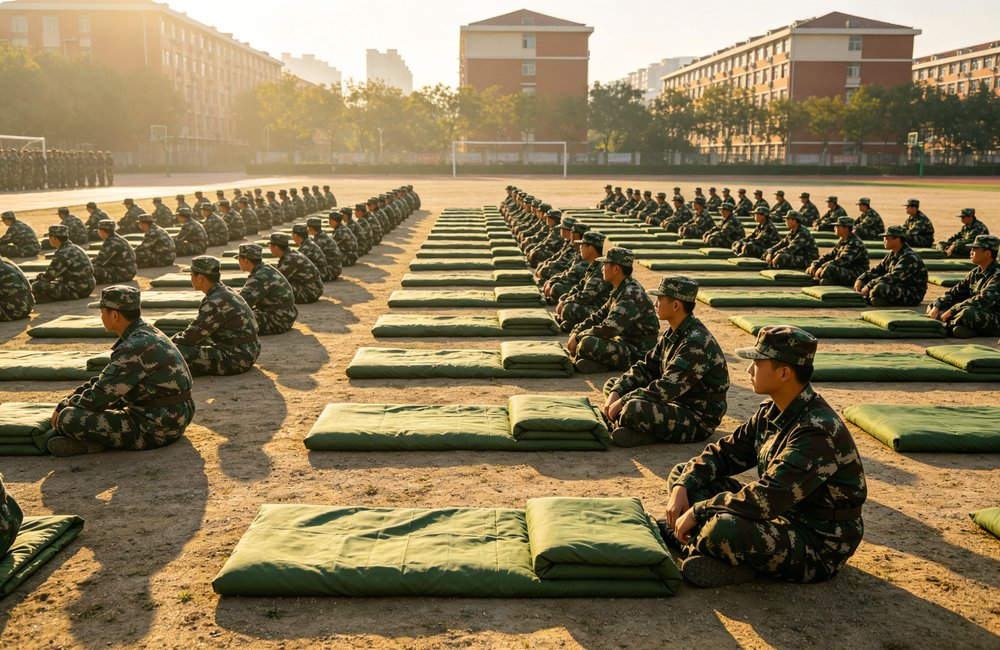
Anti-snag zippe r tracks prevent fabric jamming, critical for users with limited dexterity.
Large and XL sizes provi de up to 100cm shoulder width for users needing extra room.
Extra space accommodates medical devices and allows caregivers to assist users inside the bag.
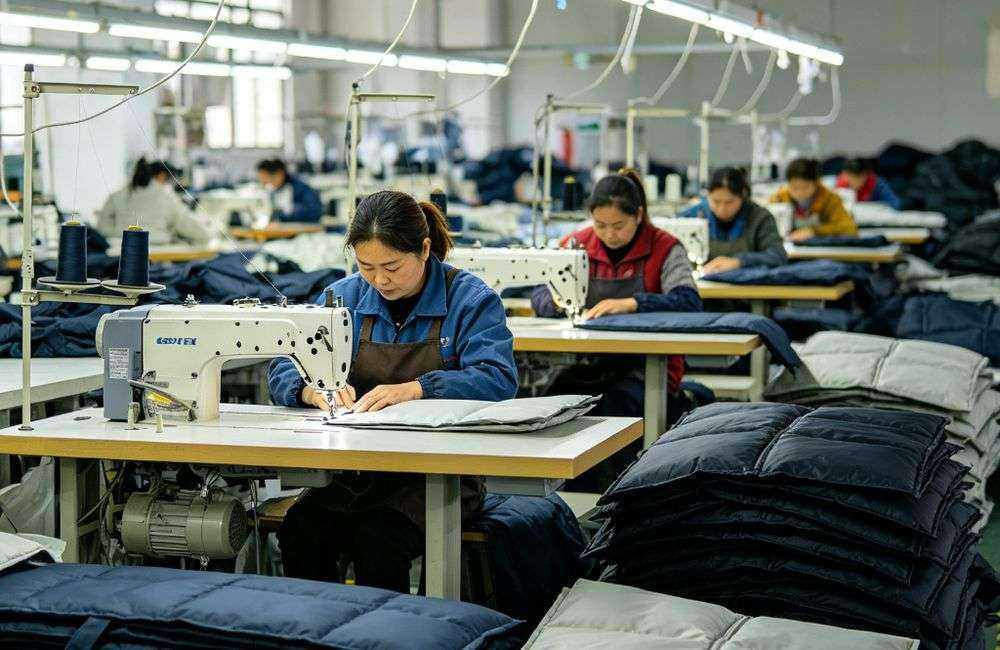
For indoor shelter solutionss, prioritize thinner bags with moisture-resistant bottoms for con igh quality commercial image number 30" style="width:1 00%; max-width:1000px; height:auto; margin:15px 0;"> crete floors.
Exposed sites require thicker insulation and water-resistant sleeping bag outer shell fabrics with ground cloth compatibility.
Test zippers through 500+ open-close cycl es to ensure smooth operation after heavy use.
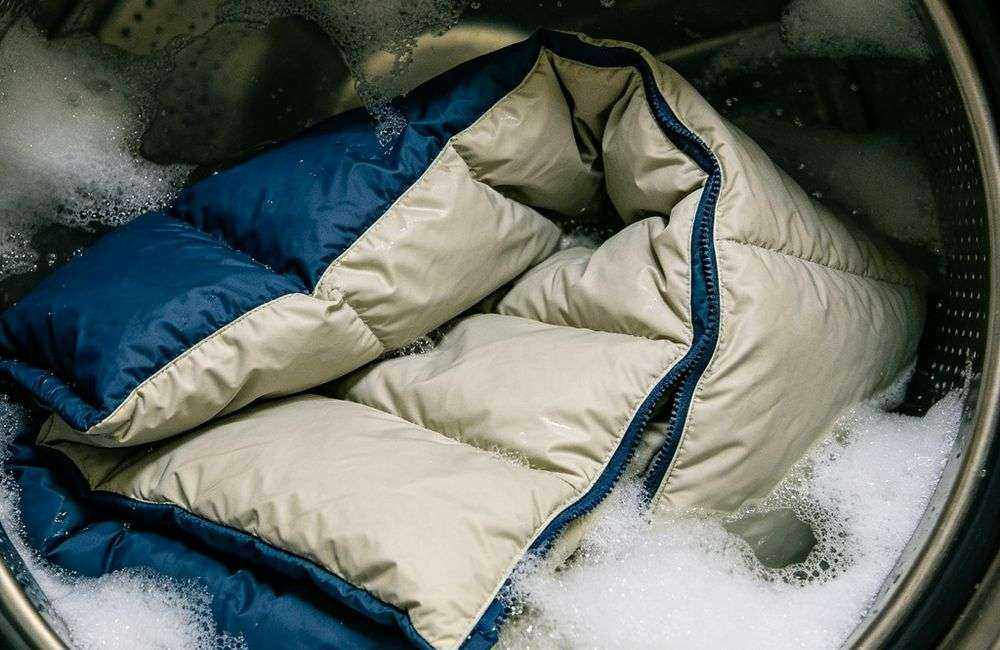
Rub fabric samples against rough su rfaces 1000 times to check for pilling and tearing.
Standard sleeping bag compression sacks reduce packed volume by 50% for efficient transport and storage.
Reinforced stitching and colorfast fabrics withstand institutional washing frequencies of 10-15 cycles monthly.

Polyester hollow fiber filling in 200g, 300g, and 500g options matches dif ferent climate requirements.
Optional draft collars reduce heat loss around the neck and shoulder area for colder environments.
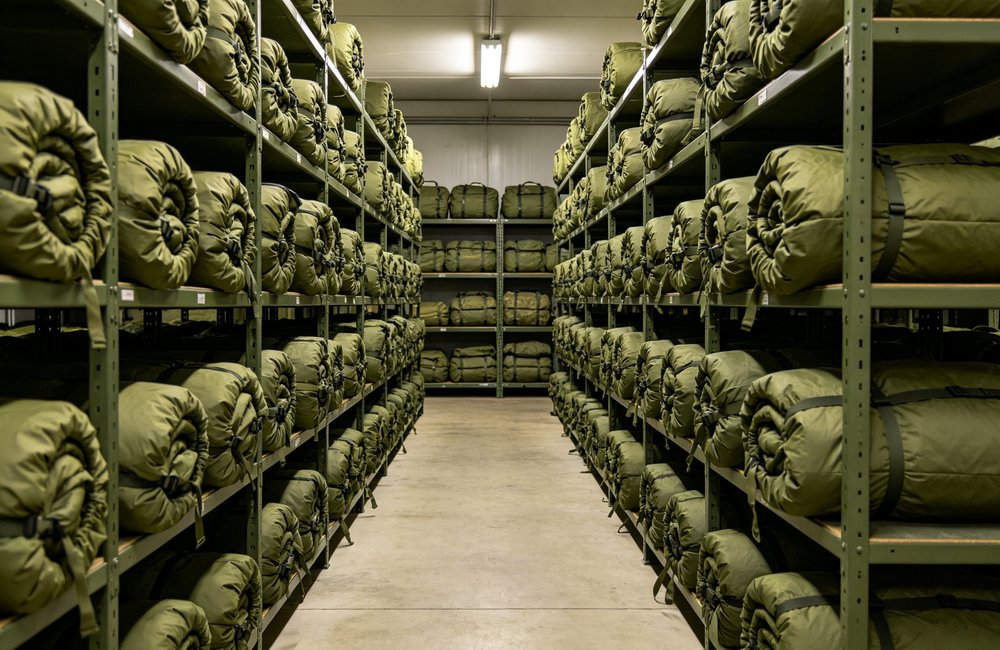
Top-opening design allows users to get in and out wi thout awkward maneuvering, ideal for elderly or injured users.
The full-length zipper allows the bag to open completely flat, doubling as a warm blanket for shared sleeping areas.
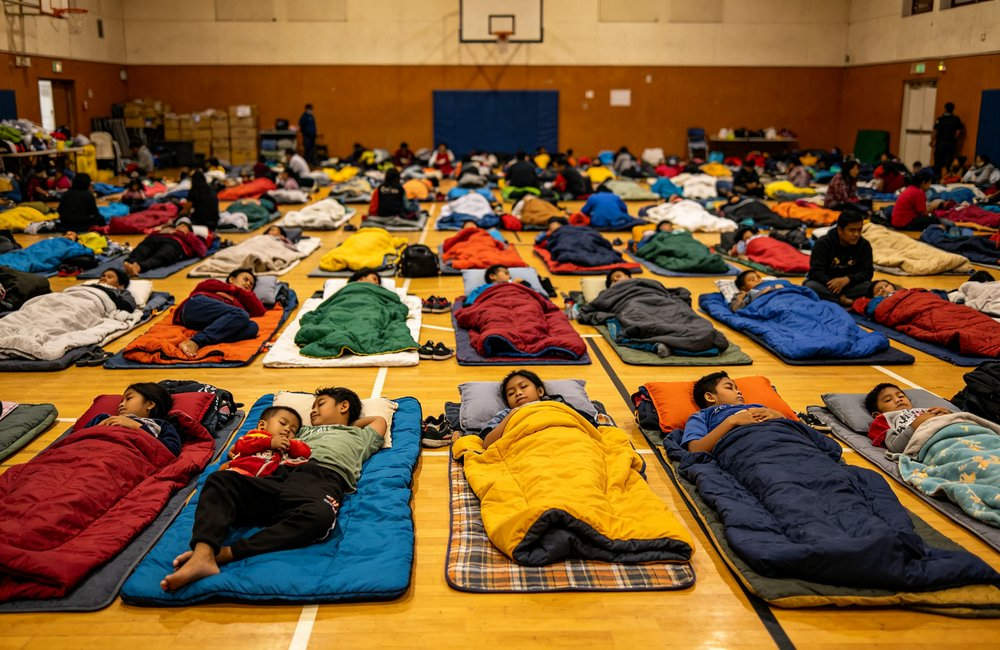
Flat rectangular shapes stack neatly, reducing storage space requirements by up to 30% compared to mummy bags.
That extra room can suit temporary accommodation centers, staff rest areas, institutional reserves, and organized temporary housing sleeping bags. These settings usually provide a mat, mattress, cot, or designated floor space.
The same width can become a disadvantage when each sleeping bag position is narrow. It can also increase material, packed volume, or heat loss around unused internal space.
Before choosing the shape, compare the opened sleeping bag with the actual bed, cot, or mat. Leave enough room f or the zipper and entry side to operate without obstruction.
Buyer decision: choose the envelope shape when room and access improve daily use. Choose a closer shape when minimum bulk or tighter body fit has greater importance.
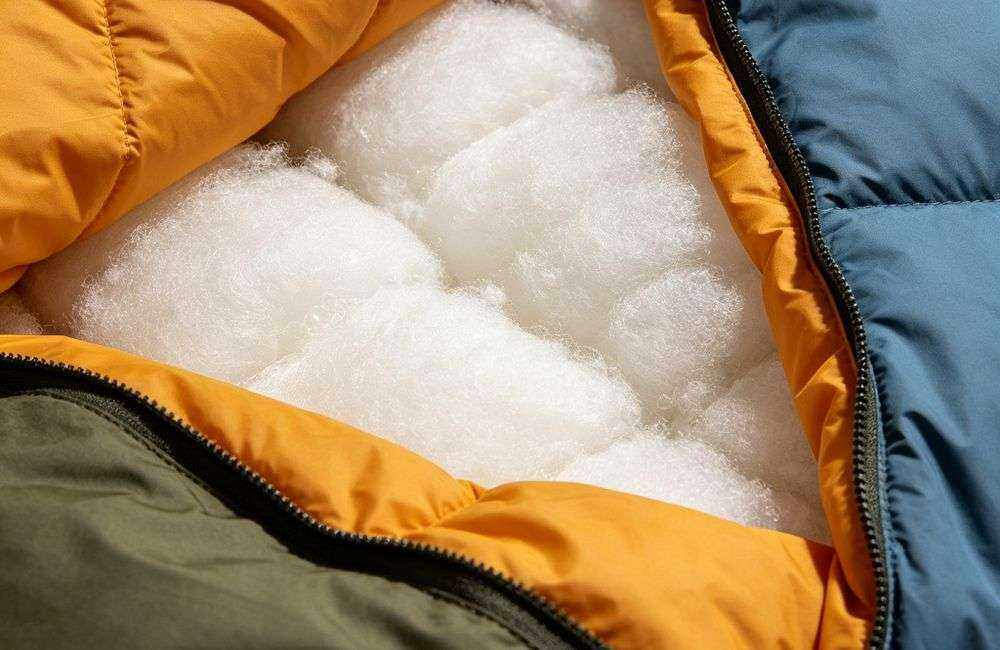
Generally, mummy bags are warmer for the same weight because they reduce dead air space. Howeve r, are envelope sleeping bags warmer for institutional use? The answer depends on usage: for indoor shelter and mild climates, envelope bags provide adequate warmth with much better co mfort and durability.
How to choose envelope sleeping bag for institutions: first assess your climate zone, then select appropriate filling weight , prioritize durable fabrics and zippers, and always order samples for real-user testing before bulk commitment.

The current sleeping bag can open flat and serv e as a blanket-style cover. This feature may reduce the need for separate covers in some accommodation plans.
Flat-open use is helpful when users need flexible bedding during changing i ndoor temperatures. It also allows the product to cover two users temporarily without closing around either person.
However, opening the bag changes how it retains warmth. Buyers should not apply a closed-bag sleeping bag temperature range to blanket- style use without suitable support.
Ask whether the project values one sleeping function or both sleeping and covering. The supplier can then present the closure, dimensions, filling, and weight that fit the intended use. Choosing the right envelope sleeping bag s upplier ensures consistent sleeping bag quality across repeat orders.
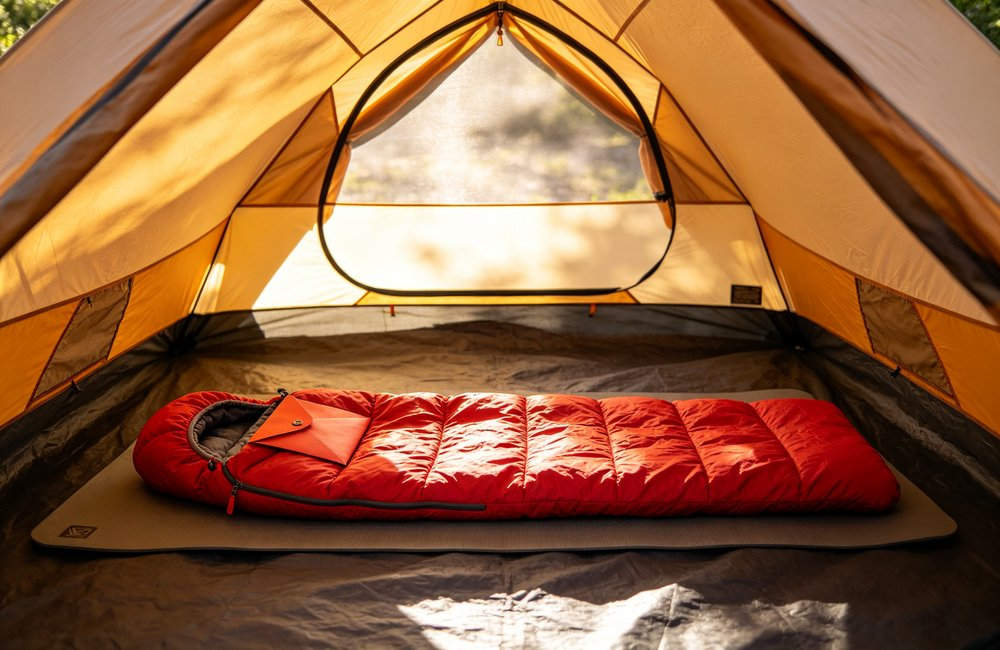
Institutional buyers often serve users with different body sizes, clothing, mobility, and familiarity with outdoor equipment. A simple rectangular opening may be easier for many users to understand. When institutional buyers evaluate envelope sleeping bags for bulk purchase,
Side zippers, hook-and-loop closures, adjustment parts, and optional hood structures affect entry and comfort. They also change how easily the o pening can be adjusted during the night.
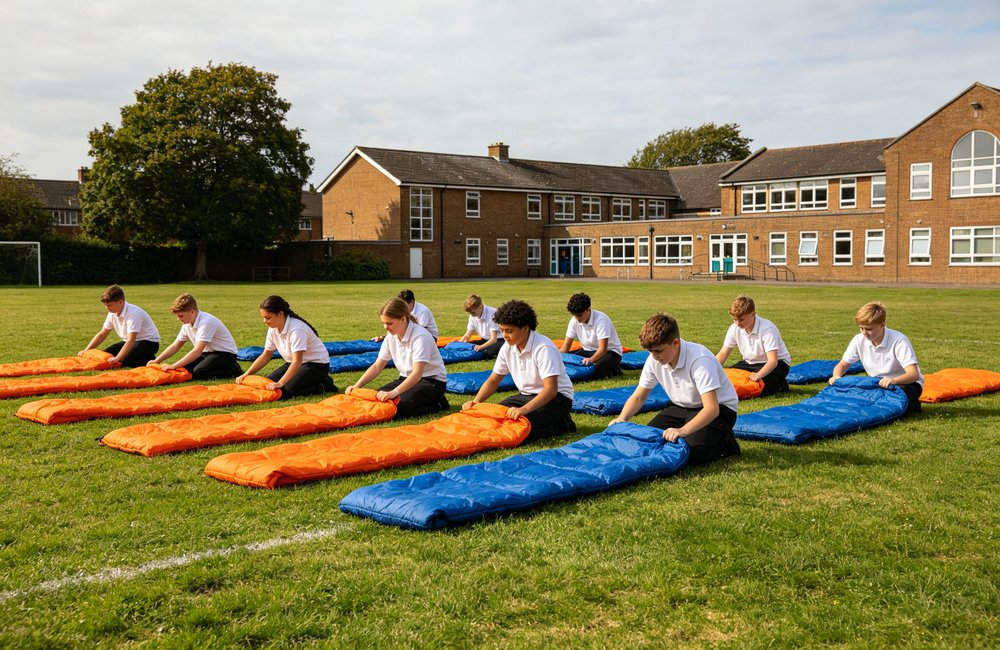
A roomy shape may suit users who dislike tight sleeping spaces. It may be less suitable where a close body fit is required to reduce unused internal volume.
During sample comparison, ask several intended user profiles to enter, close, open, and exit the bag. The result should guide the chosen width and closure arrangement.
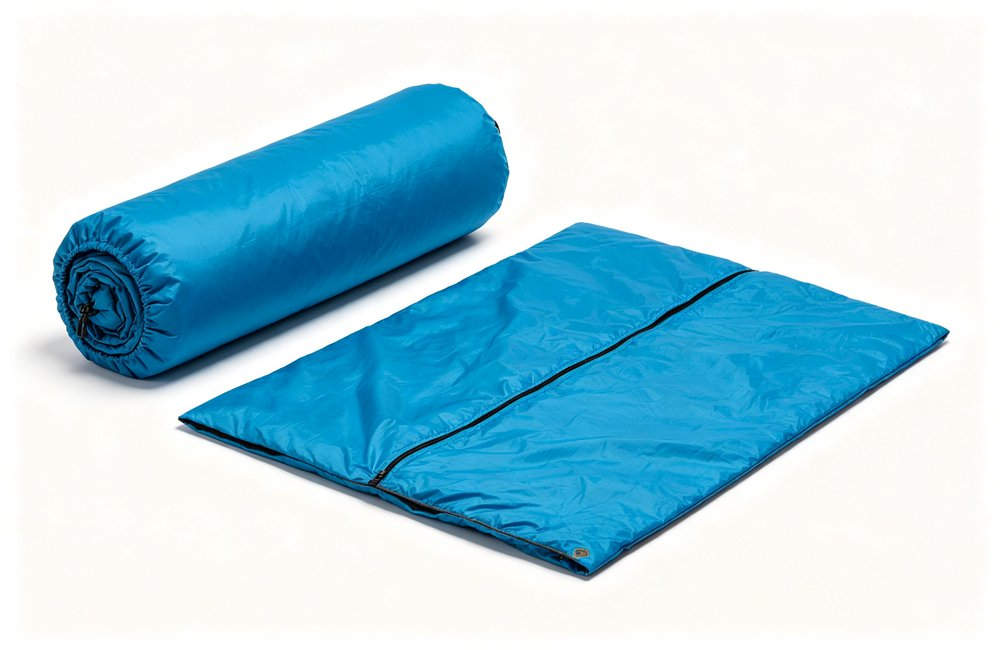
Available size directions include 180×75 cm, 200×80 cm, and 210×150 cm configurations. Th ese options serve different body sizes, bed spaces, and single or wider sleeping needs.< /p>
The largest option should not be selected simply because it offers more room. A wider item can occupy extra floor space and may require different packing and handling.
Measure the usable sleeping position before requesting a quotation. Include the cot or mattress width, surrounding clearance, entry side, and any fixed partition.
Then match product width and length to the intended user group. The supplier should return the corresponding dimensions, construction, net weight, and packed arrangemen t.
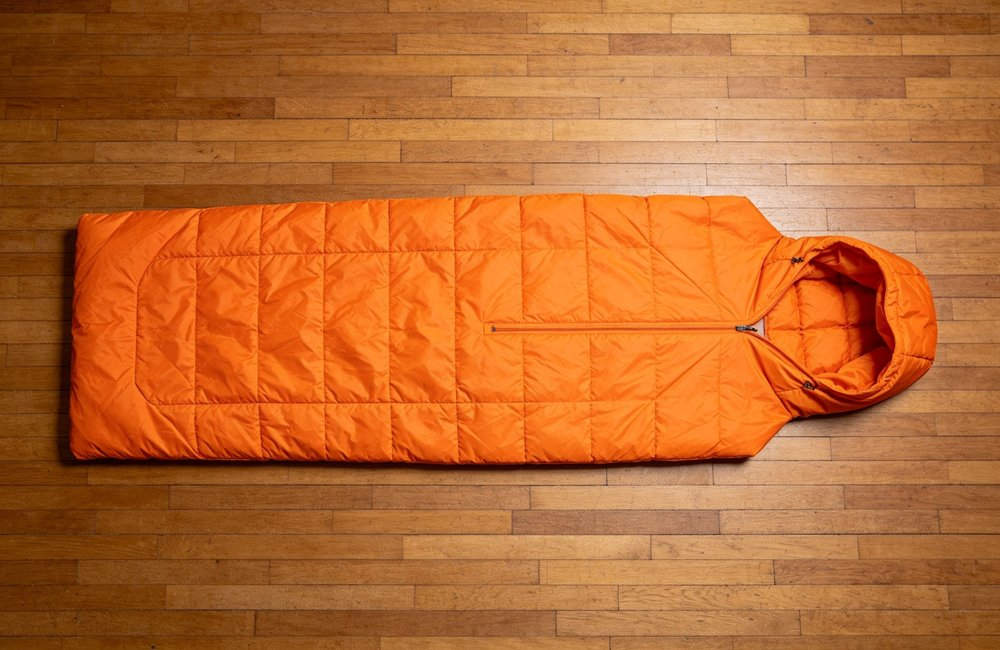
Worked layout: consider a hall using 75 cm wide folding cots with access from one side. A 75 cm sleeping bag may align with the cot, but the zipper still needs operating space. An 80 cm option gives more user room yet may extend beyond the cot edge. A 150 cm wide format would serve a different sleeping plan and should not enter the s ame comparison. The buyer should place each sample on the cot, test entry and exit, then compare the packed result. This turns a general size preference into a layout-based decision.
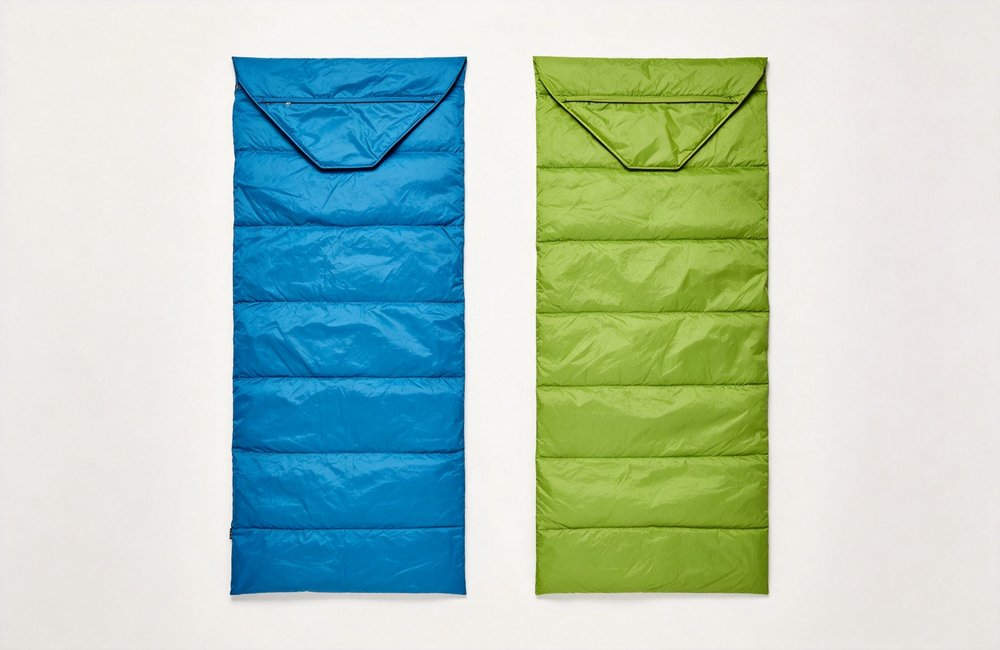
Envelope shape fit: Often suitable when the width fits the sleeping position.
Buyer action: Measure usable width and zipper clearance.
Envelope shape fit : Sui table only when the rectangular sleeping bag footprint fits the layout.
Buyer action: Mark one sleeping position before choosing width.
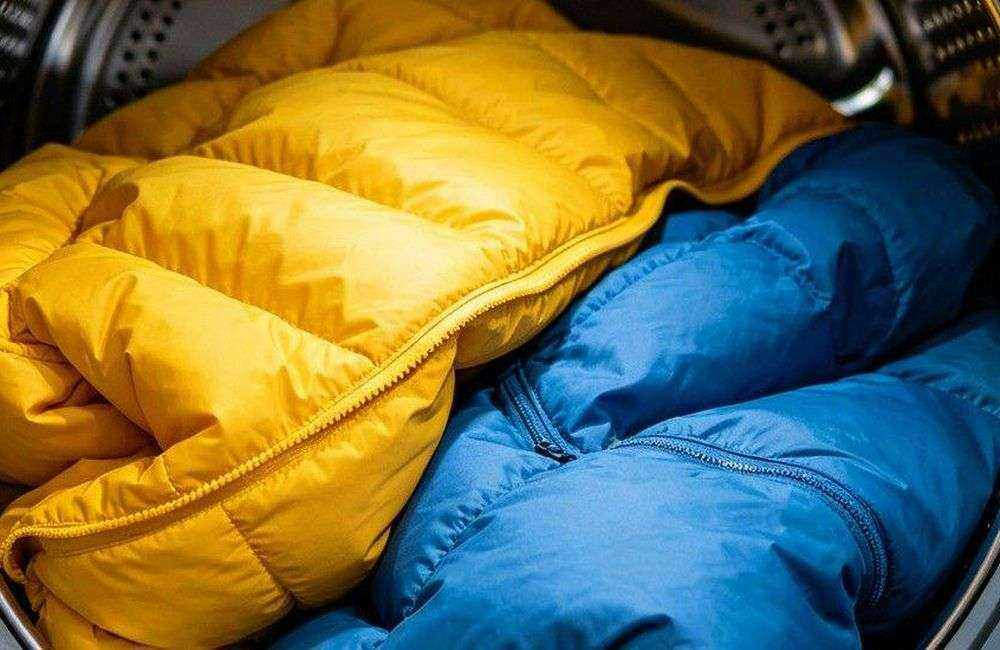
Envelope shape fit: Flat-open use can add practical value.
Buyer action: Compare closed and open dimensions.
Envel ope shape fit: A roomy design may not be the firs t choice.
Buyer action: Compare packed size and total shipment volume.
Envelope shape fit: Another shape may provide a better starting point.
Buyer action: Compare construction and matched temperature information.
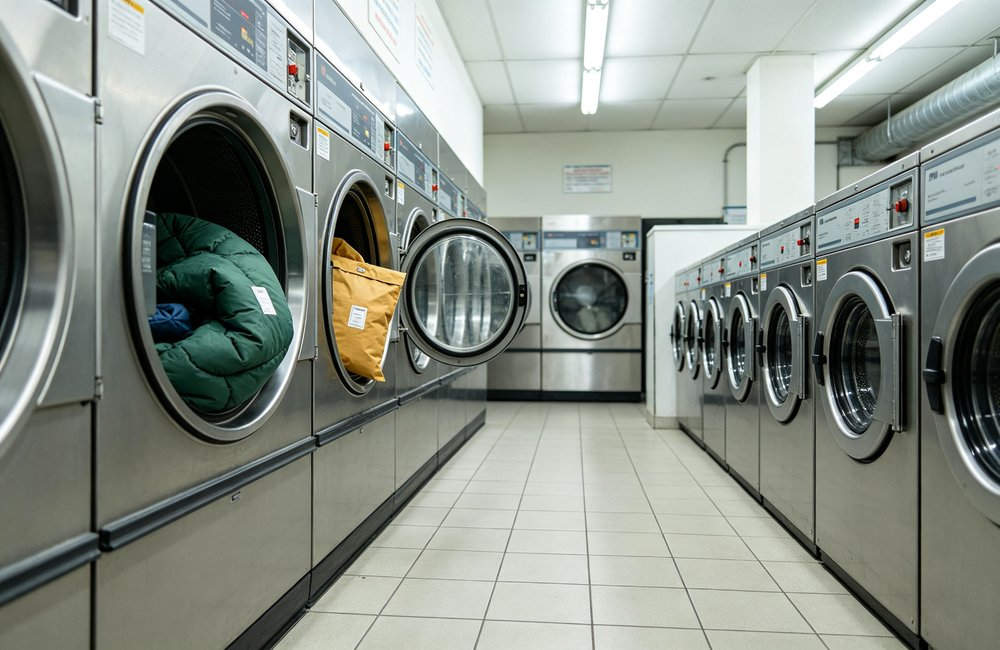
The rectangular shape does not determine warmth by itself. Shell, lining, sleeping bag filling material, filling amount, dimensions, closures, and user conditions work together. The rectangular shape of envelope sleeping bags makes them easier to stack and store.
Available materials include a water-repellent, tear-resistant polyester shell and a breathable polyester lining. Hollow polyester fiber and sil k-like cotton filling options can support different configurations. We provide full envelope sleeping bag OEM services including custom labels, hang tags, and packaging.
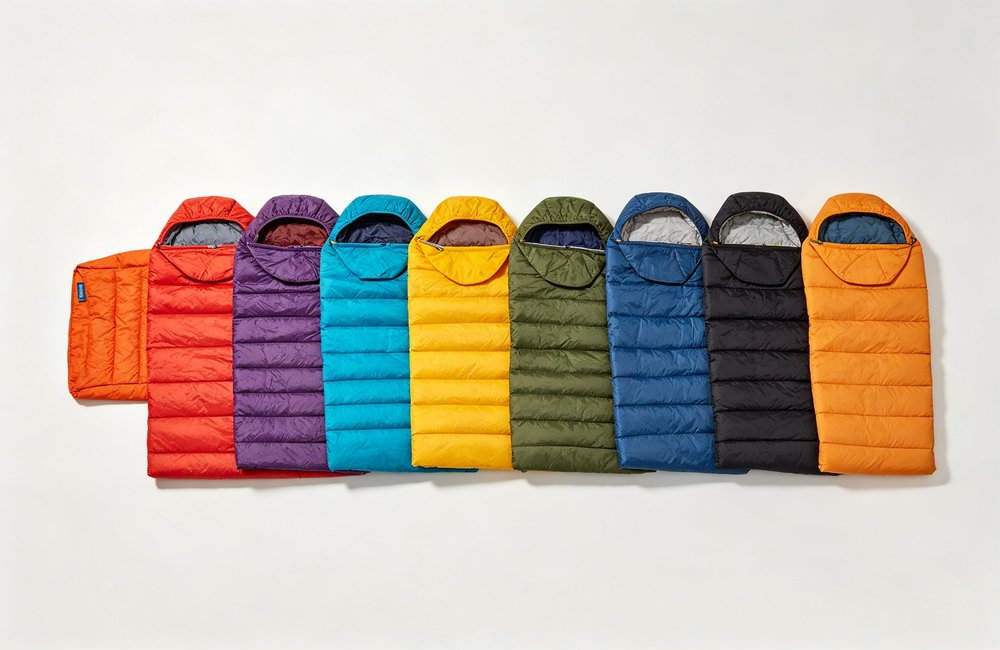
Selectable net weights range from 0.7 kg to 3 kg across the product family. Buyers must keep each weight connected to its size, filling, and intended temperature range.
A roomy envelope build may contain more air around the user than a close-fitting design. For colder projects, compare the matching temperature information instead of assuming that shape alone will perform better.
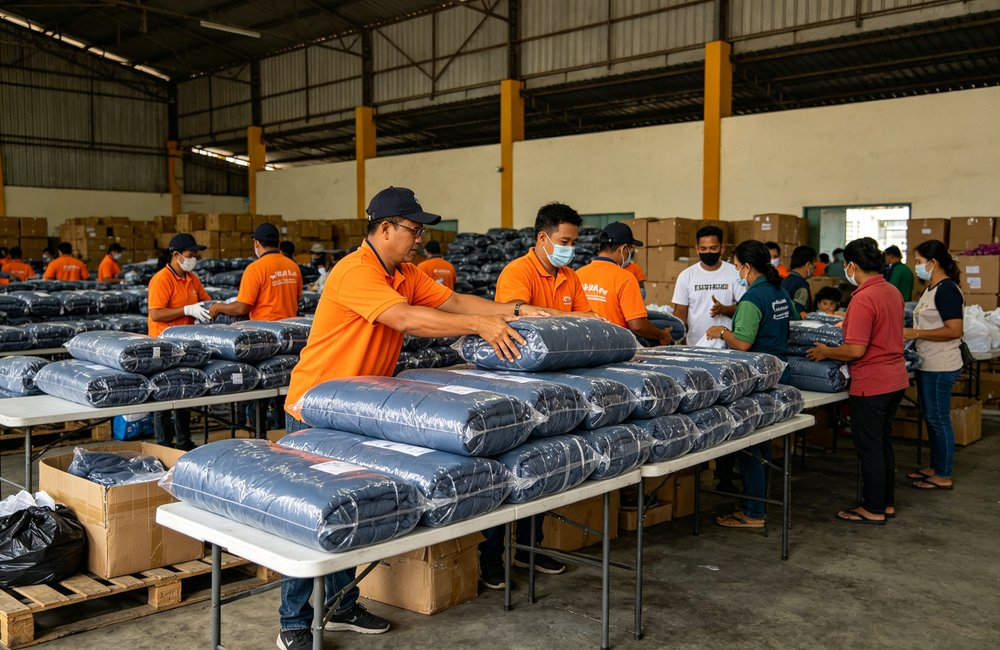
Each sleeping bag can be paired with an individual storage bag. Individual PE moisture-protection packing and five-layer cartons are also available as project options.
Envelope designs are easy to understand when opened, but folded results still depend on filling amount and construction. A thicker option may require more storage and transport space.
Ask for the product net weight, packed weight, packed dimensions, pieces per carton, and carton dimensions for the exact configuration. Do not calculate shipment volume from another size.
For repeated institutional handling, inspect the zipper, hook-and-loop areas, seams, quilting, and storage bag. These visible points influence whether the product remains practical after repeated opening and p acking.
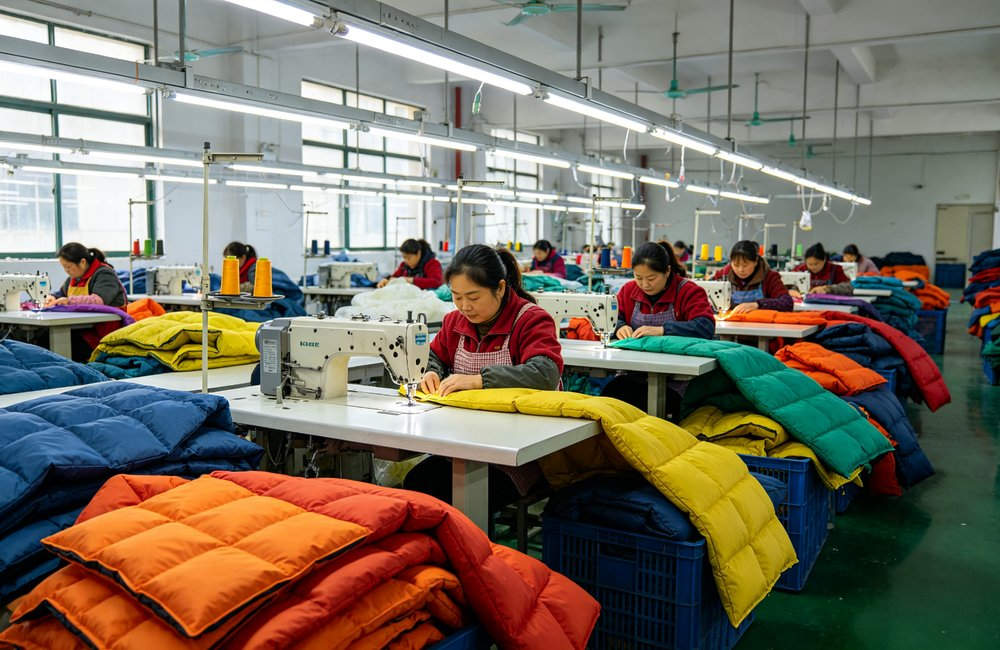
A useful sample session should reproduce the main accommodation actions. Place the bag on the intended cot, mattress, mat, or marked floor area.
Check whether the user can enter, adjust the opening, turn, sit up, exit, and open the bag flat. Note any obstruction from walls, adjacent beds, or fixed furniture.
Measure the actual opened dimensions and product weight under an agreed condition. Compare shell, lining, filling distribution, closures, seams, and storage bag with the quotation.
The sample cannot prove every temperature statement during an office visit. It can show whether the chosen shape and construction fit the institution's real sleeping arrangement.
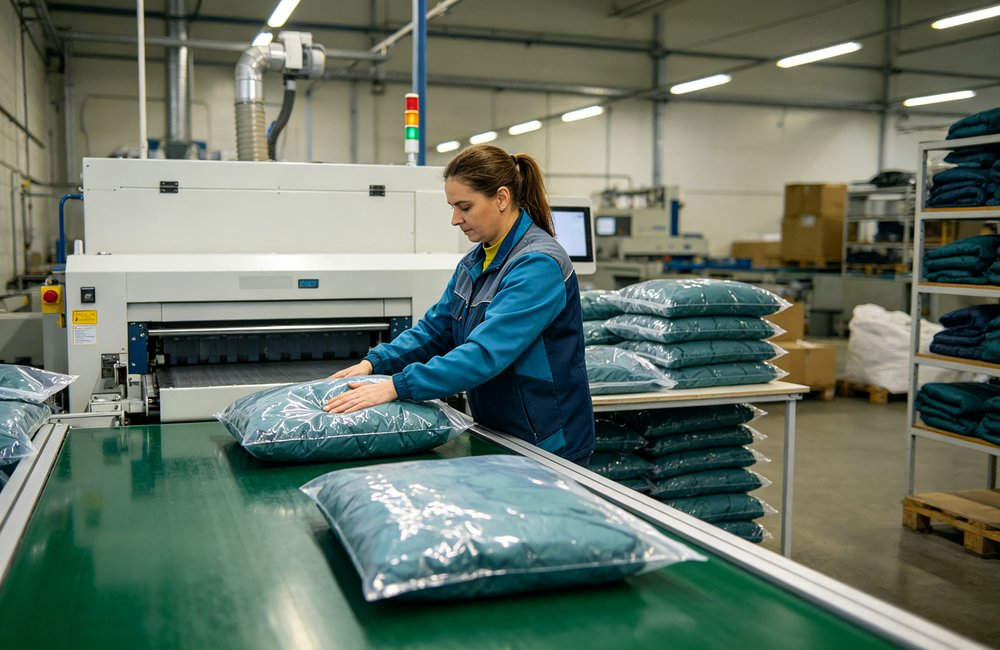
Start the inquiry with the sleeping layout, not a model number. This helps suppliers understand why a particular shape and size are being considered.
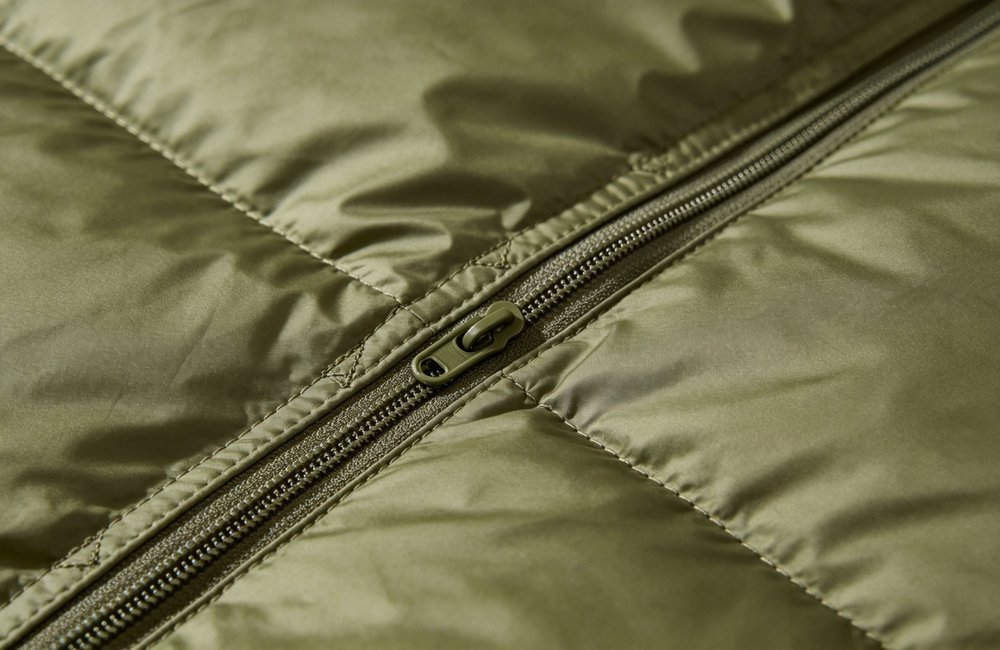
Calculate floor space per bag including 30cm side clearance for easy access in dormitory layouts.
Maintain minimum 60cm aisles between rows for emergency evacuation and staff movement.
The supplier can use these inputs to present one or more envelope configurations. If another shape fits better, the difference can be explained against the same sleeping layout.
Buyer focusChoose the envelope shape because it fits the sleeping layout and user actions, not because the product name sounds familiar.

An envelope sleeping bag is easiest to justify inside a building or a dependable shelter. The room limits wind and direct moisture. A rectangular shape can then prioritise movement, side entry, and bed fit.
An exposed tent or open field changes the choice. Wind can enter through the wide top opening, while a cold or damp surface can draw heat away below. A closer shape, a verified warmer configuration, or an added sleeping mat may be more suitable.
Classify each sleeping area before comparing products. Record whether it is heated, enclosed, draughty, unheated, or exposed. Ask for a configuration that matches that condition rather than accepting one shape for every site.
For mixed sites, separate the quantities by environment. One indoor option and one exposed-site option can be clearer than forcing a single specification to cover both. The quotation should identify which construction belongs to each quantity.
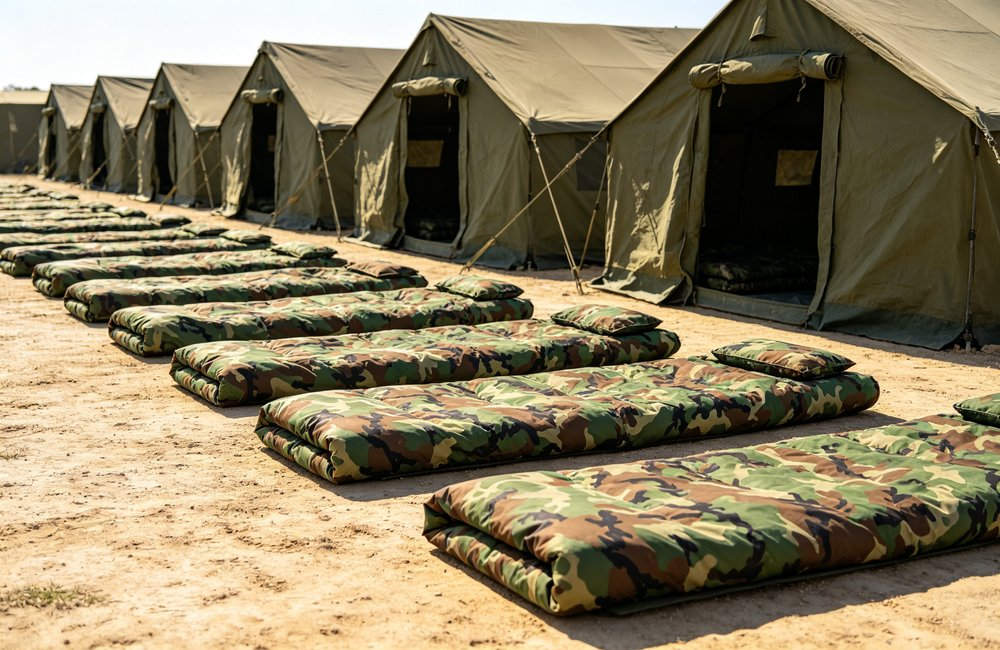
The generous interior dimensions of envelope sleeping bags accommodate a wider range of body types compared to form-fitting alternatives. This inclusivity is particularly valuable in institutional settings where users may have varying physical characteristics and mobility requirements.
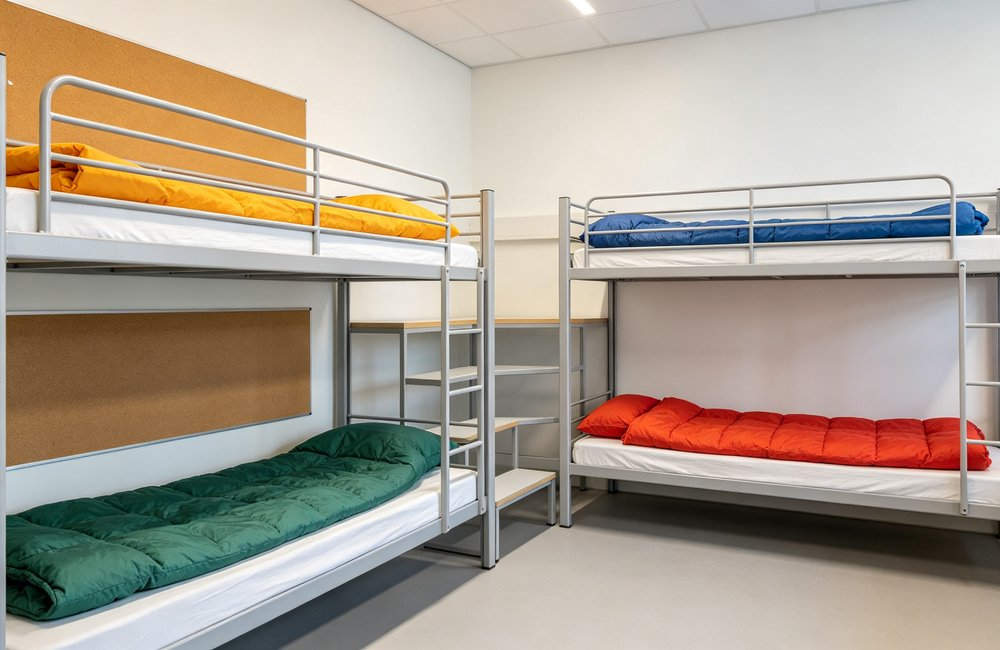
Users who change positions frequently during sleep benefit from the extra shoulder and hip room that envelope designs provide. This reduces nighttime discomfort and improves overall sleep quality, which is essential for individuals in stressful institutional or emergency situations.
Extra room helps users who turn frequently, wear bulky clothing, or find a narrow foot area restrictive. It can also make side entry easier on a fixed cot. These benefits matter in accommodation where comfort and independent use are priorities.
More room is not always better. A very wide bag can extend beyond a narrow cot, interfere with the next bed, or create more air space to warm. It can also increase folded volume when every sleeping place has limited storage.
Compare the sample with representative users and normal night clothing. Check shoulder room, knee movement, foot space, and the ability to sit up and leave. Select the smallest width that remains comfortable for the intended user group.
Do not judge movement from an empty bag on a table. The user, clothing, and sleeping surface change the usable space. Record any tight point and compare it with the quoted finished dimensions.

The top opening configuration of envelope sleeping bags allows users to regulate temperature by adjusting the opening width. This feature is especially useful in variable climate conditions where nighttime temperatures may fluctuate significantly.
The wide top opening simplifies entry and exit for users with limited mobility or those who may be unfamiliar with zippered side entries. This accessibility factor makes envelope styles preferable for facilities serving elderly or physically challenged populations.
The wide top opening is one reason an envelope bag feels easy to enter. It also leaves more space around the shoulders and head. In a mild indoor setting, that balance may be useful.
The same opening can be a weakness in colder or draughty conditions. Check whether the selected design has a drawcord, collar, hood, or another way to reduce open space. Do not assume that every envelope bag includes these parts.
Ask the supplier to show the exact top construction in the sample and quotation. Test it while lying down and sitting up. The opening should adjust without hard parts pressing against the face or preventing a quick exit.
The top should remain understandable for first-time users. Complicated adjustments can reduce practical value in shared accommodation. Check whether the opening stays in the selected position and remains comfortable through normal movement.
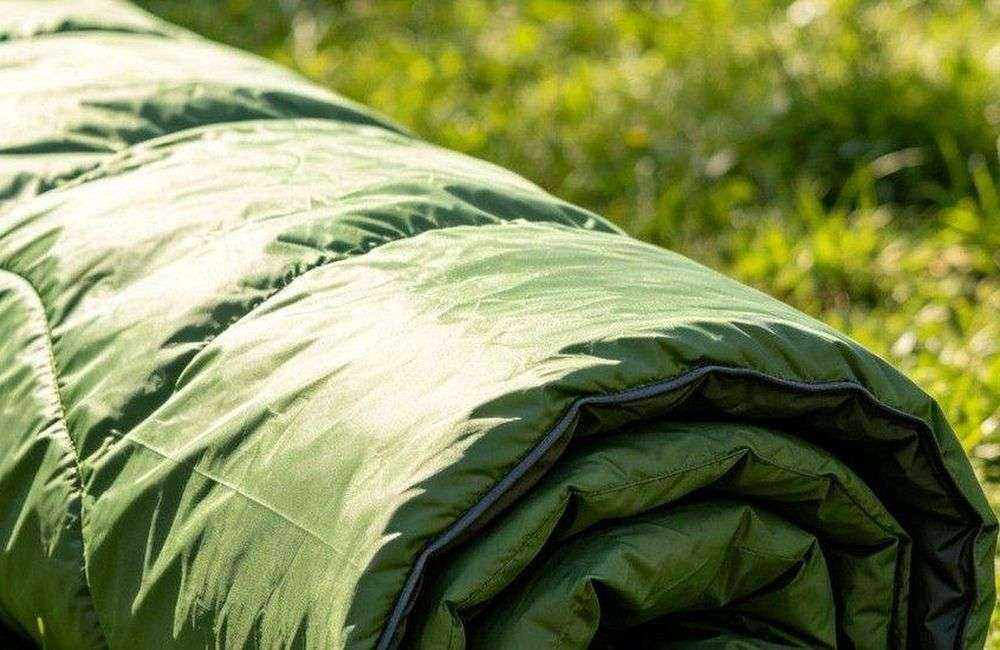
A full-length zipper may allow the bag to open flat. This gives institutions a lighter covering option in warmer rooms and can make airing easier. It may also support temporary use across a mattress or cot.
Flat-open use has limits. The opened bag may not distribute filling like a purpose-made blanket, and its zipper hardware remains along the edge. Its warmth will also differ from the closed sleeping-bag configuration.
Verify the fully opened dimensions and zipper stops on the actual sample. Check whether the lining stays flat and whether exposed hardware can contact the user. Treat blanket use as an additional function, not as proof that a separate blanket is unnecessary.
If flat-open use affects the purchase, state it in the inquiry. This lets the supplier quote a compatible zipper and finished size. Otherwise, treat the function as unavailable rather than relying on a catalogue photograph.
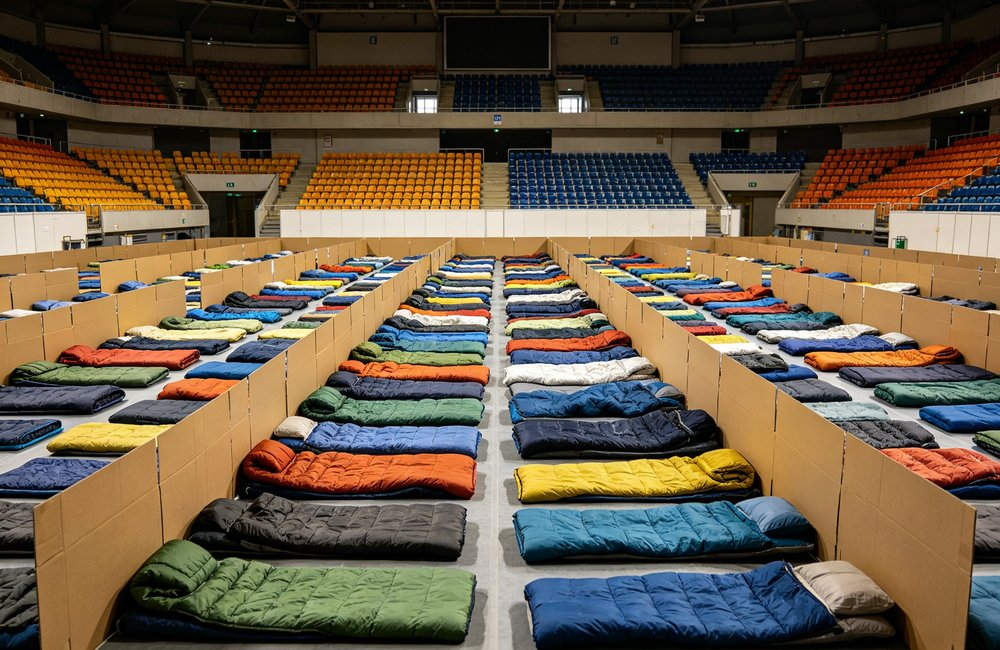
Premium envelope sleeping bags feature two-way zippers that allow users to open from either the top or bottom. This design enables foot ventilation without fully opening the bag, maintaining warmth while providing temperature control options.
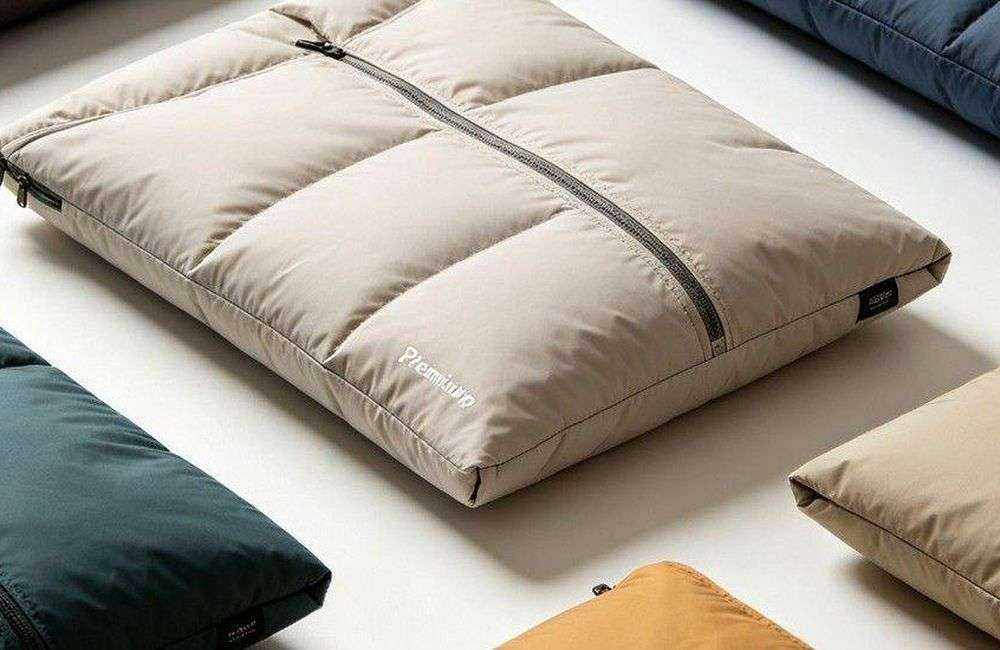
Side zipper placement must be considered relative to bed positioning in institutional settings. Zippers on the aisle side allow easier access without requiring users to reach across their bodies, improving usability in tight sleeping configurations.
Zipper position must suit the planned bed layout. A zipper facing a wall, bed frame, or neighbouring sleeper can make entry difficult. This becomes more important when cots or bunks are placed close together.
Choose the preferred opening side before ordering. Test whether the user can reach the slider while lying down and whether the bag can open without falling into the aisle. A two-way slider may help ventilation only when that feature belongs to the quoted design.
Operate the zipper repeatedly with the bag occupied. Watch for lining caught in the teeth, hard stops, and stress near the foot corner. Request left and right versions only when the supplier confirms compatible construction and quantities.
Room layouts may require different zipper sides within one project. List left-opening and right-opening quantities by room layout. Identify both versions in the sample and quotation so the buyer can check them against the planned beds.
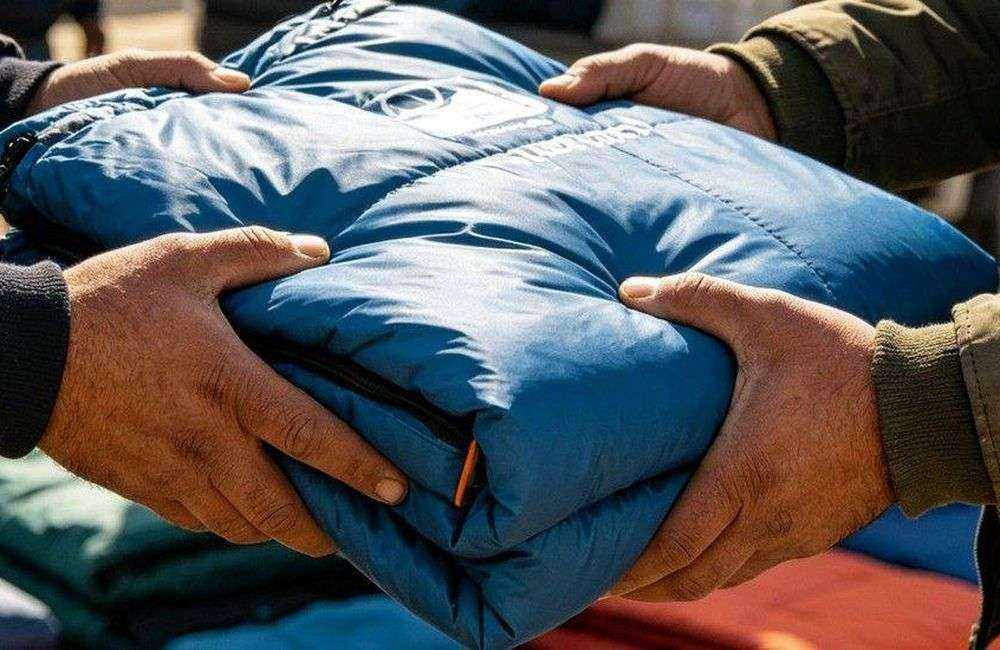
A hooded or tapered bag may be the better comparison when the sleeping place is colder, wind exposure is higher, or head coverage is important. Its closer shape can reduce unused internal space. That advantage still depends on the complete verified construction.
Envelope bags remain stronger where movement room, easy side entry, rectangular bed fit, and flat-open use have more value. Neither shape is universally better. The room, user group, sleeping surface, clothing, and temperature conditions decide the balance.
Compare both shapes under the same conditions. Use the same user clothing, cot or mat, and expected shelter. Record movement, entry, opening control, and the applicable temperature evidence before choosing.
Avoid comparing unrelated temperature claims. A warmer quoted number from another construction does not prove that shape alone caused the difference. Keep material, filling, size, and test scope visible beside the shape choice.

A sleeping bag surrounds the user, but the floor or bed still affects warmth. Cold concrete, damp ground, metal mesh, and slatted cots can remove heat below the body. A thick-looking bag does not solve every surface problem. The envelope sleeping bag price depends on fabric weight, filling type, and order quantity.
Match the bag with the intended cot, mattress, foam mat, or ground layer. Check whether the surface fits the bag dimensions and remains dry. Add a separate insulation or moisture barrier when site conditions require it.
For floor accommodation, inspect both moisture and insulation needs. A waterproof groundsheet can manage moisture without providing enough insulation. A soft mattress can improve comfort without being suitable for damp ground.
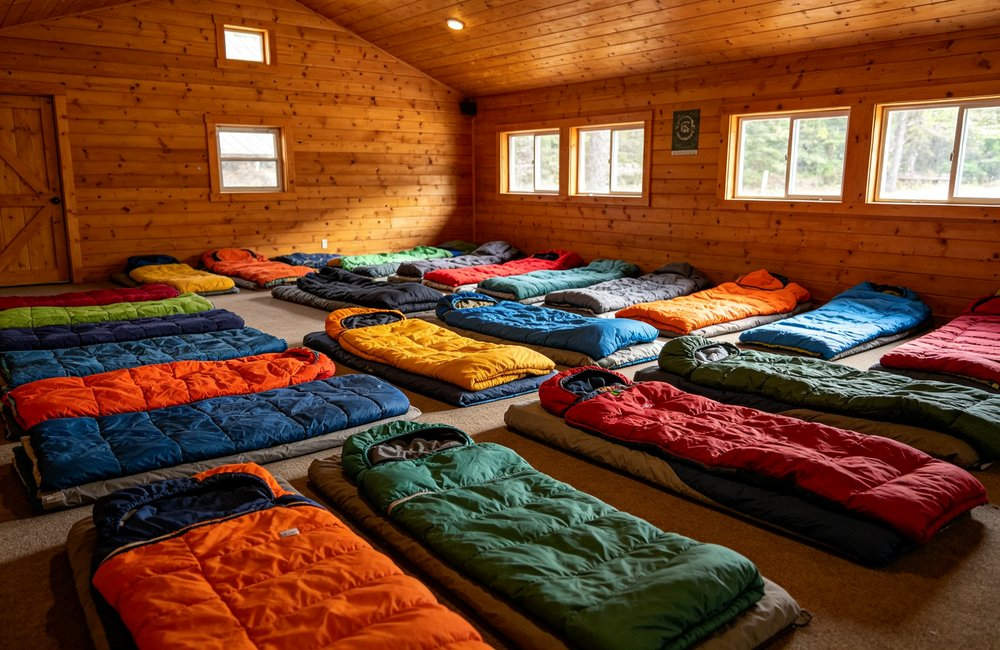
Institutional use may require regular airing, spot cleaning, washing, drying, and repacking. Compare the sleeping bag care instructions for the exact shell, lining, filling, and zipper. Do not apply one cleaning method to every option.
A flat-opening bag can be easier to air and inspect. However, the filling may need controlled drying and careful redistribution. Test whether the bag returns to its storage sack without excessive force or damage.
Cleaning resources can change the optimal configuration. Limited drying space may favour materials and packing methods that the site can manage. Any wash or service-life claim still needs evidence for the exact construction.
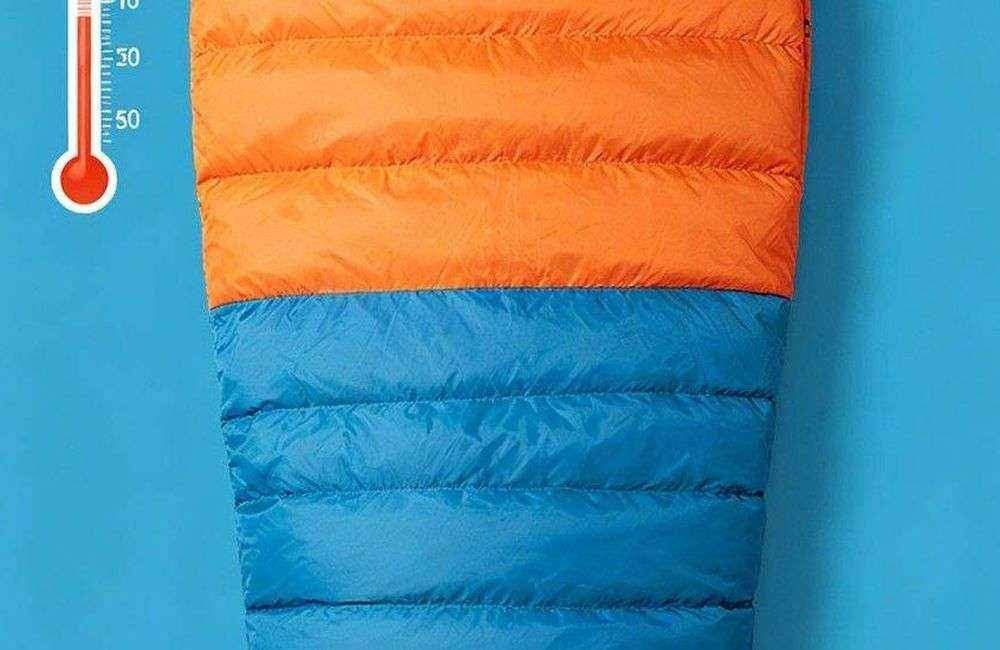
Bed count alone does not show whether an envelope bag will fit. Measure the usable length, bed width, side clearance, aisle width, and distance from walls or partitions. Include the space needed to operate the zipper.
Place a sample in a representative room before fixing the size. Check whether neighbouring users can enter at the same time and whether the opened bag blocks movement. Use the result to choose dimensions and zipper sides for each layout.
Repeat the check for the smallest room, narrowest aisle, and highest bunk. A sample that works in the largest room may fail elsewhere. Separate dimensions or zipper directions when layouts create different needs.
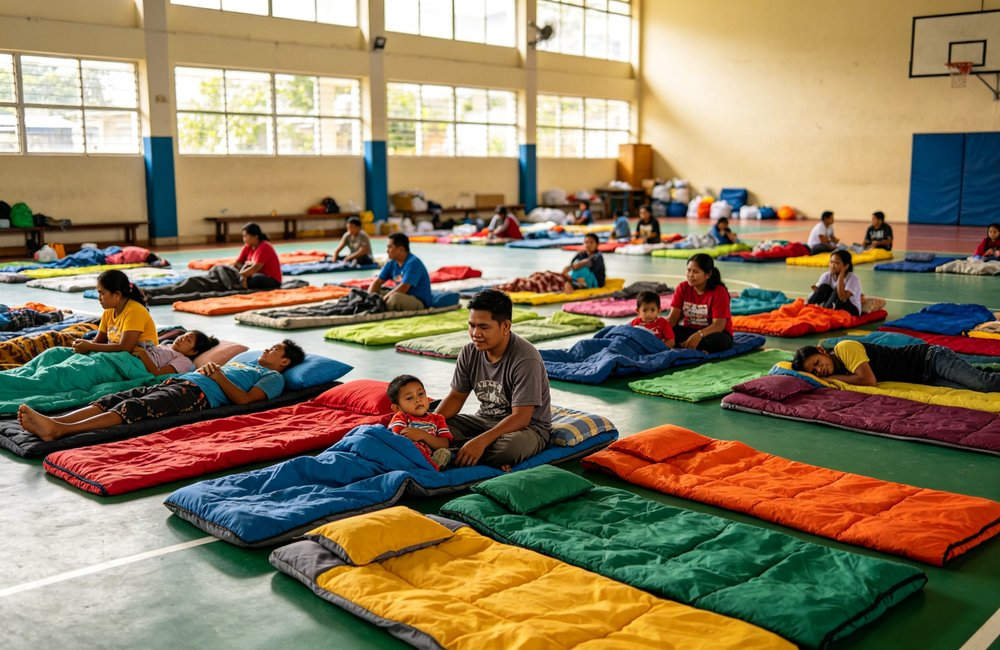
Choose the envelope shape when its roomier cut, side access, rectangular fit, or flat-open function solves a real accommodation need. Choose a closer shape when reduced open space and head coverage matter more.
The final comparison should use the same evidence fields. Review dimensions, shell, lining, filling, weight, zipper, temperature scope, sleeping surface, packing, and care. This prevents a familiar product name from replacing a real suitability check.
Document the reason for the final shape in one plain sentence. For example, the project may prioritise indoor movement space or exposed-site head coverage. That reason keeps later quotations and samples comparable.
When comparing sleeping bag configurations for institutional bulk orders, use the table below to align specifications across suppliers. This comparison helps buyers evaluate shell fabric, filling, construction, and suitability for emergency shelter, temporary accommodation, and rotation use scenarios.
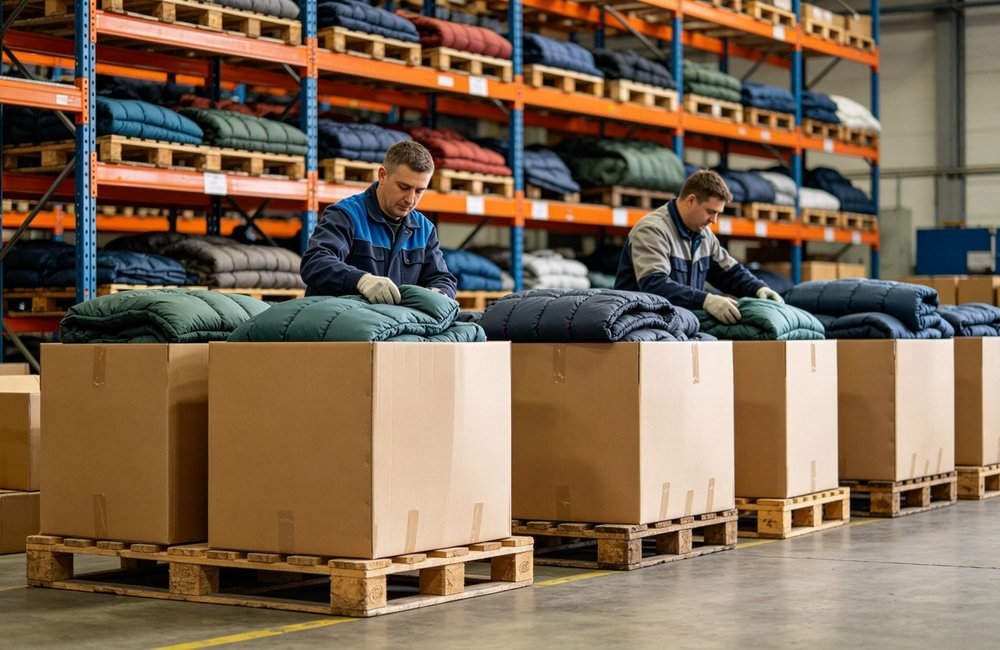
For emergency relief and institutional accommodation projects, confirm the actual water exposure before selecting the shell configuration. A sample test on the planned sleeping surface is recommended before finalizing bulk quantities and OEM sleeping bag customization details.
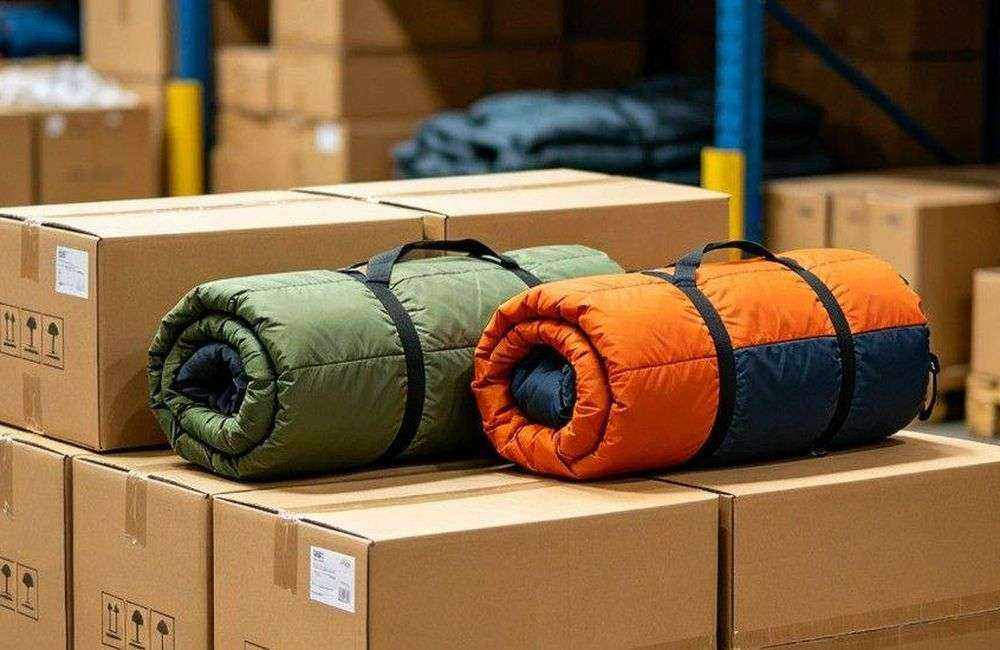
When sourcing wholesale sleeping bags for institutional accommodation programs, understanding the differences between envelope, mummy, and rectangular shapes is critical for procurement success. Each design serves different user needs, space constraints, and warmth requirements across diverse deployment scenarios. This comprehensive comparison helps sleeping bag supplier buyers and bulk sleeping bags purchasers make informed decisions based on actual deployment conditions, user demographics, and long-term cost efficiency.
|
Feature |
Envelope Style |
Mummy Sleeping Bag |
Rectangular Style |
|
Shape |
Rectangular with hood |
Tapered, form-fitting |
Full rectangular |
|
Warmth Efficiency |
Good |
Excellent |
Moderate |
|
Interior Space |
Roomy |
Restrictive |
Most spacious |
|
Weight |
Medium |
Lightest |
Heaviest |
|
Stacking/Storage |
Excellent |
Moderate |
Good |
|
ideal for |
Institutional shelters |
Cold weather outdoor |
Indoor cots |
|
Flat-open as Blanket |
Yes |
No |
Yes |
The envelope style represents the optimal balance for most institutional procurement scenarios, offering sufficient warmth while maintaining the versatility to function as a flat blanket when needed. Bulk sleeping bags in envelope style are particularly popular for emergency shelters and school accommodation programs across Africa and Southeast Asia.
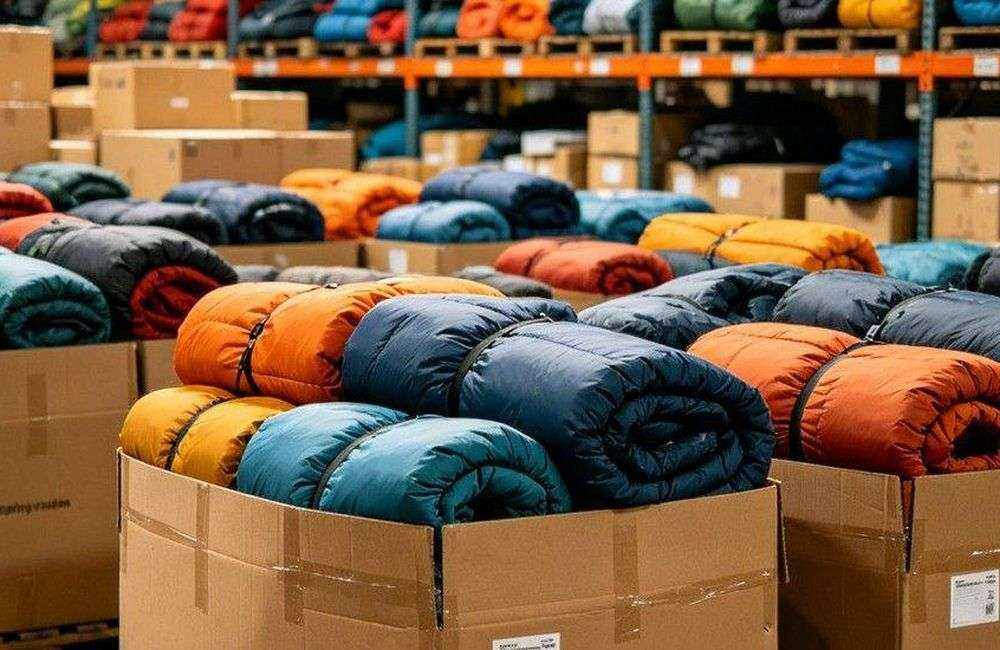
These real-world examples demonstrate how envelope sleeping bags perform in different institutional settings. Each case represents a distinct procurement challenge and solution verified by our sleeping bag manufacturer quality team.
A provincial education department in Mozambique sourced 4,000 envelope-style polyester sleeping bag units for rural boarding schools. The envelope shape was selected because students could use them as flat blankets during warm evenings and zip up for colder winter nights. The sleeping bag packing was optimized for compact storage during school holidays, with each bag compressing to one-third of its open size.
Following seasonal flooding in central Laos, a humanitarian organization deployed 2,500 envelope sleeping bags to temporary evacuation centers. The flat-open feature proved essential because shelter floors were shared communal spaces, and users needed flexible coverage options. The sleeping bag delivery was completed within 14 days of order confirmation, with ODM sleeping bags featuring the organization logo on each carry bag.
A regional hospital network in Senegal ordered 1,800 envelope sleeping bags for patient companion accommodation. The rectangular interior allowed caregivers to rest comfortably alongside patients, while the sleeping bag lining material was selected for easy cleaning and infection control. Custom sleeping bags with hospital branding were produced through our OEM service.
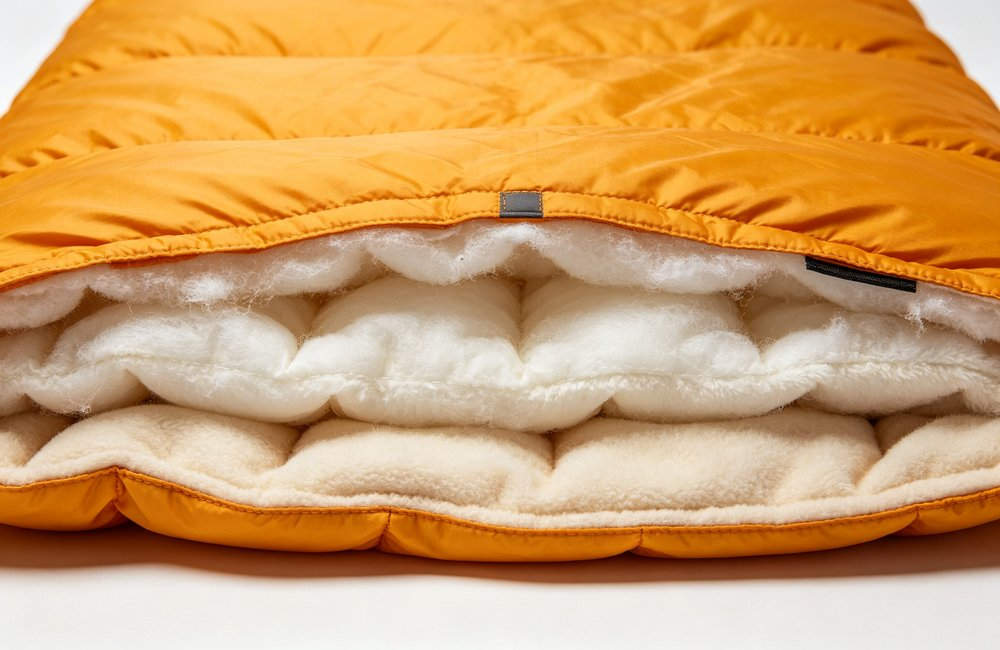
For institutional buyers requiring specific configurations, our OEM sleeping bags and private label programs offer comprehensive customization options tailored to organizational needs. Understanding these options helps buyers specify exact requirements during the sleeping bag quotation process and negotiate optimal sleeping bag price points. The following table outlines available customization elements, minimum order quantities, and production lead times for each modification type.
The sleeping bag MOQ for custom configurations typically starts at 300-500 units depending on the modification level. Private label sleeping bags are popular with NGOs and government procurement programs that require organizational branding on both the product and packaging.
|
Customization Element |
Available Options |
MOQ Requirement |
|
Shell Fabric |
170T/190T/210T polyester, ripstop, water-resistant coating |
500 units |
|
Insulation Type |
Polyester batting, hollow fiber, thermal insulation layers |
300 units |
|
Size Dimensions |
Standard (190×75cm), XL (210×85cm), child size (160×65cm) |
500 units |
|
Color Selection |
Navy, olive, orange, blue, gray, custom Pantone colors |
1000 units |
|
Logo Printing |
Silkscreen, embroidery, woven label on chest/storage bag |
300 units |
|
Zipper Type |
Two-way YKK, anti-snag, left/right side opening |
500 units |
Every batch of fabric, zippers, and insulation materials undergoes rigorous incoming inspection before production begins. This includes verifying fabric weight, tensile strength, color fastness, and zipper durability against specified procurement requirements.
During production, quality inspectors perform checks at critical stations including cutting, sewing, filling, and final assembly. Each sleeping bag must pass stitching uniformity, filling distribution, and zipper functionality tests before moving to the next production stage.
Institutional buyers must verify that suppliers maintain consistent sleeping bag quality control processes. Our factory implements multi-stage inspection protocols and holds relevant certifications for international markets.
Every production batch undergoes sleeping bag testing including zipper durability cycles (minimum 5,000 operations), fabric tear resistance, filling weight verification, and stitching uniformity. BSCI sleeping bags certification ensures ethical production practices, while ISO 9001 quality management systems provide consistent output across large orders.
Key sleeping bag certification documents available upon request include material safety data sheets, flammability test reports, and factory audit reports. These documents are essential for government tenders and NGO procurement requiring compliance verification.
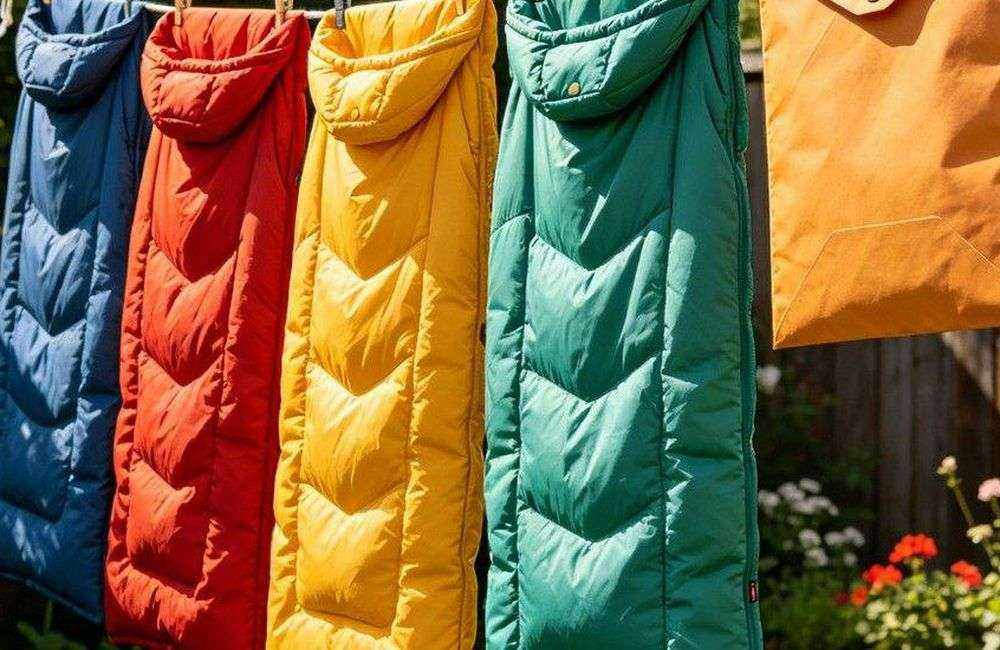
Envelope sleeping bags should be machine washed in cold water with mild detergent, avoiding bleach and fabric softeners that can degrade water-resistant coatings. Industrial laundry facilities should use front-loading machines to prevent insulation clumping.
After washing, sleeping bags must be thoroughly dried in large-capacity dryers on low heat settings. For long-term storage, bags should be loosely folded or hung in ventilated areas rather than kept compressed, which preserves insulation loft and extends product lifespan.
Institutional sleeping bags experience significantly more handling and cleaning cycles than consumer products. Understanding proper care procedures extends product lifespan and reduces long-term sleeping bag cost per use.
Envelope styles are particularly suitable for high-turnover environments because their flat construction allows machine washing without damaging insulation layers. The sleeping bag insulation should be fully dried after each wash to prevent clumping. Industrial laundry facilities serving shelters and schools typically achieve 50+ wash cycles with proper maintenance.
Storage conditions also affect durability. Bags should be stored in dry, ventilated areas using the sleeping bag storage bag rather than the sleeping bag compression sack for long-term periods. Compression sacks are designed for transport only; extended compression reduces insulation loft over time.
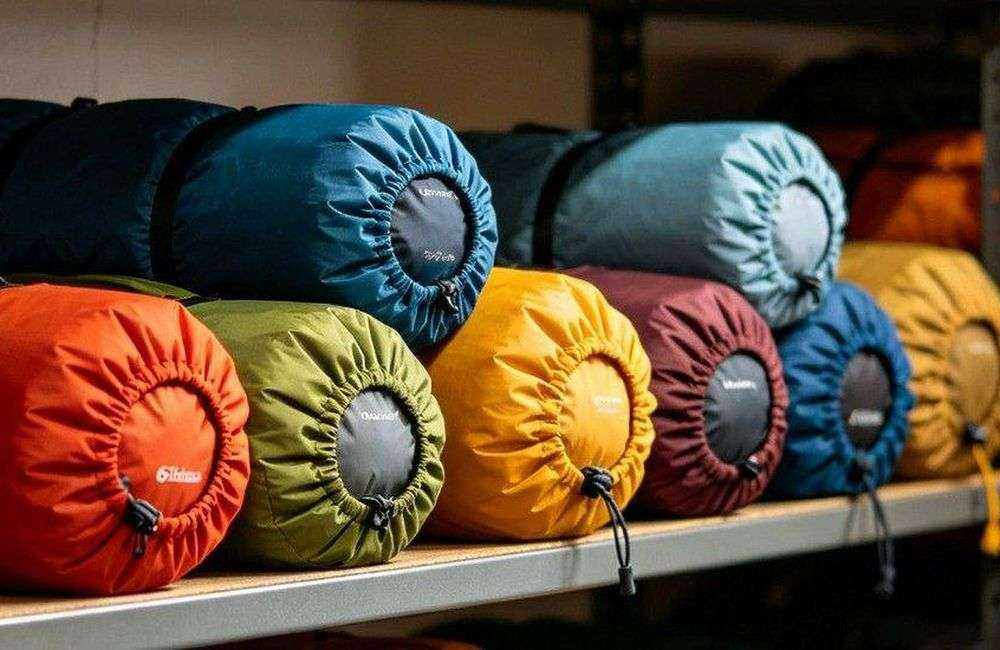
Yes, when sleeping places are predictable and users benefit from a rectangular shape, easy side-zip access, and more room to turn. They are often practical on folding cots, bunks, mattresses, or defined floor spaces inside buildings or dependable shelters. They are less suitable when users face exposed low-temperature conditions, strong drafts, or a clear need for close head and shoulder coverage.
Buyers should compare the exact dimensions, filling, temperature evidence, opening, and sleeping surface before selecting one configuration.
Confirm the user group and bed layout with one production-representative sample. Record why the selected shape fits, because the same answer may not apply to another room or season.
A hooded or closer shape may be better when head coverage, reduced open space, and stronger heat retention matter more than movement room. This can apply to colder field conditions, exposed tents, or users expected to remain in one sleeping position. The decision still depends on the verified filling, construction, temperature reference, and shelter.
A hood does not prove a temperature rating by itself. Compare a sample of both shapes with the same user clothing, sleeping surface, and environmental conditions.
Request the dimensions, filling details, packed weight, and applicable temperature evidence for both options. Choose by the project condition, not by the visual presence of a hood.
Some envelope configurations can unzip and open flat, but the exact zipper length and connection must be confirmed. Flat-open use can help during warmer periods, provide a light cover, or make airing easier. It does not automatically replace a separate blanket for every temperature or user.
Check the finished open size, zipper stops, exposed hardware, lining, and whether two bags are designed to connect. Do not assume this function from the rectangular appearance alone.
Ask the supplier to demonstrate the opening on the quoted sample. Record the open dimensions and intended use so the optional function is not mistaken for a verified blanket specification.
Use the actual user group, clothing, bed width, turning space, and aisle layout. A wider bag can improve movement and side entry, but it may extend beyond a narrow cot or occupy more packed volume. A narrower bag can reduce unused internal space but may restrict larger users or heavy clothing.
Compare the finished bag on the intended cot, bunk, mattress, or floor area. Leave enough clearance for zippers and safe movement beside neighbouring sleeping places.
Include the largest expected user and normal clothing in the sample check. A written width is useful only when the user can enter, turn, and leave safely in the planned space.
No. Shape is only one part of warmth. Shell, lining, filling type, filling amount, quilting, openings, zipper protection, user clothing, sleeping surface, shelter, wind, humidity, and temperature conditions all matter.
Use only a temperature reference tied to the exact construction and evidence scope. For institutional accommodation, decide whether movement room or closer heat retention has priority. Do not turn one filling or temperature value into a promise for every envelope sleeping bag.
Ask for evidence tied to the exact quoted materials, filling, size, and construction. Compare warmth claims under the same shelter, surface, clothing, wind, and humidity assumptions.
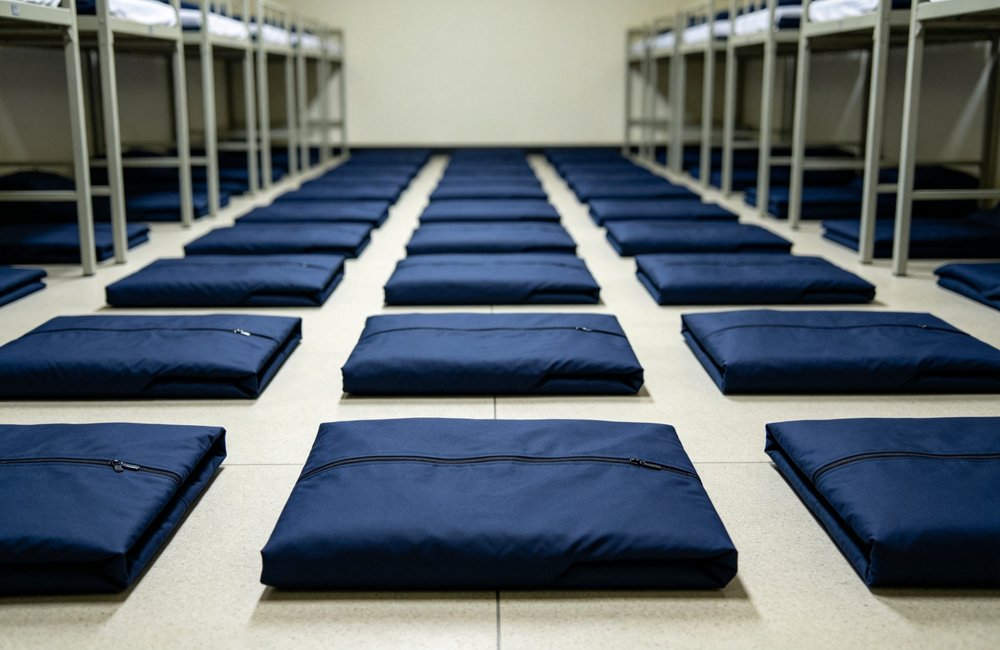
Only when the selected zipper direction, length, slider, teeth, and connection design are compatible. Some configurations support pairing, while others do not. Confirm whether left and right versions are needed and whether the connected open size fits the intended use.
Test the actual samples before ordering. Zipper compatibility depends on the exact direction, length, slider, teeth, and connection design. Also check whether connecting two bags changes warmth, opening control, bed fit, cleaning, or the ability to separate users when required.
State the intended pairing function in the inquiry and ask for matching sample units. The supplier should identify zipper sides, connection direction, and the resulting open dimensions.
Check the zipper side, length, direction, slider movement, end stop, protective flap, seam attachment, and access from the intended bed position. The user should be able to enter and leave without the zipper hitting a wall, frame, neighbouring bed, or narrow aisle. Operate it while the sample is occupied and again after flat-open use.
Repeated movement should not pull the lining into the teeth. Any compatibility or durability statement must belong to the quoted construction.
Record which opening side works in each room layout. Ask the supplier to return the exact zipper specification and show any available protective flap or anti-snag detail.
Often yes. A sleeping bag provides insulation around the user, but it does not automatically stop heat loss or moisture from the floor. Hard, cold, damp, slatted, or mesh surfaces can change comfort and warmth.
Match the sleeping bag with the actual cot, bunk, mattress, or ground layer. For floor use, consider a separate moisture and sleeping bag insulation layer. Do not treat a water-repellent shell or thick filling as proof that no sleeping surface is required.
Describe the floor or bed construction in the inquiry. Ask the supplier to separate sleeping-bag performance from any mat or mattress requirement in the proposed configuration.
Compare the care instructions, drying conditions, removable parts, zipper protection, lining, filling, and packed form for the exact configuration. A bag that opens flat may be easier to air, but that does not prove every cleaning method is suitable. Test whether staff can fold and repack the sample without excessive force or damage.
If repeated cleaning matters, request evidence that applies to the selected material and construction. Do not assume a universal wash count or service life.
State the expected cleaning method and frequency before choosing materials. Ask for applicable care information, packed dimensions, and a sample repacking check rather than a generic durability promise.

Share the environment, bed dimensions, quantity, destination, and packing needs.
For bulk orders, OEM customization, and wholesale pricing from a China sleeping bag manufacturer, contact our team to receive comparable configurations and factory-direct quotes.
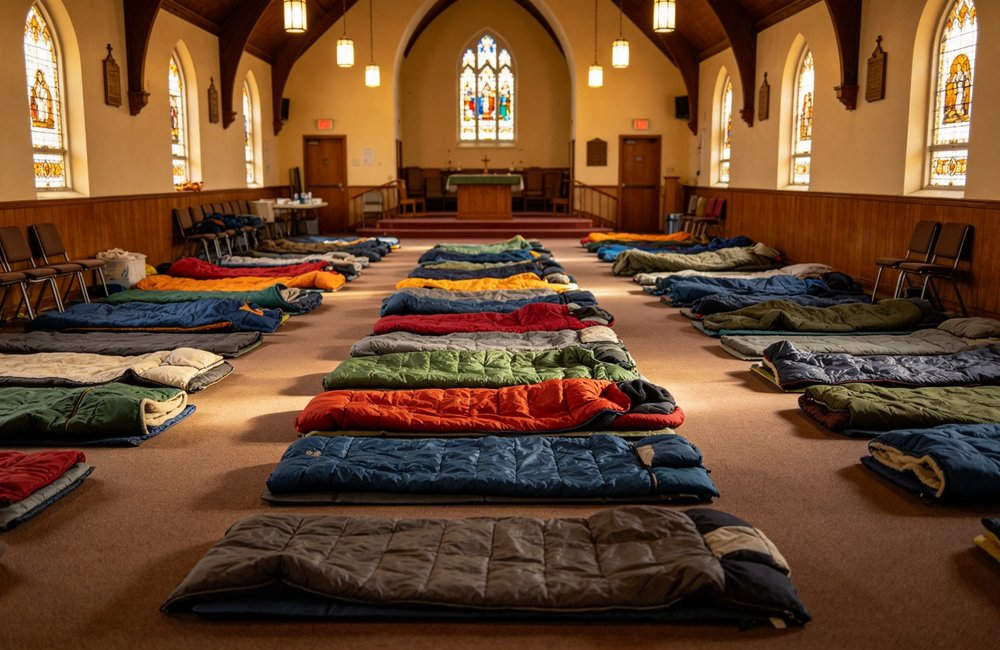
Get comparable configurations, bulk pricing, and OEM sleeping bag customization options from our factory.

This guide covers key terminology for institutional sleeping bag procurement. Understanding these terms helps buyers communicate effectively with suppliers and evaluate quotations accurately.

Contact our B2B team for customized quotations and sample evaluation.
 |
 |
Liens amicaux :
droits dauteur © Custom Disaster - Relief Bedding: Tents, Sleeping Bags, Blankets Tous les droits sont réservés
léquipe professionnelle au service !