Catégories
dernier blog
Disasters can strike at any time—whether it's a hurricane, earthquake, wildfire, or power outage. Having a well-prepared emergency kit list is the first step to protecting your family when help is on the way. This comprehensive emergency supplies list covers 37 essential items that every household should include in their disaster preparedness kit, from water and food to lighting, communication, and shelter supplies. As a leading emergency supplies manufacturer and emergency survival kit supplier serving relief organizations worldwide, we've curated this emergency kit checklist based on real field needs. Whether you're building a home emergency kit from scratch or restocking an existing one, this guide covers everything you need to know about what should be in an emergency kit.
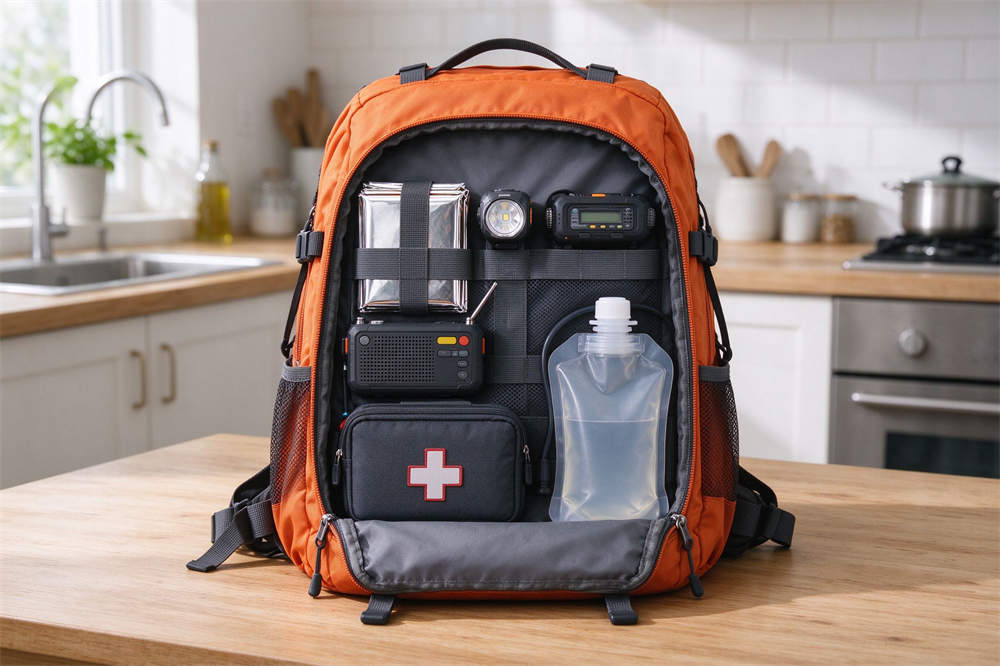
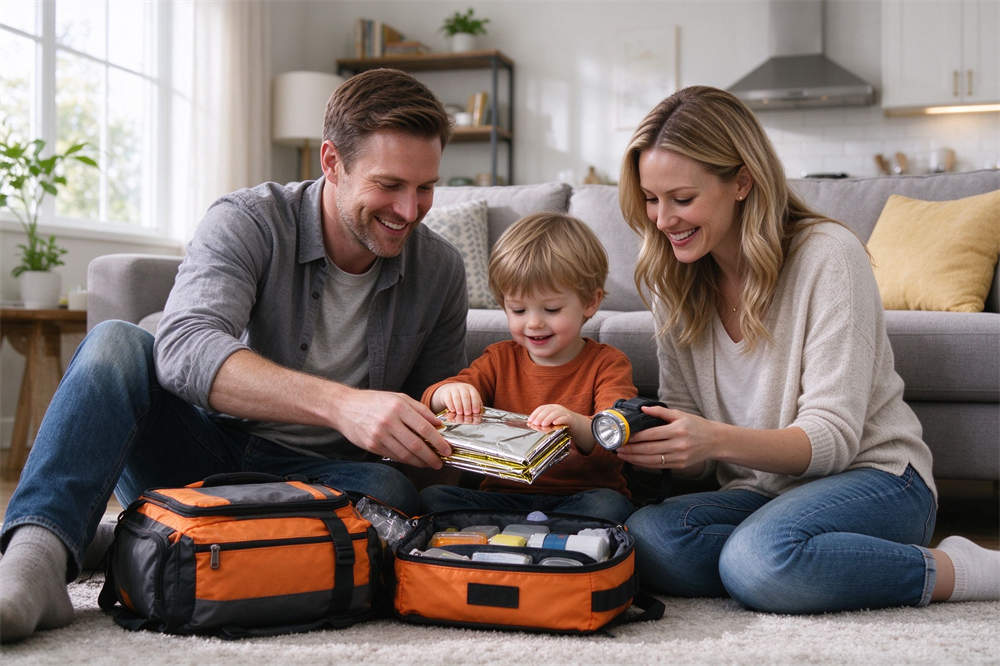
After supplying emergency survival kits to thousands of families, we see the same mistakes over and over. Don't make these—they could cost you precious time when disaster hits.
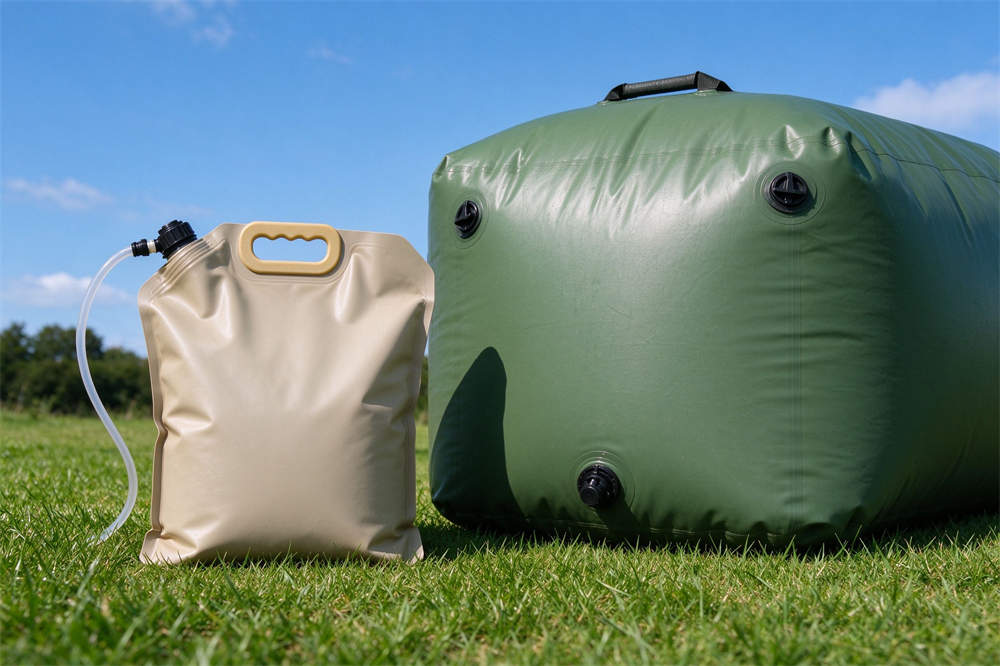
Bottled water takes up a huge amount of space, expires after 6-12 months, and you can't refill it from a rain barrel or stream. Instead, use foldable water tanks that collapse flat when empty and can be filled from any clean source. They cost less, take up 80% less space, and last for years.
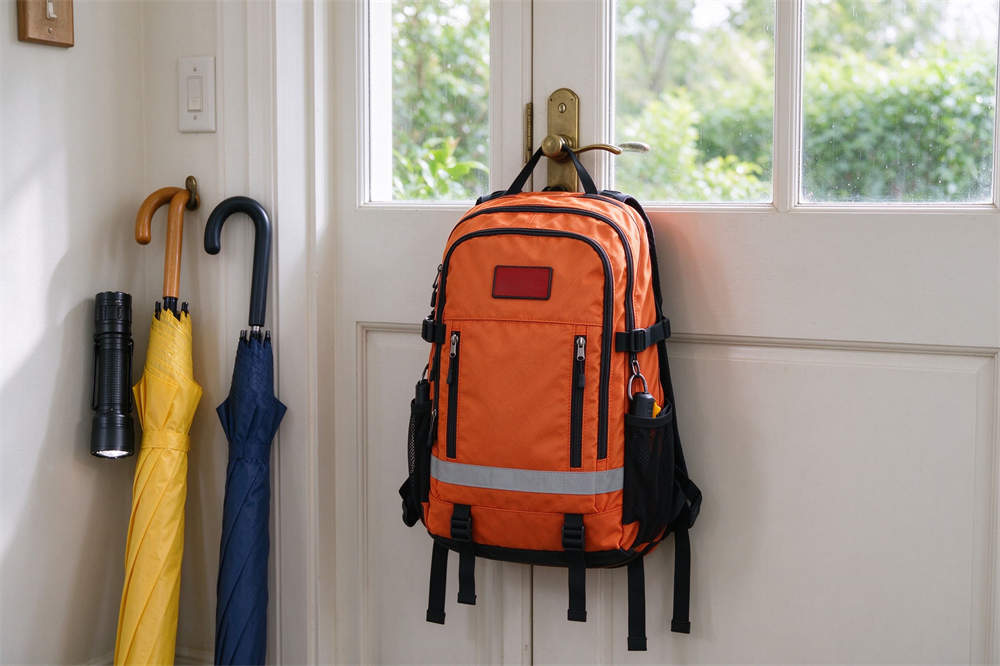
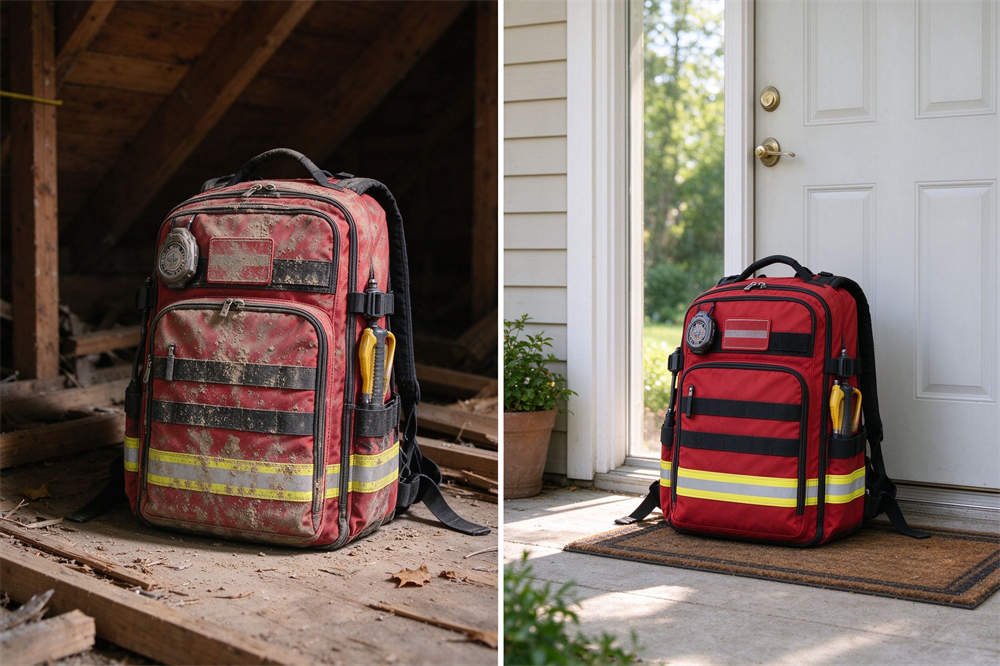
Floods come to basements. Fire blocks attic exits. Your kit needs to be by the front door or a ground-floor closet—somewhere you can grab in 60 seconds while running out the door. We've seen families lose their entire kit to basement floods because they stored it "out of the way."
If the power is out, you can't recharge. Rechargeable flashlights die after 4-8 hours. You need hand-crank or solar-powered devices that never need batteries. Our hand-crank radios run forever—just crank for 1 minute, get 10 minutes of light.
A family of 5 needs a different kit than a single person. A grandparent living alone needs easy-open packaging and large-print instructions. A family with a baby needs formula and diapers. Don't buy the cheapest one-size kit—customize it. We can build a kit tailored to your family's exact needs.
We've had customers call us after a storm saying "my flashlight doesn't work"—they never checked it for 3 years. Do a "kit drill" every 6 months. Turn on every flashlight. Check every battery. Rotate every expired food. You don't want to discover your kit is useless when you need it most.
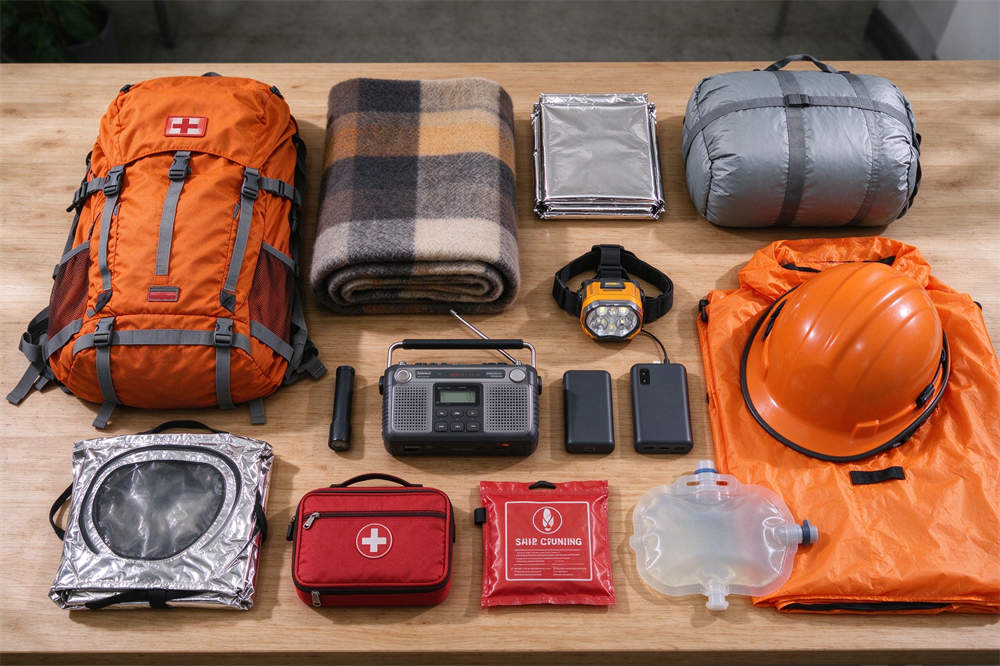
Water is the #1 priority on any emergency kit list. The Ready.gov emergency supply checklist recommends at least one gallon of water per person per day for at least three days. For a family of four, that's 12 gallons minimum. In hot climates or during strenuous activity, you'll need even more.
Many families make the mistake of only storing bottled water, which takes up huge amounts of space and expires after 6-12 months. Modern emergency water storage uses collapsible containers that take up almost no room when empty and can be filled from any clean water source—tap water, rainwater, or even a stream (with purification).
Item
Quantity
Why You Need It
Foldable water tanks (20L / 10L / 5L)
2-3 per person
Space-saving, easy to store, can be filled from any clean water source. BPA-free, food-grade PVC.
Collapsible water bladders (1000L / 5000L)
1 per shelter
For emergency shelters and community distribution centers. Can be deployed in minutes.
Manual water pump
1 per kit
To transfer water from storage containers to smaller bottles for carrying.
Pro Tip: Rotate your stored water every 6 months. Mark the fill date on each container. Our 20L foldable tanks fold flat to just 5cm thick when empty, so you can store dozens of them in a closet or under a bed.
Your emergency food supply list should include non-perishable, easy-to-prepare foods that don't require refrigeration or cooking. The Red Cross emergency kit guide recommends a three-day supply minimum, but we suggest building up to a two-week supply if space allows.
The best emergency foods are high in calories, require no refrigeration, and can be eaten right out of the package. Avoid foods that make you thirsty—they'll drain your water supply faster. Also consider any special dietary needs: diabetes, gluten allergies, baby formula, or elderly family members who need soft foods.
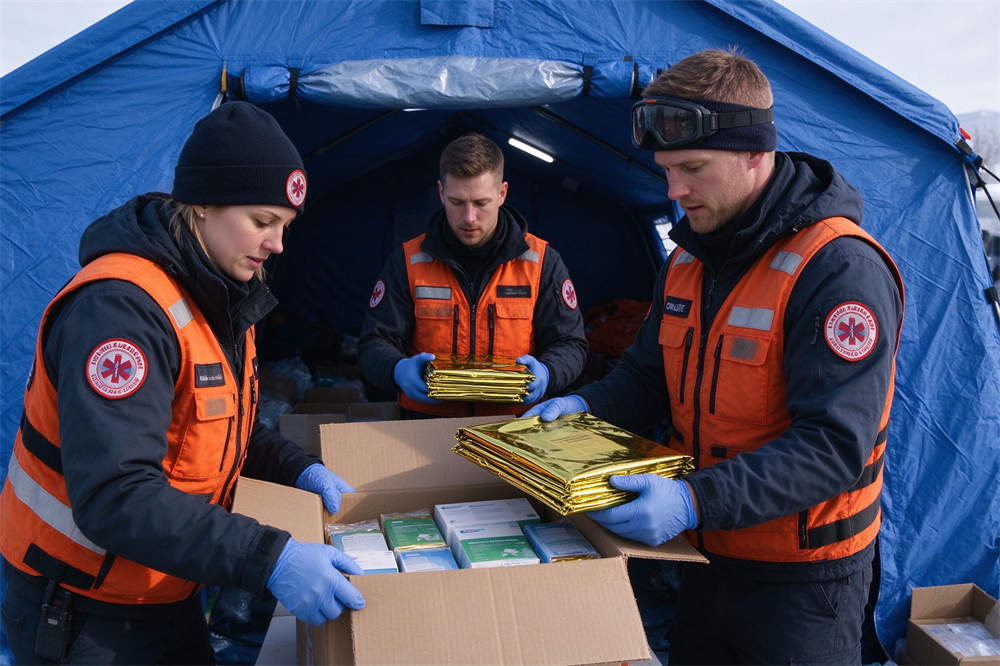
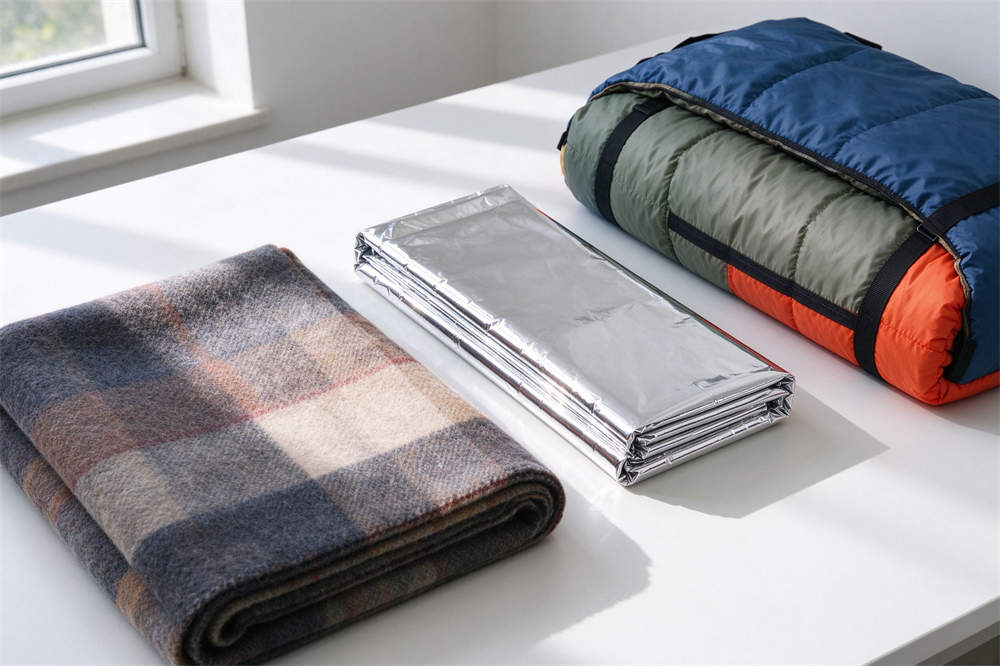
When disasters strike, temperatures can drop quickly—especially after winter storms, at night in emergency shelters, or if your home's heating is knocked out. Shelter and warmth items are often overlooked on a basic household emergency kit list, but they're critical for preventing hypothermia, which can set in even in 50°F (10°C) weather if you're wet or exposed to wind.
Item
Why It's Essential
Emergency wool blankets (550gsm thick)
Warm even when wet, flame retardant, 10+ year shelf life. The same spec used by the Red Cross.
Emergency sleeping bags (mummy style)
Compact, lightweight, rated for 20°F (-7°C). Packs down to size of a water bottle.
Mylar thermal blankets
Reflects 90% of body heat, ultra-lightweight. Keep one in every bag and car.
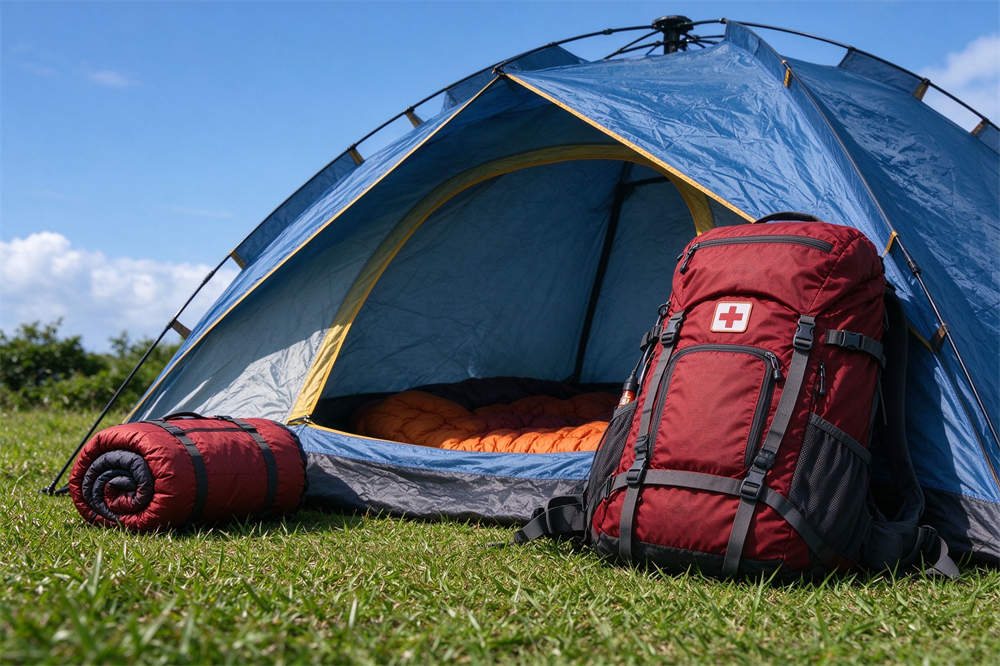
Pop-up tents
For family evacuation and temporary shelter. Sets up in 60 seconds, no tools needed.
Folding cots
Keeps you off cold, damp ground. Essential for shelters where floor space is limited.
Our recommendation: Our 550gsm wool blankets are the same specification used by the Red Cross and UNHCR for refugee relief. They're thick, warm, and built to last through multiple emergency deployments. We supply them in bulk to relief organizations worldwide.
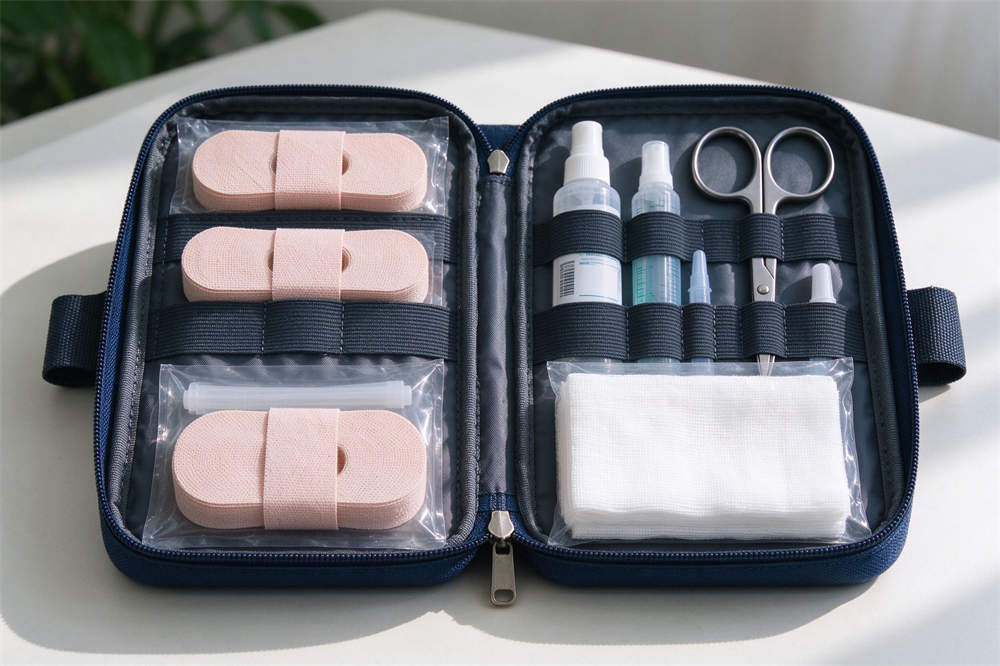
A well-stocked first aid emergency kit is one of the most important items on your emergency kit list. When disaster strikes, medical help may be hours or even days away, so being able to treat minor injuries immediately can prevent infection and save lives. The Red Cross first aid kit guide recommends at minimum adhesive bandages, gauze pads, antiseptic wipes, and tweezers.
We offer a range of pre-assembled emergency first aid kits in different sizes, suitable for homes, offices, vehicles, and outdoor use. All our kits meet CE and FDA standards and are manufactured in our ISO9001 certified factory. We also offer OEM and private label services for organizations that need custom-branded kits.
Kit Size
Components
Ideal For
122-Piece Hard Case Kit
Bandages, gauze, antiseptic wipes, gloves, scissors, tweezers, CPR mask, emergency blanket, instant cold pack, splint
Homes, offices, schools, community shelters
113-Piece Medium Soft Bag
Same as hard case, plus emergency whistle, duct tape, rain poncho, safety pins
Outdoor hiking, vehicle trunk, evacuation backpack
21-Piece Compact Kit
Bandages, gauze, antiseptic wipes, gloves, scissors, whistle, emergency blanket
Compact home use, car glove box, backpack
9-Piece Mini Pouch
Bandages, antiseptic wipes, gauze tape, emergency whistle
Pocket carry, purse, day pack
Pro Tip: For a family of four, we recommend the 122-piece hard case kit for home storage, plus a 21-piece compact kit for each vehicle. All components are individually sealed and have a 3-year shelf life. Don't forget to add any prescription medications your family needs—keep a 7-day supply in your kit.
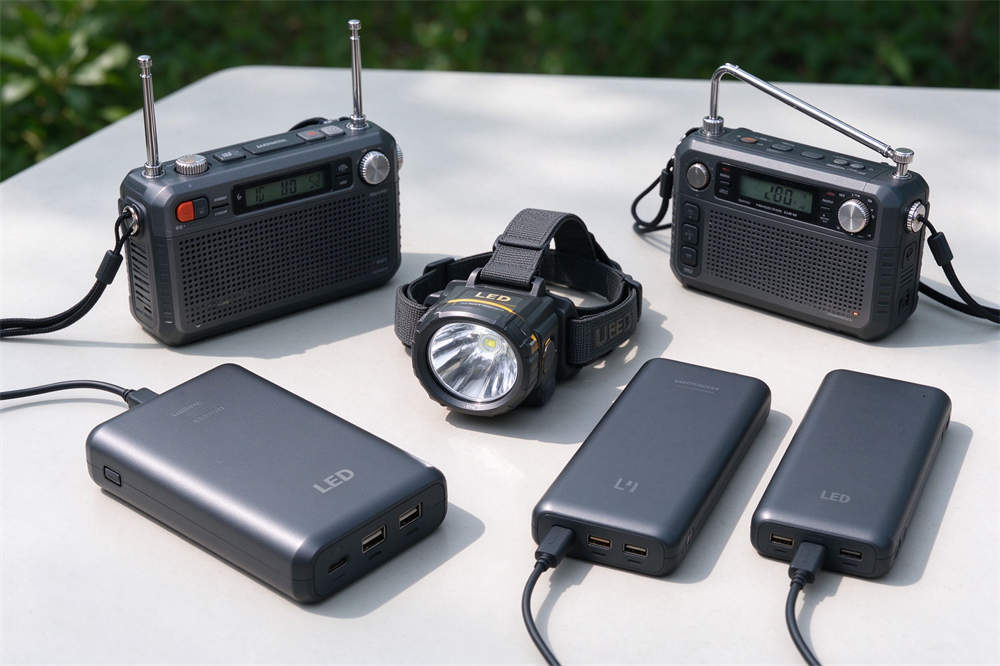
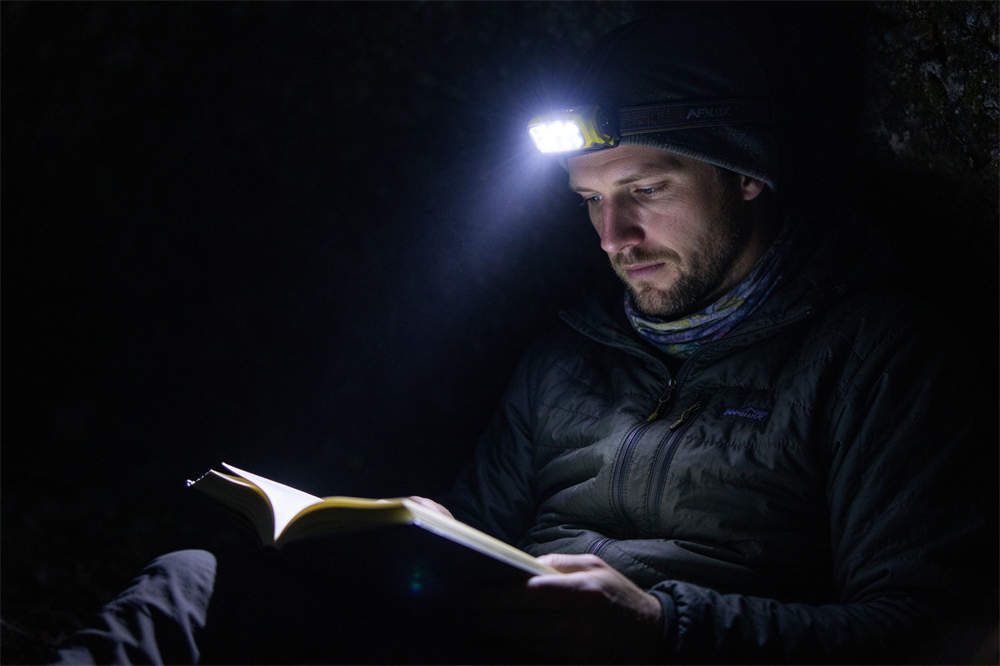
Power outages are one of the most common effects of disasters—hurricanes, winter storms, and earthquakes all routinely knock out power for days or even weeks. That's why lighting and power supplies are non-negotiable items on any home emergency kit list. Without power, you can't charge your phone, keep food cold, or see after dark.
|
Item |
Why It's Essential |
|
LED headlamps (hands-free) |
Keep your hands free for tasks while working in the dark. Much better than holding a flashlight. |
|
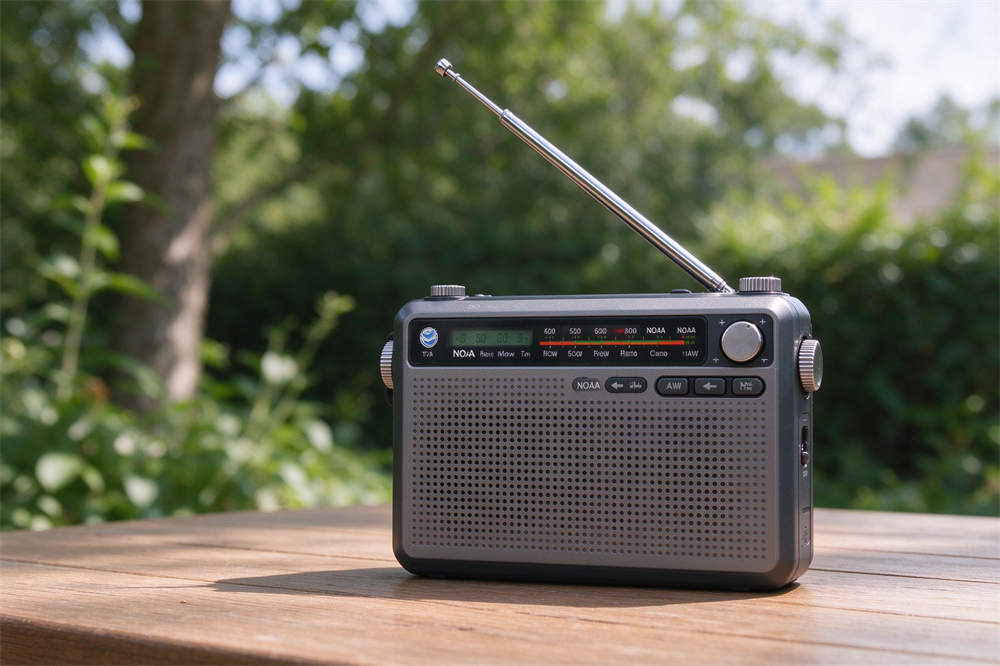
Hand-crank emergency radio |
No batteries needed—crank for 1 minute to get 10 minutes of light/radio. Also charges your phone. Receives NOAA weather bands. |
|
Power bank (20000mAh) |
Keep your phone charged for communication when cell towers are working. Look for solar-charging models. |
|
Portable generator |
For longer outages, power medical devices, refrigerators, and communication equipment. Never run indoors—carbon monoxide risk. |
|
Mobile lighting tower |
For emergency shelters and relief operation sites. LED, solar or generator-powered. |
When disaster strikes, communication becomes critical. Cell phone networks can be overloaded or knocked out, and television and internet may be unavailable. That's why dedicated emergency communication devices are essential items on any emergency kit list. You need to know where the shelters are, what roads are closed, and whether it's safe to evacuate.
Item
Why It's Essential
Hand-crank NOAA weather radio
Receives emergency broadcasts, no batteries needed—crank to power up. Also has built-in flashlight and USB charger.
Whistle
Signal for help when you're trapped or need attention. Much louder than yelling, and uses way less energy.
Local area map (printed)
Cell phone GPS won't work when power is out. Have printed maps of your region and evacuation routes. Mark 2 meeting points: one right outside your home, one outside your neighborhood.
Emergency contact card
List of emergency phone numbers, meeting points, and medical info—keep it in your kit and one in everyone's wallet.
After a disaster, you may need to shut off utilities, clear debris, or make temporary repairs. A basic set of tools should be part of every disaster emergency kit list. You don't need a full toolbox—just the essentials that let you handle the most common post-disaster tasks.
|
Item |
Why It's Essential |
|
Folding military shovel |
Clear debris, dig drainage trenches, break ice. Folds to pocket size, weighs only 600g. |
|
Multi-tool (knife, pliers, screwdriver) |
For all kinds of small repair tasks around the house or in a shelter. One tool does 12+ jobs. |
|
Duct tape |
Fix almost anything—tarp repairs, temporary fixes, securing items. Duct tape is the universal emergency tool. |
|
Safety rope (50ft / 15m) |
Rescue, securing items, tying down tarps, climbing assistance. 8mm nylon, 500kg breaking strength. |
|
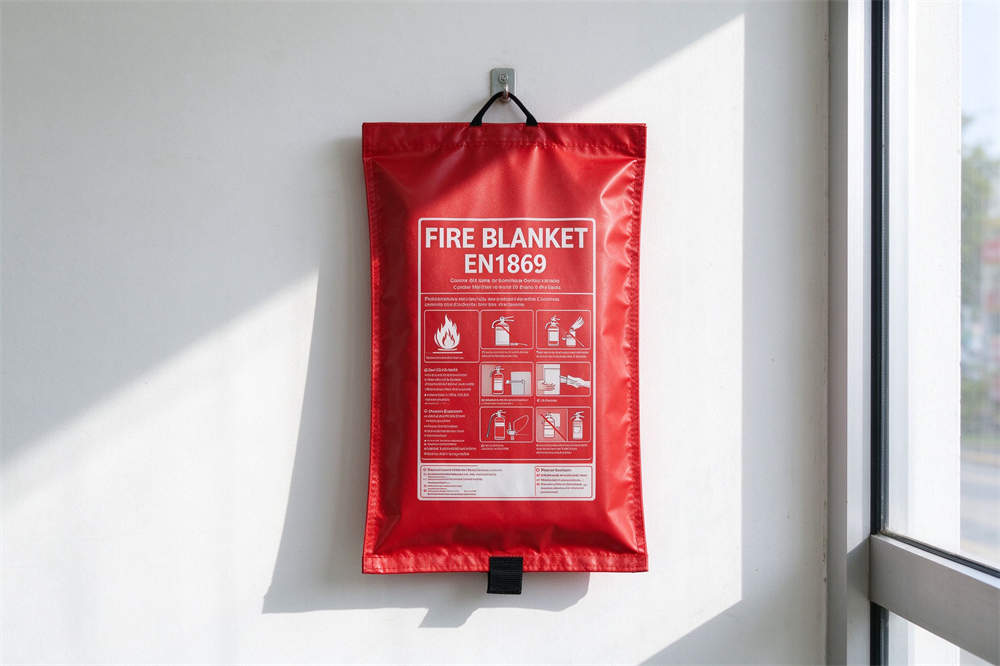
Fire blanket (1.2m × 1.2m, EN1869) |
SMOTHER small kitchen fires before they spread. Also wraps around you if your clothes catch fire. Fiber-glass, 550°C rated. Every kitchen should have one. |
|
Smoke hood (EN403 certified) |
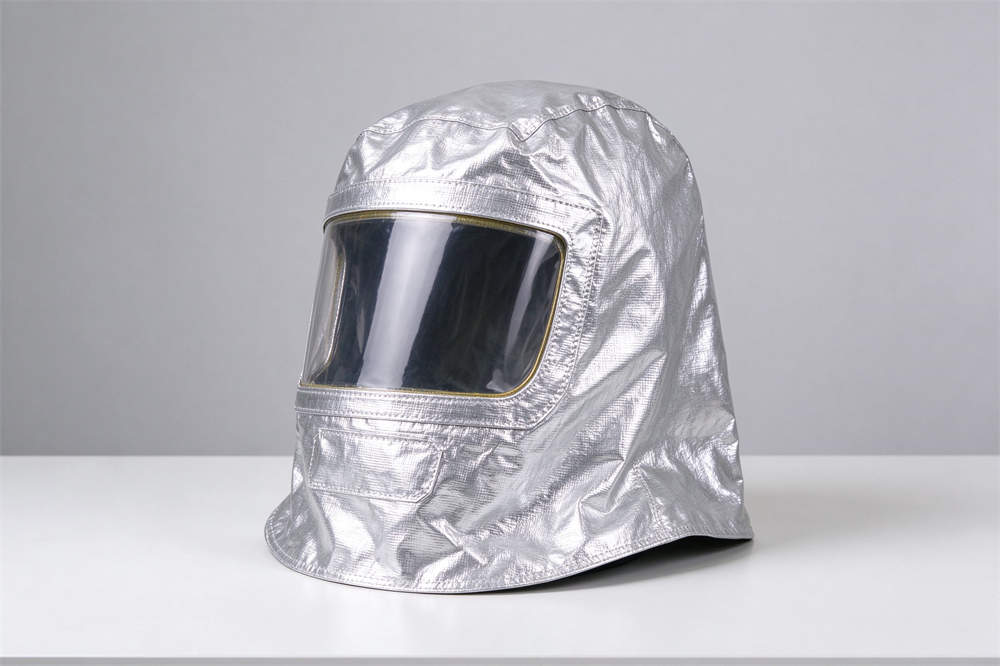
45 minutes of clean breathing air during a fire. 80% of fire deaths are from smoke inhalation, not burns. Keep one by every bedroom door. |
|
Fire extinguisher (small, ABC dry chemical) |
Put out small fires before they spread—especially important after earthquakes or storms that damage gas lines. Check pressure gauge annually. |
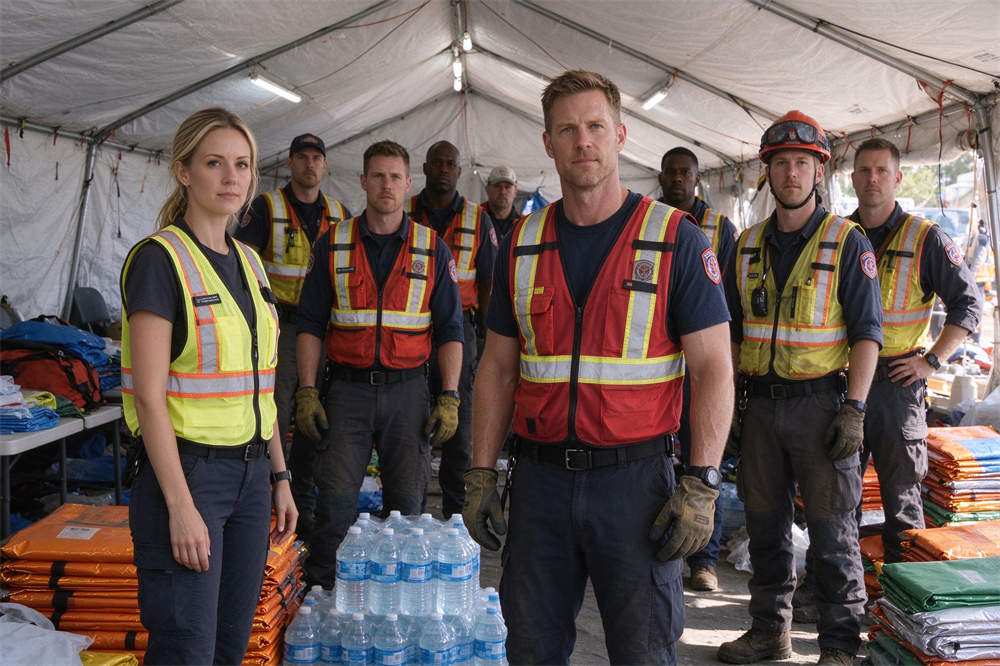
If you're outfitting a relief organization, NGO, or search-and-rescue team, your disaster emergency kit list needs additional professional-grade tools:
All these professional-grade relief supplies are available in bulk with OEM branding. Contact us for a full catalog.
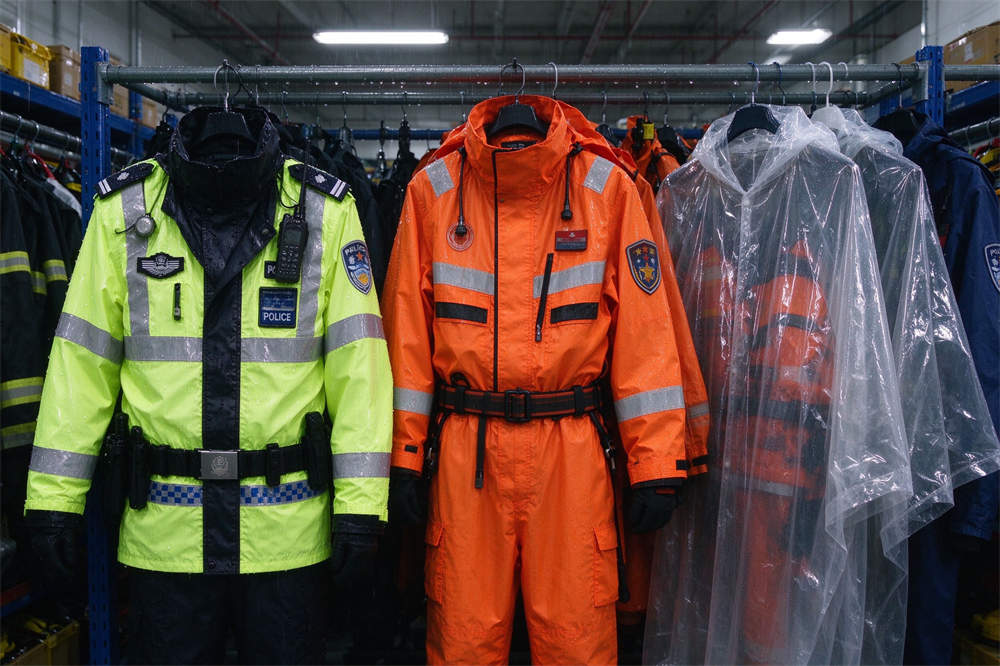
When you evacuate, you may be away from home for days—sometimes in unpredictable weather. Having extra clothing and weather protection is essential, especially in extreme temperatures. The key is to pack layers, not heavy one-piece outfits—layers let you adjust to changing temperatures.
After a disaster, sanitation systems may be compromised, which can lead to the spread of disease—norovirus, E. coli, and other illnesses spread quickly in crowded shelters. Basic hygiene supplies are an often-overlooked but critical part of any household emergency kit list. The CDC disaster cleanup guide emphasizes hand hygiene as the #1 way to prevent disease outbreaks after disasters.
Keep physical copies of important documents in a waterproof, portable container—ideally a fireproof and waterproof document bag. You'll need these for insurance claims, identification, accessing government services, and proving ownership after a disaster. The Ready.gov important documents guide lists exactly which documents to protect.
One of the most common questions we get is: "What size emergency survival kit do I need?" The answer depends on three factors: how many people you're preparing for, how long you want to be self-sufficient, and where you're keeping the kit.
As a wholesale emergency kits supplier, we offer pre-assembled kits in sizes from 9 pieces up to 122 pieces. Here's how to choose:
Kit Type
Best For
Key Features
9-Piece Mini Pouch
Pocket, purse, day pack
Bandages, antiseptic wipes, whistle, emergency blanket. Basic first aid for minor injuries.
21-Piece Compact Kit
Car glove box, solo hiker, office desk
All mini kit items plus gauze, scissors, gloves. For 1 person, 24-hour emergency.
88-Piece Comprehensive Backpack
Family of 2-3, home evacuation
First aid, blankets, light, radio, tools, water containers. 72-hour self-sufficiency. Available in orange or green.
96-Piece Disaster Preparedness Backpack
Family of 3-4, earthquake/hurricane zones
All 88-piece items plus fire blanket, smoke hood, multi-tool. Our best-selling disaster preparedness kit.
113-Piece Flagship Backpack
Family of 4-5, maximum preparedness
Full first aid, CPR mask, splint, all tools, solar radio. Camouflage tactical style, water-resistant.
122-Piece Hard Case Kit
Home base, office, school, community shelter
Professional-grade first aid, extended supplies. 3-5 day self-sufficiency. Durable hard plastic case.
Specialized Flood / Fire Kits
Flood zones / fire-prone areas
Flood kit: life jacket, waders, waterproof bags. Fire kit: fire blanket, smoke hood, fire gloves.
Custom NGO Relief Kits
Relief organizations, shelters, bulk orders
Custom contents, branded packaging, bulk pricing. MOQ from 100 units.
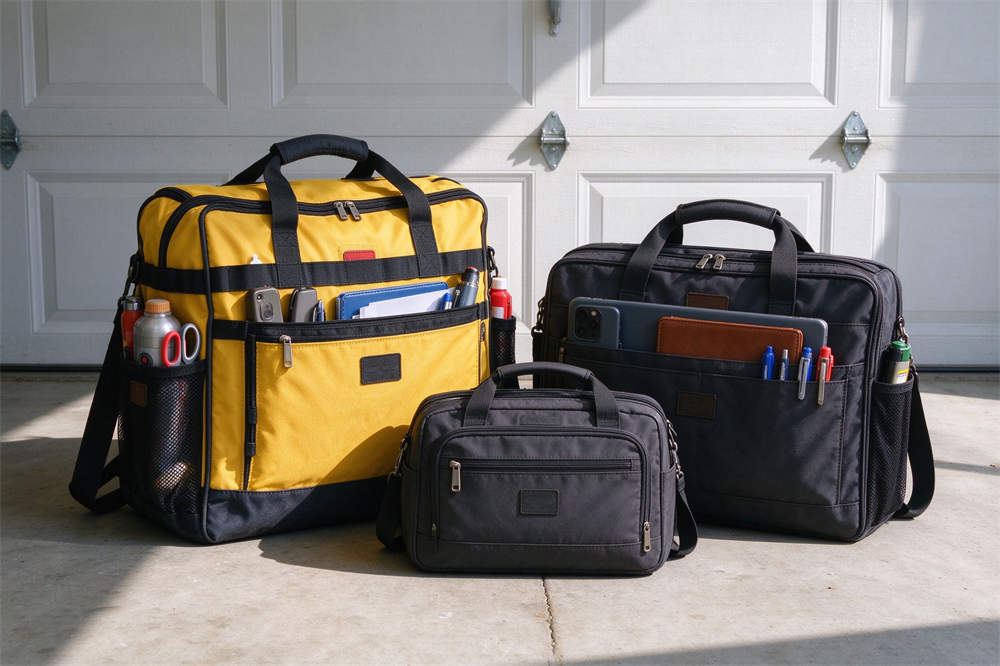
Many people think one emergency kit essentials list fits all situations—but the truth is, your needs are different depending on where you are when disaster strikes. Here's how to stock each location:
|
Category |
Home Kit |
Car Kit |
Office Kit |
|
Size |
Large (88-122 pieces) |
Compact (21-88 pieces) |
Small (9-21 pieces) |
|
Water |
20L foldable tanks |
1L bottles (rotate monthly) |
500ml bottle |
|
Food |
3-7 day supply |
Energy bars, 2 days |
Granola bars, 1 day |
|
Shelter |
Blankets, sleeping bags, tent |
Mylar blanket, rain poncho |
Mylar blanket |
|
Light |
Headlamp, radio, power bank |
Flashlight, jumper cables |
Small flashlight |
|
First Aid |
122-piece full kit |
21-piece compact |
9-piece mini |
|
Special Items |
Fire extinguisher, wrench |
Reflective vest, road flares |
Whistle, emergency contact card |
Our recommendation: Most families start with a 96-piece disaster preparedness backpack for home evacuation, plus a 21-piece compact kit in each car. As a bulk emergency supplies manufacturer, we can mix and match kit sizes for mixed orders—just tell us what you need. All our backpacks are water-resistant and come with a 1-year warranty.
Having a great emergency kit essentials list won't help if your kit is buried in the attic or locked in the garage. Location matters—you need to be able to grab it and go in under 60 seconds. The best approach is to have multiple kits in different locations.
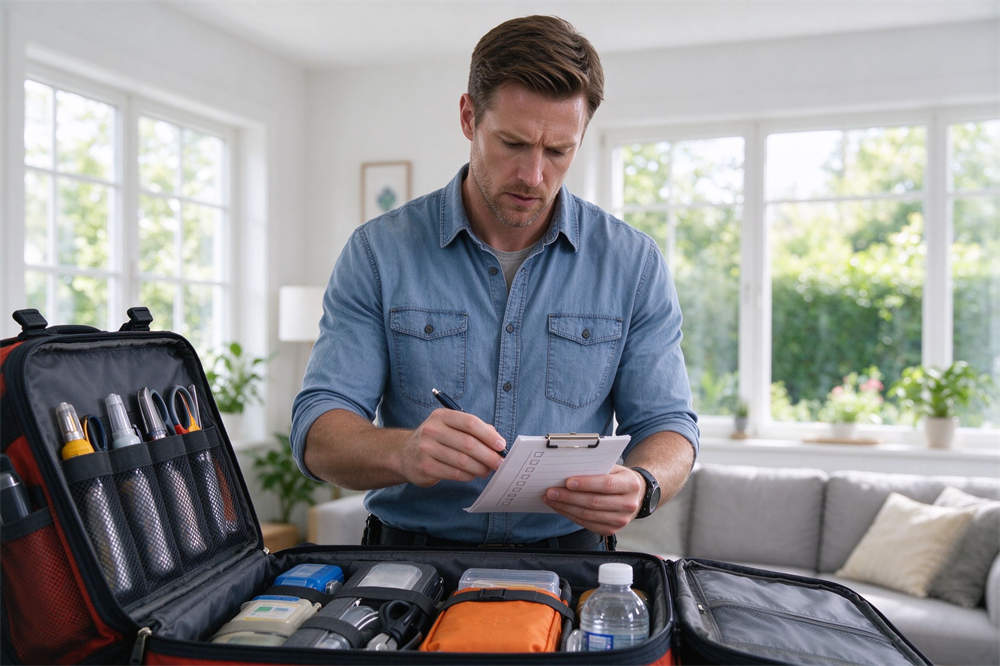
An emergency kit checklist isn't a one-time project—it needs regular maintenance. Food expires, batteries die, and medications lose their potency. We recommend doing a full kit check every 6 months—set a reminder on your phone for daylight saving time changes, which happen twice a year and are easy to remember.
A: A standard 72 hour emergency kit should include one gallon of water per person per day, non-perishable food for 3 days, a first aid kit, flashlight, hand-crank radio, batteries, extra clothing, blankets, and important documents. Our pre-assembled 113-piece emergency kit includes all these essentials and more, making it the perfect starting point for your family's emergency kit essentials.
A: Yes! We specialize in bulk emergency supplies and wholesale emergency kits for NGOs, relief organizations, schools, and government agencies. We offer OEM and private label services, and can customize kits to your specific requirements. Our emergency survival kits meet CE, FDA, and ISO9001 standards. MOQ starts at 100 units.
A: A home emergency kit should be larger (3-7 days of supplies), including blankets, sleeping bags, and a full first aid kit. A car kit should be more compact—focus on jumper cables, a flashlight, water bottles, a compact first aid kit, and a reflective vest. We offer both home backpack-style emergency kits and compact pouch kits for vehicles.
A: Check your kit every 6 months. Rotate food and water supplies before they expire. Batteries should be replaced annually. Blankets and sleeping bags last 10+ years if stored in a cool, dry place. We recommend doing a "kit drill" twice a year—pull everything out, check expiration dates, and practice using the items.
A: Both options work! Building your own lets you customize it for your family's specific needs. But a pre-assembled kit is a great starting point—especially if you're just getting started. We offer pre-assembled emergency kits in sizes from 9 pieces to 122 pieces, suitable for homes, offices, schools, and vehicles. All our kits are CE and FDA certified.
A: Add diapers, formula, baby food, bottles, and any medications your baby needs. Also include a favorite toy or comfort item to help reduce stress. We can customize emergency kits for families with infants or elderly family members—just let us know your specific needs.
A: Pricing depends on kit size, contents, order quantity, and customization. Our 21-piece compact kits start at under $5 per unit in bulk, and our 122-piece professional kits are priced per project. As a direct emergency supplies manufacturer, we offer factory-direct pricing with no middleman markup. Contact us for a custom quote with your specific requirements.
A: Yes! We ship worldwide to relief organizations, NGOs, government agencies, and distributors. Our kits are shipped in stackable cartons for easy container loading. Typical lead time is 15-30 days for bulk orders, depending on customization and order size.
A: They're often used interchangeably, but there's a subtle difference. An emergency kit is focused on short-term survival (24-72 hours) after a sudden disaster. A disaster preparedness kit is more comprehensive—built for longer self-sufficiency (3-7 days) and includes more supplies for shelter, warmth, and extended stays. Our 96-piece backpack is our most popular disaster preparedness kit, while the 21-piece compact is a classic emergency kit.
A: Yes! All our products meet international standards: CE certified, FDA registered, ISO9001 quality management system, RoHS compliant. Our fire blankets meet EN1869, our smoke hoods meet EN403, and our safety helmets meet EN397. We provide full certification documentation with every order. We supply kits to WHO emergency response teams and other international relief organizations.
Your emergency kit list isn't one-size-fits-all. If you live in a hurricane zone vs. an earthquake zone vs. tornado alley, your kit should look different. Here's what to add for your region:
Region
Extra Items to Add
Why
Hurricane / Flood Zones
Life jacket, waders, waterproof dry bags, pump sander
Storm surge and flooding are the biggest risks. Everything you own might get wet—keep your documents in a waterproof bag.
Earthquake Zones
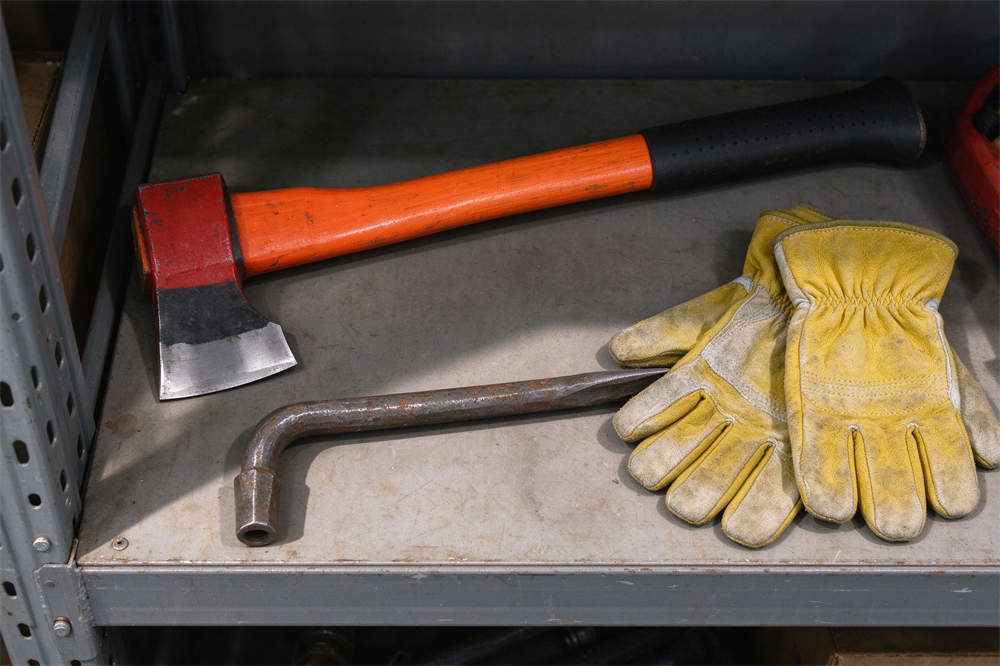
Hard hat, sturdy work gloves, pry bar, dust masks
You'll be crawling through broken glass and debris. Protect your hands and head.
Wildfire Zones
N95 masks, fire blanket, smoke hood, goggles
Smoke and ash fill the air for days. You need clean breathing air and eye protection.
Winter Storm Zones
Extra blankets, hand warmers, ice scraper, shovel
You might be stuck in your car for hours in freezing temperatures. Hypothermia is real.
Tornado Alley
Sturdy shoes, helmet, whistle, water-resistant clothing
You'll be in a shelter (basement or bathroom) for hours. Debris can fly through the air.
One size truly does not fit all. Here's what to add based on who's in your family:
Here's a hard truth: every 3 seconds, a household somewhere is caught completely off guard by a disaster. The hurricane that hits with no warning. The earthquake that knocks out power for a week. The winter storm that traps your family at home for days. When that happens, the difference between being safe and being in danger often comes down to one simple thing: were you prepared?
Building a complete emergency kit list isn't about being paranoid—it's about being responsible. It's about knowing your kids have clean water to drink, your elderly parents have warm blankets, and your phone has enough charge to call for help. You don't need to spend thousands of dollars. You don't need a bunker in the backyard. You just need a well-stocked home emergency kit that you can grab and go in 60 seconds.
As your trusted emergency supplies manufacturer, we've spent years refining our emergency survival kits based on real feedback from relief organizations and families just like yours. Every item on this emergency kit checklist has been field-tested. Every backpack is water-resistant. Every blanket is warm even when wet. Every tool actually works when you need it most.
Don't wait. Do it today. Disaster doesn't send a warning text. It doesn't give you time to run to the store. The families who survive disasters with minimal stress are the ones who prepared before the sirens went off. Start your disaster preparedness kit this weekend. Your family's safety is worth it.
 |

|
Liens amicaux :
droits dauteur © Custom Disaster - Relief Bedding: Tents, Sleeping Bags, Blankets Tous les droits sont réservés
léquipe professionnelle au service !