Catégories
dernier blog
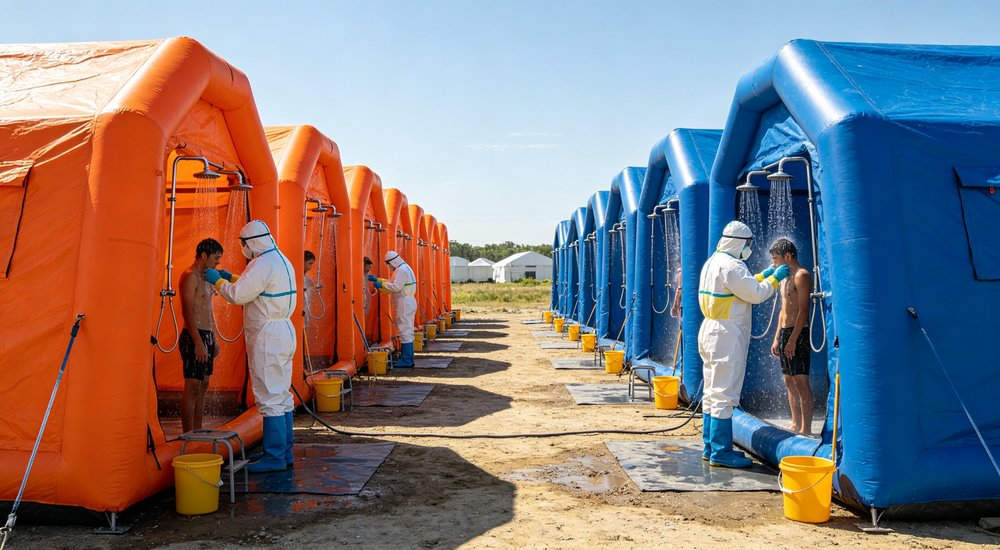
A decontamination tent supplier should NOT recommend lane count from headcount alone. You must also define user groups, mobility, privacy, process stages, staff positions, water supply, wastewater control, site area, and operating time. With 20 years of experience as a direct decontamination tent manufacturer, we supply single-lane decontamination tents, multi-lane decontamination systems, and mass decon shower units for fire departments, hazmat teams, and military use worldwide.
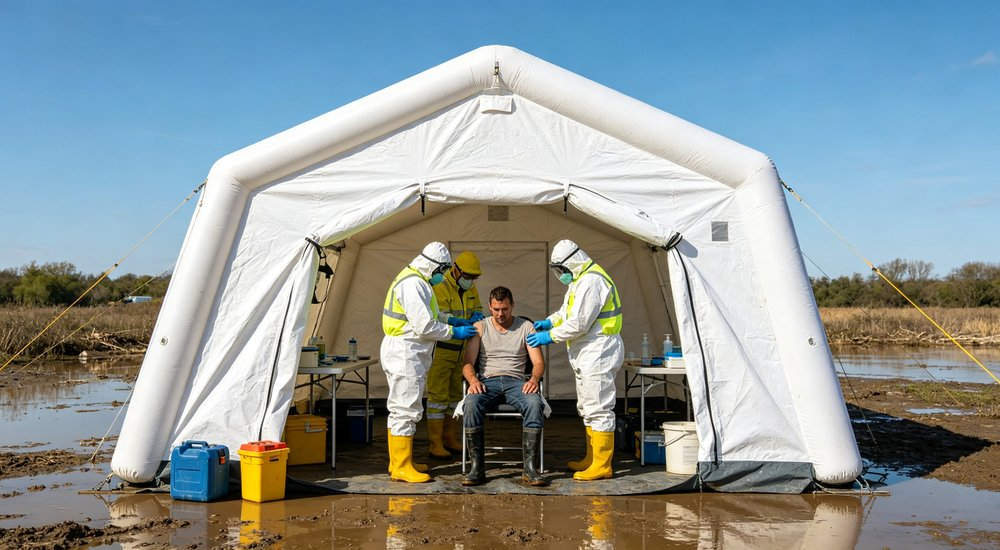
Single lane: 15-25 people/hour. Dual lane: 30-50 people/hour.
Short answer: Single lane suits smaller or uniform flow when one sequence serves all users. Multi-lane makes sense when groups need separation, simultaneous processing, assisted movement, or different routes. More lanes = more space, equipment, water, drainage, staffing, and control. Prices: single-lane $2,500-$4,500, dual-lane $5,000-$8,000+.
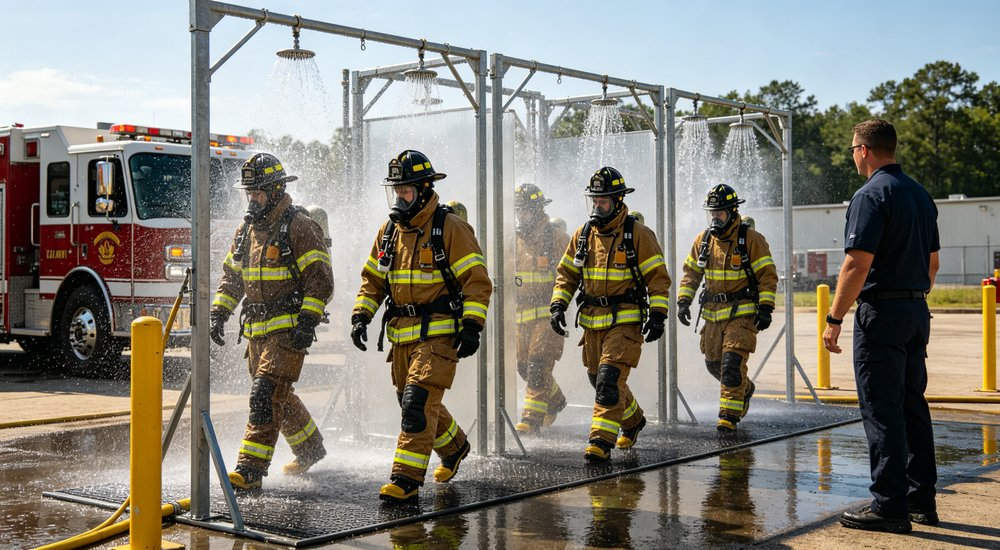
Single lane: 15-30 people per hour. Dual lane: 30-60 people per hour. Multi-lane (3+): 60-120+ people per hour. Throughput depends on water heating capacity, staff ratio (typically 2 staff per lane), and decon complexity. Always calculate based on your expected maximum incident size.
Water heaters typically reach operating temperature (38-42°C) in 10-20 minutes. Pump flow rate should be 10-15 L/min per shower head. For a 4-lane system, that is 40-60 L/min total. Confirm heater recovery rate matches continuous use — undersized heaters cause cold water during peak demand.
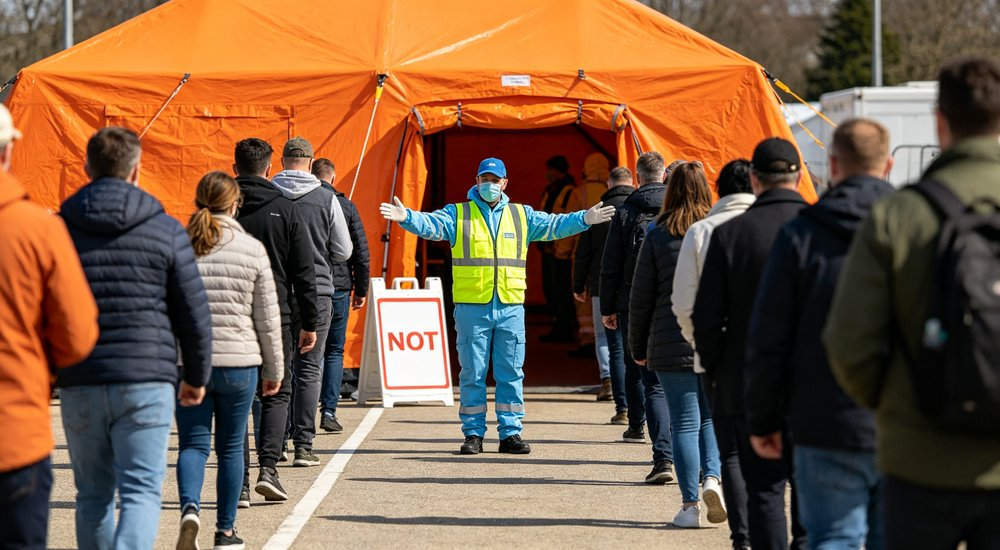
Standard staffing: 1 greeter, 2 undressing assistants, 1-2 shower monitors, 2 redressing assistants per lane. For mass casualty events, add a triage officer and crowd control. Queue management uses marked lanes, estimated wait time signage, and priority channels for critical cases. Plan for 20-30 minute cycle time per person.
Cold weather kits include insulated water lines, tent liners, and diesel heaters (operating down to -30°C). Essential spare parts: extra valves, pump seals, shower heads, hose connectors, and repair patches. Keep a 10% spare parts inventory for deployed systems. Confirm spare parts lead time before purchase.
Performance metrics: throughput per hour ranges 15-120+ depending on lanes. Standard shower duration is 3-5 minutes per person. Designate a containment area for runoff. Include equipment decon stations for tools and gear. Ensure ambulance access with a 3m wide approach path.
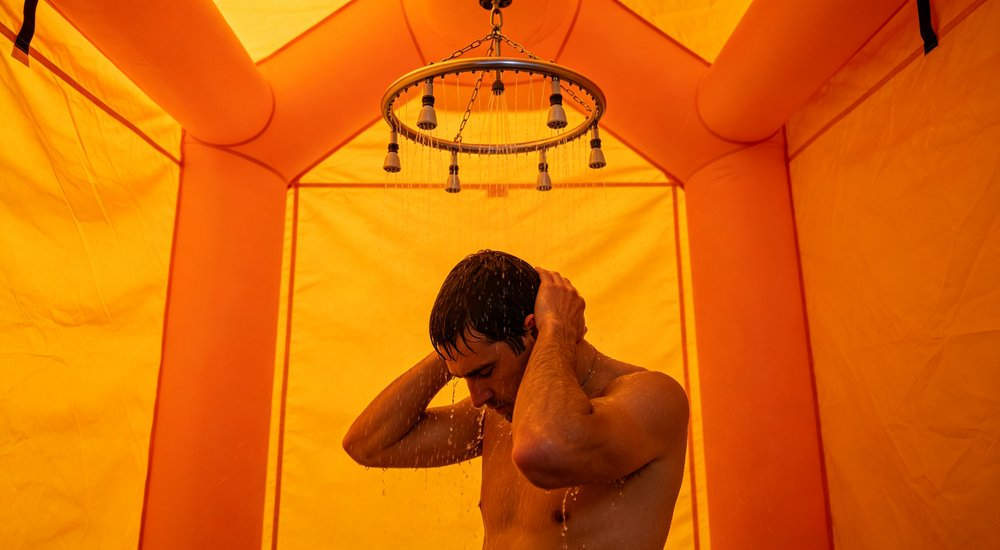
Additional search terms buyers use: decontamination tent lane, single lane decon tent, multi lane decon system, dual lane decon system, high capacity decon tent, decon tent flow rate, mass decontamination system, decon tent supplier guide. These terms help match your specific operational requirements with the right product configuration.
Buyers often search for these related terms: mass casualty decon, firefighter decon line, chemical spill response, hazmat team operation, industrial decon. Understanding these variations helps you match the right product to your operational requirements.
Item
Single Lane
Dual Lane
3-4 Lane
Throughput
15-25 ppl/hr
30-50 ppl/hr
60-80+ ppl/hr
Footprint
12-18m²
25-40m²
50-80m²+
Water demand
120-375 L/hr
240-750 L/hr
480-1200 L/hr
Staff needed
2-3
4-6
8-12
Shower heads
4-6
8-12
12-24
Setup time
20-30 min
30-45 min
45-90 min
Price range
$2,500-$4,500
$5,000-$8,000
$8,000-$15,000+
List what happens before entry, inside each wet/dry zone, and after exit. Show clothing change, washing, rinsing, assistance, privacy, equipment, transfer needs. Understand decontamination tent components.
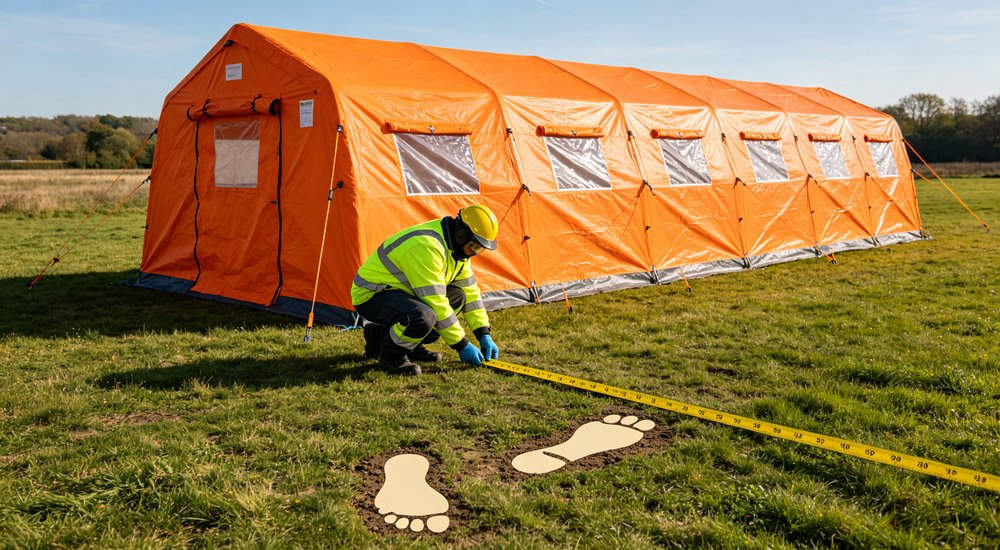
Lane count follows this process map. A wider tent cannot repair a sequence that sends people backward or mixes incoming/outgoing movement.
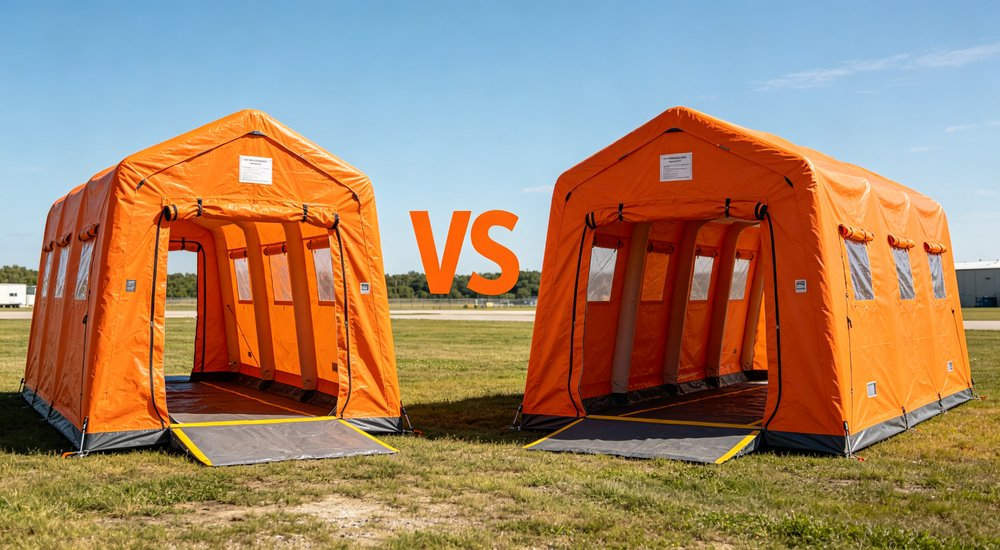
The shelter is one part. Spray, water supply, drainage, collection, PPE, operating procedures, waste handling must be defined as a complete system.
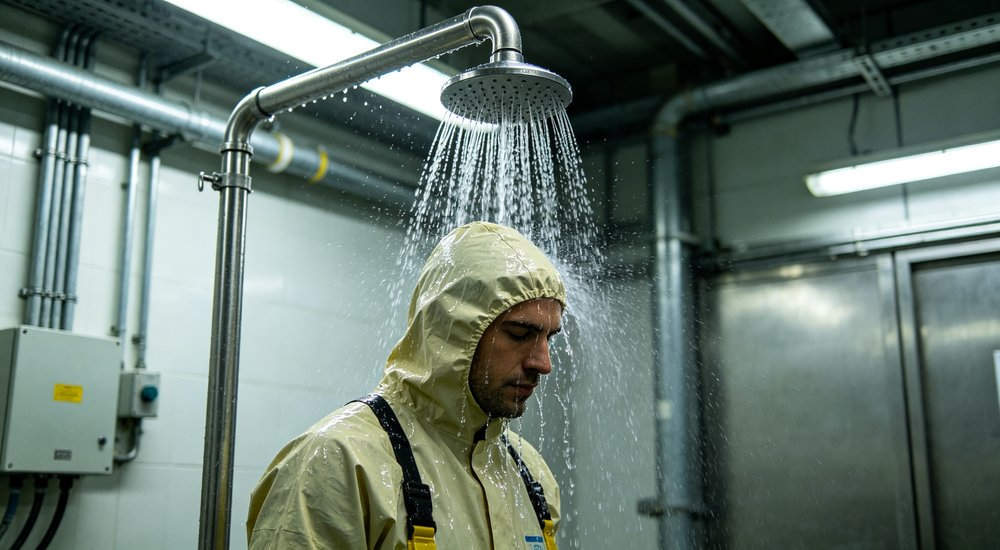
Average demand hides short periods when many people arrive together. Record peak arrival, operating duration, pauses, assisted users, time at each stage.
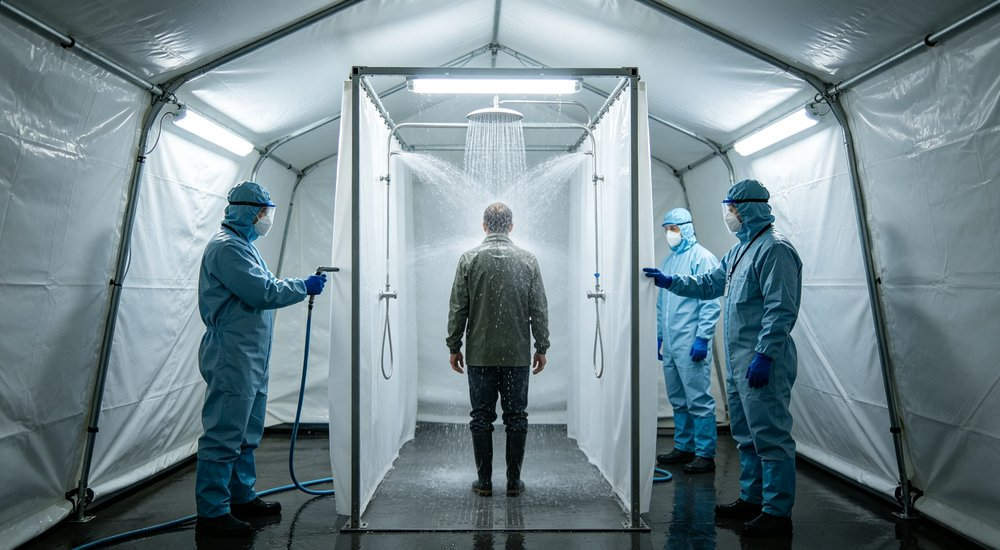
Single lane may suffice when arrivals are limited and process uniform. Multi-lane reduces waiting when several compatible groups move simultaneously. Each lane: 1.2-1.5m wide, 2-3m long for undress/shower/redress.
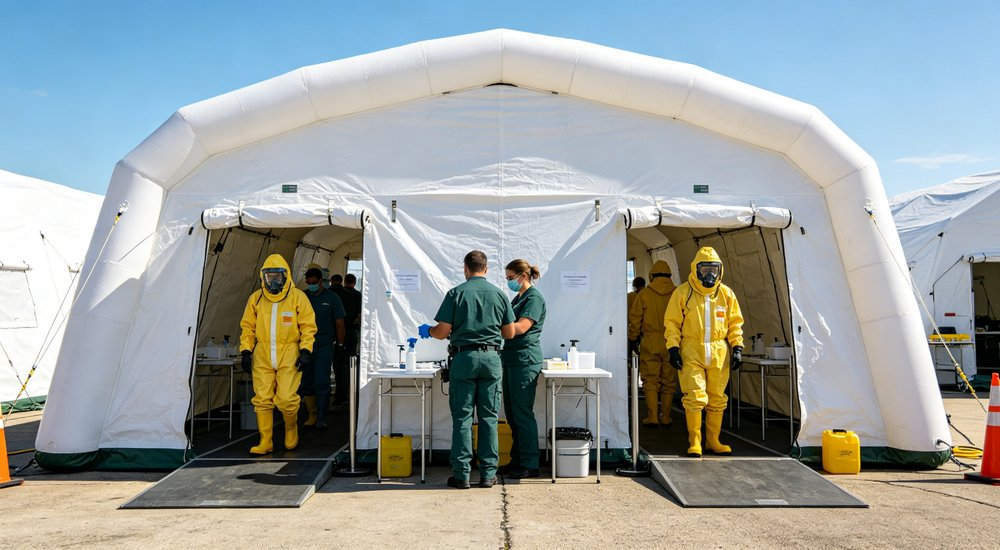
Do not publish fixed throughput without a validated complete configuration. Shelter width alone does not determine capacity.
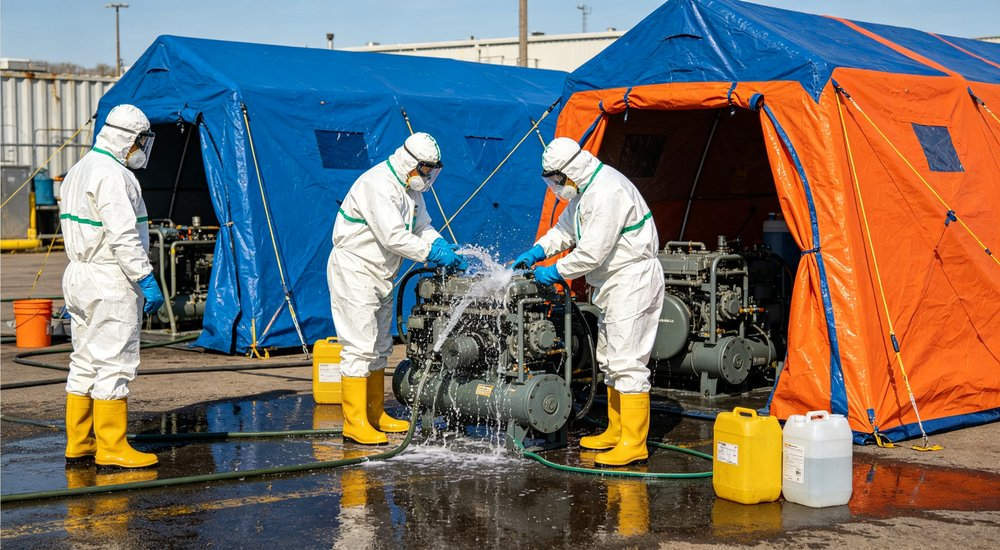
Privacy, age, mobility, clothing change, assistance, equipment, project rules may require separate routes. Separation must have a stated purpose, not just added partitions.
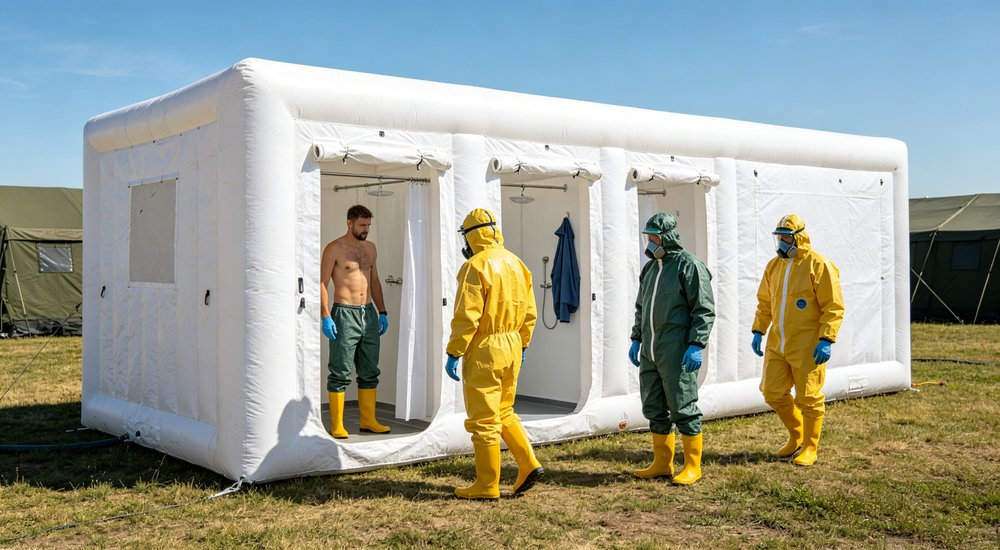
Multi-lane supports simultaneous but distinct groups. Single lane can use timed separation when demand is low and operating method permits. Water heating: 35-40°C at nozzle, 10-15L per person per complete cycle.
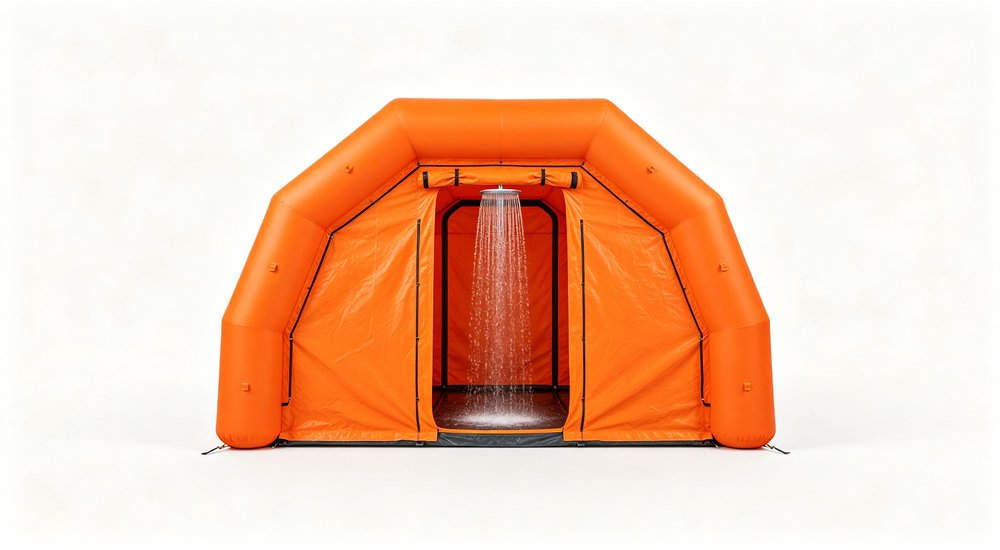
Show doors, partitions, staff positions, visual screening on the layout. A curtain does not automatically provide airflow, liquid, or contamination separation.
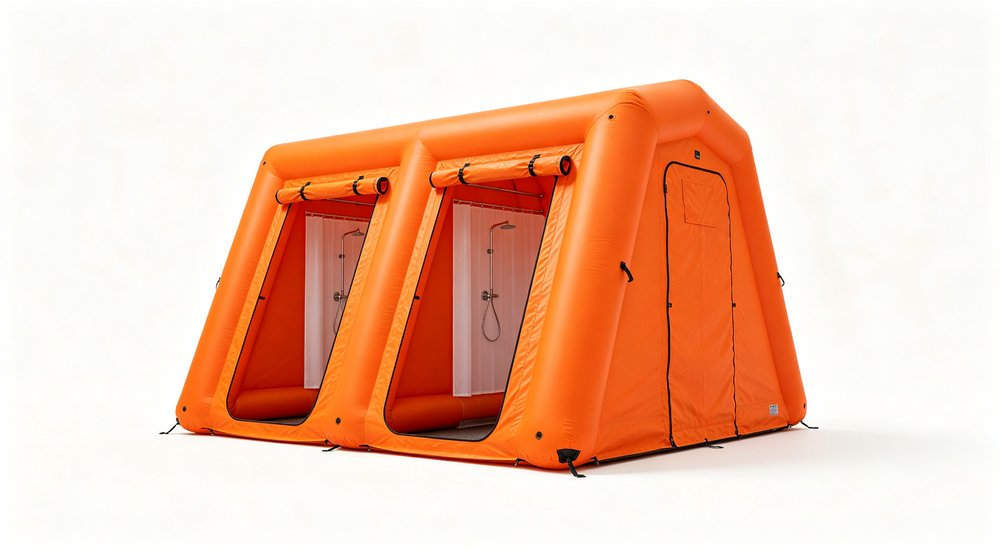
A walking route may be too narrow for a stretcher, wheelchair, attendant, or lifting equipment. Measure the largest moving arrangement, not just the person.
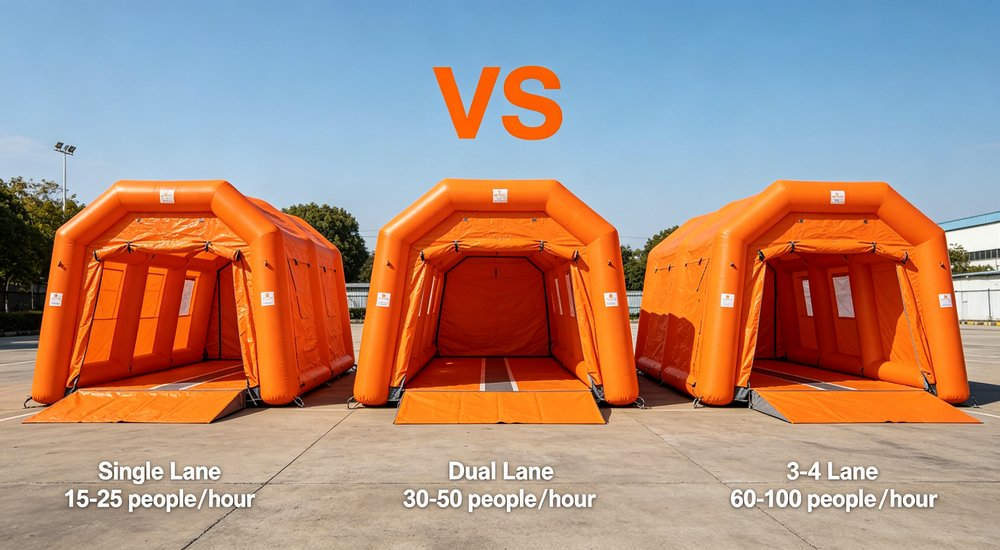
Check clear door width, internal lane width, turns, floor transitions, staff working space, exit beyond the tent. Assistance needs room beside and ahead of the user.
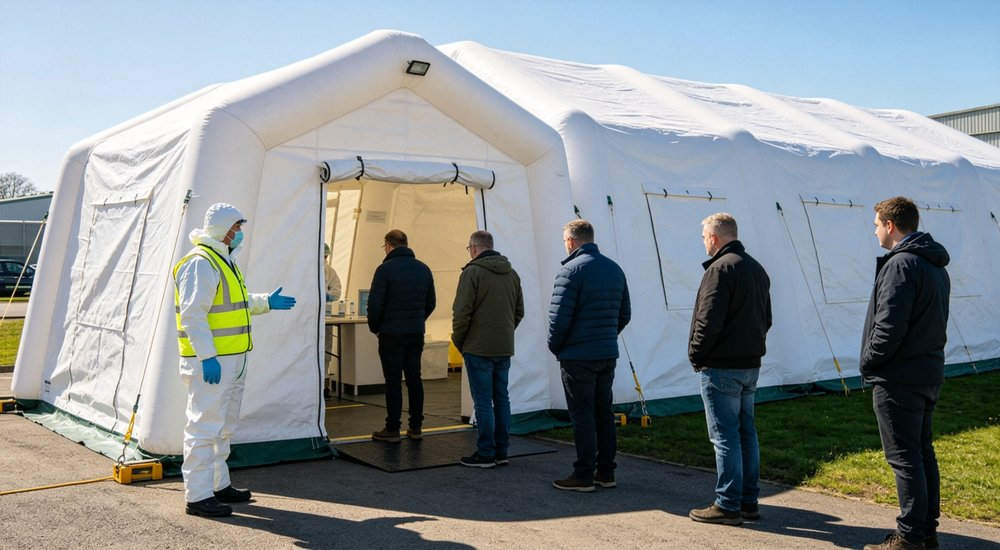
If assisted and walking users share one route, test how overtaking, waiting, temporary stops affect the process. A dedicated lane is justified when shared movement repeatedly blocks the system.
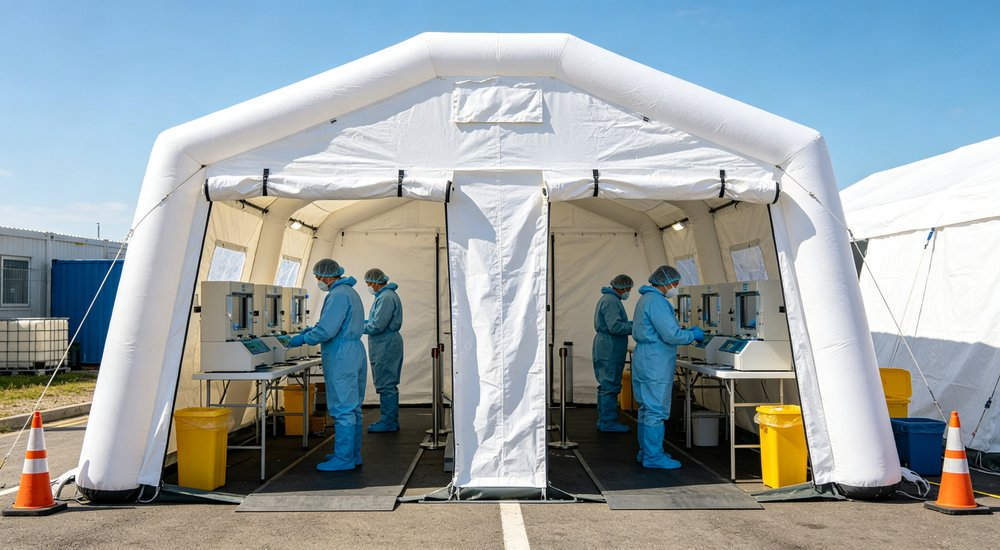
The layout should show where water is used, where changing happens, where clean items go, how users leave. Staff should understand the direction without reversing route.
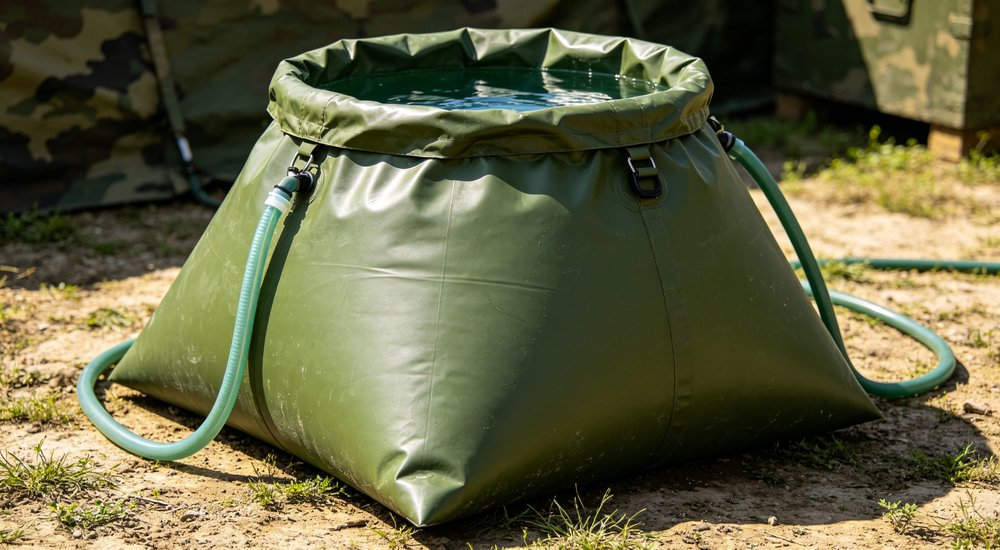
Partitions, floor details, spray positions, drainage points, equipment must support the same zone plan. A labelled drawing is more useful than a generic chamber count.
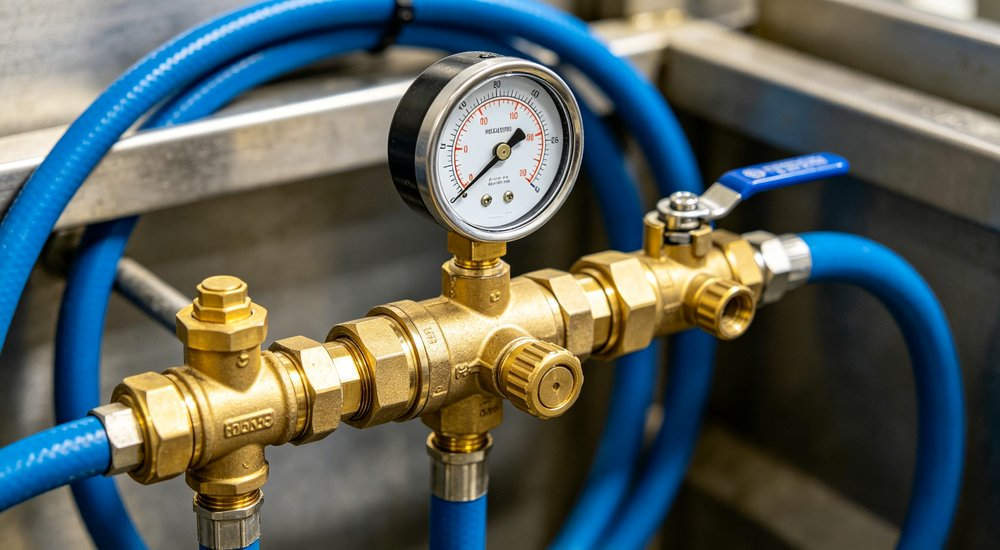
Do not claim a partition alone prevents zone transfer. Complete operating method and system configuration determine the boundary.
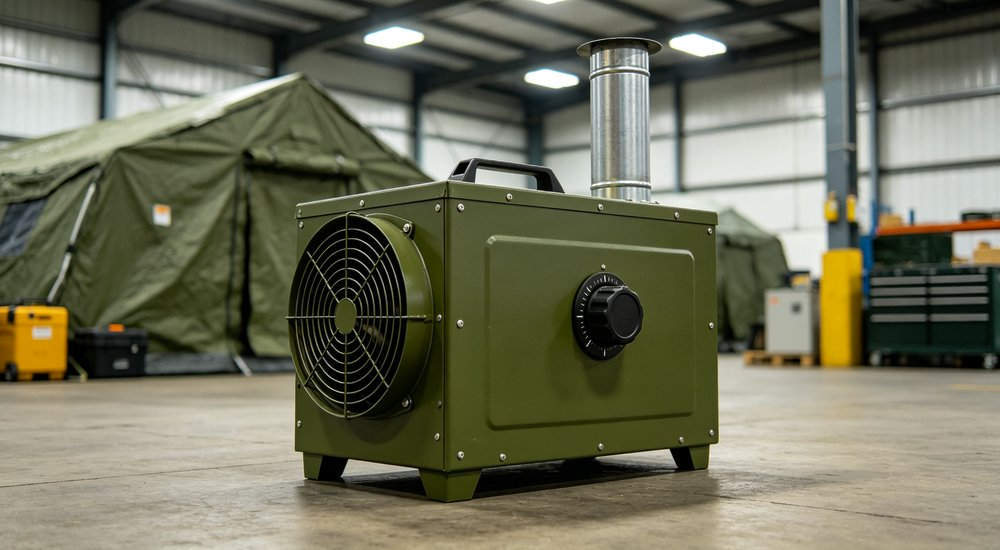
Each lane needs its own shower ring (1m diameter, 4 nozzles), supply pump, drainage connection. Multi-lane systems need higher-capacity water heating (1900W+ or diesel-fired), larger storage bladders, proportional chemical mixing units.
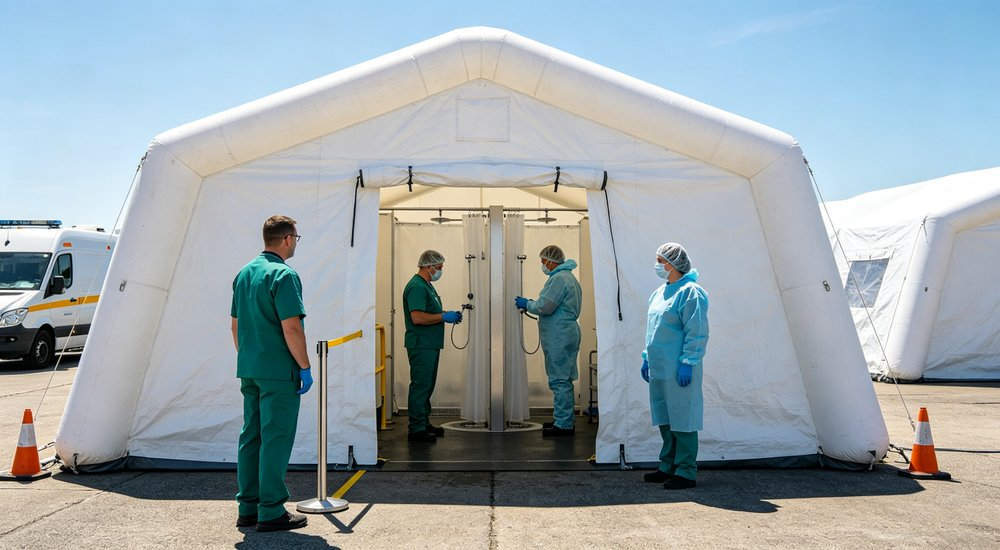
Each operating lane adds spray points, hoses, valves, controls, demand on water source. The system must maintain required conditions across simultaneous use.
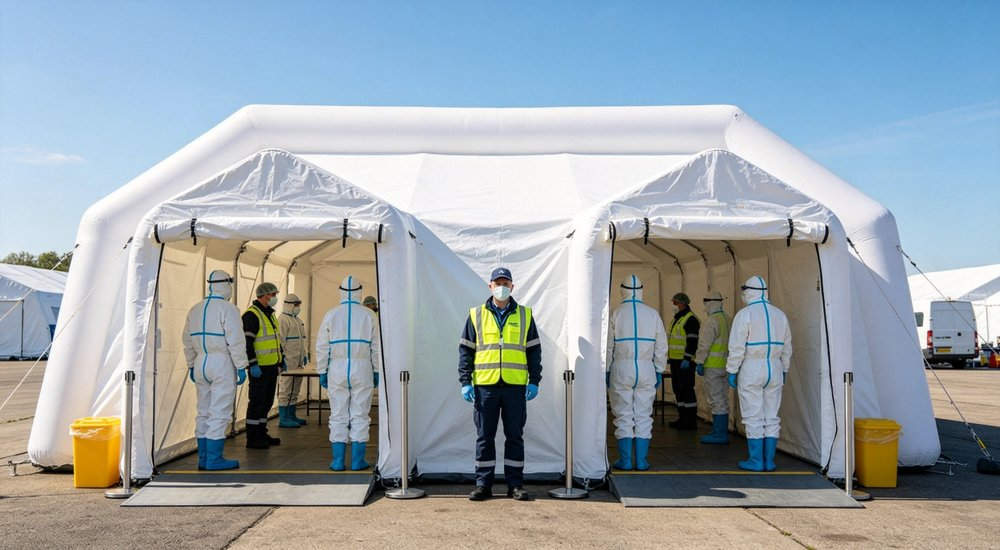
Provide available source, pressure, temperature needs, connections, operating time, whether lanes run together. Supplier should show proposed water path and included components.
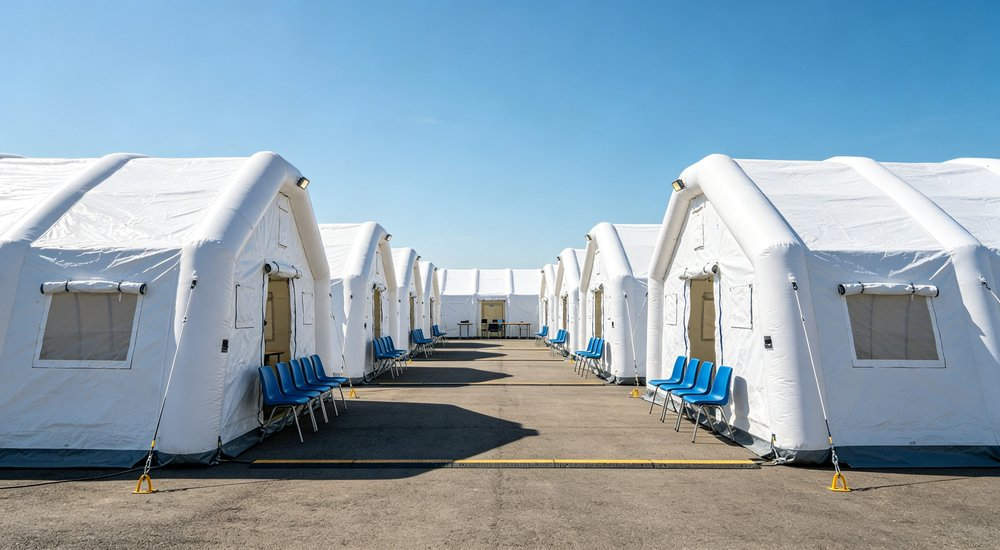
Do not infer flow, pressure, spray coverage, chemical mixing from the tent body. These belong to the configured washdown system.
More active lanes = more wastewater and more collection points. Floor, sump/tray, outlets, hoses, pump, storage, secondary containment, site responsibility must work together.
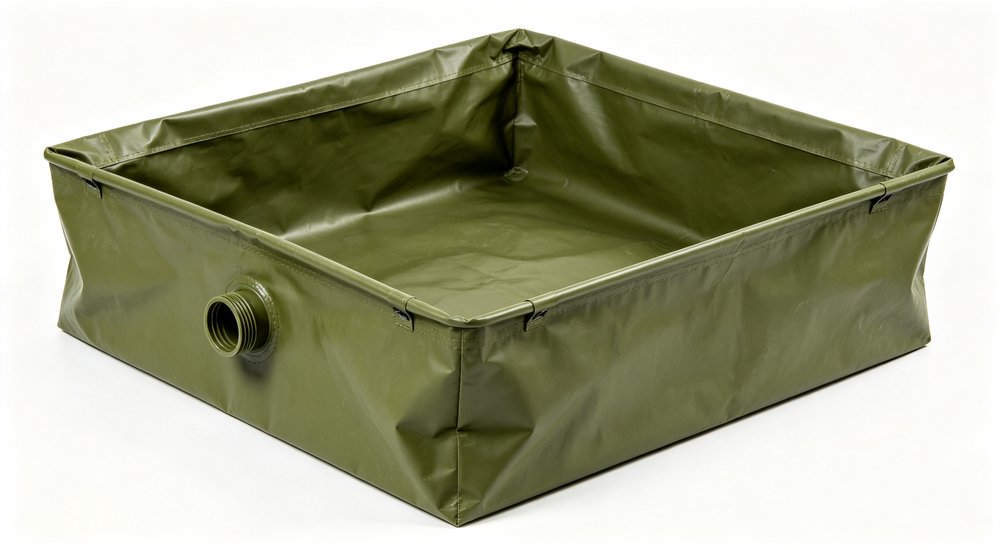
Single lane: 8-15L per person per cycle. Dual lane doubles this volume. Confirm sufficient collection bags, sealable drums, drainage pump capacity.

Map clean-water entry and wastewater exit without crossing user routes. Check hose access, trip hazards, slopes, connections, storage position, what happens during pause or blockage.
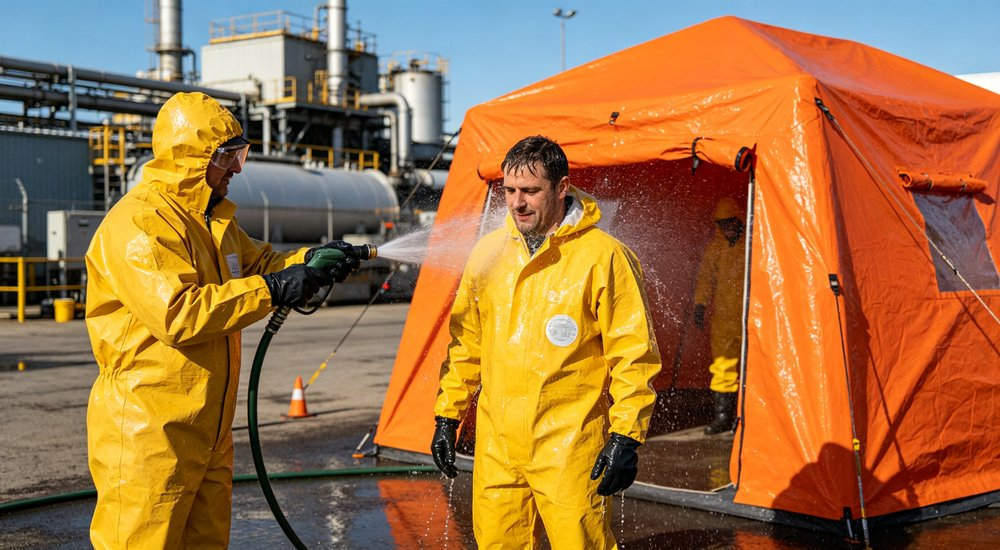
Never assume zero leakage. Ask what joint, tray, hose, collection checks apply to the selected configuration.
Separate lanes improve privacy, but every lane may need observation, assistance, supplies, operating control. More lanes than available team = harder to run.
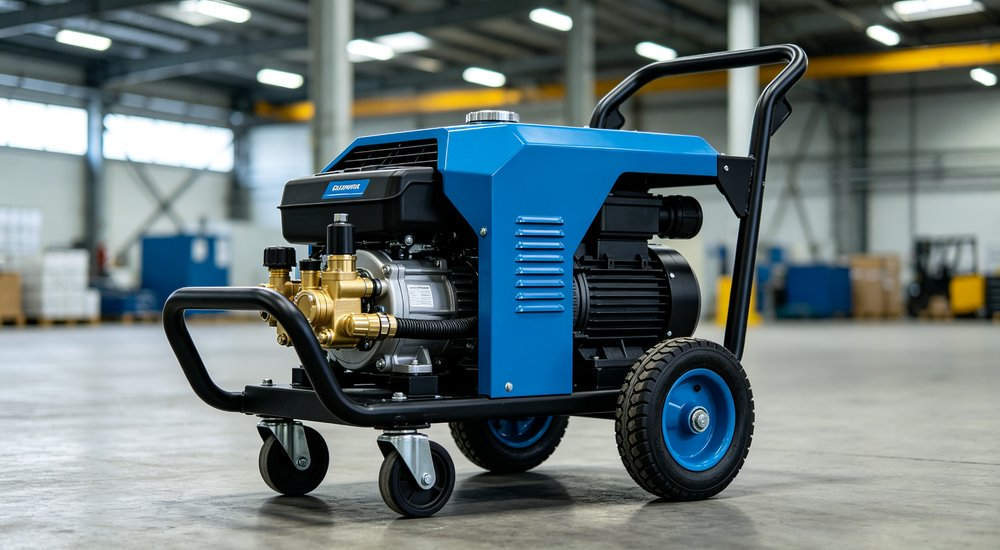
Record staff positions and sightlines without compromising privacy. Include access for replenishment, equipment checks, emergency assistance.
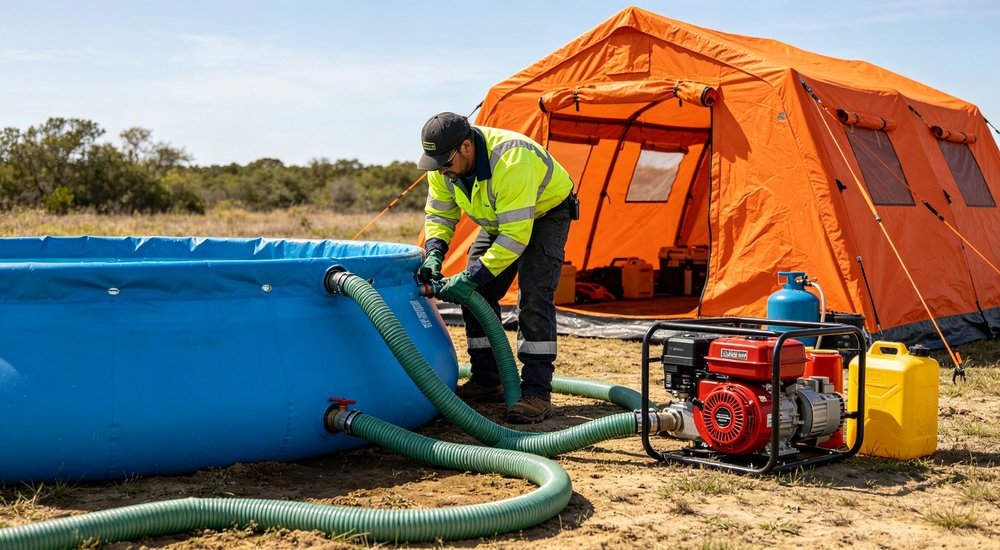
Compare staffing for normal and peak periods. The layout should remain usable when the full planned team is not present.
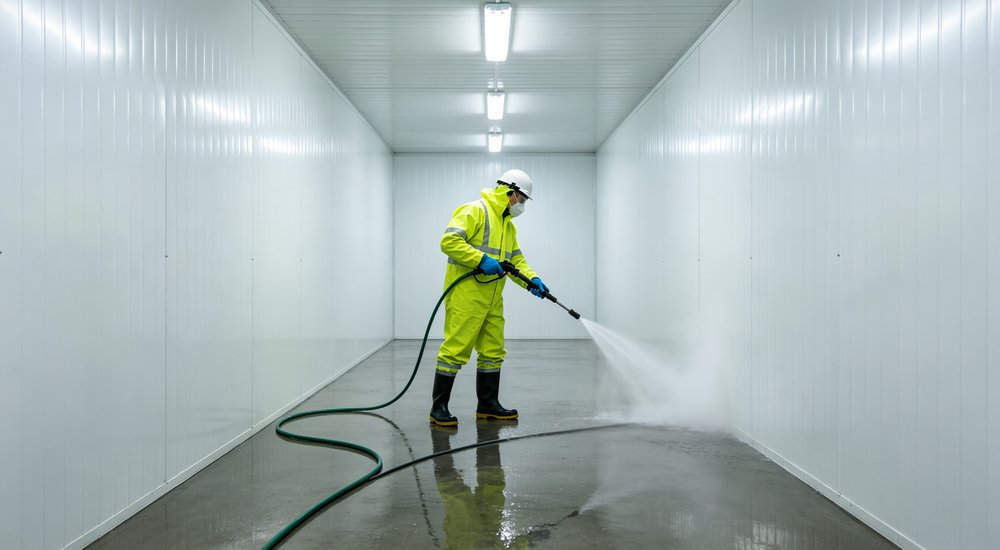
Count entry queues, exit space, changing areas, pumps, water source, wastewater storage, hoses, power, guy lines, anchors, service access, safe separation around the tent.
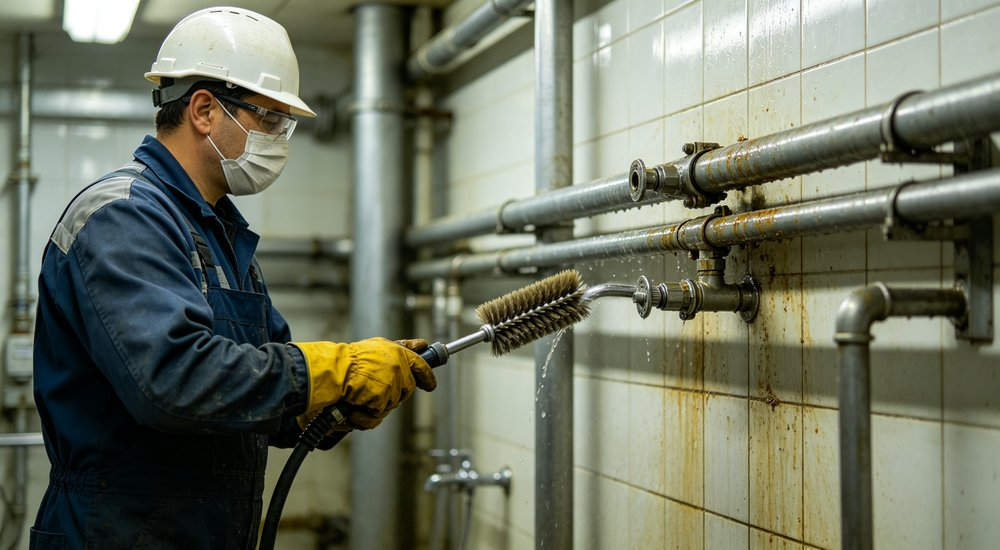
A multi-lane body may fit the marked area while its equipment and collection system do not. Provide a site drawing with access, slope, drainage, vehicles, buildings, public routes.
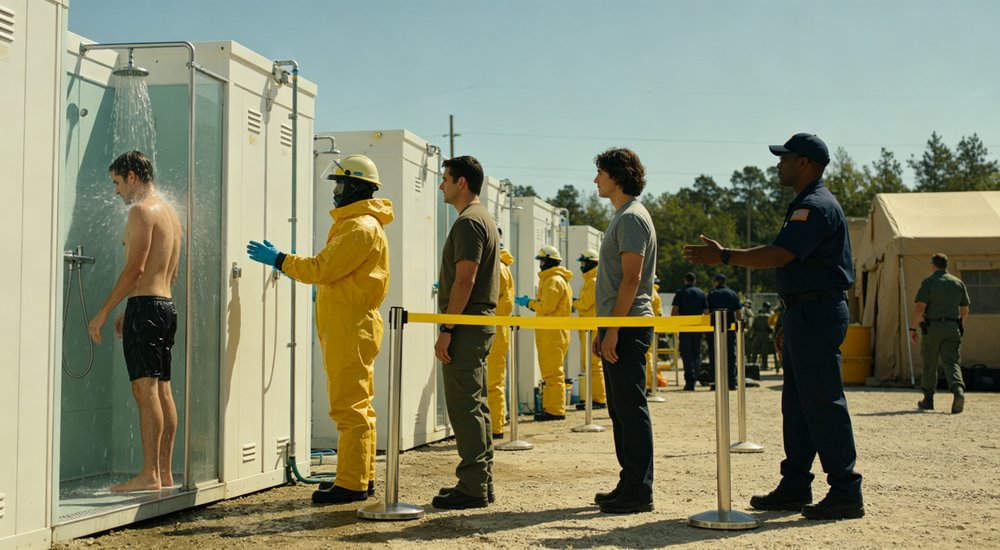
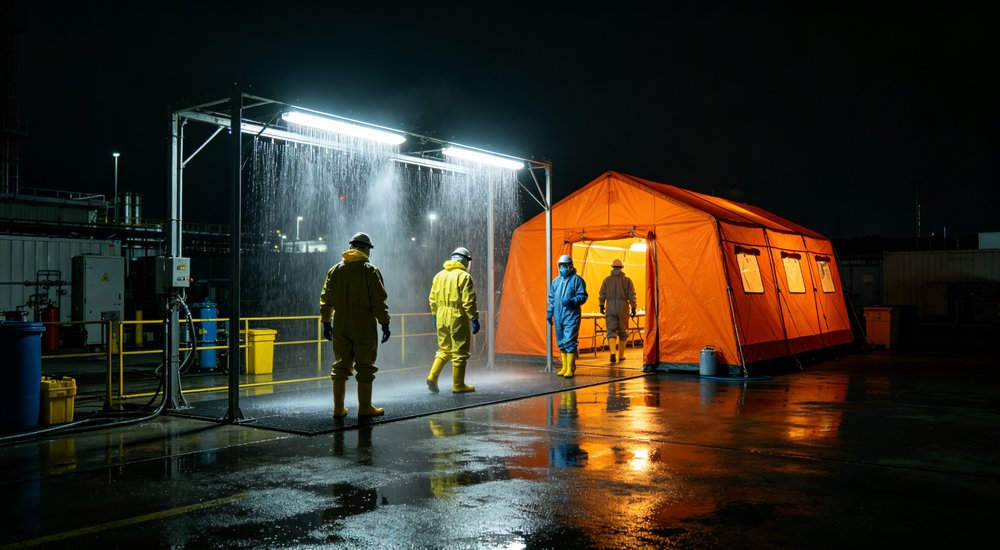
Cold, heat, wind, rain, surface water affect users, staff, water lines, changing stages, equipment. State expected conditions and duration. Use only environmental ratings matching the offered configuration.
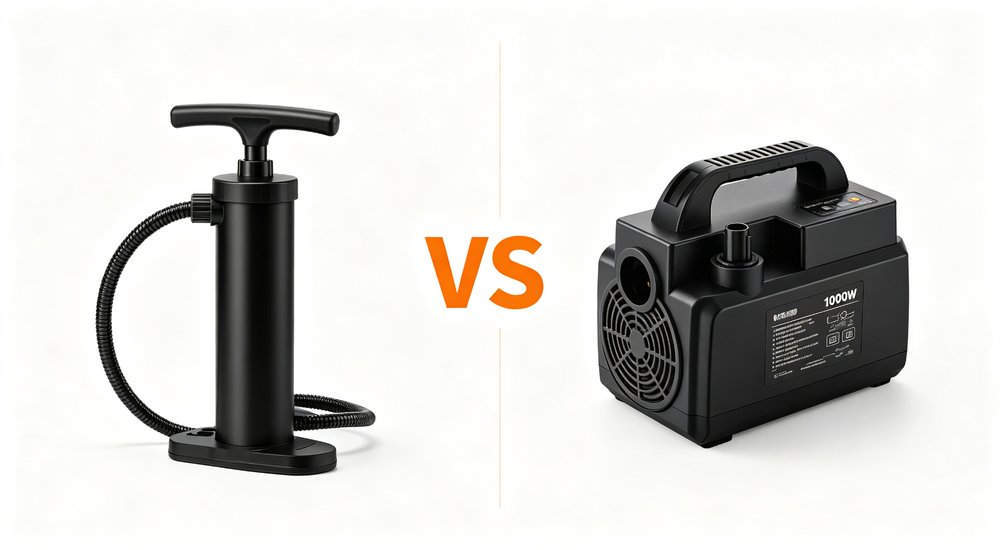
Each lane kit should include: shower assembly, supply hoses, drainage connections, curtain dividers, floor channels. Auxiliary items: decontamination brushes, chemical-resistant gloves (XF770-2008), waterproof stretcher, 304 stainless steel reversal bed for casualty decon.
List shelter, pump, air components, partitions, doors, floor, spray parts. Add hoses, valves, drainage, wastewater storage, anchoring, repair kit, carry bags, lighting, instructions. Confirm full accessory scope.
Mark each item: included, optional, site-supplied, excluded. For multi-lane, state whether components are shared or per lane. Use consistent item names across quote, layout, packing list, instructions.
MOQ & lead time: Single-lane: MOQ 1-5 sets, 15-30 days. Multi-lane custom: MOQ 5+, 30-45 days. Certifications: CE, ISO 9001, CPAI-84, NFPA 701.
Send: user groups, mobility, privacy, peak arrivals, process stages, lane operation, staff, site, weather, water, drainage, wastewater, power, duration, quantity, required documents. Include largest stretcher/equipment movement, queue/exit space, who handles water and waste.

Request: labelled layout, clear dimensions, lane roles, doors, partitions, spray/drainage interfaces, kit list, footprint, anchoring, packing, deployment, maintenance, applicable documents.
Practical test: If the water supply or wastewater collection cannot handle all lanes running simultaneously — you do not have a multi-lane system, you have a single-lane tent with extra rooms.
Compare structure types.
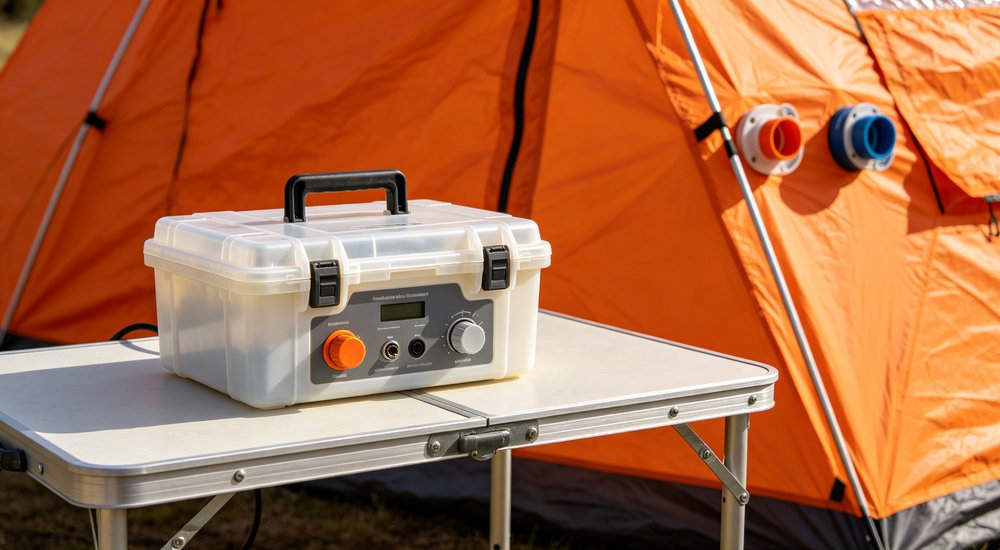
Understand air-beam design for wet use.
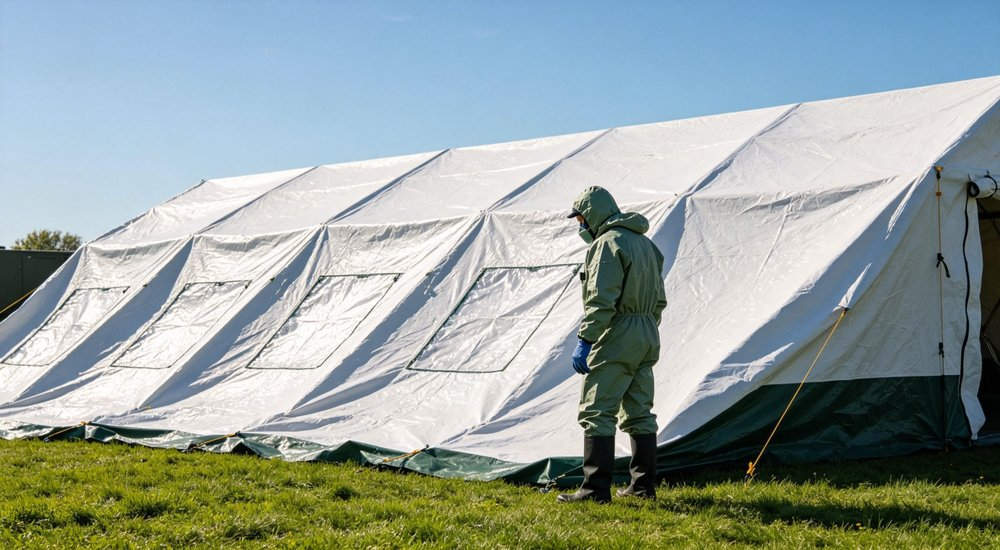
single lane decontamination tent: A single lane decontamination tent handles one person at a time. multi lane decon tent: A multi lane decon tent processes several people simultaneously. decon tent throughput: Decon tent throughput depends on lane count and water heating capacity. decontamination lane design: Decontamination lane design follows undress, wash, and re-dress sequence. decon tent capacity: Decon tent capacity ranges from 20 to 200 people per hour.
No. Multi-lane supports simultaneous movement only when water, drainage, equipment, staff, space, and operating steps support it. Extra lanes can remain unused or create delays when one shared component becomes the bottleneck.
Single-lane basic: $2,500-$4,500. Dual-lane complete: $5,000-$8,000. 3-4 lane systems: $8,000-$15,000+. Always compare complete kits including water and drainage. CE certified factory direct pricing with custom lane configuration.
They may use one lane at different times when the project accepts that method and provides suitable privacy. Simultaneous use may require separate lanes or more complete screening. Define user groups and local requirements before selecting.
Not always, but assisted movement needs more clear width, turning space, attendants, working room. A shared lane may become blocked during transfer. Provide stretcher dimensions and ask for assembled clear dimensions.
Not necessarily. The kit may separate tent, spray parts, hoses, valves, pumps, controls, water heating. Request an itemized list and water-path drawing. Do not infer coverage, pressure, or flow from shelter appearance.
May involve floor/tray, outlets, hoses, pumps, storage containers, secondary containment. Map outlets and storage away from user routes. Single lane needs fewer collection points; multi-lane needs enough transfer and storage capacity.
It may when source, connections, controls, operating arrangement support simultaneous demand. One source can also become a bottleneck. Provide water conditions and planned lane operation; ask for distribution path and included components.
No. Partitions provide visual division and route guidance, but not automatic liquid, airflow, chemical, or contamination separation. Define required boundary and ask how doors, floor, spray, drainage, staff movement, procedures support it.
Use complete footprint, not just tent body. Include queues, exits, changing, water equipment, wastewater storage, hoses, power, guy lines, anchors, service access, safe working space. A compact single lane is often easier on restricted sites.
Single-lane: MOQ 1-5 sets, 15-30 days. Multi-lane custom: MOQ 5+ sets, 30-45 days. Confirm with the supplier before ordering.
 |

|
Liens amicaux :
droits dauteur © Custom Disaster - Relief Bedding: Tents, Sleeping Bags, Blankets Tous les droits sont réservés
léquipe professionnelle au service !