Catégories
dernier blog
Last updated: September 10, 2026 | By Emergency Shelter Team This makes our tent wholesale ideal for international procurement.
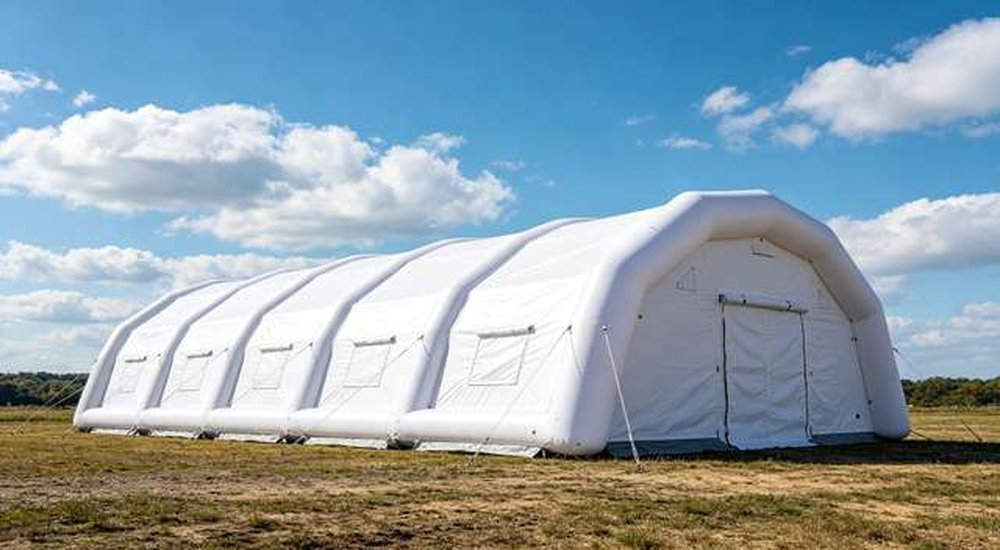
A custom emergency tent OEM service turns a standard relief shelter into a branded, purpose-built unit: your logo tent printing on the wall or roof, a branded relief tent in your organization's color, a custom size shelter that fits your actual floor plan, and functional options such as liners, partitions, cable inlets, or chimney ports. Since 2012 we have run OEM/ODM customization for emergency shelters, and the most common mistake buyers make is treating customization as a checkbox rather than an engineered process. The print method, dye-lot minimum, new cutting pattern, and structural re-engineering each change cost, sample time, and quality risk in different ways.
This page is a service page, not a product page. It explains how the OEM tent manufacturer side works: the five-step customization flow, what can and cannot be customized, the realistic MOQ and lead time for each option, and what a proper private label tent inquiry should look like. Whether you represent a relief agency, a procurement office, a rescue team, or a private label brand, the same rules apply: lock the brief, approve a sample, then release production.
Short answer: Custom logo tent printing starts at roughly 50 units for screen or digital print on a standard color. Custom color emergency tent dyeing usually needs 50+ units because the dye batch has a minimum. Custom size shelter beyond 12/20/30/40 m2 requires a new cutting pattern and 20-30 units. Sample approval takes 7-15 days (standard) to 15-25 days (custom color or size); mass production runs 20-45 days. Always approve a physical sample before bulk production.
This comparison table outlines key specifications for OEM emergency tent. Procurement teams use this data to evaluate custom inflatable shelter options, compare pricing structures, and verify compliance with international standards. As an experienced private label tent, we ensure every parameter meets field deployment requirements for emergency response operations worldwide. This information is particularly valuable for government procurement teams, NGO aid organizations, and international relief agencies evaluating bulk supply contracts.
This comparison table provides essential specifications for procurement evaluation. Buyers use this data to compare configurations, assess material quality, and calculate total project costs. As a professional tent manufacturer with extensive export experience, we ensure all parameters meet international standards and field deployment requirements. This information is particularly valuable for government procurement teams, NGO aid organizations, and international relief agencies evaluating bulk supply contracts.
| 1. Why choose OEM customization | 9. MOQ and sample lead time |
| 2. The 5-step OEM process | 10. Factory capacity and production |
| 3. Logo printing customization | 11. Certifications and QC |
| 4. Color customization (PMS) | 12. Packaging and delivery |
| 5. Size customization | 13. Customization case scenarios |
| 6. Doors, windows and structure | 14. Common customization mistakes |
| 7. Functional accessory customization | 15. Inquiry checklist |
| 8. What drives customization price | 16. FAQ |
|
Since 2012 OEM/ODM Shelter Customization |
500-2000 Units / Month Capacit |
16 Custom Options Covered |
ISO 9001 Factory Quality System |
Standard-colored units with no print start at 1-10 sets. Logo printing on the wall or bag usually requires 50 sets because screens or digital files are set up once. A custom PMS color needs 50+ sets because the fabric dye batch has a minimum volume. Non-standard footprints need 20-30 sets because a new cutting pattern must be made. This makes our bulk tent ideal for international procurement.
A standard-color, existing-pattern sample with simple logo art takes 7-15 days. A sample that includes custom color, a new logo artwork proof, or a non-standard size takes 15-25 days. Mass production for a locked configuration runs 20-45 days depending on volume and dye/print lead time. This makes our tent export ideal for international procurement.
Yes. Bag printing is often cheaper than wall printing and still gives field recognition. Many programs put the agency mark on the carry bag and keep the tent body in a neutral standard color. Confirm placement and print method in the artwork proof. This makes our China tent ideal for international procurement.
For confidential government, military, or private-label programs, an NDA is standard and usually signed before artwork files are exchanged. Treat vector logo files as confidential assets; keep version numbers on file so reorders reproduce the same mark. This makes our tent price ideal for international procurement.
For base product categories that can be customized, see our guides to inflatable emergency tents, civil affairs frame relief tents, fire rescue command tents, medical emergency tents, and decontamination wash tents. Fabric choices affect which customization options are available; see our tent fabric waterproof guide. For bulk humanitarian buying context, see humanitarian relief tent procurement and compare structure types in inflatable vs frame tent comparison.
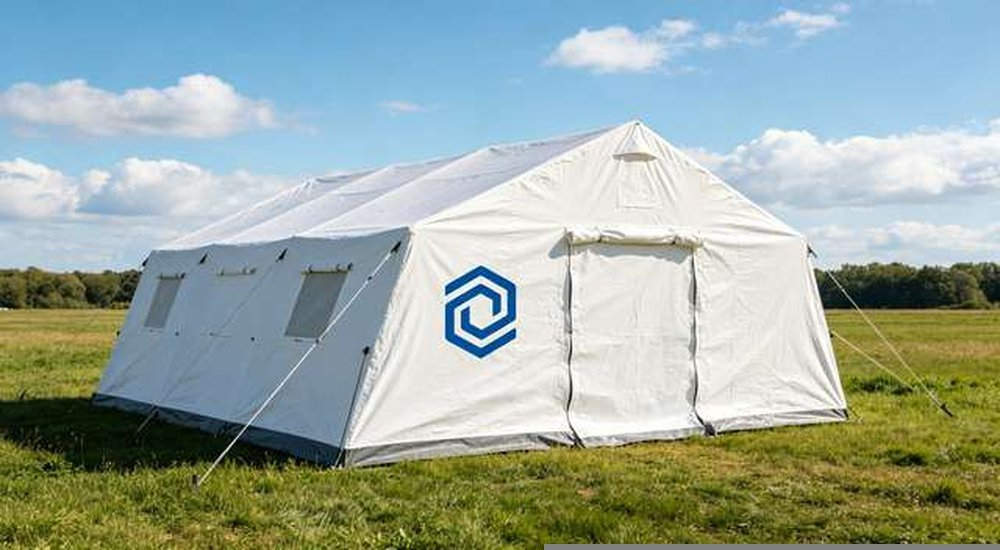
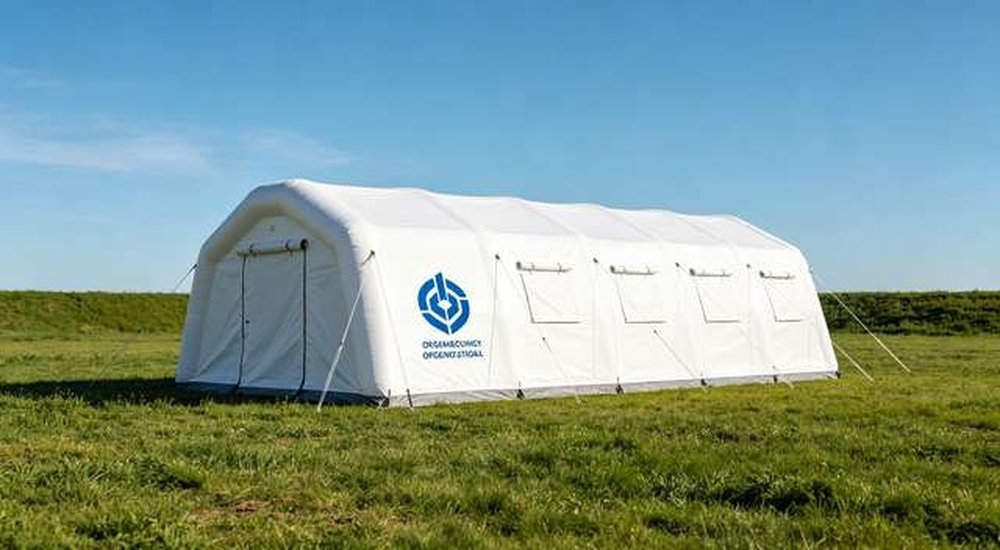
Off-the-shelf relief tents solve a basic shelter need, but they rarely match your operational identity exactly. A branded relief tent carries your organization's mark on the wall, roof, or carry bag; a custom color emergency tent lets field teams recognize a safe zone at a distance; a custom size shelter fits your actual layout instead of forcing you to adapt to a generic footprint. For government, NGO, rescue, and enterprise emergency-kit buyers, this is not vanity - it is operational clarity.
OEM means the factory designs, cuts, prints, and sews the shelter to your specification, while you keep the brand on the final product. ODM goes one step further: the factory also designs the structure from your brief. Both paths share the same discipline: brief the need, approve a drawing, approve a sample, then release production. Skipping any of these steps converts a customization project into a remake project. This makes our tent size ideal for international procurement.
Customization also reduces downstream problems. When doors, windows, vents, and cable inlets are placed during engineering, they reinforce correctly; added later, they become leaks and weak points. When the color is matched to a PMS reference, repeat orders look consistent across years of procurement. When the size is chosen from your floor plan, you stop paying for volume you cannot use or cramming people into a footprint that is too small.
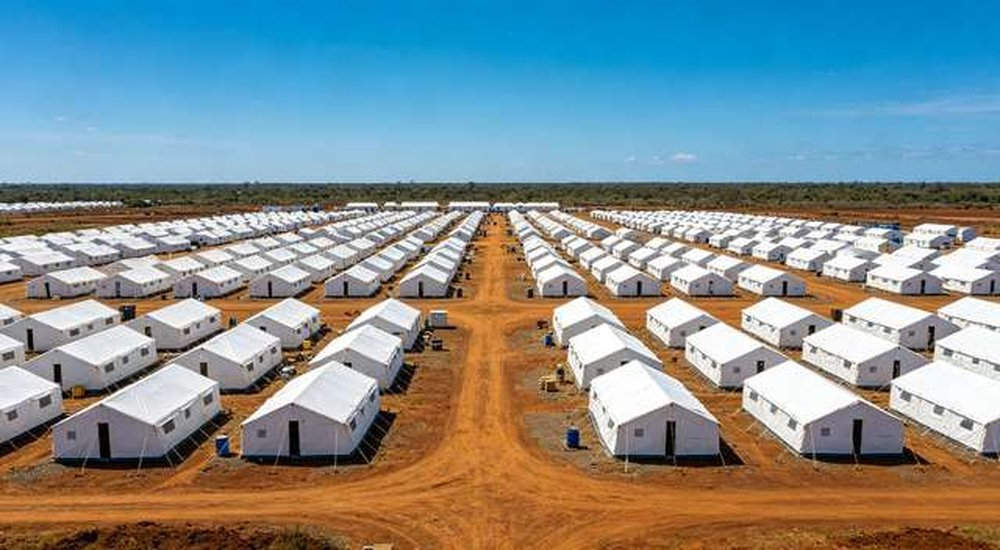
Compared with buying a stock model and trying to print on it after delivery, in-factory OEM printing sits under seam tape and webbing, so the print survives folding, transport, and field use. A home-printed mark on a finished tent cracks at the fold line after one deployment. That gap is the single biggest reason buyers move from aftermarket printing to a true OEM program.
A reliable OEM tent manufacturer runs customization as a controlled pipeline, not as a favor to a buyer who sent a logo. The five steps below are the minimum sequence; skipping approvals is how samples end up wrong.
You send the brief: use case, deployment scenario, headcount, internal layout, target size, brand color or PMS reference, logo artwork, door/window needs, functional options (liner, floor, vents, chimney, cable inlet), target quantity, and delivery deadline. The engineer replies with feasibility notes, suggested configuration, and any constraints the brief missed. This stage costs nothing and usually takes 1-3 working days.
The factory produces a technical drawing: external and internal dimensions, frame or air-beam layout, door and window positions, logo placement mock-up on a wall panel, and a bill of materials. You approve or revise the drawing. A revised drawing is normal on the first round; do not sign off a drawing you have not read against your floor plan.
A physical sample is built in the approved configuration, with your logo, your color, and the functional options. You inspect fit, print position, fabric color against the PMS swatch, and hardware quality. Sample approval is the gate before bulk; any change after this point costs time and money. This stage typically takes 7-15 days for standard color, 15-25 days for custom color or new size.

Production runs against the approved sample: incoming fabric and frame inspection, sewing, printing, assembly, and a random full-size erection trial. Final QC checks print position, color against the approved swatch, seam taping, hardware count, and packing list. Photo reports are taken for each batch.
Each unit is packed into numbered cartons with a packing list that maps carton number to contents. Marks, labels, and shipping marks are printed as agreed. Goods are dispatched by sea, air, or express per Incoterms you confirm. Spare parts and a repair kit are included or listed as optional.
This comparison table provides essential specifications for procurement evaluation. Buyers use this data to compare configurations, assess material quality, and calculate total project costs. As a professional tent manufacturer with extensive export experience, we ensure all parameters meet international standards and field deployment requirements. This information is particularly valuable for government procurement teams, NGO aid organizations, and international relief agencies evaluating bulk supply contracts.
Step
What Happens
Typical Duration
Your Action
1. Requirement discussion
Brief exchange, feasibility check
1-3 working days
Send full brief and artwork
2. Design & drawing
Technical drawing, logo mock-up, BOM
3-7 days
Approve or revise drawing
3. Sample approval
Physical sample built and shipped
7-25 days
Inspect and sign off sample
4. Mass production
Cutting, printing, sewing, QC
20-45 days
Release PO after sample
5. Packing & delivery
Numbered cartons, shipping marks
5-30 days transit
Confirm Incoterms and docs
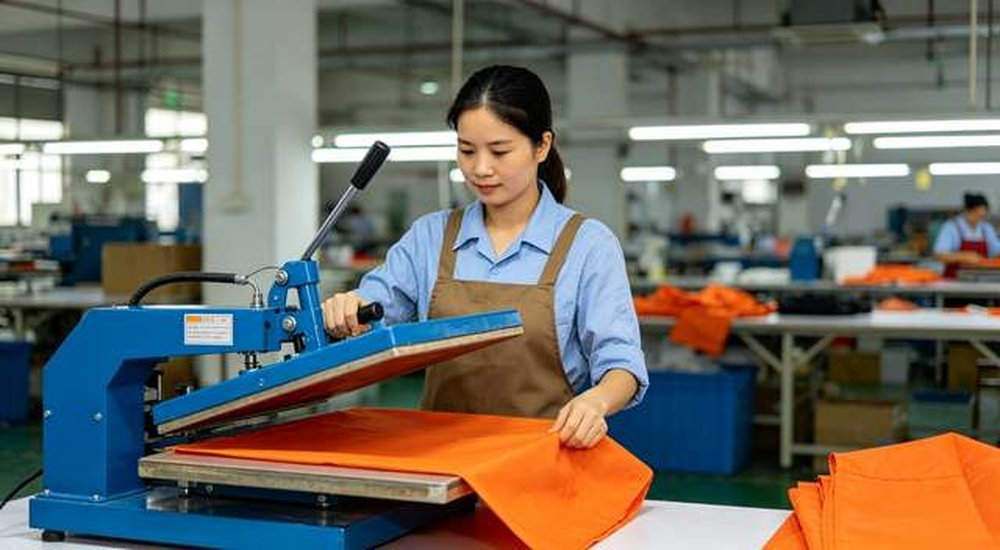
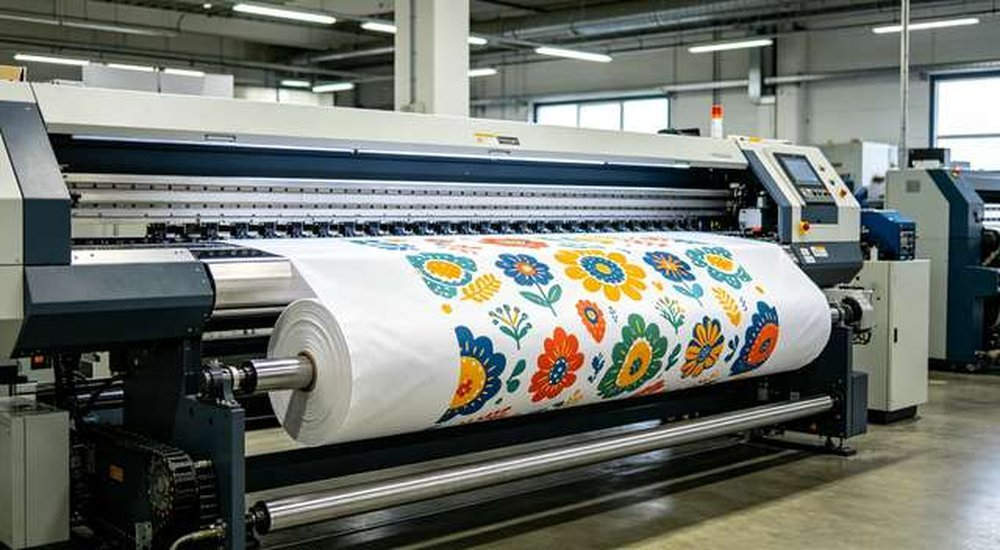
Custom logo tent printing is the most common OEM option. The mark can go on the front wall, a side wall, the roof panel, the carry bag, or all of the above. The choice of print method depends on logo complexity, surface, and order volume. Picking the wrong method is the most common reason a logo fades, cracks, or peels after one folding cycle.
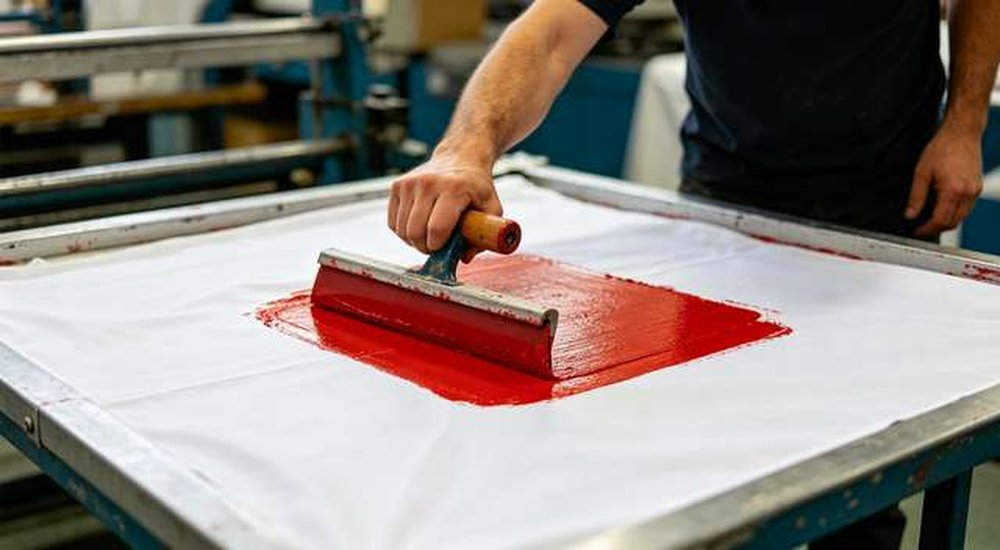
Best for 1-3 color logos on flat wall or roof panels. Ink is pushed through a mesh screen directly onto the coated fabric; once cured, it flexes with the cloth and survives UV, rain, and folding. Cost per unit drops sharply above 100 units because the screen setup is a one-time fee. Limit: fine gradients and tiny text are not ideal; the print feels slightly raised.
Best for multicolor or gradient logos and detailed marks. The design is printed on transfer film, then heat-pressed onto the fabric. It handles full-color artwork that screen printing cannot, but the film edge can peel at high-friction fold
This comparison table provides essential specifications for procurement evaluation. Buyers use this data to compare configurations, assess material quality, and calculate total project costs. As a professional tent manufacturer with extensive export experience, we ensure all parameters meet international standards and field deployment requirements. This information is particularly valuable for government procurement teams, NGO aid organizations, and international relief agencies evaluating bulk supply contracts.
ing points and after many wash cycles. Avoid placing heat-transfer logos on seams, high-wear corners, or areas that are rolled tight during packing.
Best for one-off samples, complex artwork, or small batches where screen setup is uneconomic. Inkjet directly onto the tent fabric; no screen, no minimum color count. The per-unit cost is highest, and outdoor durability is between screen and heat transfer. This is the preferred method for first-sample approval, then converted to screen for bulk if volume justifies it.
Understanding private label tent requires careful analysis of the parameters below. This table helps procurement officers compare tent manufacturer solutions, identify cost-saving opportunities, and select configurations that match their operational needs. We manufacture ODM tent factory with strict quality control at every production stage. This information is particularly valuable for government procurement teams, NGO aid organizations, and international relief agencies evaluating bulk supply contracts.
|
Method |
Best For |
Color Count |
Durability |
Setup Cost |
Best Volume |
|
Screen printing |
1-3 color logos on flat panels |
1-3 solid colors |
Highest, survives folding/UV |
One-time screen fee |
100+ units |
|
Heat transfer |
Multicolor / gradient logos |
Full color |
Good; watch fold lines |
Lower than screen |
30-100 units |
|
Digital direct print |
Samples, complex artwork, small runs |
Full color |
Medium |
No screen |
1-30 units / samples |
Logo placement choices: front wall above the door (most visible), side wall (large mark), roof panel (visible from the air in some missions), carry bag (cost-effective field recognition), and repair kit pouch. Tell the engineer which placement matters; the same logo on a bag is cheaper than on a roof because the roof panel is under tension and folding stress.
Artwork requirements: supply vector files (AI, EPS, or PDF outlined fonts), exact PMS references, and a scale indication (for example, 60 cm wide on the front wall). Raster files (JPG/PNG) are acceptable only if high resolution and color-separated. Always approve a physical print swatch on the actual tent fabric before bulk; screen color on a computer screen is not the color on PU-coated Oxford.
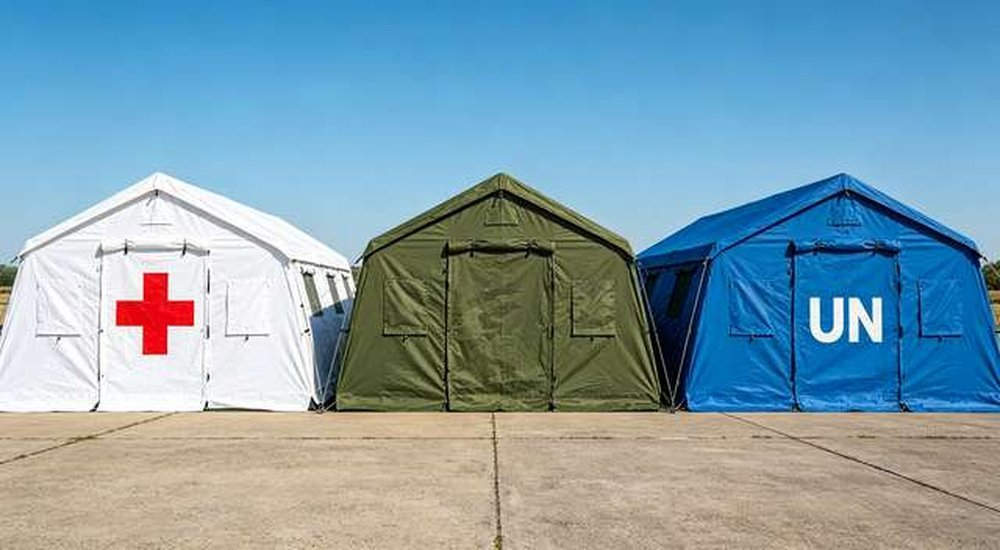
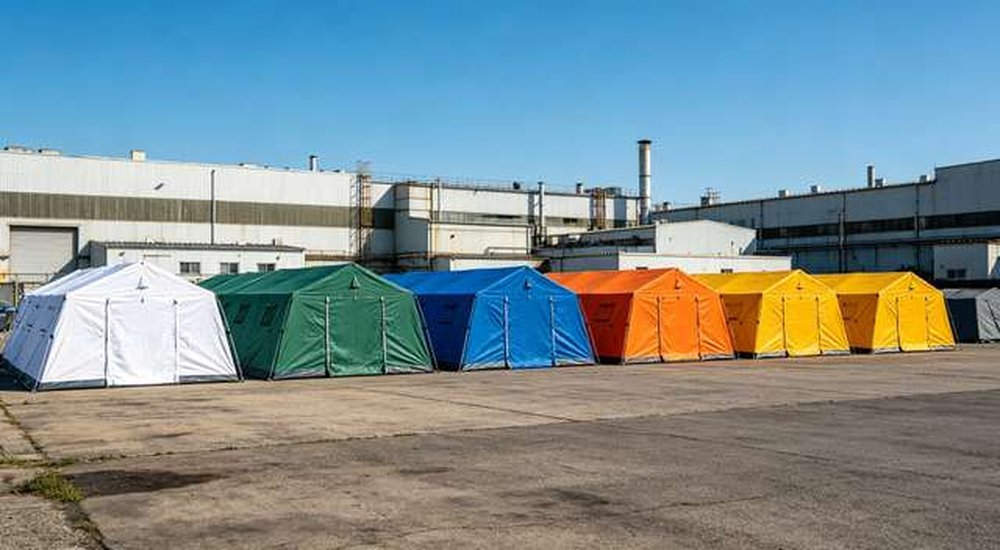
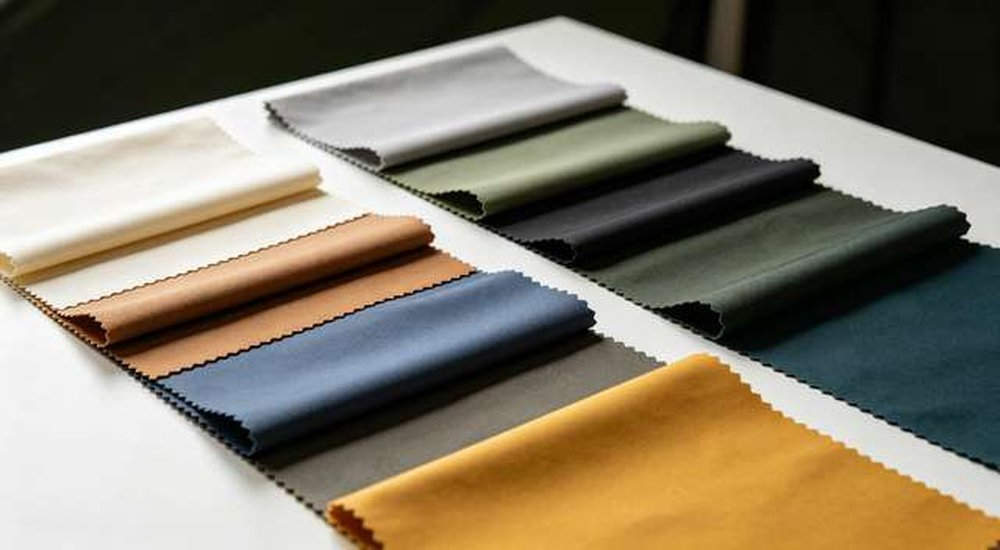
A custom color emergency tent is usually achieved by piece-dyeing the Oxford or canvas fabric to a PANTONE reference. Standard stock colors are olive green, army blue, white, and orange; everything else is custom. The color determines how the tent reads in the field: orange stands out in floods and rubble, white reads as medical or camp neutrality, military green blends with terrain, and a branded blue or red ties the shelter to an organization.
The dye process has a minimum batch. A single tent of a custom color is not economic because a dye vat runs a fixed minimum length of fabric. This is why custom-color MOQ typically starts at 50 units. Above 200 units, the per-meter dye cost drops and color consistency across the run is easier to guarantee.
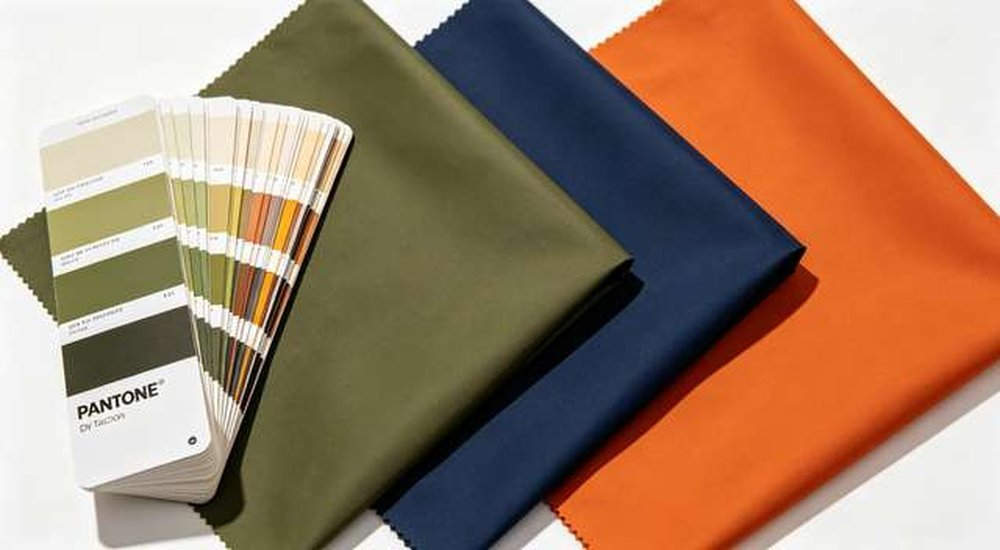
Cotton canvas and Oxford behave differently. Cotton takes dye richly but shrinks 2-5% after first wash, which the factory must pre-shrink before cutting. Oxford with PU coating takes dye slightly duller; expect a small tolerance (a few PMS steps) between the digital swatch and the finished cloth. Always approve a physical swatch, not a screen preview.
Color fastness matters in field use. Ask for the light-fastness and rub-fastness grade; a custom color that bleeds in the first rain will stain liners and clothes. For programs running across multiple years, lock a dye lot reference so year-two orders match year-one.
Watch out: "We can do any color" is a promise that only holds above the dye-batch minimum and only for fabrics that accept that dye chemistry. A bright fluorescent orange on heavy cotton canvas will not match a fluorescent PMS the way it does on polyester. Ask for a swatch.
Standard relief sizes cover most programs: custom size shelter work usually starts from these four anchors and adapts. 12 m2 (4×3 m) fits 6-10 residents or a small post; 20 m2 (5×4 m) fits 10-15 people, a small clinic, or a distribution point; 30 m2 (6×5 m) fits a 20-person block or command post; 40 m2 (8×5 m or 6.5×6 m) fits a 30-person dining or assembly area.
Minor size tweaks (for example, 4×3.5 m instead of 4×3 m) are cheap: the cutting pattern shifts slightly and the frame tubes are reordered. A fully non-standard footprint (for example, a long narrow unit for a corridor-style clinic) requires a new cutting pattern, a pattern fee, and structural re-checks of wind and snow load. Expect a 20-30 unit MOQ for a new footprint and a longer sample lead time.
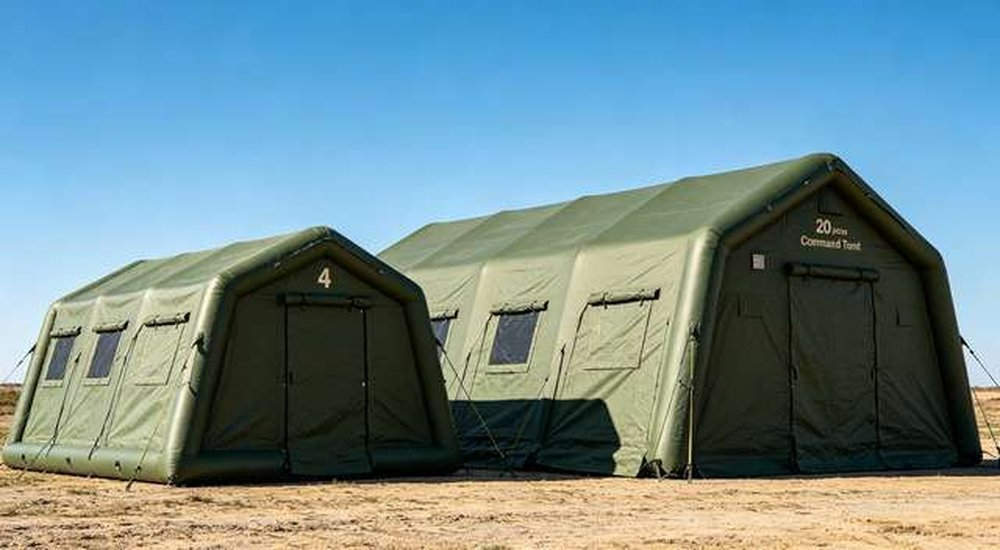
Internal usable area is not external footprint. Pole positions, door openings, center ribs, and storage aisles all consume floor area. A "20 m2 tent" may offer 16-17 m2 of clear interior. Always request internal dimensions and a marked floor plan, not just external L×W.
Vertical size is often overlooked. Side wall height and ridge height decide whether stretchers, shelves, or standing adults fit. A 2 m side wall works for seated use; 2.2-2.5 m side wall with a 3 m ridge is needed for standing work, cots with heads, or equipment racks. Custom height is more expensive than custom length because the frame geometry changes.
Doors and windows are where a generic shelter becomes task-specific. A family relief tent wants one wide front door. A field clinic wants two doors (in and out) plus observation windows. A command post wants a wide vehicle-facing flap. A winter camp wants a vestibule entry to block wind-driven snow.
Options: door position (front, side, rear), door count (1, 2, or 3), door width (1.2 m standard, 1.8 m for stretchers), door type (zippered flap, D-shaped zipper, roll-up hook-and-loop), and vestibule extension. A double-door layout improves airflow and evacuation; a single wide door lowers the cost.
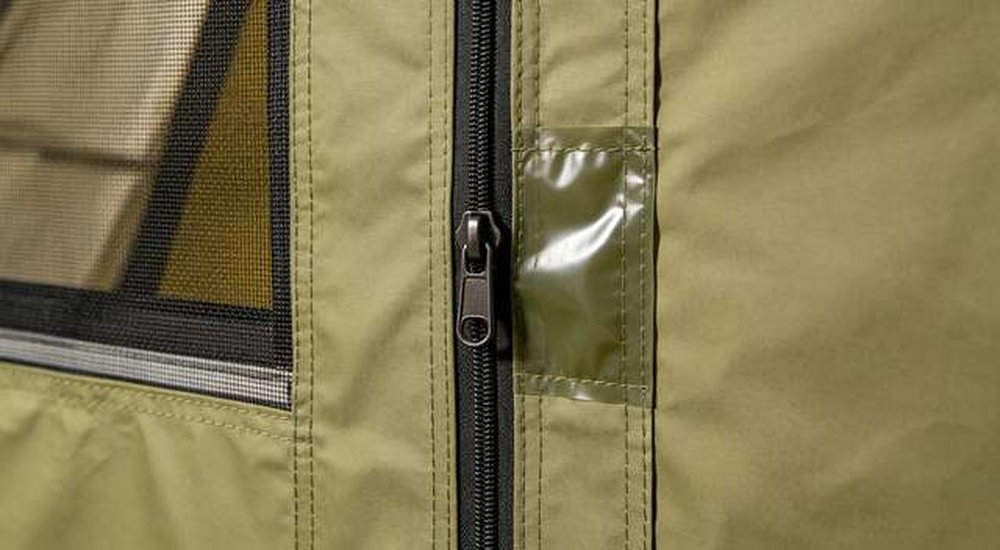
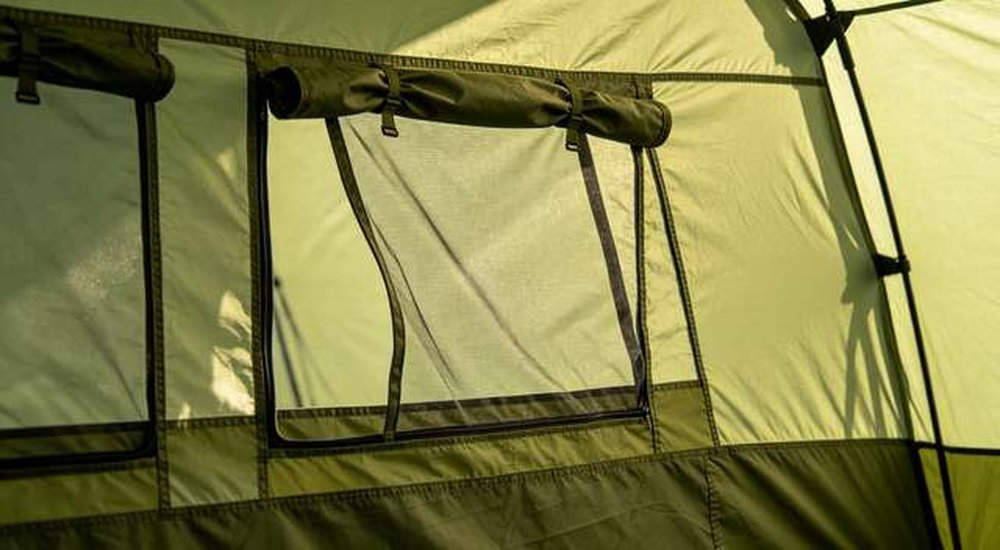
Options: window size, window count, mesh screen (keeps insects out while ventilating), clear PVC window (lets light in while blocking wind and rain), and roll-up window covers. Medical and command tents usually need PVC windows; family camps prefer mesh for night ventilation. Position windows away from the prevailing wind to avoid rain ingress.
For frame tents, the frame tube diameter and wall thickness can be upgraded for high-wind sites. For inflatable tents, air-beam spacing and pump configuration can be adjusted. Both structures support a center partition wall, connected-tunnel entry, and modular extension ports. Modular interconnection is a deeper customization that affects the whole camp layout; plan it at the drawing stage, not after sample approval.
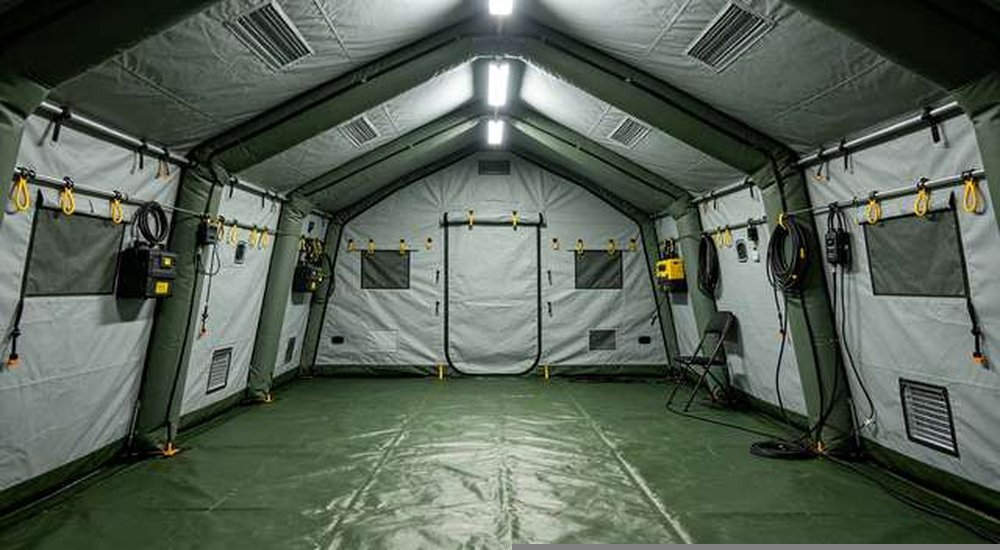
Functional options turn a shell into a working shelter. Each option is available as a standard OEM module; none is exotic, but each changes cost and packed volume. As a leading custom tent,
Ask yourself what each function is for. A chimney port without a stove is dead weight; cable inlets without a power plan are a leak point; a divider wall without an interior layout drawing just divides air. Functional customization earns its cost only when it maps to a real operational requirement.
This comparison table provides essential specifications for procurement evaluation. Buyers use this data to compare configurations, assess material quality, and calculate total project costs. As a professional tent manufacturer with extensive export experience, we ensure all parameters meet international standards and field deployment requirements. This information is particularly valuable for government procurement teams, NGO aid organizations, and international relief agencies evaluating bulk supply contracts.
Use this table to scope your inquiry. Each row is a separate lever; mark what you need and pass it to the engineer. This covers every option above plus packaging and pump branding in one view.
This specification table provides a comprehensive overview of tent manufacturer. Organizations use this data to benchmark ODM tent factory suppliers, evaluate material quality, and plan logistics for large-scale deployments. As a direct bulk custom tent, we offer transparent pricing and flexible customization for every order size. This information is particularly valuable for government procurement teams, NGO aid organizations, and international relief agencies evaluating bulk supply contracts.
Option
Method / Choice
Typical MOQ
Lead Time
Price Impact
Logo on wall / roof
Screen (1-3 colors)
50 units
+5-10 days
Low, one-time screen fee
Logo on wall / roof
Heat transfer / digital
1-30 units
+3-7 days
Medium per unit
Logo on carry bag
Screen or digital
50 units
+3-5 days
Low
Custom PMS color
Fabric dye batch
50+ units
+10-15 days
Dye surcharge per meter
Standard size (12/20/30/40 m2)
Existing pattern
1-10 units
20-30 days
Base price
Non-standard footprint
New cutting pattern
20-30 units
+15-25 days
Pattern fee + re-engineering
Door / window changes
Reposition / resize
10-20 units
+5-10 days
Low to medium
Mesh / PVC windows
Standard modules
10 units
Built in
Low per window
Cotton inner liner
Quilted, removable
10-20 units
+7-10 days
Medium per unit
Sewn-in floor
PE / PVC mat
10 units
Built in
Low to medium
Chimney / flue port
Heat-resistant ring
10 units
Built in
Low
Cable inlet / vent
Sealed grommet
10 units
Built in
Low
Equipment rails / hooks
Reinforced webbing or steel
20 units
+5-10 days
Medium
Branded pump (inflatable)
Pump selection / label
20 units
Built in
Low to medium
Branded packing / manual
Printed bag + booklet
50 units
+3-5 days
Low
* Indicative ranges. Final MOQ, lead time, and price depend on the confirmed configuration, artwork complexity, fabric choice, and order season. Always compare itemized quotes, not just the unit number.
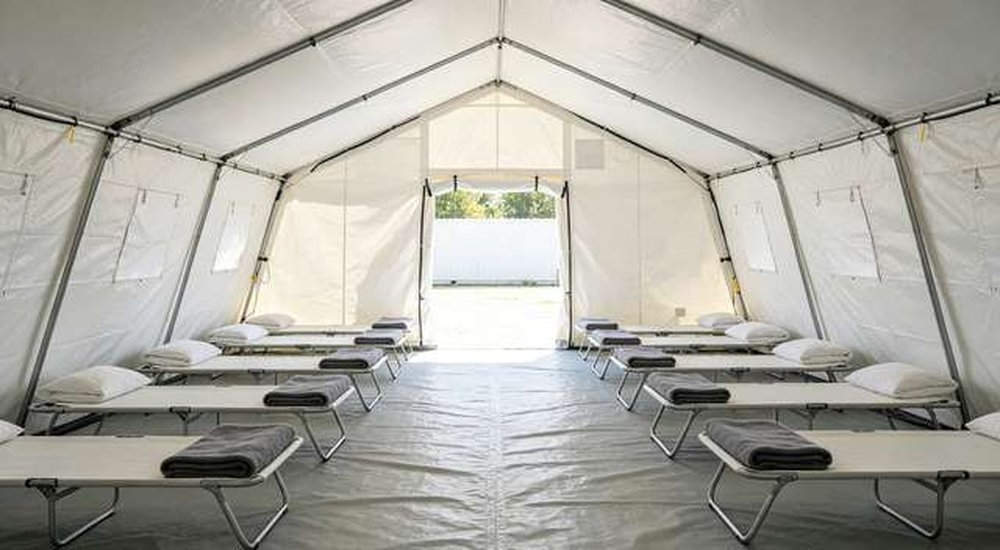
Buyers are usually surprised that "just add a logo" is cheaper than "just change the color", and that "just move a door" is cheaper than "make it a new size". The cost logic follows setup work, not visibility.
This comparison table provides essential specifications for procurement evaluation. Buyers use this data to compare configurations, assess material quality, and calculate total project costs. As a professional tent manufacturer with extensive export experience, we ensure all parameters meet international standards and field deployment requirements. This information is particularly valuable for government procurement teams, NGO aid organizations, and international relief agencies evaluating bulk supply contracts.
The data below summarizes essential metrics for ODM tent factory. Procurement teams rely on this information to compare bulk custom tent performance, assess durability ratings, and calculate total project budgets. Our factory produces China tent factory with consistent quality and reliable delivery timelines for international clients. This information is particularly valuable for government procurement teams, NGO aid organizations, and international relief agencies evaluating bulk supply contracts.
Factor
Why It Changes Price
How to Control It
Logo method
Screen setup fee amortized over volume; digital costs per unit
Use screen at 100+ units; use digital for samples
Color count in logo
Each extra screen color adds a screen fee and a print pass
Keep to 1-2 colors; use digital for multicolor
Custom PMS color
Dye batch minimum; per-meter surcharge
Bundle multiple SKUs into one dye lot
Fabric weight / denier
Heavier or higher-Denier cloth costs more per meter
Match fabric to task, not to prestige
New size / pattern
Pattern-making, structural recalc, new cutting dies
Adapt a standard size first
Functional modules
Liners, chimney ports, rails add labor and material
Add only what the brief requires
Frame upgrade
Thicker tube, galvanizing, extra ribs
Pay for wind rating you actually need
Order volume
Setup fees spread over more units
Combine annual needs into one PO
The single most expensive customization is a brand-new footprint with a new color, new logo, and winter liner, ordered at low volume. The cheapest is a standard size in a stock color with a screen logo on the carry bag. Most programs land in the middle.
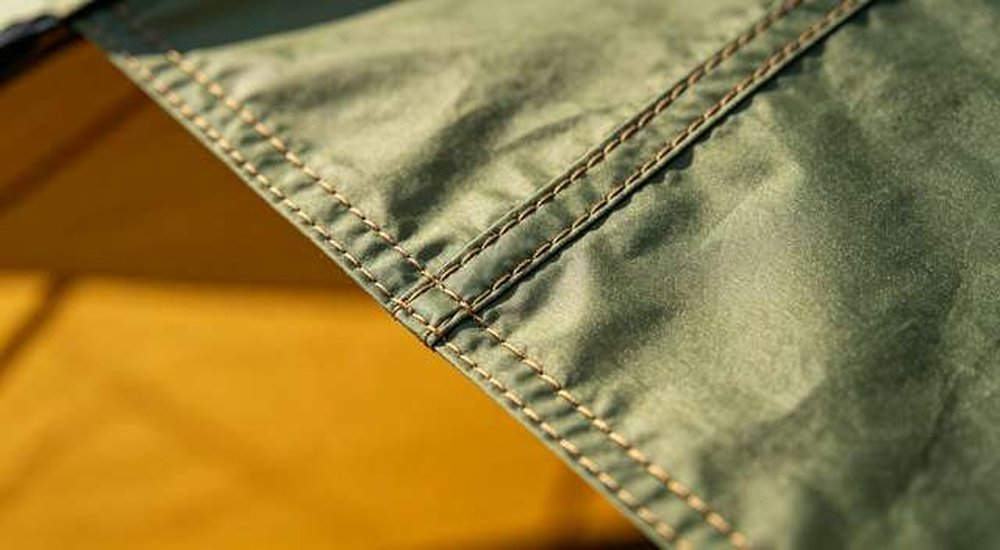
MOQ is not arbitrary; it is the smallest run that covers setup without making each unit absurdly expensive. Below the MOQ, the order is handled as a sample, which carries a higher unit price and a slower schedule. As a rule of thumb: standard size in a stock color starts at 1-10 units; a screen logo on a standard size needs about 50 units; a custom PMS color needs 50+ units because of the dye batch; a custom color combined with a custom logo takes the longest, around 40-50 days for mass production; a non-standard footprint needs 20-30 units and a 45-60 day production window; and a pilot order below the printed MOQ is handled as a sample with a higher unit price. Sample itself runs 5-7 days for stock color, 7-15 days with a screen logo, 15-25 days with custom color or new size, and 20-30 days when both custom color and custom logo are involved.
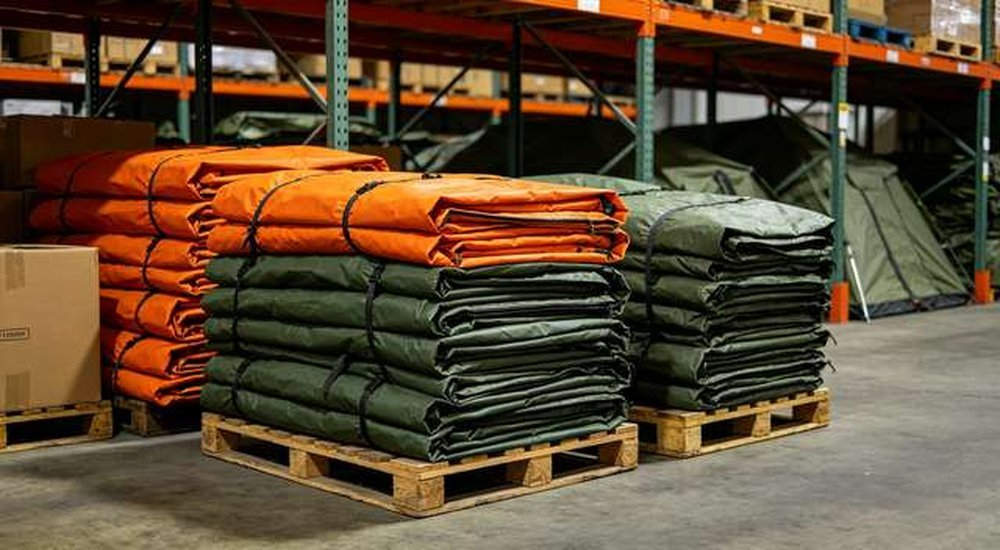
Always confirm sample policy in writing: is the sample fee refundable against a bulk PO? How many revision rounds are included? Who ships the sample and pays freight? A supplier who refuses to send a physical sample, or who insists on bulk before sample approval, is a risk.
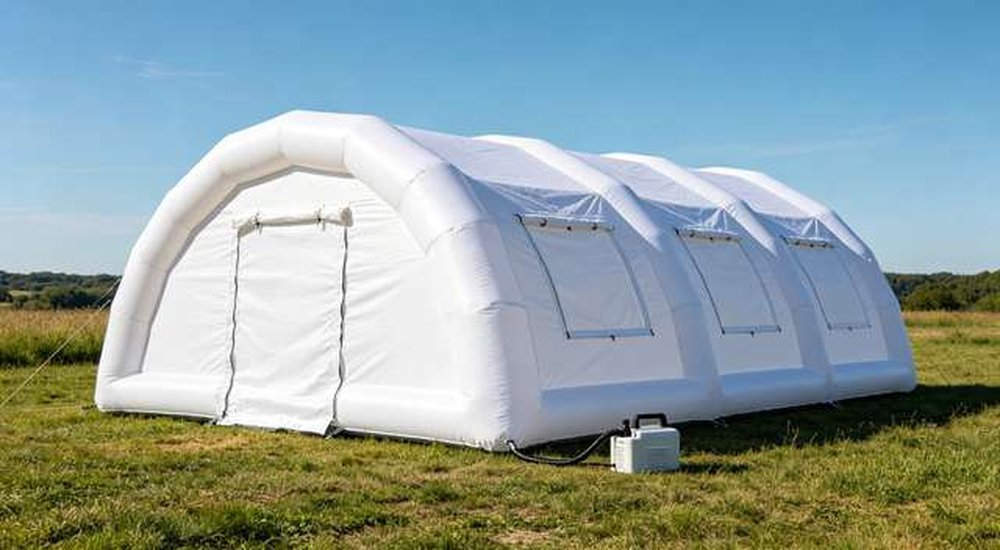
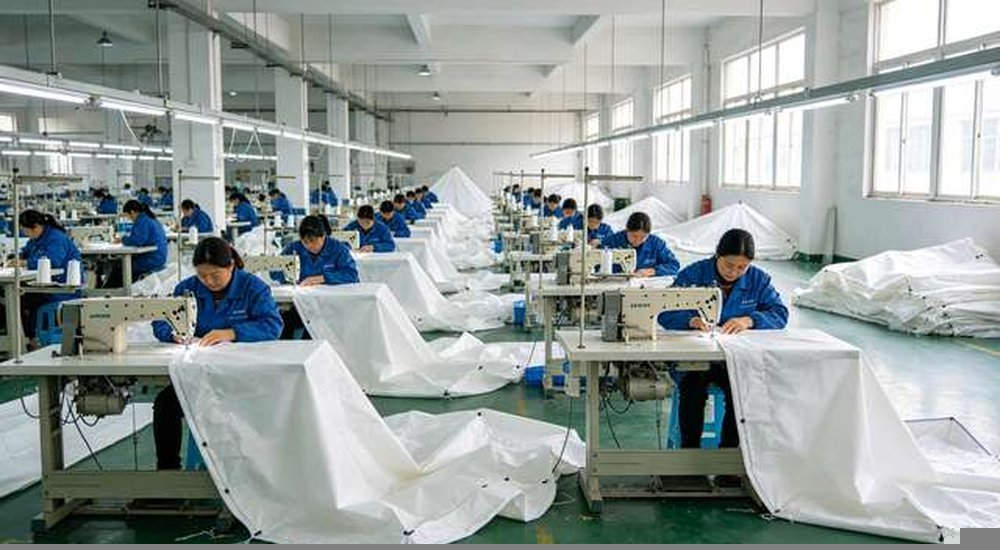
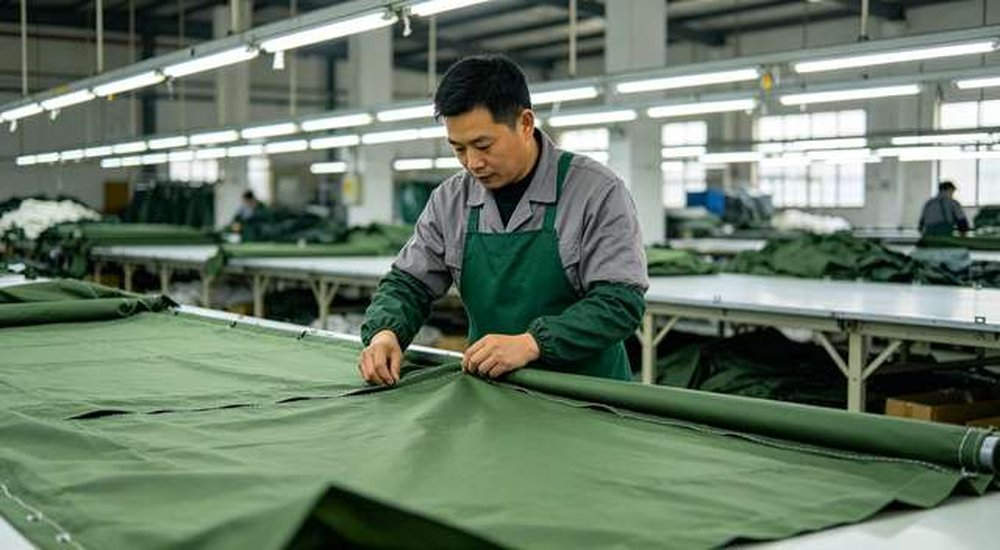
OEM delivery depends on real capacity, not a brochure. A shop that can build ten tents a week cannot deliver 500 units in two months. Ask for the monthly range, the split between frame and inflatable lines, and whether your order shares the line with other customers.
This comparison table provides essential specifications for procurement evaluation. Buyers use this data to compare configurations, assess material quality, and calculate total project costs. As a professional tent manufacturer with extensive export experience, we ensure all parameters meet international standards and field deployment requirements. This information is particularly valuable for government procurement teams, NGO aid organizations, and international relief agencies evaluating bulk supply contracts.
This comparison helps buyers understand the differences between bulk custom tent configurations. The table covers key specifications that determine China tent factory suitability for different emergency scenarios. As a professional wholesale tent supplier, we provide detailed documentation and sample validation for every product line we manufacture. This information is particularly valuable for government procurement teams, NGO aid organizations, and international relief agencies evaluating bulk supply contracts.
Capability
Typical Range
What It Means for Your Order
Monthly output
500-2000 units / month
Bulk orders in weeks, not months
Print line
Screen + digital print
Both low- and high-volume logos in-house
Fabric dye / source
Partner dye works
Custom PMS colors with lead time
Cutting & sewing
Multiple lines, numbered patterns
Repeat orders stay identical
Design / engineering team
In-house drafters
Drawing changes without outsourcing delay
Frame / air-beam production
Welding + beam welding in-house
Structural changes controlled
QC trial area
Full-size erection space
Random unit set up before packing
For a private label tent program, continuity matters: can the factory reproduce the same color, same print, and same parts on a reorder two years later? Ask whether cutting patterns, screen films, and dye-lot records are kept on file. A supplier that cannot answer this will give you a slightly different product on your second PO.
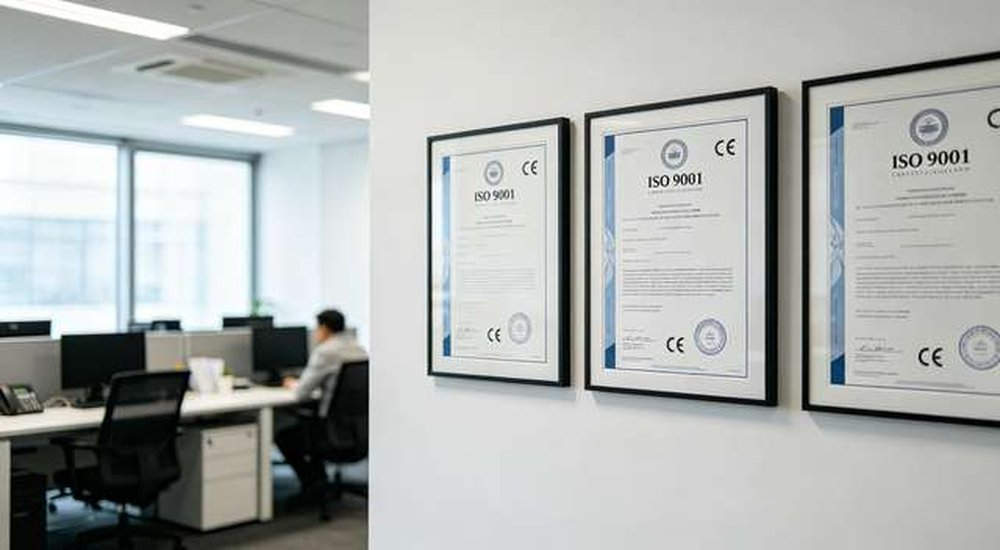
Certifications protect the buyer, not just the factory. Require documents, not slogans. The minimum a serious OEM shelter program should ask for is: an ISO 9001 factory quality system certificate; a CE declaration for the target market; CPAI-84 or NFPA 701 fire-retardant fabric reports; a hydrostatic head test for waterproofing; light and rub color-fastness reports for any custom PMS color; and a print-adhesion or wash test on the logo sample. Government and relief buyers may additionally ask for a factory audit and for the test reports to be tied to the actual fabric lot and frame model being supplied. A marketing line is not a certificate; ask for the actual document file.

Customization does not stop at the tent. The carry bag, the packing carton, the shipping mark, and the instruction manual are all part of the branded product. A branded relief tent delivered in an unbranded brown bag loses half its field value.
Standard packing: tent body folded in a heavy-duty branded carry bag; frame or beams in a separate strapped bundle; stakes, ropes, repair kit, and manual in a small pouch. Cartons are numbered, with a packing list that maps each carton number to its contents and weight. This makes customs clearance and field inventory straightforward.
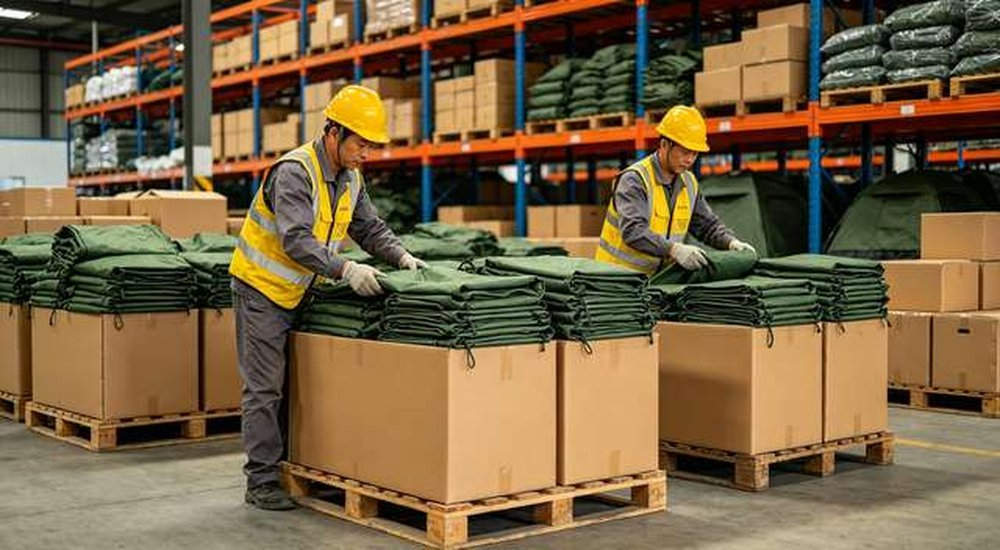
Delivery terms: confirm Incoterms (EXW, FOB, CIF, DAP) in writing. For urgent relief orders, air freight or express is possible but costly; for planned programs, sea freight is normal. Ask whether the factory can consolidate multiple SKUs in one container so a mixed order of family tents, clinic tents, and command tents shares freight.
Spare parts planning: for a multi-year program, order 5-10% spare poles or beams, 10% extra stakes, and a roll of seam tape in the same color. These spares ship inside the same container and avoid an emergency air freight later.
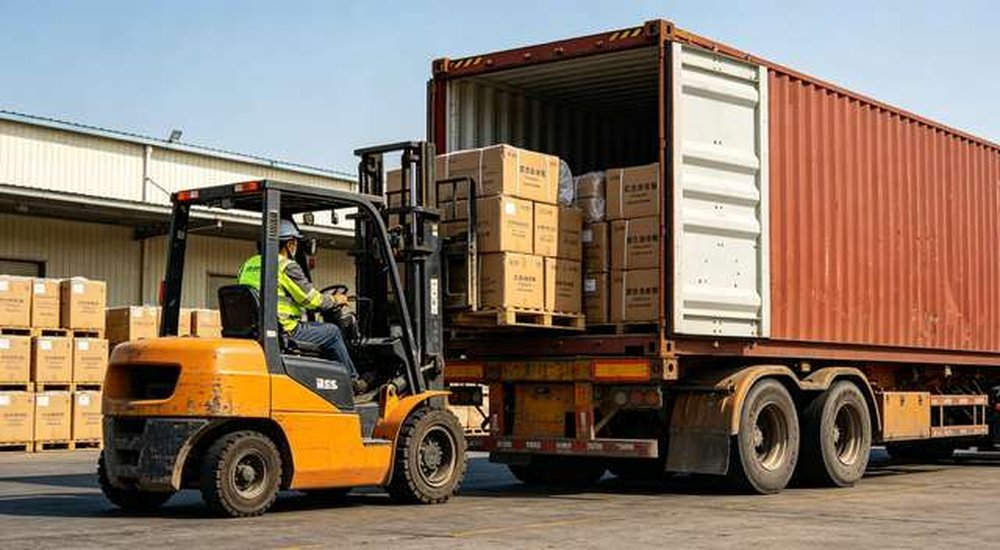
These are typical customization profiles, not named clients. They show how different organizations combine the same OEM levers. As a leading tent supplier,
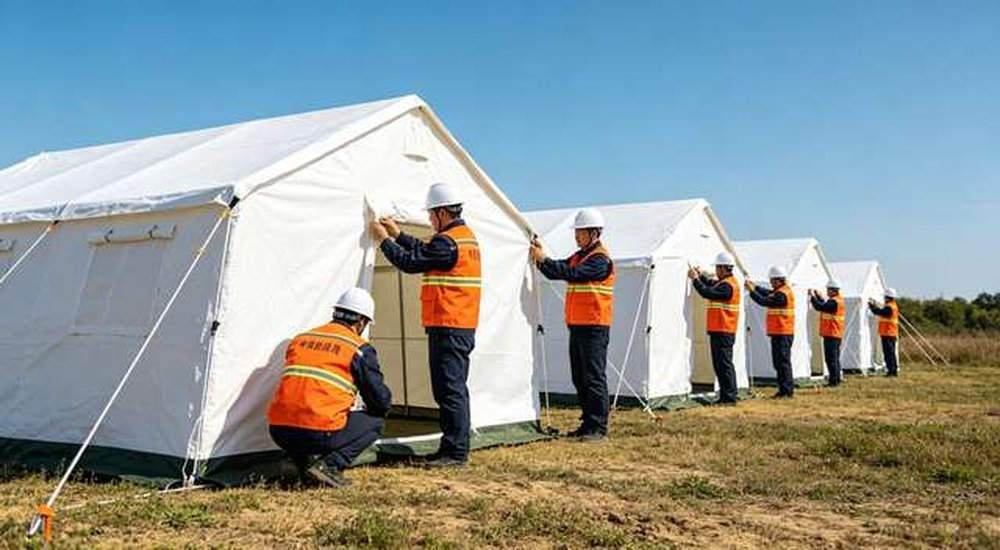
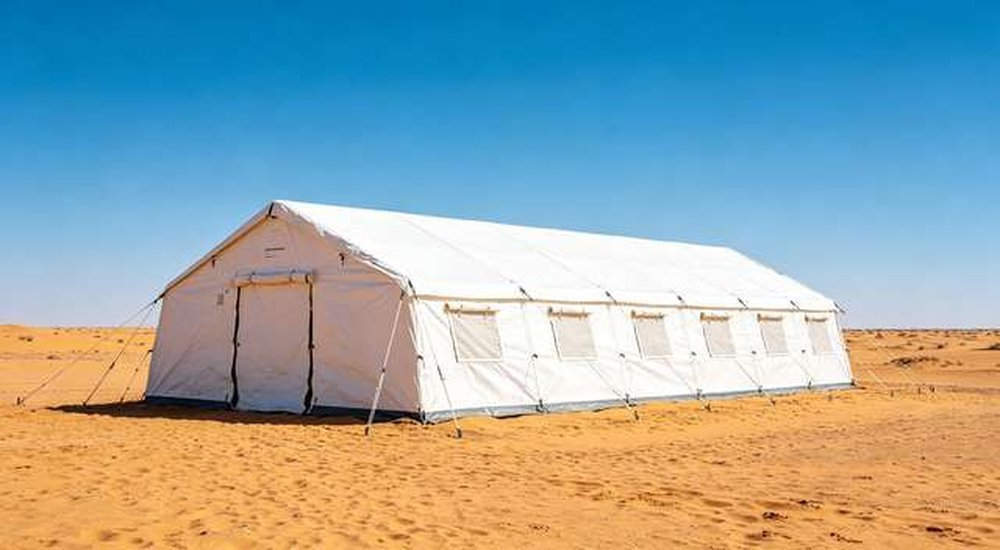
A regional procurement office needs 200 units of 20 m2 frame relief tents in a single agency blue. Logo on the front wall, mesh windows on both sides, sewn-in floor, and branded carry bags. No non-standard size; the customization is color, print, and the floor option. Sample is approved on color match; mass production runs 40 days. Repeat orders use the same dye-lot record.
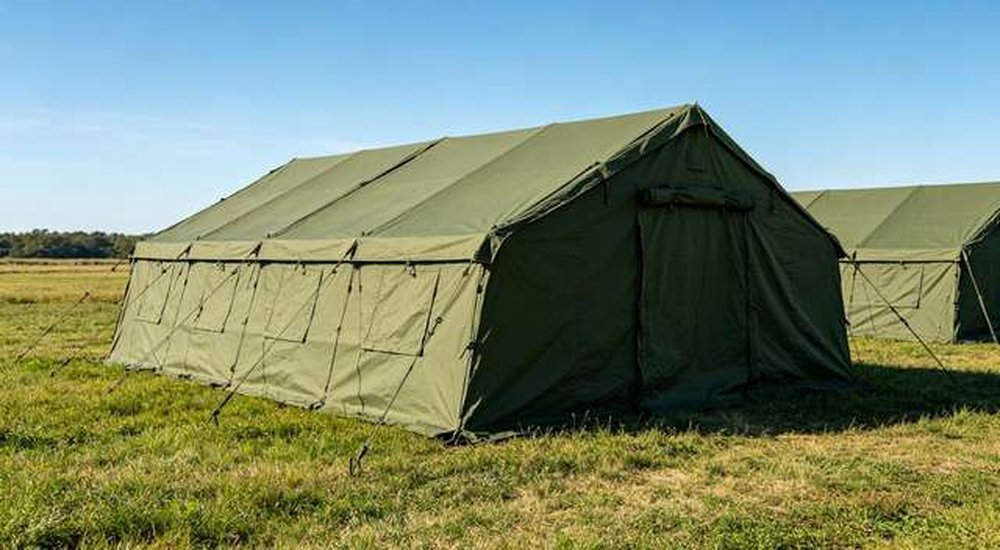
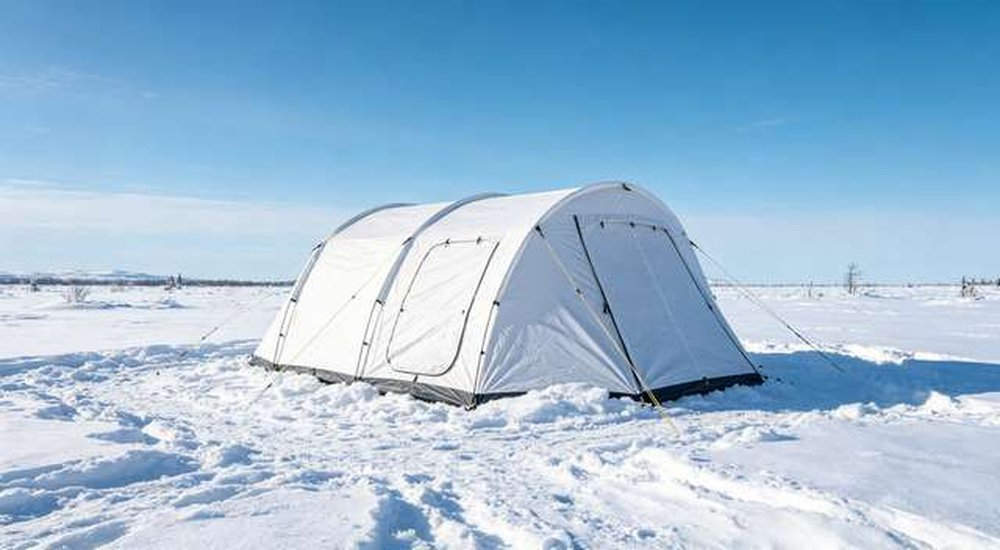
An international relief NGO needs mixed sizes across one order: 50 units of 12 m2 family tents, 20 units of 30 m2 dining tents, 5 units of medical tents in off-white with PVC windows. Logo on wall and bag, cotton winter liners on 30 units, chimney ports on the family tents. The factory consolidates three SKUs in one container.
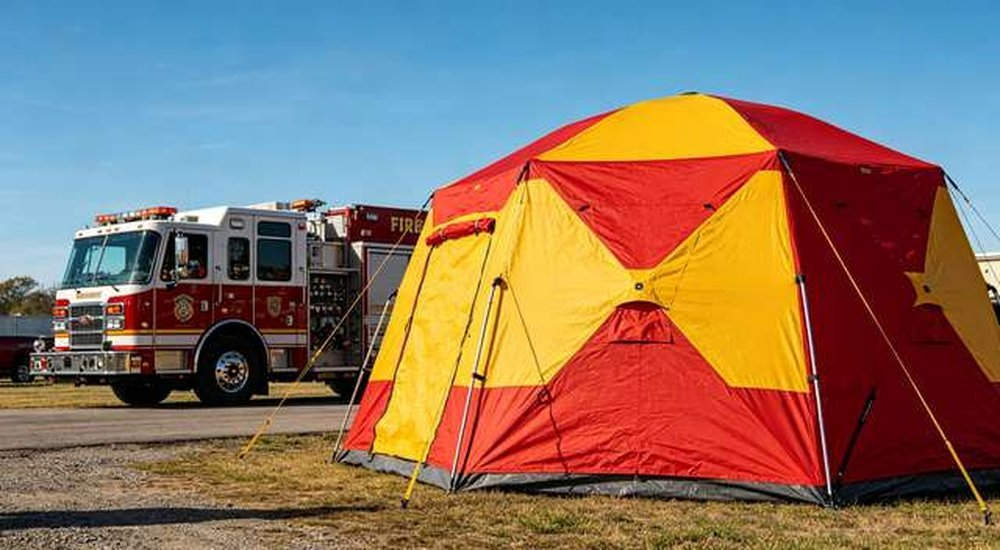
A domestic rescue team needs inflatable rapid-response tents in high-visibility orange, with a team mark on the roof (air-visible), branded electric pumps, and a repair kit pouch. The customization is color, roof print, and pump branding. Setup must stay under 20 minutes, so no heavy structural changes.
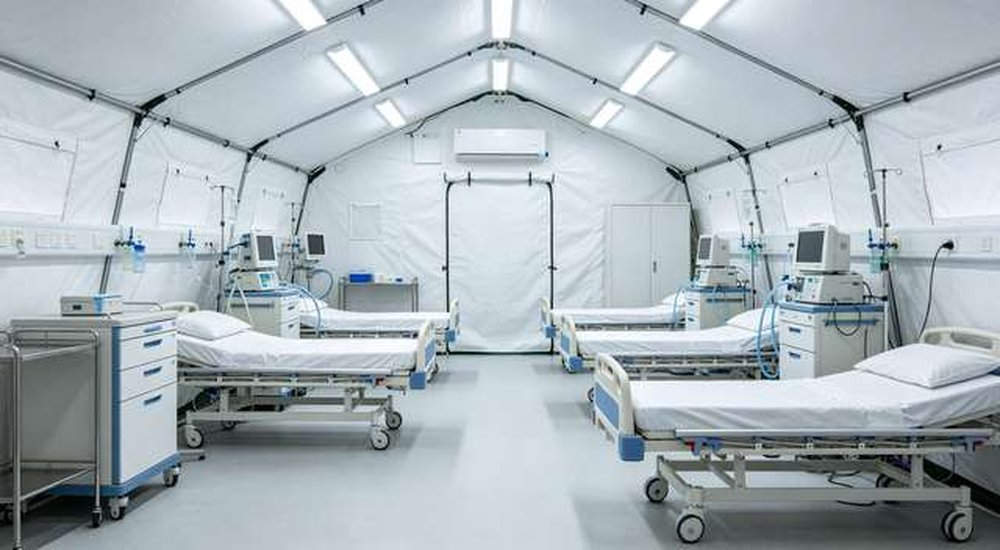
A company preparing for business-continuity events orders a mix of 12 m2 and 20 m2 tents in neutral white with the corporate mark on the carry bag only. No custom color; the tent body stays standard. The goal is low unit cost plus recognizable branding when the kit is opened at a facility emergency.
Most OEM failures are not manufacturing failures; they are briefing failures. The list below is what we see repeatedly. As a leading tent wholesale,
The fix is simple: a written brief, a signed drawing, a signed sample, and an itemized PO. Anything less turns a customization project into a remake conversation.
Send the items below to an OEM supplier. A reply that ignores half of them is telling you how the project will be run. As a leading ODM tent,
This comparison table provides essential specifications for procurement evaluation. Buyers use this data to compare configurations, assess material quality, and calculate total project costs. As a professional tent manufacturer with extensive export experience, we ensure all parameters meet international standards and field deployment requirements. This information is particularly valuable for government procurement teams, NGO aid organizations, and international relief agencies evaluating bulk supply contracts.
This comparison table outlines key specifications for China tent factory. Procurement teams use this data to evaluate wholesale tent supplier options, compare pricing structures, and verify compliance with international standards. As an experienced OEM emergency tent, we ensure every parameter meets field deployment requirements for emergency response operations worldwide. This information is particularly valuable for government procurement teams, NGO aid organizations, and international relief agencies evaluating bulk supply contracts.
Brief Item
Why It Matters
If Missing
Use case + climate
Decides fabric weight, fire rating, liner need
Wrong fabric for the weather
Internal layout
Decides doors, windows, partitions, vents
Sample arrives without usable flow
PMS color + swatch
Decides dye batch and color consistency
Color guess, then remake
Vector logo file
Clean print at any size
Blurry print, wrong colors
Quantity
Decides MOQ eligibility and method
Quoted at sample price
Target date
Decides whether air or sea freight
Missed event deadline
16. Frequently Asked Questions
Standard off-the-shelf models usually start at 1-10 units. Printed logos, markings, or relief-agency identification generally require 50 units or more, because print screens or digital print files are set up once and amortized across the run. A single-unit logo sample is often possible at a higher unit price; confirm the sample fee and whether it is refundable against a bulk order.
Screen printing suits 1-3 color logos on flat wall panels, gives the best outdoor durability, and costs least above 100 units. Heat transfer handles multicolor or gradient logos but wears faster in folding zones. Digital (direct-to-fabric) print suits one-off samples and complex artwork, with the highest per-unit cost. Choose by logo color count, surface area, and order volume.
Yes for Oxford and PU-coated fabrics; yarn-dyed or piece-dyed options match most PMS references within a small tolerance. Dyeing a custom color runs 50 units minimum because the dye batch itself has a minimum volume. Cotton canvas color matching is narrower and shifts with washing. Always approve a physical fabric swatch before bulk production.
A standard-color sample with existing patterns takes 7-15 days. A sample that includes custom color, new logo art, or a non-standard size takes 15-25 days. Mass production for a confirmed configuration usually runs 20-45 days depending on order volume, fabric dye lead time, and print setup. Always lock artwork and fabric swatches in writing before production starts.
Standard relief sizes are 12, 20, 30, and 40 m2. Non-standard dimensions require a new cutting pattern, which carries a pattern fee and usually a 20-30 unit MOQ. Minor tweaks, such as shifting a door or resizing a window, are cheaper than a fully new footprint. Decide whether you truly need a new footprint or can adapt a standard one.
Yes. Removable divider walls, quilted cotton inner liners, sewn-in floor mats, roof vents, cable pass-throughs, equipment hanging points, and chimney flue ports are all standard OEM options. Each addition changes interior layout, packed volume, and price. State which function each feature serves so the engineer can size it correctly.
Logo printing and small layout changes add a modest per-unit cost once the screen or file is set up. Custom color adds a dye-batch surcharge. A new non-standard size adds pattern-making and often structural re-engineering. Winter liners, chimney ports, and reinforced frames add more than cosmetic customization. Ask the supplier to itemize each add-on so you can compare.
Expect an ISO 9001 quality-management certificate, CE declaration for the relevant market, and CPAI-84 or NFPA 701 fire-retardant fabric reports. Government and relief buyers may also ask for hydrostatic head test sheets and a factory audit. Request the actual documents; a marketing line is not a certificate.
Supply vector artwork (AI or EPS) with exact PMS colors. Ask the factory to approve a digital proof and a physical print swatch on the actual tent fabric before bulk run. For confidential programs, a non-disclosure clause is normal. Keep print files under version control so a reorder reproduces the same logo.
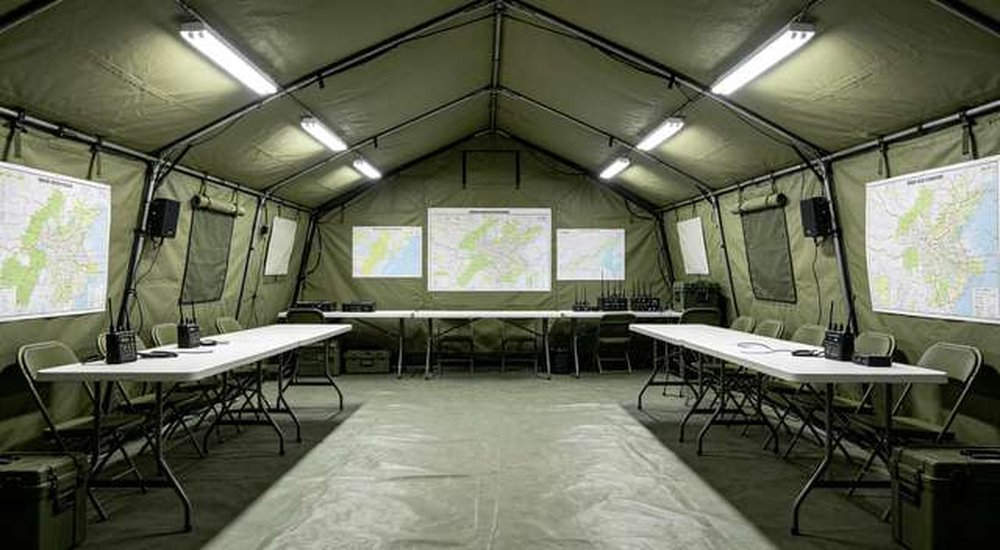
Yes. Storage bags, repair kits, and instruction manuals are commonly printed with the same logo. Bag printing is often cheaper than wall printing and improves field recognition. State whether you want the mark on the tent body, the bag, or both, and confirm placement in the artwork approval.
Pilot orders below the printed MOQ are often handled as samples: higher unit price, longer wait, and simplified options (usually standard color with screen print only). Use the pilot to validate setup, packing, and durability before committing to a bulk run. Confirm in writing whether pilot pricing applies to a later reorder.
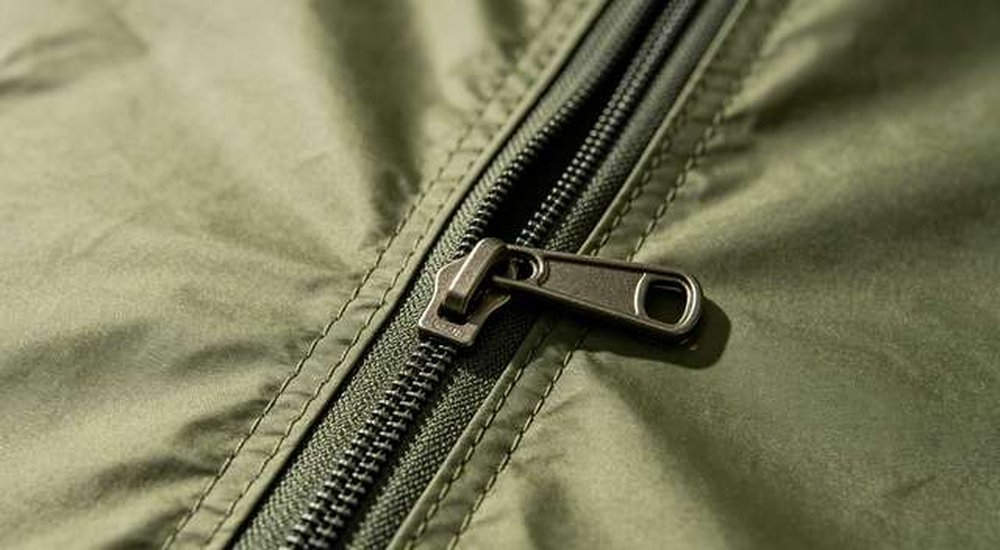
Brief the factory with: intended use and deployment scenario, number of users, internal layout, required size, brand color or PMS, logo placement and artwork, door/window needs, functional options (liner, floor, vents, chimney), target quantity, and delivery deadline. The more complete the brief, the fewer rounds of sampling and the closer the first sample matches your goal.
Looking for custom tent? Contact us for factory-direct pricing. As a leading bulk tent,
Looking for tent supplier? Contact us for factory-direct pricing.
Technical answers from the production team.
Contact us today for OEM/ODM custom manufacturing services with low MOQ and competitive pricing.
 |

|
Liens amicaux :
droits dauteur © Custom Disaster - Relief Bedding: Tents, Sleeping Bags, Blankets Tous les droits sont réservés
léquipe professionnelle au service !