dernier blog
A clear blanket photo can still lead to a wrong bulk-order decision. The image may show colour, pile direction and edge finishing perfectly while leaving composition, finished dimensions, GSM, packing and batch consistency completely unanswered. The useful question is not whether the photo looks professional, but which purchase decision that exact image is qualified to support.
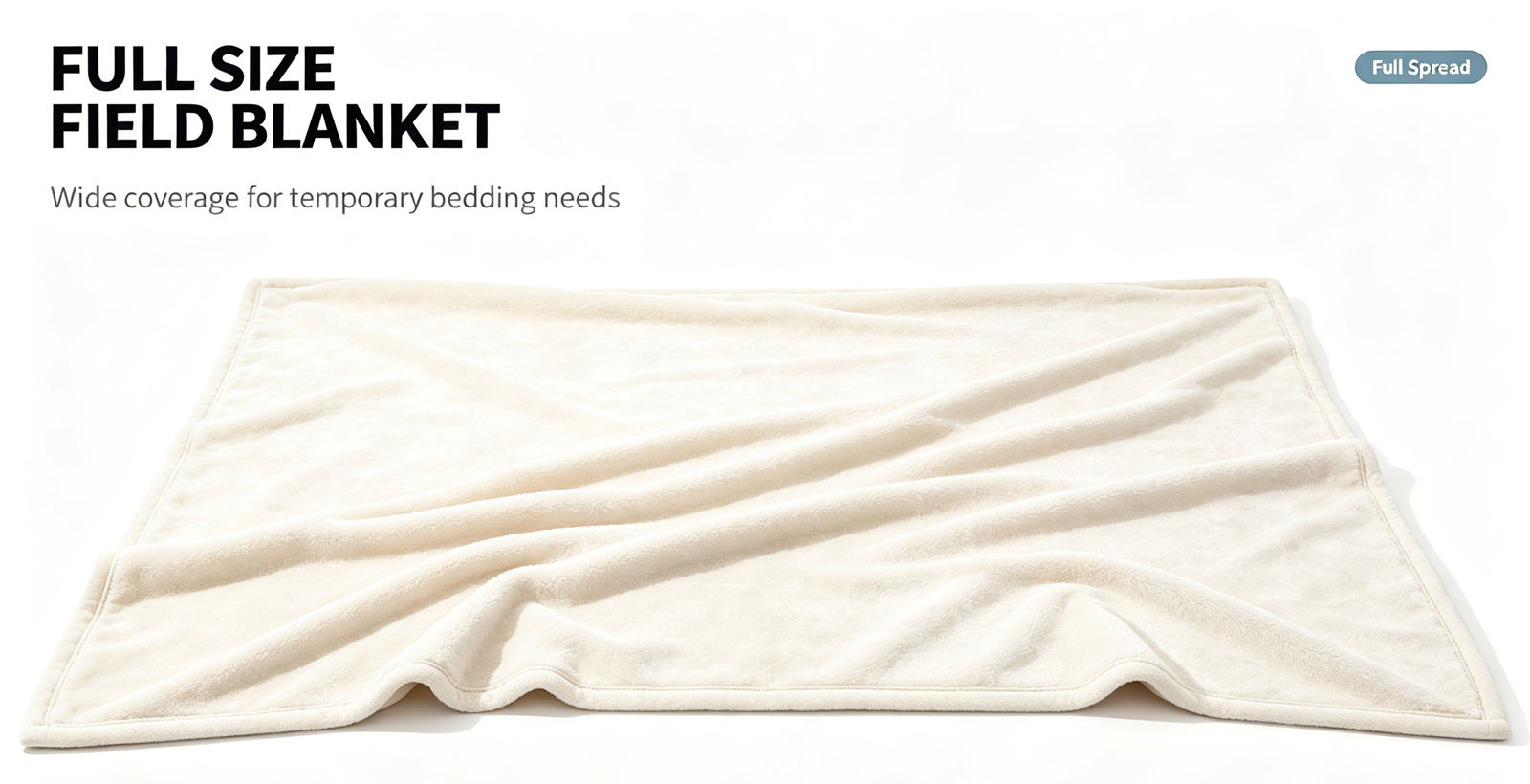
Two blanket photos can look equally thick while hiding different dimensions, construction, or packing. Start by deciding what the image can prove and what still needs a sample or measured record. For bulk buyers, product photo evidence for blanket procurement is useful at the first review stage, but it cannot replace a sample, BOM, specification sheet, test document, or batch inspection record.
If your team asks what product photos can prove in blanket sourcing, the short answer is this: photos can support visible review of color, surface texture, edge finishing, folding form, label position, and pattern direction, but they cannot prove material ratio, GSM, exact size, certification status, carton data, or bulk-order consistency.
A product photo is a starting point for blanket sourcing verification, not the final proof for releasing a bulk order.
A supplier-side photo package should connect each image to a specification and sample ID, with spread, folded, edge, label, and packing views dated and revision-controlled. Relief, institutional, reserve, and camp blanket product lines may use different dimensions, compositions, constructions, and finished weights. Do not combine fields from separate directions. The active quotation, approved sample, and order material list control every final value.
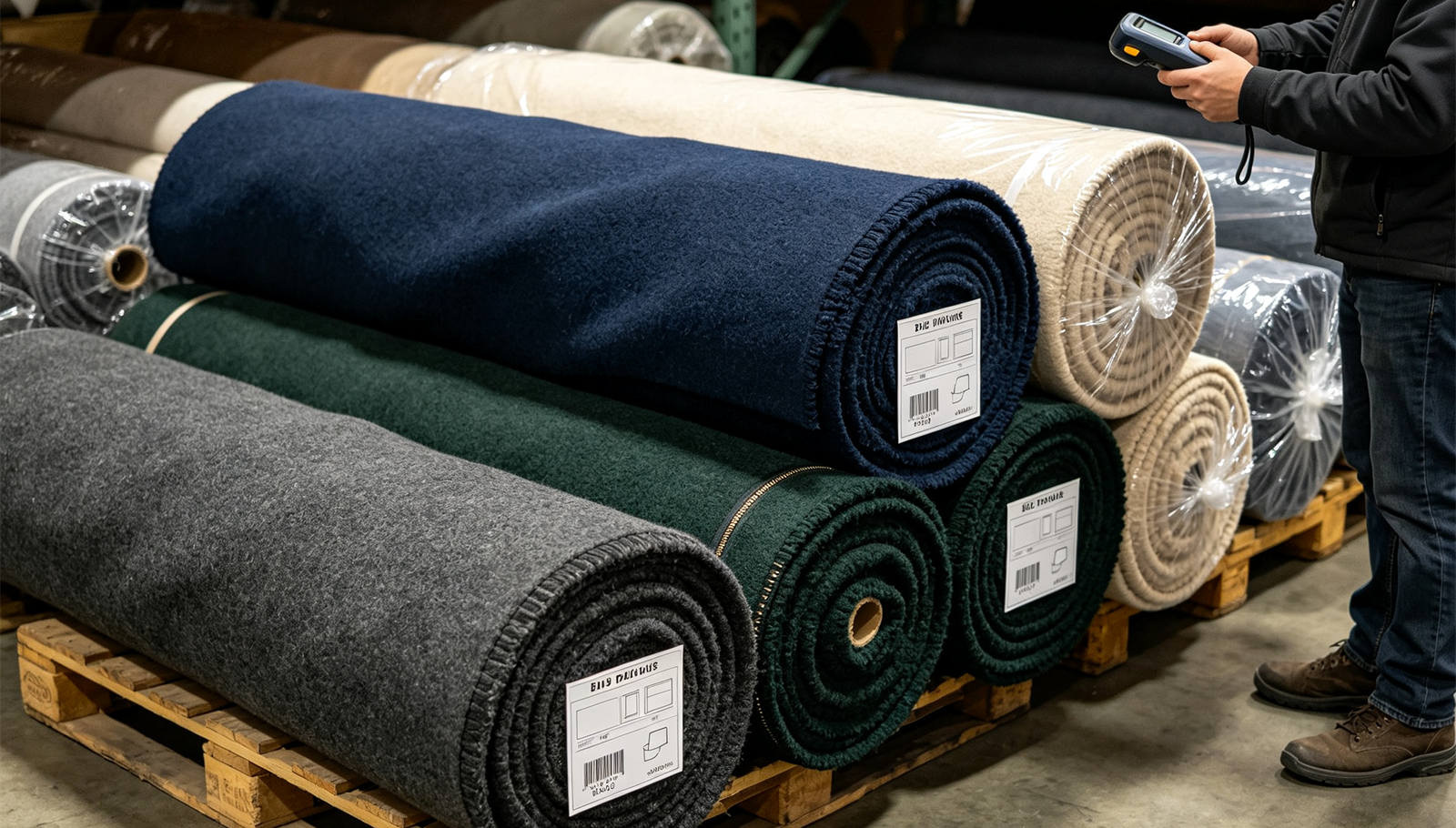
The value of a photo set changes with the buyer's stage. A government reserve team may use dated packing and carton views to plan warehouse rotation. An NGO logistics team may focus on opening, counting, and destination marks. A distributor may need stable color and private-label presentation for repeat orders. The same image should not answer all three jobs. A useful request states the intended decision, required view, product identity, date, and the next record that will confirm what the camera cannot show.
Write two columns while reviewing images. In the first, record only what is visible: edge type, colour family, surface direction, fold, label position and pack appearance. In the second, record the conclusion a buyer wants to make. If the conclusion is composition, weight, durability, certification or batch consistency, the photo cannot close it. This simple separation prevents attractive imagery from becoming accidental technical evidence.
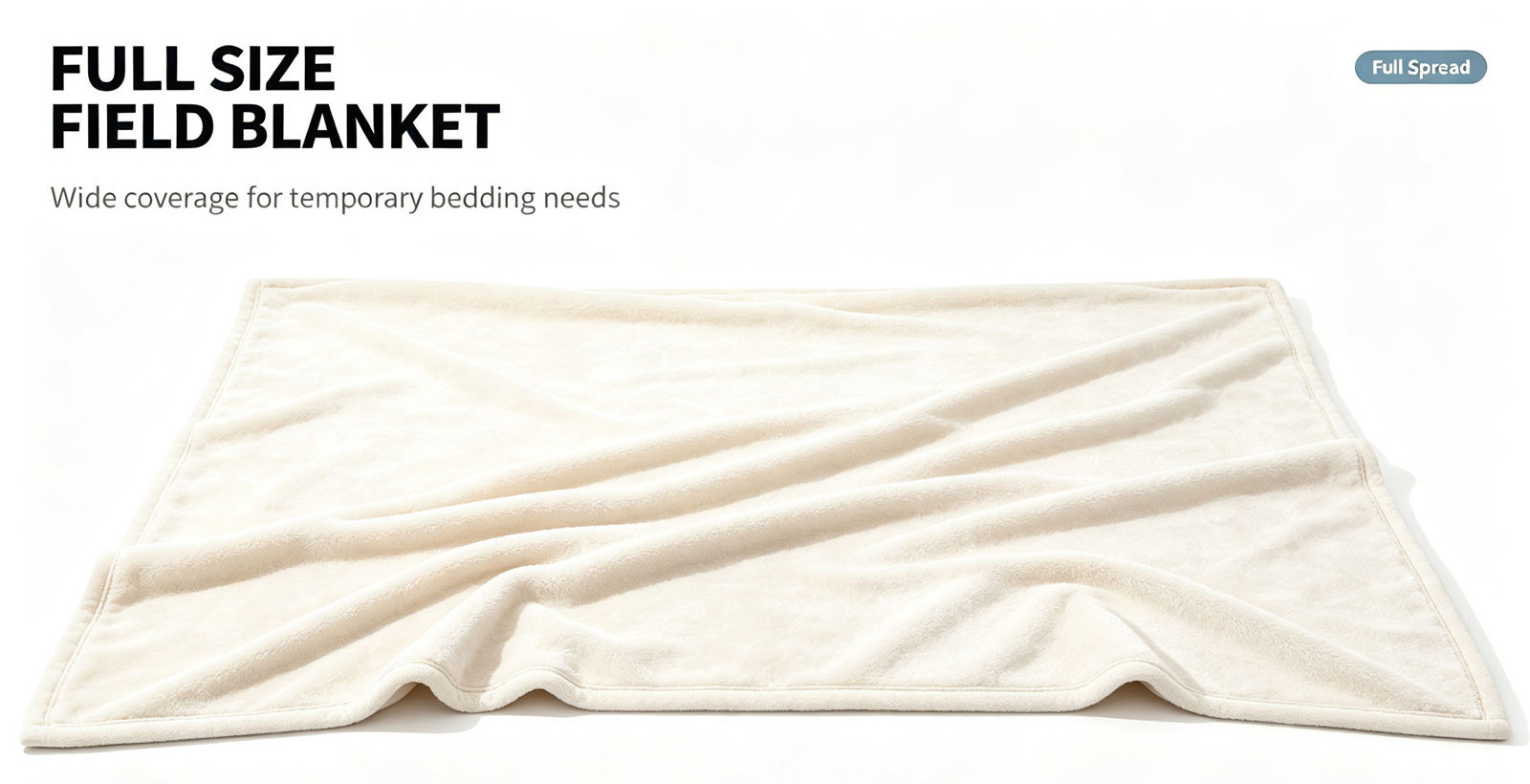
A single hero image hides too much. Use an overall spread or drape view for proportion, a folded view for bulk and presentation, an edge close-up for finishing, and a label or pack view for identity. Keep lighting and colour reference consistent. Even with all four views, connect the result to a written specification and identified sample before bulk approval.
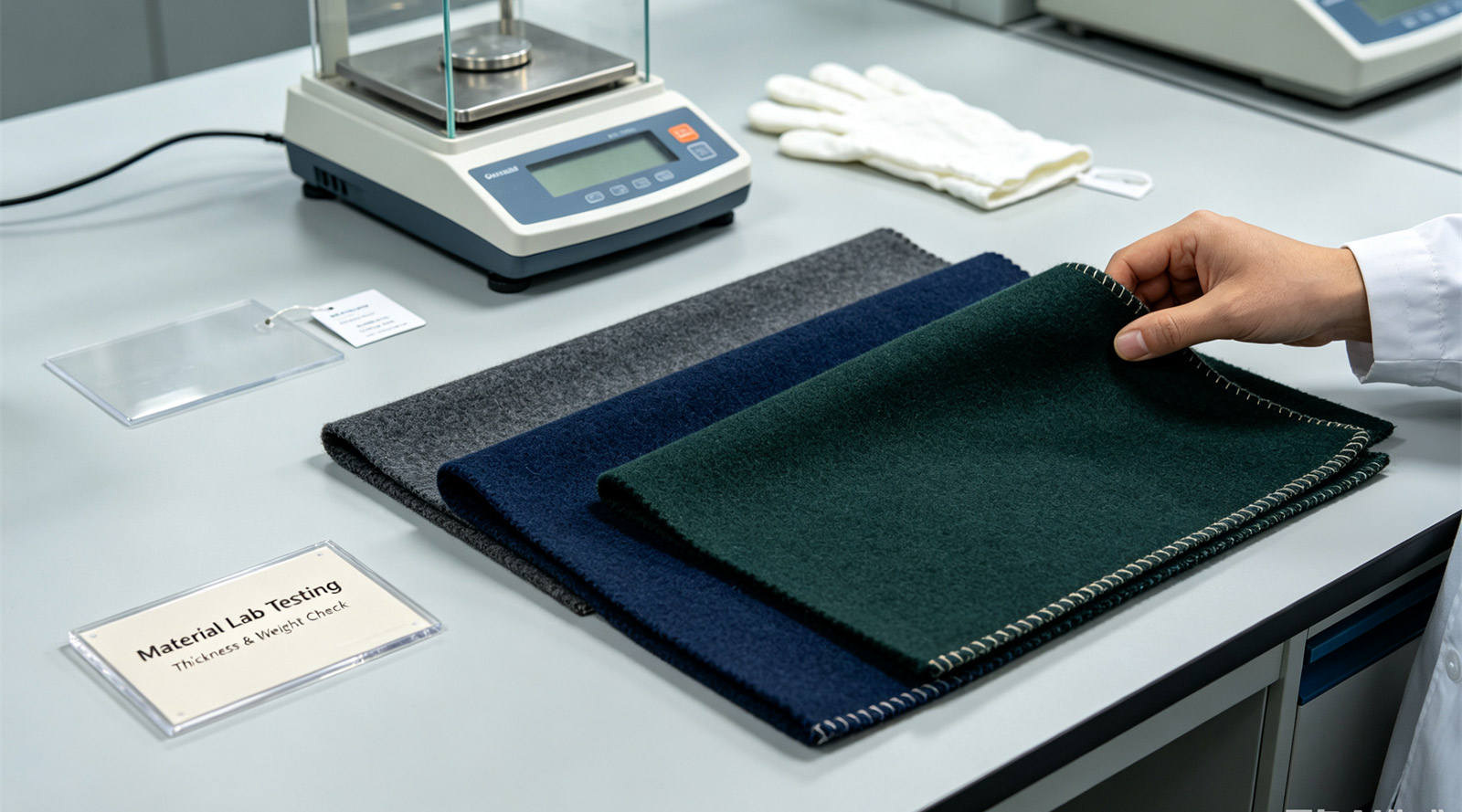
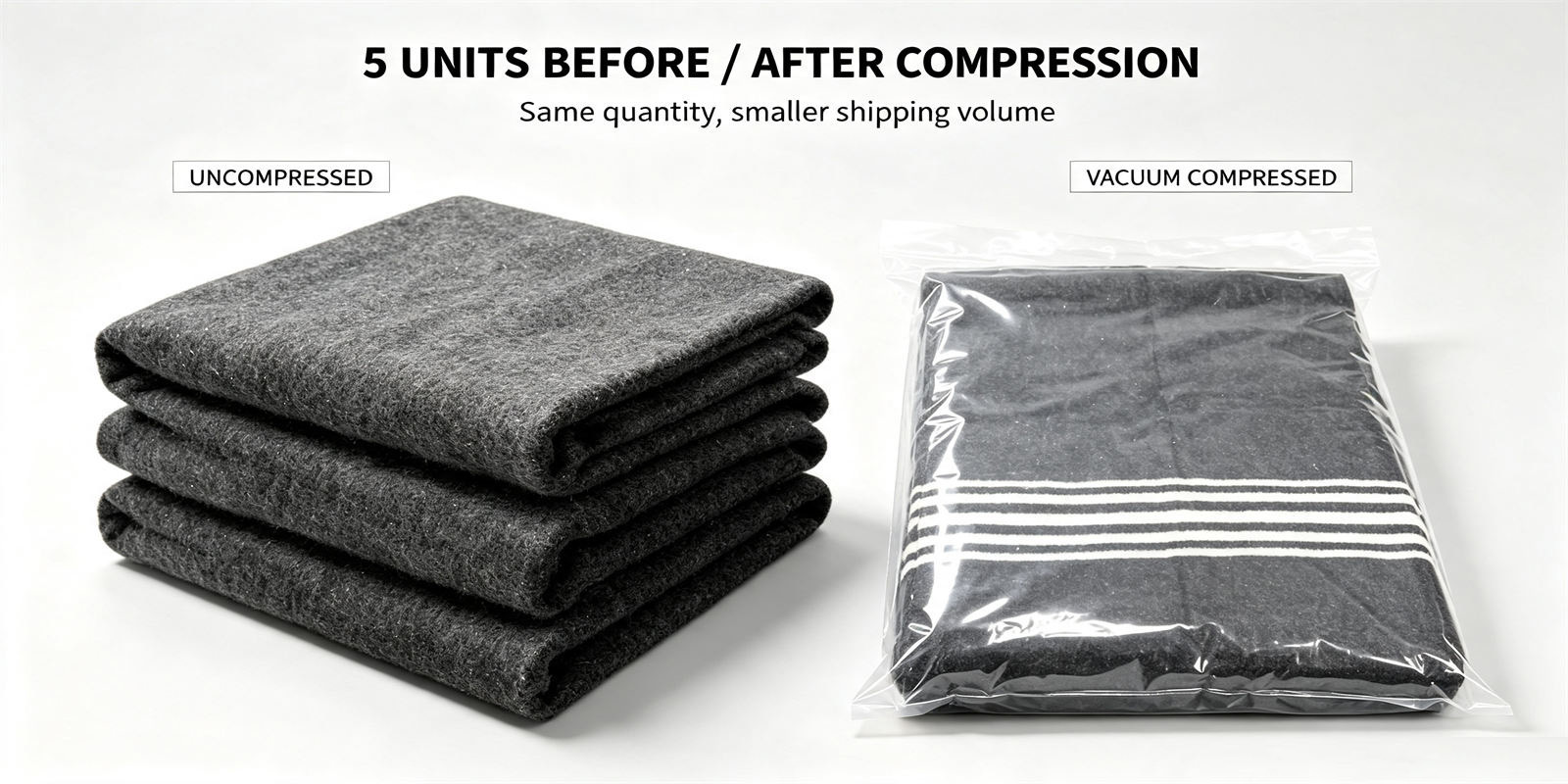
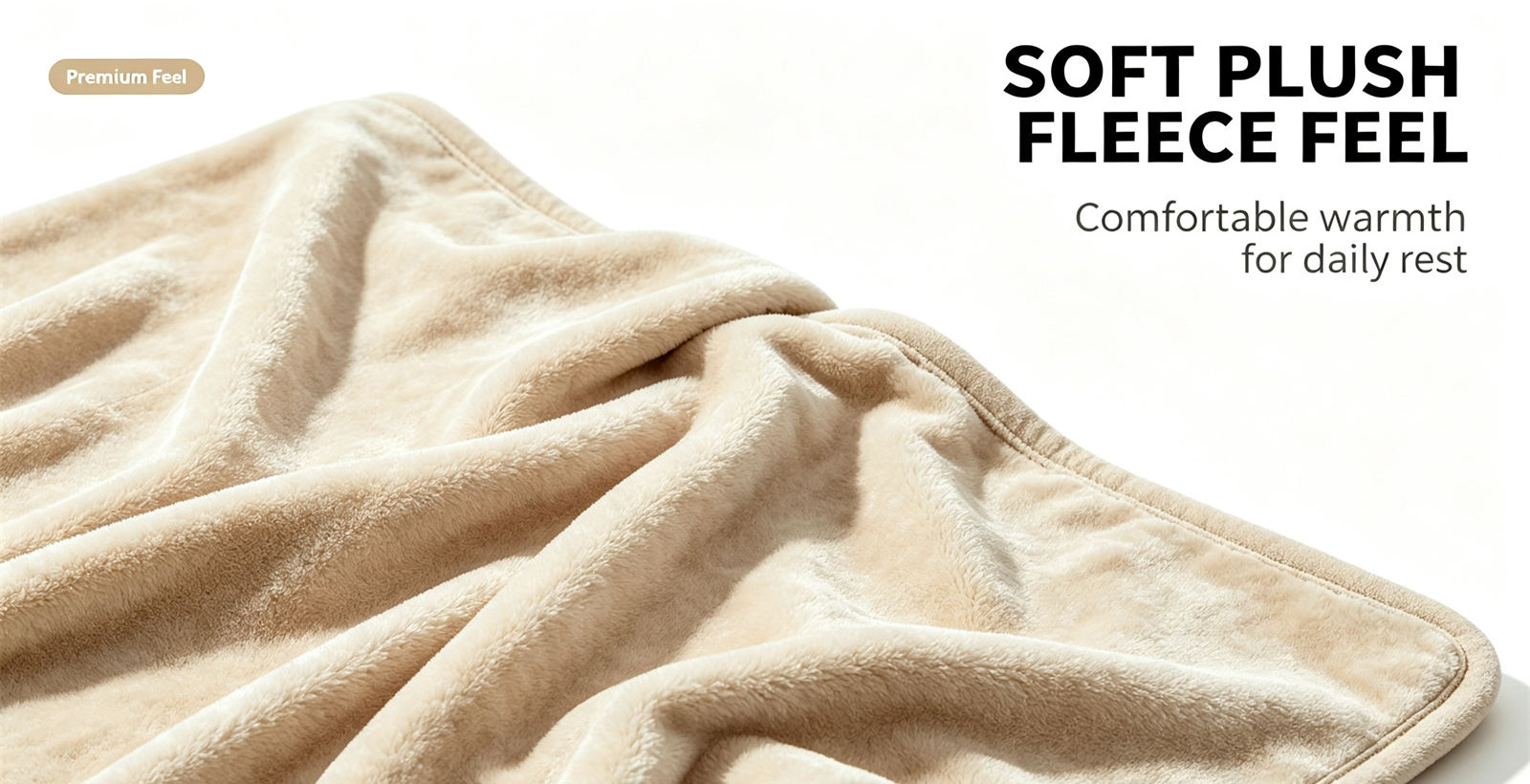
Suppose two quotations show similarly plush blankets. One supplier photographs a loose drape. The other uses a compressed fold. Visual thickness is not comparable because presentation changes the appearance. Ask both suppliers for the same finished-dimension, weight or GSM field when relevant, the same measurement basis, an identified sample and the proposed packing. Only then can the buyer compare the deliverable rather than the photography style.
Use the table as an evidence boundary: close visible appearance from dated images, then assign every non-visible field to a sample, measurement, document, or batch check.
Decision field
What closes the decision
Colour and surface
Photos + approved physical reference
Composition
Specification/BOM/label or applicable test
Dimensions and weight
Defined measurement + identified sample
Batch consistency
Bulk inspection against retained reference
We can support sample and specification review and provide project-appropriate photos or video from production, packing, and loading. This moves visual review from 'looks similar' to a traceable connection among image, sample, label, packing, and batch record.
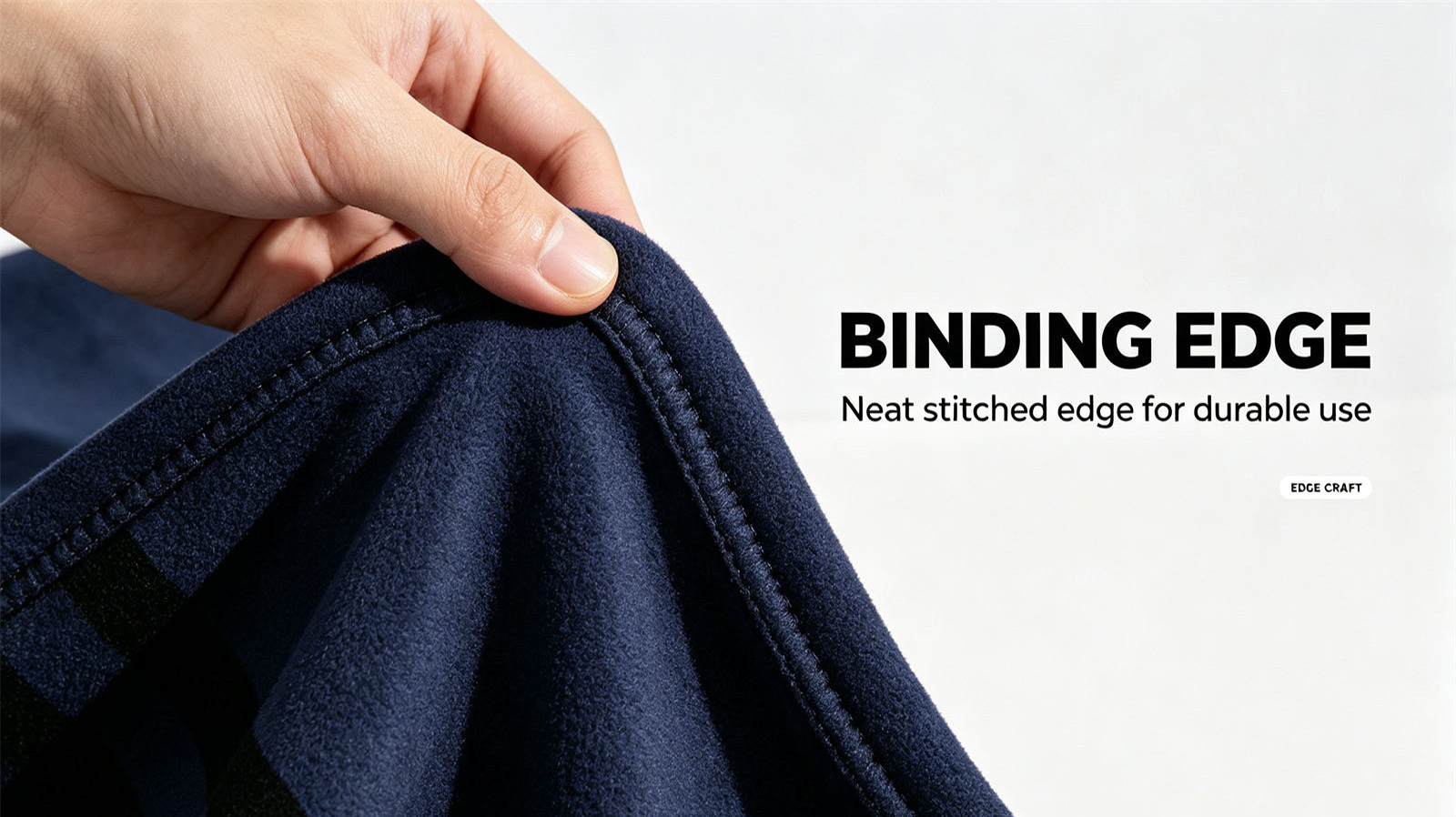
Build the photo record in stages instead of requesting one large gallery. At inquiry stage, use current product views to identify the candidate direction and visible differences. At sample stage, repeat the same angles beside the sample ID, scale reference, approved color reference, label artwork, and packing version. During production, photograph only the checkpoints that matter to the approved specification. At inspection and loading, reconnect random product views to carton marks, sampled quantities, and shipment identity. If the product name, date, sample ID, or packing revision cannot be connected across those stages, the record should remain open even when the images look professional.
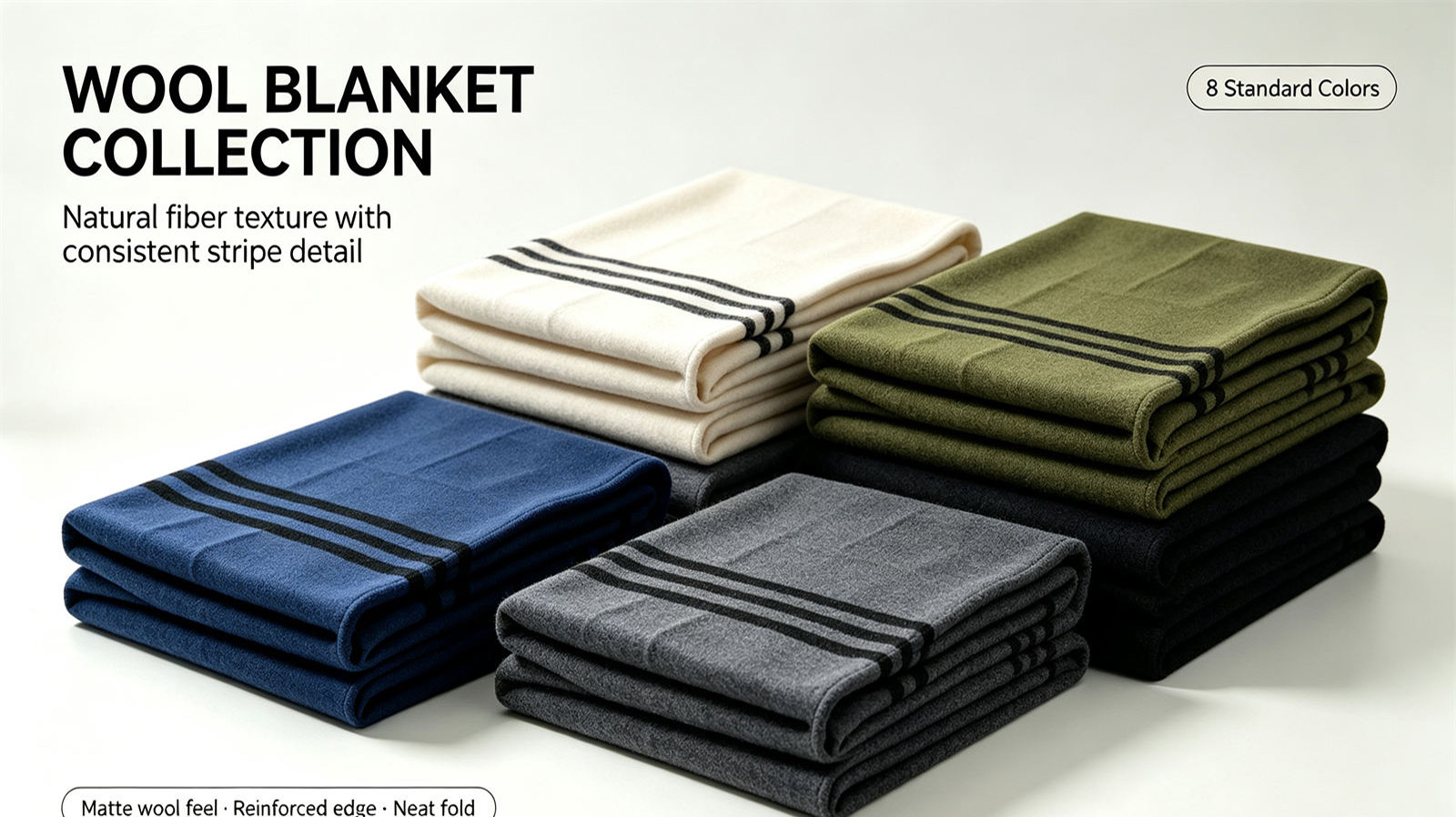
Before requesting a quotation or sample, compare emergency relief blankets by visible color, surface, edge, fold, label, and pattern details. Confirm final specifications through written documents and approved samples.
Photos can show a multi-color plush surface, folded or spread presentation, drape direction, and some edge binding or rolled-edge details. They cannot prove material ratio, GSM, exact size, carton specification, test status, MOQ, production schedule, or stock.
For patterned raschel blanket procurement, photos can show floral, geometric, curve, letter, or check patterns, thick pile appearance, light-color or matching edge binding, and folded or draped presentation. They cannot prove fiber composition, pile specification, anti-pilling, washing resistance, or packing data.
Photos can show a deep green blanket surface, gray-green edge finish method, folding form, partial label position, and close-up plush texture. They cannot prove bulk composition ratio, finished weight, folded size, inspection documents, or project endorsement.
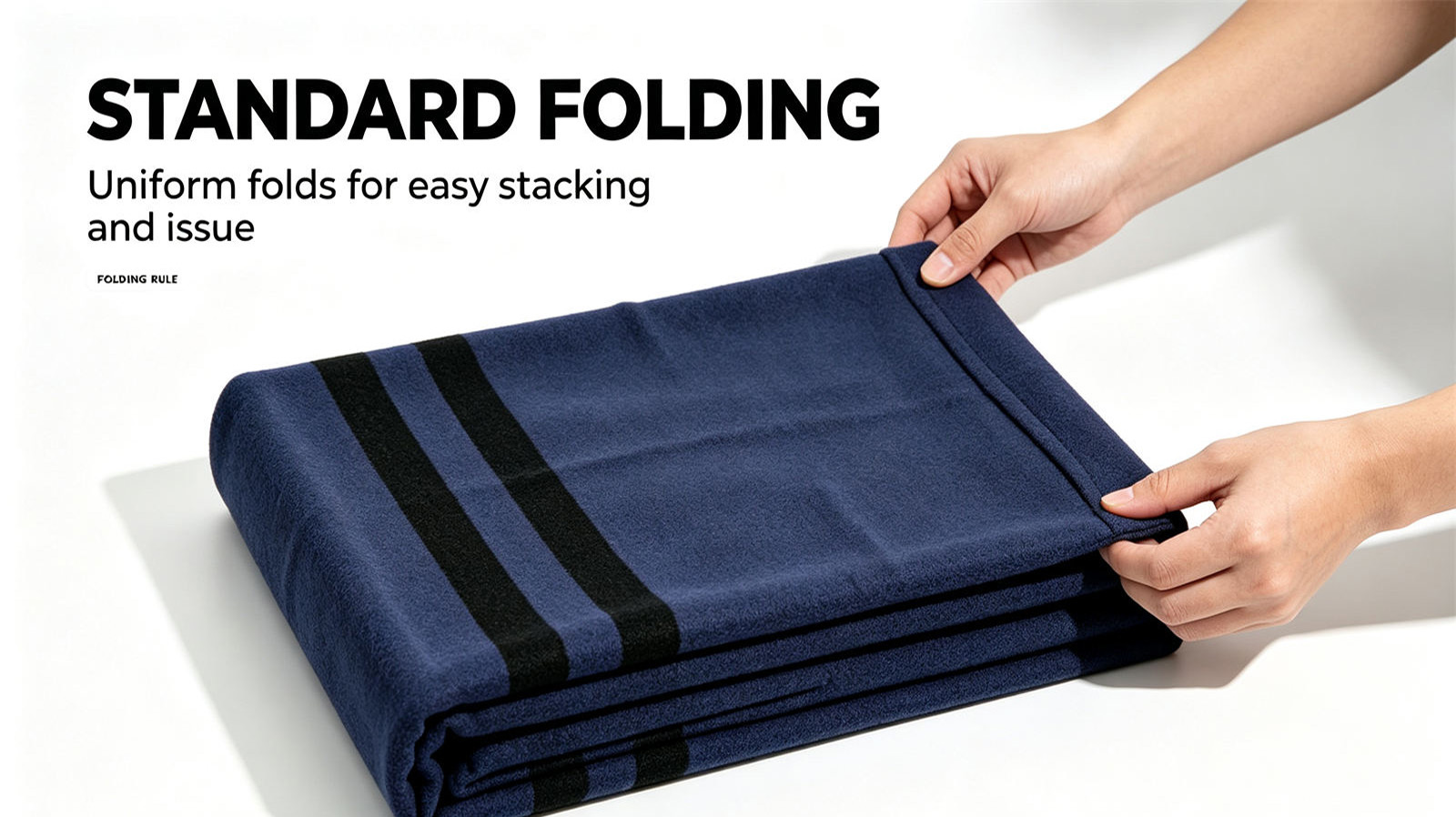
Photos can show deep blue or royal blue surface direction, black transverse stripes, gray edge binding or overlock finishing, folded presentation, and hangtag position. They cannot confirm wool ratio, GSM, size, thermal level, antistatic performance, or allocation claims.
State the measurement method. Finished length and width should be measured in a defined flat condition. GSM needs a recorded sample area and weighing method. Piece weight is not interchangeable with GSM. For quotation review, calculate theoretical fabric weight as finished length (m) x finished width (m) x GSM (g/m2), then compare the result with the identified sample. Edging, construction, moisture condition, and finished weight still require sample measurement.
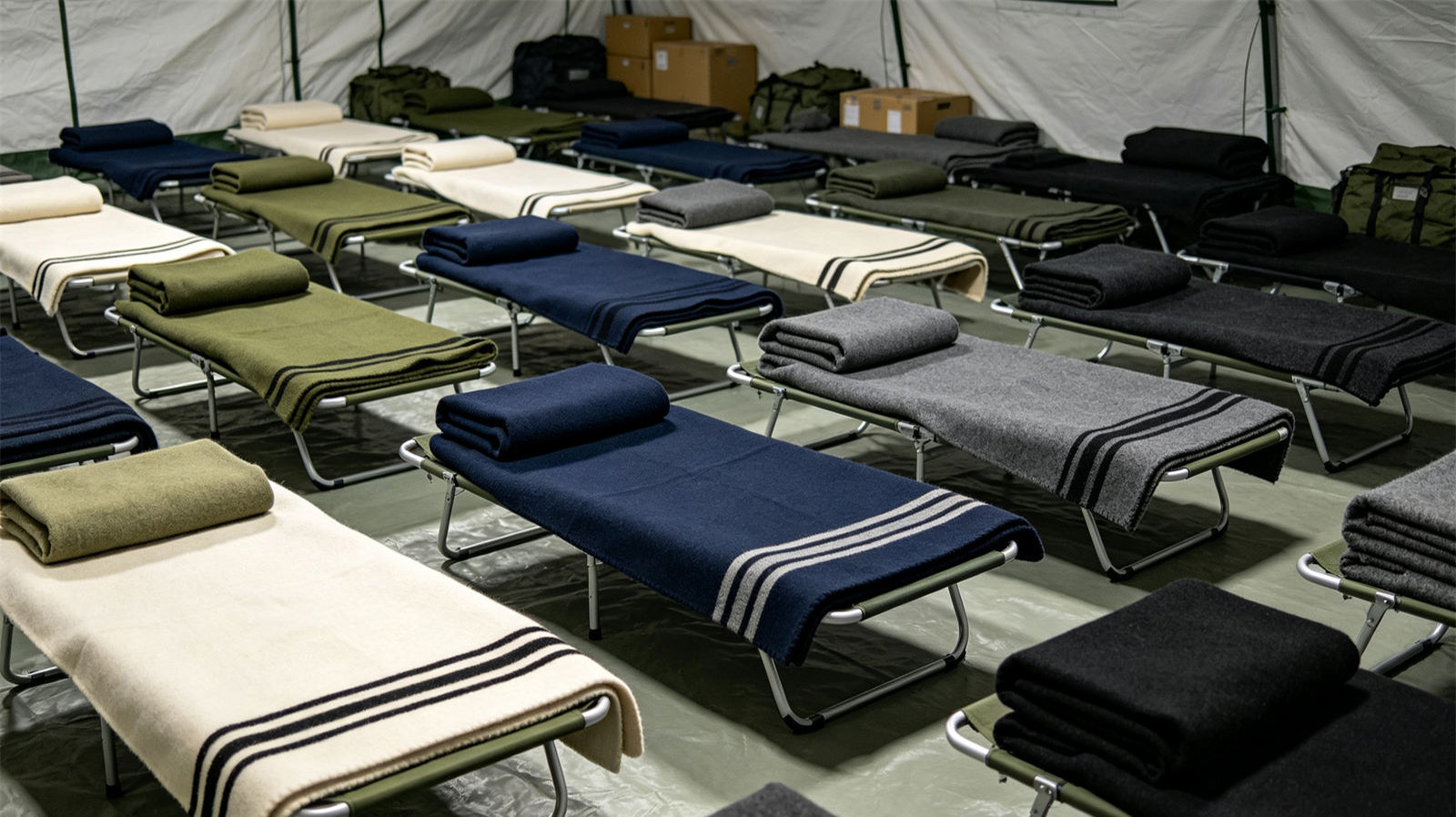
Photo review should move into a controlled order process. The goal is to prevent a product photo from becoming an informal promise that the sample, purchase order, production record, and receiving inspection cannot support.
Step
Buyer action
Supplier confirmation
1. Photo screening
Mark color, surface, edge, pattern, label, and folding details that look acceptable.
Clarify which visible features are available for the target blanket option.
2. Product route selection
Choose the reserve, raschel, field logistics, or institutional direction that fits the project.
Confirm the suitable product page and whether the buyer should request a sample.
3. Sample request
Request a physical sample when the order depends on handfeel, material specification, edge detail, or label placement.
Confirm what the sample can represent and what still requires written specification.
4. Specification lock
Ask for product name, material statement, size field, weight or GSM field, color, edge finish method, and packing fields.
Prepare the quotation and sample approval record around confirmed fields only.
5. Document review
Request BOM, specification sheet, packing list, label proof, or test document if the project requires it.
State which documents can be provided and which items remain project-confirmation fields.
6. Bulk release
Approve the sample and written scope before bulk production starts.
Use the approved record to guide production, inspection, packing, and shipment documents.
When buyers need a deeper checklist after this step, the related sample approval checklist should be used before a large order is released.
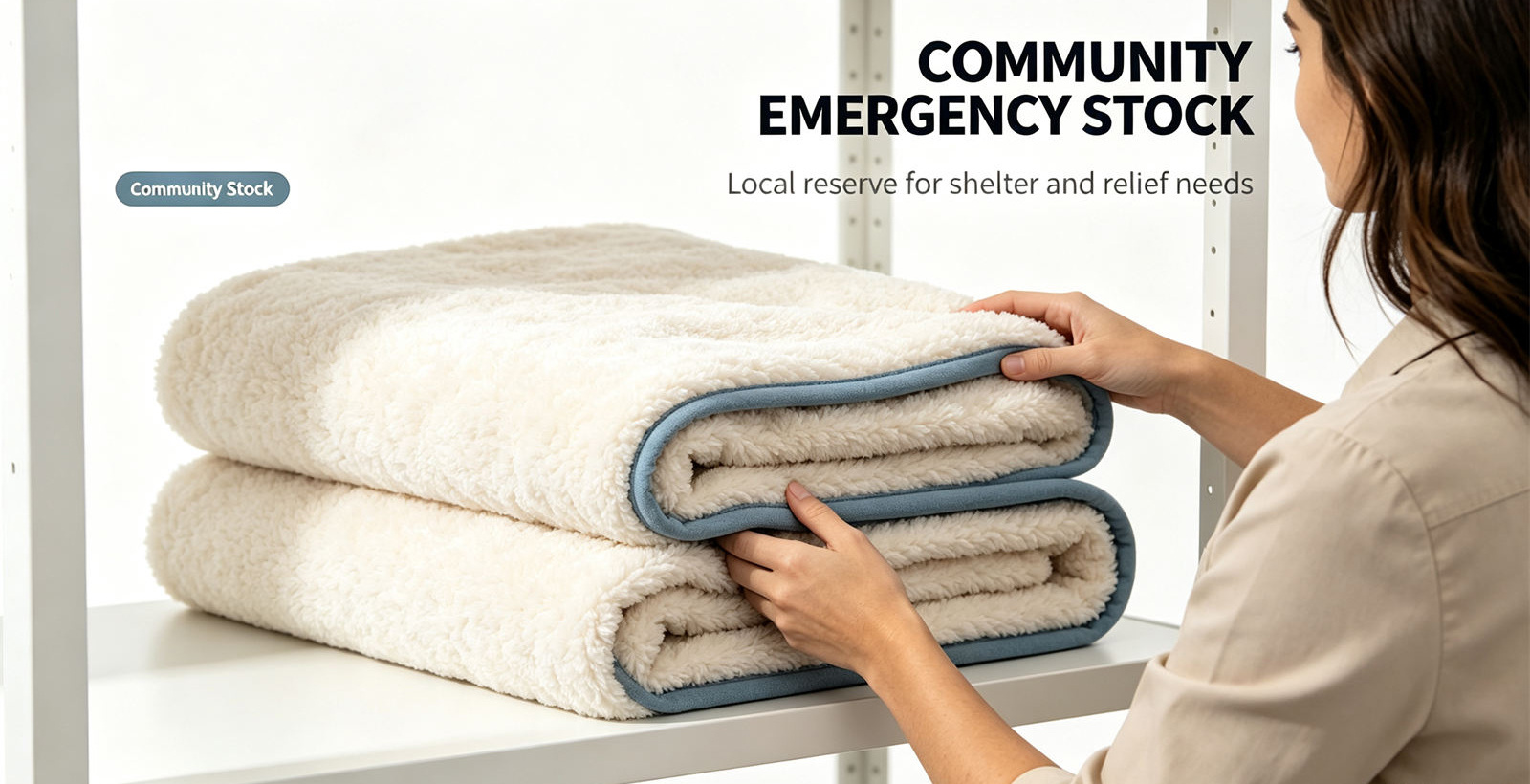
A prepared supplier can connect approved sample views with production, packing, and loading images, then keep the visual record aligned with labels, inspection material, and shipment documents. YRF can support this project-level photo and document workflow for government, NGO, and B2B distribution orders. For stockpiled blankets, add warehouse-facing views such as carton identity, stacking condition, and packaging integrity. For rapid distribution, add opening and countability views. This turns photography into an operating aid across approval, receiving, storage, and repeat ordering rather than a decorative catalogue asset.
A practical rejection rule also improves speed. Hold a visual decision when lighting prevents color comparison, the blanket is always folded, edges are hidden, the label cannot be read, the image belongs to an old batch, or the packing view does not show identity. Reject the image as approval support when it represents another construction or cannot be tied to the quotation. Accept only the visible fields it actually proves, then move dimensions, GSM, composition, flame-retardant or mould prevention requirements, and certification to the correct measurement or document route. This prevents photography from carrying technical claims it was never designed to prove.
Send the product line, intended photo decision, available views, and the exact non-visible fields that still need confirmation.
What should be sent with an RFQ?
Send the reference photo, target use, quantity range, destination market, required color or pattern, packing expectation, label files, sample request, and required documents. That lets the supplier quote the real project scope instead of guessing from a photo.
No. A photo may suggest folding form or product scale, but exact size must be confirmed through the specification sheet, sample measurement, or purchase document.
No. If the project requires a specific test report or compliance document, request it before quotation and production. Do not treat a photo or label close-up as a completed test result.
Yes. Older photos may represent a different sample, packing method, or production batch. Record the photo date, product identity, and the scope confirmed by the supplier.
Video can show unfolding, folding, edges, and labels in sequence, but it still cannot independently prove composition, GSM, exact dimensions, or batch consistency.
Only when the wording, size, position, language, and revision have been approved in writing. Bulk goods should still be checked against the approved artwork and sampling plan.
Request current images with sample identity, specified views, and date information, then connect them to the quotation number, sample number, and specification sheet.
Record cartons and marks, opening condition, randomly selected product identity, full appearance, edges, labels, packing, and agreed measurements, together with the sample quantity.
Compare visible product line first: surface appearance, edge finish, pattern, label, folding, and intended scenario. Then confirm material statement, weight or GSM field, size, packing, and document requirements before approval.
The order should name a physical approval reference, such as an approved sample, physical color card, or agreed limit sample. Screen appearance alone is not a reliable acceptance basis.
Continue with the overview, product option, application plan, and closely related procurement guide for this decision.
 |
 |
Emergency Relief Reserve Blanket for Institutional Stockpiles and Bulk DistributionReview product specifications, configuration options and order confirmation points. |
Disaster Relief Blanket Supply Solution for Stockpiles and Field DistributionReview selection, packing and supply planning for this procurement scenario. |
✅ Official website: https://x.c1ns.cn/F9rNV
✅ Catalog download link: https://x.c1ns.cn/aVHtI
✅ Factory video link (YouTube): https://x.c1ns.cn/zVNIU
✅ Facebook homepage: https://a.c1ns.cn/SjJla
✅ Email: info@33ljy.com
✅ WhatsApp: +8613702995607
Liens amicaux :
droits dauteur © Custom Disaster - Relief Bedding: Tents, Sleeping Bags, Blankets Tous les droits sont réservés
léquipe professionnelle au service !