Catégories
dernier blog
Updated: November 5, 2026 | By YRF Emergency Supplies Team | Reviewed by Former Fire & Rescue Captain
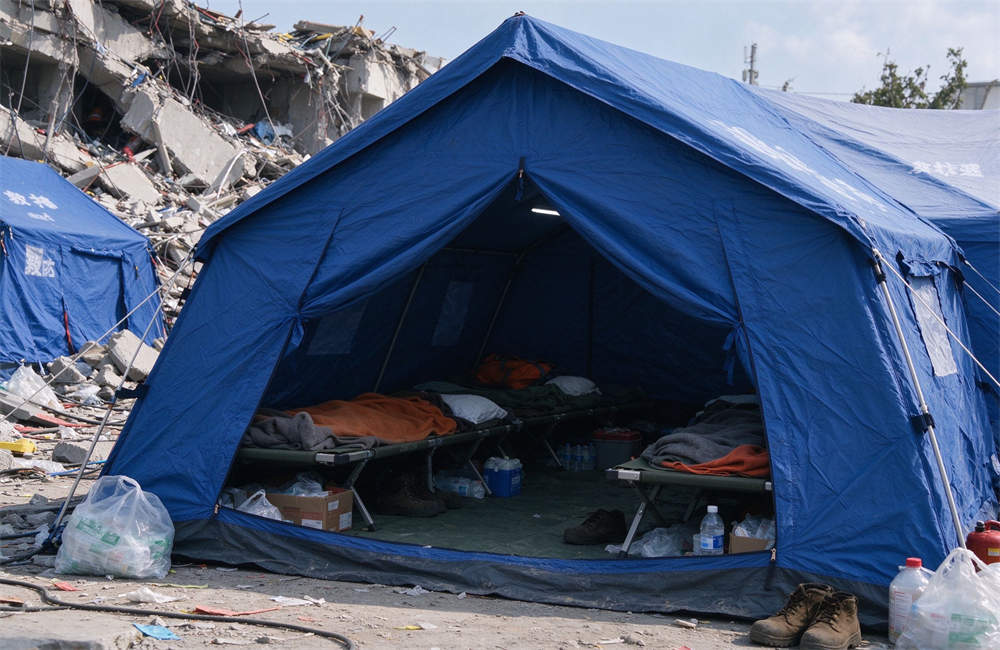
When a building collapses, every second counts. The golden 72 hours determine whether trapped victims survive. Having the right building collapse rescue kit on site means the difference between a successful rescue and a recovery operation. This guide covers essential structural collapse rescue tools, PPE, stretchers, and support equipment for fire departments, search and rescue teams, and relief organizations. Based on our experience supplying debris removal equipment to rescue teams worldwide, we've curated this complete list of search and rescue equipment for structural collapse operations.
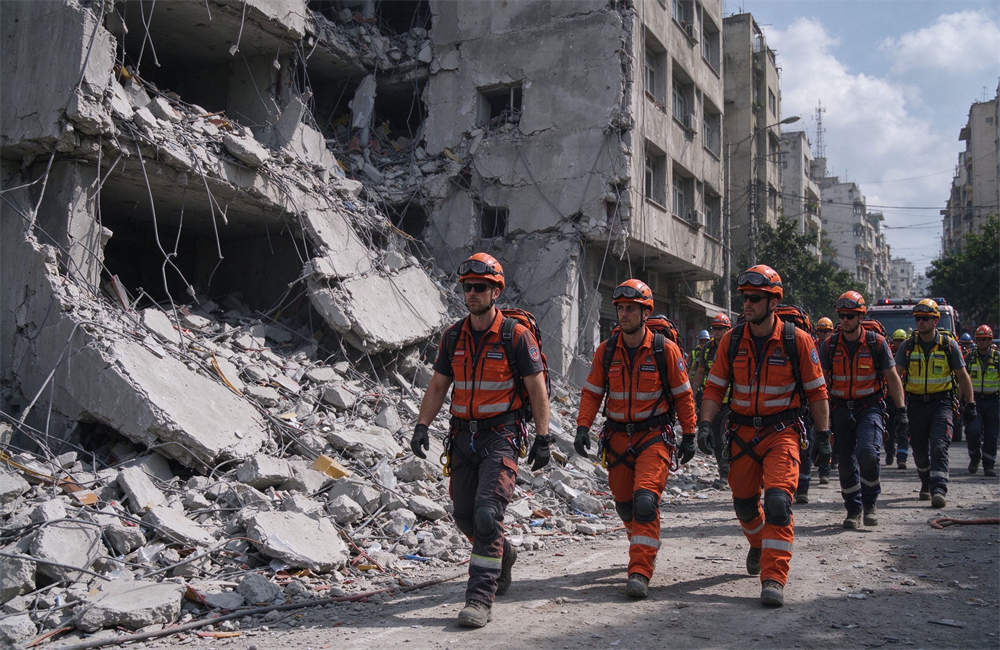
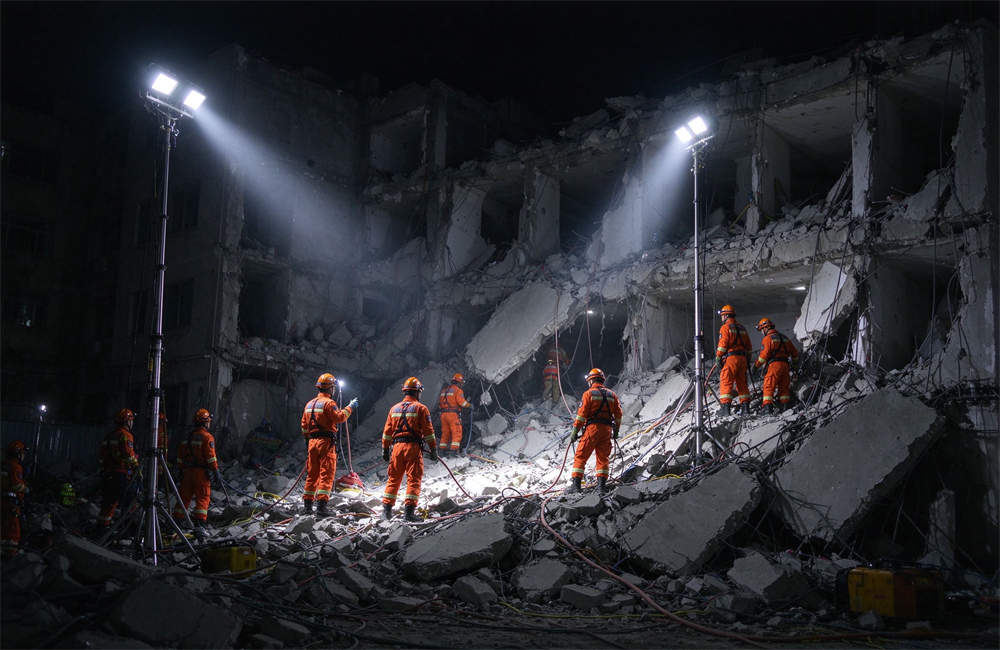
Building collapses happen for many reasons. Understanding the cause helps rescuers plan their approach. A well-equipped building collapse rescue kit must handle all types of structural failure scenarios.
Earthquakes: The #1 cause of building collapse worldwide. Seismic waves shake buildings until they fail.
Gas explosions: A gas leak can level an entire building block.
Fires: Steel loses its strength when heated. A long, hot fire can cause a building to collapse without warning.
Bad construction: Poor design, cheap materials, or cutting corners during construction.
Flooding: Water undermines foundations.
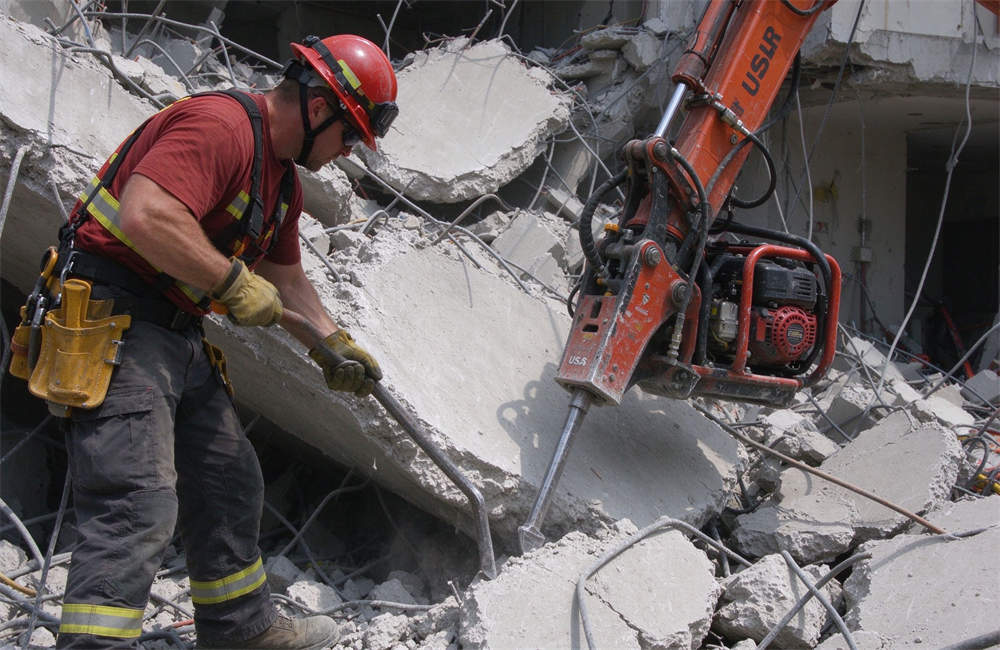
The first 72 hours after a collapse are the most critical. Studies show that 95% of victims are rescued alive within the first 24 hours. After 72 hours, survival rates drop to less than 10%. This is why what tools for collapsed building response must be mobilized immediately.
Key point: The first team on site does the most good. Having rescue tools staged and ready means you can start searching immediately instead of waiting for specialized teams to arrive.
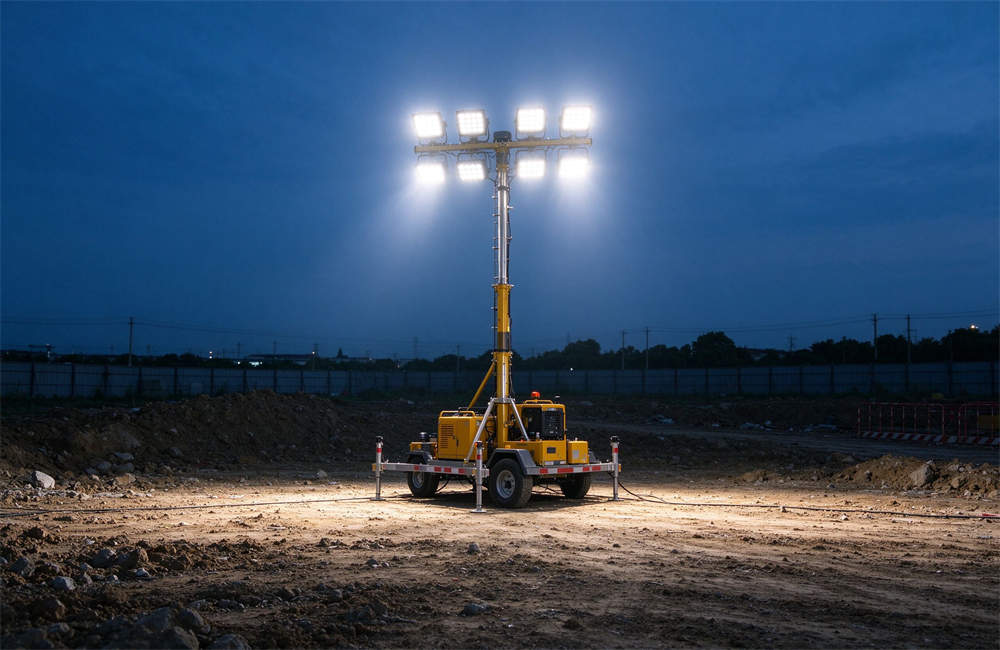
Rescue workers need to cut through wood, metal, concrete, and debris to reach trapped victims. Here are the essential rescue tools list items:
The fire axe is the most basic and essential rescue tool. Used for breaking through walls, cutting wood, and prying open debris. We supply fire axes with 36" fiberglass handles, 4lb hardened steel heads, and a pick side for prying. CE certified and comes with a leather sheath.
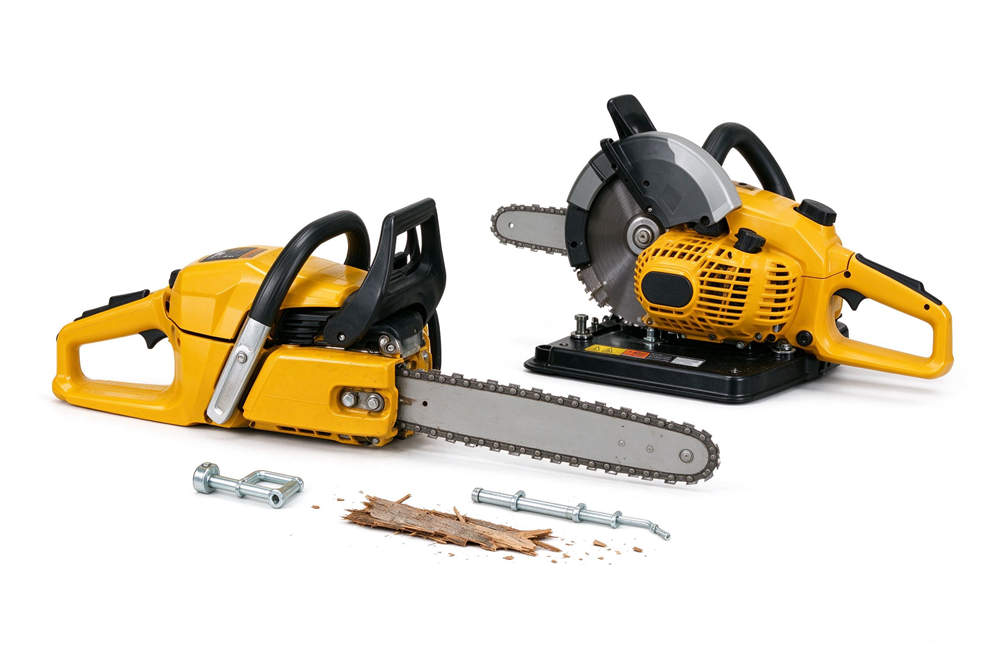
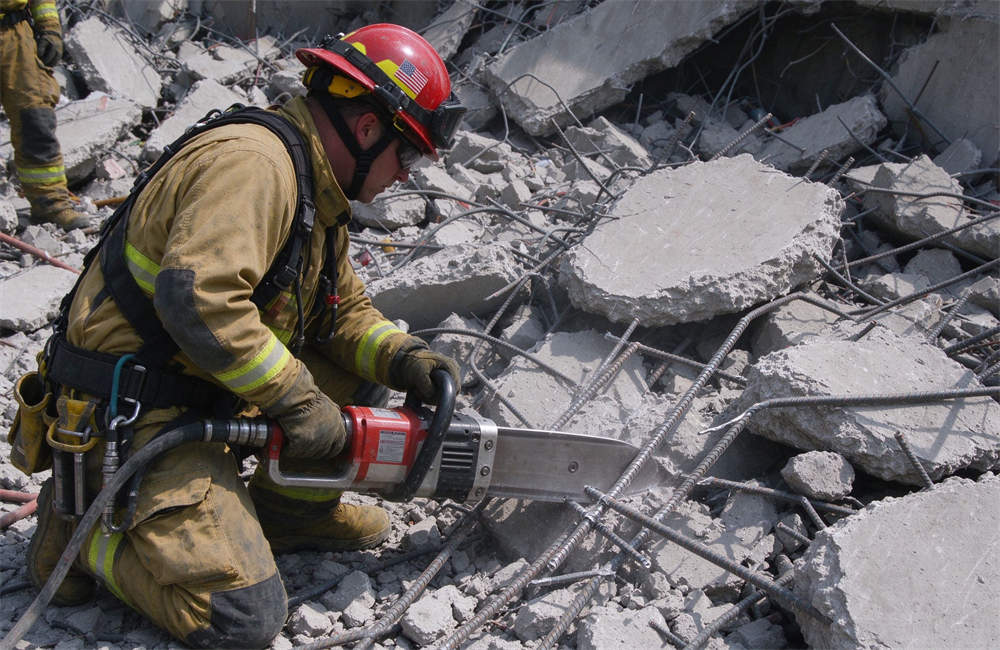
Gas-powered chainsaws (52cc engine, 18" bar) and cut-off saws (14" blade, 66cc 2-stroke engine) are used for cutting through wood, metal, and concrete. A rescue team should have at least one chainsaw and one cut-off saw on site. Make sure you have 3 extra chains, 2 spare blades, and 1 gallon of pre-mixed fuel.
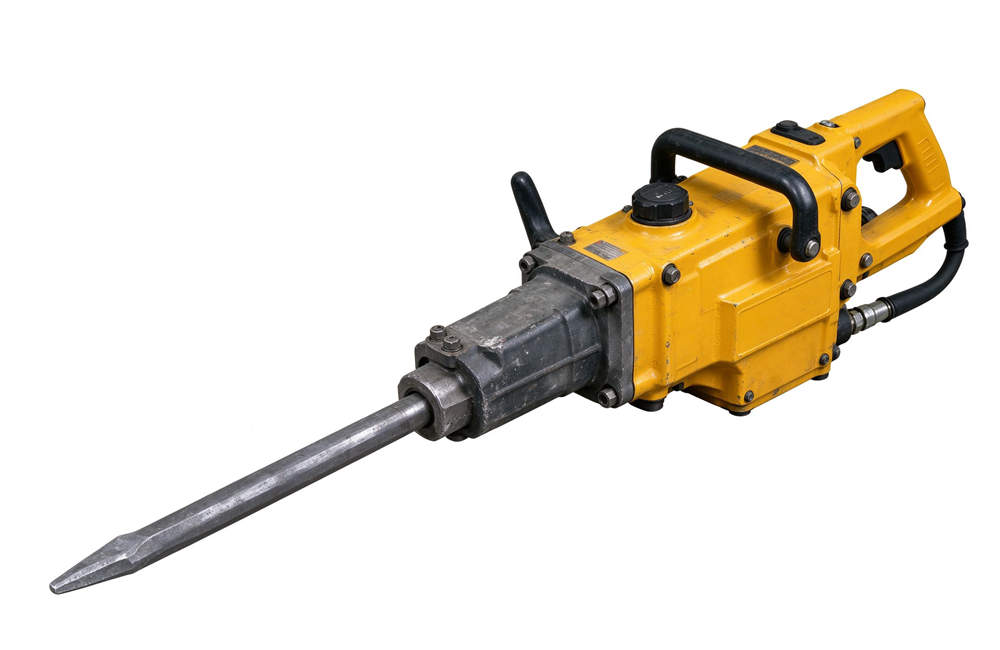
Electric (1500W, 45J impact energy) or pneumatic breakers are used for breaking up 4" thick concrete and masonry. They are essential for urban search and rescue operations. We supply portable electric breakers that can be powered by a generator, with 3 different chisel bits included.
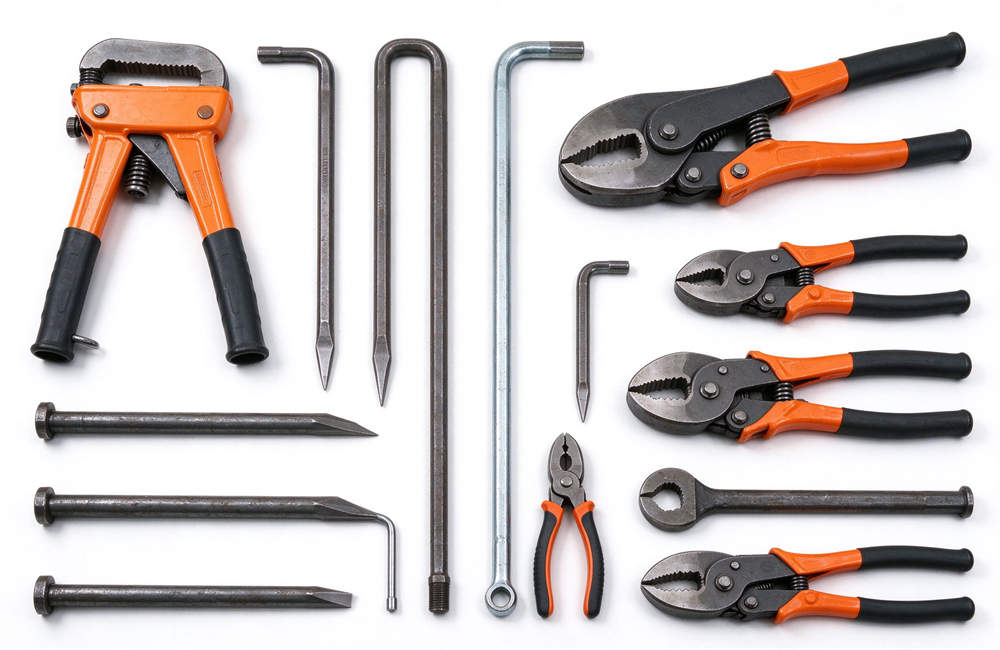
Pry bars in 18", 36", and 60" lengths are used for moving debris and prying open structures. 36" bolt cutters (cuts up to 3/8" rebar) are essential for cutting through metal rebar, fences, and security bars.
|
Tool |
Purpose |
Typical Use |
|
Fire axe |
Breaking walls, cutting wood |
General rescue |
|
Chainsaw |
Cutting wood, metal |
Debris removal |
|
Pneumatic breaker |
Breaking concrete |
Urban search and rescue |
|
Bolt cutters |
Cutting rebar, fences |
Access to trapped victims |
|
Pry bar |
Moving debris, prying |
General rescue |
Sometimes you need to lift heavy concrete slabs or steel beams to reach victims. That's where debris removal equipment comes in.
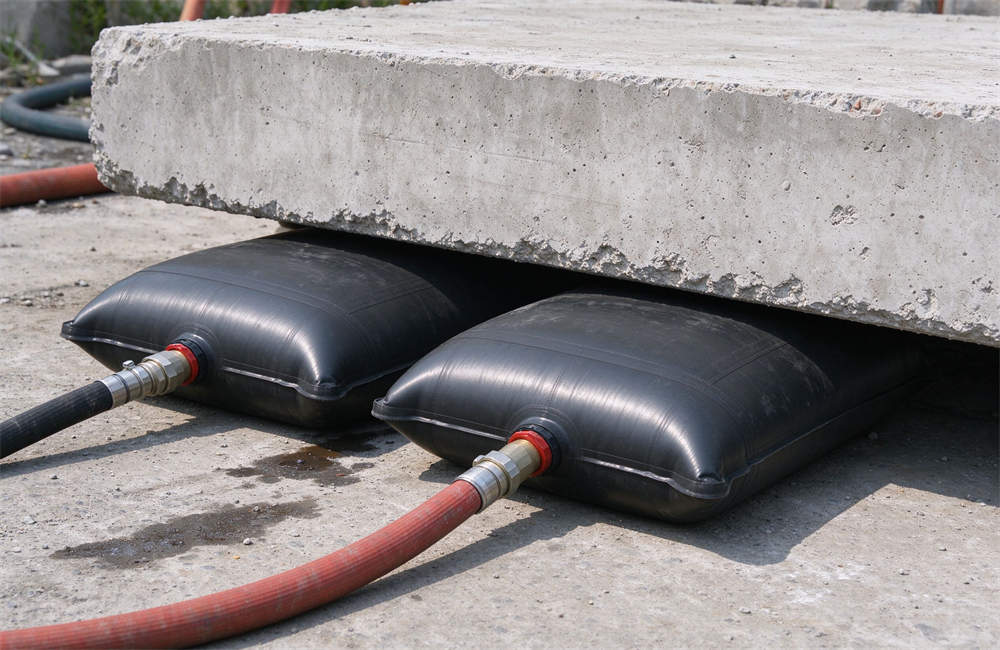
High-pressure air lifting bags can lift several tons with just a few centimeters of lift. They are inserted into small gaps and inflated, making them perfect for lifting collapsed floors and concrete slabs. We supply both high-pressure (up to 8 bar, 10-ton capacity) and low-pressure (up to 0.5 bar, 2-ton capacity) lifting bags, complete with hoses, regulators, and a foot pump.
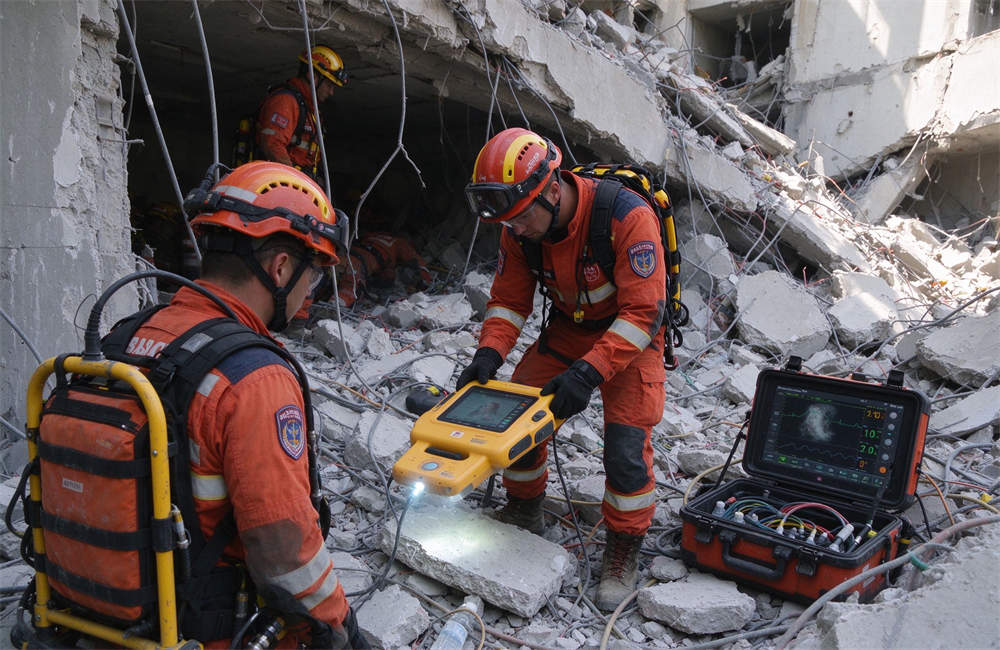
Before entering a collapsed building, rescue workers must check the air quality. We supply 4-gas detectors that measure O2, CO, H2S, and explosive gases (LEL). Each detector comes with a digital display, audible/visual/vibration alarms, and a 2-year sensor life. It is essential for confined space entry and structural collapse rescue.
Hydraulic jacks provide more lift distance than air bags. They are used for lifting heavy objects higher off the ground. We supply 5-ton, 10-ton, and 20-ton hydraulic rescue jacks with 12-inch stroke length.
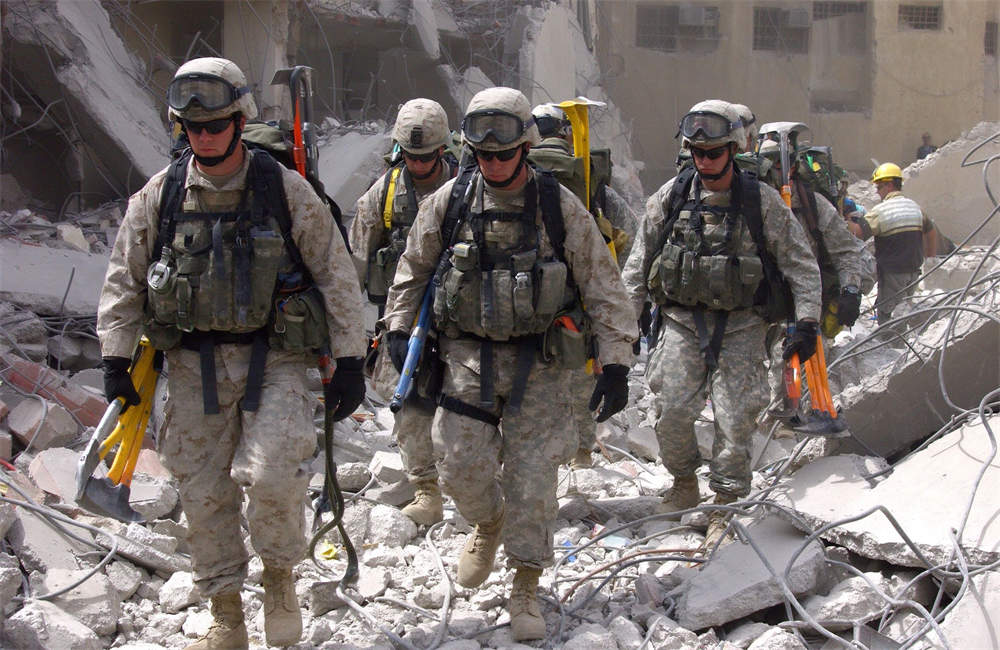
Rescue workers are at risk from falling debris, sharp objects, dust, and fire. Proper PPE is non-negotiable. Our search and rescue equipment range includes complete PPE kits for every team member.
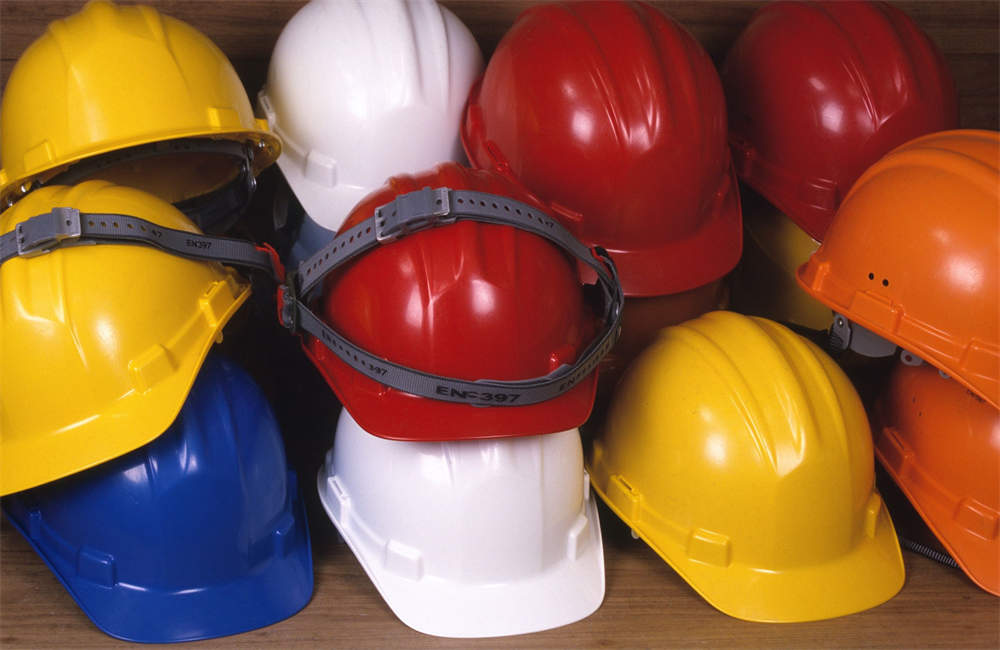
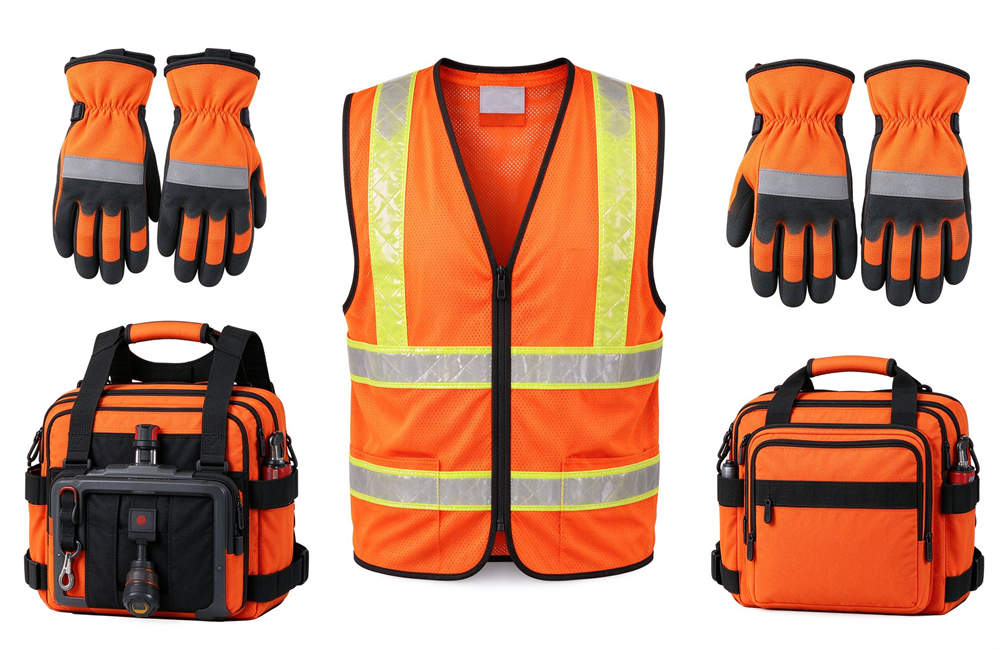
Every rescue worker needs a hard hat that meets EN397 standards. We supply them in five colors: white, yellow, orange, blue, and red. Color coding helps identify roles on scene—white for command, yellow for search and rescue, orange for fire, blue for medical, red for hazmat.
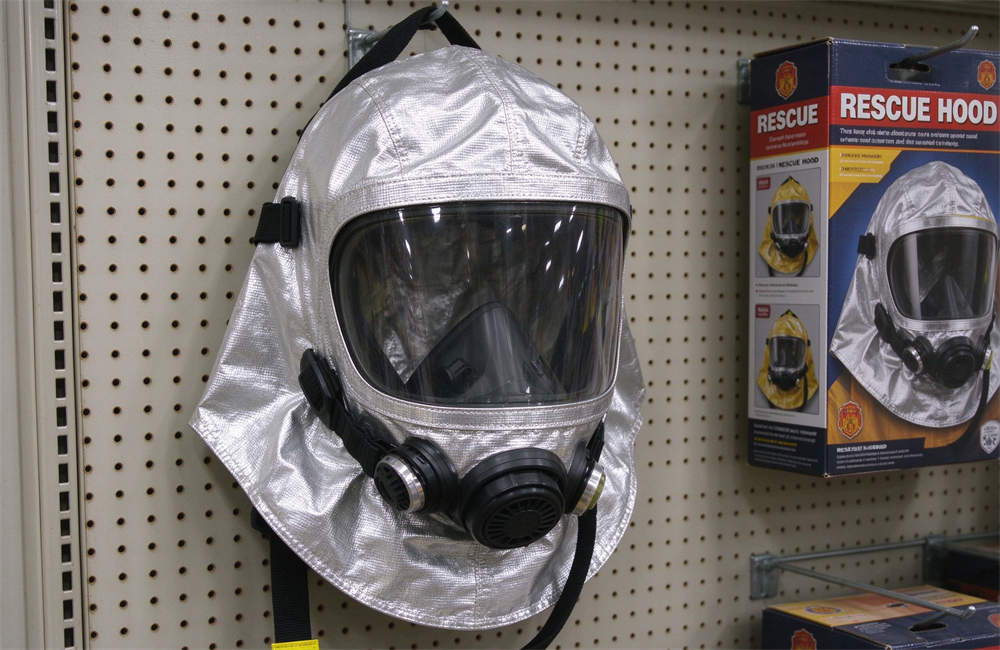
Dust from collapsed buildings contains silica, asbestos, and other harmful particles. We supply N95 disposable respirators (NIOSH-approved, box of 20) as the minimum protection. For fire situations, an EN403 aluminized smoke hood provides 15 minutes of clean air to escape a smoke-filled area.
Rescue scenes are chaotic. Workers need to be seen. Hi-vis rain jackets with reflective tape serve double duty: they protect against the elements and make workers visible in dust and smoke. We supply three styles: police hi-vis yellow, rescue orange, and transparent PVC ponchos.
Heavy leather work gloves protect hands from cuts and punctures. Steel-toe boots protect feet from falling debris. Both are essential.
Once a victim is found, you need to get them out safely. Different situations require different types of stretchers.
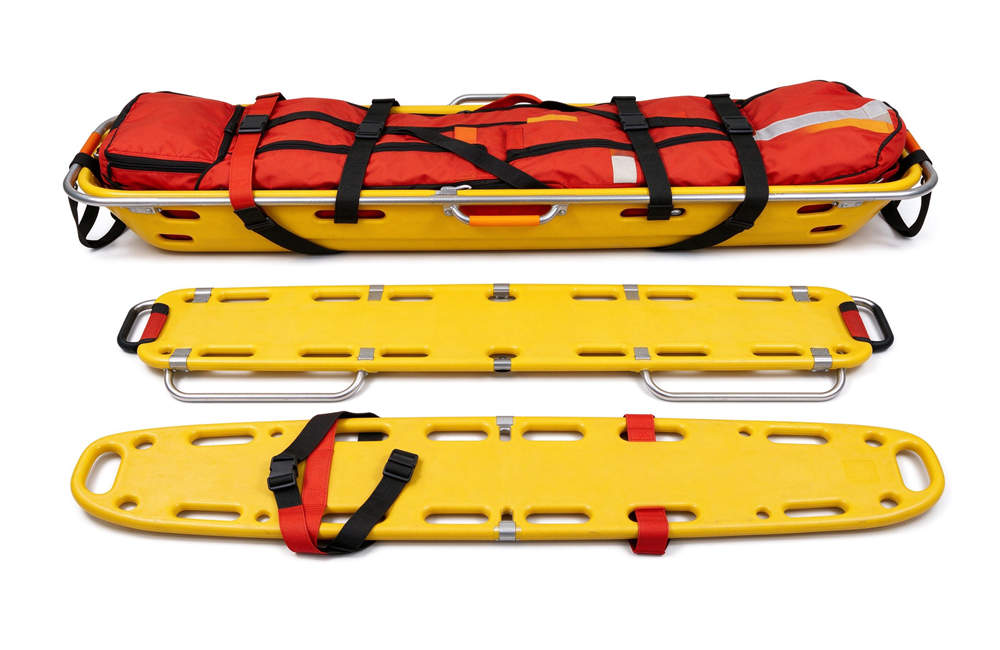
Basket stretchers (also called Stokes stretchers) are used for uneven terrain and vertical lifts. They completely enclose the patient, so they won't fall out during a difficult extraction. They're the standard for mountain rescue and urban search and rescue.
Folding stretchers are lightweight, portable, and easy to store. They're used for standard patient transport on flat ground. They fold up small enough to fit in a rescue truck compartment.
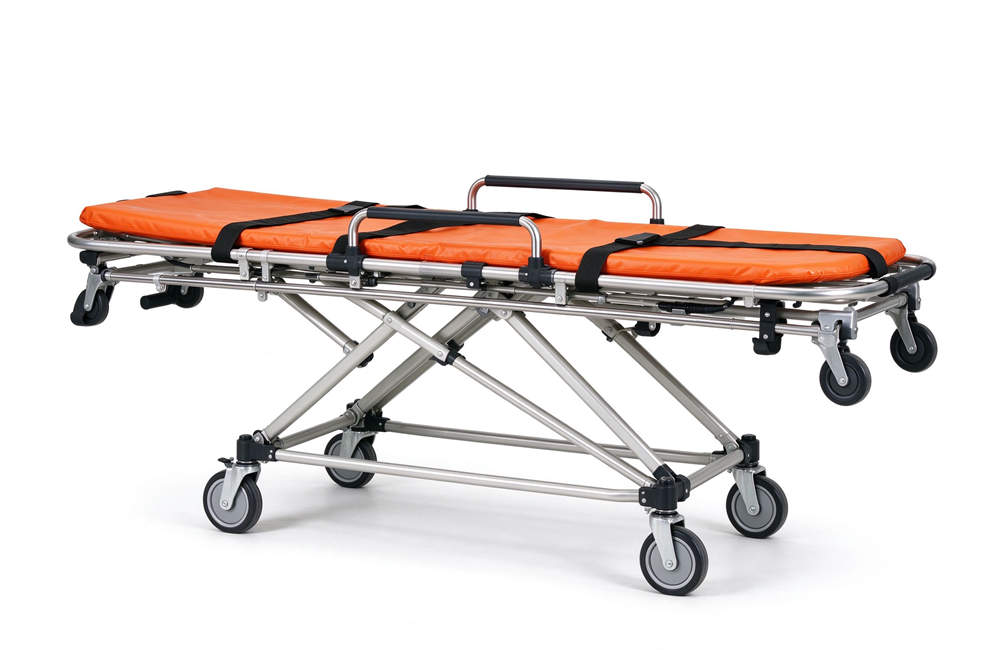
Wheeled stretchers are used for moving patients quickly on flat surfaces, like from the collapse site to the ambulance. We supply collapsible wheeled stretchers that fold up for easy storage.
A spinal board (long backboard) is essential for suspected spinal injuries. We supply lightweight plastic spinal boards with 6 Speed-Clip straps and a head immobilizer. They are used to secure patients before moving them from the collapse site.
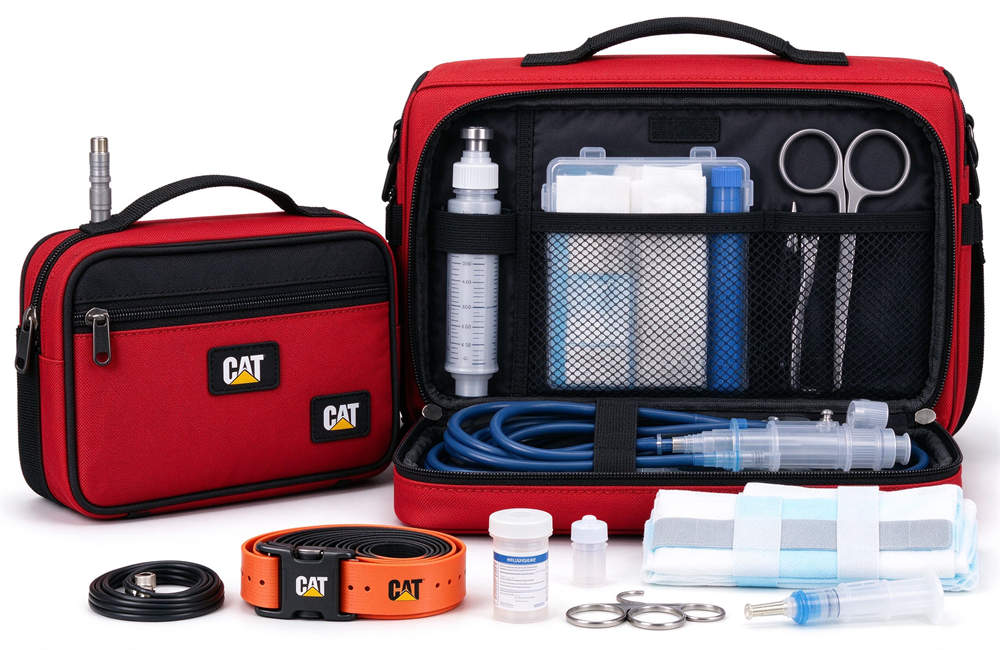
Every rescue team needs a well-stocked first aid kit. We supply kits in 9-piece, 21-piece, and 122-piece configurations. For collapse rescue, the larger 122-piece kit is recommended—it includes trauma dressings, CAT tourniquets, pressure dressings, and splints. We also supply individual CAT tourniquets for every team member's gear belt.
Rescue operations happen around the clock. After a collapse, it may be dark, dusty, or inside a dark building. You need reliable lighting and communication.
For large-scale rescue operations, a mobile lighting tower provides light for the entire site. Powered by a portable generator, these towers can illuminate an area the size of a football field.
Individual headlamps are essential for working in tight, dark spaces. They leave your hands free for cutting and prying. Look for models that run on both batteries and hand crank.
Cell towers may be down. A hand-crank emergency radio keeps rescue teams coordinated and informed about weather and other hazards.
Rescue operations can last for days. Teams need food, water, shelter, and power.
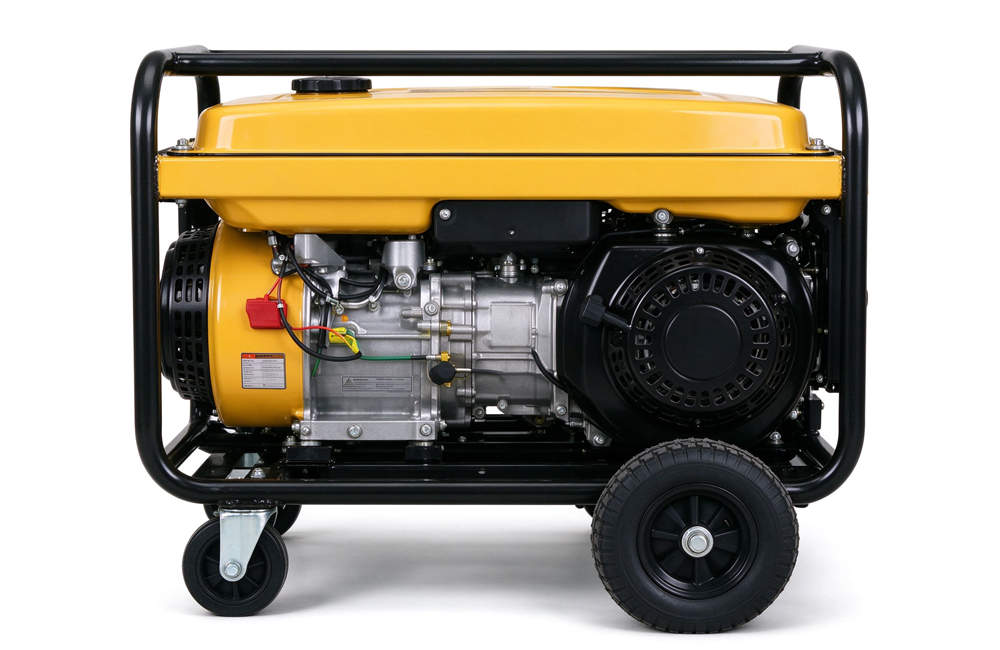
Portable generators power tools, lighting, and communication equipment. We supply gasoline and diesel generators from 2kW to 10kW.
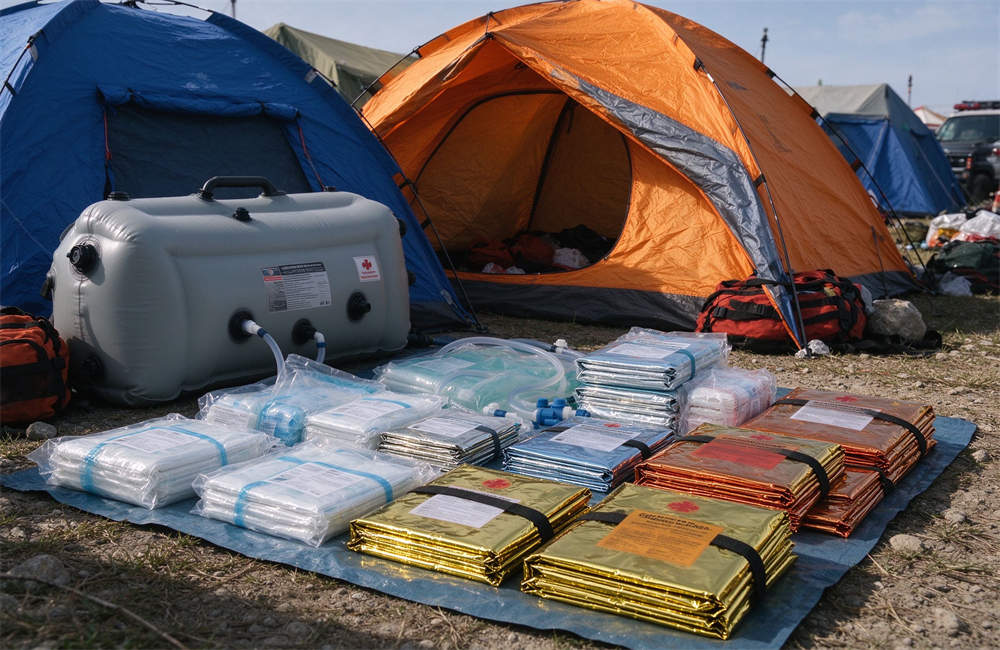
Rescue workers need clean water, and so do victims. Foldable water bladders in 1000L and 5000L sizes can supply an entire rescue camp. They collapse flat when not in use.
Wool blankets, emergency sleeping bags, and temporary tents provide shelter for both rescuers and displaced people. The OSHA rescue operations guidelines and Ready.gov search and rescue resources provide detailed standards for equipment and crew safety during collapse rescue operations.
The following table summarizes the complete building collapse rescue kit by category:
|
Category |
Key Equipment |
Use Case |
|
Cutting & Breaching |
Fire axe, chainsaw, pneumatic jackhammer, pry bars |
Break through concrete, wood, metal debris |
|
Lifting & Moving |
Air lifting bags, hydraulic jacks, 4-gas detector |
Lift heavy rubble, check air quality |
|
PPE |
EN397 hard hat, N95 mask, work gloves, steel-toe boots |
Protect rescuers from debris and dust |
|
Casualty Care |
Rescue stretcher, spinal board, 122-pc first aid kit, CAT tourniquet |
Extract and treat victims |
|
Lighting & Power |
Mobile lighting tower, portable generator, LED headlamp |
Night operations, power tools |
|
Logistics |
Foldable water bladder (5000L), tent, wool blanket |
Support multi-day rescue operations |
Building collapses are rare, but when they happen, they're devastating. The National Institute of Standards and Technology (NIST) reports that structural failures account for thousands of injuries and hundreds of deaths worldwide every year. Most collapses happen during earthquakes, hurricanes, fires, or construction accidents.
Here's what rescue teams know about survival:
We supply structural collapse rescue tools to fire departments, USAR task forces, and NGO relief teams. We know that every hour of delay means fewer people coming out alive. That's why we stock the tools teams need—axes that cut, gas detectors that beep, stretchers that lock—so teams can deploy fast.
Earthquakes cause the most deadly collapses. Unreinforced masonry buildings, old hotels, and parking garages are most at risk. Rescue teams need cutting tools to break through concrete, gas detectors to check for broken lines, and shoring equipment to stabilize unstable walls. We supply complete USAR kits for earthquake-prone regions.
Fire weakens steel and concrete. A building that's been on fire for hours can collapse without warning. Firefighters and rescue teams need PPE that protects against heat and smoke—EN403 smoke hoods, heat-resistant gloves, and hard hats that can withstand impact. We supply these to fire departments as part of their structural firefighting gear.
Scaffolding collapses, trench cave-ins, and partial building collapses happen on construction sites. The rescue team needs tools to cut through rebar, lift heavy beams, and extract workers. We supply construction site safety kits: hard hats, first aid kits, pry bars, and N95 masks for dust protection.
Tornadoes and hurricanes flatten buildings. Rescue teams search through rubble for survivors. They need lighting towers (because power is out), generators, water bladders for drinking water, and tents for staging. We supply the complete logistics package for post-storm rescue operations.
USAR operations are high-risk. One wrong move costs lives—both victims and rescuers. Here are the most common search and rescue equipment mistakes we see:
Never enter a leaning wall or partially collapsed building without proper shoring. It can collapse on you. Wait for structural engineers and set up shoring first.
Broken gas lines are a top killer in collapsed buildings. Always test the air before entering. A 4-gas detector that measures O2, CO, H2S, and LEL is non-negotiable.
Survival rates drop sharply after 72 hours. The first 3 days are critical—deploy resources fast, prioritize likely survival zones, and don't waste time on areas where survival is unlikely.
Different teams working on the same rubble pile need clear comms. Use hand signals, marking systems, and check-ins every 20 minutes. Write your search pattern on the rubble with spray paint.
Not every team needs the same level of structural collapse rescue tools. Here's how to choose:
|
Level |
Team Type |
Key Equipment |
Typical Users |
|
Level 1 |
First responder / fire crew |
Fire axe, pry bars, bolt cutters, hard hats, N95 masks, basic first aid |
Local fire department, industrial safety team |
|
Level 2 |
USAR task force |
Level 1 + chainsaw, cut-off saw, jackhammer, gas detector, spinal board, stretcher, tourniquet |
County/state USAR teams |
|
Level 3 |
Heavy rescue / national team |
Level 2 + air lifting bags, hydraulic jacks, mobile lighting tower, generator, life detector |
National guard, international USAR, NGO heavy rescue |
We supply all three levels as complete wholesale rescue equipment kits. We can customize each kit to your team's SOP, package it in a wheeled gear bag, and print your agency's logo. Minimum order is 10 kits for custom configurations.
Rescue tools don't get used often—but when you need them, they must work. Here's our recommended maintenance schedule:
We supply replacement parts and consumables for all our rescue tools. Keep spare chains, chisels, and batteries on the shelf—you don't want to discover you're out when the call comes.
Essential tools include pry bars, fire axes, chainsaws, pneumatic breakers, bolt cutters, rescue ropes, and search and rescue cameras. Personal protective equipment includes hard hats, respirators, steel-toe boots, and reflective clothing.
The golden 72 hours is the period immediately after a disaster when the survival rate for trapped victims is highest. After 72 hours, survival rates drop dramatically. That's why search and rescue teams must be deployed quickly.
Common rescue stretchers include basket stretchers (for uneven terrain), folding stretchers (for standard evacuations), scoop stretchers (for suspected spinal injuries), and wheeled stretchers (for hospitals and triage).
Rescue workers need EN397 hard hats, steel-toe boots, heavy work gloves, high-visibility clothing, eye protection, and respiratory protection. For firefighting, they also need aluminized proximity suits and breathing apparatus.
Buildings should be inspected for structural integrity. Emergency drills should be practiced regularly. Rescue teams need proper tools, training, and PPE. Communities need an emergency response plan.
Both. We supply individual tools (fire axes, pry bars, hard hats) and complete Level 1/2/3 rescue kits configured to your team's SOP. We can package everything in wheeled gear bags with your agency's logo and inventory list.
All hard hats are EN397 certified. Smoke hoods are EN403. Fire blankets are EN1869. Our factory is ISO9001 certified. Gas detectors are CE marked. We provide all certification documents with every order.
Stocked tools (hard hats, gloves, first aid kits) ship within 7 days. Complete Level 1/2/3 kits take 21-30 days to assemble and package. Custom-branded orders take 45 days. For emergency deployments, we can expedite—just tell us your deadline.
Yes. We can send sample hard hats, gloves, a fire axe, and a tourniquet for your team to test. We recommend field-testing tools before committing to a full Level 2 or Level 3 kit. Sample cost is refundable against your first bulk order.
Yes. We can include your agency's standard operating procedures printed in the kit. We also provide basic tool use guides and maintenance checklists in English, Spanish, and French. For an additional fee, we can arrange on-site training for your team.
Hard hats are EN397, smoke hoods are EN403, fire blankets are EN1869, and our factory is ISO9001 certified. Gas detectors are CE marked. We provide all test reports and certificates with every shipment. We do not carry UL or FEMA certifications—all our products are built to European standards.
Urban search and rescue is a race against the clock. Every minute counts when people are trapped under concrete. The teams that walk home safe at night are the ones that trained with the right tools—axes that bite, gas detectors that beep before it's too late, stretchers that lock, and tourniquets that stop bleeding in seconds. As a leading structural collapse rescue tools manufacturer, we supply bulk fire departments, USAR task forces, and NGO relief missions with wholesale search and rescue equipment built to military-grade specs. Our catalog includes everything from 36-inch pry bars to 8-bar lifting air bags, all CE and ISO9001 certified. Reach out and tell us what your team needs on its next callout.
Liens amicaux :
droits dauteur © Custom Disaster - Relief Bedding: Tents, Sleeping Bags, Blankets Tous les droits sont réservés
léquipe professionnelle au service !