Catégories
dernier blog
Last updated: November 5, 2026
ATEX & IECEx Explosion Proof Certification Guide
Choosing the right Ex luminaire is a safety engineering decision. Gas group, temperature class and protection class combine into one Ex marking. This ATEX IECEx certification guide decodes ATEX certification and IECEx certification, explains hazardous area classification and zone 0 zone 1 zone 2 rules.

|
Block |
Example |
Meaning |
Buyer check |
|
Ex |
Ex |
Equipment protected against explosive atmospheres |
Mark must be present and legible |
|
Protection |
ib |
Intrinsic safety, one fault margin |
d for Zone 1 heavy duty, ib for slim inspection torch |
|
Gas group |
IIC |
Hydrogen and acetylene |
IIC covers IIA and IIB automatically |
|
Temp class |
T6 |
Max surface 85 C |
T4 is typical, T5/T6 for low ignition gases |
|
EPL |
Gb |
Zone 1 and Zone 2 |
Ga for Zone 0, Gc for Zone 2 only |

Contents
Why Explosion Proof Lighting Exists: The Fire Triangle
Gas Groups IIA, IIB and IIC
Hazardous Area Classification: Zone 0, 1, 2 and 20, 21, 22
Zone Based Selection Decision Table
Certification Systems Compared: ATEX, IECEx, Ex China and NEC 500
Step by Step Selection Using This ATEX IECEx Certification Guide
How to Read an Ex Marking: Every Character Decoded
Common Misconceptions to Avoid
Protection Concepts Explained: d, ib, e, m, p, o
Certificate Verification and Site Inspection Checklist
Temperature Classes T1 to T6 and Autoignition
Frequently Asked Questions
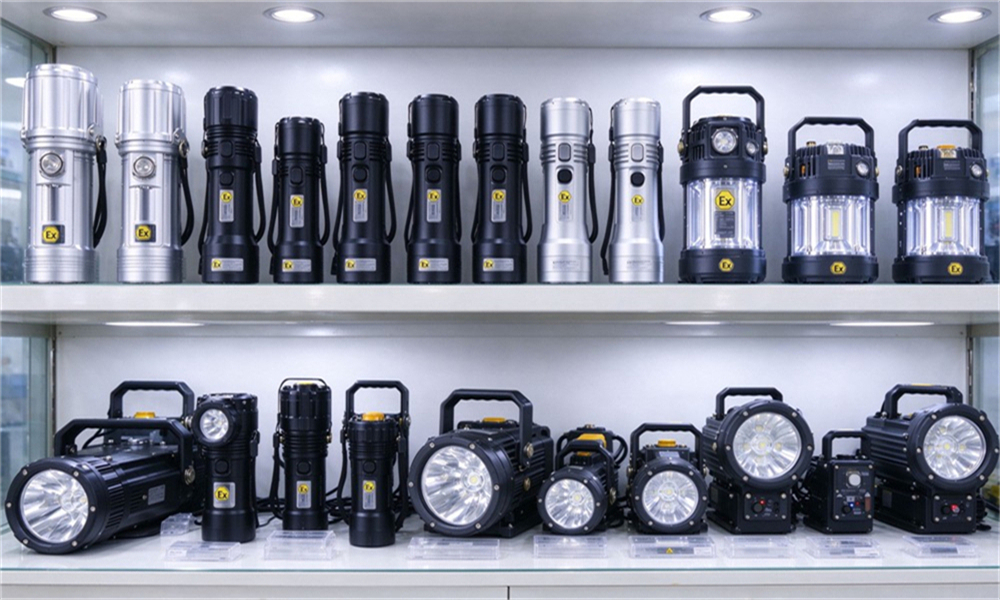
A gas explosion needs three things at the same time: a flammable substance in the right concentration, oxygen from air, and an effective ignition source. Remove any one side and the triangle collapses. Ordinary lighting fails the third side because a switched contact, a charging socket or a hot LED heat sink can all become that ignition source.
A certified Ex luminaire is designed around the triangle. If gas enters the housing and ignites internally, the heavy enclosure contains the pressure. It also cools escaping gases so they cannot reignite the atmosphere outside. The external surface is capped below the autoignition temperature of the surrounding gas.
This is why certification, not marketing words, decides whether a lamp may enter a classified area.
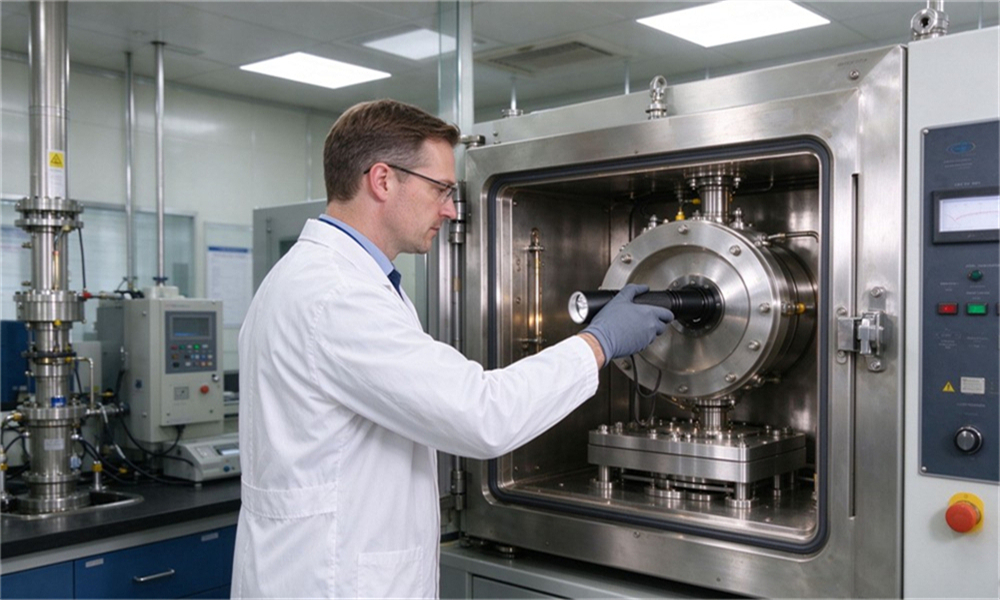
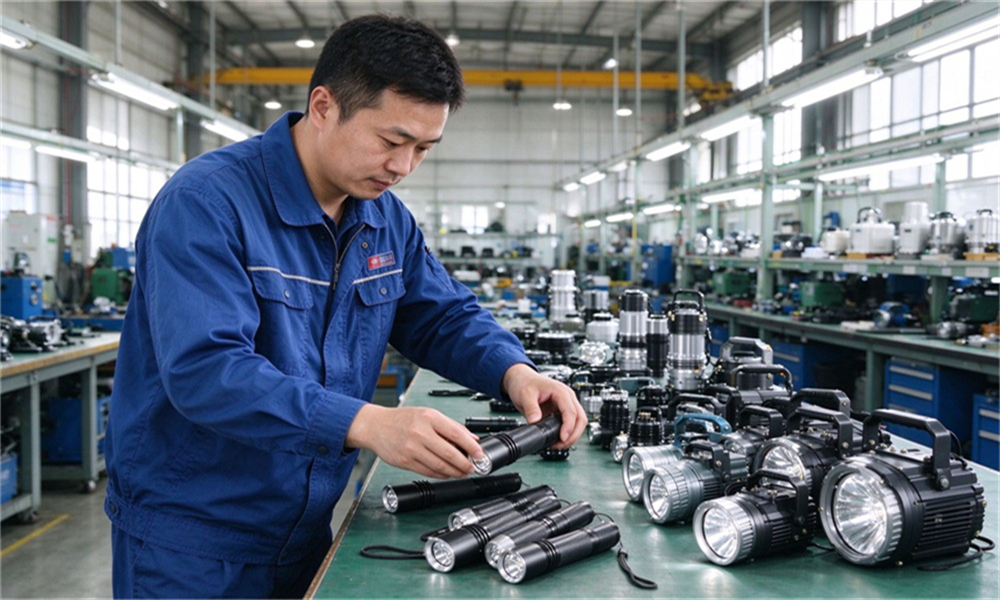
Certification engineer inspecting an explosion proof light under magnification, hazardous area classification review of the Ex marking, battery and flame path before approvalThree failure modes matter. First, an external arc or spark can ignite a flammable mixture directly. Second, an external surface can exceed the autoignition temperature and act as a hot plate. Third, an internal explosion can rupture a weak enclosure and send flame out.
Protection concepts address each mode differently, so one Ex marking is never enough without reading all its blocks.

Hazardous area classification is the site map that says where flammable gas, vapor or dust can appear, and for how long. Every approved Ex luminaire must match the zone it is installed in.
|
Zone |
Atmosphere |
Presence |
Typical location |
Allowed EPL |
|
Zone 0 |
Gas vapor |
Continuous or long |
Tank vapor space, analyzer cell |
Ga |
|
Zone 1 |
Gas vapor |
Likely in normal operation |
Pump seal, loading arm, sample point |
Gb |
|
Zone 2 |
Gas vapor |
Unlikely, short only |
Bund wall, drum filling outer area |
Gc |
|
Zone 20 |
Combustible dust |
Continuous or long |
Inside silo, hopper, mill |
Da |
|
Zone 21 |
Combustible dust |
Likely in normal operation |
Fill opening, bag dump station |
Db |
|
Zone 22 |
Combustible dust |
Unlikely, short only |
Dust collection outer area |
Dc |
Zone 0 covers areas where a flammable gas or vapor mixture is present continuously, or for long periods, or frequently. Only intrinsically safe ia equipment may enter Zone 0.
Zone 1 covers areas where a flammable gas mixture is likely to occur in normal operation. Zone 1 allows flameproof d, intrinsically safe ib, increased safety e, pressurized p and encapsulated m equipment.
Zone 2 covers areas where a flammable gas mixture is not likely in normal operation. Zone 2 permits nA equipment, Ec EPL fixtures and the more common Gb lamps.
Combustible dust follows a parallel three-zone scheme. Every dust-site Ex luminaire carries Db or Dc equipment protection levels and a separate dust temperature class.
Four major certification systems appear on international projects. They share the same underlying Ex logic but differ in legal basis, mark and mutual recognition.
ATEX certification comes from the two ATEX directives adopted in the European Union. ATEX requires a notified body involvement for groups I and II categories M2, 1 and 2.
IECEx certification runs under the IEC 60079 series and is administered by the IECEx certification scheme. In practice, ATEX and IECEx test the same product to the same clauses.
China has its own Ex certification scheme under the GB 3836 series, harmonized with IEC but not automatically mutual recognized.
North America uses NEC Article 500, which classifies locations as Class I Division 1 and Division 2. UL and CSA are the main certifiers.
|
System |
Legal base |
Mark |
Accepted in |
Key note |
|
ATEX |
EU directives |
CE + Ex hexagon |
EU, many contractors |
Notified body required for category 1 and 2 |
|
IECEx |
IEC 60079 scheme |
IECEx logo |
Global tenders |
One test report often covers both ATEX and IECEx |
|
Ex China |
GB 3836 series |
CEx / NEPSI |
Domestic China |
Not automatically recognized in EU or USA |
|
NEC 500/505 |
US National Electrical Code |
UL / CSA listing |
USA, Canada |
Division 1 equals Zone 1 broadly |
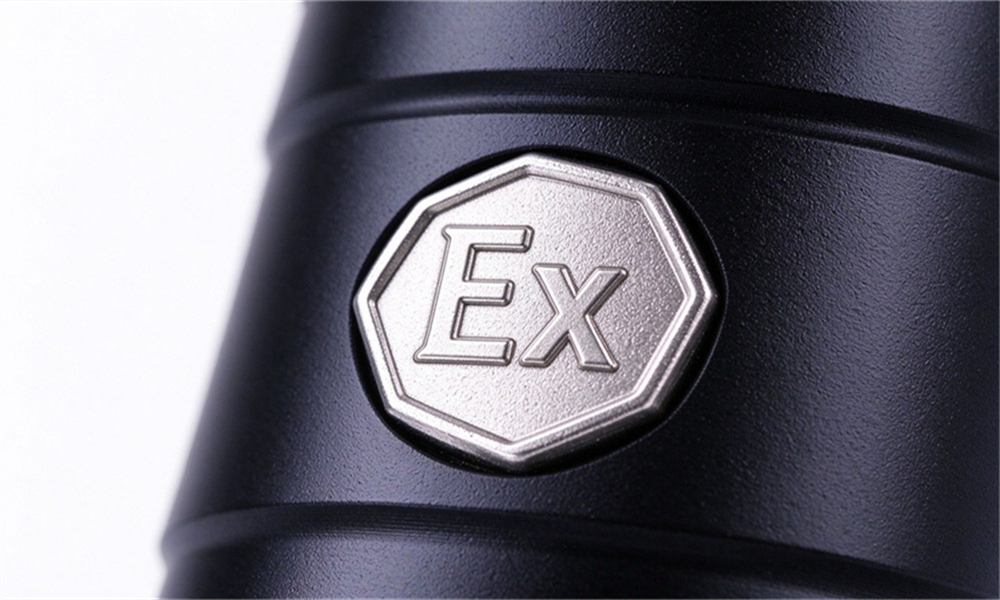
Walk up to any certified lamp and you will see a line that looks like Ex ib IIC T6 Gb. Each block answers one approval question.
|
Block |
Example |
Meaning |
Buyer check |
|
Ex |
Ex |
Equipment protected against explosive atmospheres |
Mark must be present and legible |
|
Protection |
ib |
Intrinsic safety, one fault margin |
d for Zone 1 heavy duty, ib for slim inspection torch |
|
Gas group |
IIC |
Hydrogen and acetylene |
IIC covers IIA and IIB automatically |
|
Temp class |
T6 |
Max surface 85 C |
T4 is typical, T5/T6 for low ignition gases |
|
EPL |
Gb |
Zone 1 and Zone 2 |
Ga for Zone 0, Gc for Zone 2 only |
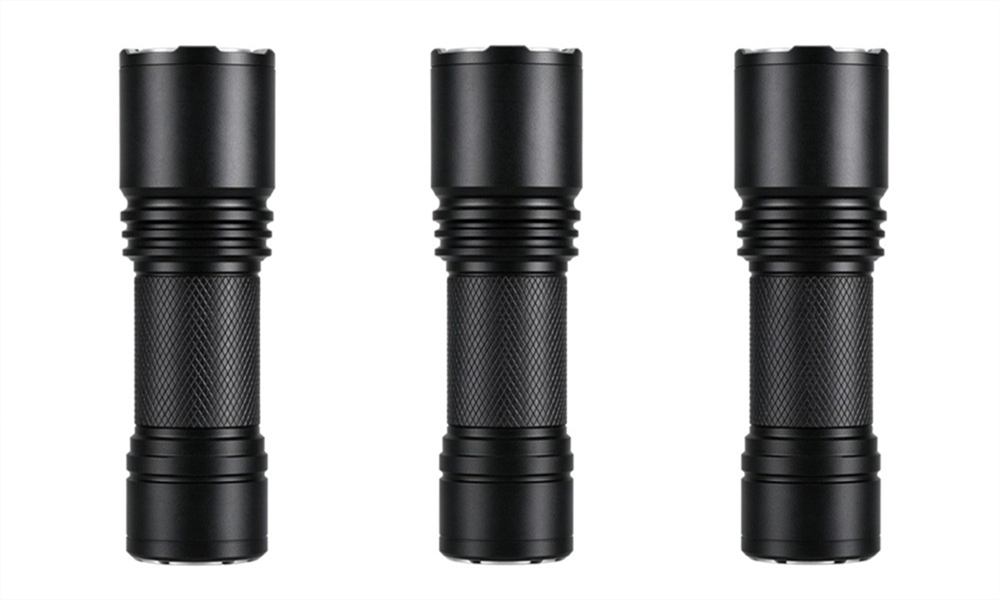
Concept
How it works
Typical zone
Typical lamp
d flameproof
Heavy enclosure contains internal explosion
Zone 1, 2
Handheld torch, fixed floodlight
ib intrinsic
Energy limited below ignition level
Zone 1, 2
Slim inspection torch
ia intrinsic
Energy limited, two fault margins
Zone 0, 1, 2
Tank entry torch
e increased safety
Extra clearance and cooling
Zone 1, 2
Terminal box, fitting
m encapsulation
Spark parts sealed in resin
Zone 1, 2
Driver board, indicator
p pressurized
Purge with clean air at positive pressure
Zone 1, 2
Analyzer cabinet
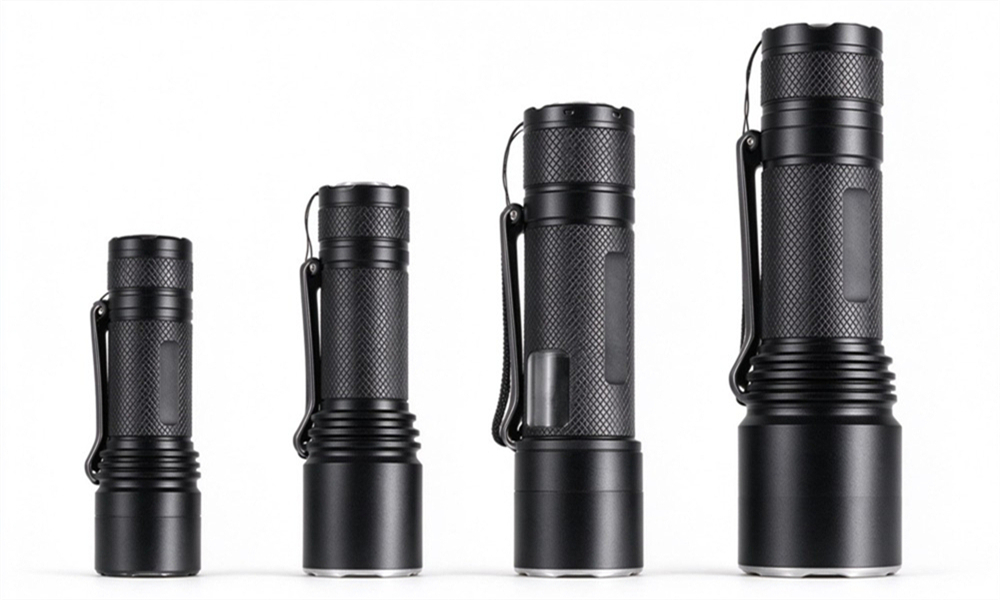
The T class caps the maximum external surface temperature. T6 is the strictest and the safest for low-autoignition gases.
|
Class |
Max surface temp |
Typical use |
|
T1 |
450 C |
High temperature furnaces, low hazard gases |
|
T2 |
300 C |
General refinery areas |
|
T3 |
200 C |
Many petrochemical streams |
|
T4 |
135 C |
Common standard, covers a wide range of solvents |
|
T5 |
100 C |
Low ignition temperature gases |
|
T6 |
85 C |
Hydrogen, carbon disulfide, conservative choice |
Match the T class to the lowest autoignition temperature in the process. The conservative engineering habit is to choose T6 whenever the power budget allows.
Gas grouping measures how easily a gas ignites. IIC lamps also cover IIA and IIB, which is why many buyers specify IIC as a default.
IIA covers propane, town gas, butane. IIB covers ethylene, ethane, coke oven gas. IIC covers hydrogen, acetylene, carbon disulfide.
|
Group |
Representative gas |
Common sites |
Select this lamp if |
|
IIA |
Propane |
LPG bottling, LNG offloading |
Only propane or town gas present |
|
IIB |
Ethylene |
Refinery, petrochemical cracker |
Typical hydrocarbon processing |
|
IIC |
Hydrogen, acetylene |
Hydrotreater, chlor alkali, welding |
Any hydrogen present, or conservative spec |
|
IID |
Methane in mines |
Underground coal |
Methane mine atmosphere |

Once the zone, gas group and T class are known, the protection concept narrows down quickly.
|
Zone |
Minimum EPL |
Typical concept |
Typical lamp shape |
Surface temp |
|
Zone 0 gas |
Ga |
ia intrinsically safe |
Slim handheld torch |
T6 preferred |
|
Zone 1 gas |
Gb |
d, ib, e, m, p |
Handheld torch, fixed flood, work light |
T4 to T6 |
|
Zone 2 gas |
Gc |
nA, ec, ob |
Economy torch, fixed fitting |
T3 to T4 |
|
Zone 20 dust |
Da |
ia intrinsic, encapsulation |
Compact sensor light |
Dust layer temp |
|
Zone 21 dust |
Db |
tD, tb |
Fixed dust tight fitting |
Below dust layer ignition |
|
Zone 22 dust |
Dc |
tc |
Sealed industrial fitting |
Conservative T4 |
A clean procurement workflow prevents the frequent selection errors. Walk the six steps in order.
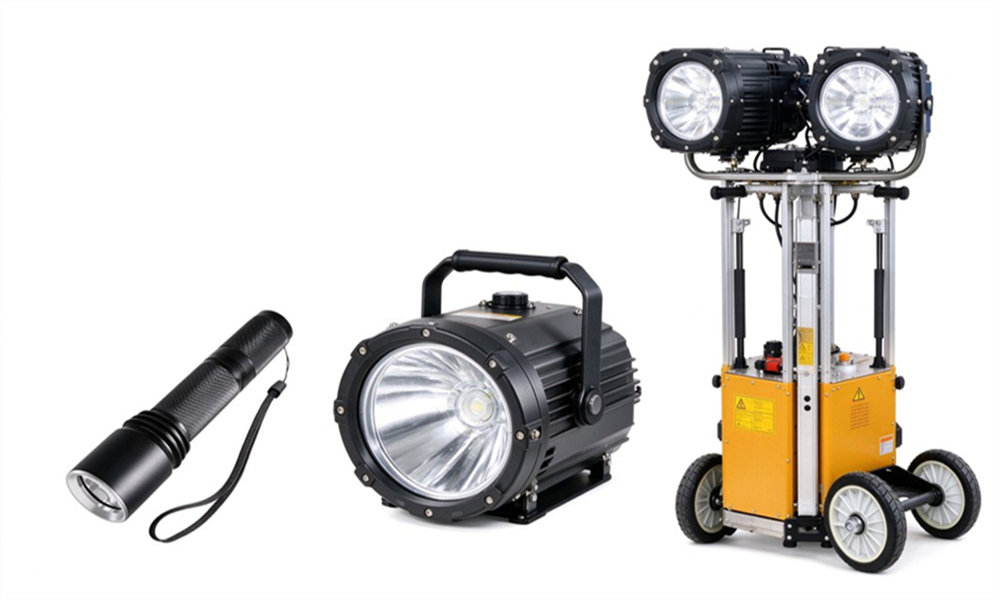
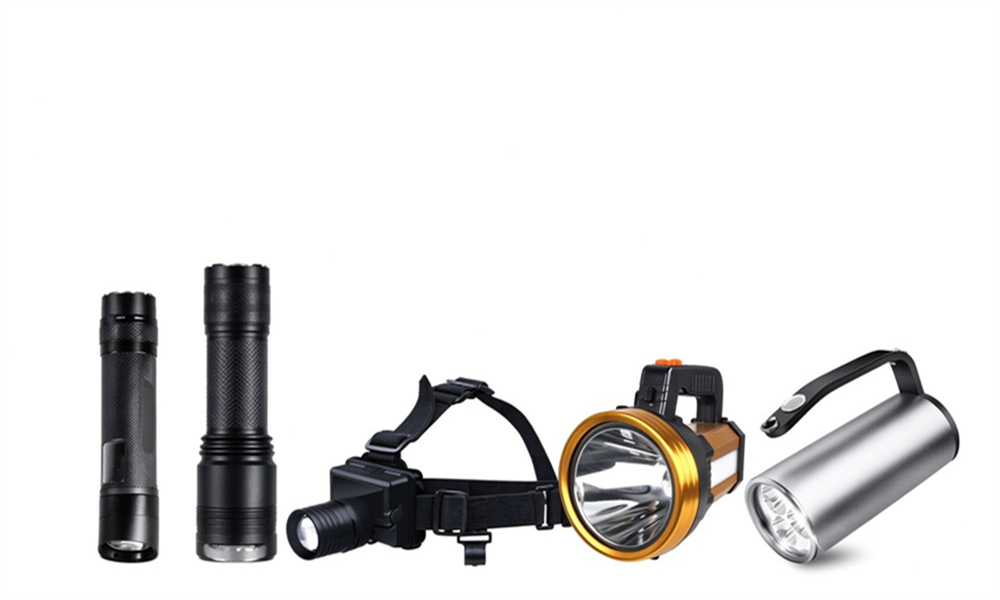
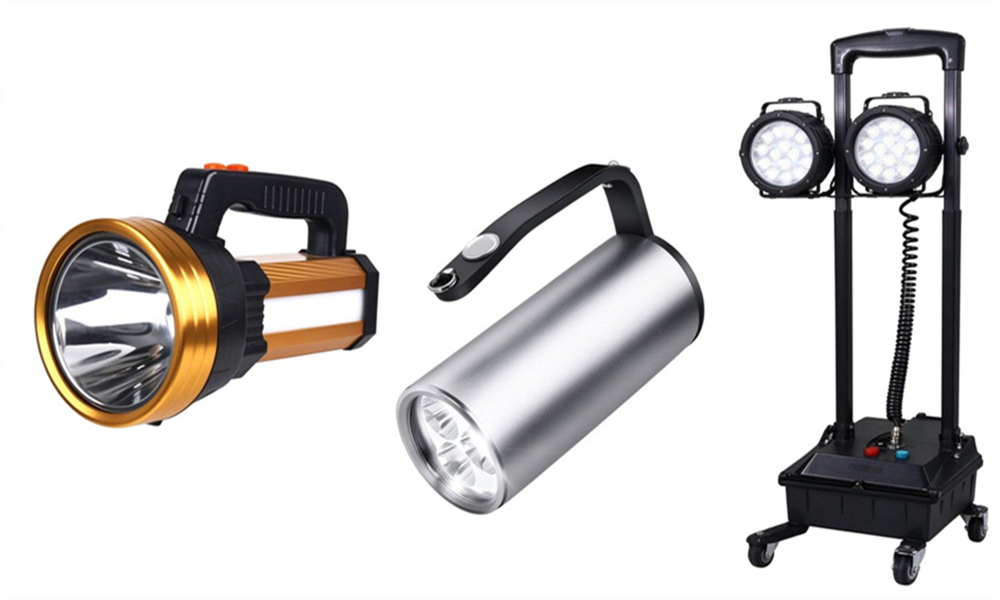
Once the zone and marking are settled, match the decision to the real families: browse the explosion proof light product range for fixed and portable Ex fixtures, see how these ratings apply on site in the hazardous area lighting scenarios for refineries, and use a mobile light tower for temporary turnaround lighting. Handheld inspection work pairs with the bulk flashlights and torches line, while certified spares come from the battery packs and chargers range.
After years of site audits, a handful of mistakes recur.
IP65 only proves that dust and water cannot get in. It says nothing about ignition energy. Always look for the Ex marking and a certificate number.
Zone 2 is still a classified area. Ordinary lights without Gc or Ec EPL are not allowed.
Each model, its battery and its switch combination are tested as one assembly.
The test logic is shared, but the legal mark differs. Pick the mark the end user files.
A gas-certified lamp with Gb marking is not automatically approved for a dust zone.
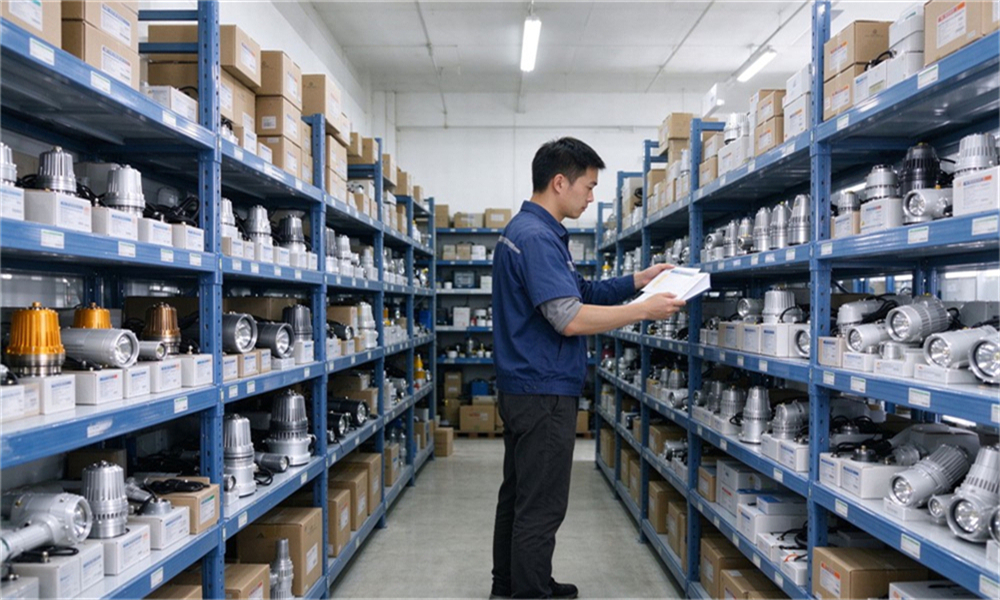
Use this checklist at order intake and again at site arrival. It turns a vague "send me an ATEX lamp" request into a traceable approval record.
An ATEX IECEx certification guide must explain how the two systems actually differ on paper. They share the same IEC 60079 test clauses, but the legal route, the issuing body and the surveillance rhythm are not the same.
ATEX is the European legal framework, anchored in Directive 2014/34/EU. It requires a Notified Body to issue an EU-type examination certificate. Common Notified Bodies include Baseefa, LOM, Intertek (ITS) and TUV. The certificate number looks like "ITS 19 ATEX 12345 X".
After certificate issue, ATEX requires annual factory inspection by the Notified Body. The quality system audit keeps the certificate alive. Without the annual audit, the certificate lapses. The CE mark on the product can be challenged at any EU customs point.
IECEx is the voluntary international scheme run by the IEC. It uses Ex Certification Bodies (ExCB) such as PTB in Germany and SRC in Russia. The route combines an Ex Test Report (ExTR) with an Ex Certification Report (ExCR). The certificate number looks like "IECEx ITS 19.0012 X".
IECEx surveillance runs on a three-year cycle rather than annual. It is more flexible for global brands selling outside the EU. However, IECEx alone does not grant CE marking. EU-bound product still needs ATEX.
The official IECEx landing page isiecex.iec.ch. For the broader standards family, see the IEC 60079 series.
Step
ATEX
IECEx
Sample submission to lab
Week 0
Week 0
Type testing (flamepath, temp, IP)
Weeks 2-10
Weeks 2-10
Quality system review
Weeks 10-14
Weeks 10-14
Certificate issue
Weeks 14-18
Weeks 14-18
Typical cost per model
€8,000-15,000
€7,000-13,000
Post-cert surveillance
Annual factory audit
3-year surveillance visit

ATEX and IECEx do not work in the United States. North America runs on the National Electrical Code. Buyers shipping to refineries in Texas or Louisiana must follow NFPA 70 NEC Articles 500 and 505.
NEC 500 classifies gas locations as Class I, Division 1 or Division 2. Division 1 covers areas where an ignitable concentration exists continuously or frequently. Division 2 covers areas where such a concentration exists only abnormally. The mapping to Zone is approximate but useful.
NEC 500 Division
Rough Zone equivalent
Typical lamp approval
Class I Division 1
Zone 0 + Zone 1 combined
UL 844 explosion-proof or UL 913 intrinsic safety
Class I Division 2
Zone 2
UL 844 or non-incendive rated
Class II Division 1
Zone 21 (dust)
Dust-ignition-proof per UL 1203
Class II Division 2
Zone 22 (dust)
Dust-tight enclosures
NEC 505 is the zone-based alternative adopted voluntarily by some US states and plant owners. It aligns with IECEx Zone 0/1/2 terminology. Even under NEC 505, however, the product must still carry a UL or FM certificate. An ATEX certificate on its own is not accepted by OSHA inspectors.
UL 844 covers explosion-proof and dust-ignition-proof luminaires. UL 913 covers intrinsically safe apparatus. OSHA enforces hazardous location wiring through29 CFR 1910.307. The test route itself is described in UL 844. Expect a UL or FM add-on test cycle of another 16-24 weeks on top of the ATEX baseline.
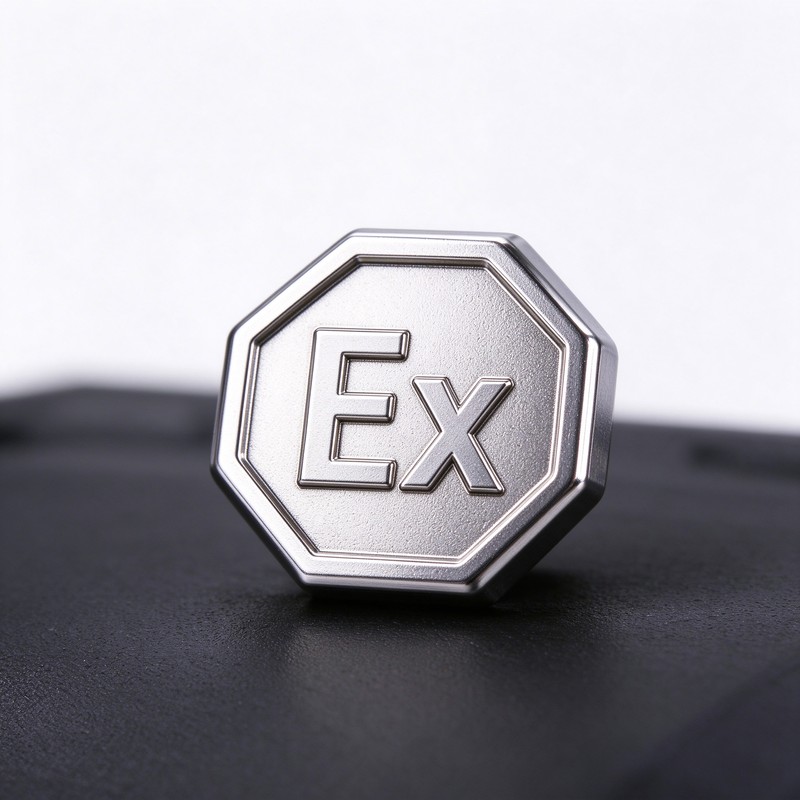
Counterfeit Ex certificates are common in low-budget supply chains. Use this five-step SOP at order intake and again at site delivery. It takes ten minutes and stops a wrong shipment.
An ATEX cert reads "ITS 23 ATEX 12345 X" or "Baseefa 18ATEX0123U". The prefix names the Notified Body. The "ATEX" block confirms the directive. A trailing "X" means special conditions apply. A missing "X" still means the certificate is valid, but without special conditions.
ITS means Intertek. Baseefa is the UK body. LOM is the Czech body. TUV has several regional offices. Cross-check the body's name and number in the EU NANDO Notified Body list. If the body number does not match the name, the document is fake.
Open the IECEX Certification Database. Type the certificate number. The record shows the holder, the valid status, the protected equipment list and the expiry date. An entry that returns "not found" is grounds to reject the order.
On arrival, read the product nameplate. The Ex marking must match the certificate line by line. Compare "Ex d IIC T6 Gb" on the nameplate with the same string on the certificate. A mismatch on gas group or temperature class means the lamp cannot enter the zone.
One certificate often covers a family of models. Check the certificate's schedule of equipment. If your specific SKU is not listed, the cert does not cover it. Reuse of a certificate across different SKUs is the most common fraud pattern in Asian supply chains.
The single most expensive buyer mistake on hazardous area projects is specifying "IP65" instead of the correct Ex rating. IP and Ex measure completely different risks.
IP rating comes from IEC 60529. It measures solid object and water ingress. IP65 means dust-tight and protected against low-pressure water jets. It says nothing about ignition energy, flame paths or surface temperature.
Ex rating comes from the IEC 60079 series. It measures how the equipment prevents ignition of the surrounding gas. An Ex d IIC T6 lamp survives an internal explosion and keeps the surface under 85 C. An IP65 ordinary LED lamp can neither contain an explosion nor limit surface heat.

Marking on lamp
IP65 ordinary LED
IP66 + Ex d IIC T6
Dust tight
Yes (6)
Yes (6)
Water jets / rain
Yes (5)
Yes (6, stronger)
Internal explosion contained
No
Yes
Surface under 85 C
Not guaranteed
Yes (T6)
Allowed in Zone 1
No
Yes
Typical unit price
$20-40
$150-300
The price gap is 7-15x. That is exactly why buyers try to substitute. OSHA's 1910.307 treats the substitution as a willful violation. For outdoor Zone 1 work, the correct combo is IP66 plus Ex d IIC T6.

Buyers new to Ex procurement often underestimate certification cost. A realistic budget per product line changes the supplier shortlist fast. The numbers below are typical, not fixed.
This is why a cheap factory quote from a no-name workshop should set off alarm bells. Without a Notified Body relationship, the certificate will not exist on delivery.
Activity
ATEX only
ATEX + IECEx
ATEX + IECEx + UL
Type testing fee
€5,000-8,000
€8,000-12,000
€15,000-22,000
Quality system audit
€1,500-3,000/yr
€1,500-3,000/3yr
€3,000-5,000/yr
Factory production inspection
Annual
Triennial
Semi-annual
Lead time to first cert
14-18 weeks
16-20 weeks
32-44 weeks
Typical small factory capability
Can handle
Usually can handle
Rarely has
Ask for the certificate number, not a scan of a CE sticker. A scan can be photocopied. The number can be queried. Then follow the five-step verification SOP earlier in this guide.
For buyers working on a government tender, the compliance dossier matters as much as the product. The dossier packs the certificate, the test report, the quality manual and the nameplate drawing. Without it, the bid fails on a technicality.
Use this ATEX IECEx certification guide as a checklist. Walk your supplier through each step. If they hesitate on the database query, walk away.
The 2014/34/EU directive is stable, but the underlying harmonised standards roll forward. IEC 60079-1, IEC 60079-0 and IEC 60079-7 all see minor revisions every few years. Certificates reference the edition year on the face.
When a new edition publishes, existing certificates do not auto-expire. They remain valid until their stated end date. New production, however, must test to the new edition. Buyers signing a long-term supply contract should ask which edition year the next batch will test to.
Avoid suppliers who cannot name the edition year on their certificate. That gap usually means the document is older than they claim.
For buyers preparing a first-time tender dossier, collect the following in a single folder: the certificate front page, the schedule of equipment, the type test report cover, the quality manual index and the nameplate drawing. That one folder answers 90% of EHS reviewer questions.
If a supplier hesitates to provide the schedule of equipment, treat it as a red flag. The schedule is the document that proves your SKU is actually inside the certificate. Without it, the cert number is a meaningless string.
From sample submission to certificate issue, plan 12 to 18 weeks. Type testing takes weeks 2-10. Quality system review takes weeks 10-14. Issue follows at weeks 14-18. Add another 16-24 weeks if you also need UL or FM for North America. This ATEX IECEx certification guide separates IP rating from Ex rating.
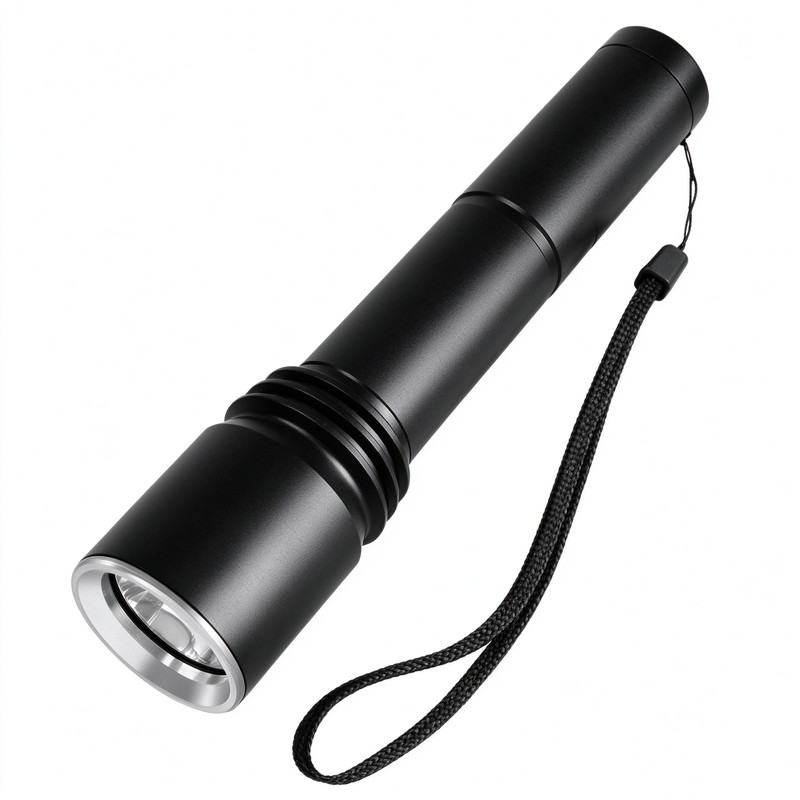
YRF supplies certified Ex lighting, intrinsically safe lamps and ATEX (EU) / IECEx (international) / UL (North America) rated ranges from China. Use this certification guide to match the right standard to your project destination. Specifications and certification scope are confirmed per order.
How does this ATEX IECEx certification guide map temperature classes to gases?
This ATEX IECEx certification guide links the T-class to gas ignition temperature. T4 covers most gases at 135 degrees C. Use T6 for low-ignition solvents. The Ex marking shows the exact class. Share this ATEX IECEx certification guide with the safety officer.
What is the difference between ATEX and IECEx per this certification guide?
This ATEX IECEx certification guide treats both as equivalent test systems. ATEX is the EU directive and IECEx is the global scheme. One test report supports both marks in most countries. This ATEX IECEx certification guide covers dust zones too.
How long does ATEX certification take according to this guide?
Per this ATEX IECEx certification guide, plan 12 to 18 weeks. Type testing takes weeks 2 to 10. The quality audit runs weeks 10 to 14. Add time for a factory follow-up visit. Use this ATEX IECEx certification guide to compare Ex e and Ex d.
Can one certificate cover a whole family of explosion proof lights?
This ATEX IECEx certification guide allows a family certificate for similar models. Each variation must share housing and temperature class. List every covered model on the certificate schedule. This ATEX IECEx certification guide supports approval sign-off.
Keep this ATEX IECEx certification guide beside your site dossier. This ATEX IECEx certification guide turns Ex marking, gas group and temperature class into a short approval checklist before you order.
Bookmark this ATEX IECEx certification guide before your next site survey. This ATEX IECEx certification guide helps a safety officer map each zone to the right lamp. Revisit this ATEX IECEx certification guide whenever a new gas group enters the plant.
|
|

|
Liens amicaux :
droits dauteur © Custom Disaster - Relief Bedding: Tents, Sleeping Bags, Blankets Tous les droits sont réservés
léquipe professionnelle au service !