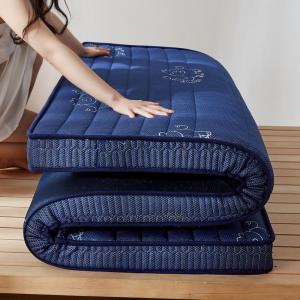
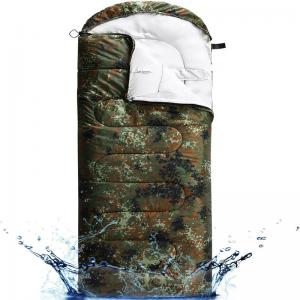
Why Choose YRF 72 Hour Family Emergency Kit? As a China-based emergency kit manufacturer with over 20 years of textile and disaster relief supply experience, we deliver complete 72 hour emergency kit for family solutions that cover food, water, first aid, warmth, shelter, lighting and communication. Every disaster preparedness kit is assembled to verified specifications and available with OEM private label for wholesale, government and NGO buyers.
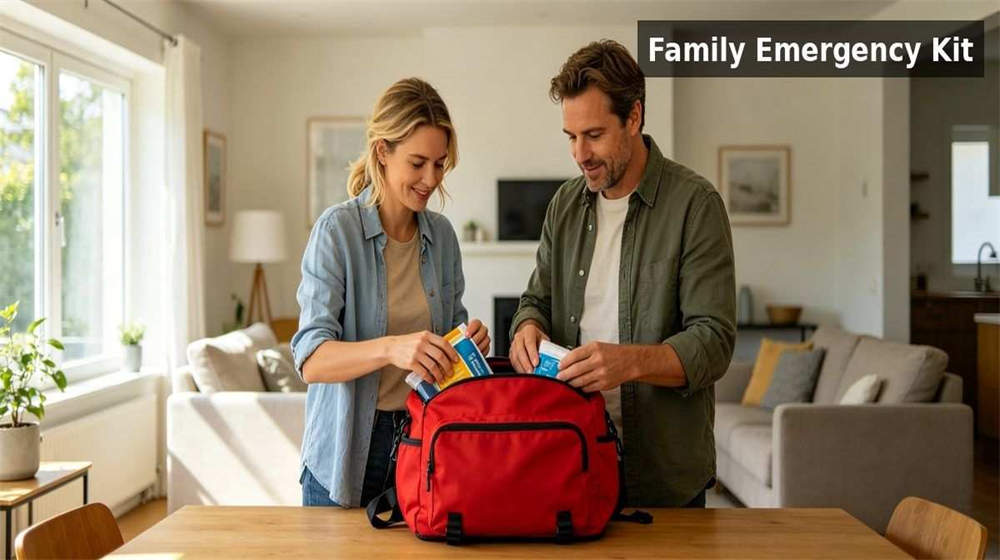
Whether you need a bug out bag for evacuation, a shelter in place kit for lockdown, or a 2 person emergency kit wholesale order for distribution, our emergency kit with food and water configuration ensures every household has the essentials for the first critical 72 hours.
Explore our related product categories:
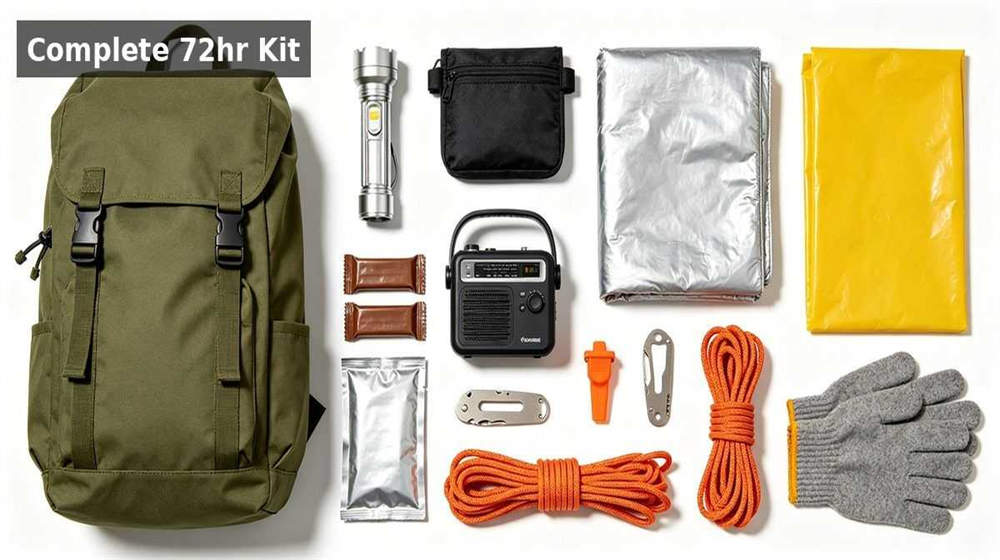
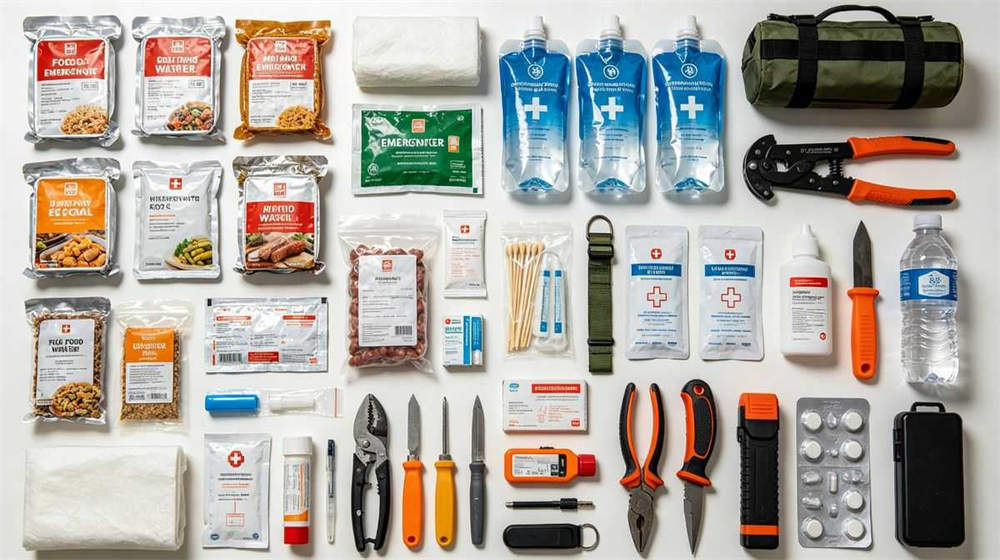
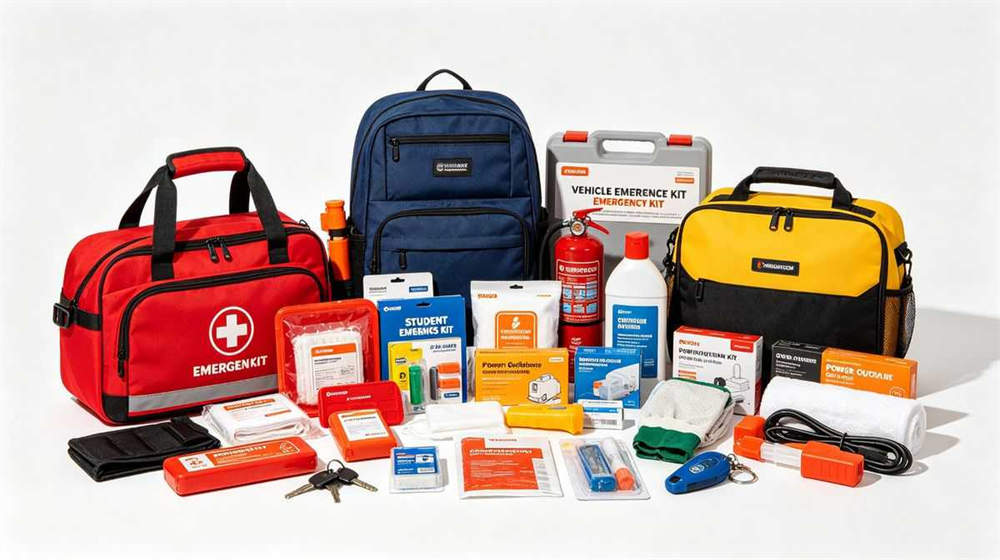
For government reserves, NGO programs, private-label retailers, wholesalers and distributors. Our two-person 72-hour family emergency kit provides food, water, first aid, tools, lighting, warmth and communication supplies for a 3-day emergency. Each kit contains 26 item categories with 53 pieces, packed in a durable backpack with a total weight of approximately 3.9kg. Suitable for earthquakes, floods, hurricanes, power outages and other household emergencies.
A 72-hour emergency kit is designed to support a household for the first three days after a disaster, when rescue services may be delayed and basic services disrupted. Our two-person configuration covers food and water for two adults, plus shared tools and equipment. Larger households can add individual food and water packs or combine multiple kits. All items are selected for long shelf life, compact storage and ease of use by untrained family memb As essential emergency supplies for disaster preparedness, these kits ensure family safety.
Each two-person kit contains 26 item categories and 53 pieces, organized into eight functional groups. The kit is designed so that two adults can find and use every item quickly during an emergency.
Our 72 hour emergency kit for family is designed as a complete emergency supplies kit that covers every essential category. Unlike basic survival gear for disaster collections, each kit is balanced for 2-person use over 72 hours, with verified shelf life and rotation-friendly packaging. Buyers sourcing earthquake survival kit wholesale or flood emergency supplies bulk can configure contents based on regional hazard profiles.
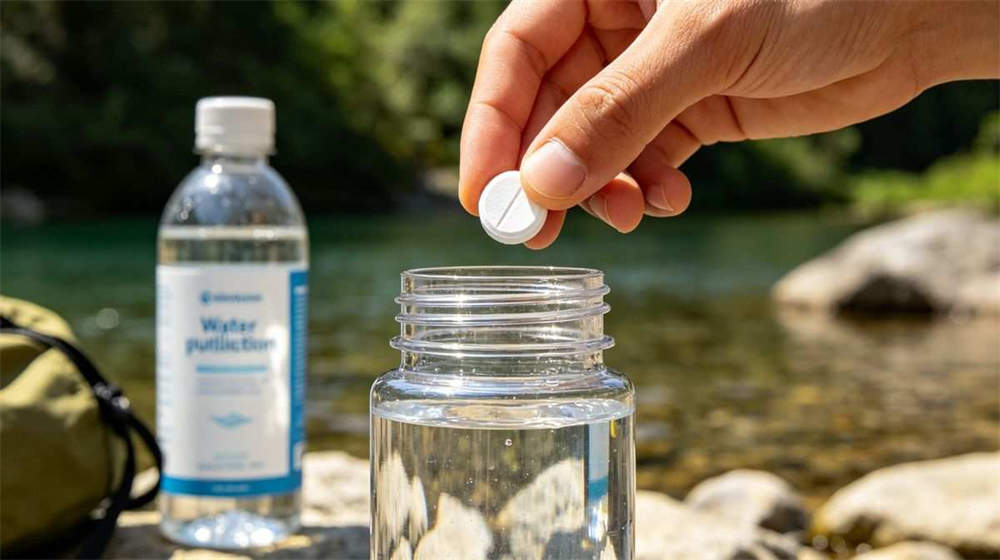
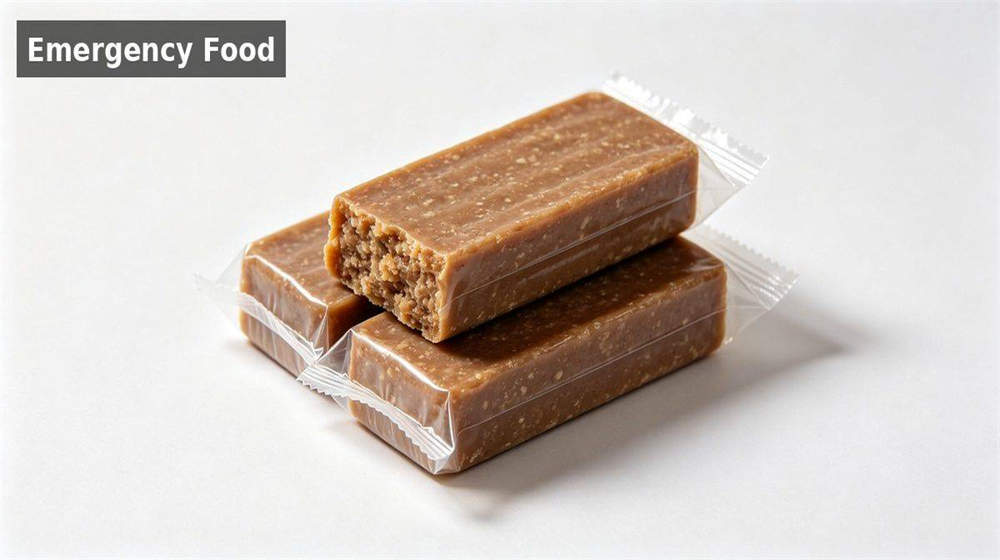
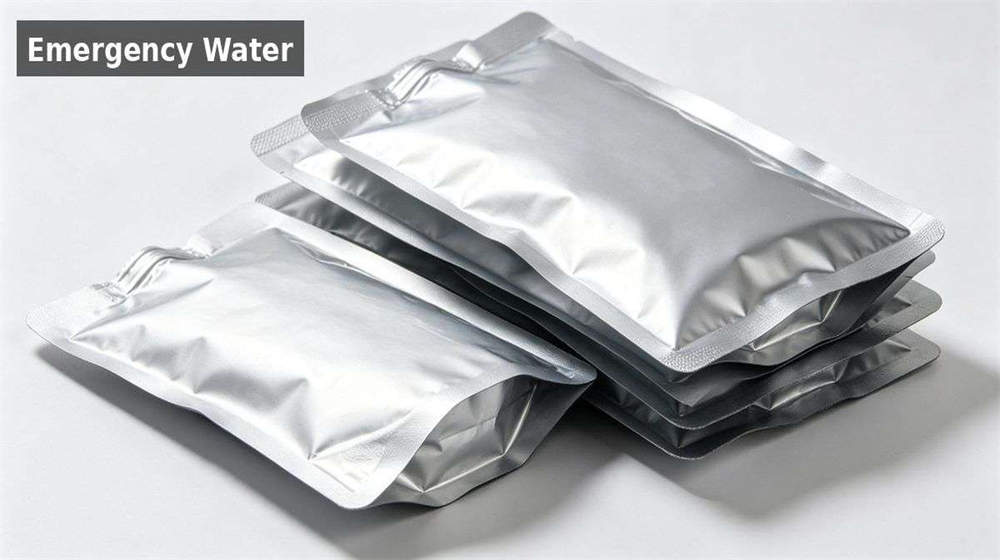
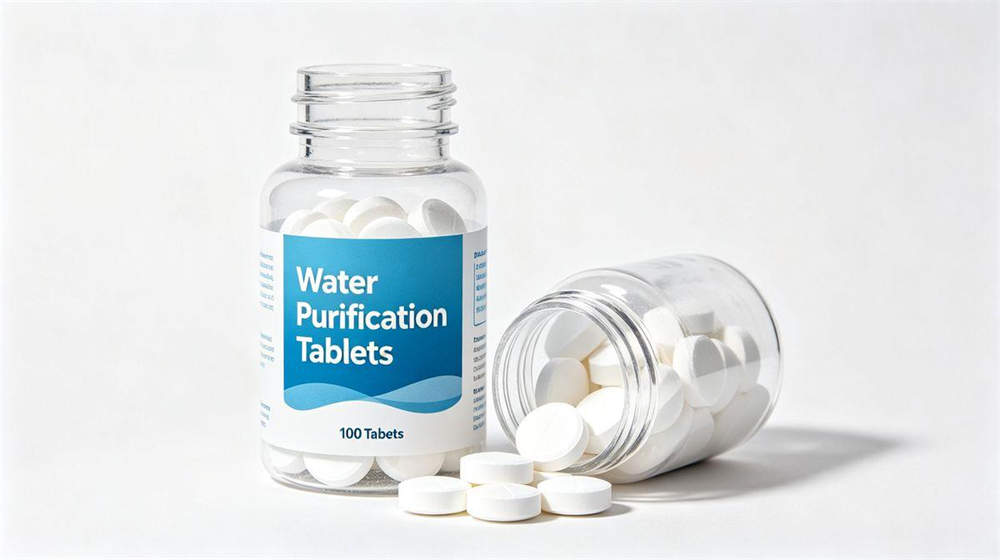
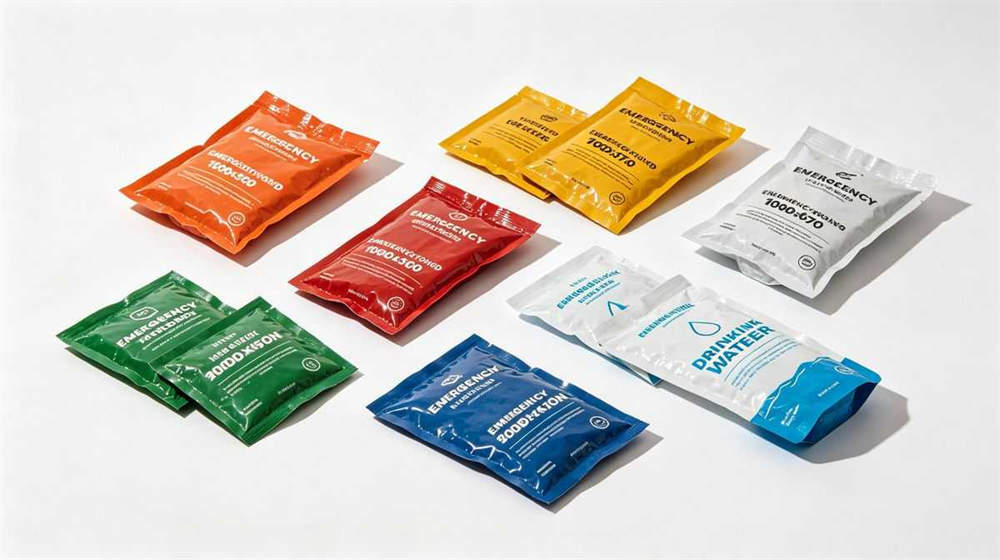
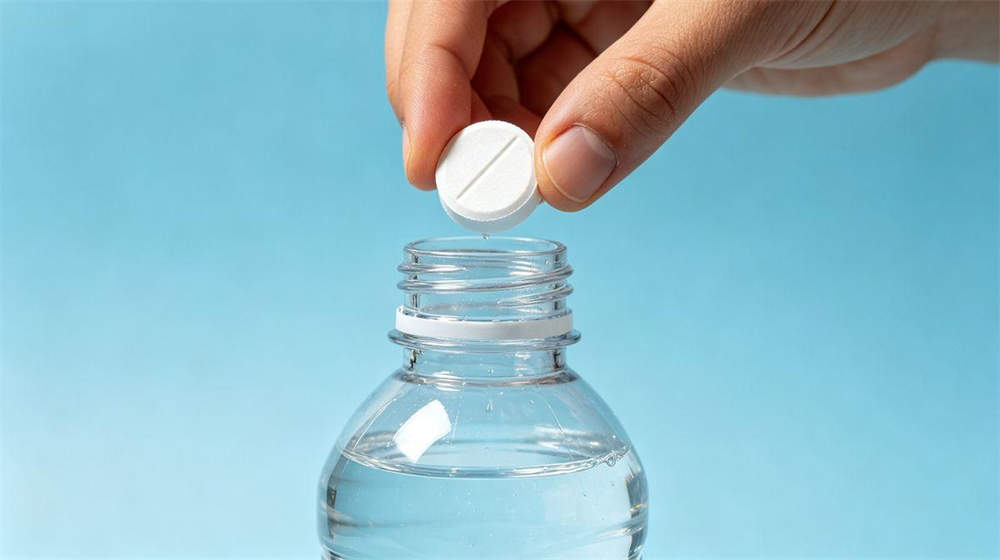
Emergency food rations provide approximately 2000 calories per person per day. Options include compressed biscuits (5-year shelf life), energy bars and high-calorie survival bars. Drinking water is supplied in sealed pouches or bottles with 2-5 year shelf life, at 3 liters per person per day (2 liters for drinking, 1 liter for hygiene). Each kit includes water purification tablets as a backup supply.
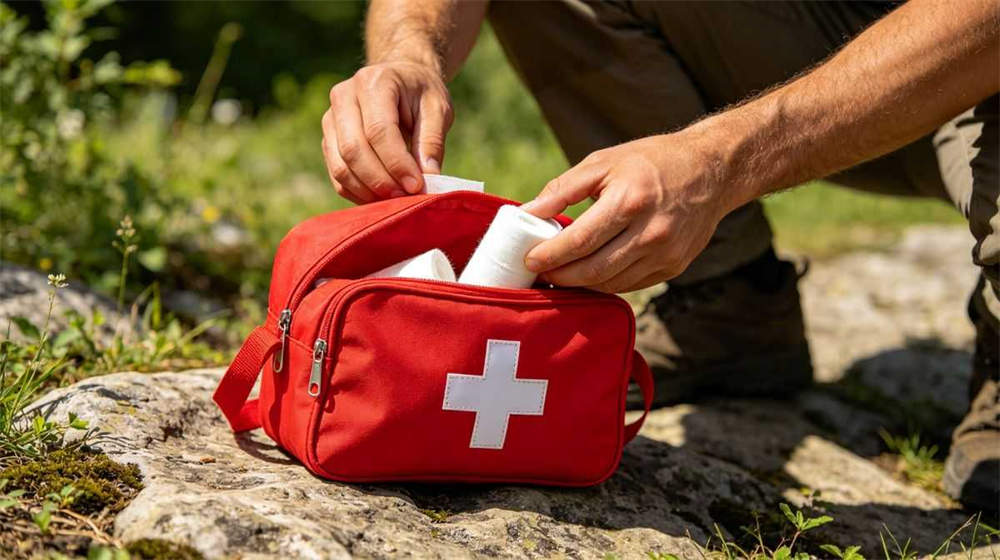
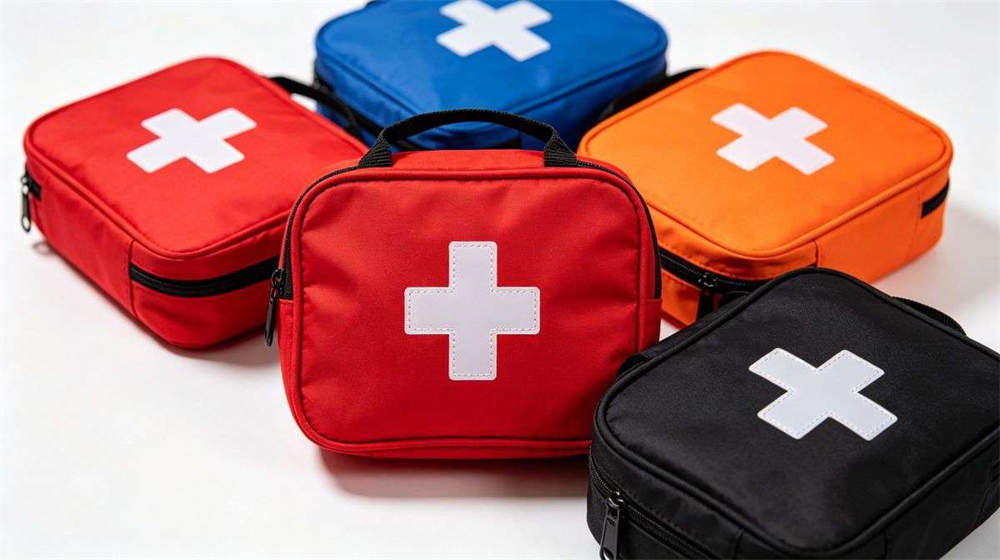
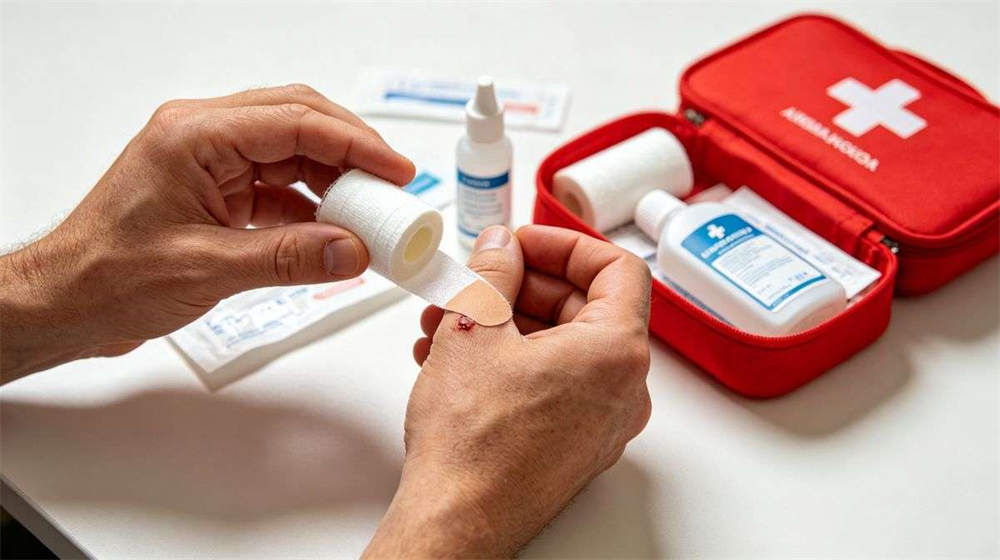
A compact first aid kit contains adhesive bandages, sterile gauze pads, medical tape, antiseptic wipes, triangular bandages, disposable gloves, CPR face shield, emergency blanket and emergency poncho, scissors, tweezers and a first aid guide. Over-the-counter medications can be added based on destination regulations, including pain relievers, antidiarrheal tablets and allergy medication.
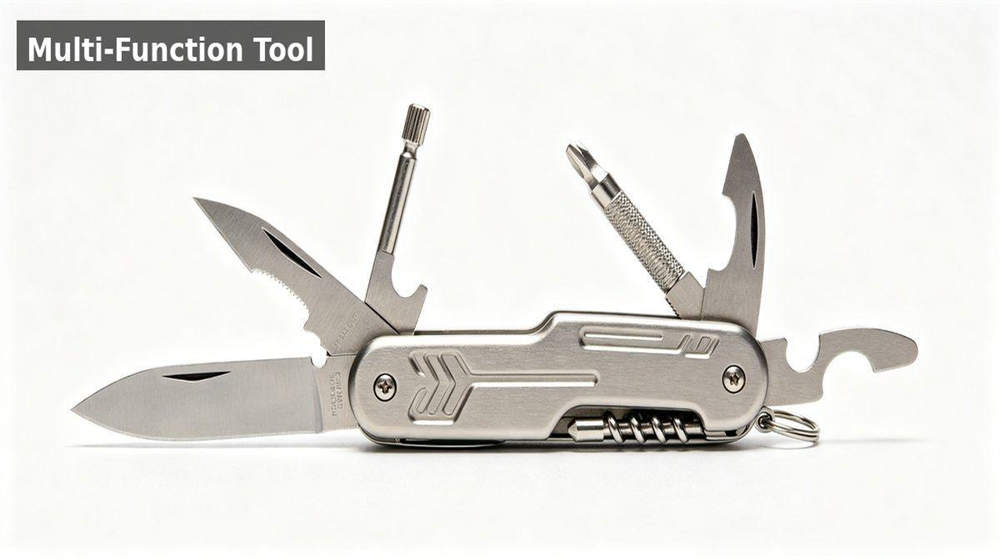
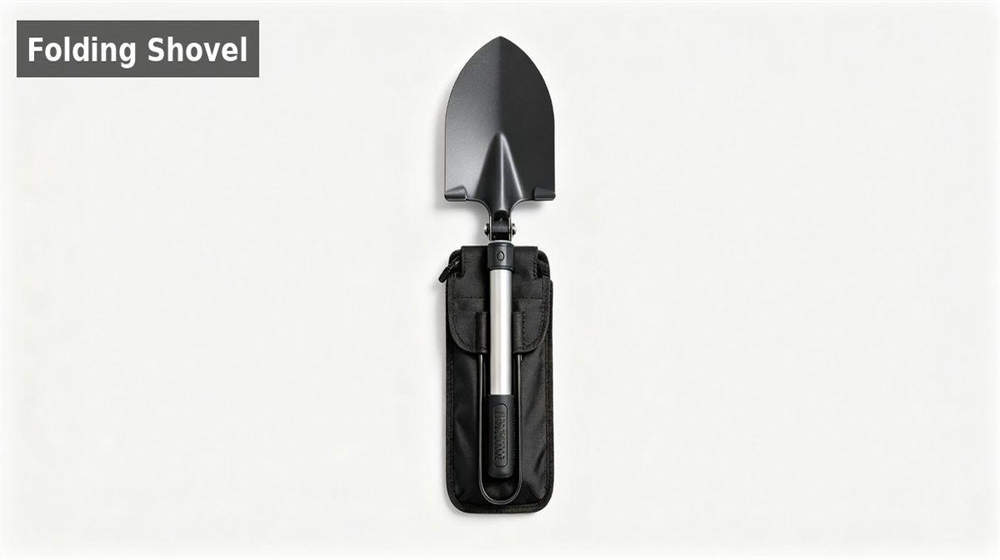
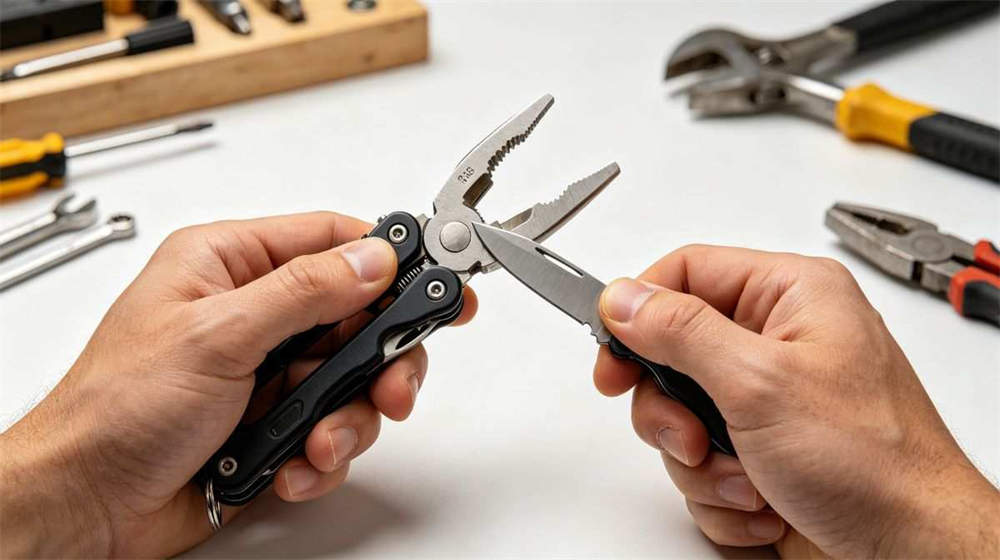
A multi-function tool with knife, pliers, screwdriver and can opener. Additional tools include a folding shovel, duct tape, paracord rope (15m), emergency whistle, safety pins and a can opener. These tools support shelter building, equipment repair, food preparation and signaling.
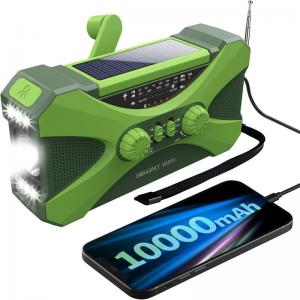
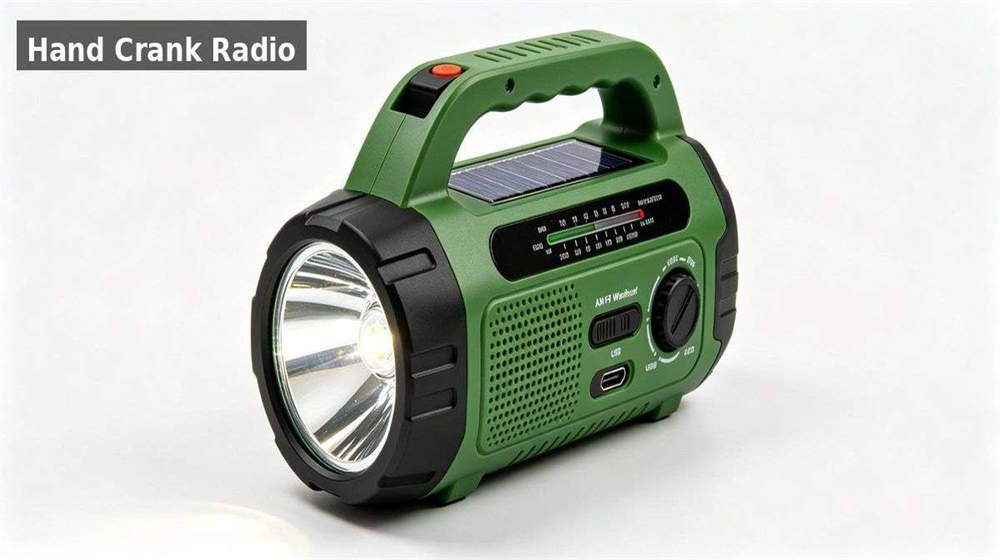
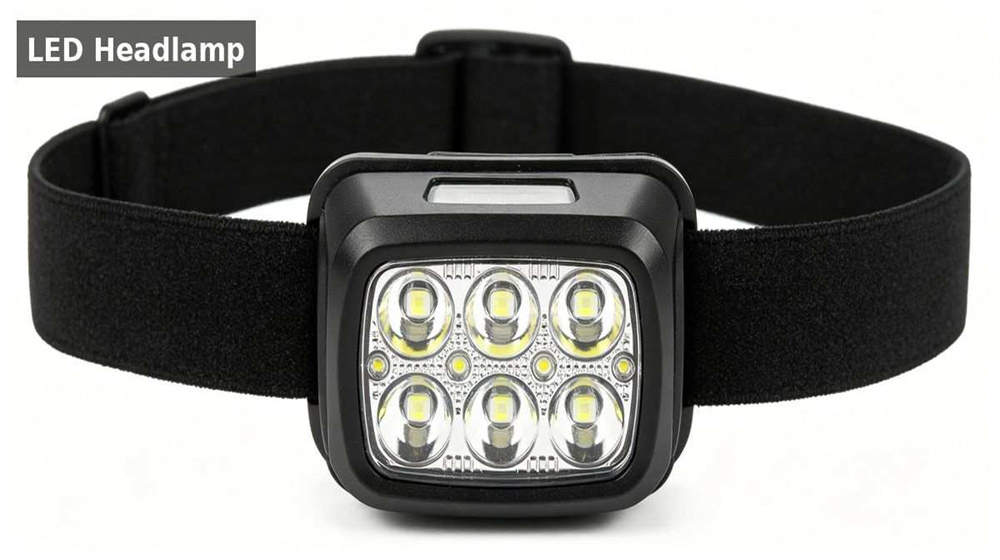
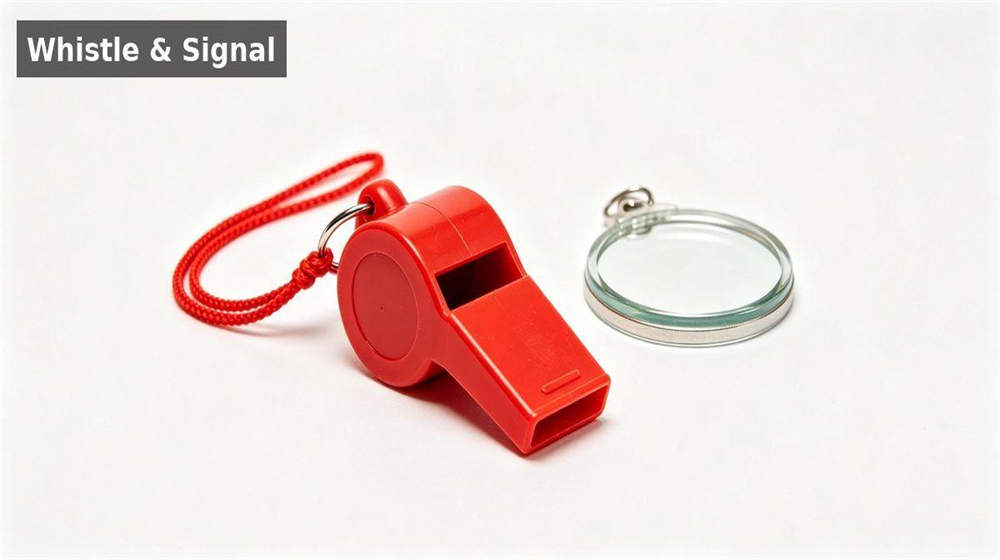
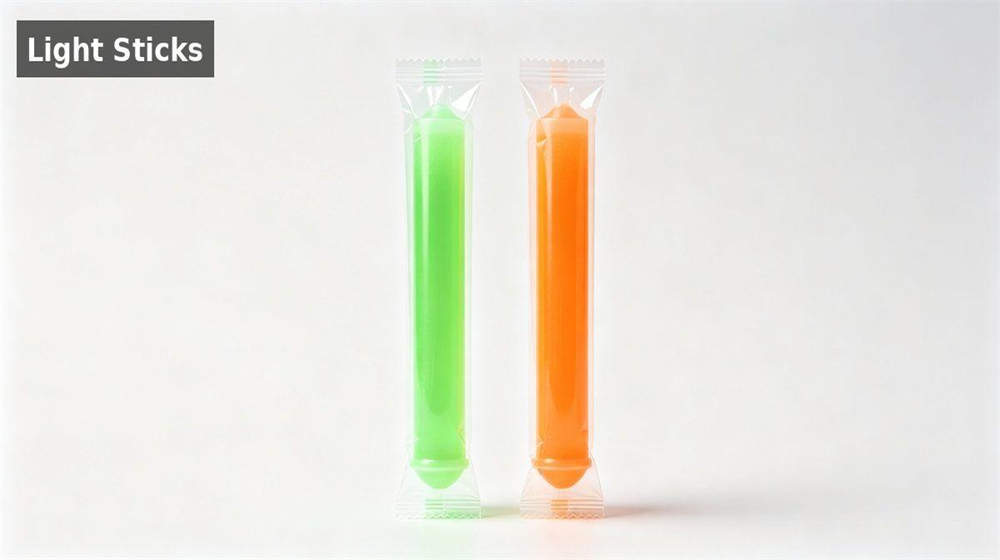
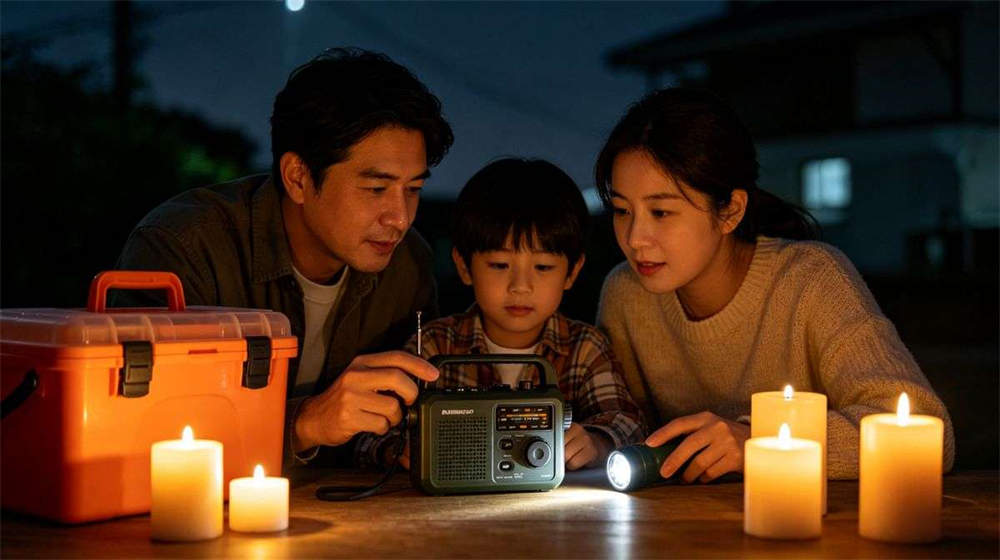
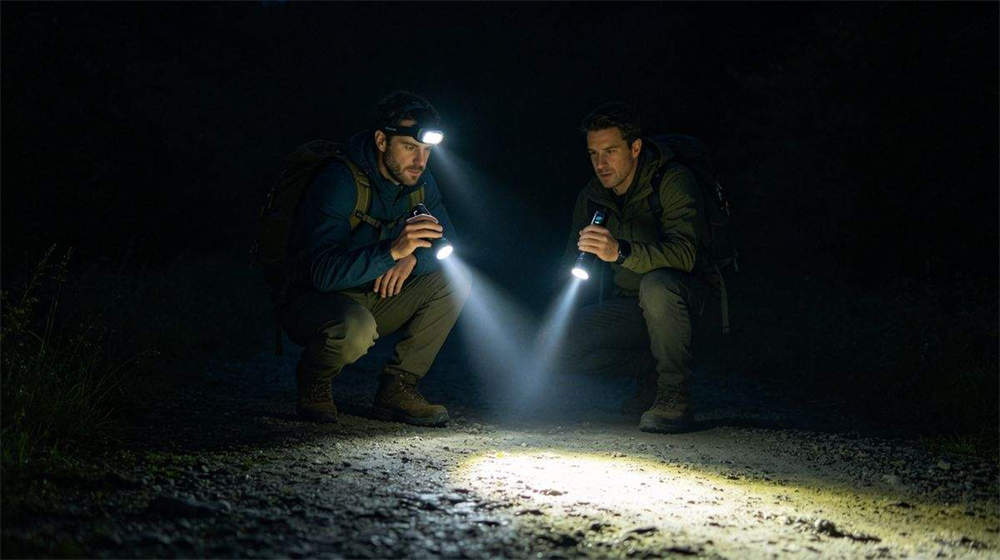
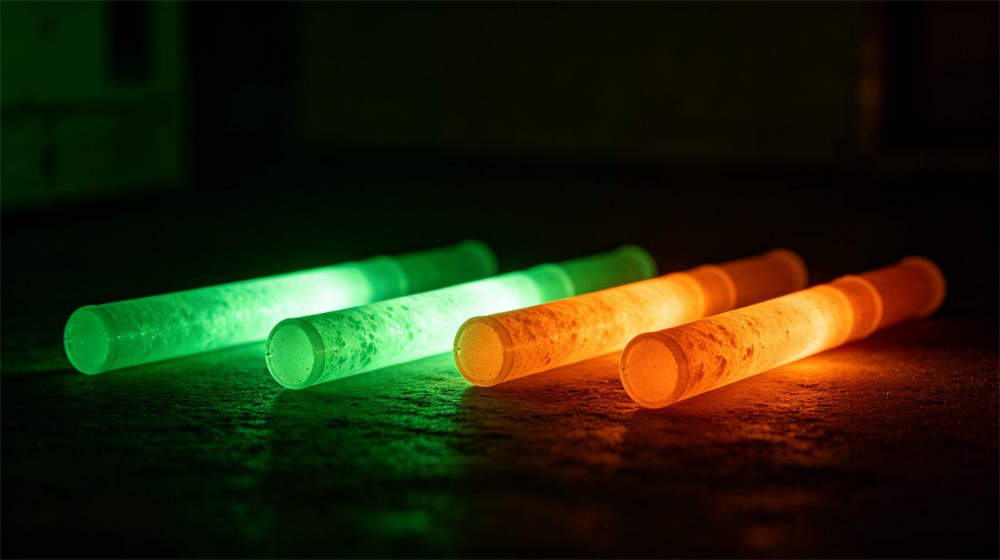
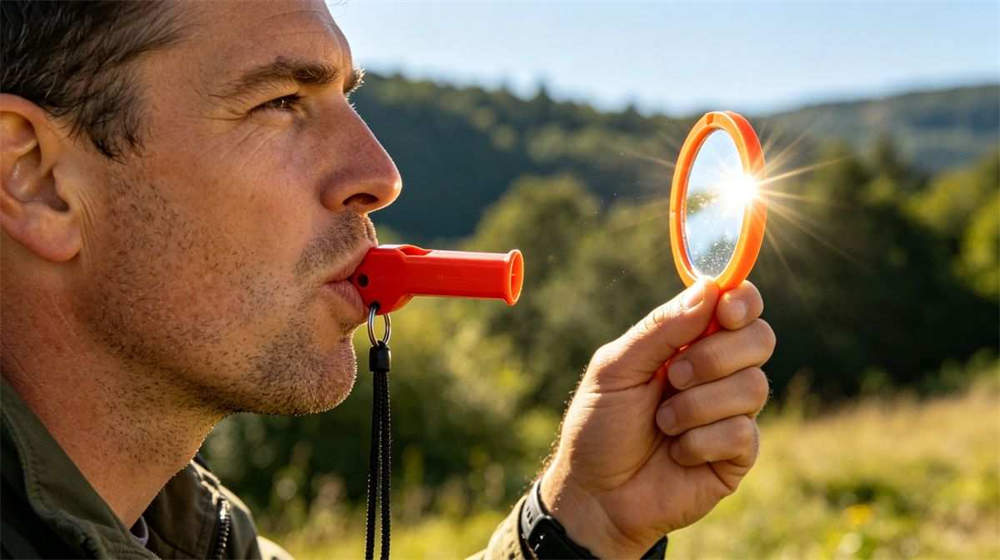
A hand-crank flashlight with built-in radio (AM/FM/weather band) and USB charging port. Additional lighting includes chemical light sticks and a headlamp with extra batteries. The hand-crank radio provides emergency broadcasts when power and cell service are down. A whistle and signal mirror are included for attracting rescue attention.
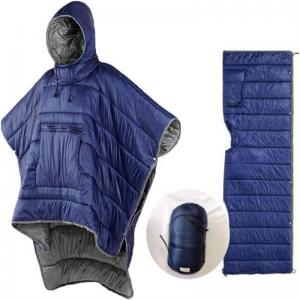
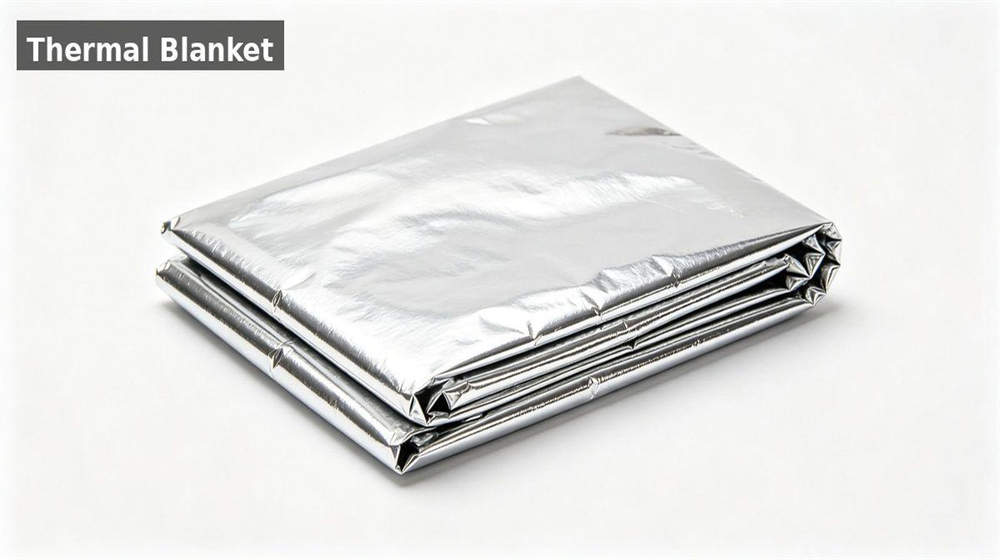
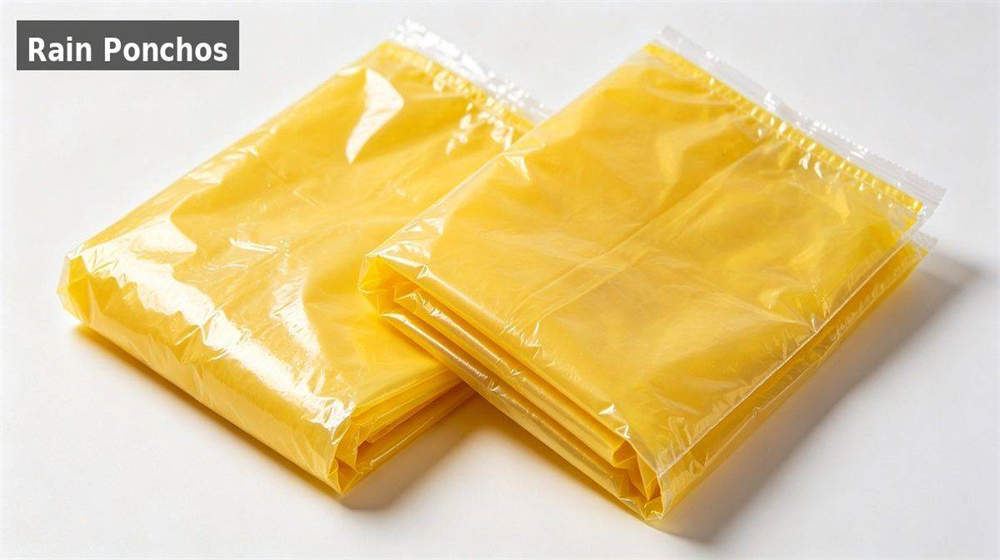
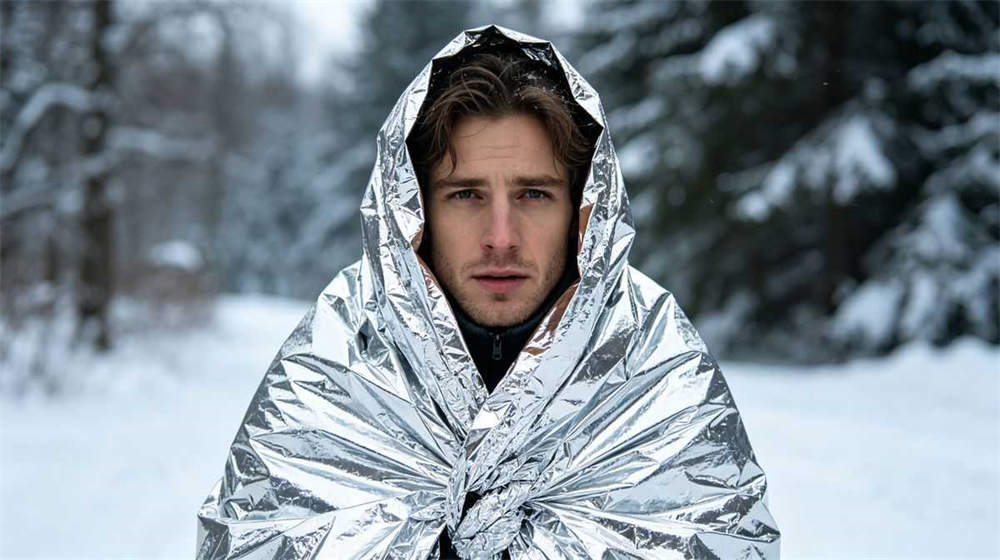
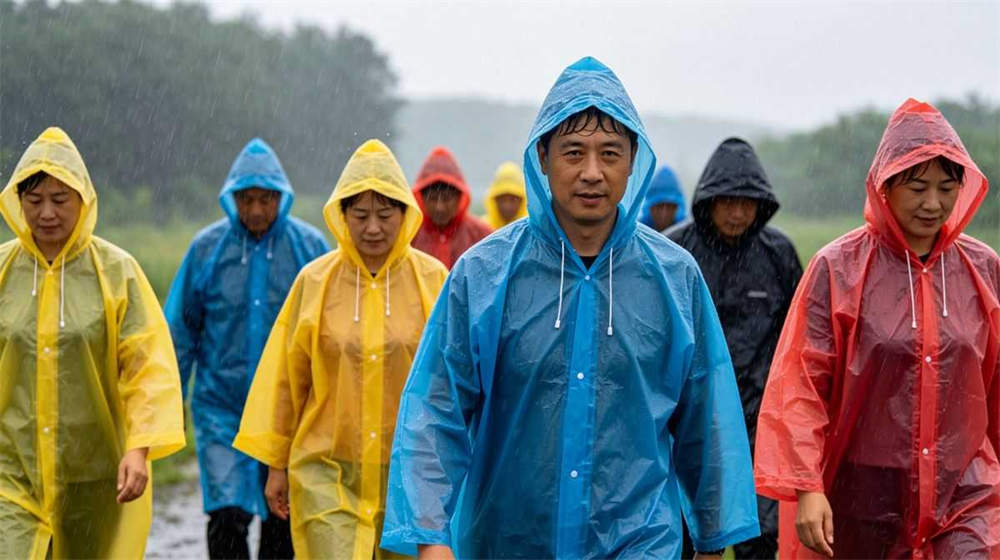
Two emergency thermal blankets (Mylar, retain 90% body heat), two disposable rain ponchos, two pairs of work gloves and two knit hats. A lightweight emergency tarp can be used as a shelter, ground cover or sun shade. These items prevent hypothermia and provide basic weather protection.
Wet wipes, facial tissues, disposable face masks, garbage bags, hand sanitizer, toothbrush and toothpaste, and a small towel. Hygiene supplies prevent disease and maintain dignity during extended emergencies without running water.
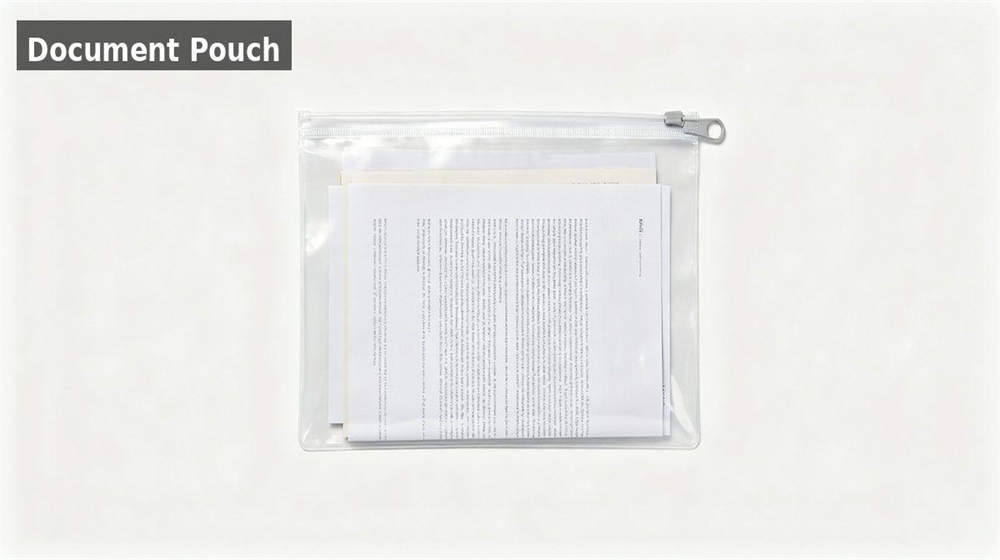
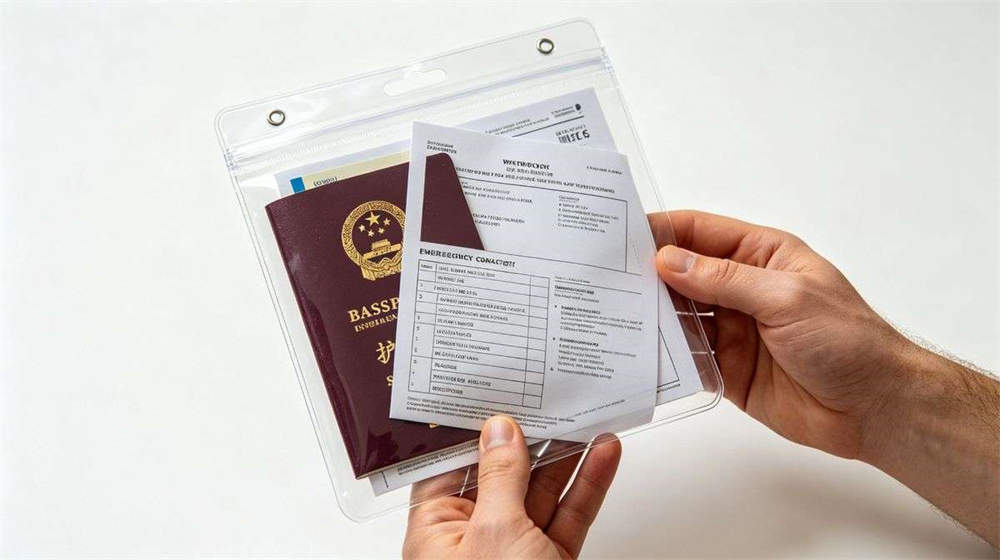
A waterproof document pouch for ID copies, cash, insurance papers, emergency contact list and family photos. A pen and notepad for recording information. A spare set of house and car keys can be added by the user.
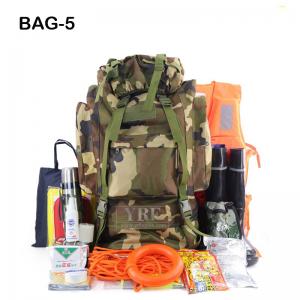
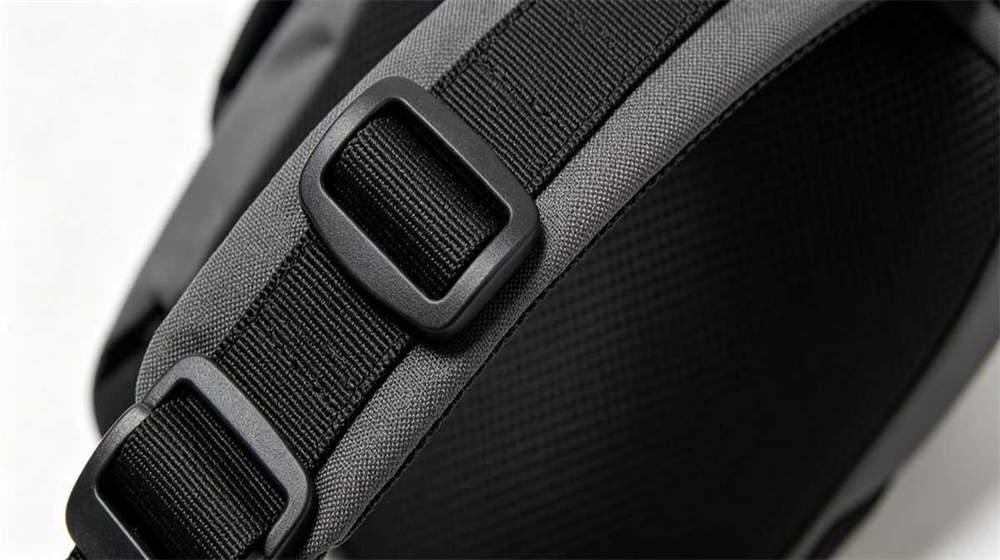
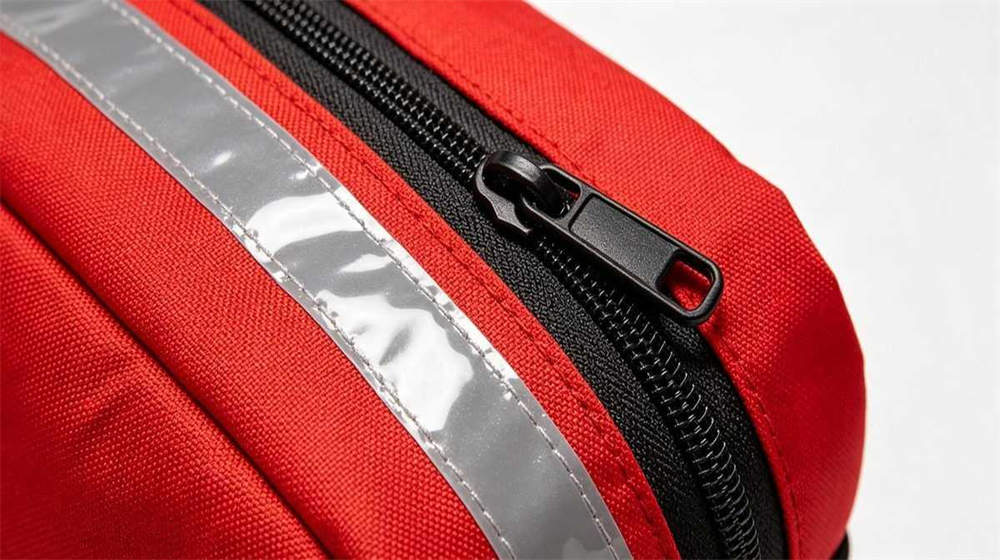
All items are packed in a durable 600D Oxford cloth backpack with reinforced stitching, padded shoulder straps, multiple compartments and a waterproof base. The bag dimensions are 450 x 330 x 180mm. Internal dividers keep items organized and accessible. Reflective strips on the bag improve visibility at night.
Reference configuration for 72-hour family emergency preparedness and disaster response.
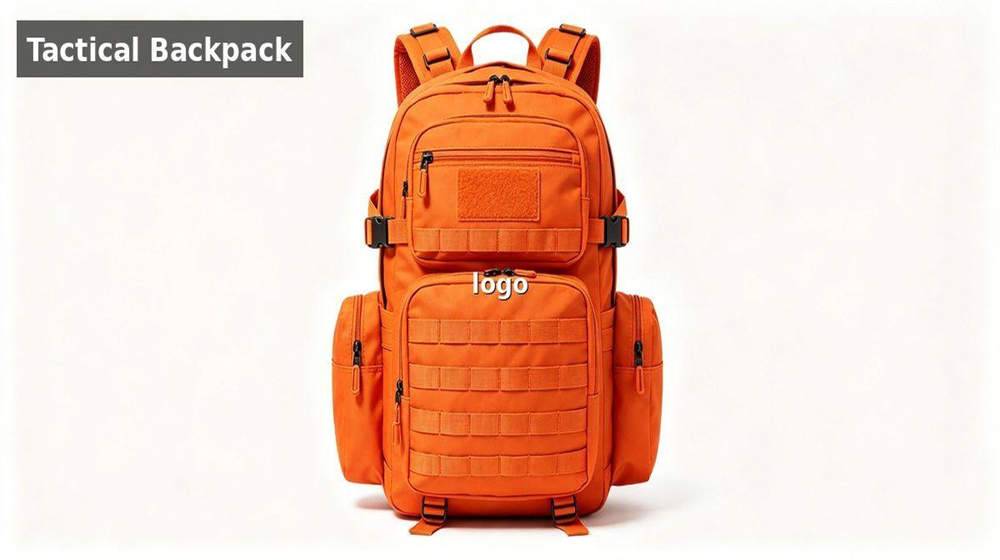
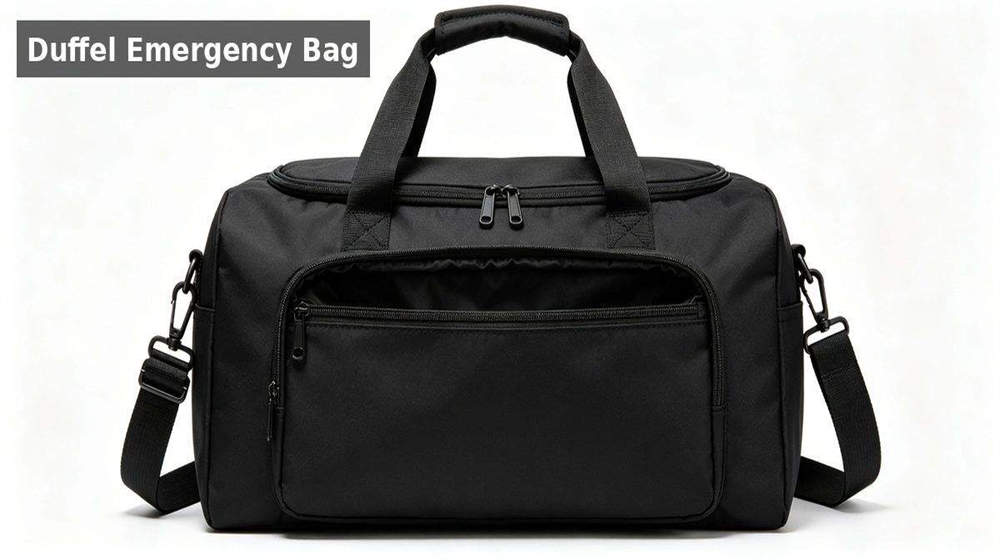
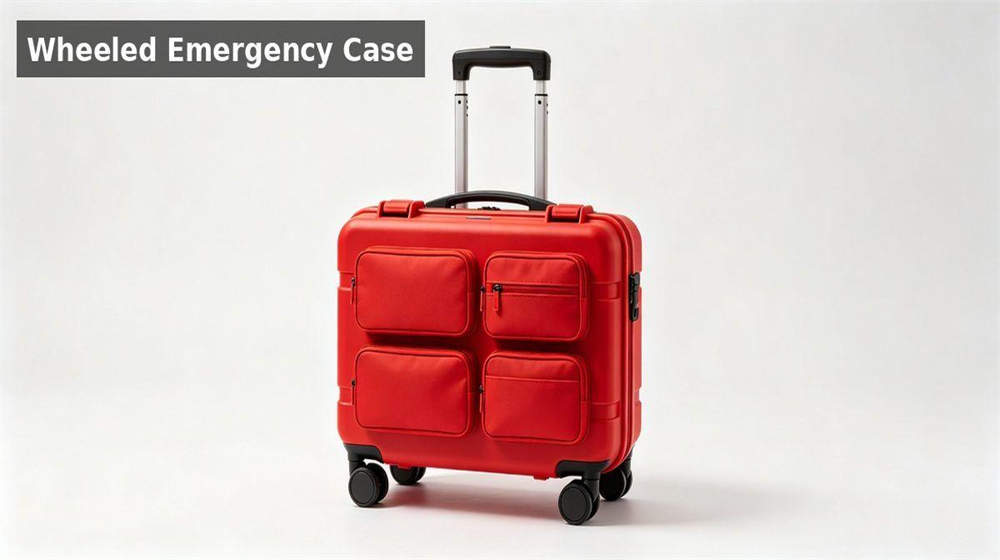
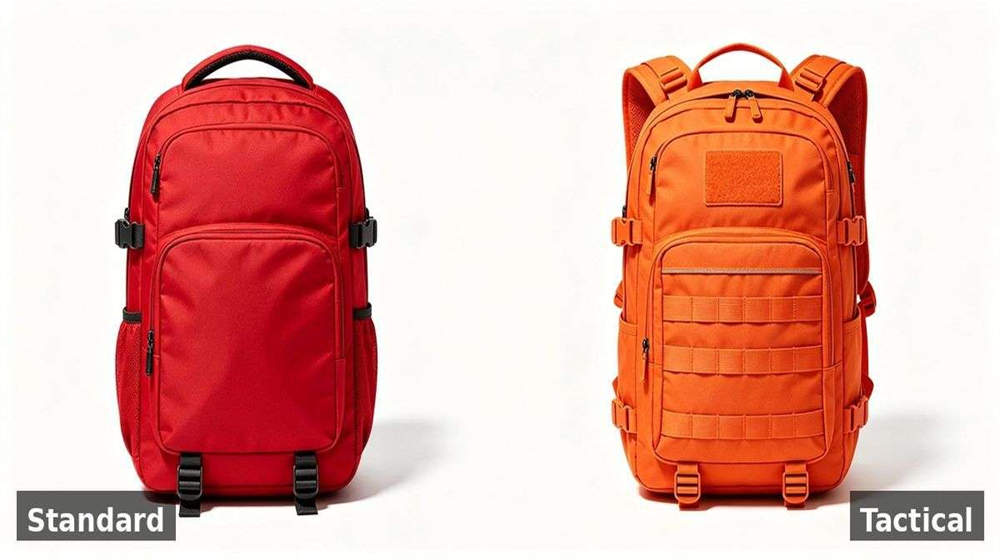
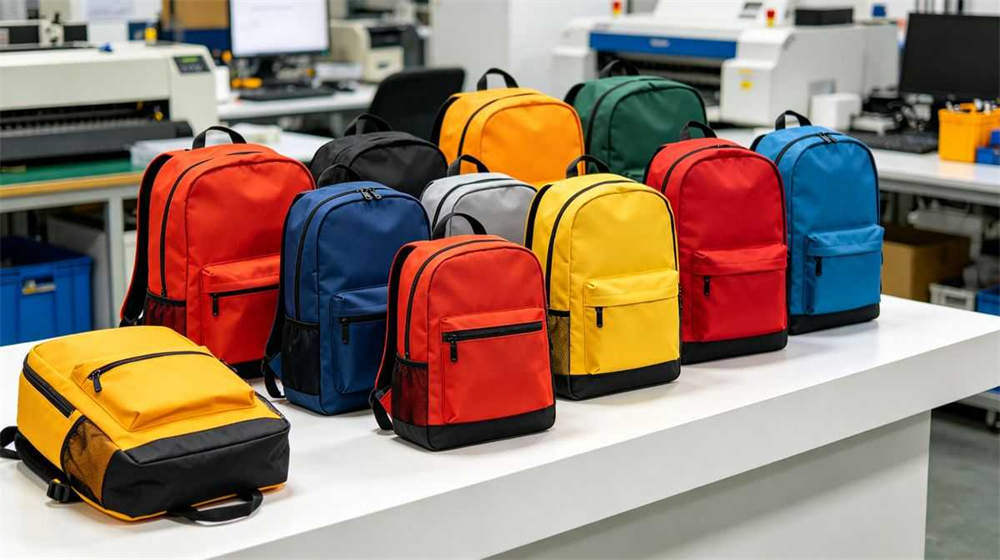
We offer five bag styles for the same 72-hour kit contents, allowing buyers to match the bag to their distribution channel and end user.
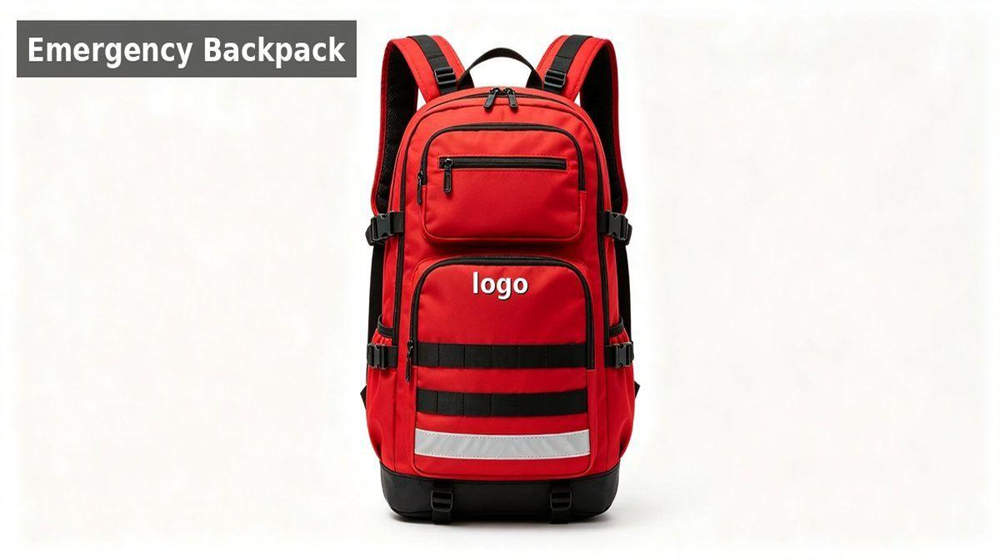
For buyers familiar with North American terminology, our waterproof emergency backpack also functions as a bug out bag (BOB) or go bag for rapid evacuation. The same configuration works as a family emergency backpack factory direct product, with reinforced straps, waterproof zippers and MOLLE-compatible webbing for attaching additional gear.
Bag Style
Dimensions
Best For
Key Feature
Silver-grey flap backpack
400 x 330 x 180mm
Home storage, government reserves
Flap closure with outer pocket for documents
Yellow open-top backpack
450 x 380 x 180mm
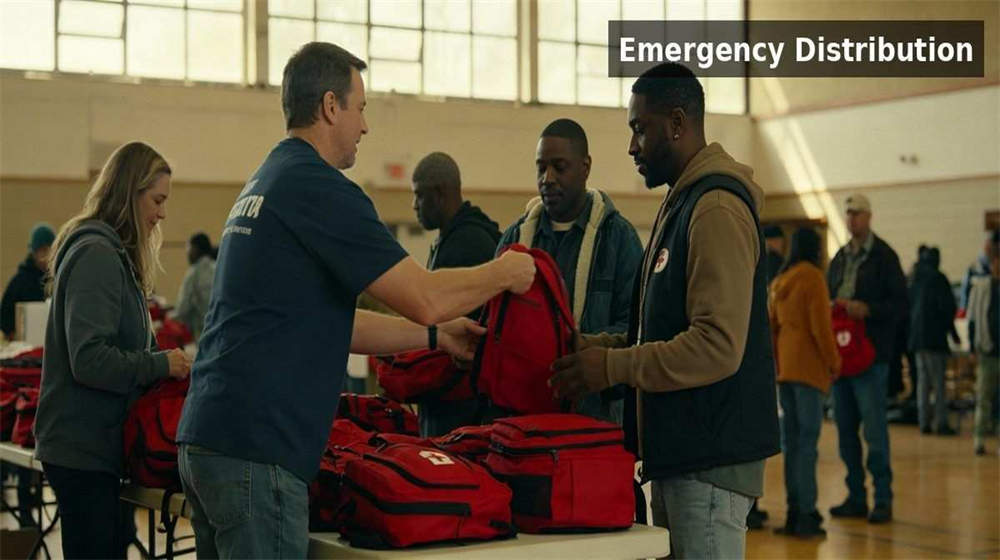
Emergency distribution, NGO programs
Wide opening for rapid pack-out and item counting
Orange tactical backpack
420 x 300 x 200mm
Outdoor and survival retailers
MOLLE webbing, multiple compartments, hydration compatible
Black duffel bag
500 x 250 x 250mm
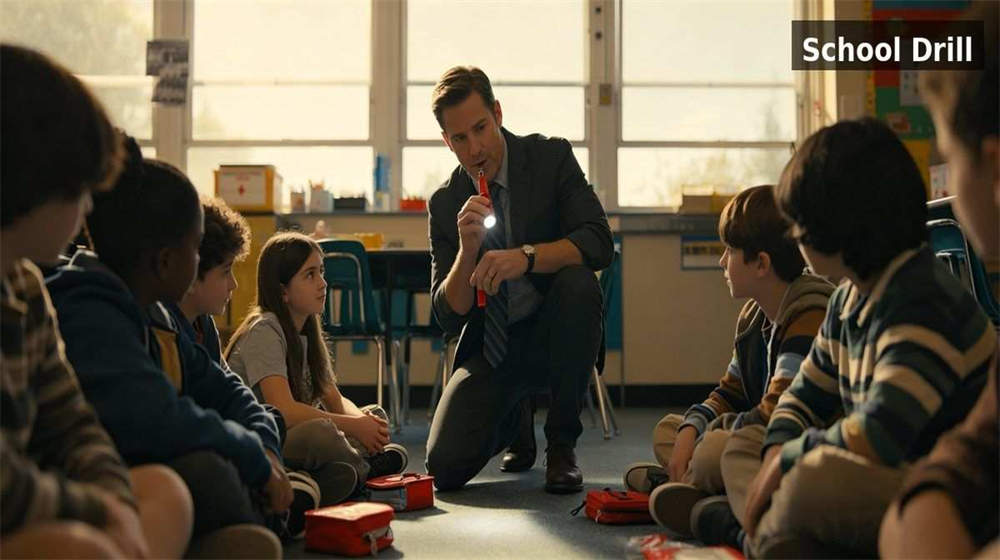
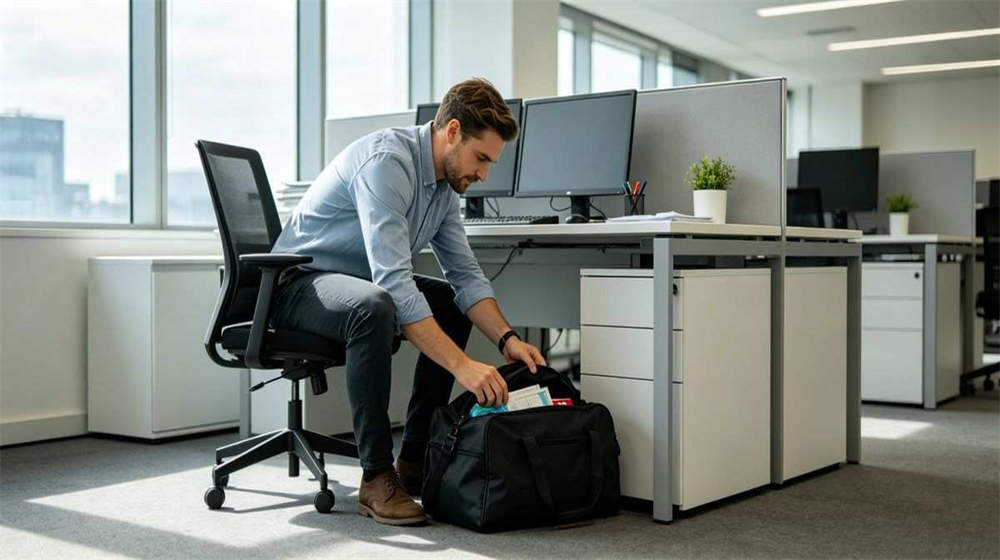
Vehicle storage, office kits
Wide zipper opening, carry handles, shoulder strap
Red wheeled carry case
480 x 350 x 200mm
Premium retail, elderly users
Wheels and telescoping handle for easy transport
All five bag styles are made from 600D Oxford cloth with PVC coating for water resistance. Custom colors and logo printing are available for orders over standard quantities. Bag material, zipper quality and strap reinforcement can be upgraded for heavy-duty or premium markets.
Answer these four questions before requesting a quotation:
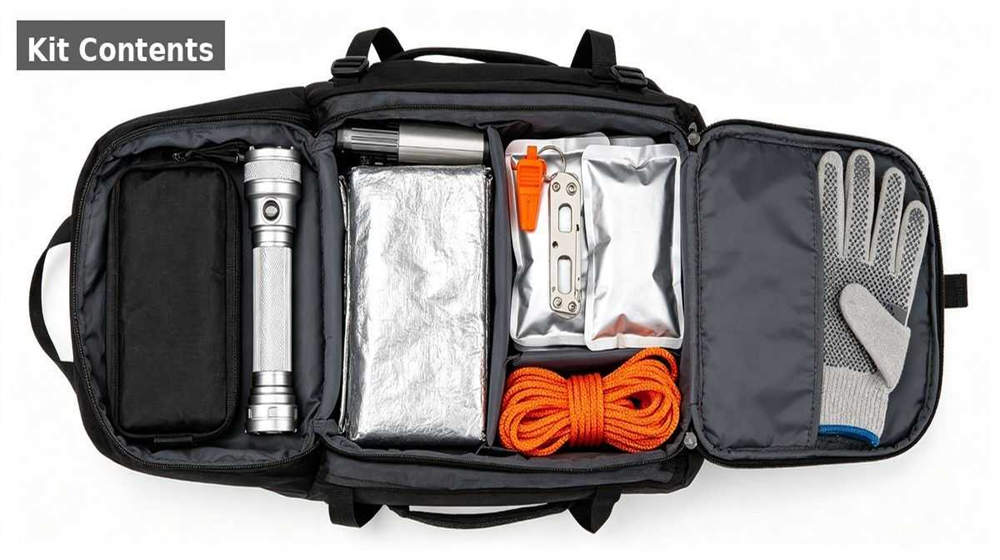
The following table shows the standard two-person configuration. Quantities can be adjusted for larger households or specific hazard profiles.
Optional add-on components include a compass for navigation, a multi tool for emergency repairs, a fire starter for warmth and cooking, a solar charger for off-grid device charging, and a hand crank radio for reliable communication without batteries. These items can be added to any kit configuration at incremental cost.
Reference configuration for 72-hour family emergency preparedness and disaster response.
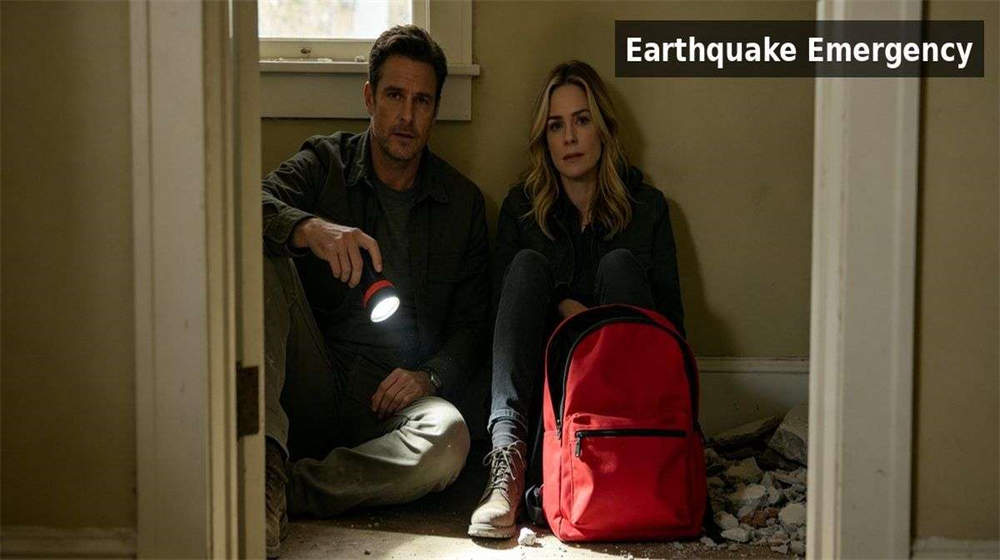
Earthquake kits prioritize rescue tools, shelter and first aid. Standard configuration plus: additional work gloves for debris clearing, dust masks for aftershock protection, a pry bar tool, and sturdy shoes stored with the kit. Earthquake kits should be stored near an exit and include a family reunion plan. Food and water should be rotated every 2-3 years.
Reference configuration for 72-hour family emergency preparedness and disaster response.
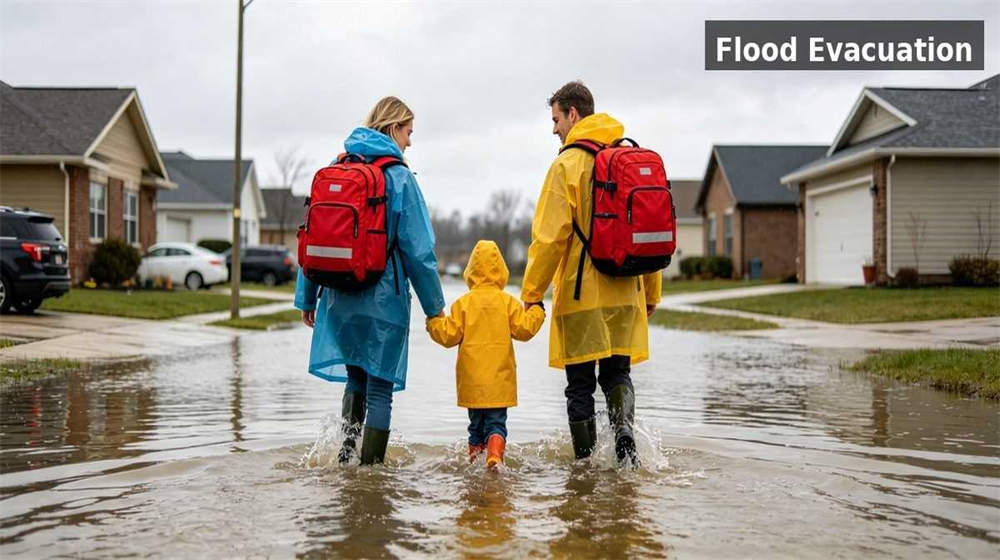
Flood kits prioritize water safety, flotation and waterproof storage. Standard configuration plus: water purification tablets (increased quantity), a lightweight life vest for each person, waterproof dry bags for documents and electronics, and a rope for water rescue. Flood kits should be stored on an upper floor or in a waterproof container. Add a whistle and signal mirror for water rescue signaling.
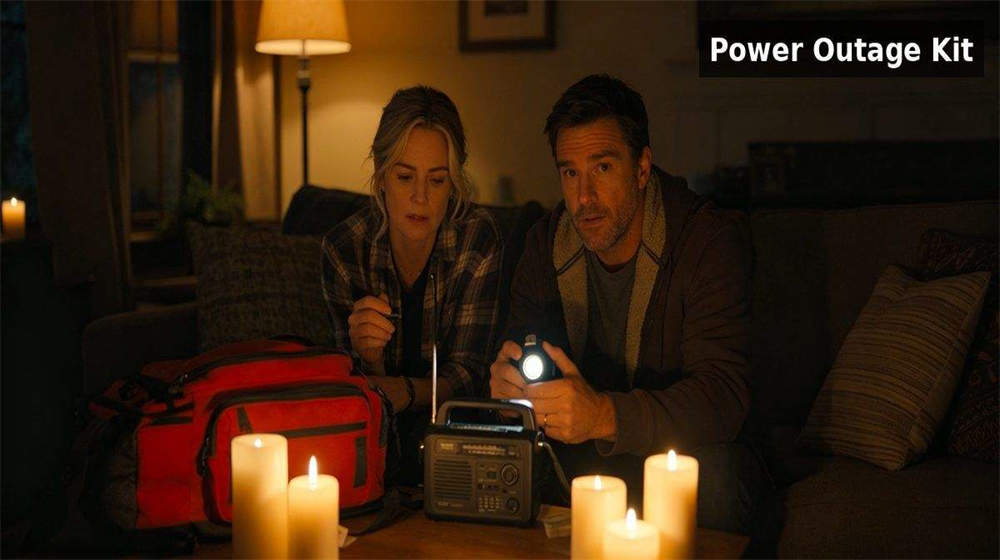
Power outage kits prioritize lighting, communication and warmth. Standard configuration plus: additional batteries for all devices, a larger hand-crank radio with phone charging, chemical hand warmers, and a portable stove with fuel (where regulations allow). Power outage kits should include a list of emergency contacts and a battery-powered or hand-crank phone charger.
Winter storm kits prioritize warmth, food that needs no cooking, and shelter. Standard configuration plus: additional thermal blankets, hand and foot warmers, a winter hat and gloves for each person, and a metal container for safe candle use. Winter kits should include a snow shovel and rock salt if stored at home. Food should be no-cook type since power may be out for days.
Tornado and Severe Wind: A tornado emergency kit prioritizes helmet, sturdy shoes, whistle and battery-powered radio for sheltering in an interior room. Our disaster preparedness kit includes these items and can be augmented with a mattress cover for debris protection.
Wildfire and Smoke: For wildfire zones, add N95 dust masks, eye protection and a fire-resistant document pouch. The kit's emergency poncho doubles as a smoke barrier in low-visibility conditions, and the hand crank radio provides evacuation alerts when power fails.
Pandemic and Public Health Emergency: A pandemic-ready configuration includes surgical masks, disposable gloves, hand sanitizer and a digital thermometer. This emergency supplies kit variant is popular with schools, offices and community organizations preparing for health crises.
Winter Storm and Ice Storm: For winter storm and ice storm scenarios, prioritize thermal blankets, hand warmers, insulated gloves and a portable stove (if permitted). Our cold-weather upgrade pack is available as an add-on to the standard kit.
Power Outage and Blackout: Extended blackout conditions require flashlights, extra batteries, a hand crank radio and a solar power bank. Every kit includes multiple lighting options so households are never in the dark during a grid failure.
Civil Unrest and Evacuation: For civil unrest scenarios, a compact go bag with documents, cash, water purification tablets and a change of clothes is essential. Our kit's waterproof document pouch keeps passports, insurance papers and emergency contacts secure.
Reference configuration for 72-hour family emergency preparedness and disaster response.
The standard two-person kit is designed for healthy adults. Households with special needs should add the following items:
Sample Policy: Pre-production samples are available for all custom configurations. Sample cost is US$35-80 per unit depending on complexity, with 7-10 day production. Sample cost is fully deductible from bulk orders above 500 units. This allows buyers to verify quality before committing to a large custom emergency kit manufacturer order.
MOQ and Order Flexibility: Standard MOQ is 100 units per model for non-custom kits, 200 units for OEM private label. For first aid emergency kit wholesale orders below MOQ, we offer a mixed-container program combining multiple kit styles to reach the minimum. Trial orders from new buyers are welcome.
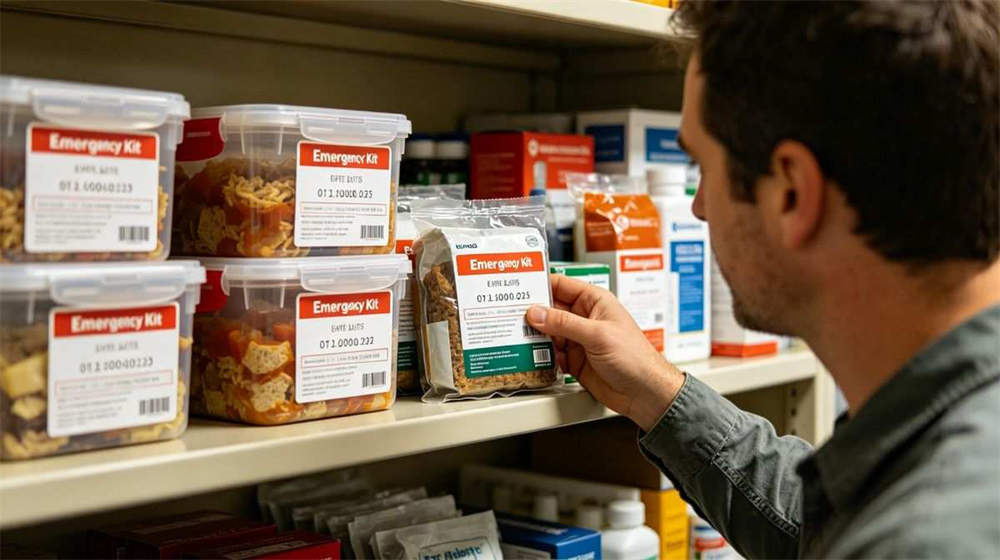
Proper rotation ensures all items are usable when needed. Check the kit every 6 months and replace expired items.
|
Item Category |
Typical Shelf Life |
Check Frequency |
Storage Tip |
|
Emergency food rations |
5 years |
Annually |
Cool, dry place, avoid temperature extremes |
|
Bottled/pouched water |
2-5 years |
Annually |
Check for leaks, replace if seal broken |
|
Water purification tablets |
5 years |
Annually |
Keep in original sealed container |
|
First aid supplies |
2-3 years |
Every 6 months |
Check expiration dates on ointments and medications |
|
Batteries |
1-2 years |
Every 6 months |
Store separately, test with battery tester |
|
Chemical light sticks |
3-4 years |
Annually |
Do not activate until needed |
|
Medications (if included) |
1-2 years |
Every 6 months |
Check expiration, replace as needed |
|
Tools and equipment |
Indefinite |
Annually |
Check for rust, damage, functionality |
When rotating food and water, use the expired items for camping or training and replace with fresh stock. Keep a rotation schedule taped to the kit lid. Mark each item with the purchase date using a permanent marker.
How to Use Your Emergency Kit: Store the kit in a designated, accessible location known to all household members. Review the contents list every 6 months and rotate expired items. During an emergency, open the kit, distribute food and water rations per person, activate lighting and communication devices, and follow the included emergency plan card. For evacuation scenarios, grab the backpack and go; for shelter-in-place, keep the kit open and accessible in your safe room.
Maintenance Checklist: Check water bottle seals, test flashlight batteries, inspect first aid kit expiration dates, verify radio functionality, and replace any used or damaged items. A maintenance log card is included with every kit for tracking rotation dates.
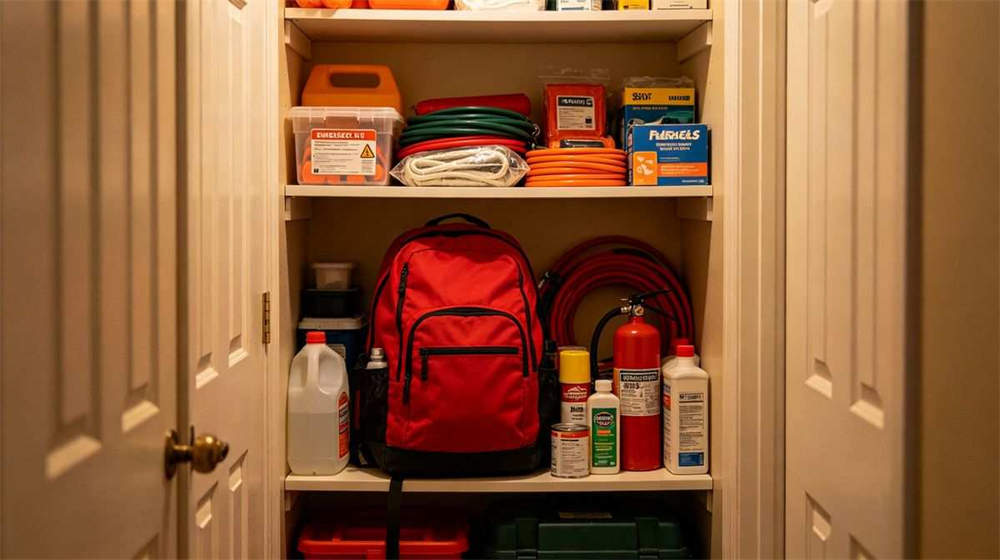
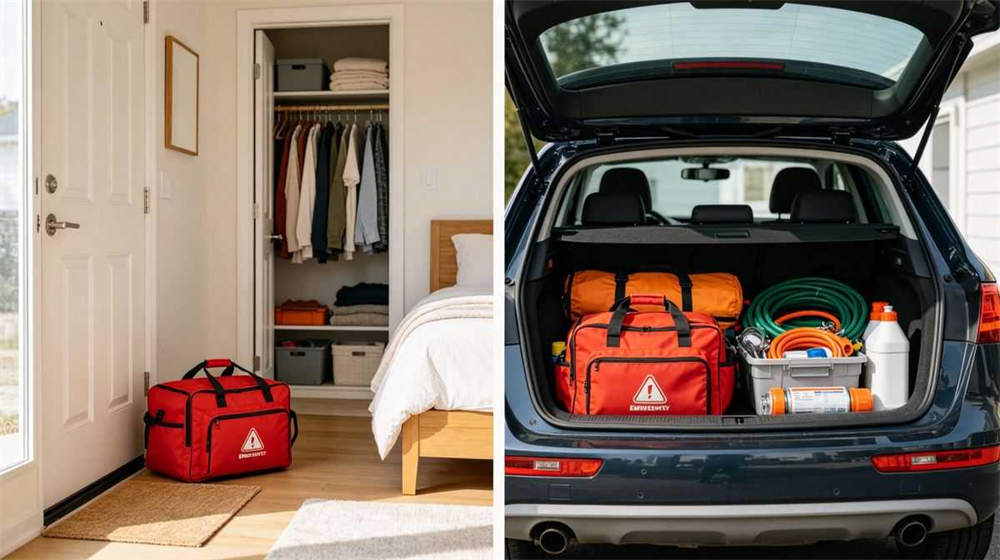
Where you store your emergency kit affects how quickly you can access it during an emergency.
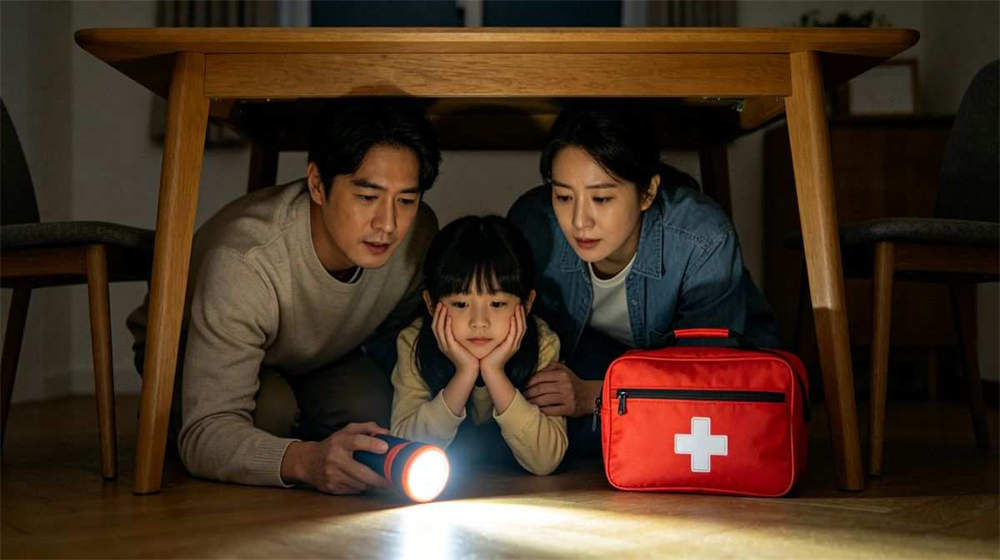
Ideally, maintain three kits: one at home, one in the car and one at work. The home kit is the most comprehensive; the car and office kits can be smaller with focus on immediate needs.
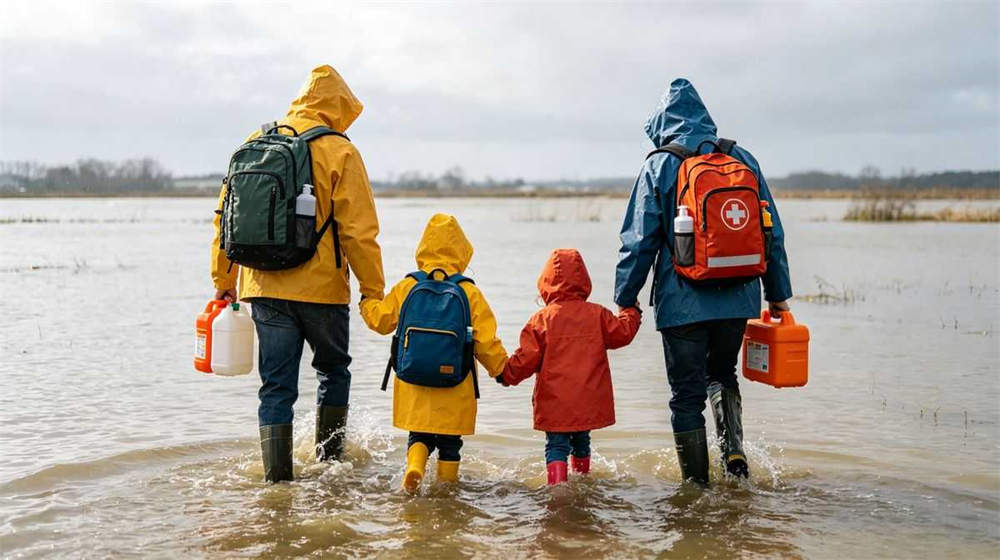
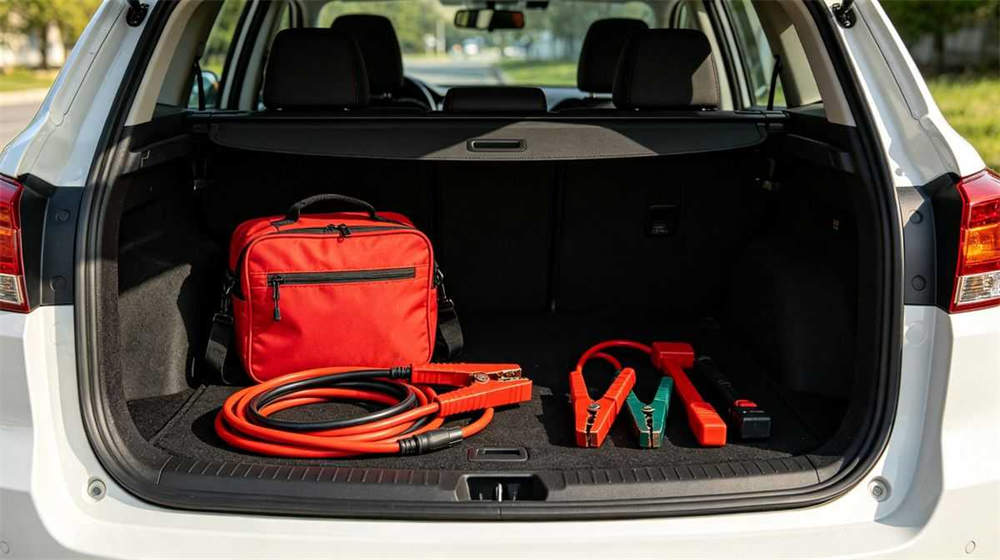
For Car: Keep a compact emergency kit in the trunk of every vehicle. Include jumper cables, a reflective triangle, a window breaker and a thermal blanket in addition to the standard kit. Our emergency kit for home and car bundle is popular with families who want coverage in both locations.
For Apartment: Apartment dwellers should store the kit near the front door for quick evacuation. A shelter in place kit variant with additional water and food is recommended for high-rise buildings where evacuation may be delayed.
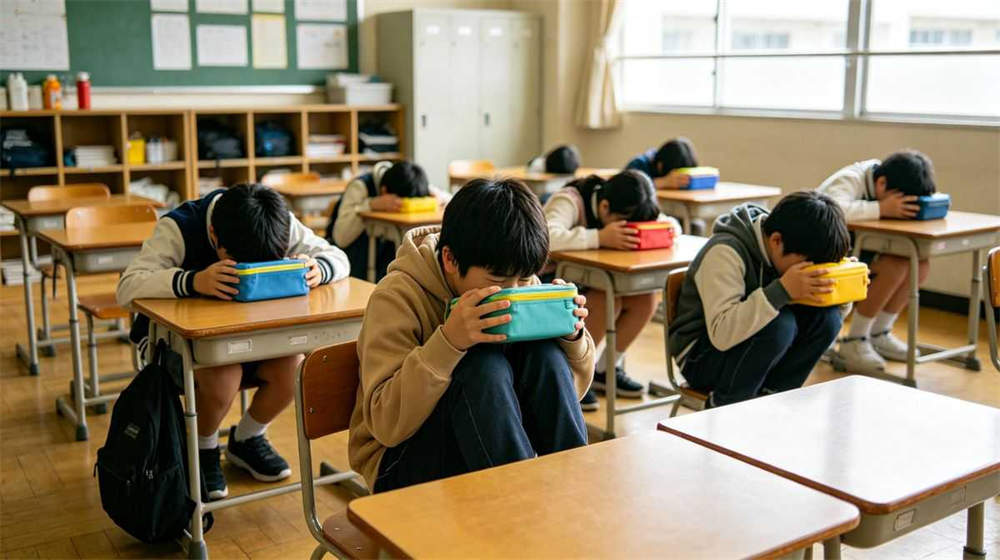
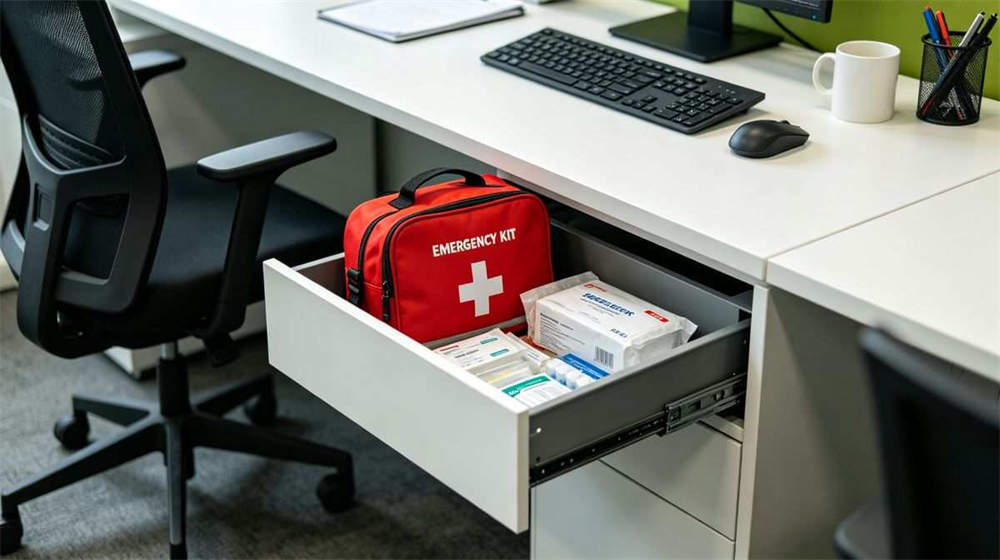
For School and Office: Schools and offices benefit from bulk emergency kit for school configurations with student-sized components, while office kits prioritize communication, first aid and shelter-in-place supplies for employees.
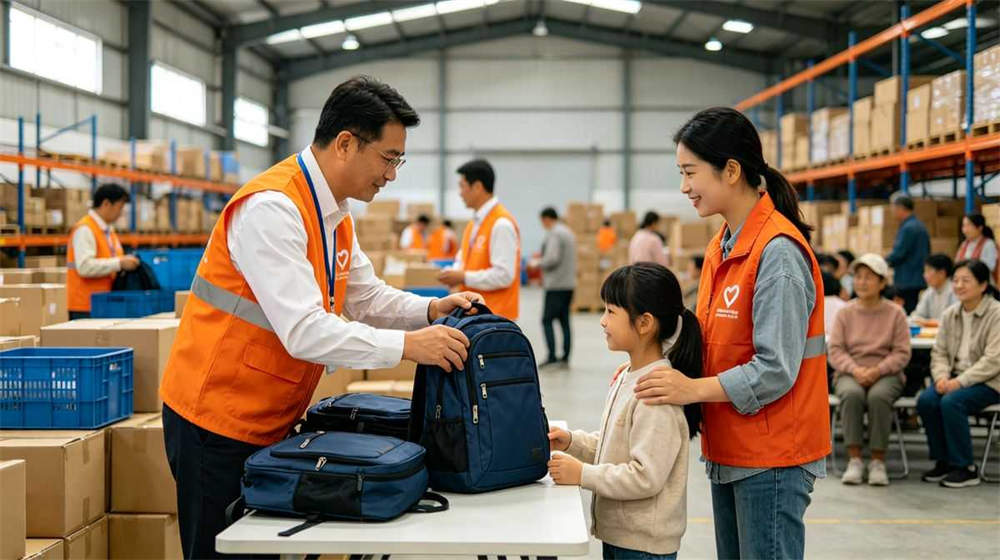
For government reserves, NGO distribution and large-scale programs, we offer bulk packaging and custom configurations.
|
Order Size |
Typical Use |
Packing |
Lead Time |
|
100-500 kits |
Community program, small municipality |
Individual bags, master carton of 10 |
15-25 working days |
|
500-2000 kits |
City-wide reserve, regional NGO |
Individual bags, palletized, zone-labeled |
25-35 working days |
|
2000+ kits |
National reserve, large humanitarian program |
Custom packing, sequential numbering, full documentation |
35-50 working days |
Bulk orders can include custom logo printing on bags, multilingual instruction booklets, region-specific item adjustments (e.g., mosquito nets for tropical regions, thermal items for cold climates), and sequential numbering for inventory tracking. We provide a master packing list, product specifications and expiration date tracking for every batch.
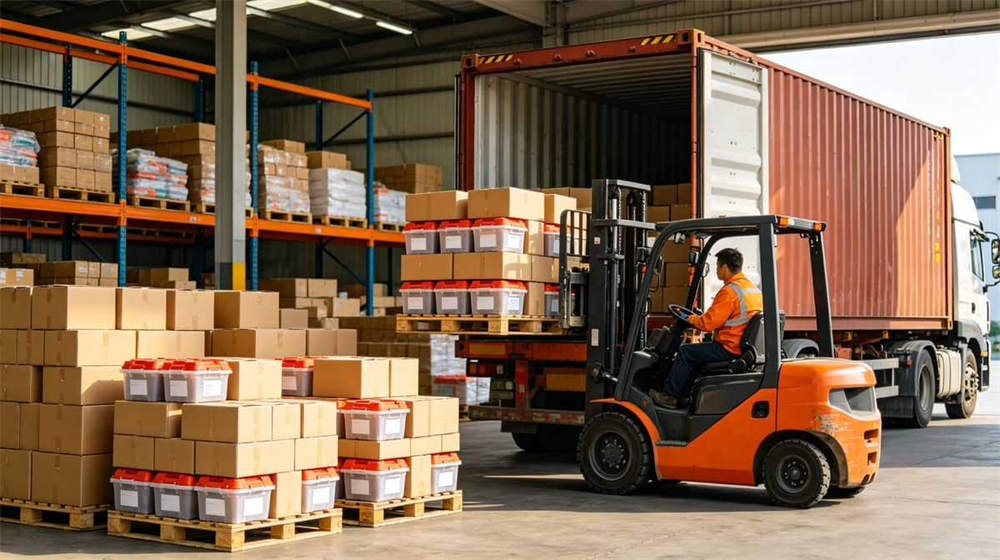
Packing and Loading: Each kit is individually packed in a polybag, then 10-20 kits per export carton depending on configuration. A standard 20GP container loads approximately 800-1200 units; a 40HQ loads 1800-2500 units. We provide detailed packing lists, carton markings and loading photos for every shipment.
Production Capacity and Lead Time: Our factory produces 5000-8000 emergency kits per month across all configurations. Standard lead time is 25-35 days for bulk orders; rush orders can be completed in 15-20 days with prior arrangement. Production capacity can be scaled for large government tenders and NGO relief programs.
Logistics and Shipping: We ship from Guangzhou/Shenzhen ports to any destination worldwide. Trade terms include FOB, CIF, CFR and DDP (selected countries). For urgent relief shipments, we can arrange air freight or express delivery for sample and trial orders. Consolidation with other product categories (tents, blankets, sleeping bags) is available to optimize container usage.
Clients We Serve: Our OEM disaster preparedness kit products are supplied to government civil defense agencies, international NGOs, humanitarian organizations, wholesale distributors, retail chains and corporate safety programs across North America, Europe, Middle East, Africa and Southeast Asia.
Our 72-hour family emergency kits meet relevant international standards for emergency preparedness products. We can help arrange third-party test reports based on your project requirements.
Incoming Quality Control (IQC): All raw materials — including food rations, water pouches, first aid components, textiles and hardware — are inspected upon arrival. Food items verified for expiration date, packaging integrity and nutritional labeling. Textile components checked for fabric weight, stitching and color fastness.
In-Process Quality Control (IPQC): During assembly, each workstation performs periodic checks on packing accuracy, component placement and packaging quality. Every kit passes through a weight verification station to confirm all listed items are included.
Final Quality Control (FQC): Finished kits undergo AQL 2.5 sampling for general appearance and 100% functional testing of critical items (flashlights, radios, whistles). Third-party inspection by SGS, BV or Intertek is available at buyer's request.
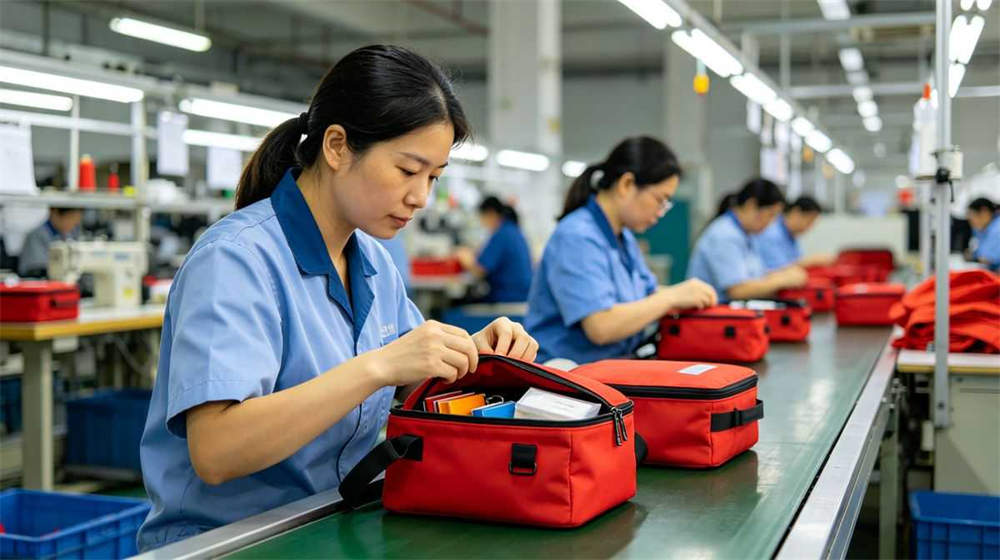
Factory Overview: Our 5000 sqm production facility in China employs 80-120 trained workers across cutting, sewing, assembly and packing departments. We maintain a clean, organized production environment with dedicated zones for food-grade component handling and sterile first aid assembly.
Certifications and Testing: Products comply with relevant international standards including CE, FDA (food contact components), ISO 9001 quality management and BSCI social compliance. Food rations meet WHO nutritional guidelines; first aid components are CE marked. Test reports available on request.
When procuring family emergency kits, confirm these eight points:
We offer flexible payment terms designed for wholesale, government and NGO buyers of 72 hour bug out bag supplier and family emergency kit products.
For large government tenders and humanitarian aid programs, we can discuss milestone payment structures aligned with project timelines. All transactions are processed through verified banking channels with full documentation.

We stand behind every family emergency backpack factory product with comprehensive after-sales support.
FAQ About 72 Hour Kit, Family Emergency Kit and Emergency Kit Supplier
A standard two-person 72-hour kit contains food and water for two adults for three days (6 food packs, 24 water pouches), a 26-piece first aid kit, tools (multi-tool, shovel, tape, rope), lighting (hand-crank radio flashlight, 2 headlamps, 6 light sticks), warmth items (2 thermal blankets, 2 ponchos, 2 gloves, tarp), hygiene supplies, communication tools (whistle, signal mirror), a document pouch and an emergency guide. Total 26 categories, 53 pieces, approximately 3.9kg.
The standard recommendation is 2000 calories of food and 3 liters of water per person per day. For two people over three days, this equals 12,000 calories and 18 liters of water. Our kit provides this through 6 food ration packs and 24 water pouches, plus water purification tablets as backup.
Yes. For larger households, add individual food and water packs for each additional person. Shared items (tools, radio, first aid kit) can remain as one per household. We offer 3-person, 4-person and family-of-4 configurations. Alternatively, purchase multiple 2-person kits and combine them.
Shelf life varies by item: emergency food rations 5 years, bottled water 2-5 years, first aid supplies 2-3 years, batteries 1-2 years, tools and equipment indefinite. We recommend checking the kit every 6 months and replacing expired items. All perishable items are lot-tracked with expiration dates printed on packaging.
The bag is made from 600D Oxford cloth with PVC coating, providing water resistance for rain and splashes. Important documents and electronics should be stored in the included waterproof pouch. For flood-prone areas, we recommend adding waterproof dry bags or storing the entire kit in a waterproof container.
Store in a cool, dry place near an exit where all household members can find it quickly. Avoid attics (too hot) and basements (potential flooding). A closet near the front door or under a bed works well. Check the kit every 6 months and rotate expired food and water.

Yes. We recommend including a 7-day supply of essential prescription medications in the document pouch or a dedicated compartment. Check expiration dates every 6 months and replace as needed. Keep a copy of the prescription with the medication. Note that we do not supply prescription medications; these must be added by the end user.
Standard emergency food rations are typically vegetarian and do not contain common allergens, but formulations vary by supplier. We can provide ingredient lists and allergen information on request. Special dietary versions (halal, kosher, gluten-free) are available for bulk orders with appropriate lead time.
The standard two-person kit weighs approximately 3.9kg (8.6 lbs). This is designed to be carried by an adult. For children, we recommend a smaller personal kit (1-2kg) containing a whistle, snack, water bottle, emergency contact card and comfort item. The main kit should be carried by an adult during evacuation.
Yes. We offer custom logo printing on the bag (silkscreen or heat transfer), custom bag colors, multilingual instruction booklets and custom packaging. Private label is available for orders over standard quantities. Provide your logo in vector format (AI or EPS) for best results. Custom printing adds 5-10 working days to production.
Standard kits have a low minimum order quantity suitable for small retailers and community groups. Custom configurations and private label require higher minimums. Contact us with your project details for a specific quotation. We can also provide sample kits for evaluation before placing a bulk order.
During an emergency, grab the kit and evacuate if instructed. Use the whistle and signal mirror to attract attention. Follow the emergency guide booklet for first aid and shelter instructions. Conserve food and water by rationing. Use the hand-crank radio for emergency broadcasts. After the emergency, replace all used items and check expiration dates.
The standard kit is designed for humans. For pets, add pet food (3-day supply), water bowls, a leash, pet first aid supplies and vaccination records. We offer pet emergency kit add-ons for bulk orders. Calculate 250-500g of food per day per pet depending on size.
Include copies of: ID cards/passports, insurance policies (home, health, life), emergency contact list, family photos (for identification if separated), cash (small bills), house and car keys, prescription copies, and a list of medications and dosages. Keep originals in a safe deposit box and copies in the kit.
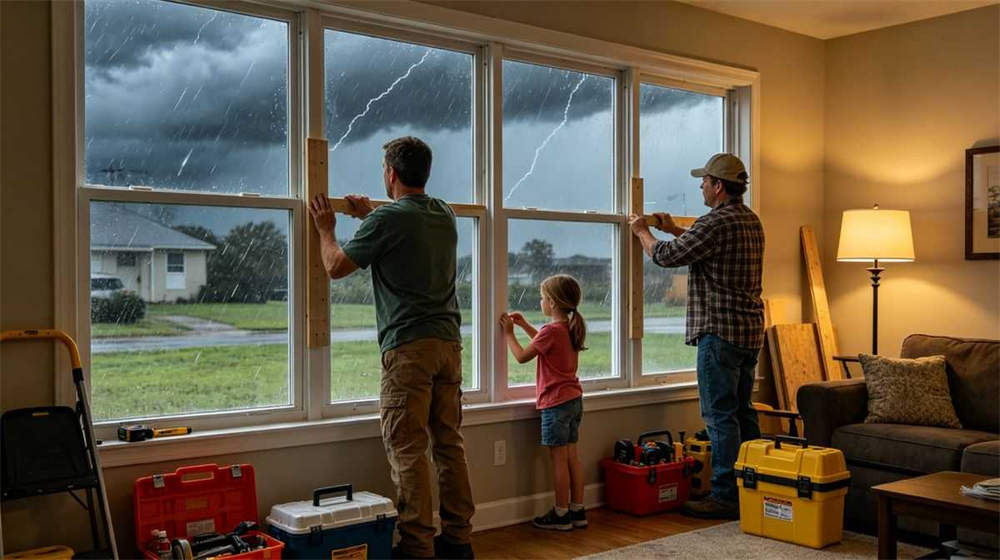
Send your project details for a customized emergency kit quotation. Include quantity, household size, main hazard type, bag style preference, destination and any custom requirements. We will respond with product specifications, packing plan and estimated timeline.
Email: info@yrftextile.com
Retain the content list, shelf life schedule and storage recommendations from this page in your final RFQ. We can combine multiple kit configurations into one shipment with unified packing and documentation.
Need a Custom 72-Hour Emergency Kit?
Bulk supply from China with OEM private label. Get a quote within 24 hours.


Liens amicaux :
droits dauteur © Custom Disaster - Relief Bedding: Tents, Sleeping Bags, Blankets Tous les droits sont réservés
léquipe professionnelle au service !